The Missiles Go Home: How the Cuban Missile Crisis Ended
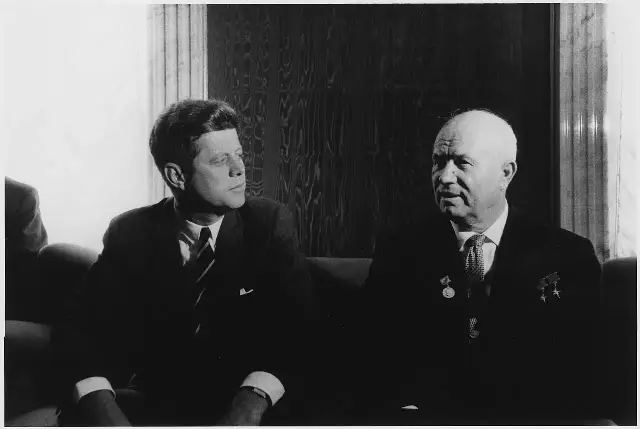
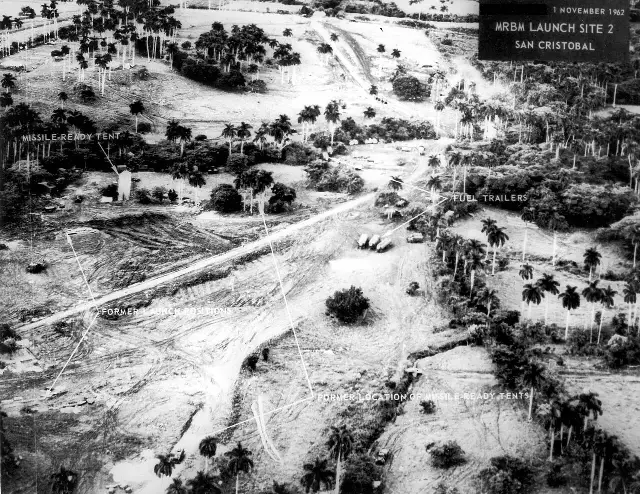
On October 28, 1962, Nikita Khrushchev announced the Soviet missiles would leave Cuba, ending thirteen days in which the world stood closer to nuclear war than ever before.


On October 28, 1962, Nikita Khrushchev announced the Soviet missiles would leave Cuba, ending thirteen days in which the world stood closer to nuclear war than ever before.
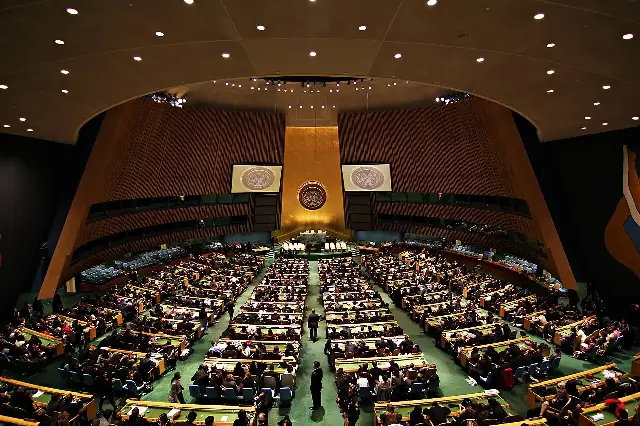
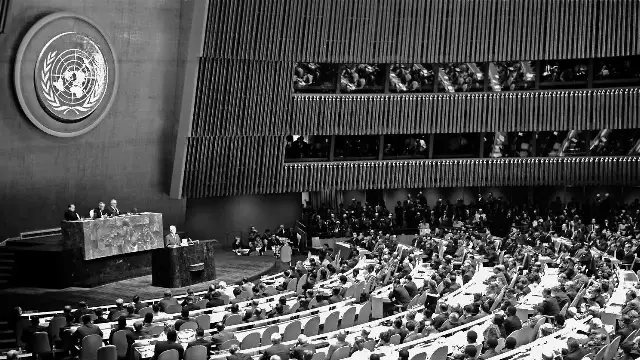
On October 25, 1971, the UN General Assembly voted 76-35 to give China's seat — and its Security Council veto — to Beijing.
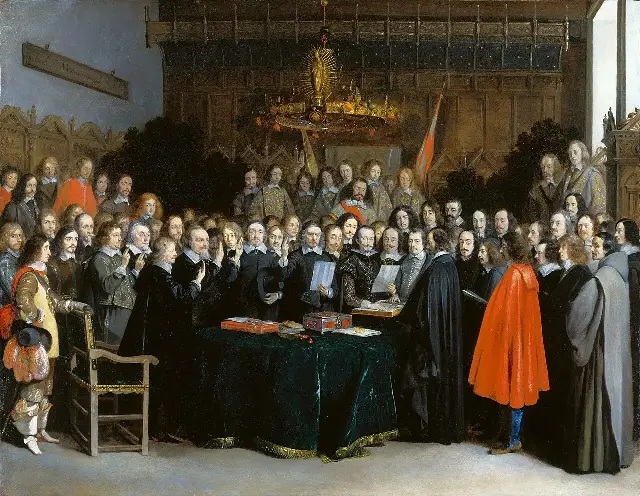
On October 24, 1648, treaties signed at Münster and Osnabrück ended the Thirty Years' War and redrew Europe around the idea of sovereign states.
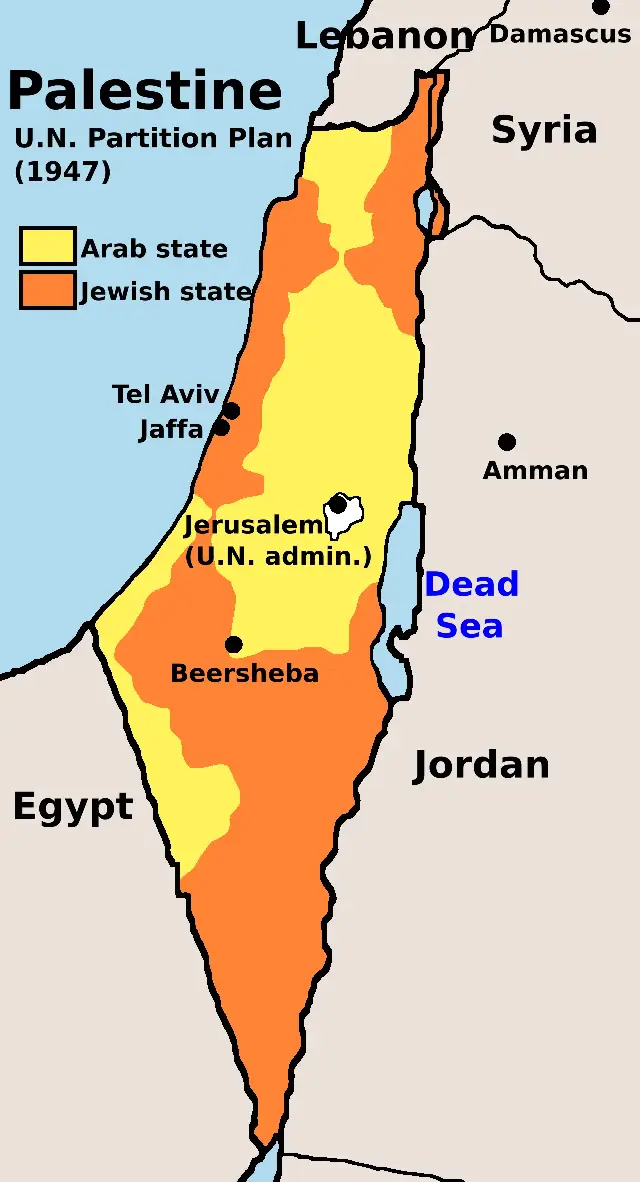
On November 29, 1947, the United Nations General Assembly adopted Resolution 181 by a vote of 33 to 13, recommending that Palestine be divided into separate Jewish and Arab states.
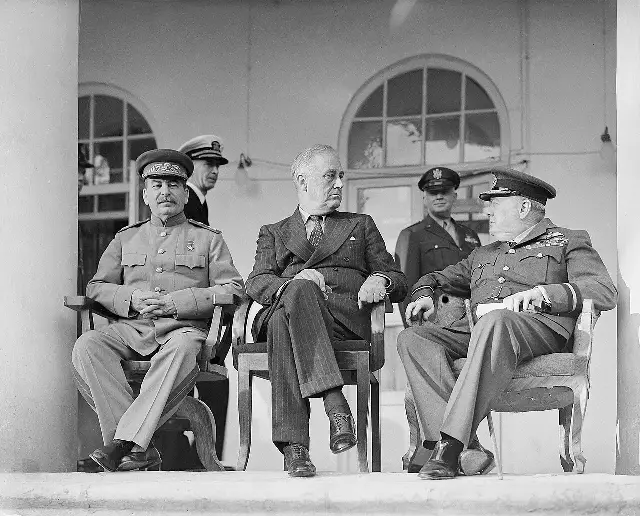
On November 28, 1943, Franklin Roosevelt, Winston Churchill, and Joseph Stalin sat down together for the first time, inside the Soviet embassy in Tehran, to decide how to win World War II.
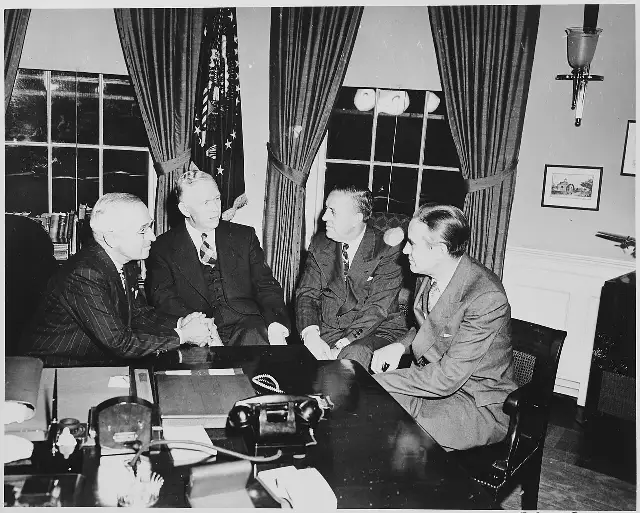
On April 3, 1948, President Truman signed the Marshall Plan, committing about $13 billion to rebuild war-torn Western Europe.
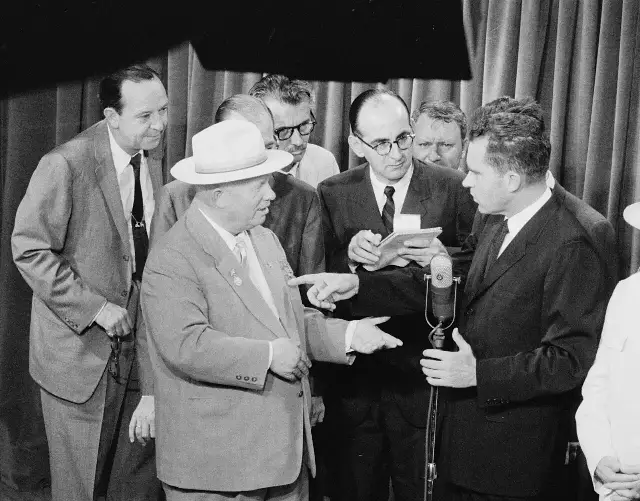
On July 24, 1959, Vice President Richard Nixon and Soviet leader Nikita Khrushchev squared off in a model kitchen in Moscow — and their impromptu 'Kitchen Debate' aired in both nations.
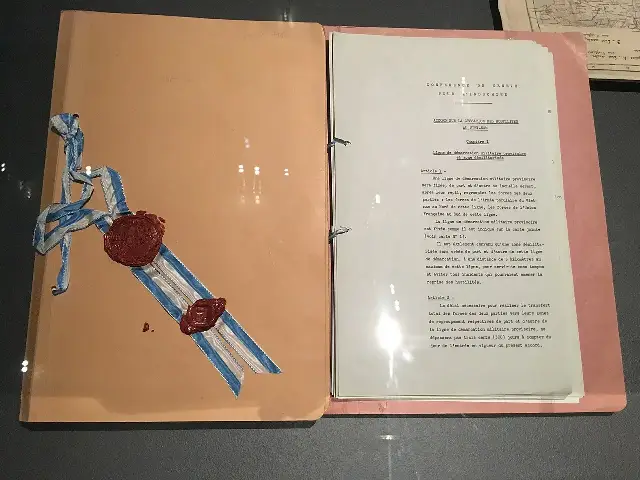
On July 21, 1954, the Geneva Conference closed with accords ending France's war in Indochina — and split Vietnam at the 17th parallel, a 'temporary' line that became two countries.
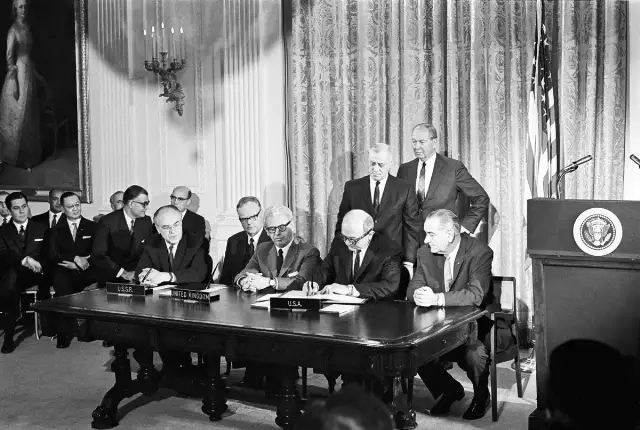
On January 27, 1967, the United States, the Soviet Union, and Britain signed the Outer Space Treaty — the law that still keeps nuclear weapons off the Moon and out of orbit.
On April 8, 1904, Britain and France signed the Entente Cordiale in London — a set of colonial agreements that ended centuries of rivalry and reshaped the alliances of the 20th century.
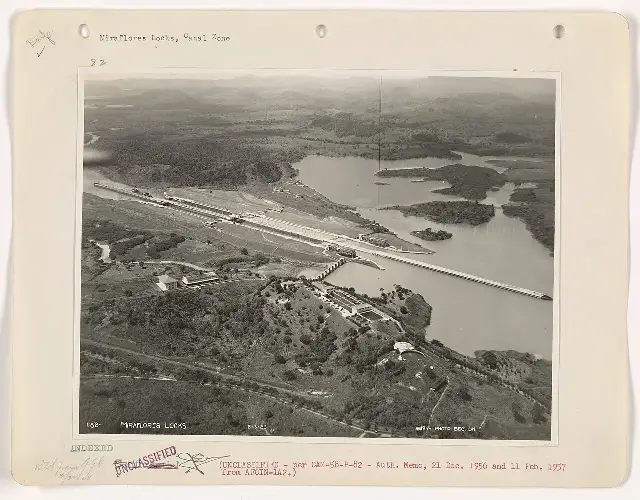
On November 18, 1903, Philippe Bunau-Varilla — who was not Panamanian — signed a treaty giving the United States permanent control of the Panama Canal Zone.
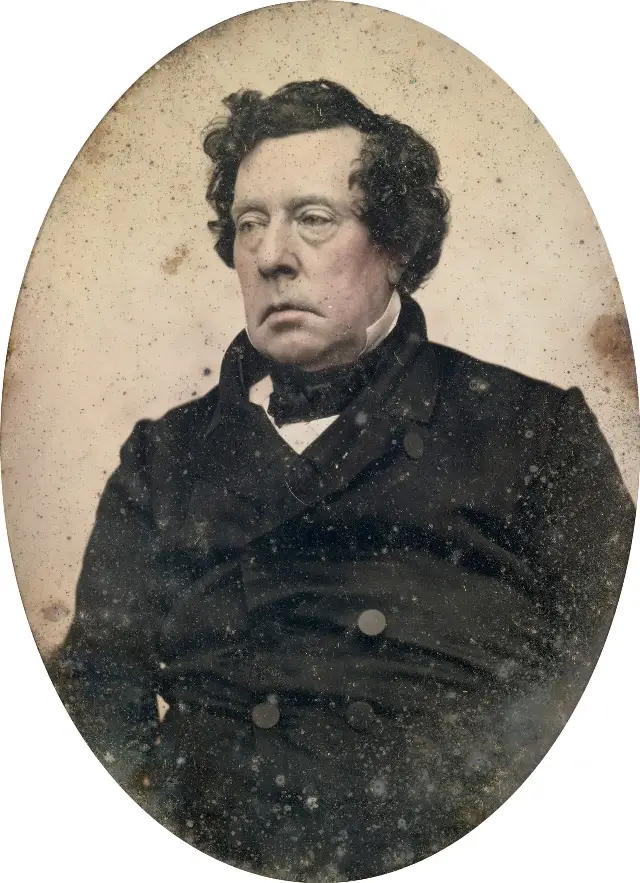
On July 8, 1853, Commodore Matthew Perry sailed four American warships into Tokyo Bay and demanded Japan open to the world.
On December 31, 1999, the United States transferred the Panama Canal to Panama, ending nearly a century of American control of the great waterway.
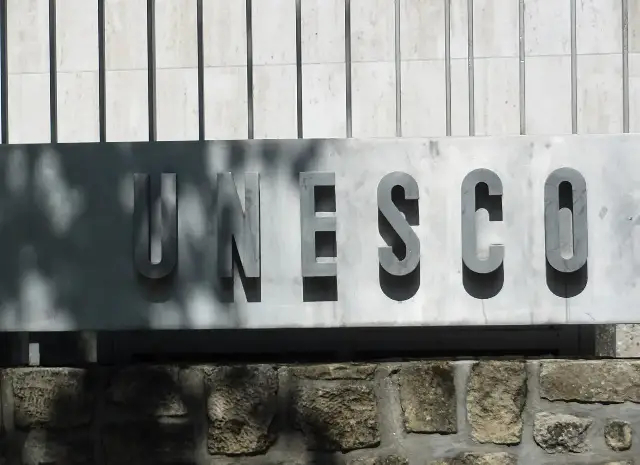
On November 16, 1945, thirty-seven countries signed the constitution of UNESCO in London, betting that peace could be built in the minds of men.
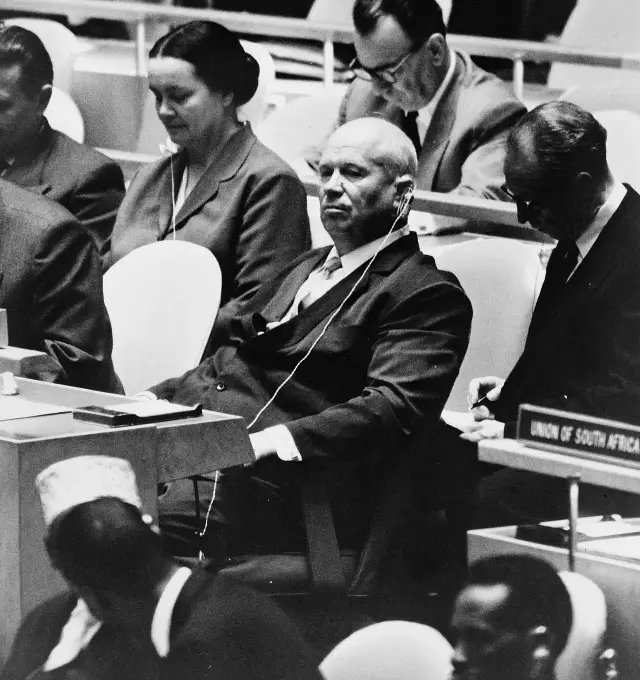
On October 12, 1960, Nikita Khrushchev reportedly pounded his shoe on his desk at the UN General Assembly — the Cold War's most famous, and most disputed, diplomatic outburst.
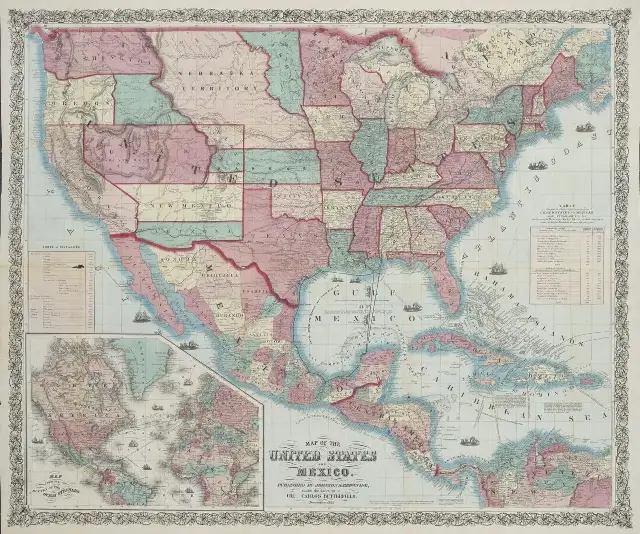
On December 30, 1853, the United States and Mexico signed the Gadsden Purchase, setting America's southern border and completing the continental map.
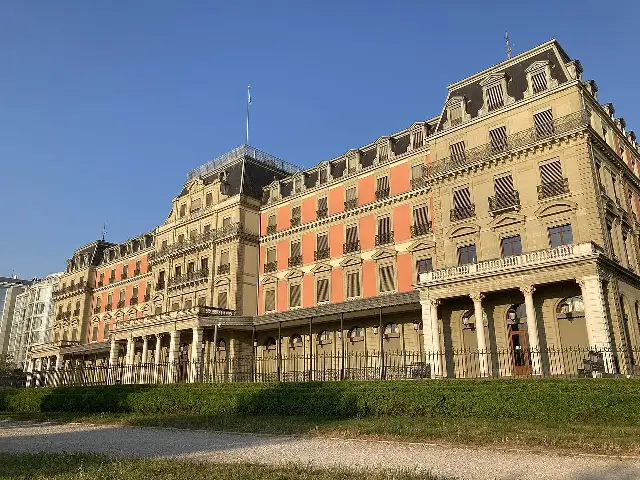
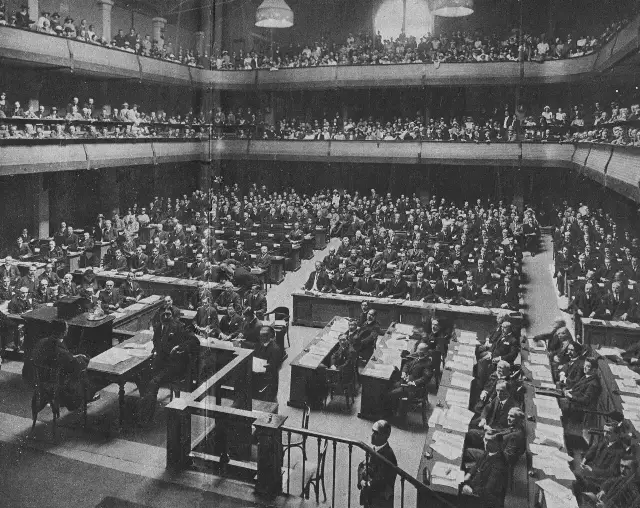
On November 15, 1920, delegates from 41 nations gathered in Geneva for the first Assembly of the League of Nations — humanity's first worldwide organization for keeping the peace.
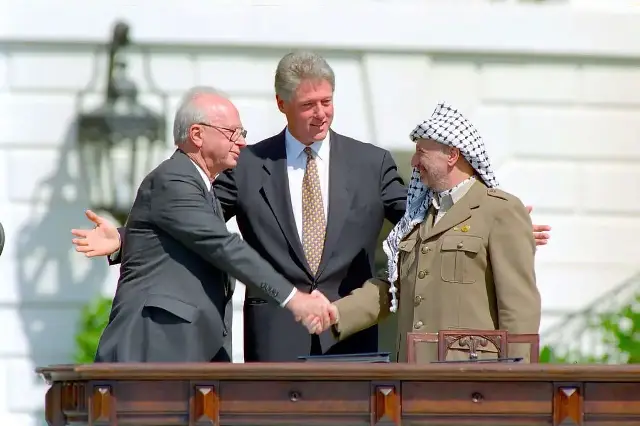
On September 13, 1993, Yitzhak Rabin and Yasser Arafat shook hands on the White House lawn after the signing of the Oslo I Accord, the first agreement between Israel and the PLO.
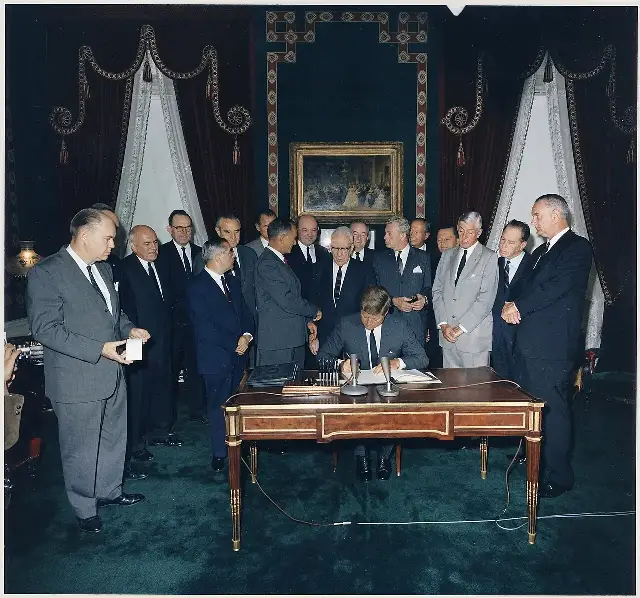
On October 7, 1963, President Kennedy signed the ratification of the treaty banning nuclear tests in the atmosphere, space, and underwater — the first arms-control deal of the Cold War.
On September 7, 1901, China signed the Boxer Protocol, accepting a crushing indemnity and foreign troops on its soil after the Boxer Rebellion.
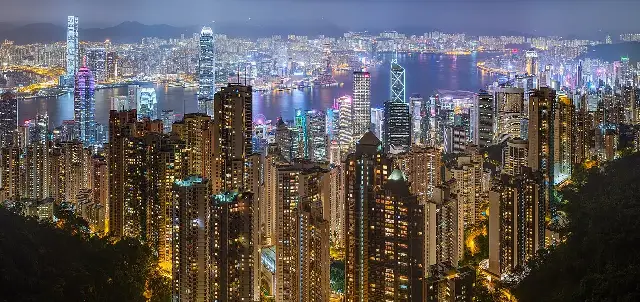
On December 19, 1984, Britain's Margaret Thatcher and China's Zhao Ziyang signed the treaty that would return Hong Kong to China in 1997.
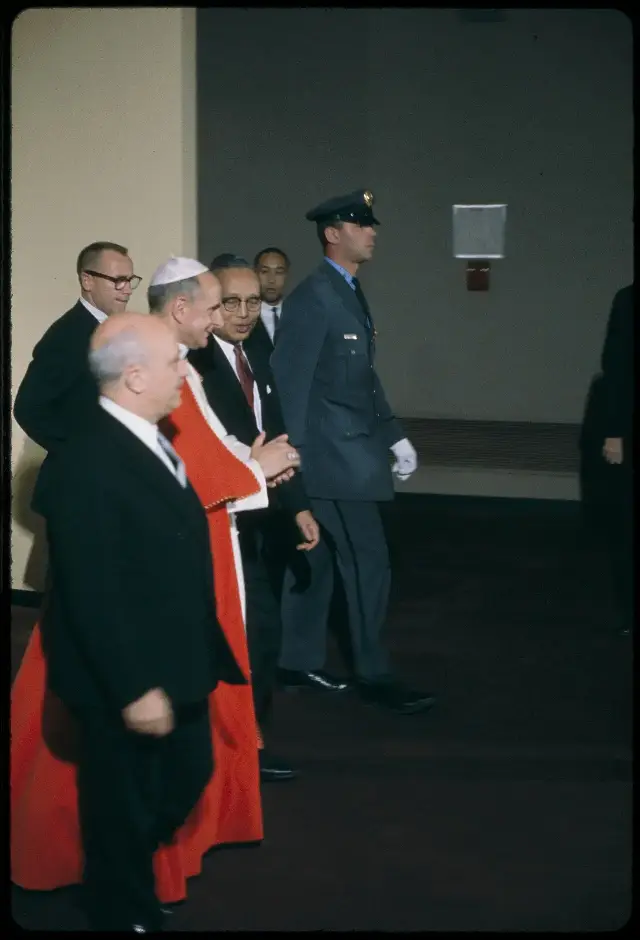
On October 4, 1965, Pope Paul VI spent one whirlwind 14-hour day in New York — the first reigning pope ever to set foot in the United States — to beg the world's leaders for peace.
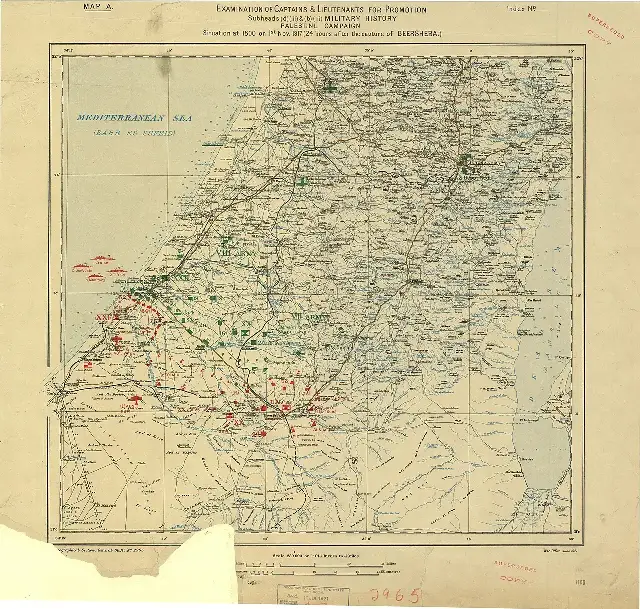
On November 2, 1917, Britain's Balfour Declaration promised a 'national home for the Jewish people' in Palestine — 67 words that echoed for a century.
On August 30, 1963, the Moscow–Washington hotline went live — and the first message ever sent between the nuclear superpowers was a typing test.
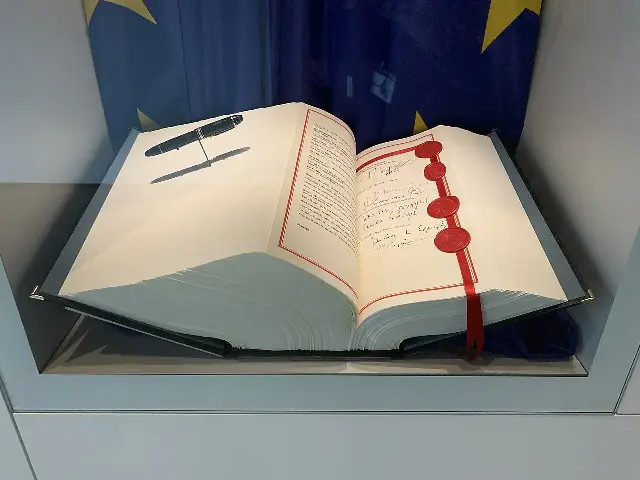
On November 1, 1993, the Maastricht Treaty took effect and the European Union was born, turning a trading bloc into a political union of 12 nations.
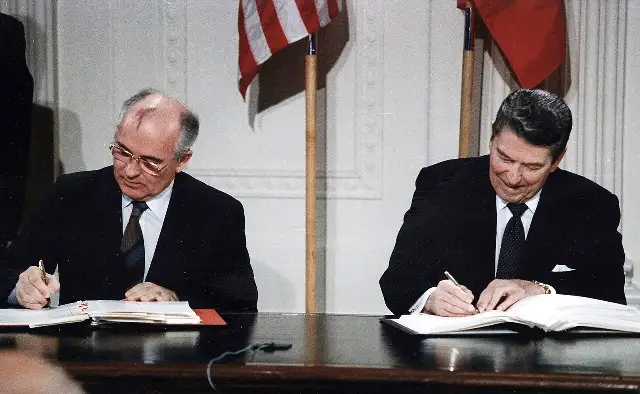
On December 8, 1987, the U.S. and Soviet leaders signed a treaty eliminating an entire class of nuclear weapons.
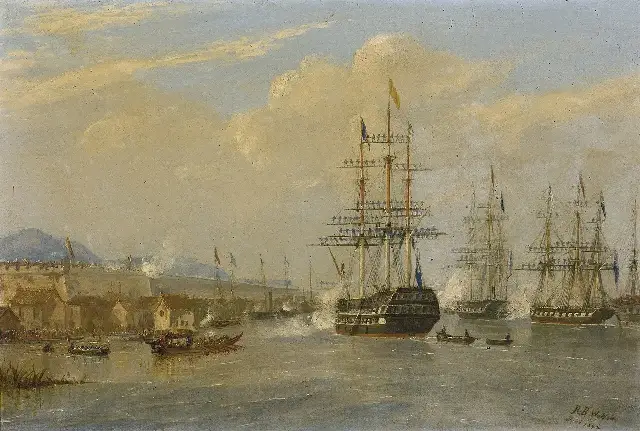
On August 29, 1842, Britain and China signed the Treaty of Nanking aboard HMS Cornwallis, ending the First Opium War — and handing Hong Kong to Britain for the next 155 years.
On December 8, 1953, President Eisenhower proposed turning nuclear weapons material toward peaceful uses in a landmark UN speech.
On January 10, 1920, the Treaty of Versailles took effect and with it the League of Nations — humanity's first attempt at a world organization dedicated to keeping the peace.
On June 20, 1963, the U.S. and Soviet Union signed the Hot Line Agreement in Geneva, creating a direct crisis link between the nuclear superpowers.
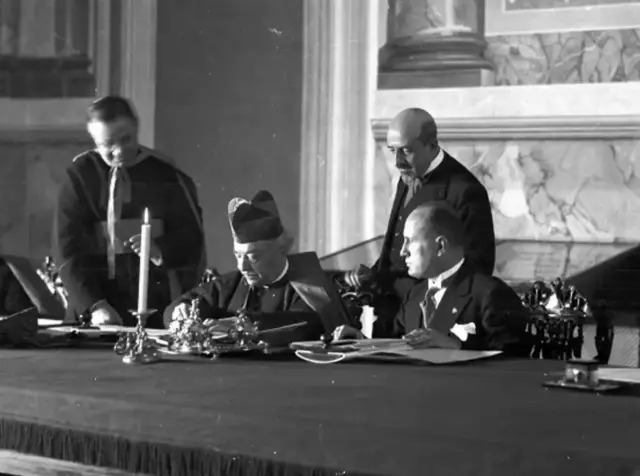
On February 11, 1929, a cardinal and a dictator signed a deal in Rome's Lateran Palace that created Vatican City as a sovereign state.
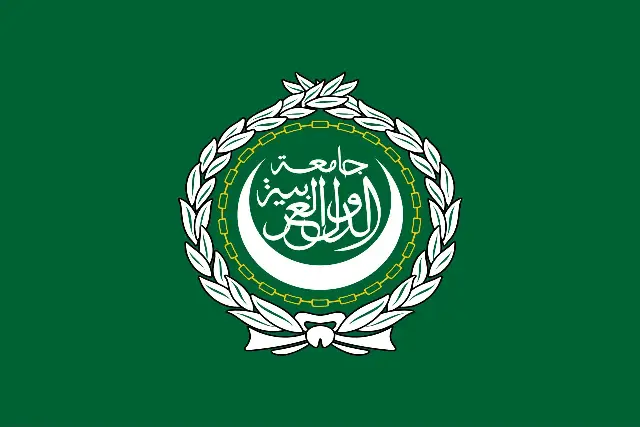
On March 22, 1945, six Arab states signed a pact in Cairo creating the Arab League — a new experiment in settling disputes without war.
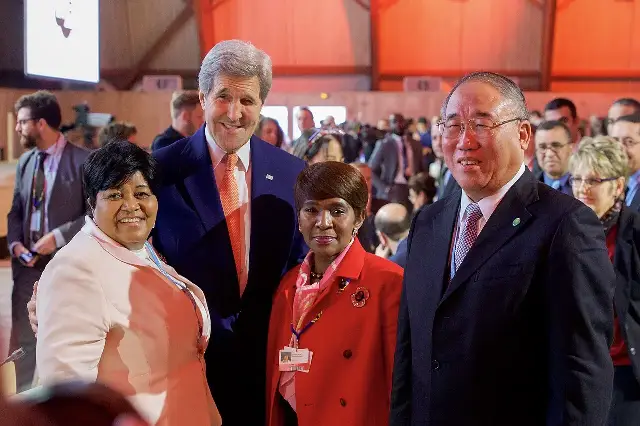
On December 12, 2015, 195 nations adopted the Paris Agreement at COP21 — the first truly global pact to fight climate change.
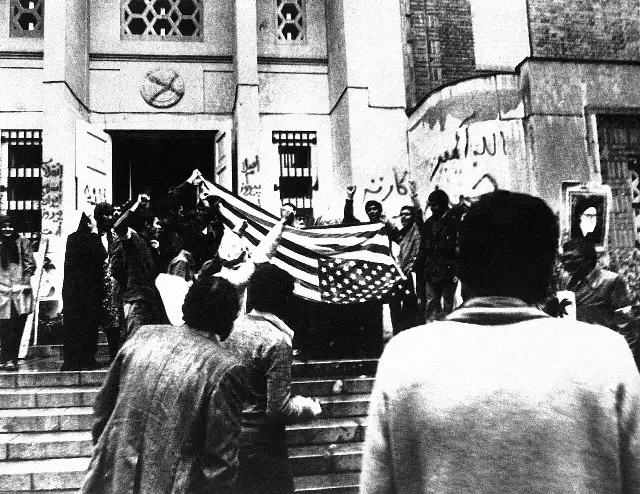
On November 4, 1979, Iranian students stormed the U.S. Embassy in Tehran and seized 52 Americans, beginning a 444-day hostage crisis that defined a presidency.
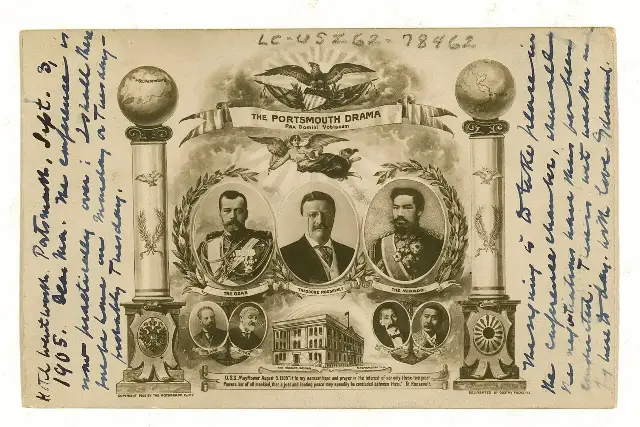
On September 5, 1905, Japan and Russia signed the Treaty of Portsmouth at a U.S. navy yard in New Hampshire, ending a brutal war — and earning President Theodore Roosevelt the Nobel Peace Prize.
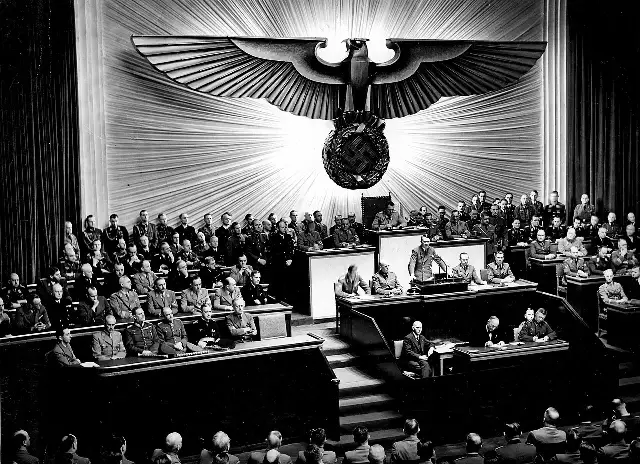
On December 11, 1941 — four days after Pearl Harbor — Germany and Italy declared war on the United States, ending America's debate over joining the European war.
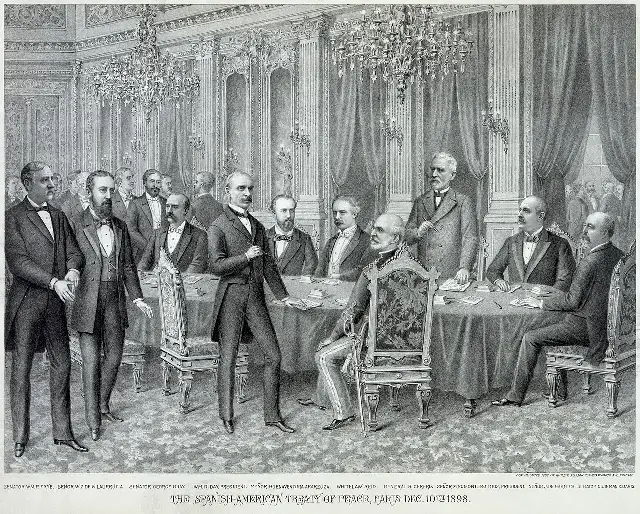
On December 10, 1898, the United States and Spain signed the Treaty of Paris, ending the Spanish-American War and turning America into an overseas empire.
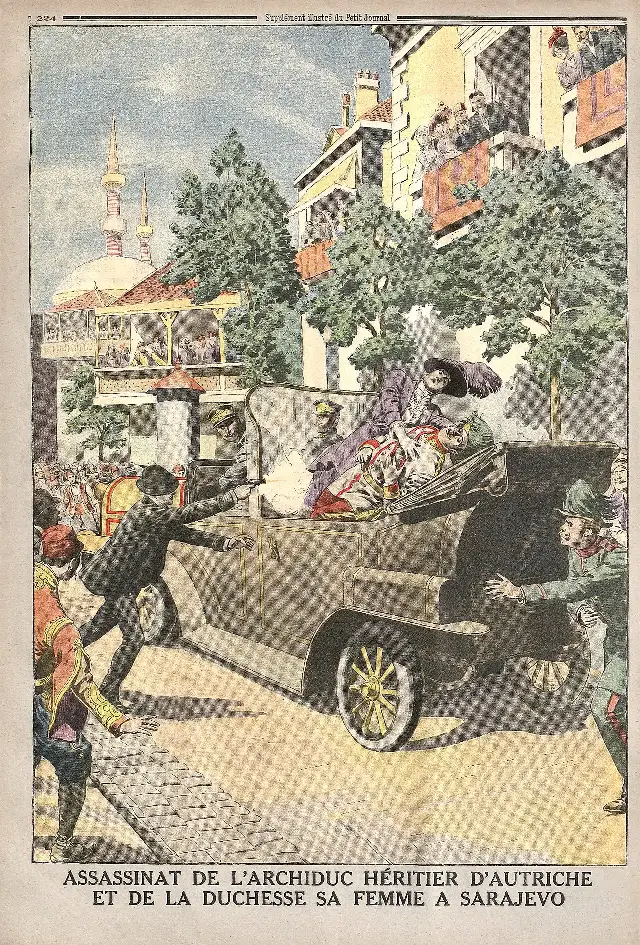
On July 28, 1914, Austria-Hungary declared war on Serbia — and a "small, local" war exploded into a global catastrophe.
On November 20, 1962, President Kennedy announced the end of the naval quarantine of Cuba, closing the book on the missile crisis that had brought the world to the brink of nuclear war.
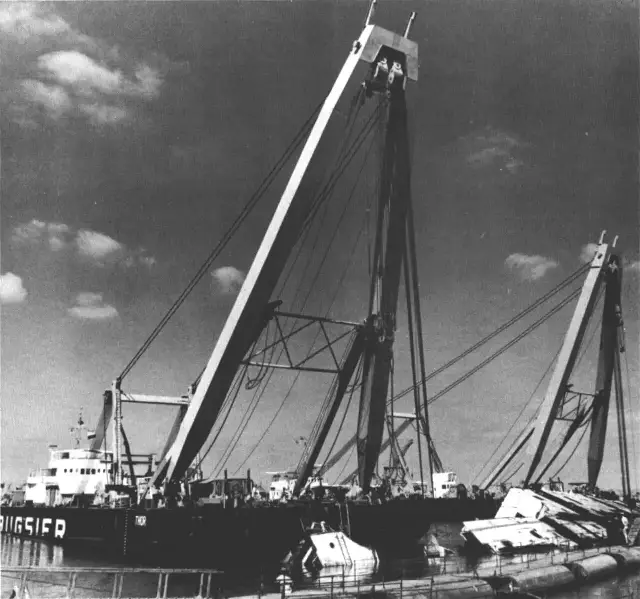
On June 5, 1975 — exactly eight years after it was closed — Egypt's Anwar Sadat reopened the Suez Canal in a ceremony that became a gesture of peace.
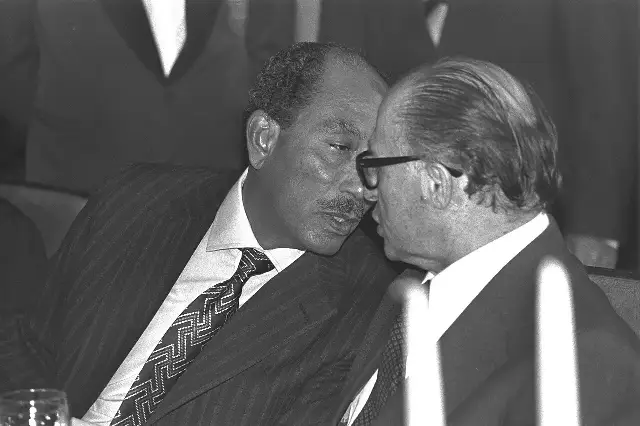
On November 19, 1977, Egyptian President Anwar Sadat landed in Israel — the first Arab leader ever to visit the Jewish state — setting the Middle East on the road to its first peace treaty.
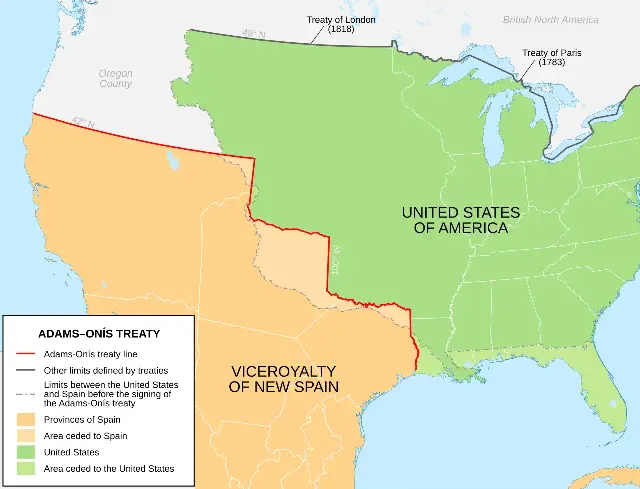
On February 22, 1819, the United States signed the Adams–Onís Treaty, gaining Florida and its first boundary line stretching to the Pacific.
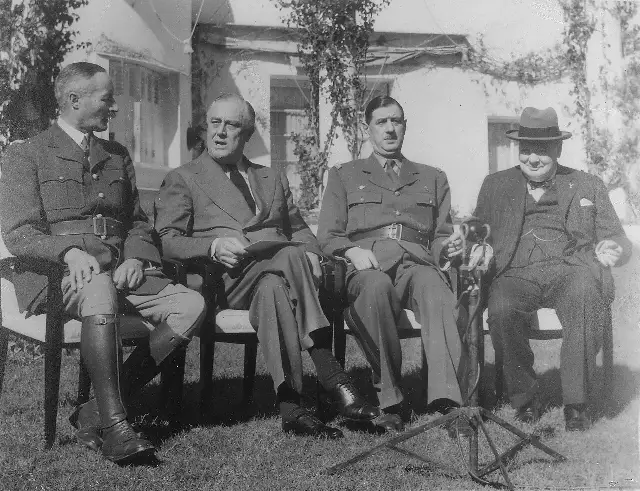
On January 14, 1943, Roosevelt and Churchill opened ten days of secret war talks in Casablanca, committing the Allies to accept nothing less than the Axis powers’ unconditional surrender.
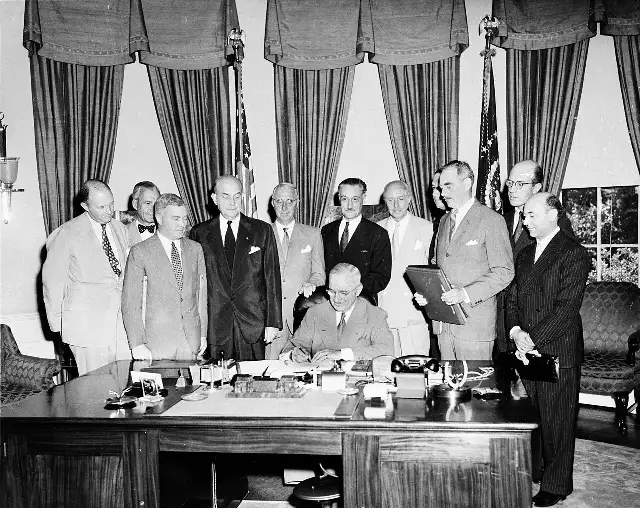
On April 4, 1949, twelve nations signed the North Atlantic Treaty in Washington, pledging that an attack on one would be treated as an attack on all.
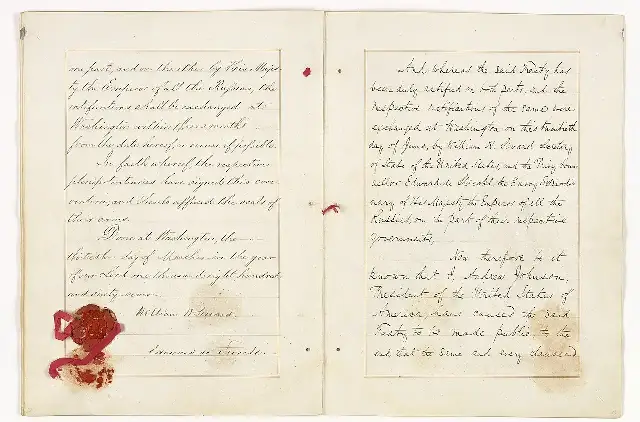
On March 30, 1867, the U.S. signed a treaty buying Alaska from Russia for $7.2 million — mocked at the time as "Seward's Folly."
On October 24, 1945, the UN Charter took effect, creating the United Nations — the world's boldest attempt to end war itself.
On June 26, 1945, delegates from 50 nations signed the UN Charter in San Francisco, bringing the United Nations into being.
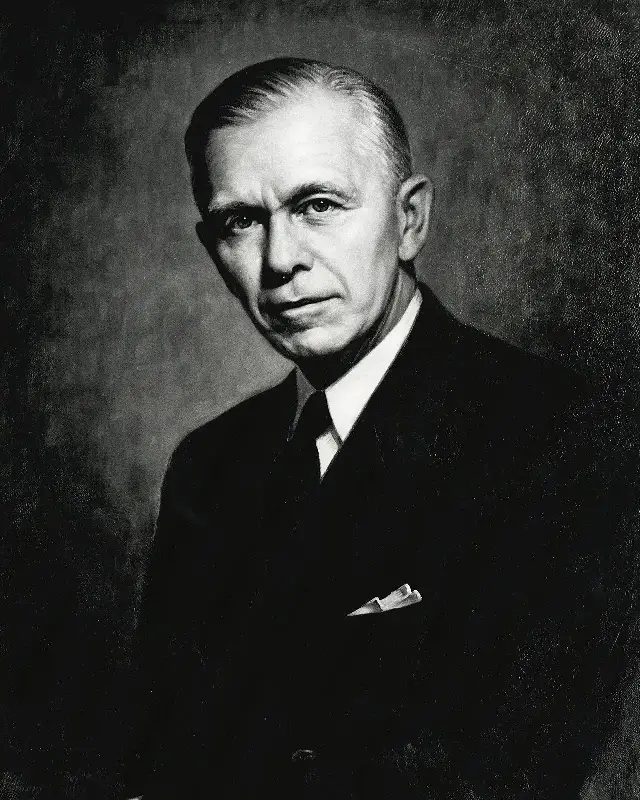
On June 5, 1947, George C. Marshall used a Harvard commencement speech to propose the largest economic aid program in history — the Marshall Plan.
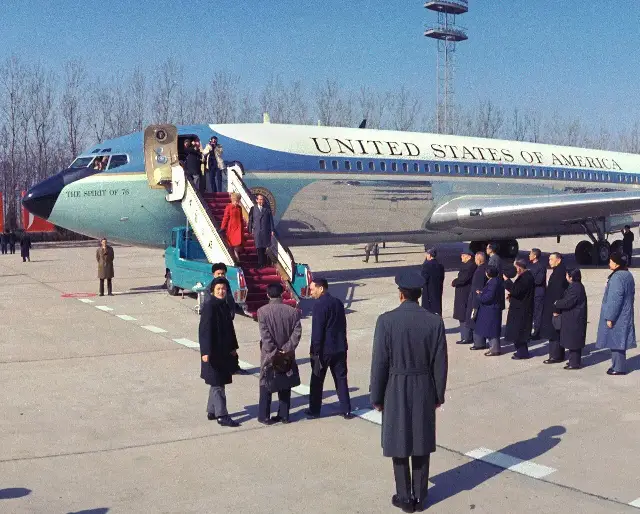
On February 21, 1972, Richard Nixon landed in Beijing and shook Zhou Enlai's hand, ending more than two decades of silence between the United States and China.
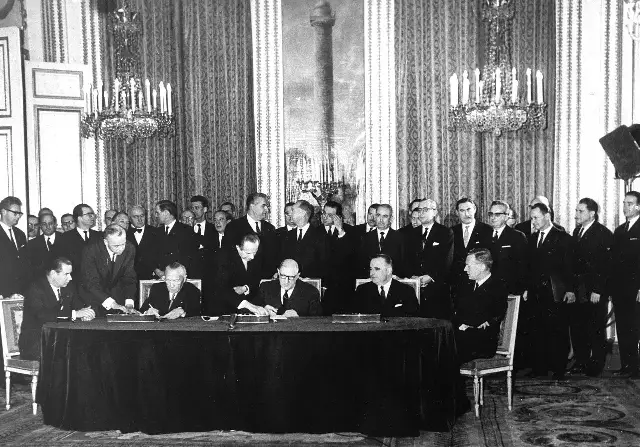
On January 22, 1963, Charles de Gaulle and Konrad Adenauer signed the Élysée Treaty, turning France and Germany from ancient enemies into partners.