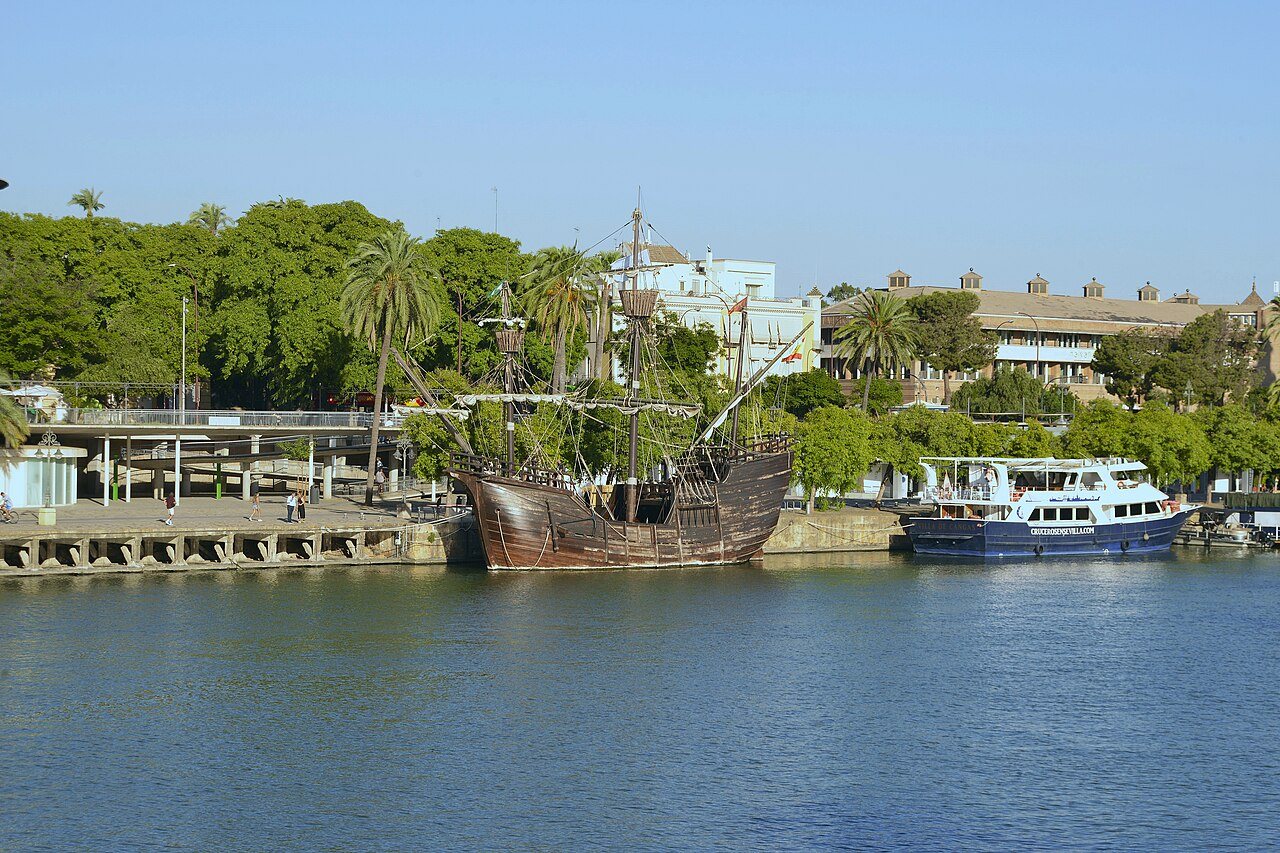
Five Ships, 270 Men, and a Voyage Nobody Had Survived
On September 20, 1519, Ferdinand Magellan sailed from Spain with five ships and about 270 men on the voyage that would become the first circumnavigation of the Earth.
On September 20, 1519, Ferdinand Magellan sailed from Spain with five ships and about 270 men on the voyage that would become the first circumnavigation of the Earth.
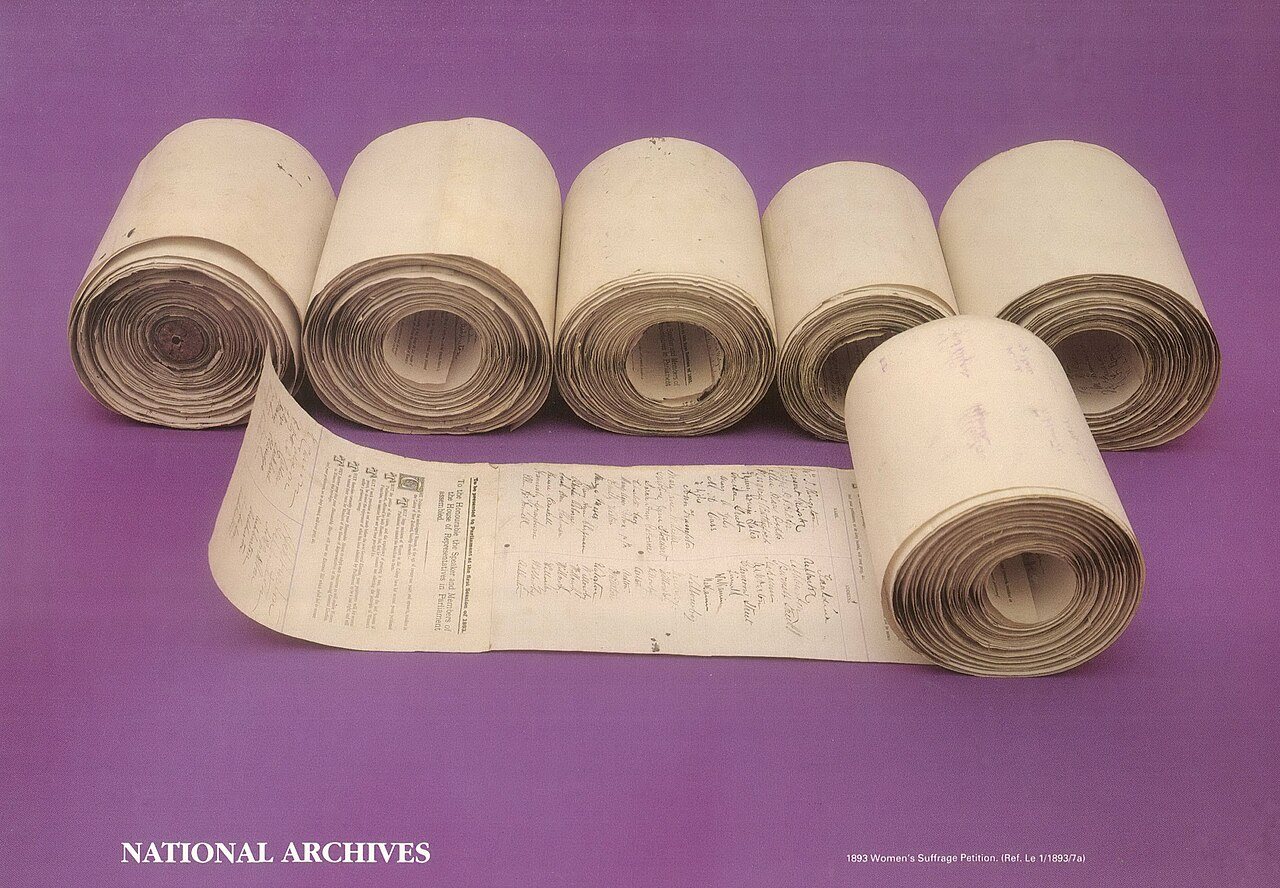
On September 19, 1893, New Zealand became the first country in the world where all women could vote in national elections — after Kate Sheppard's campaign gathered nearly 32,000 signatures.
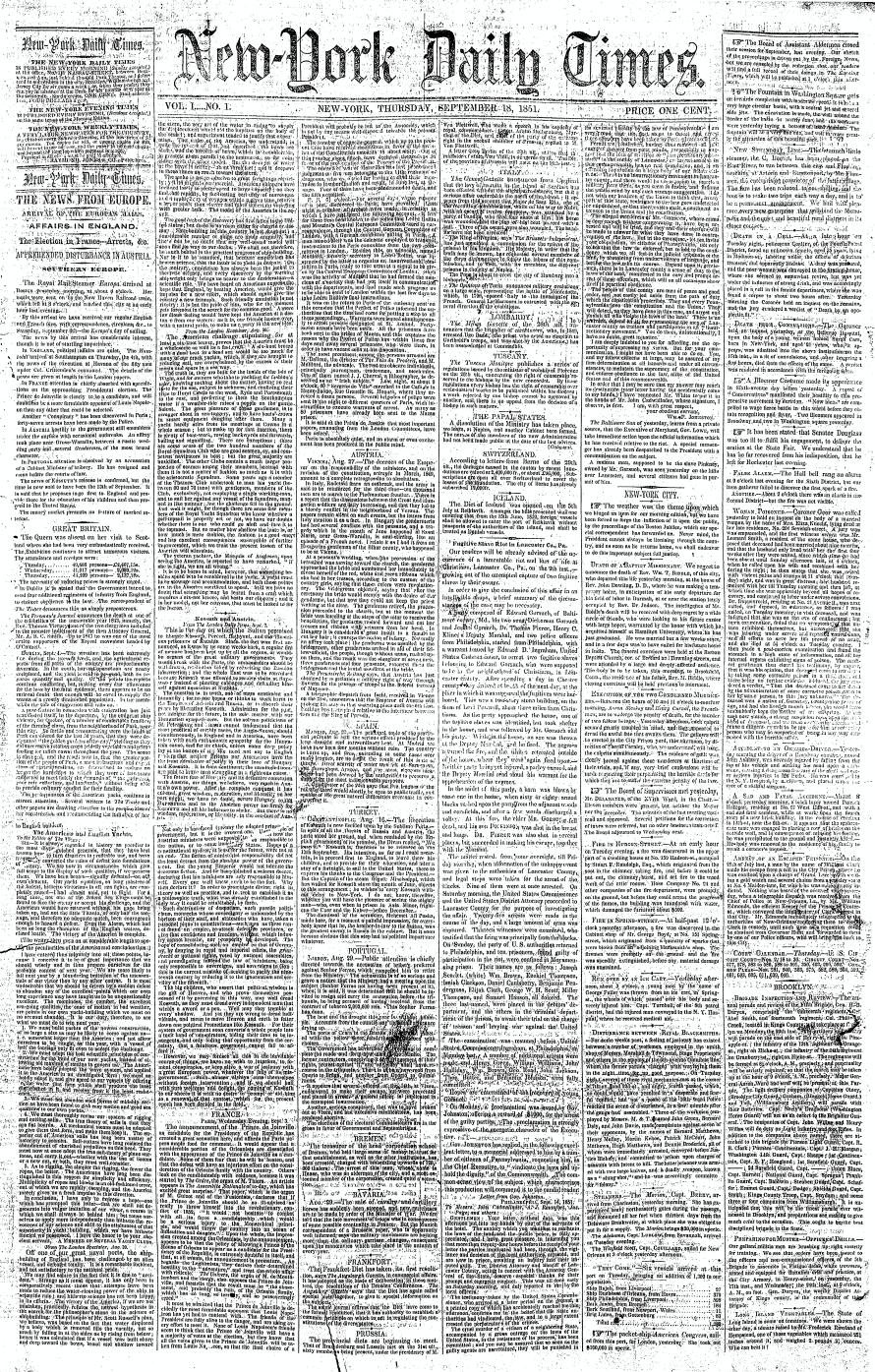
On September 18, 1851, Henry Jarvis Raymond and George Jones printed the first issue of the New-York Daily Times — a one-cent newspaper that would become The New York Times.
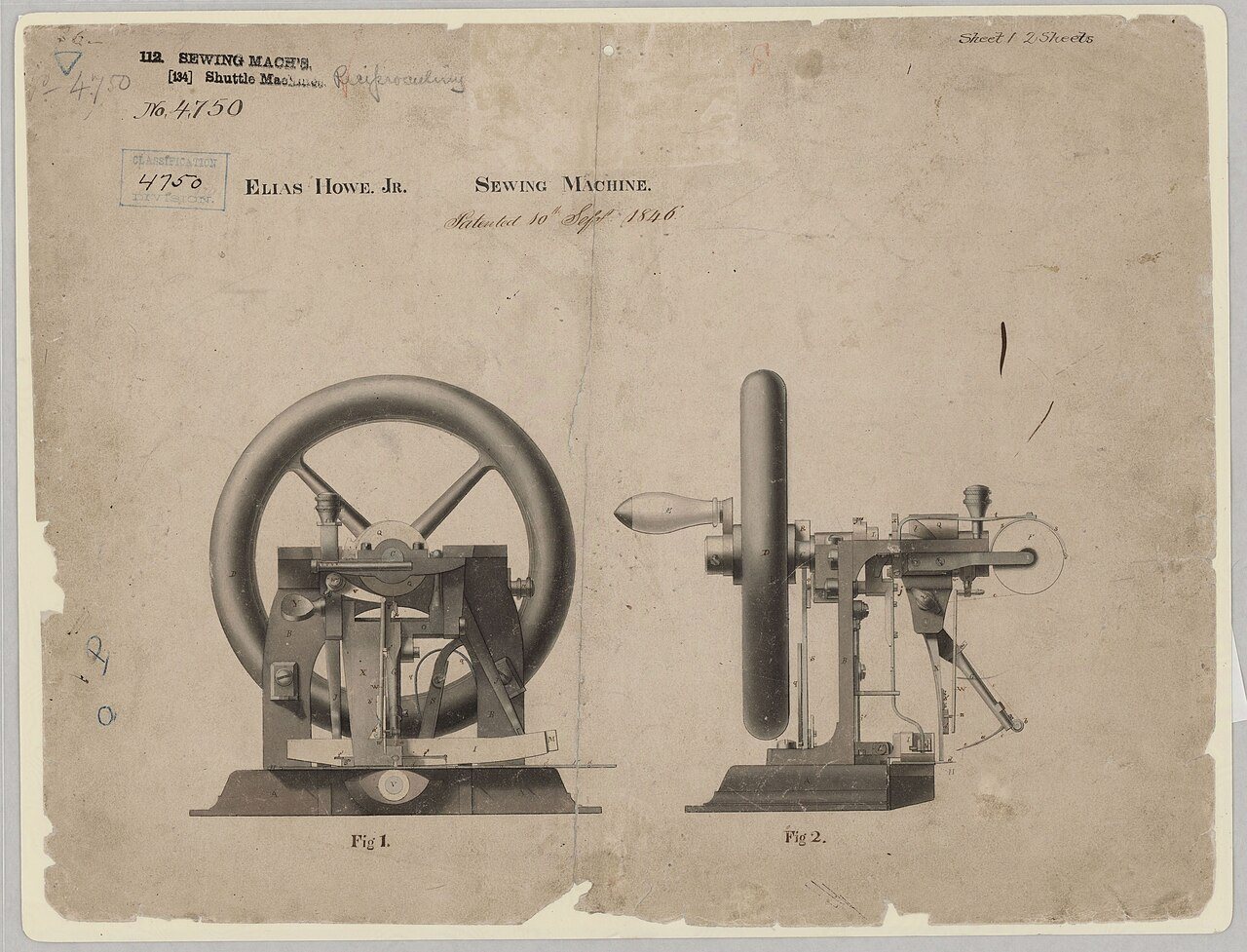
On September 10, 1846, Elias Howe received U.S. Patent No. 4,750 for his lockstitch sewing machine — and changed how the world makes clothes.
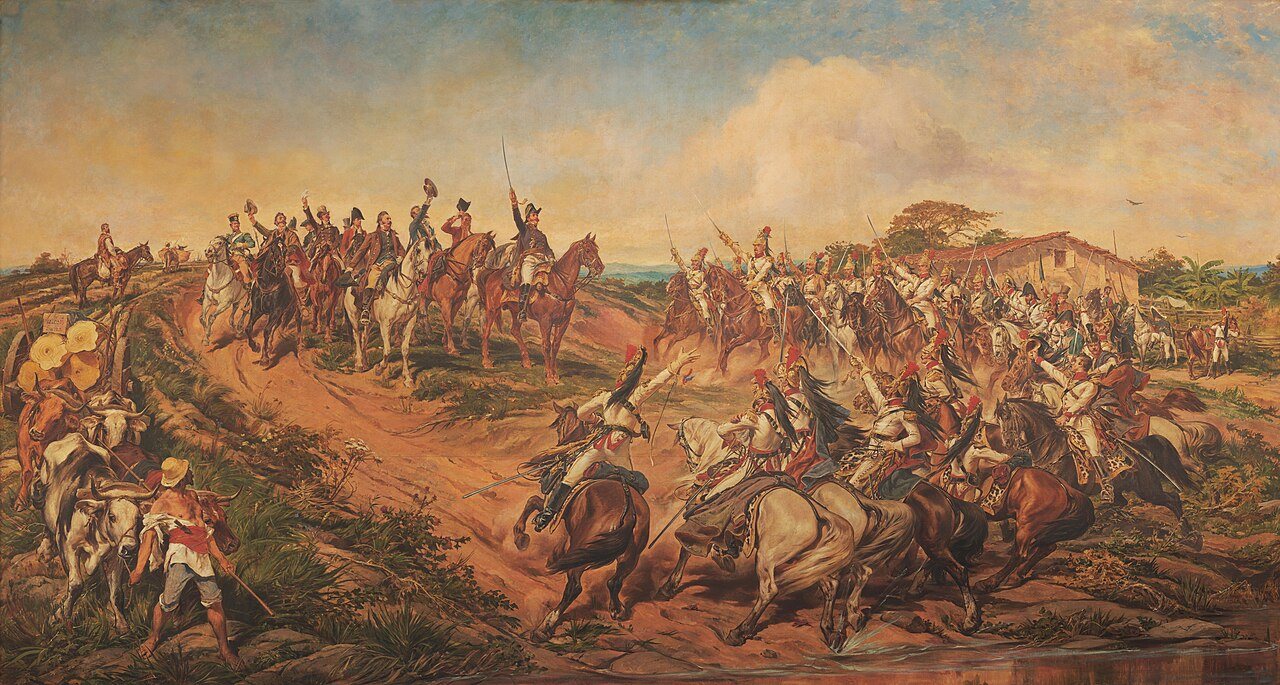
On September 7, 1822, Prince Dom Pedro raised his sword on the banks of the Ipiranga River and shouted "Independence or Death!" — and Brazil was born.
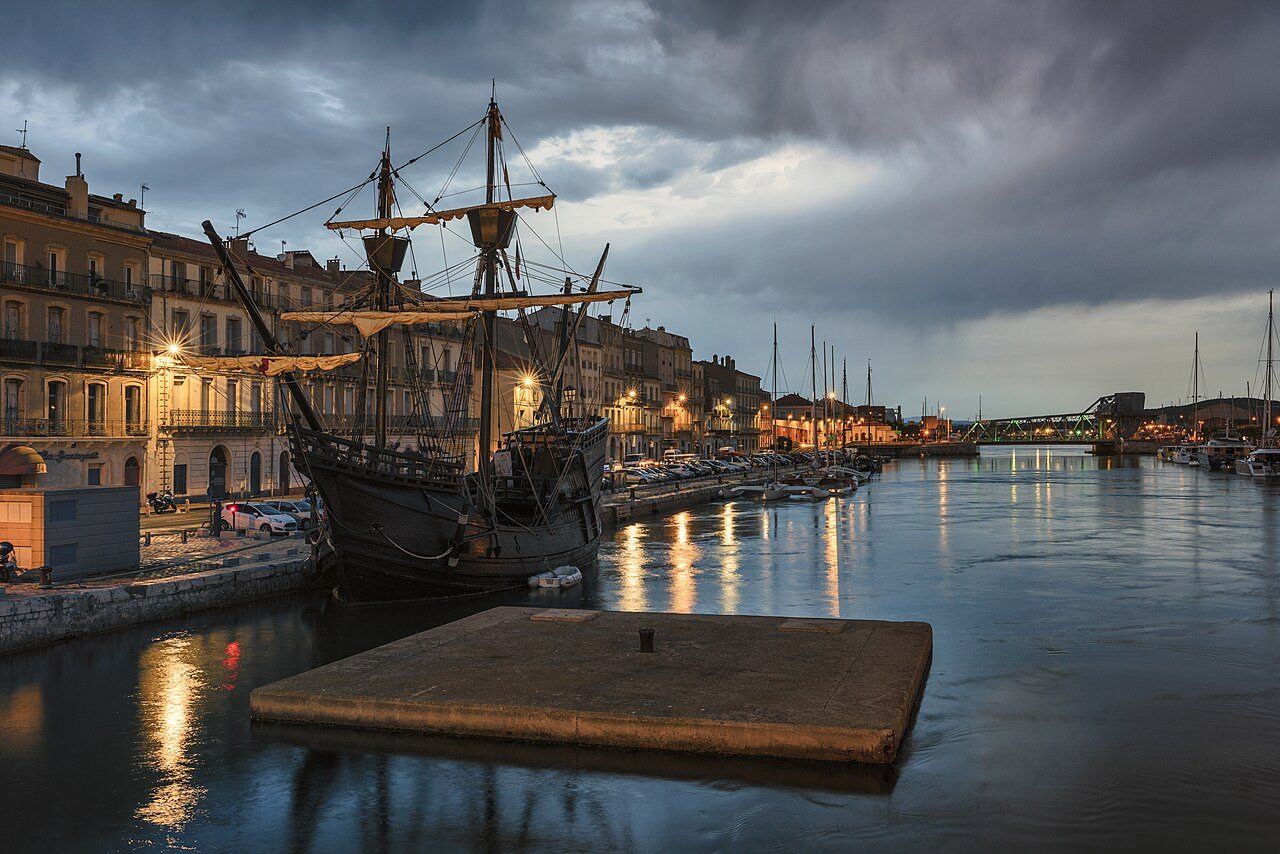
On September 6, 1522, a rotting carrack called the Victoria limped into a Spanish harbor with 18 starving men aboard, completing the first voyage around the world.
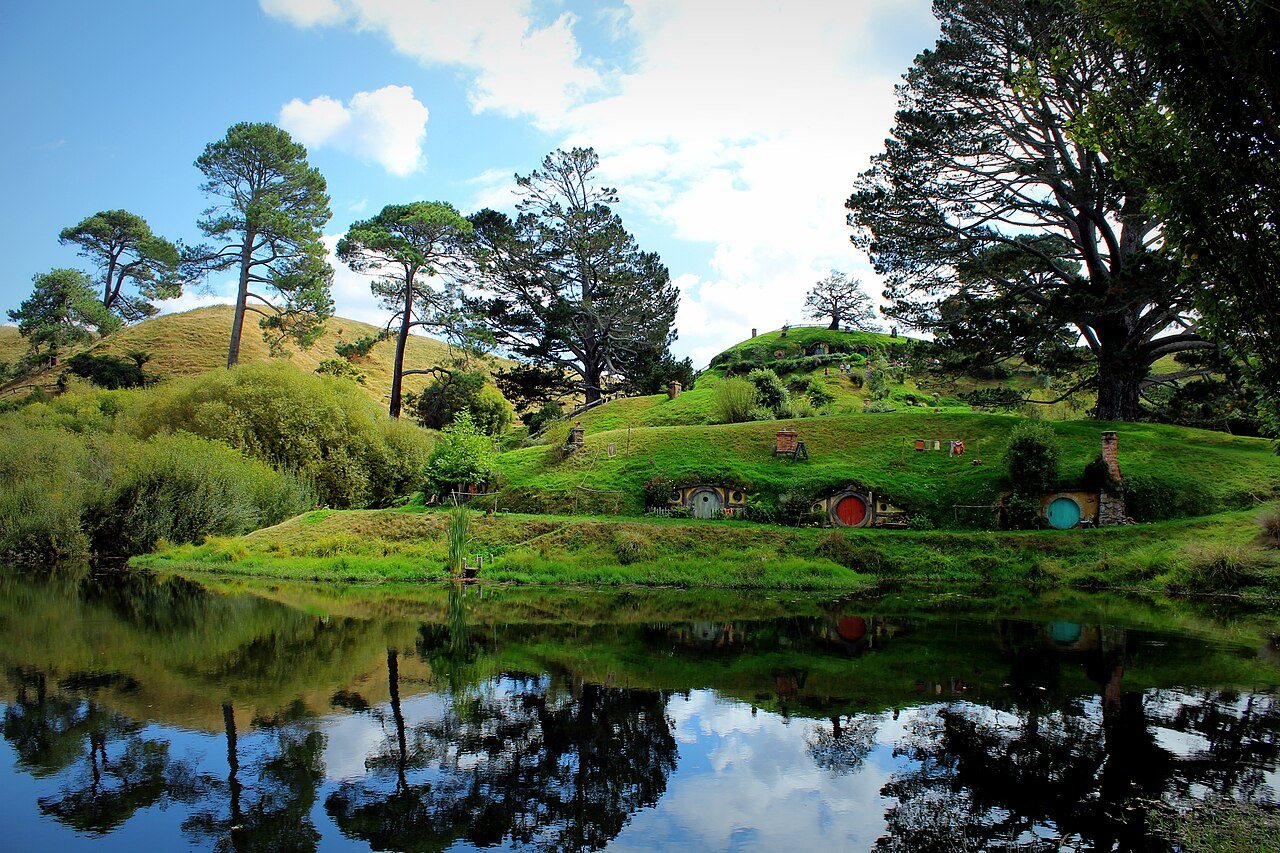
On September 21, 1937, an Oxford professor's bedtime story about a reluctant hobbit named Bilbo Baggins reached bookshops in a first printing of just 1,500 copies — and sold out within months.
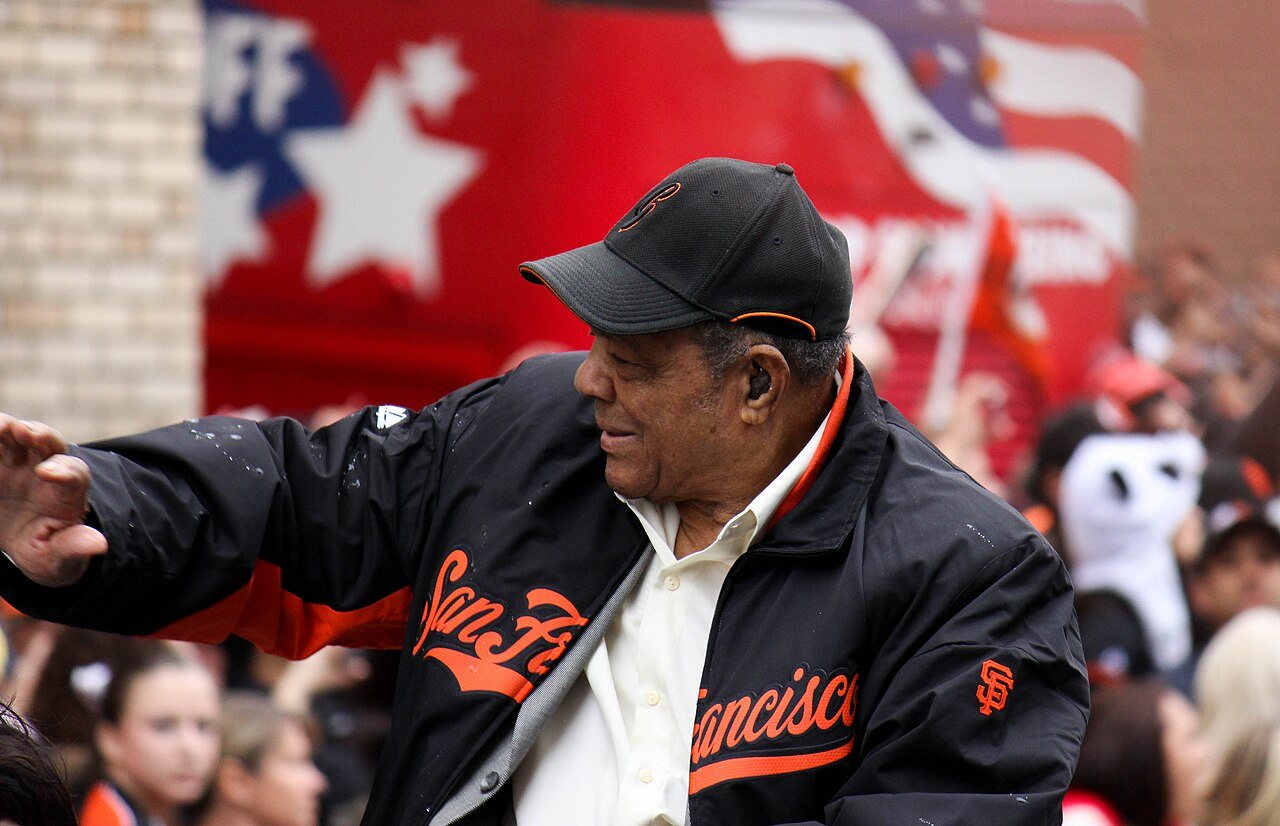
On September 29, 1954, with Game 1 of the World Series tied in the eighth inning, Willie Mays turned and sprinted — and made the catch everyone still talks about.
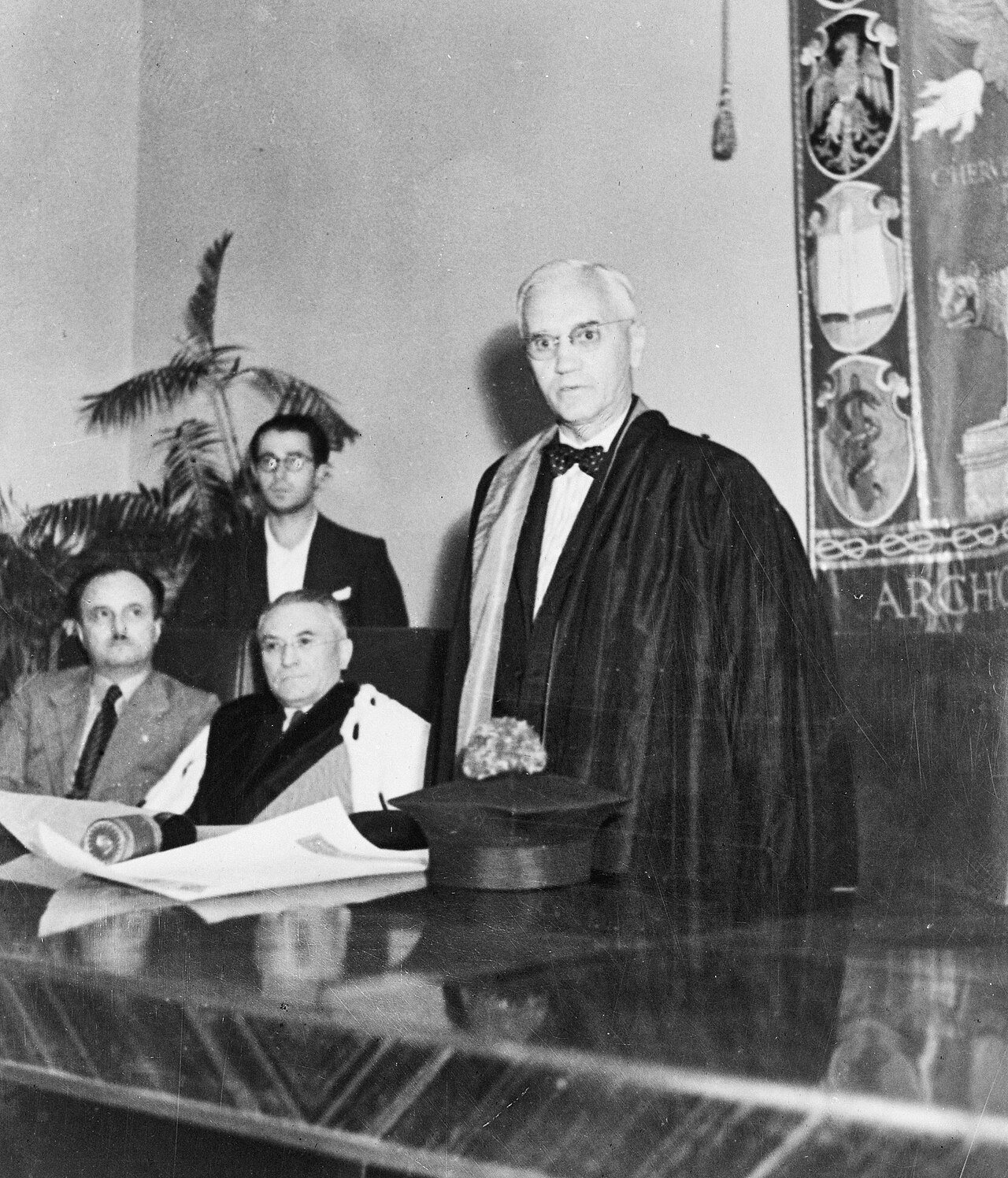
On September 28, 1928, a messy scientist came back from vacation to find a strange mold on a forgotten petri dish — and the age of antibiotics began.
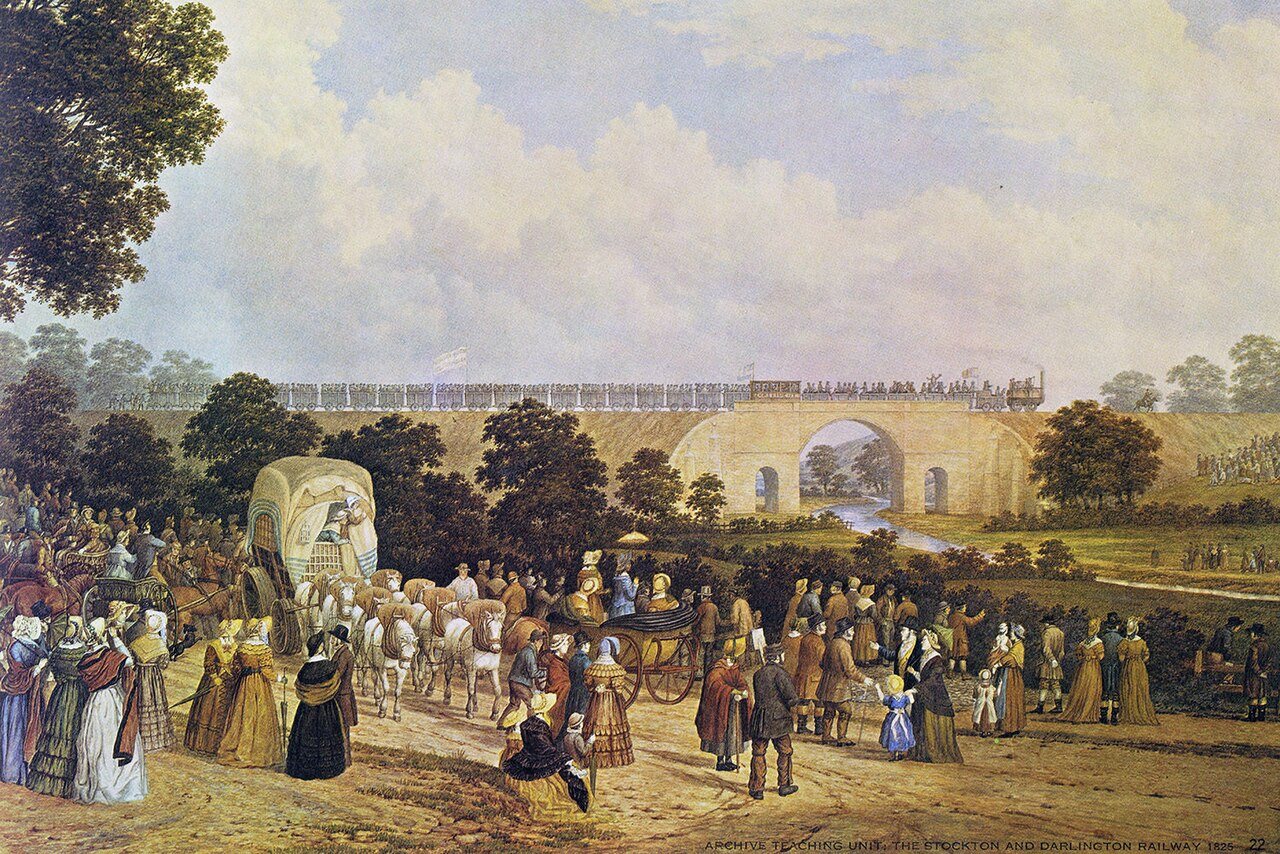
On September 27, 1825, George Stephenson's Locomotion steam locomotive hauled a cheering crowd through the English countryside — and the railway age began.

On September 26, 1983, Soviet officer Stanislav Petrov trusted his judgment over a screaming computer and kept a false nuclear alarm from sparking a real war.
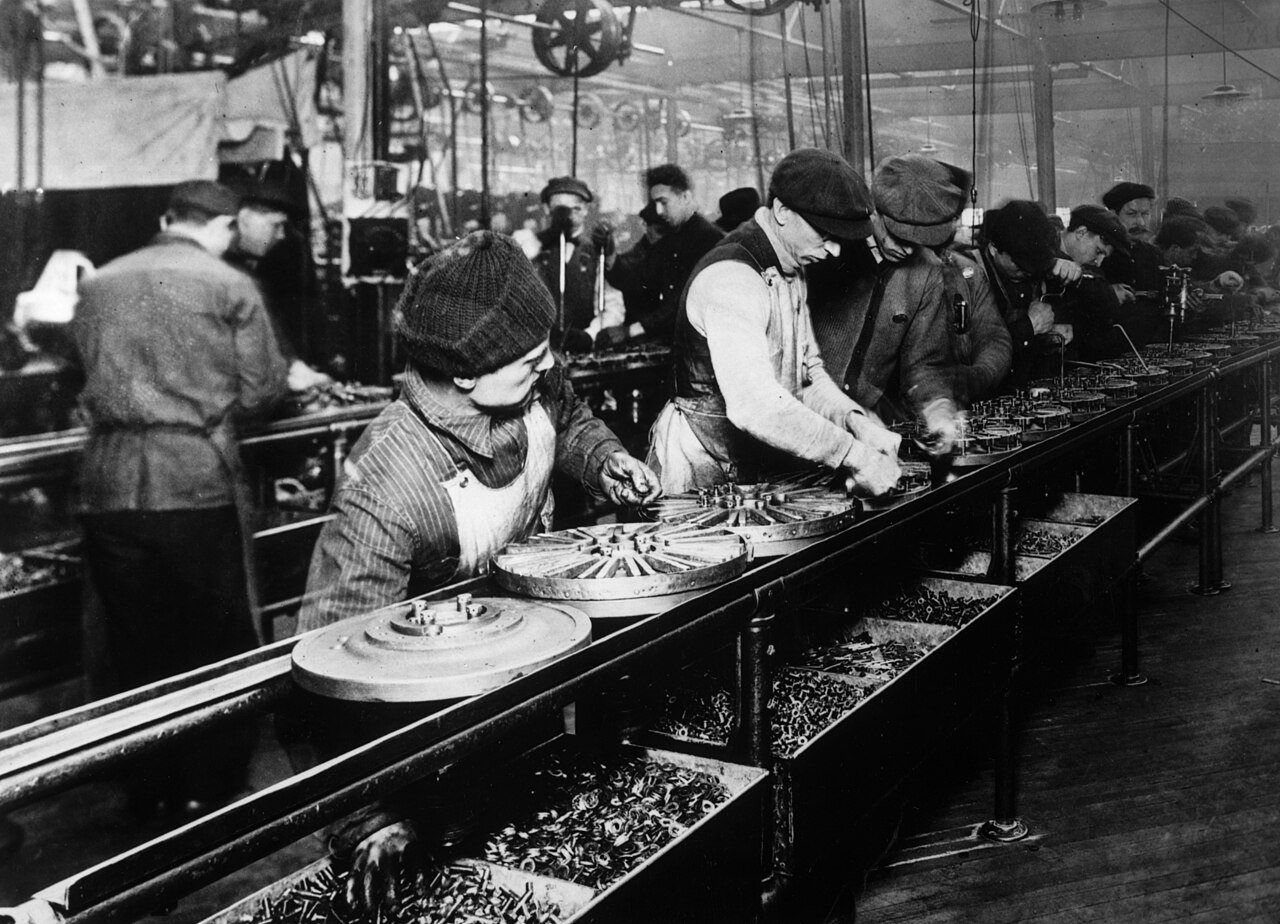
On October 1, 1908, Henry Ford introduced the Model T — a simple, sturdy $825 automobile that put ordinary Americans behind the wheel and changed the world forever.
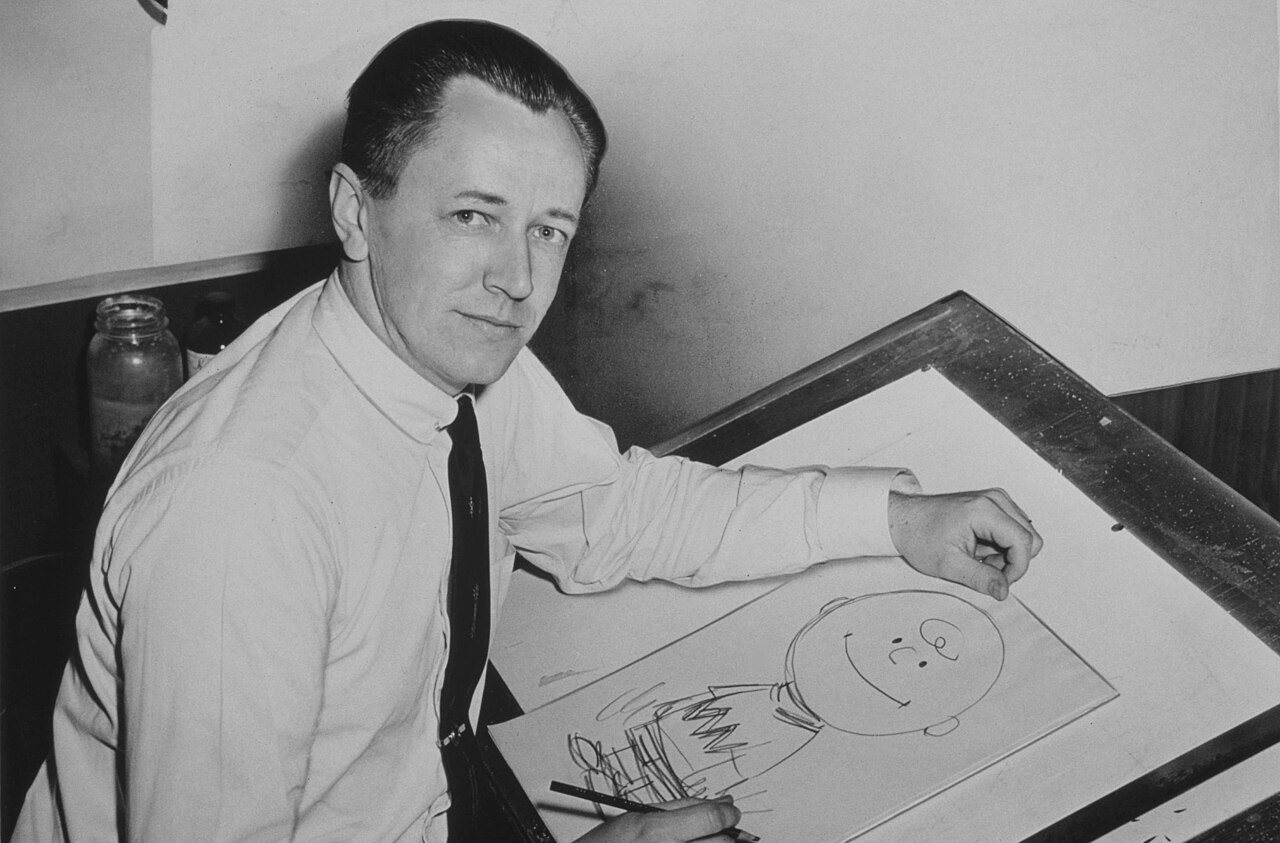
On October 2, 1950, Peanuts debuted in seven newspapers — with a joke about hating Charlie Brown.
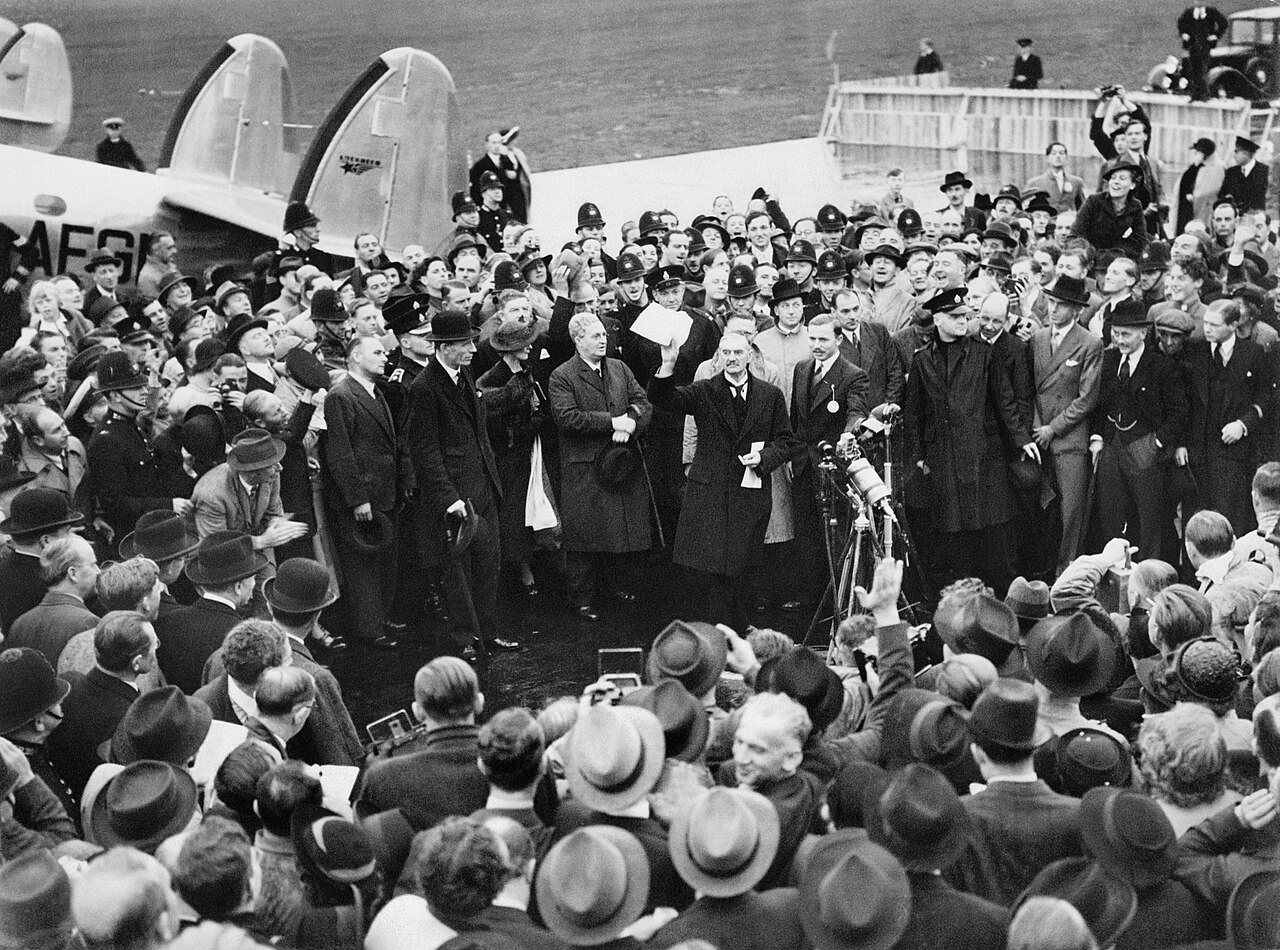
On September 30, 1938, the Munich Agreement was signed, handing part of Czechoslovakia to Hitler — and teaching the world the cost of appeasement.