America's Bloodiest Day — Twelve Hours at Antietam
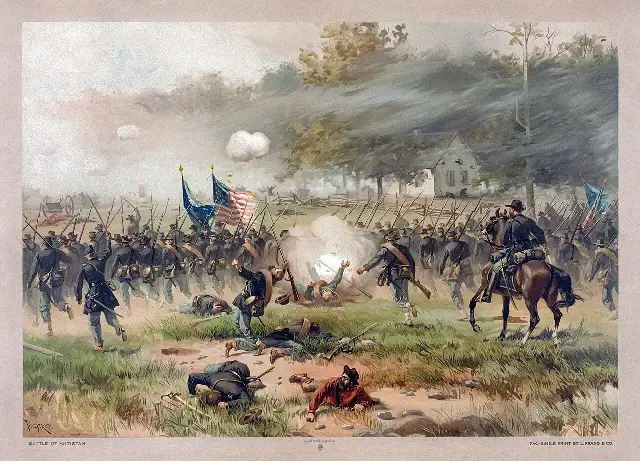
On September 17, 1862, Union and Confederate armies met near Sharpsburg, Maryland, in the bloodiest single day in American military history — giving Lincoln the opening he needed to free the slaves.
On September 17, 1862, Union and Confederate armies met near Sharpsburg, Maryland, in the bloodiest single day in American military history — giving Lincoln the opening he needed to free the slaves.
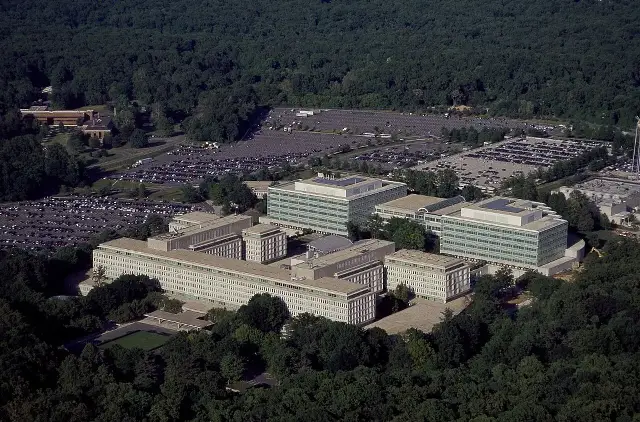
On September 18, 1947, the National Security Act took effect and the Central Intelligence Agency came into existence — born from the shock of Pearl Harbor and the chill of the Cold War.
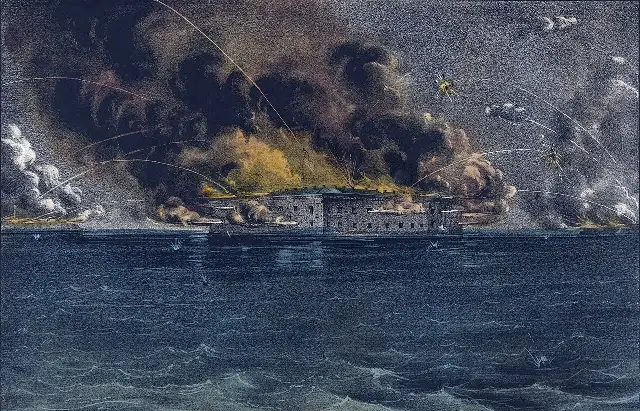
At 4:30 a.m. on April 12, 1861, Confederate batteries opened fire on Fort Sumter, beginning the American Civil War.
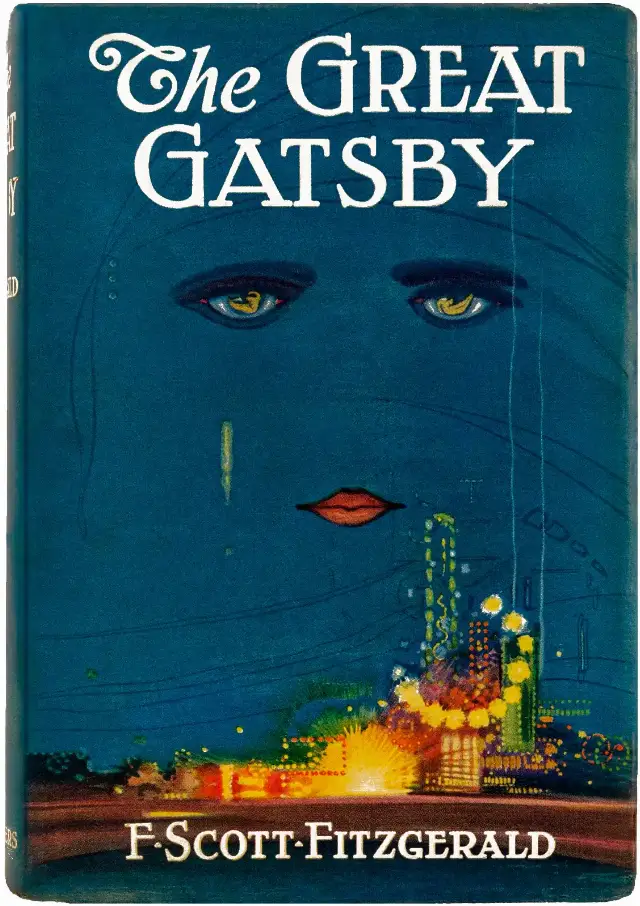
On April 10, 1925, Scribner's published F. Scott Fitzgerald's The Great Gatsby — a commercial flop that became America's most beloved novel.
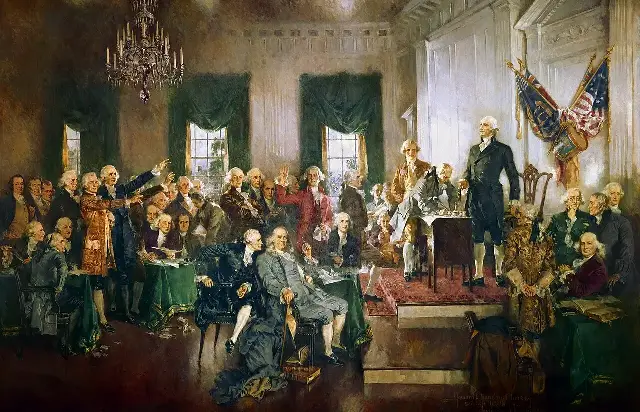
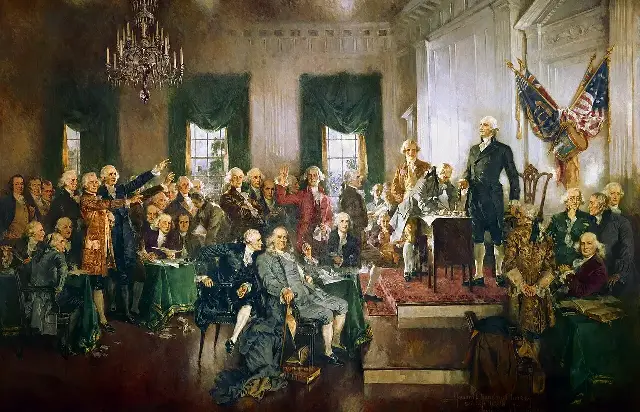
On September 17, 1787, thirty-nine delegates signed the U.S. Constitution in Philadelphia — a document almost nobody loved, written by men who openly doubted it would work.
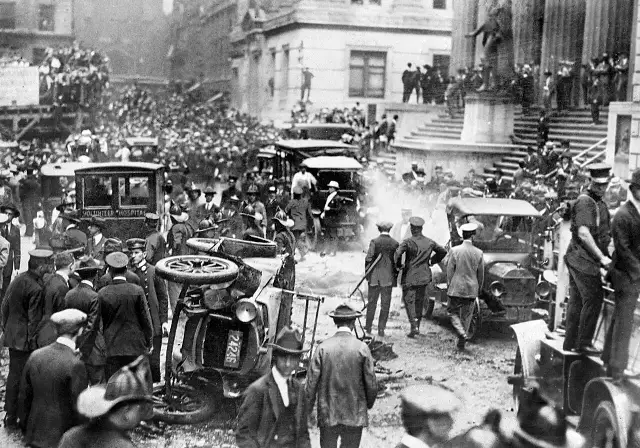
On September 16, 1920, a wagon bomb exploded outside J.P. Morgan at 23 Wall Street, killing 38 people in the deadliest terrorist attack on American soil to that date — and no one was ever charged.
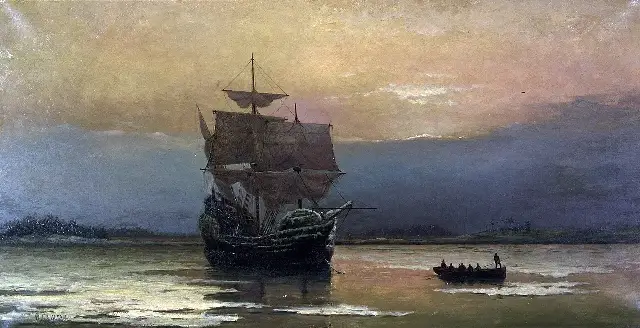
On September 16, 1620, the Mayflower finally sailed from Plymouth, England, carrying 102 passengers toward a wilderness none of them would have chosen — and toward the founding of New England.
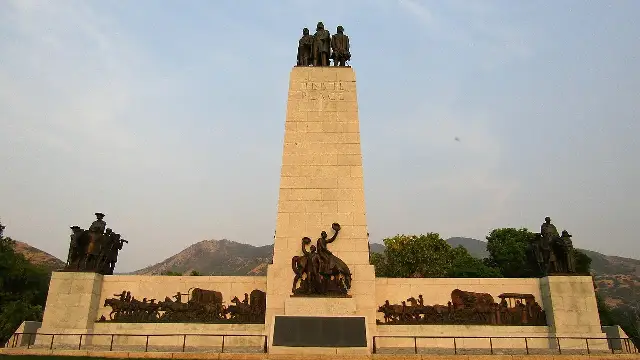
On July 24, 1847, an ailing Brigham Young looked out over the Salt Lake Valley from a wagon and declared 'This is the right place. Drive on.' — ending an exile and beginning a city.
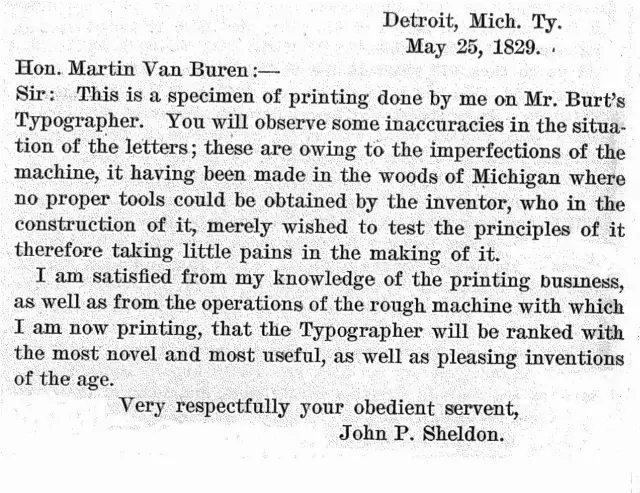
On July 23, 1829, Michigan surveyor William Austin Burt patented the 'Typographer' — the first working typewriter built in America, though its own demonstrator apologized for the crooked letters.
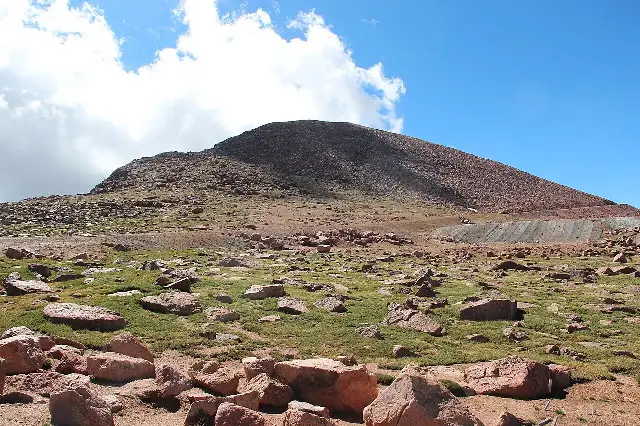
On July 22, 1893, Wellesley professor Katharine Lee Bates rode a wagon to the summit of Pikes Peak and wrote the verses that became 'America the Beautiful.'
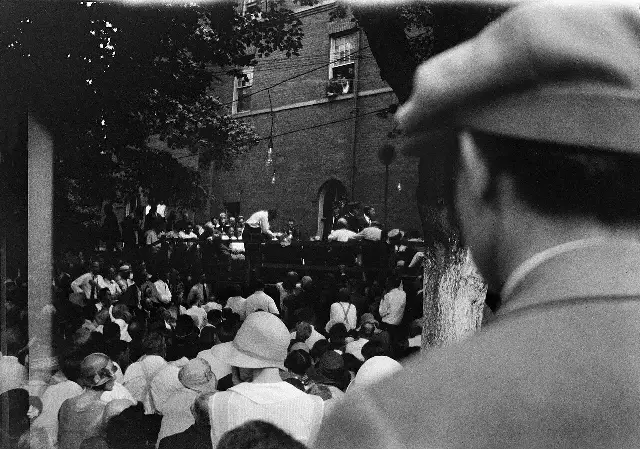
On July 21, 1925, a Tennessee jury took just nine minutes to convict teacher John Scopes of teaching evolution — ending the Scopes 'Monkey Trial' with a guilty verdict the defense actually asked for.
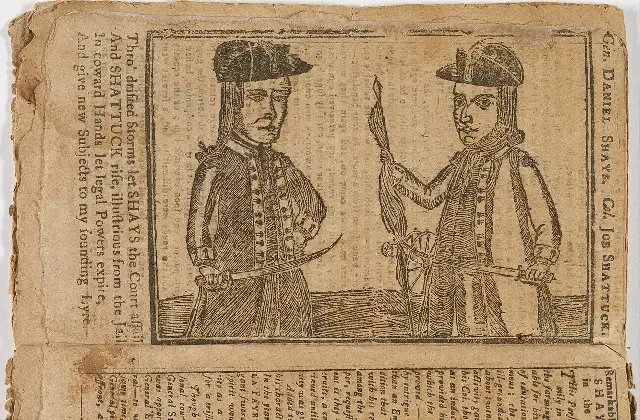
On January 25, 1787, debt-crushed Massachusetts farmers led by Daniel Shays attacked the federal arsenal at Springfield — and their defeat helped give America its Constitution.
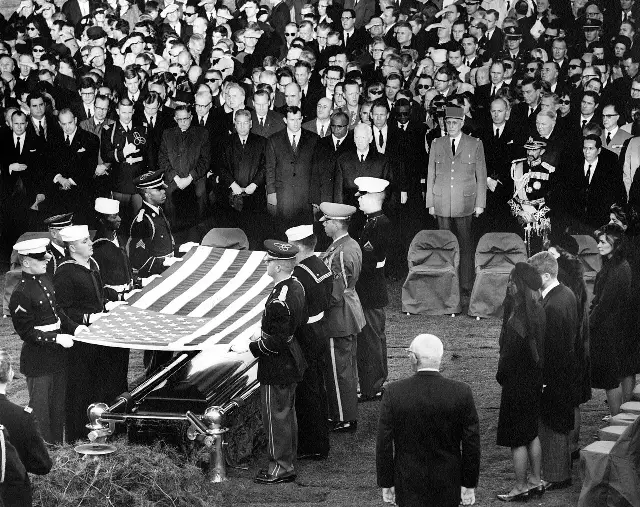
On November 25, 1963, three days after his assassination, President John F. Kennedy was buried at Arlington as the world watched and his widow lit an eternal flame.
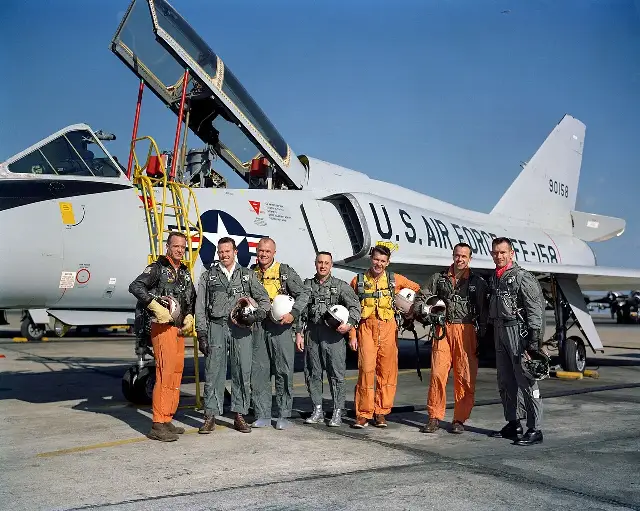
On April 9, 1959, NASA introduced the Mercury Seven — Carpenter, Cooper, Glenn, Grissom, Schirra, Shepard, and Slayton — America's first astronauts, at a press conference in Washington, D.C.
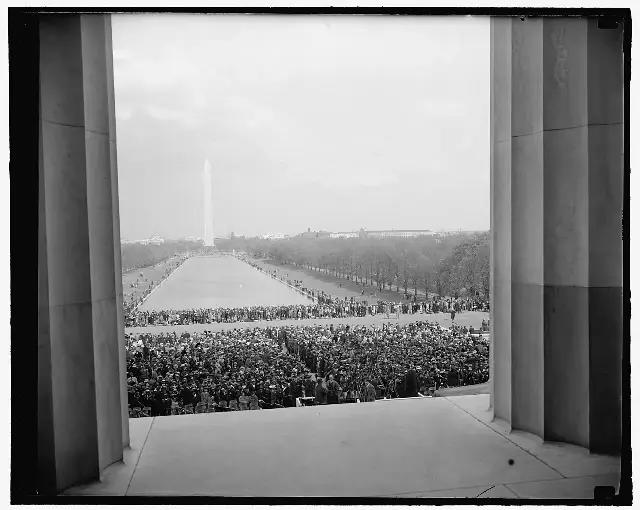
On Easter Sunday, April 9, 1939, contralto Marian Anderson sang before 75,000 people at the Lincoln Memorial after the DAR barred her from Constitution Hall because she was Black.
On April 7, 1927, AT&T's Bell Laboratories publicly demonstrated long-distance television, sending live images and voice of Commerce Secretary Herbert Hoover from Washington to New York.
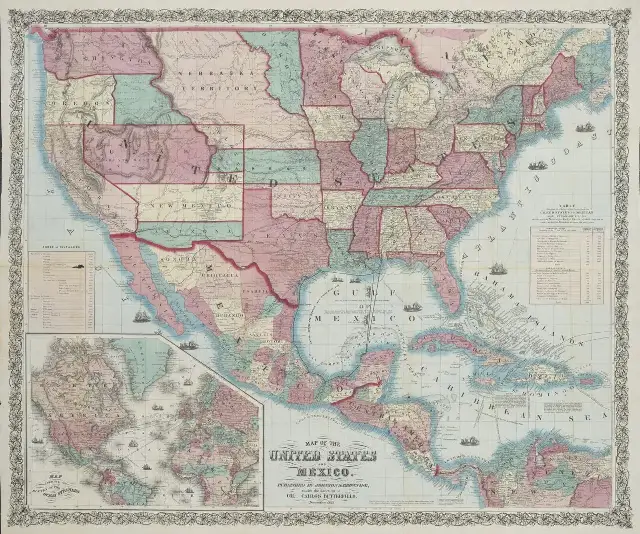
On December 30, 1853, the United States and Mexico signed the Gadsden Purchase, setting America's southern border and completing the continental map.
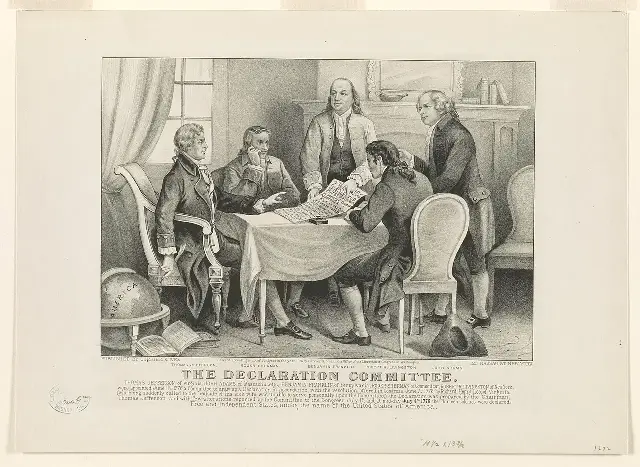
On June 11, 1776, Congress appointed five men — including Jefferson, Adams, and Franklin — to draft the document that became the Declaration of Independence.
On September 30, 1935, Franklin Roosevelt dedicated Hoover Dam before 10,000 people in 102-degree heat — and called it mankind's greatest feat.
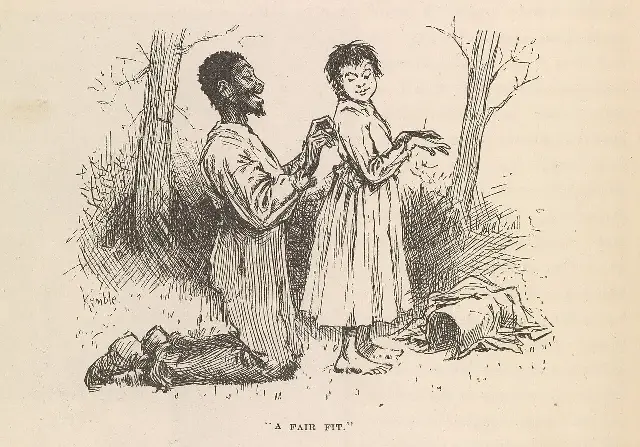
On February 18, 1885, Mark Twain's "Adventures of Huckleberry Finn" reached American bookstores — a plainspoken American voice and a searing portrait of slavery-era racism that reshaped literature.
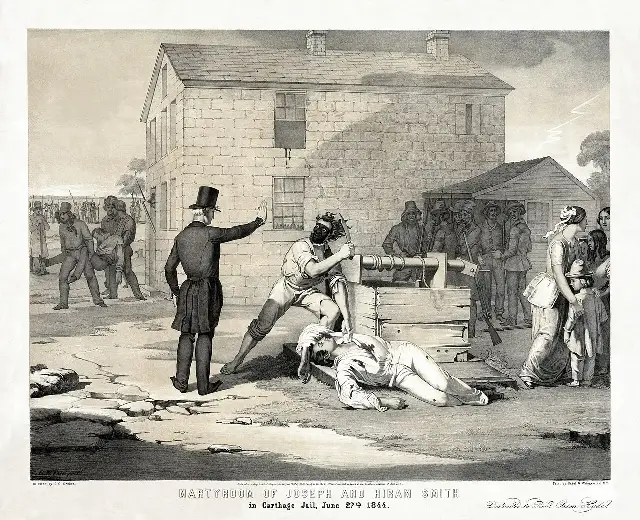
On June 27, 1844, a mob stormed the jail in Carthage, Illinois, and murdered Joseph Smith — the first American presidential candidate ever assassinated — and his brother Hyrum.
On January 2, 1788, Georgia became the fourth state to ratify the U.S. Constitution — unanimously — joining the new nation as its first southern member.
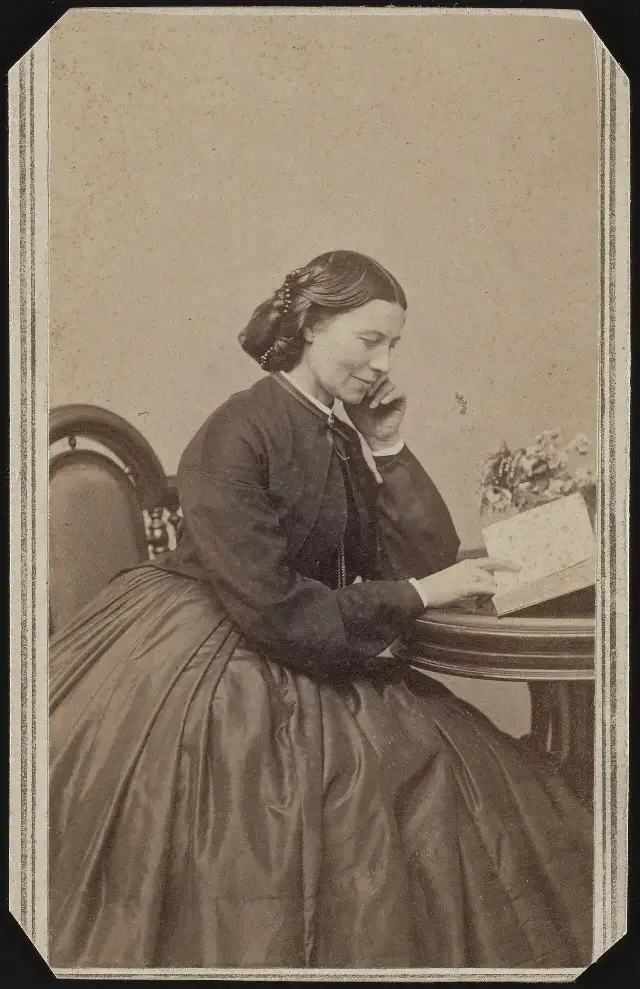
On May 21, 1881, Clara Barton founded the American Red Cross at a meeting in her Washington apartment, bringing a European idea of neutral wartime aid to America.
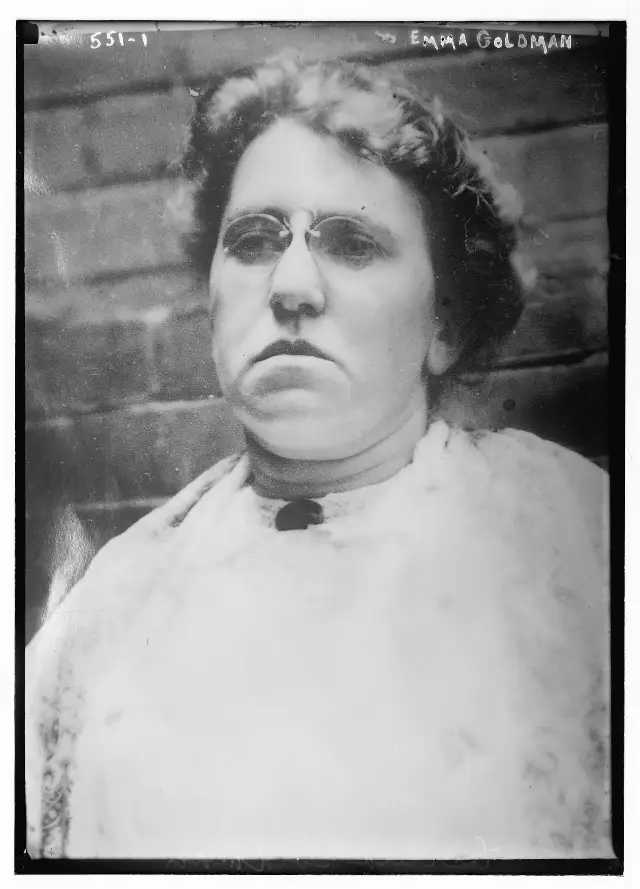
On December 21, 1919, Emma Goldman and 248 other radicals were deported to Soviet Russia aboard the ship Buford, dubbed the 'Red Ark.'
On May 20, 1873, a Reno tailor and a San Francisco merchant received U.S. Patent No. 139,121 for riveted work pants — the official birthday of blue jeans.
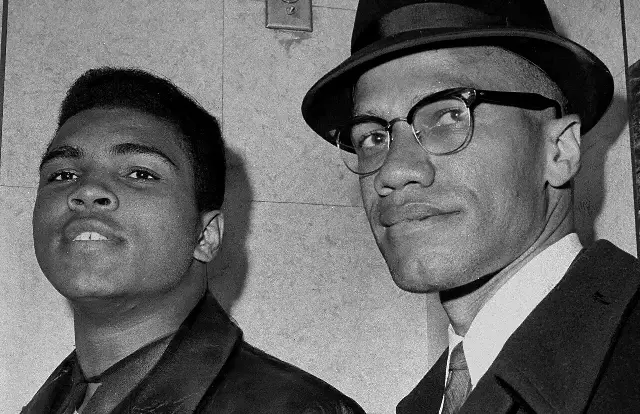
On May 19, 1925, Malcolm Little was born in Omaha, Nebraska — the boy who would become Malcolm X, one of the most powerful and challenging voices of the civil rights era.
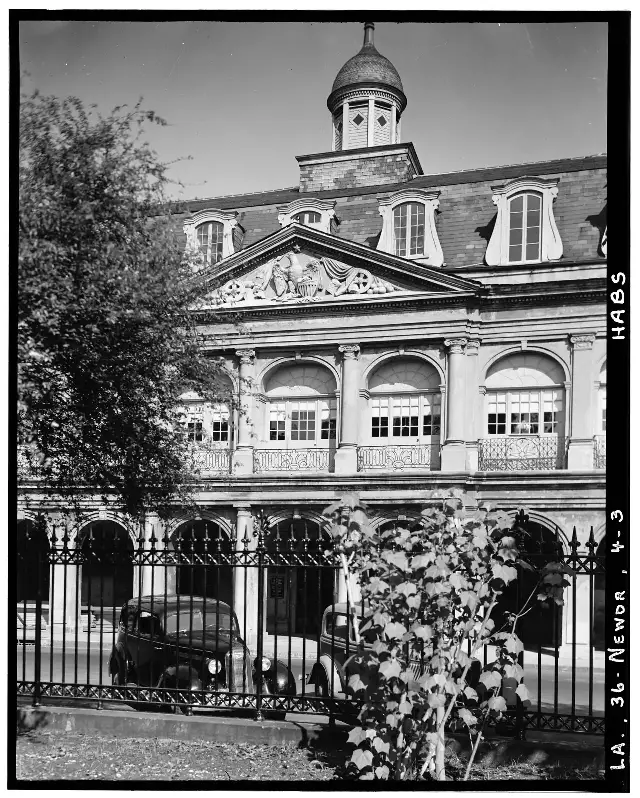
On December 20, 1803, the French tricolor came down and the Stars and Stripes rose over New Orleans, completing the Louisiana Purchase.
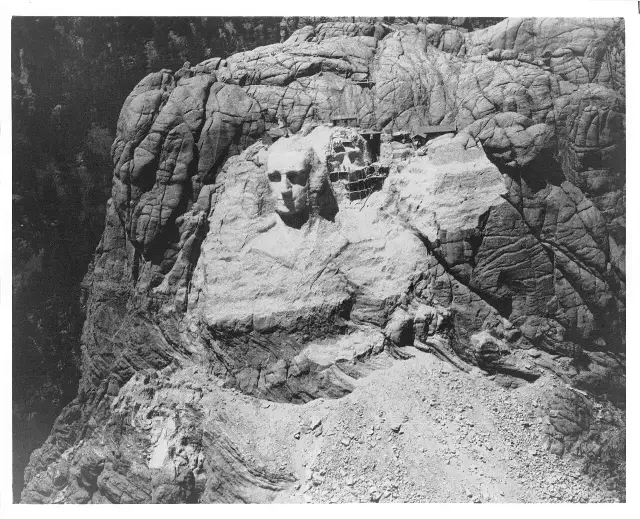
On October 4, 1927, sculptor Gutzon Borglum began blasting four presidents' faces into South Dakota's Mount Rushmore — a 14-year project built on sacred, contested land.
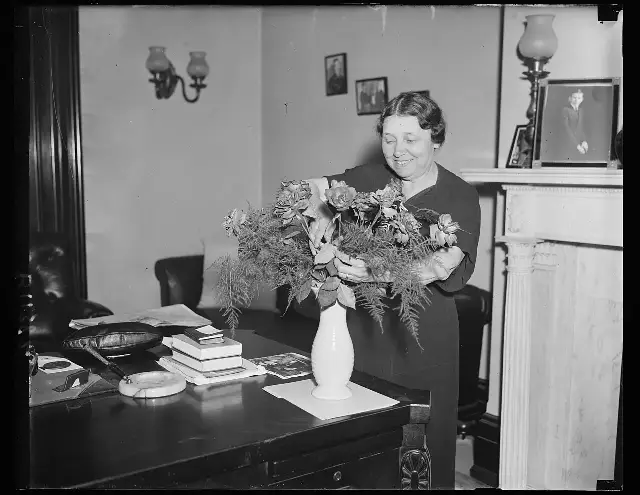
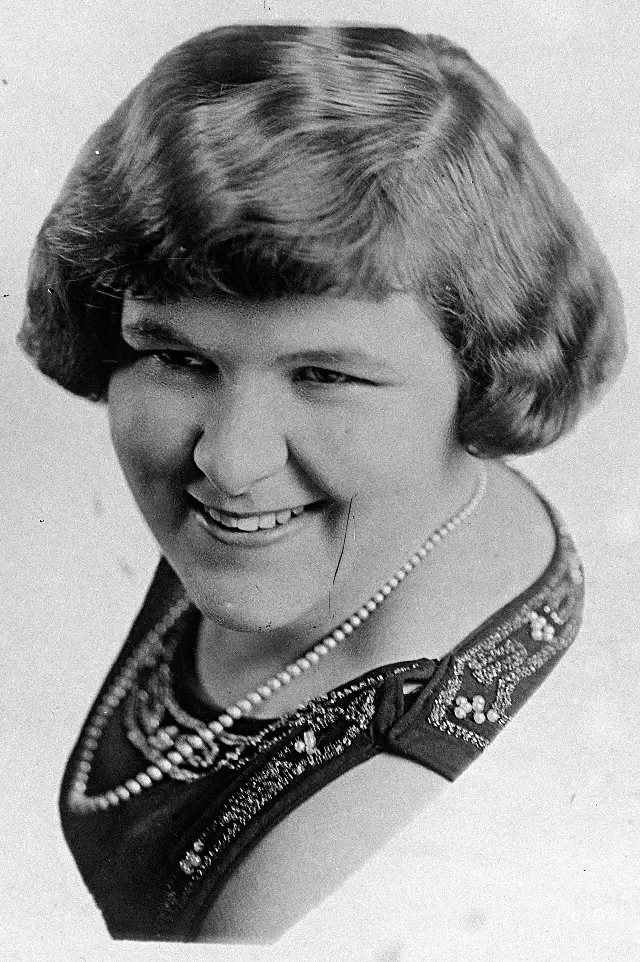
On January 12, 1932, Arkansas voters elected Hattie Caraway to the U.S. Senate with 92 percent of the vote — the first woman ever elected to that chamber.
On January 11, 1964, Surgeon General Luther Terry released the first official report linking cigarette smoking to lung cancer — a bombshell that began America's long retreat from tobacco.
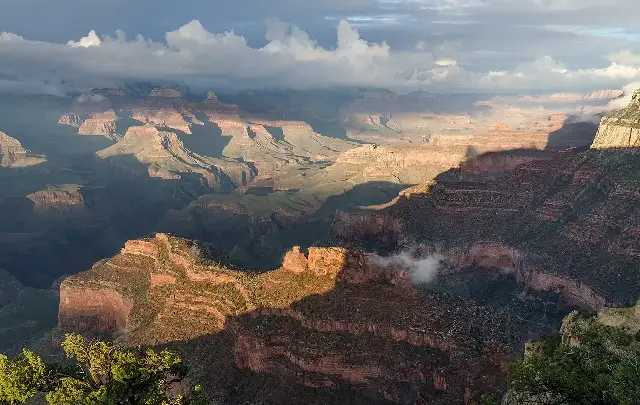
On January 11, 1908, Theodore Roosevelt proclaimed the Grand Canyon a national monument, shielding more than 800,000 acres that Congress had refused to protect.
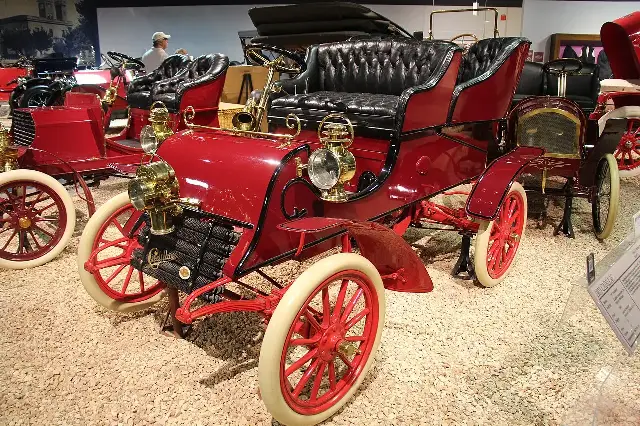
On August 22, 1902, investors left with a dead car company hired an engineer to liquidate it — and he talked them into building Cadillacs instead.
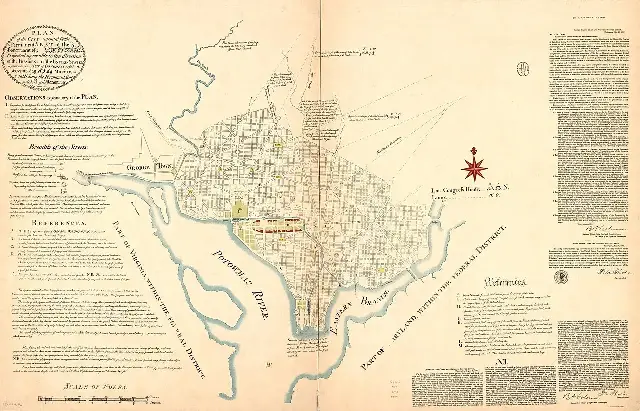
On July 16, 1790, George Washington signed the Residence Act, creating a brand-new national capital on a swampy stretch of the Potomac River.
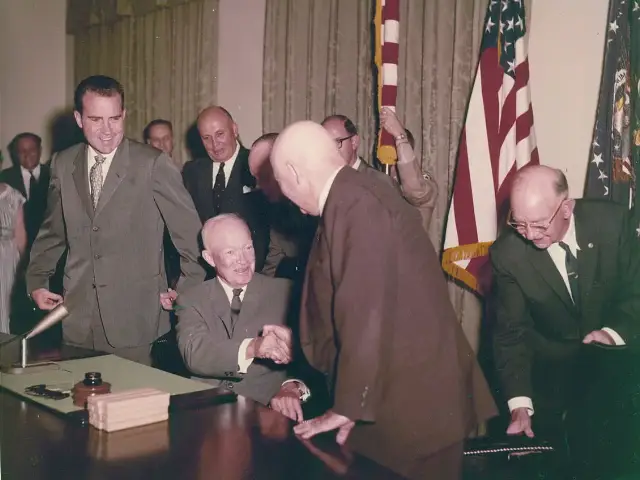
On August 21, 1959, President Eisenhower signed the proclamation admitting Hawaii as the 50th state — capping a statehood fight that had lasted more than forty years.
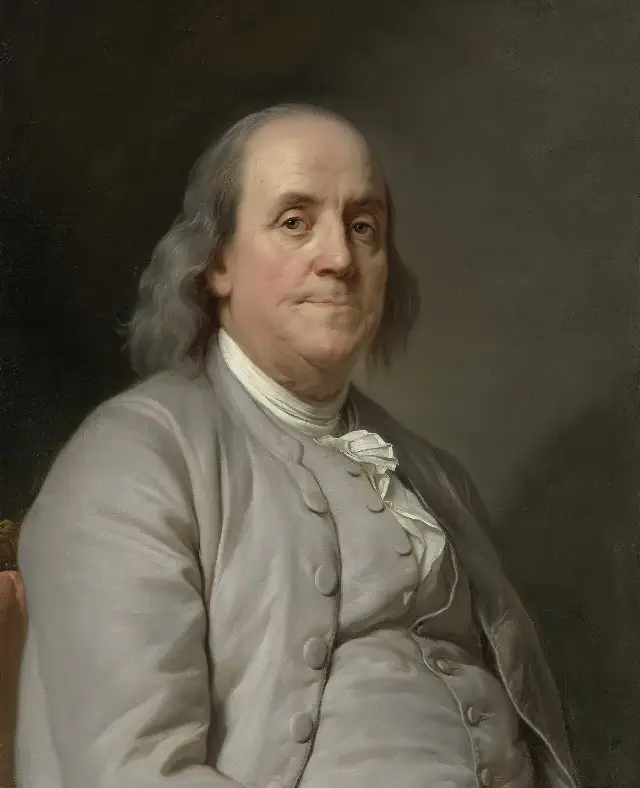
On July 26, 1775 — a full year before the Declaration of Independence — the Continental Congress created America's postal service and made Benjamin Franklin its first postmaster general.
On November 11, 1938, radio star Kate Smith introduced Irving Berlin's 'God Bless America' on her CBS show, and the nation adopted it overnight.
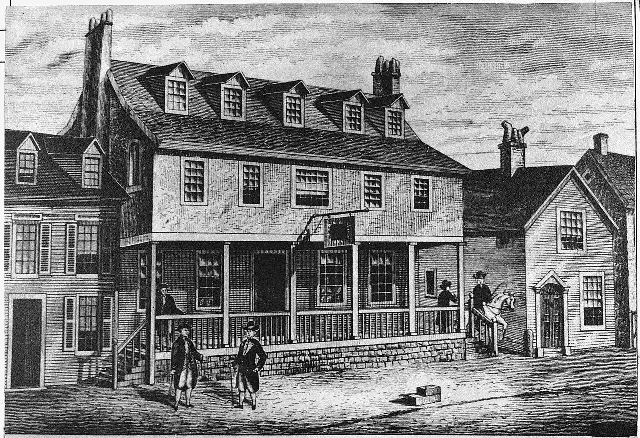
On November 10, 1775, the Continental Congress ordered two battalions of Marines raised — and recruiter Samuel Nicholas set up shop at Philadelphia's Tun Tavern.
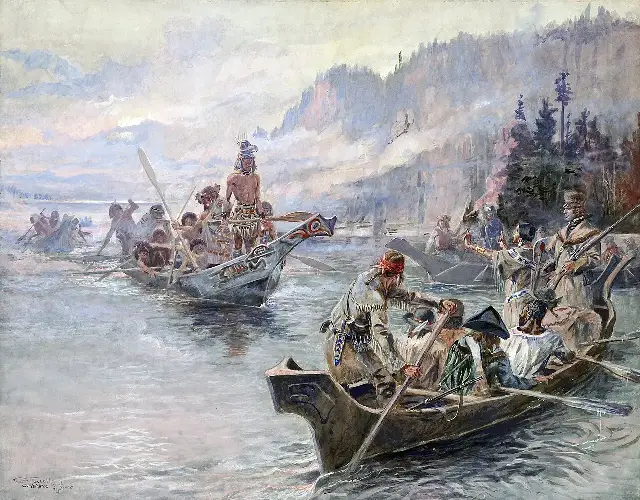
On May 14, 1804, the Lewis and Clark expedition pushed up the Missouri River into the vast Louisiana Purchase — and into American legend.
On June 6, 1933, Richard Hollingshead opened the world's first drive-in theater in Camden, New Jersey, after inventing it in his own backyard.
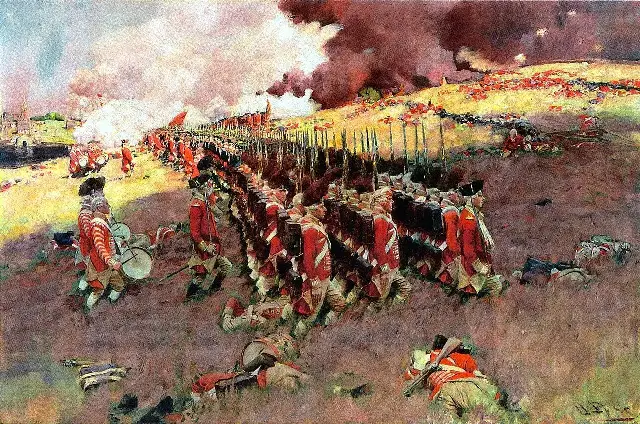
On June 17, 1775, untrained American farmers stood their ground against the mighty British Army — and proved a revolution could fight.
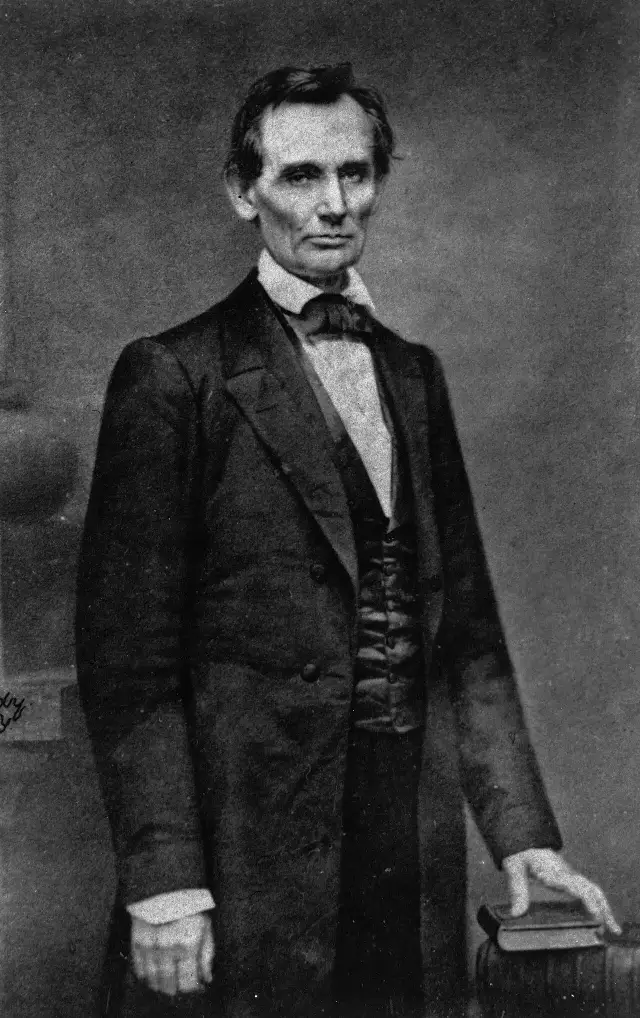
On June 16, 1858, Abraham Lincoln accepted the Illinois Senate nomination with a speech so bold it launched the famous debates that made him a national figure.
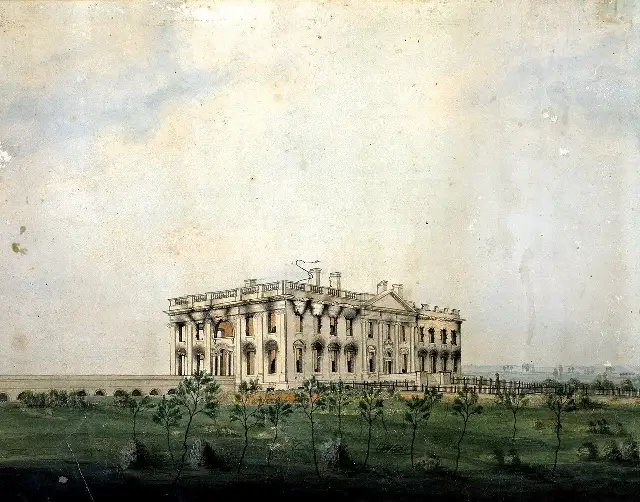
On August 24, 1814, British troops marched into Washington, D.C., and set fire to the Capitol and the White House — and Dolley Madison raced to save a priceless portrait.
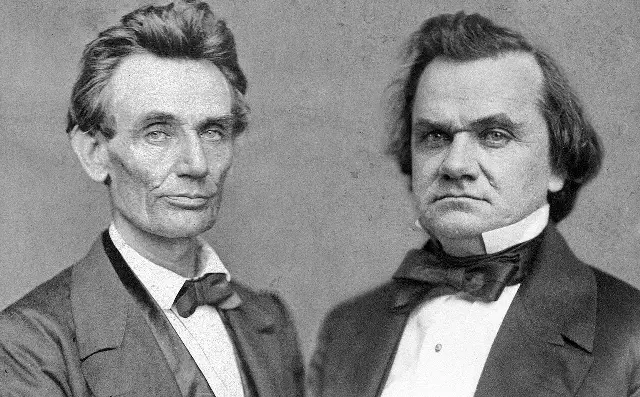
On August 21, 1858, Abraham Lincoln and Stephen Douglas faced off in Ottawa, Illinois, in the first of seven debates that made Lincoln a national figure.
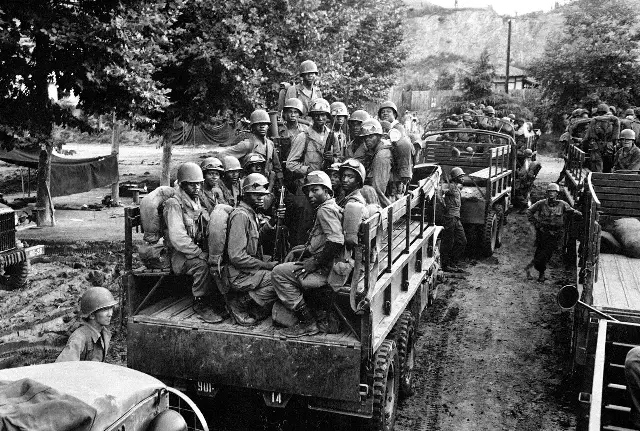
On July 26, 1948, President Truman signed Executive Order 9981, ending official segregation in the U.S. armed forces — and the Korean War would prove it worked.
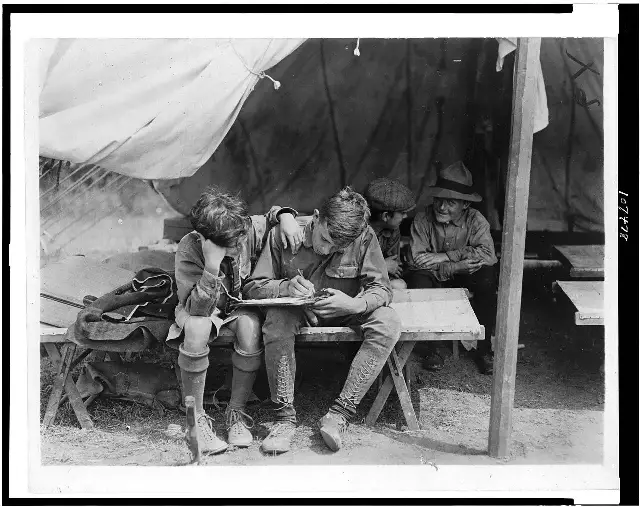
On February 8, 1910, Chicago publisher William D. Boyce filed papers in Washington, D.C. launching the Boy Scouts of America — inspired by a London boy who refused his tip.
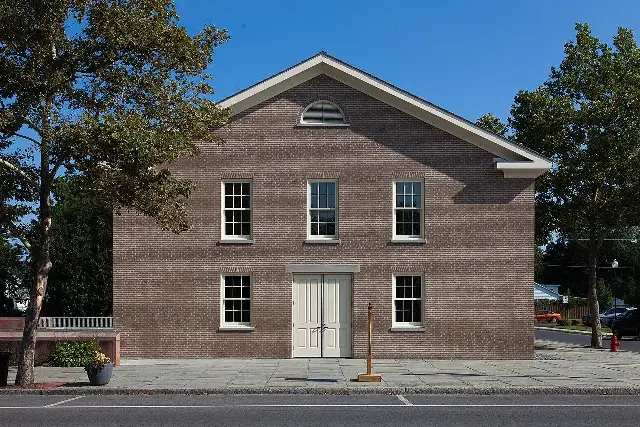
On July 19, 1848, about 300 people crowded into a small chapel in Seneca Falls, New York, for the first women's rights convention ever organized by women — and lit the fuse of a 72-year fight.
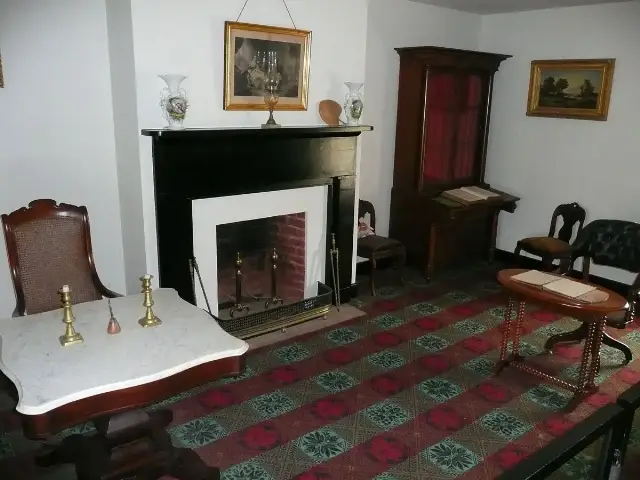
On April 9, 1865, Robert E. Lee surrendered the Army of Northern Virginia to Ulysses S. Grant in a farmhouse parlor, effectively ending the Civil War.
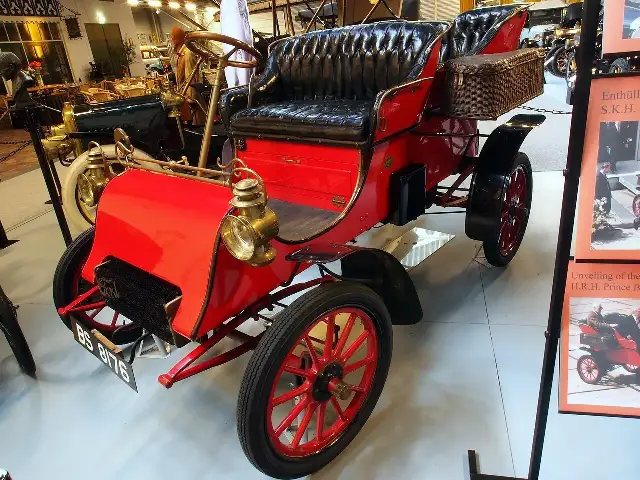
On July 23, 1903, Chicago dentist Ernest Pfennig paid $850 for a two-cylinder Ford Model A — the first car the Ford Motor Company ever sold, with just $223.65 left in its bank account.
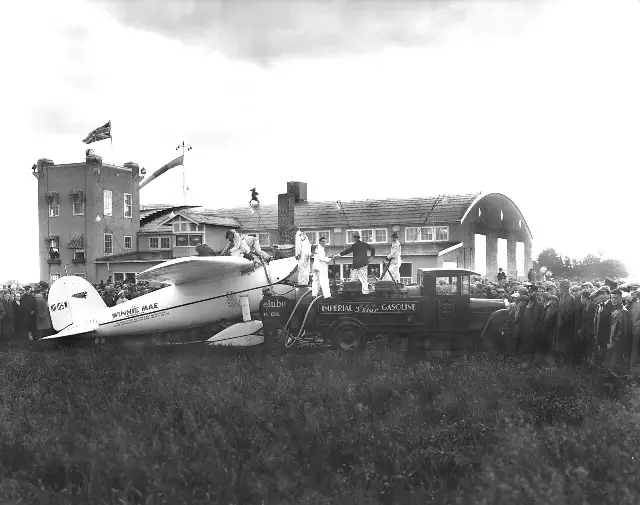
On July 22, 1933, one-eyed aviator Wiley Post landed his Lockheed Vega, the Winnie Mae, in New York — completing the first solo flight around the world in 7 days, 18 hours, 49 minutes.
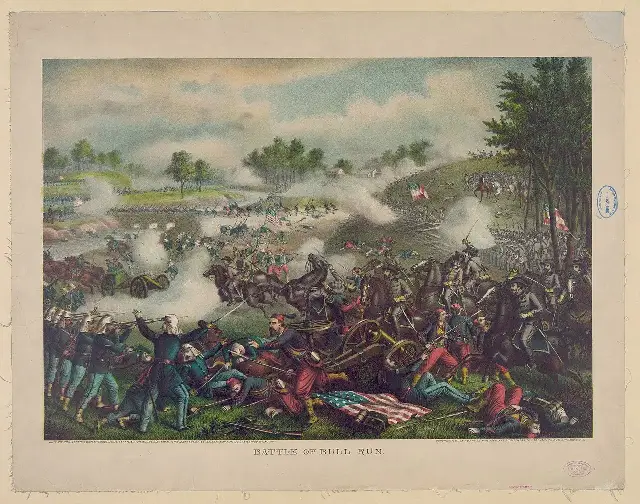
On July 21, 1861, hundreds of civilians came out to watch the Civil War's first major battle near Manassas, Virginia — and ended up fleeing for their lives as the Union army broke.