The Night the Stars Fell: The Meteor Storm of 1833
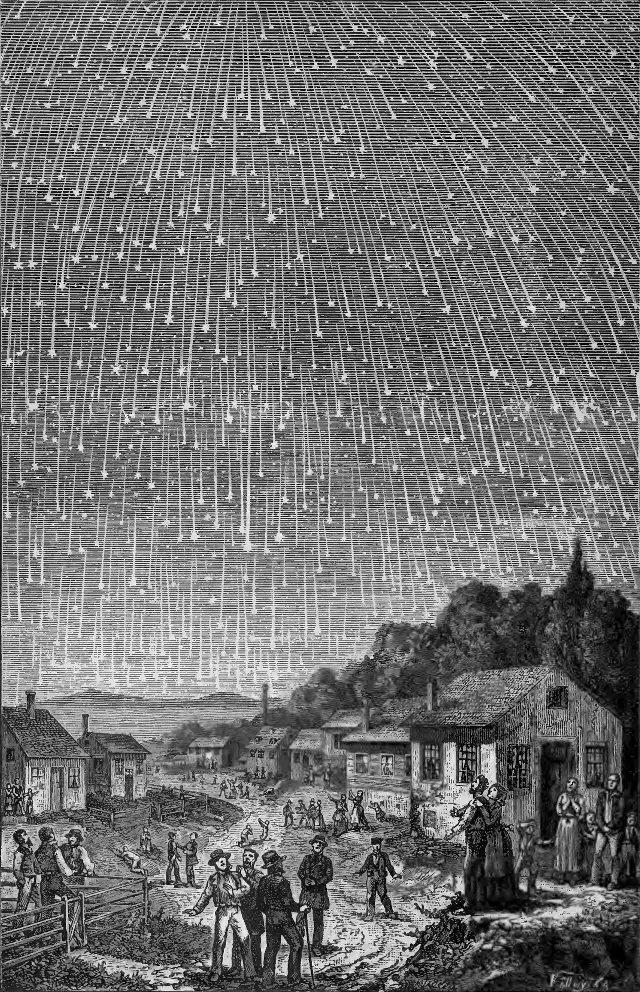
On the night of November 12-13, 1833, a colossal Leonid meteor storm terrified North America and gave Yale's Denison Olmsted the data to found meteor science.


On the night of November 12-13, 1833, a colossal Leonid meteor storm terrified North America and gave Yale's Denison Olmsted the data to found meteor science.
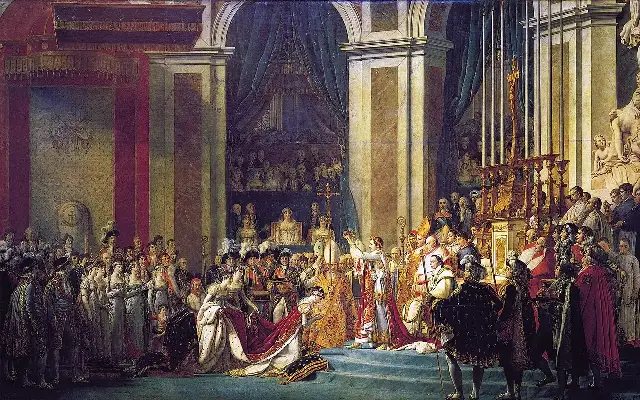
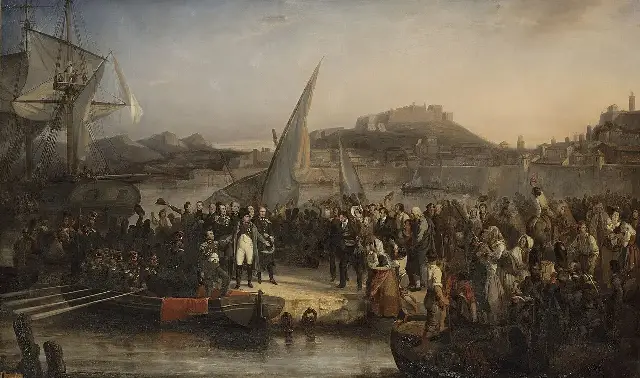
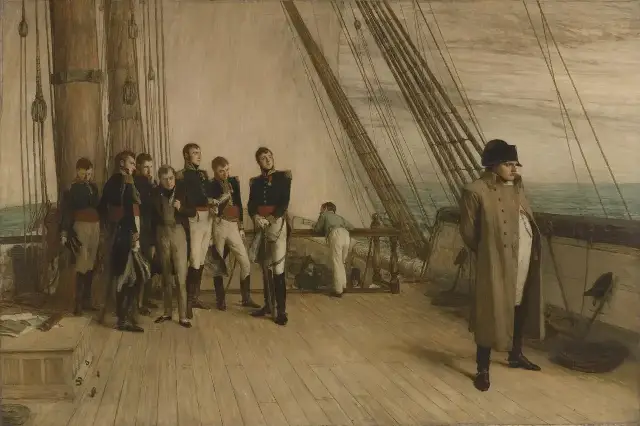
On April 11, 1814, Napoleon's representatives signed the Treaty of Fontainebleau, ending the emperor's reign and exiling him to the island of Elba.
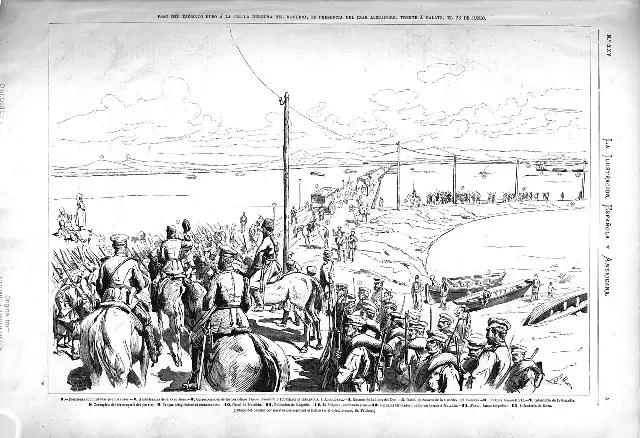
On April 24, 1877, Tsar Alexander II declared war on the Ottoman Empire, launching a ten-month conflict that restored Bulgaria and won independence for Romania, Serbia, and Montenegro.
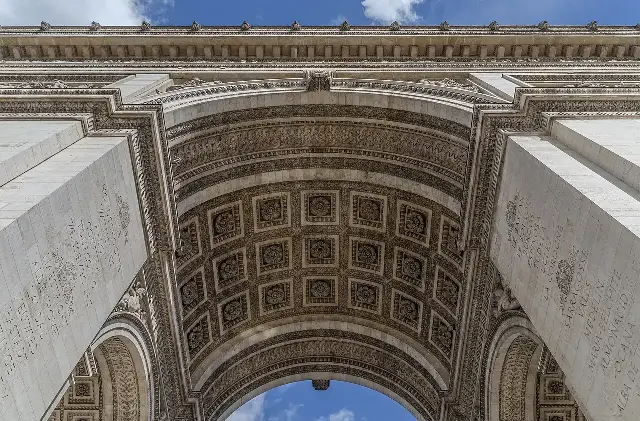
On July 29, 1836, Paris finally unveiled Napoleon's triumphal arch — thirty years after he ordered it, before a small crowd, while the king feared assassins too much to celebrate.
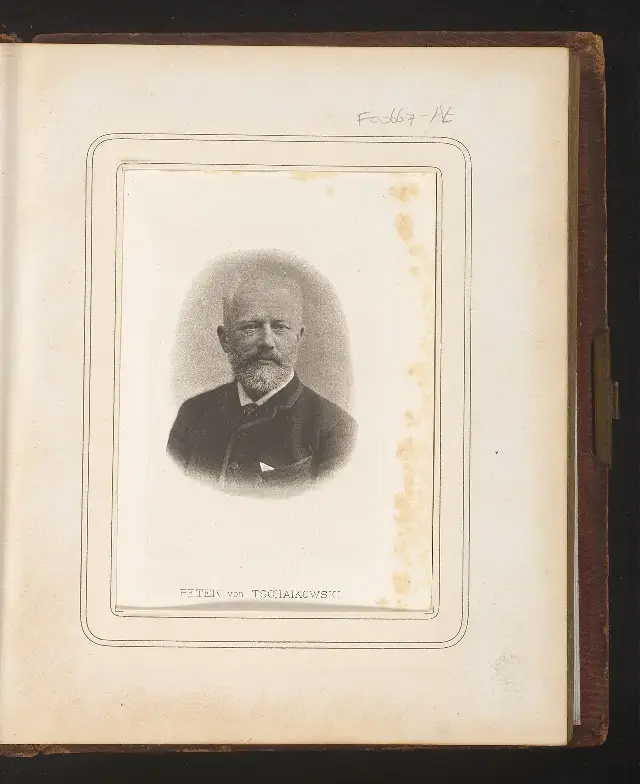
On August 20, 1882, Tchaikovsky's 1812 Overture premiered under a tent in Moscow — with real cannons, church bells, and a composer who called it loud and noisy.
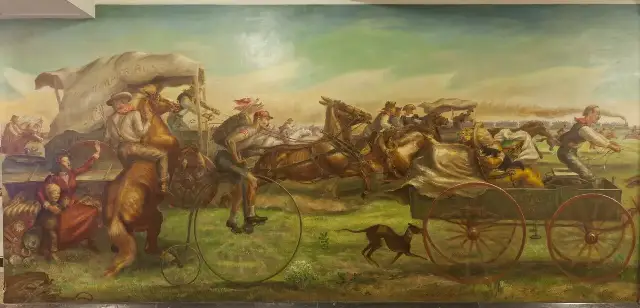
At noon on April 22, 1889, some 50,000 settlers charged into Oklahoma's Unassigned Lands at a cannon's boom, staking 160-acre claims in the wildest land rush in American history.
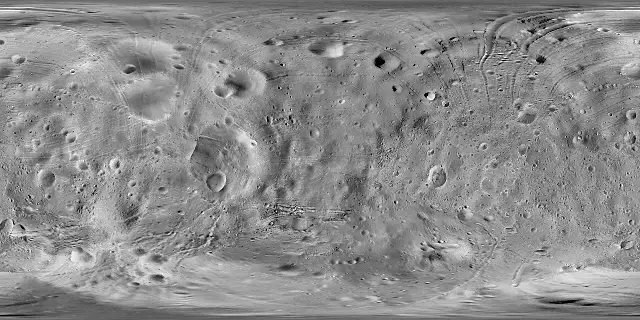
On August 18, 1877, astronomer Asaph Hall spotted Phobos, the larger of Mars's two tiny moons — a world slowly spiraling toward its doom.
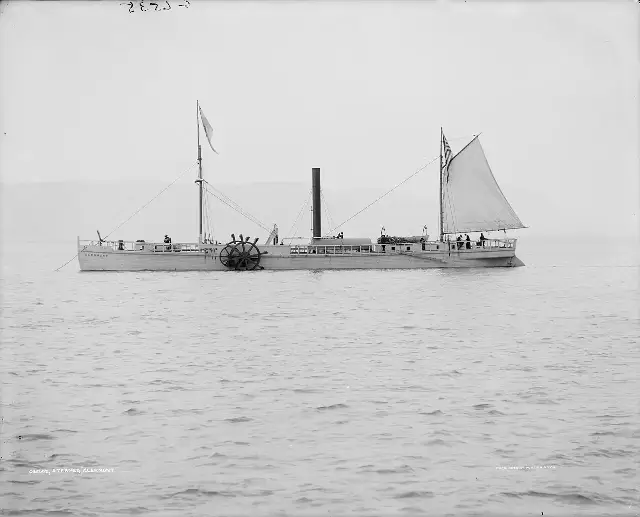
On August 17, 1807, Robert Fulton's steamboat defied a jeering crowd to sail from New York to Albany, launching the steam age on America's rivers.
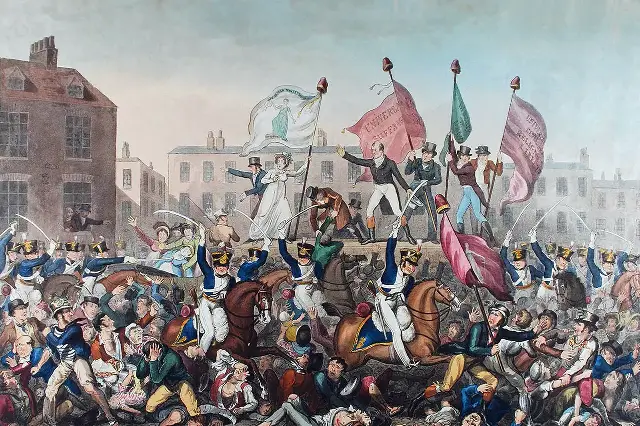
On August 16, 1819, cavalry charged a peaceful crowd of 60,000 demanding parliamentary reform in Manchester, killing about 18 people at Peterloo.
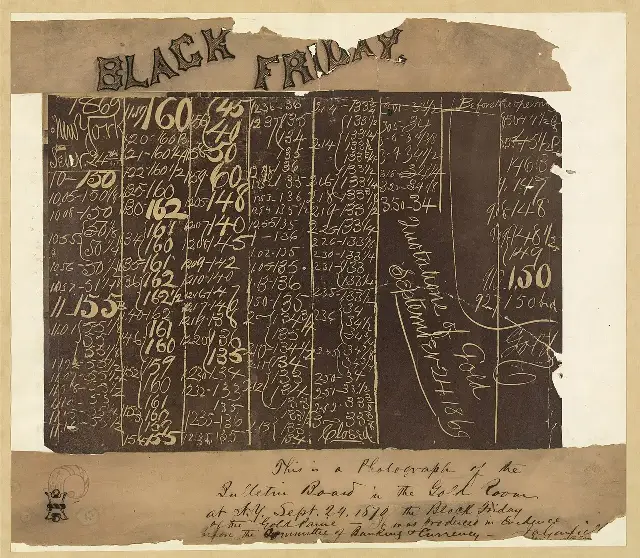
On September 24, 1869, a scheme by Jay Gould and Jim Fisk to corner the gold market collapsed, crashing Wall Street — and giving history the term 'Black Friday.'
On November 18, 1883, every railroad in North America reset its clocks at noon — even the ones that had already passed it.
On the night of September 23, 1846, astronomers in Berlin pointed a telescope where mathematics said a planet must be — and found Neptune, less than a degree from the predicted spot.
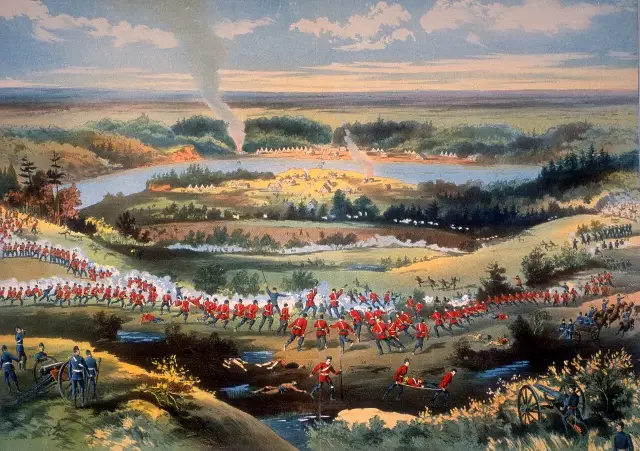
On November 16, 1885, Métis leader Louis Riel was hanged at Regina, turning a prairie uprising into one of the deepest wounds in Canadian history.
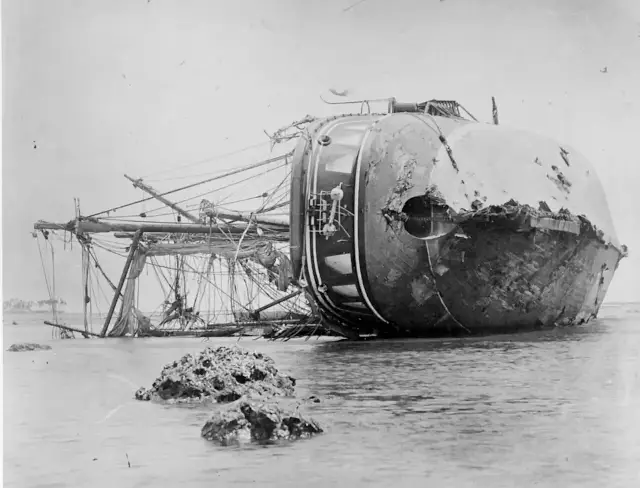
On March 15, 1889, a cyclone smashed American and German warships together in Samoa's Apia harbor, drowning more than 200 sailors — and averting a war.
On February 26, 1815, Napoleon slipped away from his Elba exile with about a thousand men, launching the Hundred Days that ended at Waterloo.
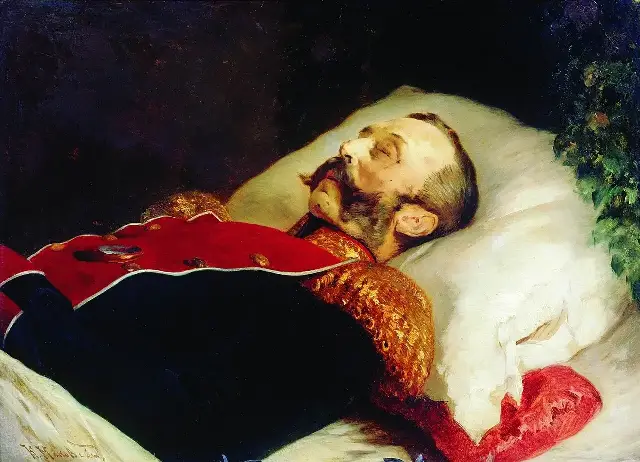
On March 13, 1881, Tsar Alexander II — the emperor who freed Russia's serfs — was killed by a terrorist's bomb in St. Petersburg, and his reforms died with him.
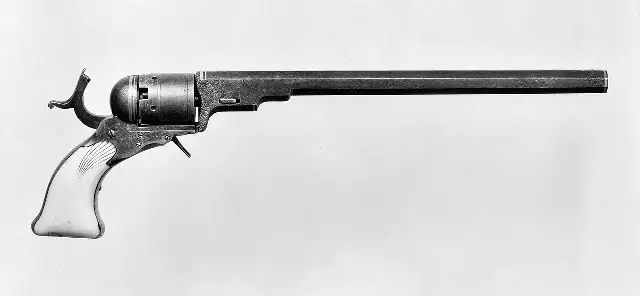
On February 25, 1836, Samuel Colt received the U.S. patent for his revolving-cylinder pistol, the invention that became the Colt Paterson and changed firearms forever.
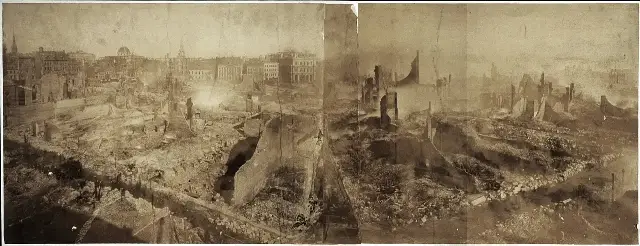
On November 9, 1872, a basement fire in downtown Boston exploded into a two-day inferno that destroyed 776 buildings — while the fire horses were too sick to pull the engines.
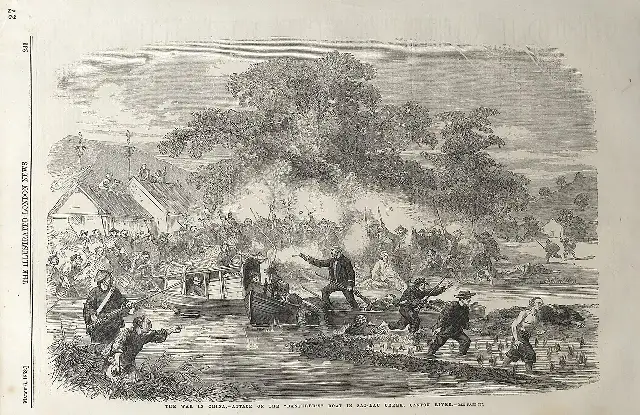
On October 8, 1856, Chinese officials boarded a British-registered ship in Canton — the spark that ignited the Second Opium War.
On March 4, 1877, Tchaikovsky's Swan Lake premiered in Moscow to a shrug — the composer died never knowing it would become the most famous ballet on Earth.
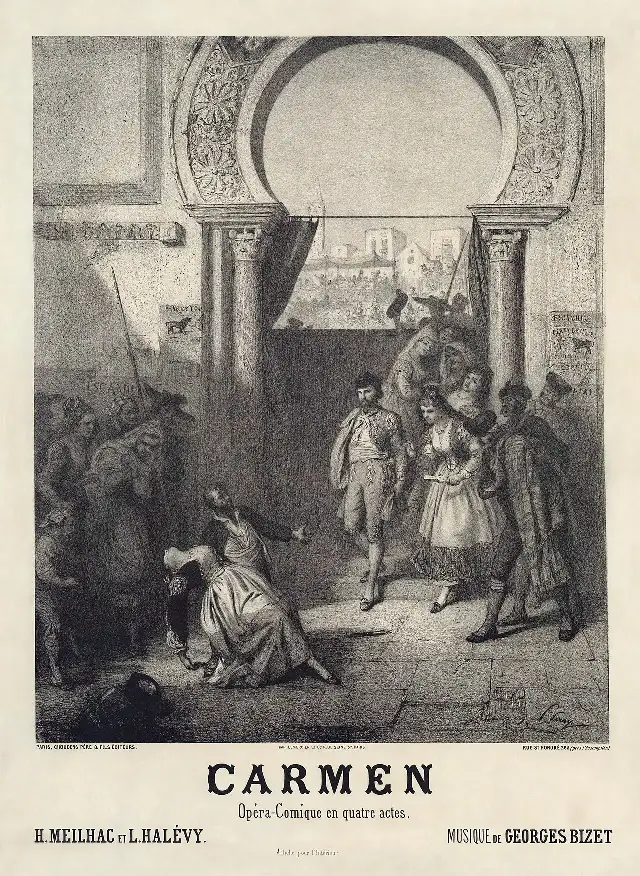
On March 3, 1875, Bizet's Carmen shocked Paris with a heroine who lived free and died onstage — the audience hated it, and the composer never knew it would conquer the world.
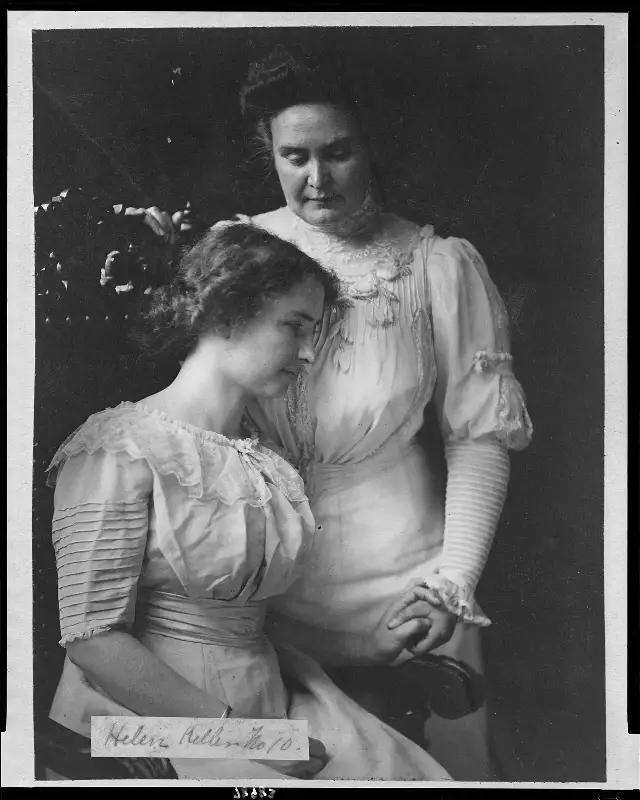
On March 3, 1887, a 20-year-old half-blind teacher arrived at an Alabama farmhouse to meet a deaf-blind 6-year-old — and began one of history's great transformations.
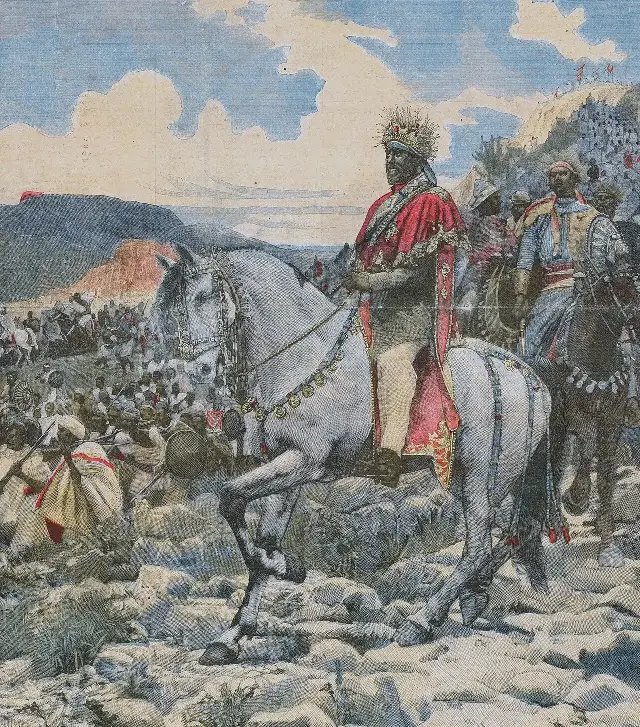
On March 1, 1896, an African army crushed a European colonial power at Adwa — the battle that kept Ethiopia free and shattered the myth of European invincibility.
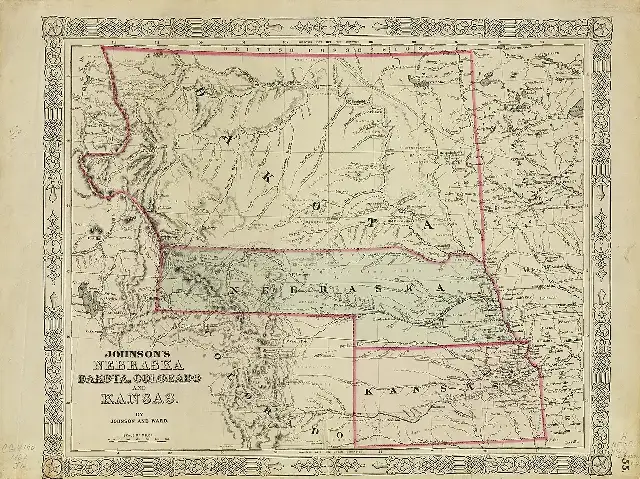
On November 2, 1889, North Dakota and South Dakota entered the Union as the 39th and 40th states — and the president hid which one came first.
On June 23, 1868, Christopher Latham Sholes and two partners received the patent for a writing machine that would put a keyboard under the world's fingers.
Four days after Waterloo, Napoleon Bonaparte abdicated the French throne for the second time, ending his return to power and his reign forever.
On April 20, 1841, Edgar Allan Poe published "The Murders in the Rue Morgue" in Graham's Magazine, introducing the world's first fictional detective, C. Auguste Dupin.
On June 15, 1844, Charles Goodyear received U.S. Patent No. 3,633 for vulcanized rubber, turning a sticky curiosity into a material of the modern world.
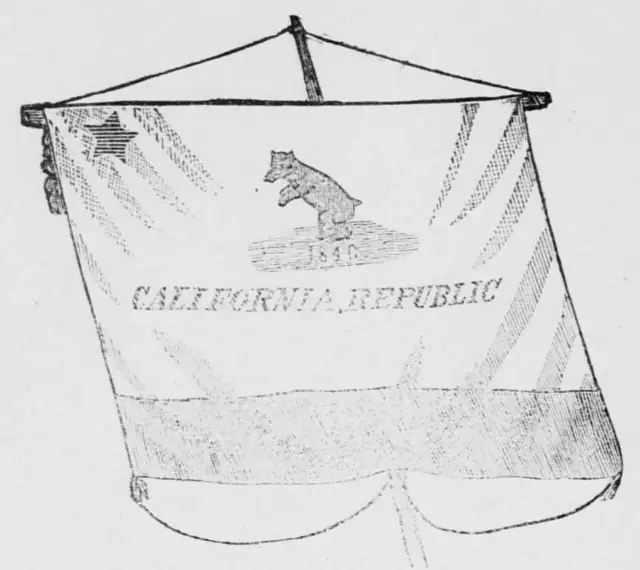
On June 14, 1846, American settlers seized the Mexican outpost at Sonoma and proclaimed the California Republic, raising a homemade grizzly bear flag.
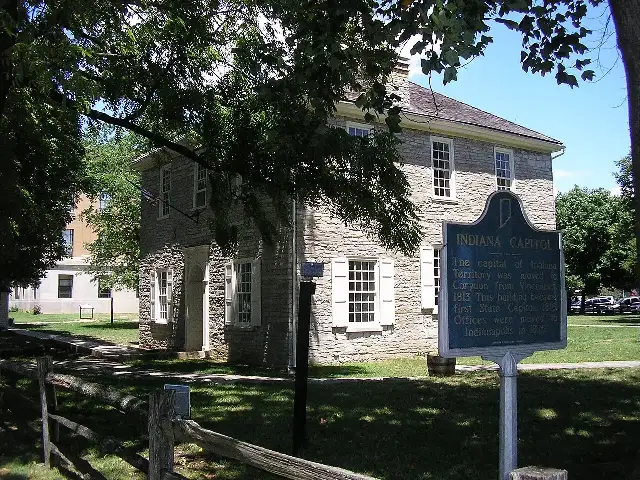
On December 11, 1816, President James Madison signed the resolution admitting Indiana as the 19th state of the Union.
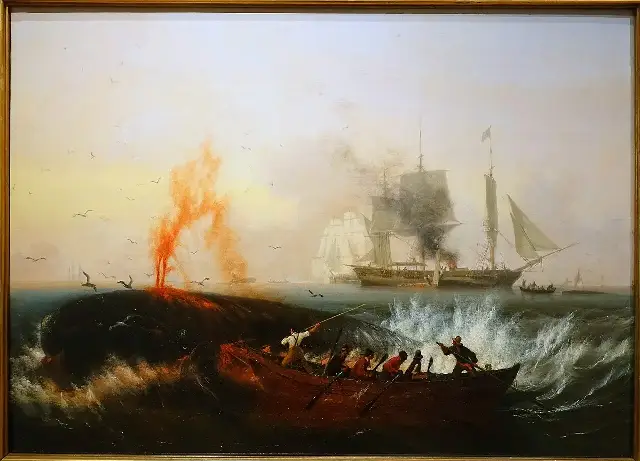
On November 20, 1820, a sperm whale rammed and sank the Nantucket whaleship Essex in the Pacific, beginning an 83-day survival ordeal that inspired Moby-Dick.
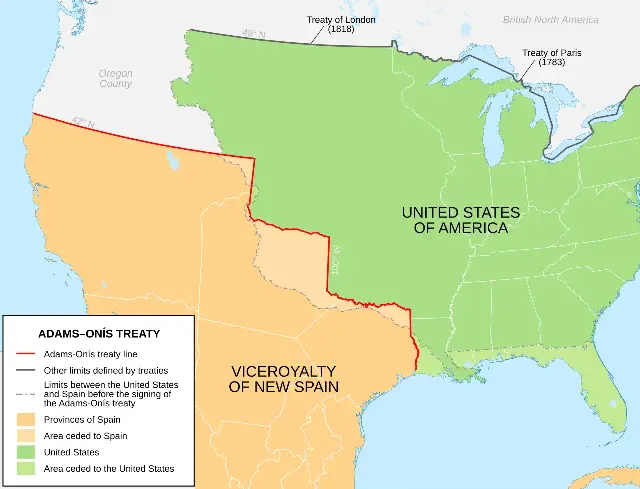
On February 22, 1819, the United States signed the Adams–Onís Treaty, gaining Florida and its first boundary line stretching to the Pacific.
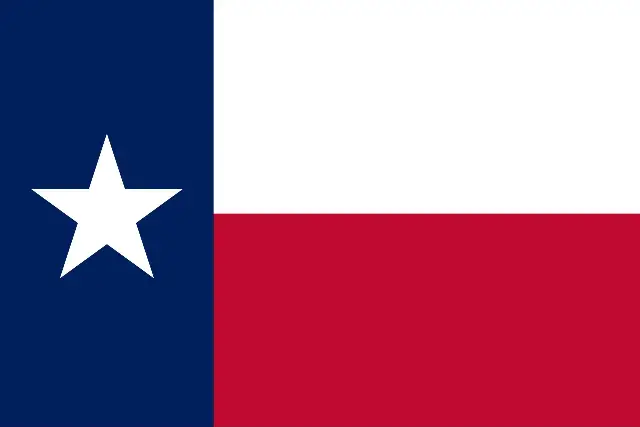
On March 30, 1870, President Ulysses S. Grant signed the act readmitting Texas to the Union, ending five years of Reconstruction rule.
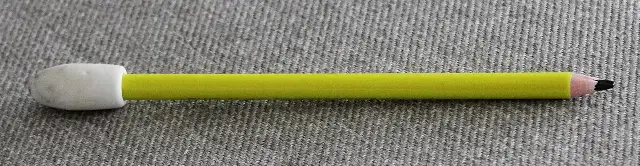
On March 30, 1858, Philadelphia stationer Hymen Lipman patented the first pencil with an attached eraser — and four years later sold the idea for $100,000.
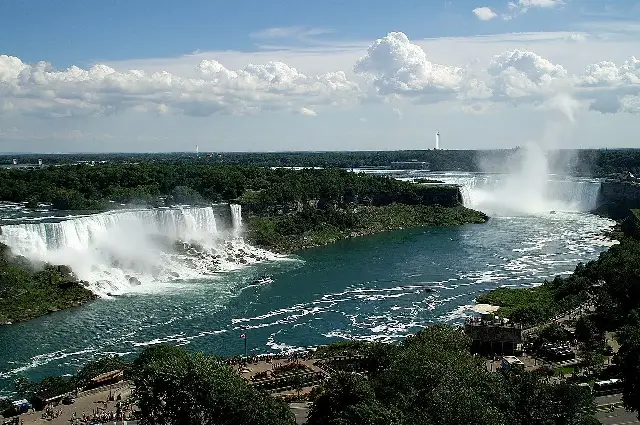
On March 29, 1848, an ice jam choked the Niagara River at its source, silencing the falls for 30 hours while astonished townsfolk walked the dry riverbed.
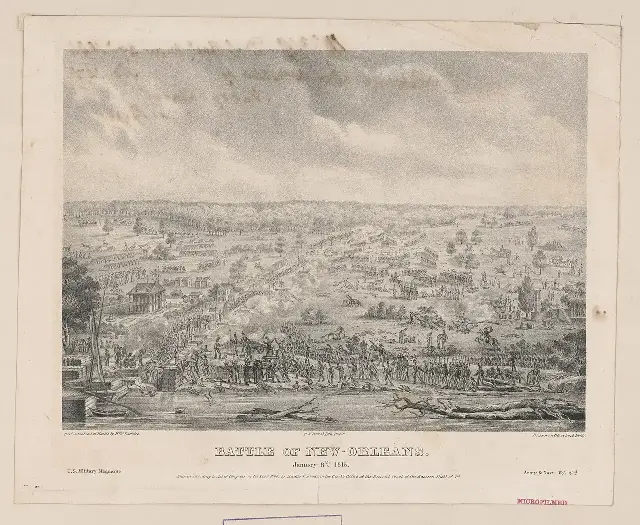
On January 8, 1815, Andrew Jackson's outnumbered Americans crushed a British assault outside New Orleans in about half an hour — unaware the War of 1812 had already ended two weeks earlier.
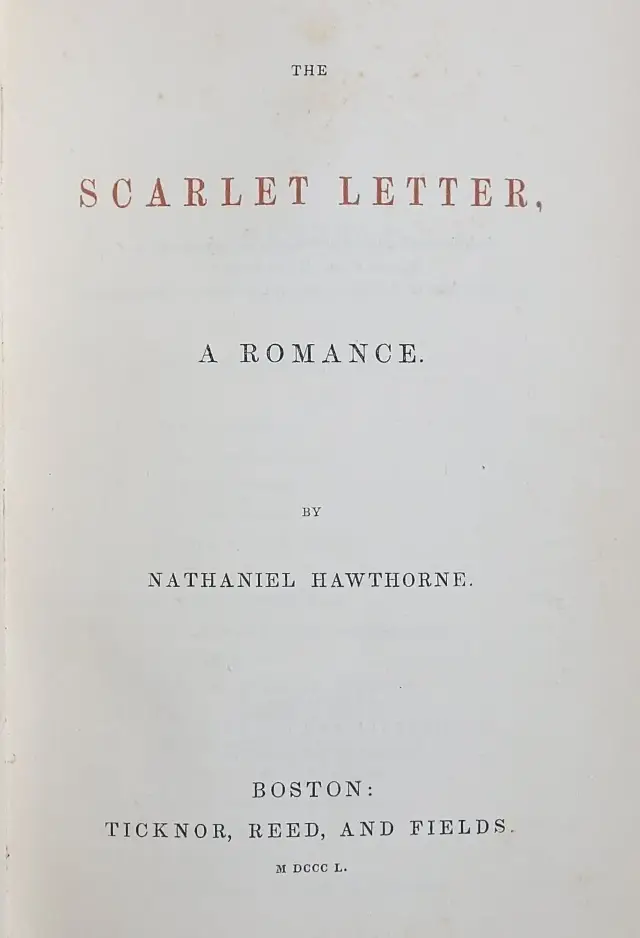
On March 16, 1850, Ticknor, Reed & Fields published Nathaniel Hawthorne's The Scarlet Letter, and the first printing of 2,500 copies sold out in ten days.
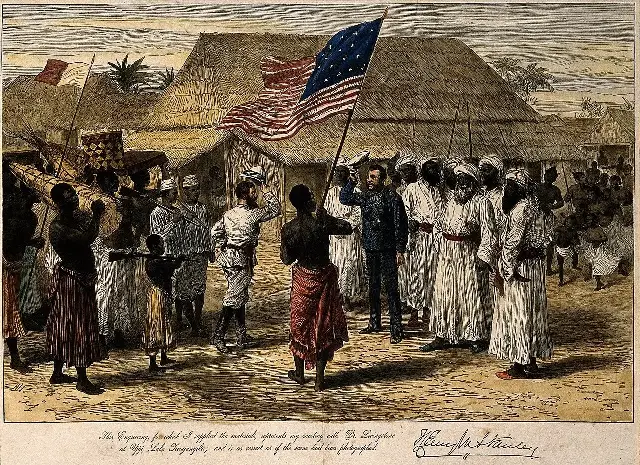
On November 10, 1871, journalist Henry Morton Stanley walked into a tiny African village and found the lost explorer the whole world had given up on.
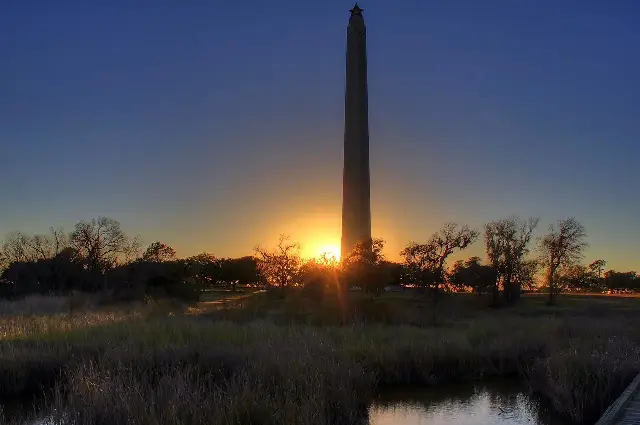
On April 21, 1836, Sam Houston's outnumbered Texians routed Santa Anna's Mexican army in an eighteen-minute battle that won Texas its independence.
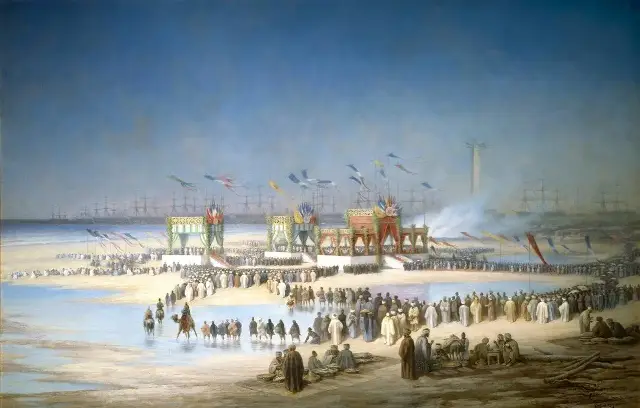
On November 17, 1869, the Suez Canal opened with lavish ceremony at Port Said, joining two seas and cutting weeks off every voyage between Europe and Asia.
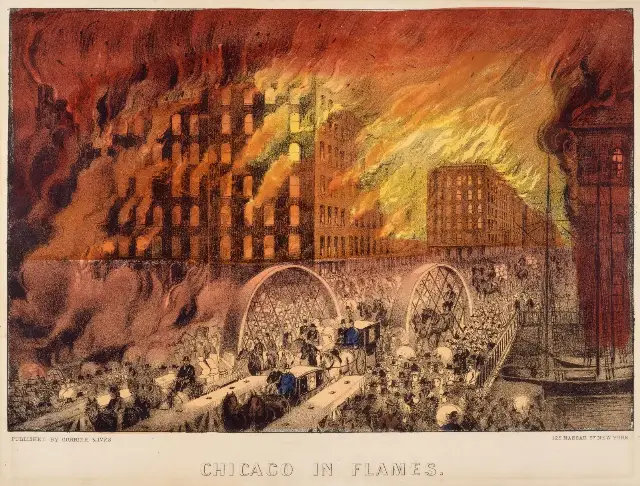
On the night of October 8, 1871, a small barn fire turned into an inferno that killed about 300 people, left 100,000 homeless — and gave America its most famous cow.