Thirteen Days End: The Quarantine Lifts
On November 20, 1962, President Kennedy announced the end of the naval quarantine of Cuba, closing the book on the missile crisis that had brought the world to the brink of nuclear war.
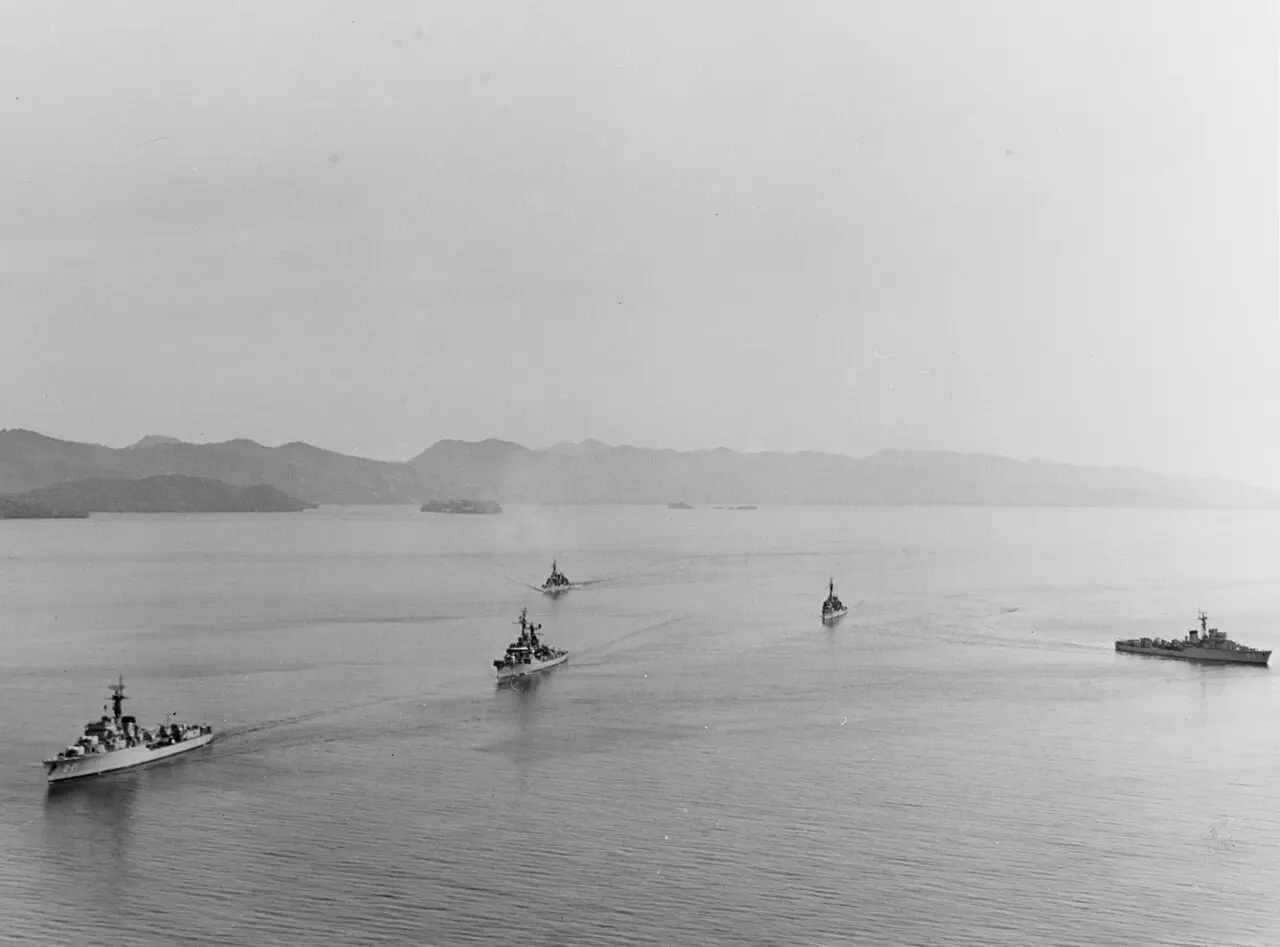
In mid-October 1962, American U-2 spy planes photographed nuclear missile sites under construction in Cuba — Soviet weapons, ninety miles from Florida, capable of striking most of the United States. President John F. Kennedy convened his closest advisers as the Executive Committee of the National Security Council. Some urged an immediate air strike on the missile sites, followed by invasion. Kennedy chose a less aggressive course: on October 22, he went on television and announced a naval "quarantine" of Cuba. He chose that word deliberately — a "blockade" would have meant a formal state of war. American warships would stop and search Soviet vessels bound for the island.
For thirteen days the world held its breath. Warships from across the Americas joined the quarantine line — American, Argentine, and Venezuelan vessels steamed together on joint patrols. Then, on October 28, after days of tense messages and a secret late-night meeting between Attorney General Robert Kennedy and the Soviet ambassador, Premier Nikita Khrushchev publicly agreed to dismantle the missiles and return them to the Soviet Union. In exchange, Kennedy pledged that the United States would never invade Cuba — and secretly promised to remove American Jupiter missiles from Turkey, a concession kept from the public for years.
But the crisis did not quite end there. Soviet IL-28 bombers remained in Cuba, and Washington kept the quarantine in place until they were gone. On November 20, Khrushchev informed Kennedy that the bombers — some thirty of them — would be withdrawn within 30 days. That evening, at a 6 p.m. news conference, Kennedy announced he had instructed the Defense Department to lift the quarantine. Within minutes, Secretary of Defense Robert McNamara ordered the Navy to end it "forthwith." By 6:45 p.m. Eastern time, the quarantine was officially over.
The world exhaled. But the thirteen days left permanent marks. The evident need for the two leaders to talk directly — without misread letters and slow cables — produced the Moscow–Washington hotline. And the shared terror of how close they had come opened the door to the first real arms-control agreements: the Limited Nuclear Test Ban Treaty the following year, and the quiet withdrawal of the American missiles from Turkey in April 1963.
November 20, 1962, was not the day the missiles left Cuba. It was the day the siege ended — the formal close of the closest the world has ever come to nuclear war.
Photo: U.S. Navy, public domain (via Wikimedia Commons).