France's First Atomic Bomb Lit Up the Sahara
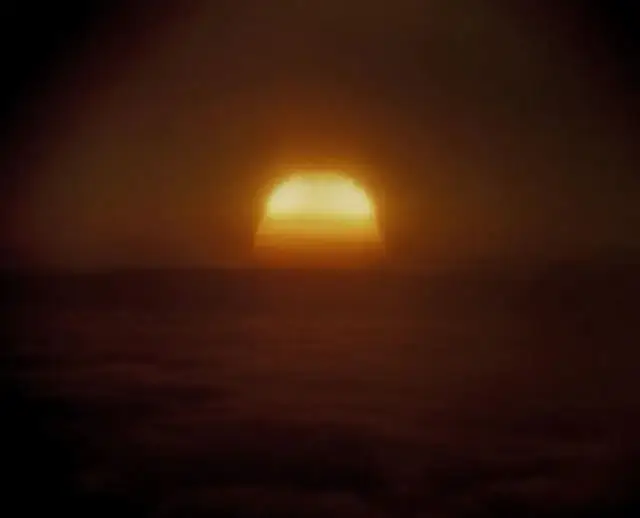
On February 13, 1960, France detonated its first atomic bomb over the Algerian Sahara, becoming the world's fourth nuclear power and leaving a radioactive legacy still being reckoned with.


On February 13, 1960, France detonated its first atomic bomb over the Algerian Sahara, becoming the world's fourth nuclear power and leaving a radioactive legacy still being reckoned with.
On October 30, 1961, the Soviet Union detonated the most powerful nuclear weapon ever built over Novaya Zemlya, a blast thousands of times stronger than Hiroshima.
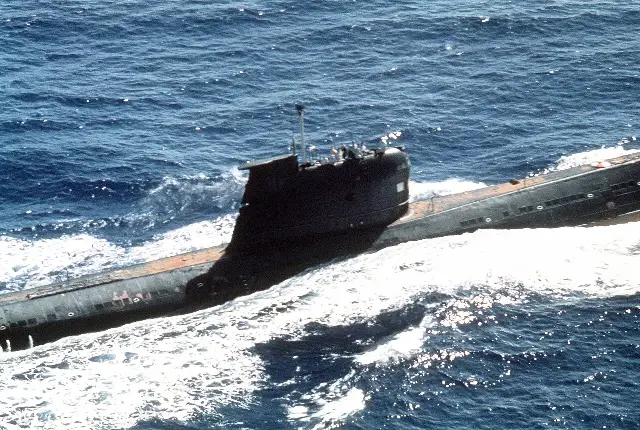
On October 27, 1962, Soviet officer Vasily Arkhipov refused to authorize a nuclear torpedo — on the most dangerous day of the Cold War.
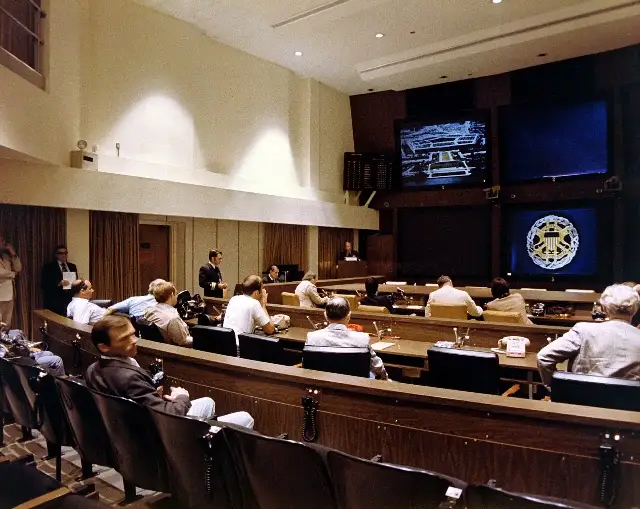
On August 30, 1963, the Moscow–Washington hotline went live — and the first message ever sent between the nuclear superpowers was a typing test.
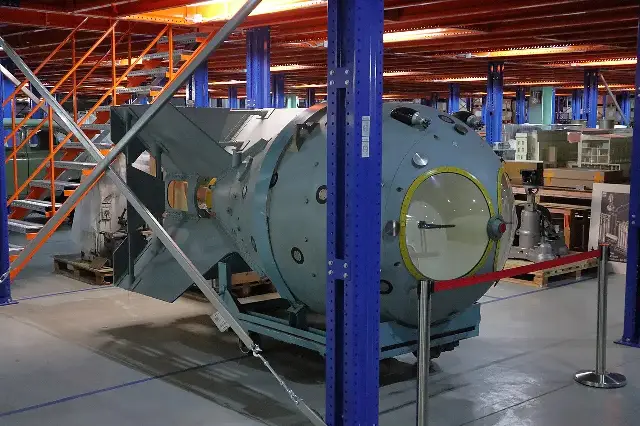
On August 29, 1949, the Soviet Union detonated its first atomic bomb at Semipalatinsk — ending America's nuclear monopoly and igniting the arms race.
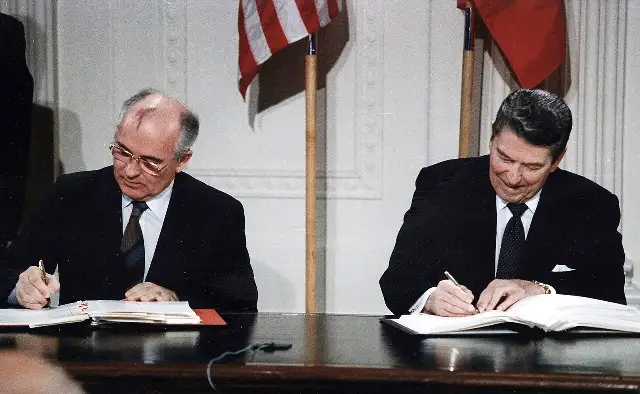
On December 8, 1987, the U.S. and Soviet leaders signed a treaty eliminating an entire class of nuclear weapons.
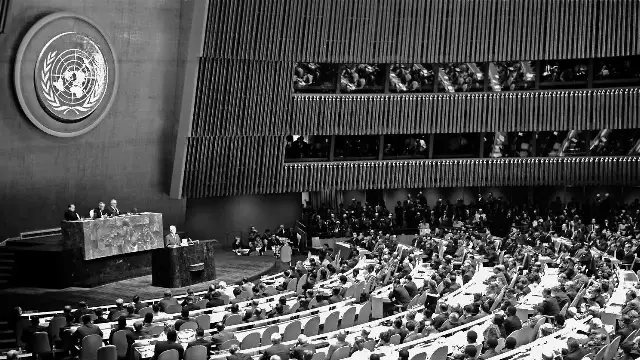
On December 8, 1953, President Eisenhower proposed turning nuclear weapons material toward peaceful uses in a landmark UN speech.
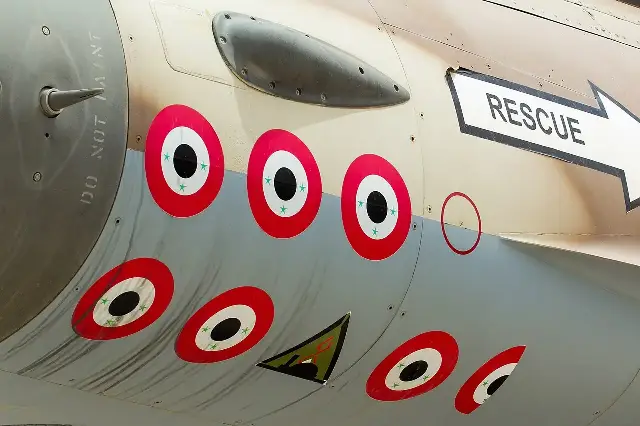
On June 7, 1981, eight Israeli F-16s flew 1,100 kilometers through hostile skies to destroy Iraq's Osirak nuclear reactor before it could go online.
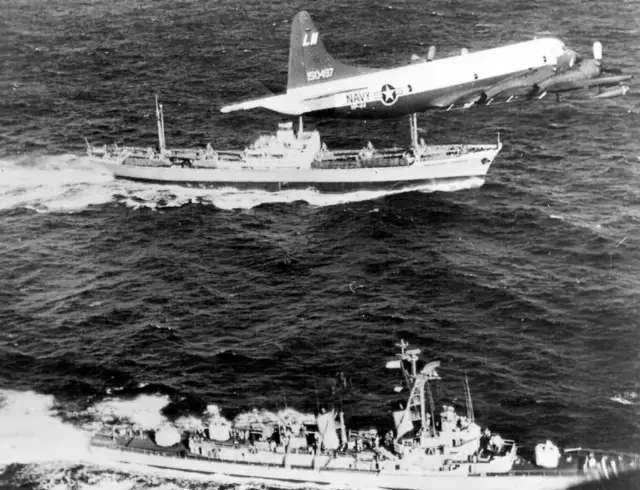
On October 22, 1962, JFK told the world about Soviet missiles in Cuba — and brought humanity closer to nuclear war than ever before.
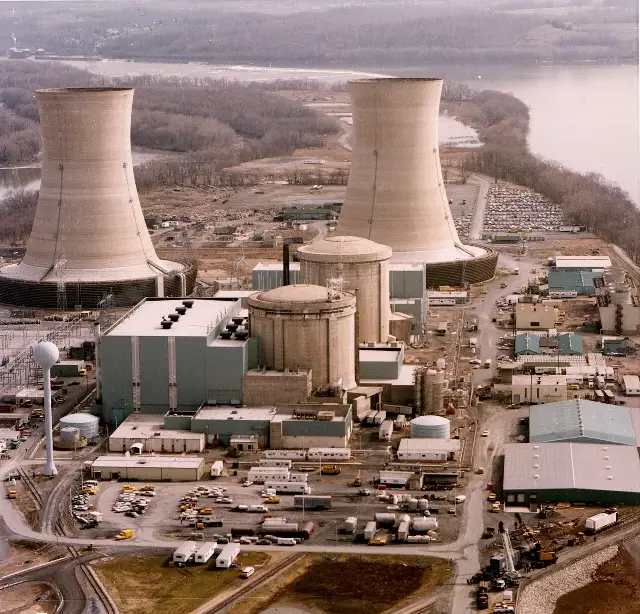
On March 28, 1979, a stuck valve at Three Mile Island triggered America's worst commercial nuclear accident.