The Day the Suez Canal Came Back to Life
On June 5, 1975 — exactly eight years after it was closed — Egypt's Anwar Sadat reopened the Suez Canal in a ceremony that became a gesture of peace.
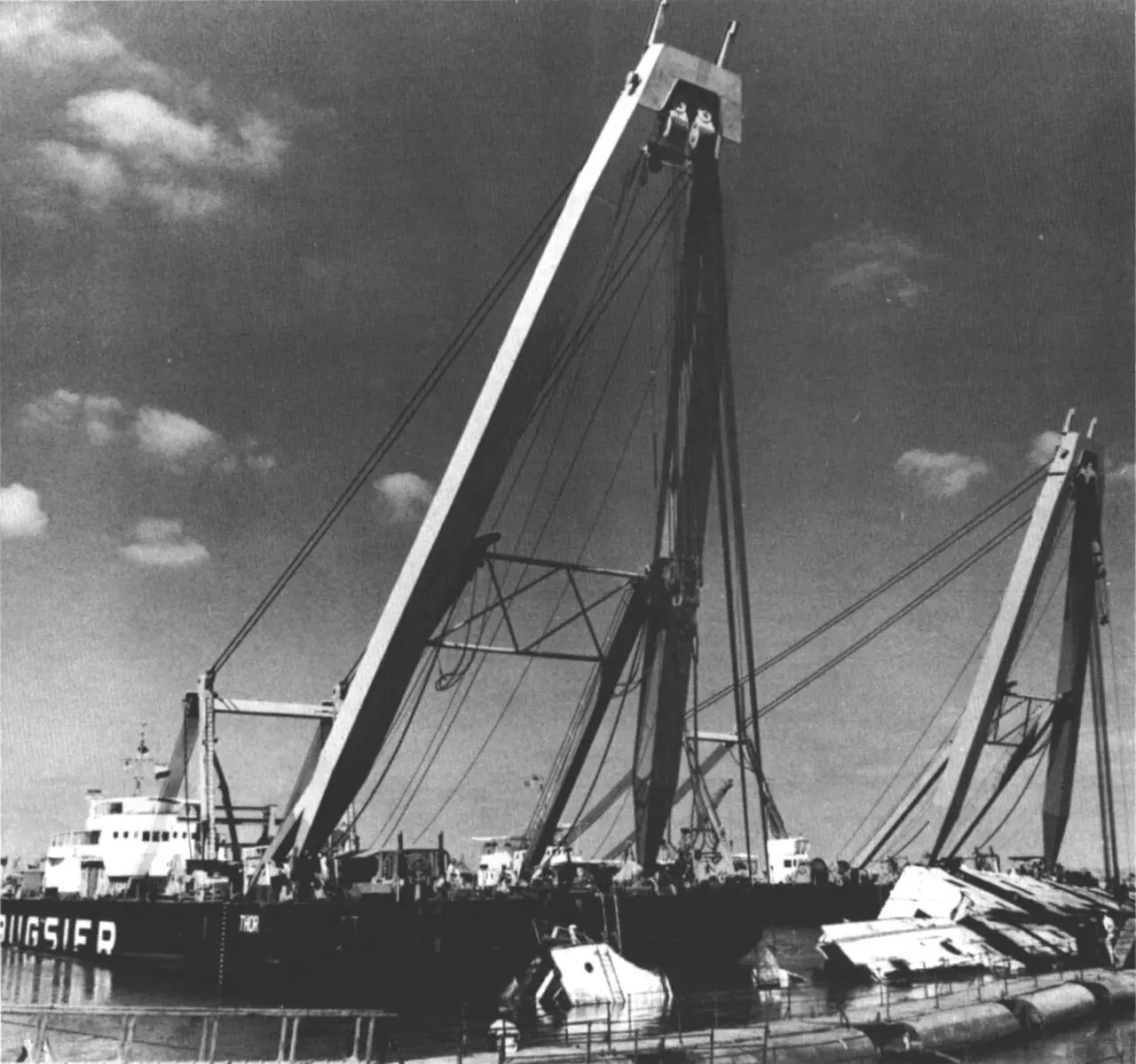
For eight years, one of the world's great waterways sat silent — a stagnant trench dividing two armies, its surface cluttered with wrecked ships and mines, its banks lined with soldiers. Then, on a sunny June morning in 1975, it woke up.
On June 5, 1975 — exactly eight years after it was closed — the Suez Canal reopened. The canal had been shut since the Six-Day War of June 1967, when Egypt closed it and Israel's army advanced to its eastern bank. For eight years, the 193-kilometer waterway was the front line between two armies. Ships that happened to be inside when war broke out — the so-called Yellow Fleet — were trapped for the entire eight years. World trade detoured thousands of miles around the Cape of Good Hope.
Reopening took an international salvage campaign. In 1974, the U.S. Navy's Task Force 65 led Operation Nimbus Moon, sweeping the channel for mines with helicopters while the salvage firm Murphy Pacific Marine raised the sunken vessels. By early 1975, the waterway was finally clear.
The reopening was pure theater. Egyptian President Anwar Sadat, dressed in a white admiral's uniform, stood before some 600 dignitaries at Port Said and signed a document transferring the canal from military to civilian control — declaring a "Day of Joy." Doves were released. A 21-gun salute boomed across the blue water. Sadat boarded the destroyer Sixth of October — named for the start of the 1973 Yom Kippur War — and led a seven-ship flotilla down the canal to Ismailia, a five-hour voyage watched by nearly 700,000 residents who had returned from wartime evacuation. The flagship of the U.S. Sixth Fleet, the USS Little Rock, steamed in the convoy — a visible sign of a new U.S.-Egyptian relationship. Sadat called it "the happiest day of my life."
Why did a ship parade matter? Because the canal's reopening was more than navigation — it was a deliberate gesture of peace. Sadat had chosen to reopen the waterway even while negotiations with Israel were stalled, betting that breaking the cycle of suspicion mattered more than perfect terms. Within a few years, that gamble helped lead to the Camp David Accords and the first peace treaty between Israel and an Arab state. A ditch full of water, cut through the desert in 1869, became a stage for the diplomacy of the century.
Photo: public domain (via Wikimedia Commons).