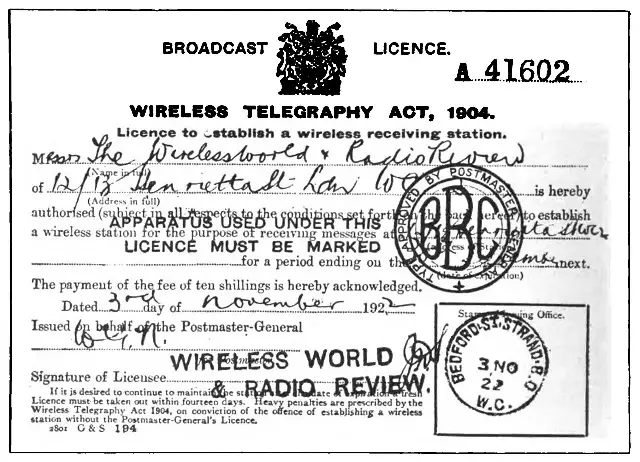
The Day the BBC Was Born
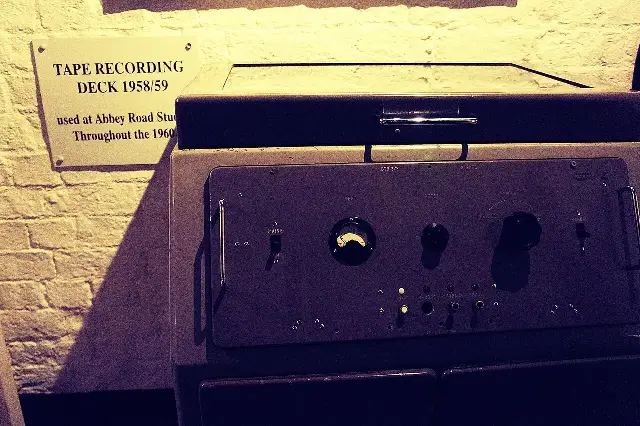
On October 18, 1922, a group of radio manufacturers formed the British Broadcasting Company — the seed of the world's oldest national broadcaster.


On October 18, 1922, a group of radio manufacturers formed the British Broadcasting Company — the seed of the world's oldest national broadcaster.
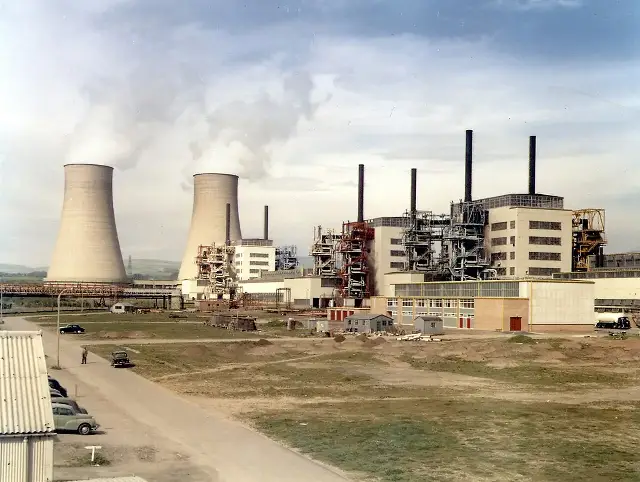
On October 17, 1956, Queen Elizabeth II opened Calder Hall in Cumbria — the world's first commercial nuclear power station.
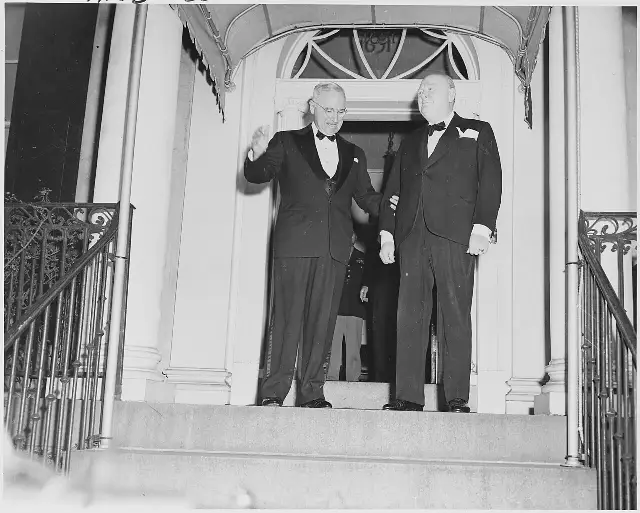
On January 24, 1965, Winston Churchill died at his London home at age 90, and the world prepared the grandest farewell given to a statesman in modern times.
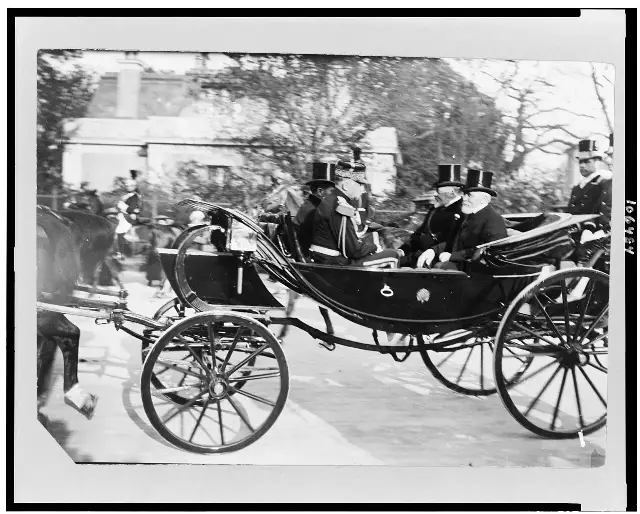
On April 8, 1904, Britain and France signed the Entente Cordiale in London — a set of colonial agreements that ended centuries of rivalry and reshaped the alliances of the 20th century.
On March 25, 1807, after twenty years of campaigning, the Slave Trade Act received royal assent, making Britain's slave trade illegal from May 1.
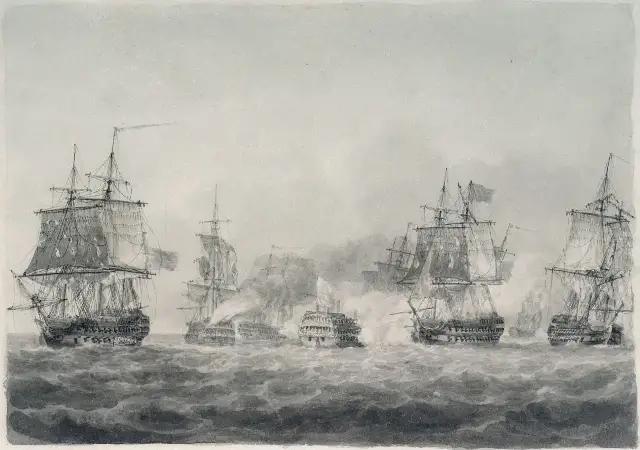
On October 11, 1797, Admiral Adam Duncan smashed a Dutch fleet off Camperduin, capturing eleven ships and killing France's planned invasion of the British Isles.
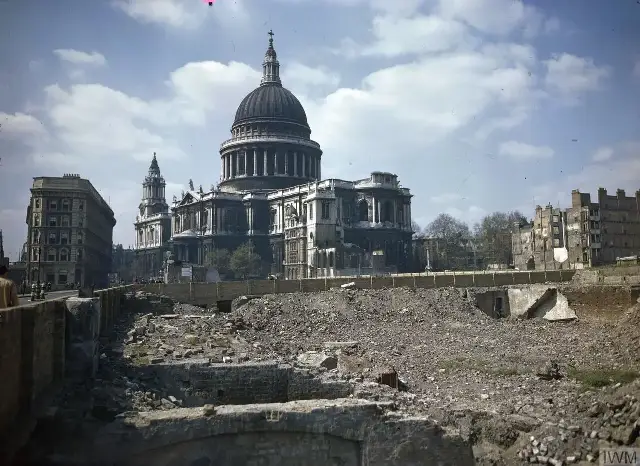
On September 7, 1940 — "Black Saturday" — German bombers struck London's docks, opening the Blitz and 57 nights of bombing.
On October 5, 1962, the Beatles released their debut single Love Me Do on Parlophone — it only reached number 17 in Britain, but it was the first faint chime of a revolution.
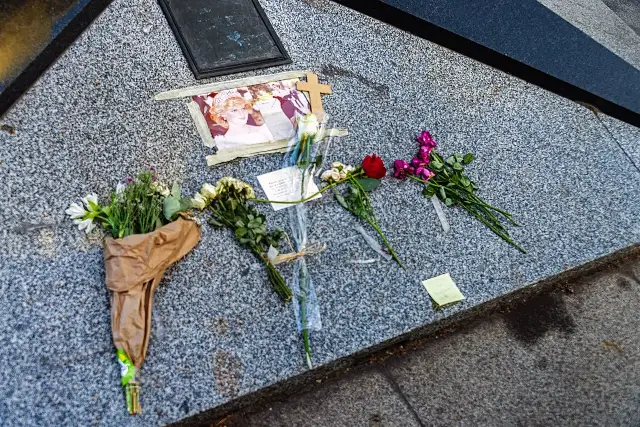
In the early hours of August 31, 1997, Diana, Princess of Wales, died from injuries in a Paris car crash — and an unprecedented wave of grief swept the world.
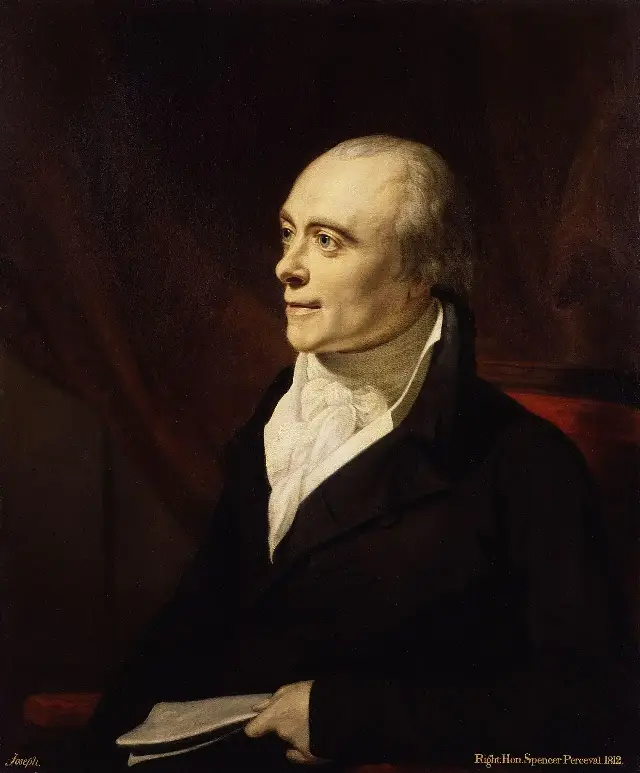
On May 11, 1812, a ruined merchant shot Prime Minister Spencer Perceval dead in the lobby of the House of Commons — the only assassination of a serving British prime minister.
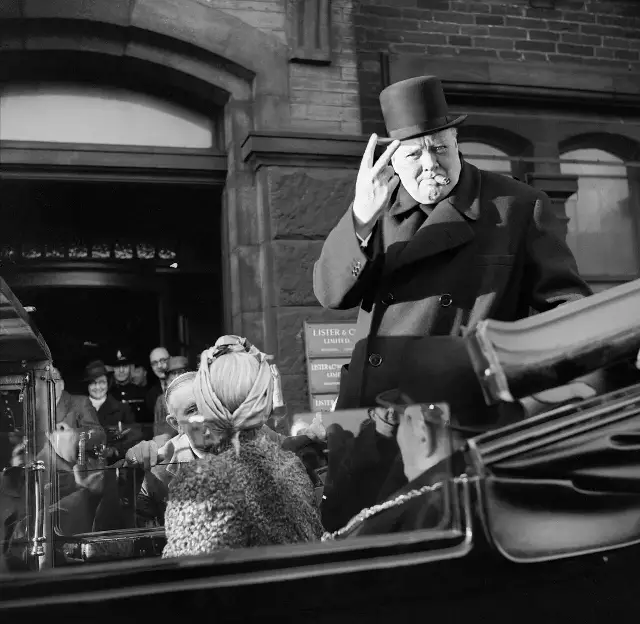
On May 10, 1940 — the same day Germany invaded the Low Countries — Winston Churchill became Britain's prime minister and began forging the defiance that would carry the nation through World War II.
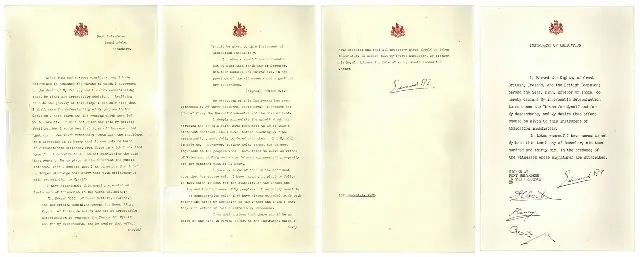
On December 10, 1936, King Edward VIII signed the Instrument of Abdication at Fort Belvedere, ending his 327-day reign so he could marry Wallis Simpson.
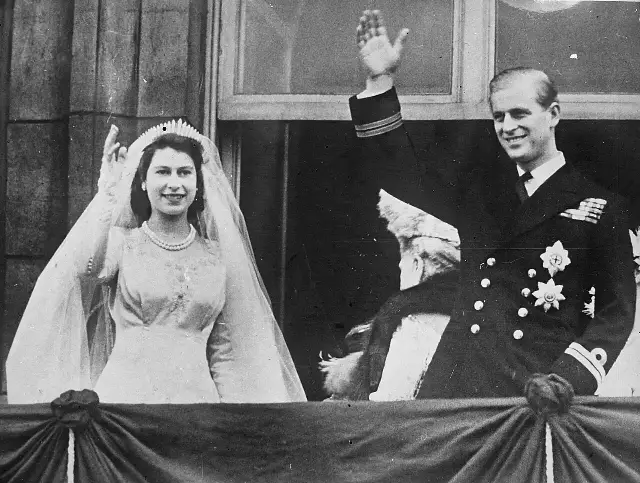
On November 20, 1947, Princess Elizabeth married Lieutenant Philip Mountbatten at Westminster Abbey, giving war-weary Britain its first great postwar celebration.
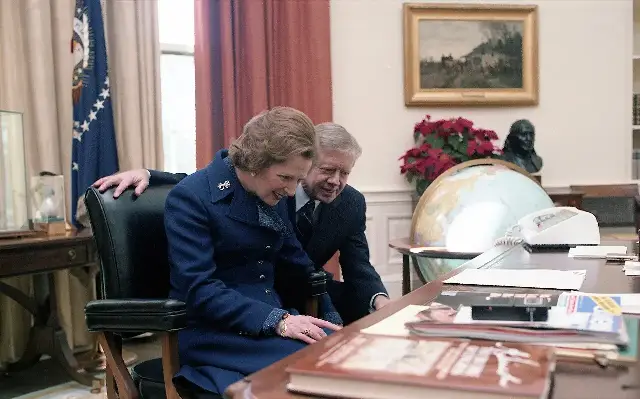
On May 3, 1979, Margaret Thatcher won Britain's general election, becoming the country's first female prime minister.
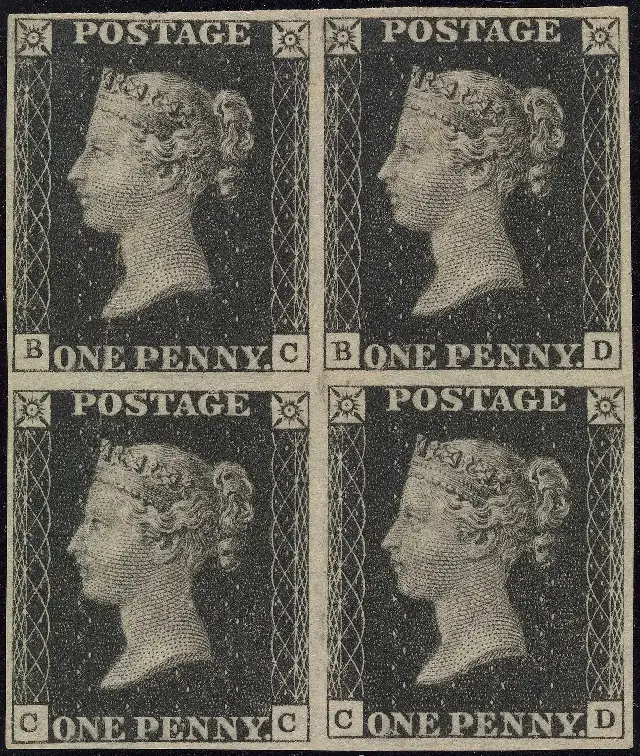
On May 1, 1840, Britain's Penny Black went on sale — the world's first adhesive postage stamp, making mail affordable for ordinary people for the first time.
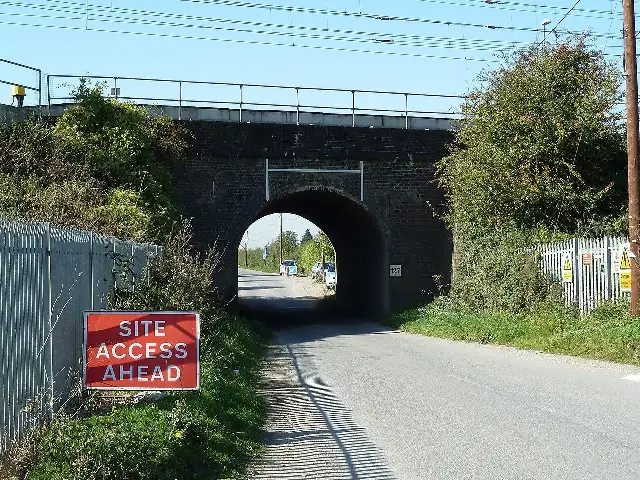
In the early hours of August 8, 1963, a 15-man gang stopped a Royal Mail train at Bridego Bridge and stole £2.6 million — most of it never found.
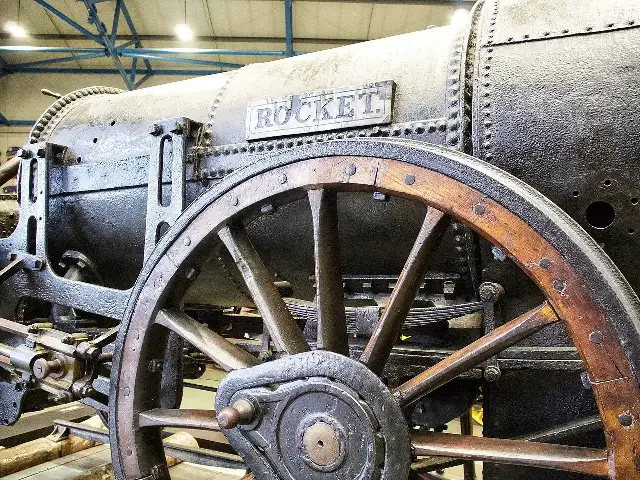
On September 15, 1830, the Liverpool and Manchester Railway opened as the world's first intercity steam railway — and the modern age of fast travel began.
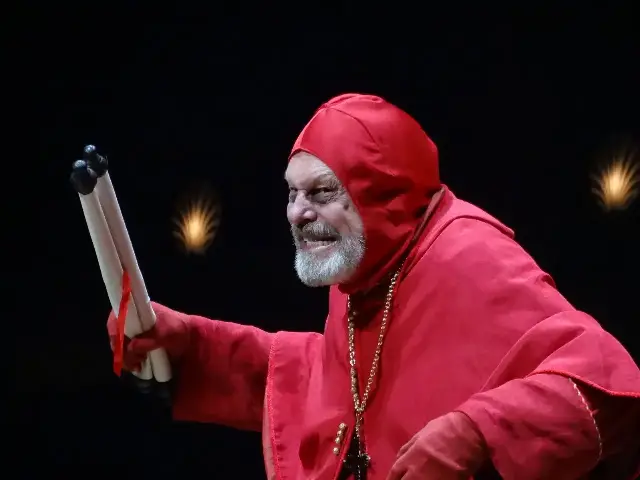
On October 5, 1969, Monty Python's Flying Circus premiered on the BBC to tiny audiences and hostile executives — then rewrote the rules of comedy.