The Night They Took Emmett Till
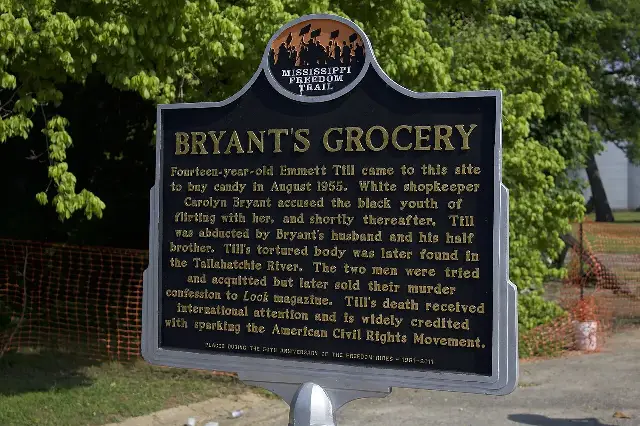
On August 28, 1955, 14-year-old Emmett Till was abducted from his great-uncle's Mississippi home — a murder that would galvanize the civil rights movement.


On August 28, 1955, 14-year-old Emmett Till was abducted from his great-uncle's Mississippi home — a murder that would galvanize the civil rights movement.
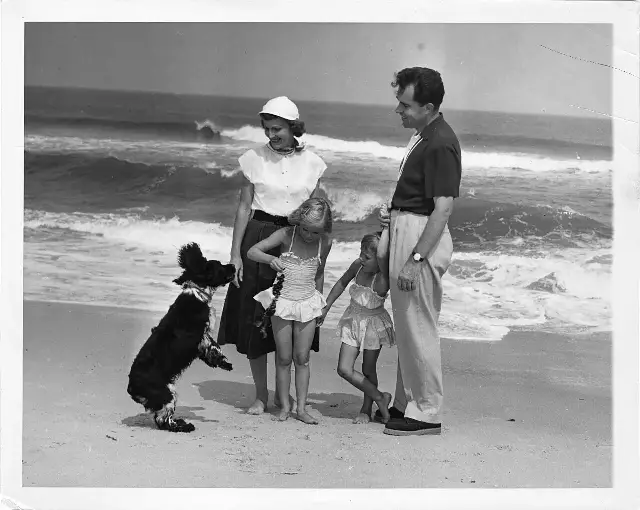
On September 23, 1952, Richard Nixon took to national television to answer a campaign-fund scandal — and a cocker spaniel named Checkers made broadcast history.
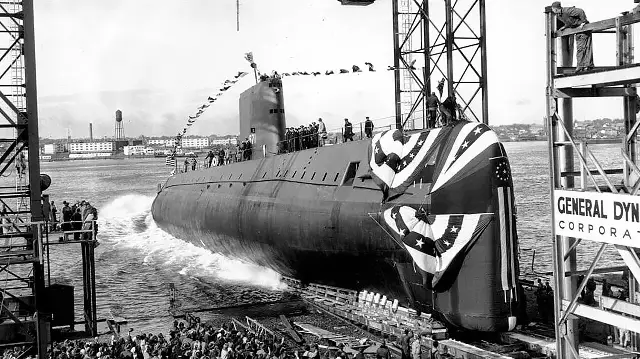
On January 21, 1954, the USS Nautilus slid into the Thames River as the world's first nuclear-powered submarine, and naval warfare changed forever.
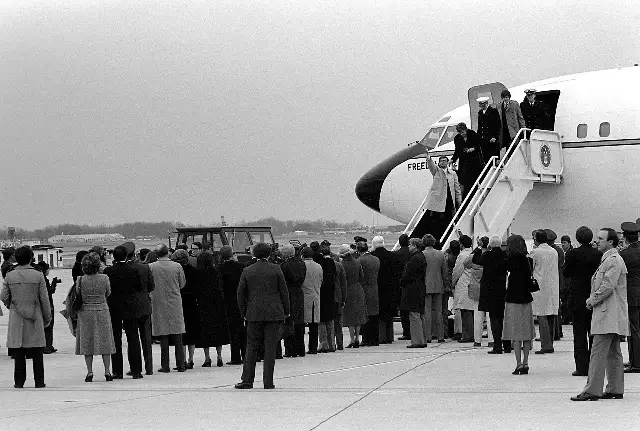
On January 20, 1981, minutes after Ronald Reagan's inauguration, Iran freed 52 American hostages after 444 days in captivity.
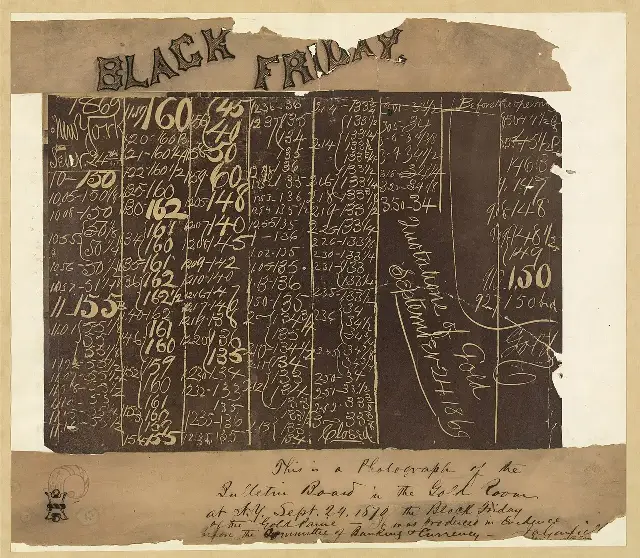
On September 24, 1869, a scheme by Jay Gould and Jim Fisk to corner the gold market collapsed, crashing Wall Street — and giving history the term 'Black Friday.'
On September 24, 1789, George Washington signed the Judiciary Act, creating the Supreme Court and the federal court system — and completing America's three branches of government.
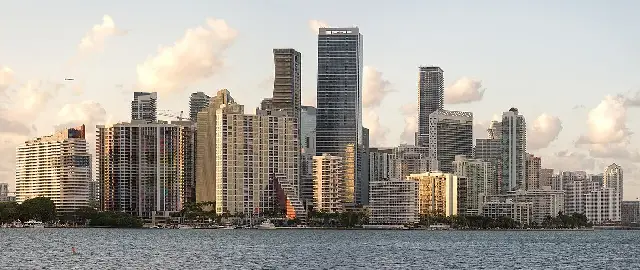
On January 19, 1977, snow fell on Miami for the first and only time in recorded history, as an Arctic blast pushed all the way to the Bahamas.
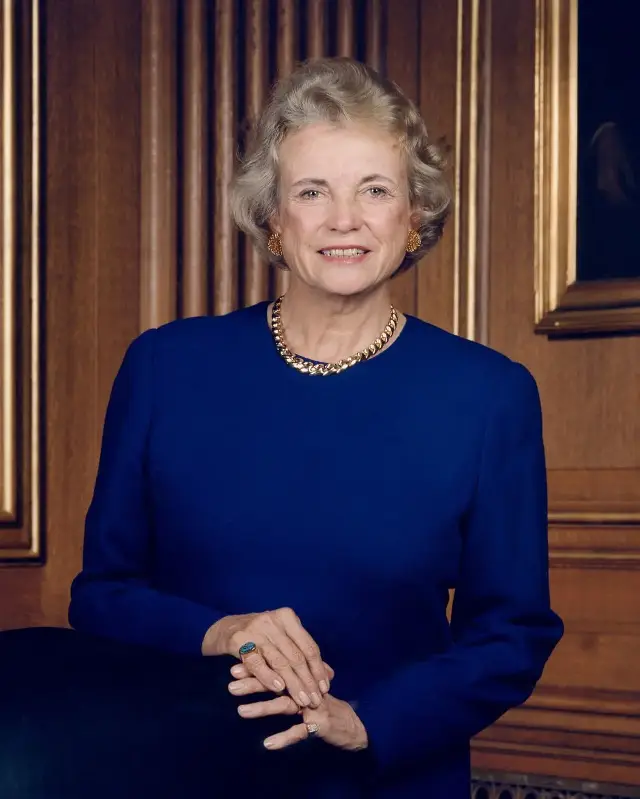
On July 7, 1981, President Reagan announced Sandra Day O'Connor as his Supreme Court nominee — the first woman ever chosen for the Court.
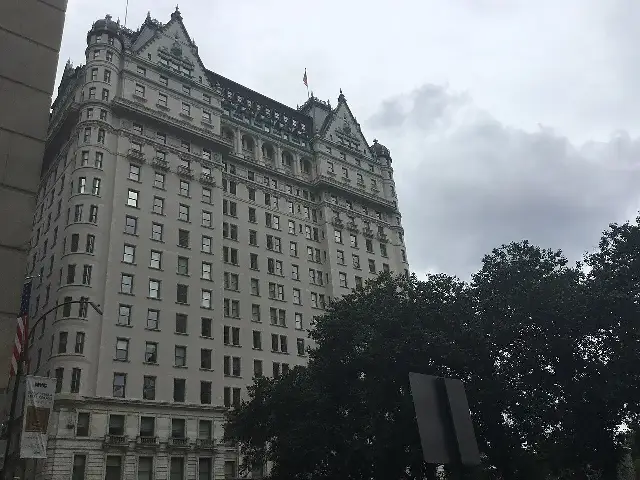
On September 22, 1985, five nations signed the Plaza Accord at New York's Plaza Hotel, agreeing to drive down the soaring U.S. dollar — and reshaped the global economy.
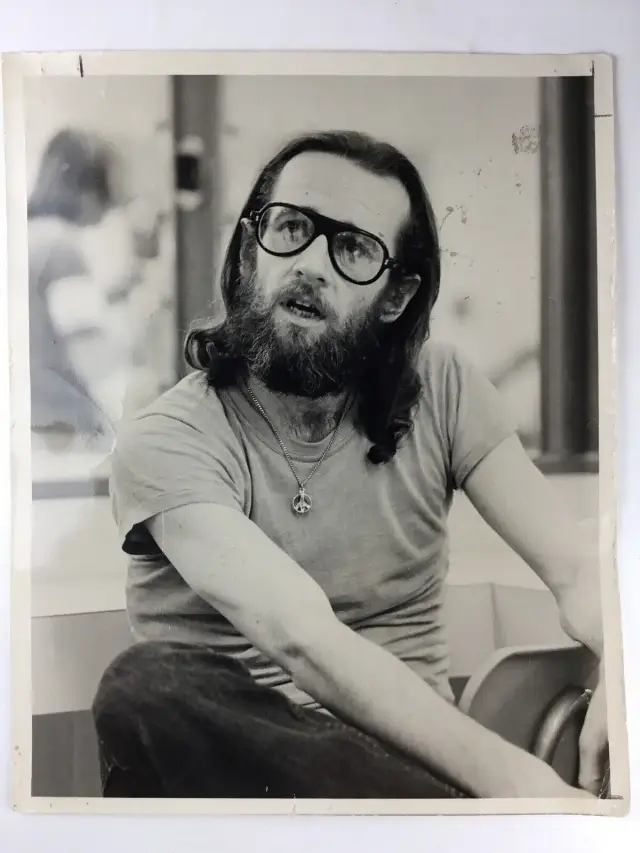
On October 11, 1975, "NBC's Saturday Night" — the show that became Saturday Night Live — debuted with host George Carlin and a cast of unknown comedians who would change American comedy.
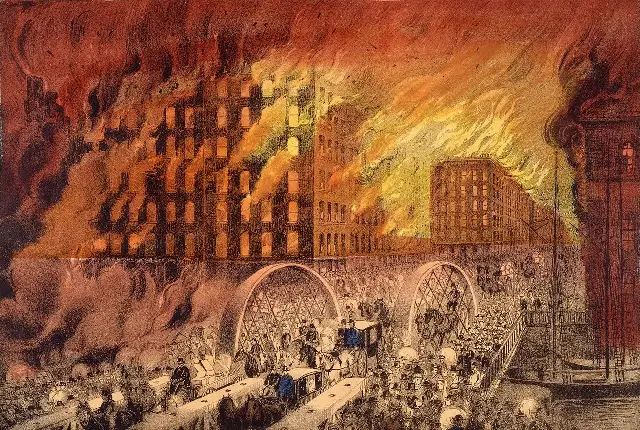
The Great Chicago Fire burned October 8 to October 10, 1871, killing an estimated 300 people and leaving 100,000 homeless — and the city rebuilt itself into a modern metropolis.
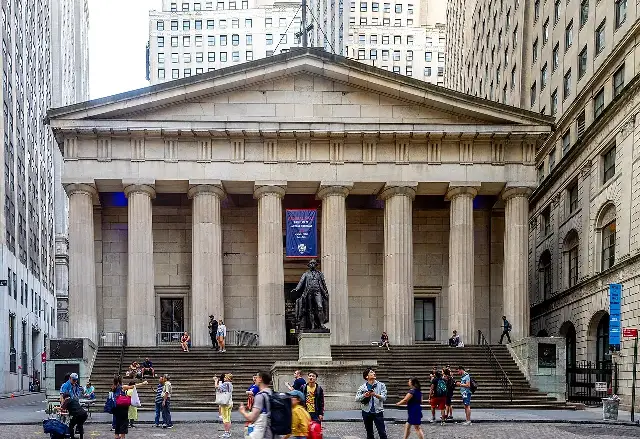
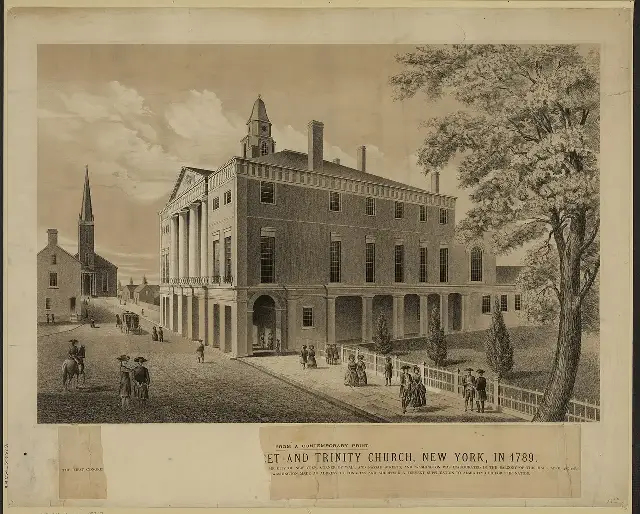
March 4, 1789 was the day America's new government was supposed to begin — but bad roads and worse weather meant almost no one made it to Federal Hall.
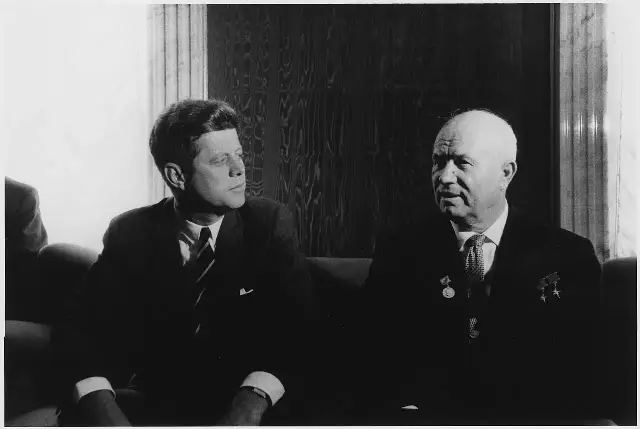
On June 20, 1963, the U.S. and Soviet Union signed the Hot Line Agreement in Geneva, creating a direct crisis link between the nuclear superpowers.
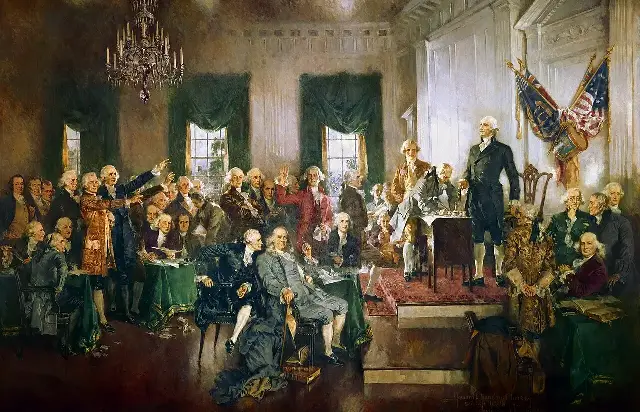
On June 21, 1788, New Hampshire voted 57 to 47 to ratify the Constitution, becoming the ninth state and making the document the law of the land.
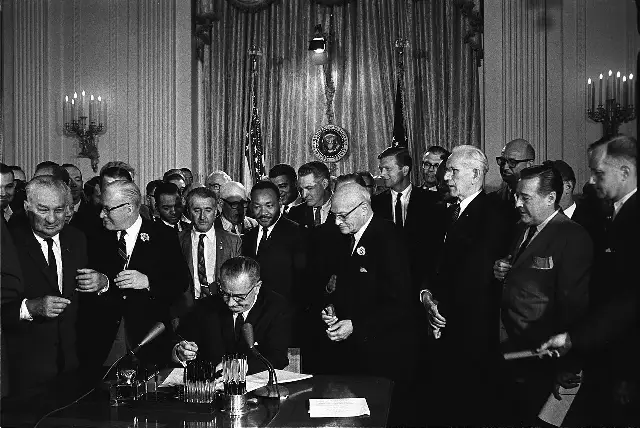
On June 19, 1964, after a 60-day filibuster, the U.S. Senate passed the Civil Rights Act 73 to 27, outlawing segregation and employment discrimination.
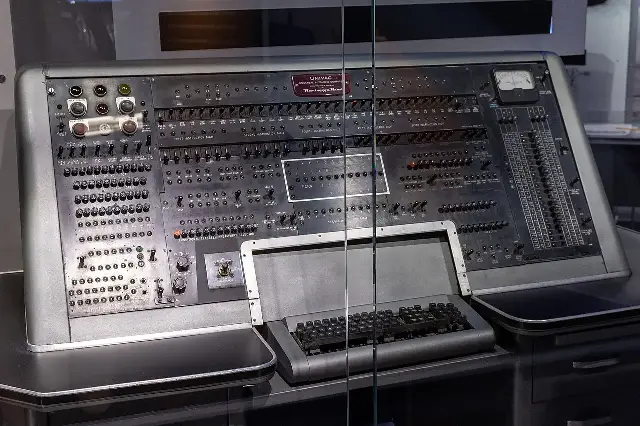
On June 14, 1951, the UNIVAC I — the first computer built for business — was dedicated for the U.S. Census Bureau, launching the computer age.
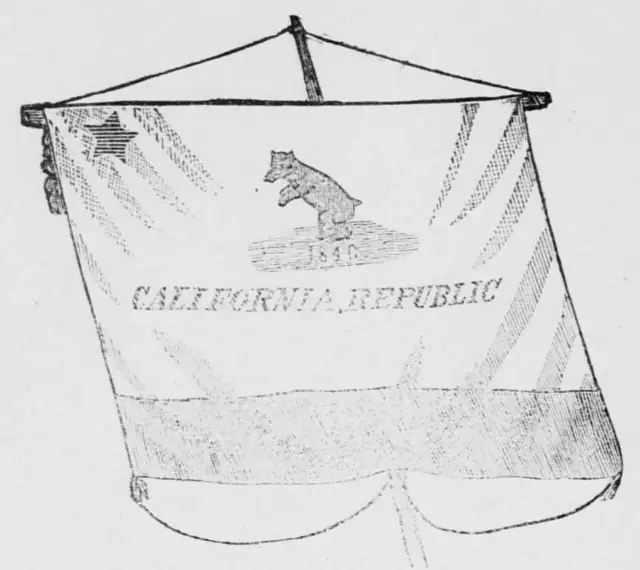
On June 14, 1846, American settlers seized the Mexican outpost at Sonoma and proclaimed the California Republic, raising a homemade grizzly bear flag.
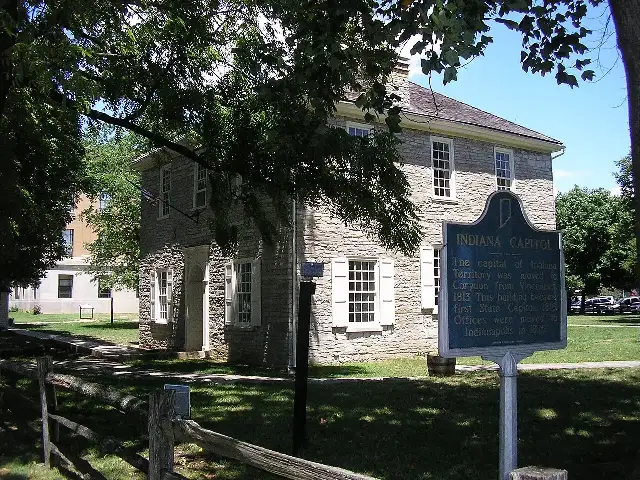
On December 11, 1816, President James Madison signed the resolution admitting Indiana as the 19th state of the Union.
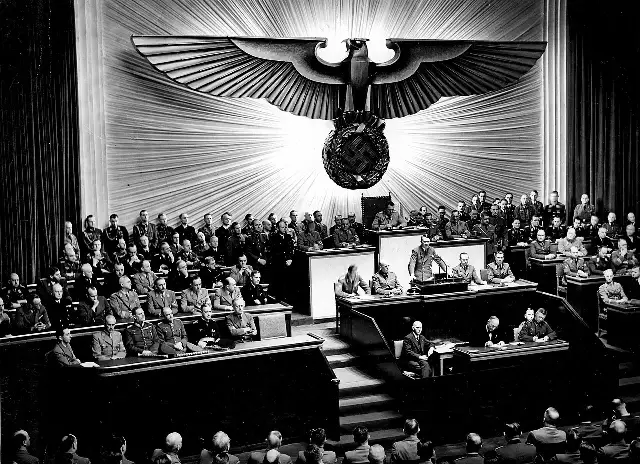
On December 11, 1941 — four days after Pearl Harbor — Germany and Italy declared war on the United States, ending America's debate over joining the European war.
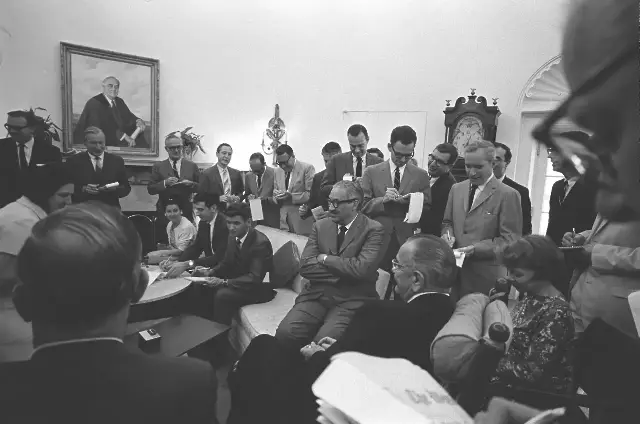
On June 13, 1967, President Lyndon Johnson nominated Thurgood Marshall to the Supreme Court, putting the first Black justice on America's highest court.
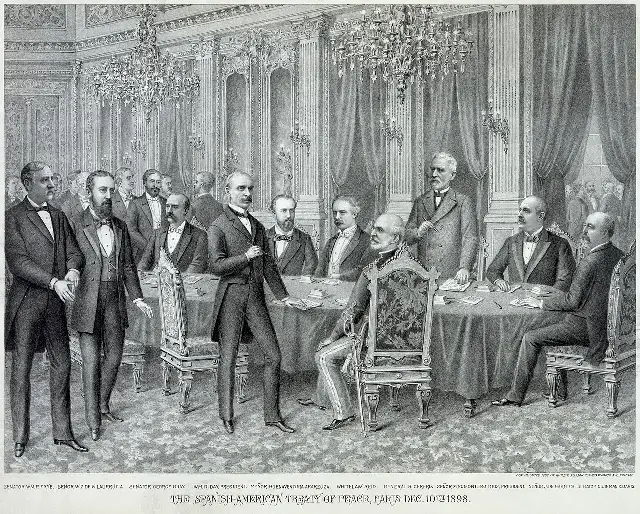
On December 10, 1898, the United States and Spain signed the Treaty of Paris, ending the Spanish-American War and turning America into an overseas empire.
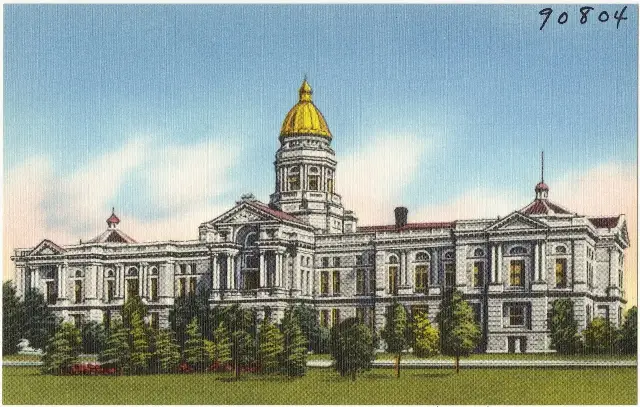
On December 10, 1869, Wyoming Territory granted women full voting rights and the right to hold office — the first government in the United States to do so.
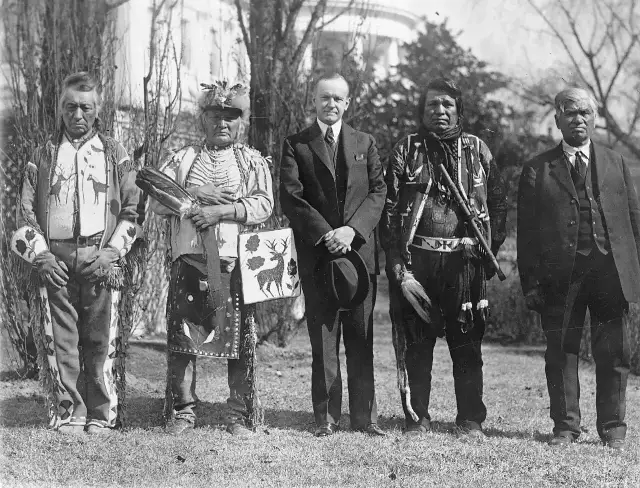
On June 2, 1924, President Calvin Coolidge signed the Indian Citizenship Act, granting U.S. citizenship to all Native Americans born in the country.
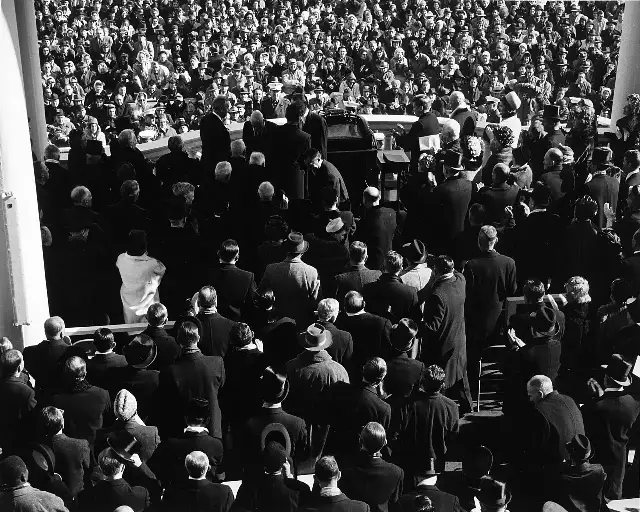
On January 20, 1961, John F. Kennedy took the oath as the 35th president and delivered his immortal 'ask not' inaugural address.
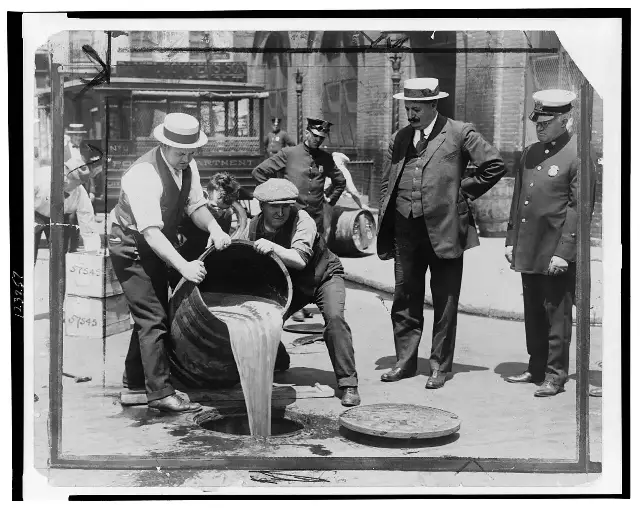
On January 16, 1919, Nebraska became the 36th state to ratify the 18th Amendment, locking Prohibition into the U.S. Constitution.
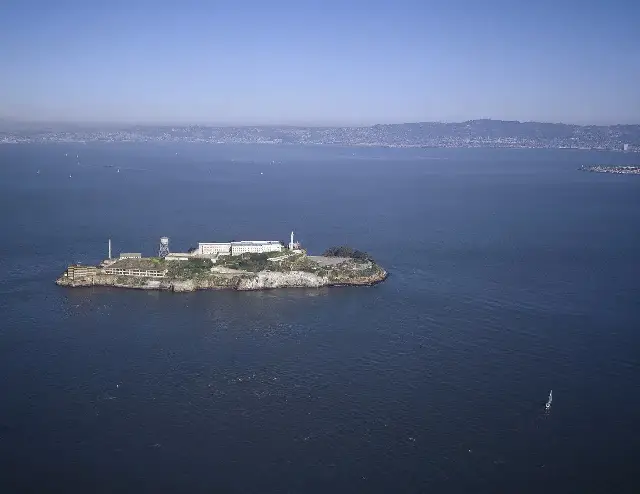
On March 21, 1963, the last inmates left Alcatraz Federal Penitentiary, ending 29 years as America's most infamous prison.
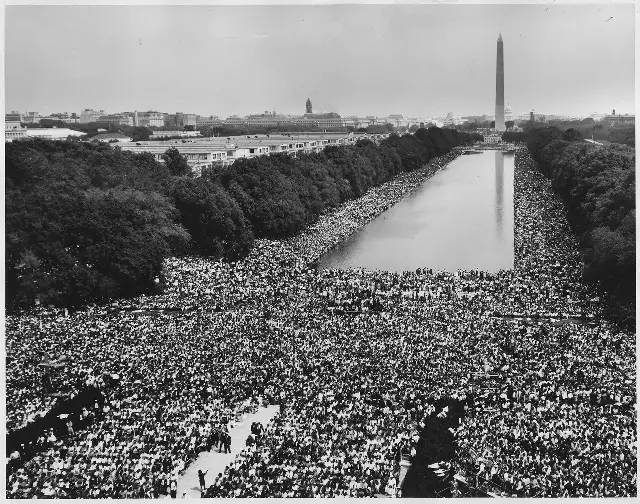
On August 28, 1963, a quarter of a million people filled Washington, D.C., for the March on Washington, where Martin Luther King Jr. delivered his 'I Have a Dream' speech.
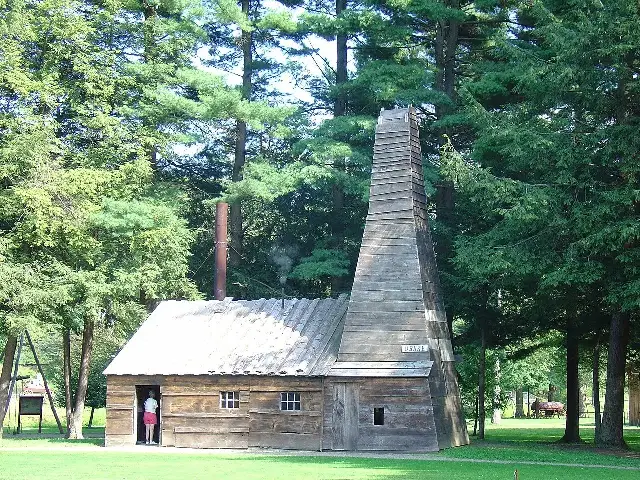
On August 27, 1859, Edwin Drake's drill struck oil at 69.5 feet near Titusville, Pennsylvania — the first well deliberately drilled for petroleum, and the spark of the modern oil industry.
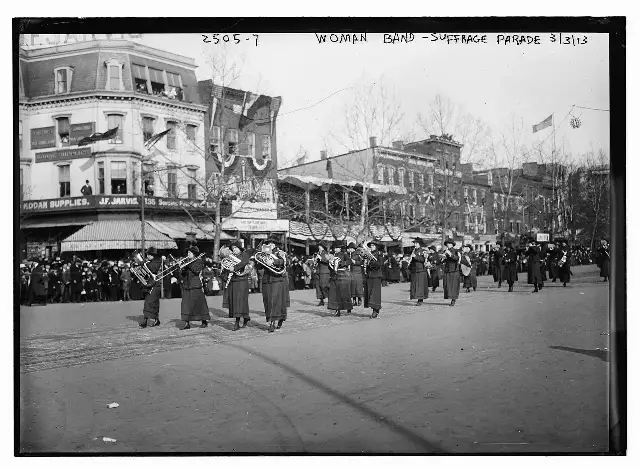
On August 26, 1920, Secretary of State Bainbridge Colby certified the 19th Amendment, making women's suffrage the law of the land after a 72-year struggle.
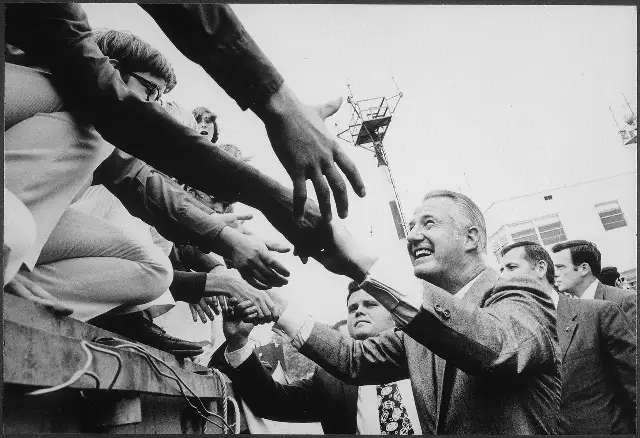
On October 10, 1973, Vice President Spiro Agnew pleaded no contest to tax evasion and resigned — the only U.S. vice president to quit under criminal investigation.