ENIAC: The 30-Ton Brain That Launched the Computer Age
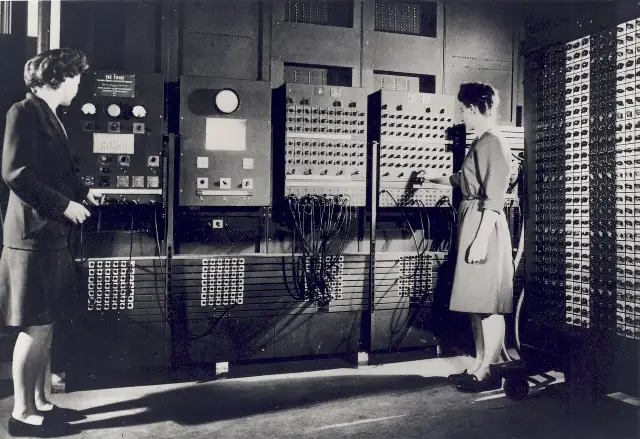
On February 14, 1946, the Army and the University of Pennsylvania unveiled ENIAC, the first general-purpose electronic computer -- and it could out-calculate an artillery shell in flight.


On February 14, 1946, the Army and the University of Pennsylvania unveiled ENIAC, the first general-purpose electronic computer -- and it could out-calculate an artillery shell in flight.
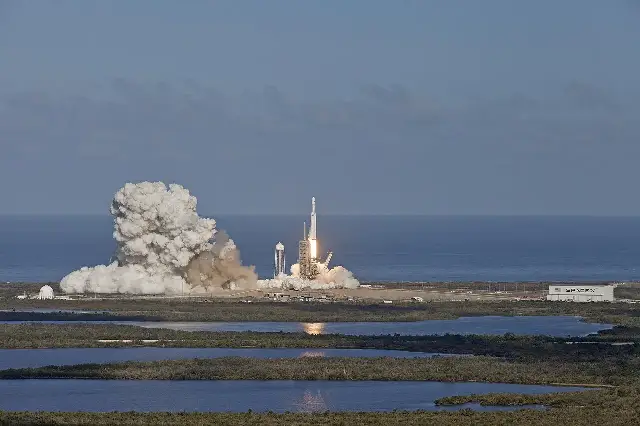
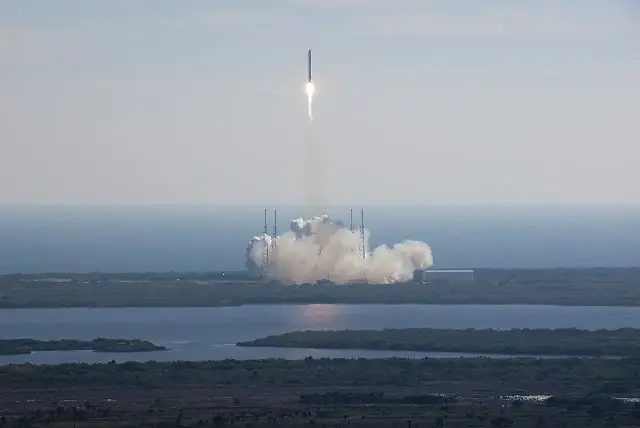
On February 6, 2018, SpaceX's Falcon Heavy lifted off from Kennedy Space Center on its maiden flight, sending Elon Musk's Tesla Roadster toward an orbit around the sun.
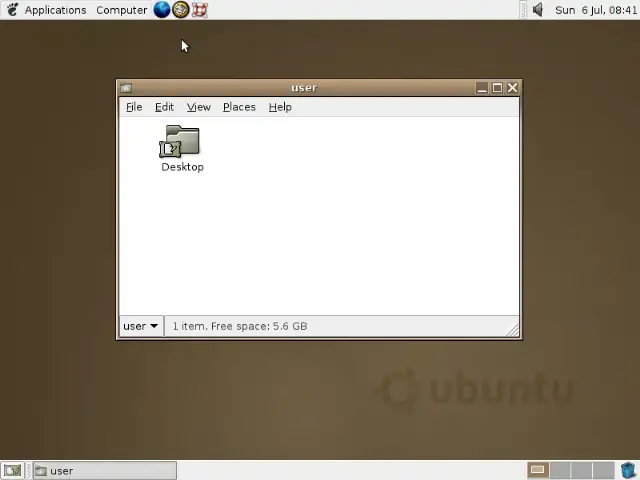
On October 20, 2004, a South African startup released Ubuntu 4.10, "Warty Warthog" — the free operating system built on the promise of "Linux for Human Beings."
On October 25, 2001, Microsoft launched Windows XP — the green-hilled operating system that refused to die for over a decade.
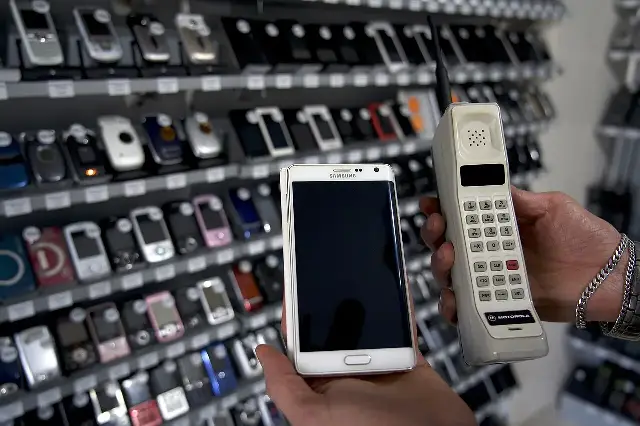
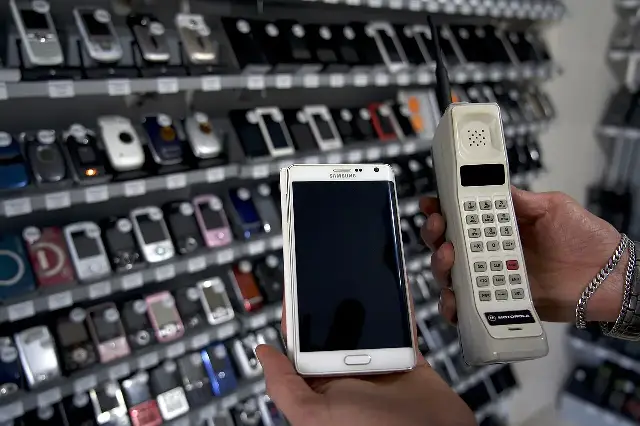
On April 3, 1973, Motorola engineer Martin Cooper made the first public call from a handheld cell phone on a New York sidewalk.
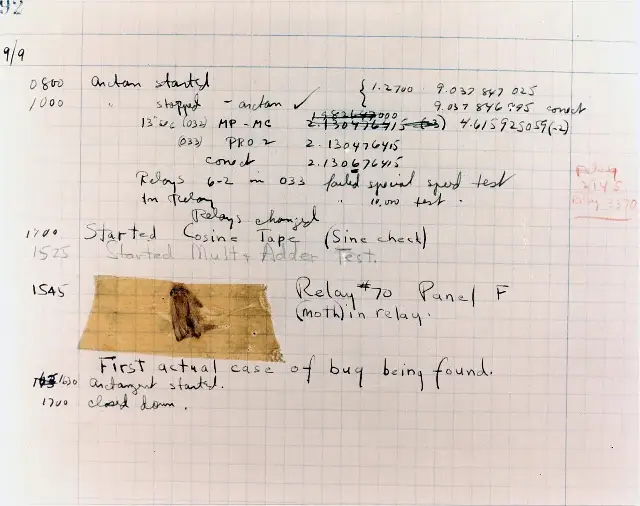
On September 9, 1947, engineers found a moth in Harvard's Mark II computer, taping it into the logbook as the "first actual case of bug being found."
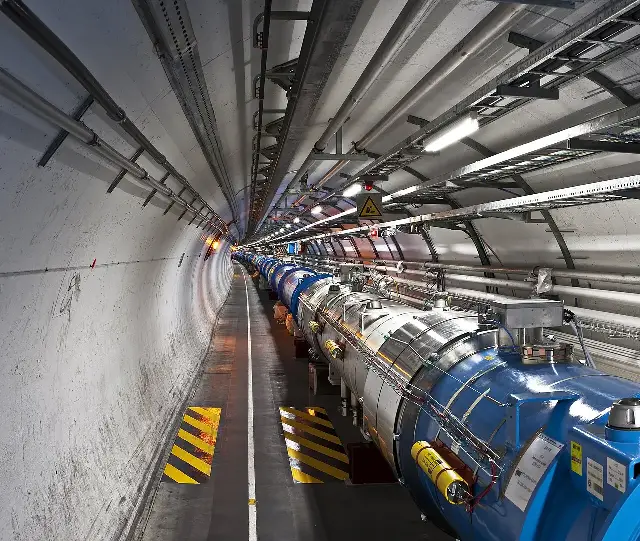
On September 10, 2008, scientists at CERN sent the first proton beam all the way around the 27-kilometer Large Hadron Collider, opening a new era of physics.
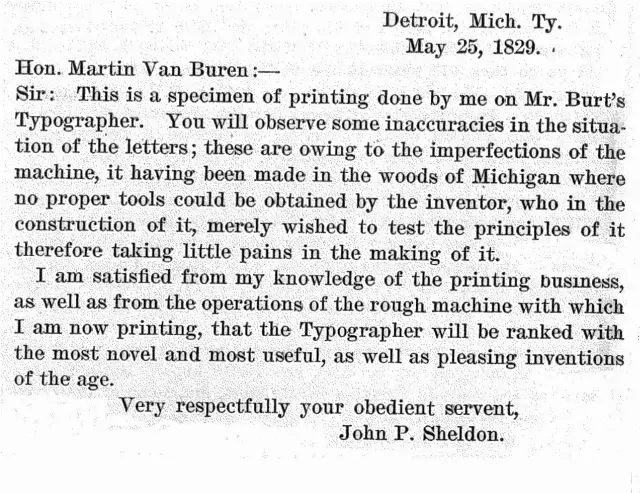
On July 23, 1829, Michigan surveyor William Austin Burt patented the 'Typographer' — the first working typewriter built in America, though its own demonstrator apologized for the crooked letters.
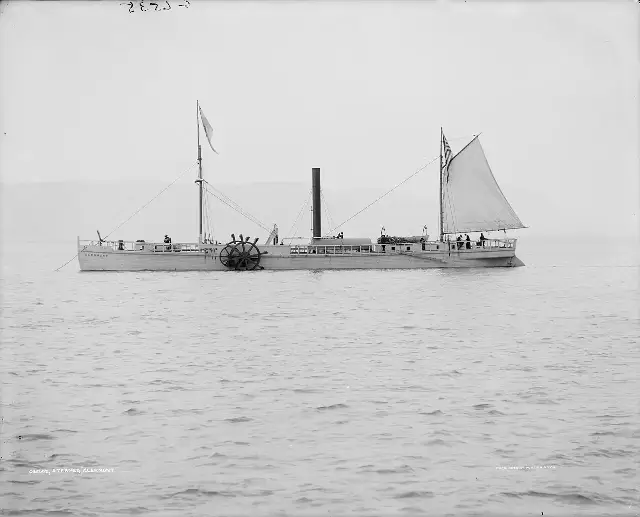
On August 17, 1807, Robert Fulton's steamboat defied a jeering crowd to sail from New York to Albany, launching the steam age on America's rivers.
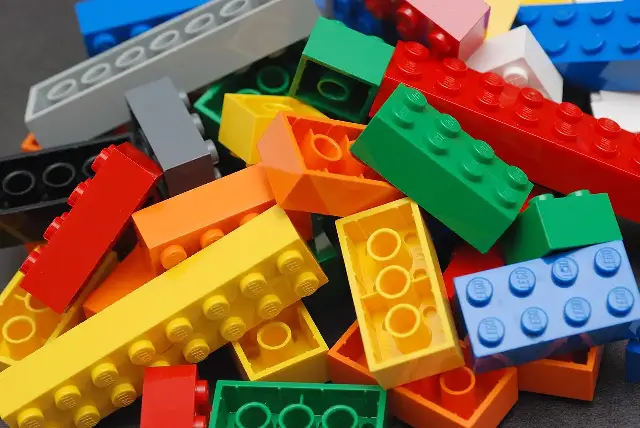
On January 28, 1958, Godtfred Kirk Christiansen filed the patent for the stud-and-tube LEGO brick — the tiny design that turned a Danish toy into a global icon.
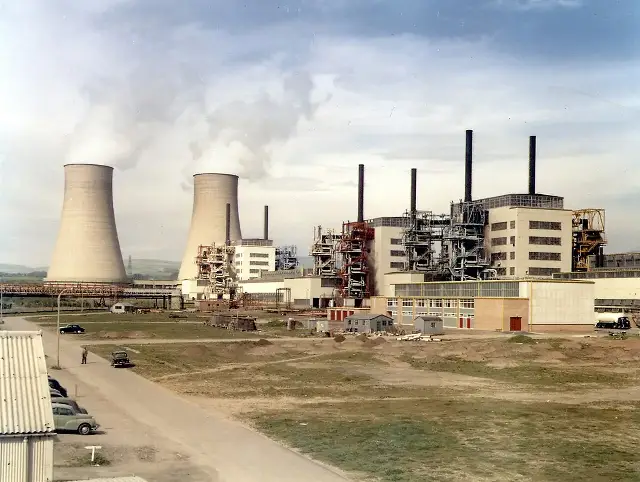
On October 17, 1956, Queen Elizabeth II opened Calder Hall in Cumbria — the world's first commercial nuclear power station.
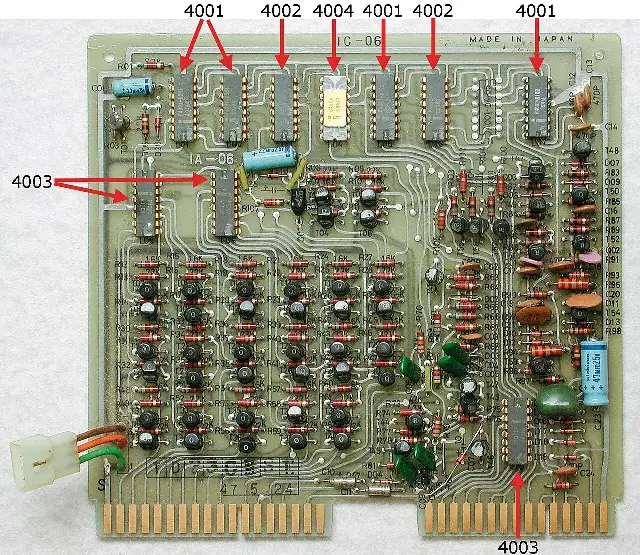
On July 18, 1968, Robert Noyce and Gordon Moore incorporated a tiny electronics company in Mountain View, California — the start of Intel.
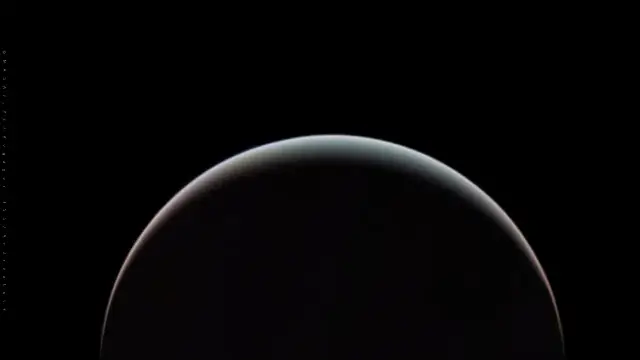
On January 24, 1986, NASA's Voyager 2 swept within 50,600 miles of Uranus, the first and still the only spacecraft ever to visit the tilted ice giant.
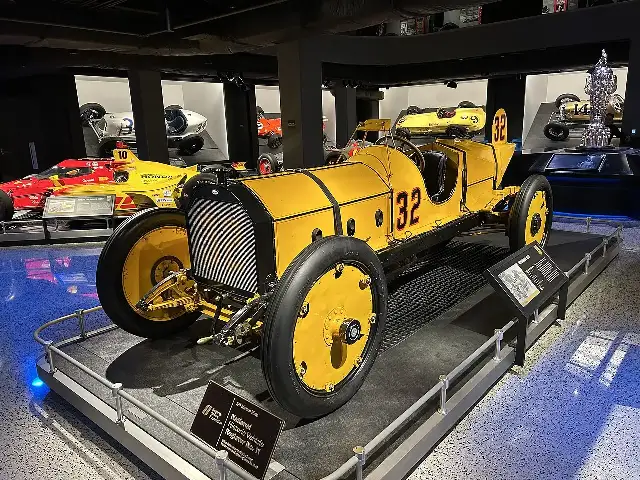
On May 30, 1911, Ray Harroun won the first Indianapolis 500 in his Marmon Wasp, a race that launched American motorsport — and the rearview mirror.
On July 17, 1902, a 25-year-old engineer submitted drawings for a humidity-control system that became the world's first modern air conditioner.
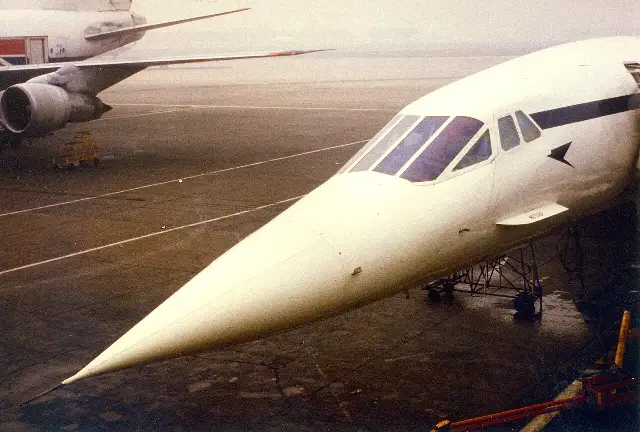
On January 21, 1976, the first supersonic passenger flights took off from London and Paris, shrinking the Atlantic to three and a half hours.
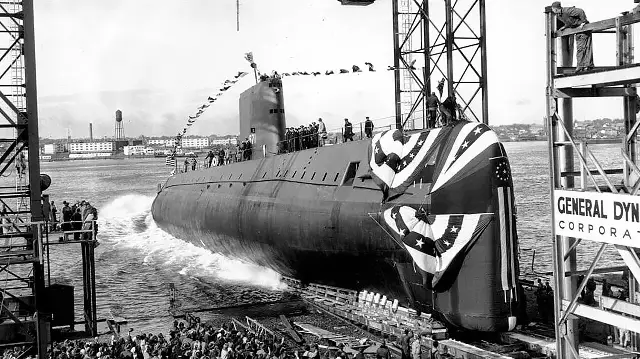
On January 21, 1954, the USS Nautilus slid into the Thames River as the world's first nuclear-powered submarine, and naval warfare changed forever.
On October 13, 1983, a Chicago businessman made the first commercial cell phone call from a Mercedes in a stadium parking lot, launching the mobile age.
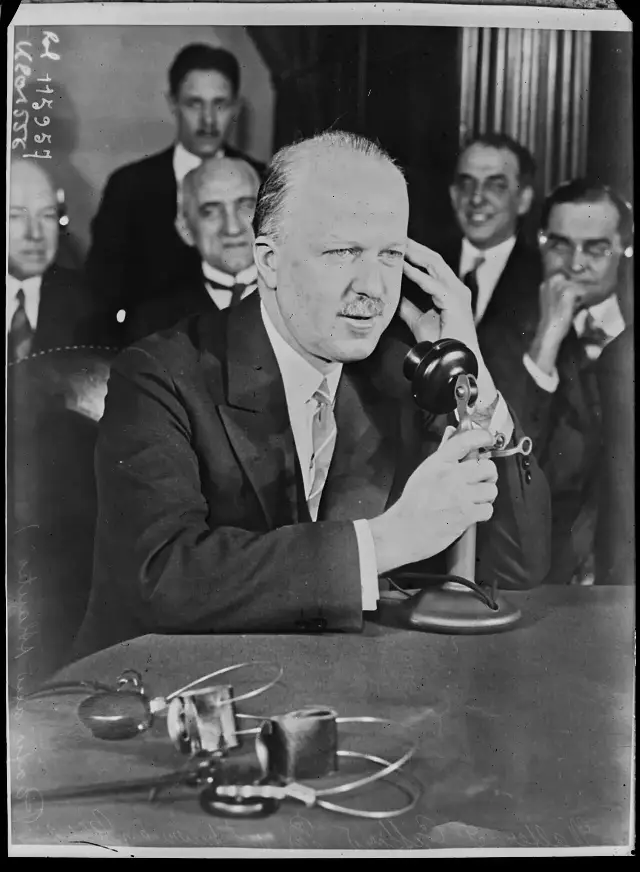
On April 7, 1927, AT&T's Bell Laboratories publicly demonstrated long-distance television, sending live images and voice of Commerce Secretary Herbert Hoover from Washington to New York.
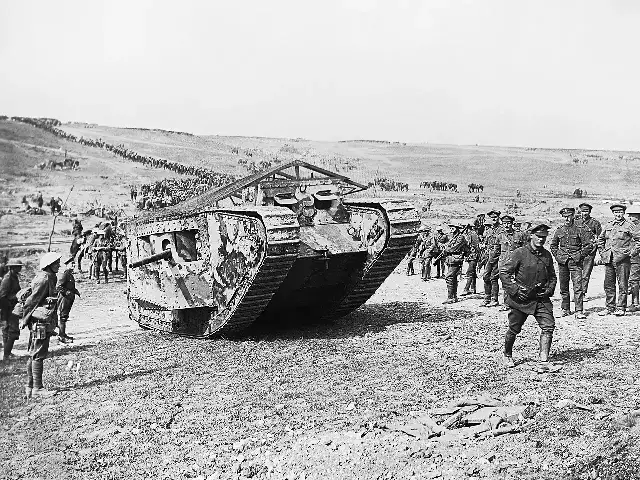
On September 15, 1916, British tanks rolled into battle for the first time at Flers-Courcelette, stunning German troops and changing warfare forever.
On January 4, 2010, Dubai opened the 828-meter Burj Khalifa, the tallest building ever built — and renamed it mid-ceremony for the Abu Dhabi ruler whose billions had bailed the emirate out.
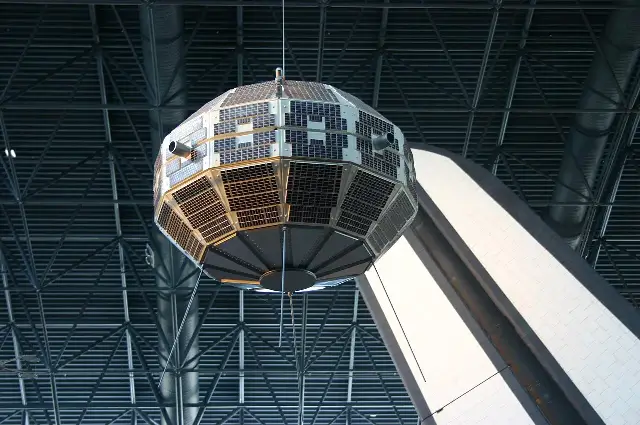
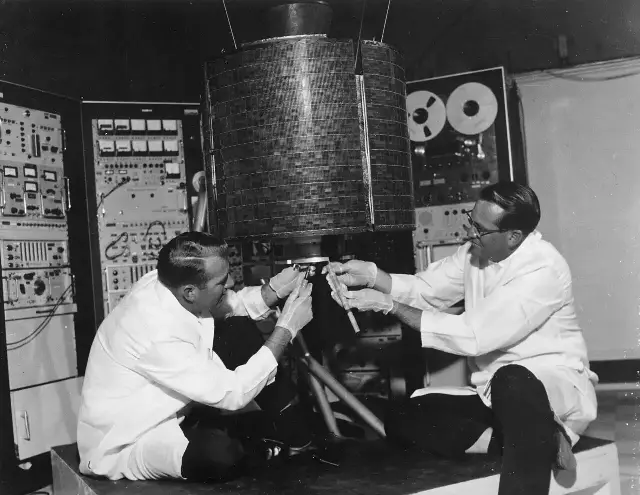
On September 29, 1962, Canada launched Alouette 1 — the first satellite designed and built by any country besides the U.S. and the Soviet Union.
On April 6, 1965, Intelsat I — nicknamed Early Bird — launched from Cape Canaveral, becoming the first commercial communications satellite.
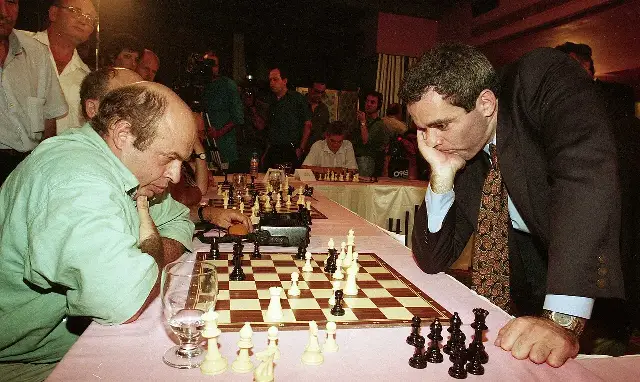
On February 17, 1996, Garry Kasparov won the final game against IBM's Deep Blue, taking their six-game Philadelphia match 4–2 and scoring humanity's last great stand before the rematch.
On June 26, 1974, a cashier in Troy, Ohio, scanned a 10-pack of Wrigley's gum for 67 cents — the first UPC barcode ever read at a checkout, launching the era of automated retail.
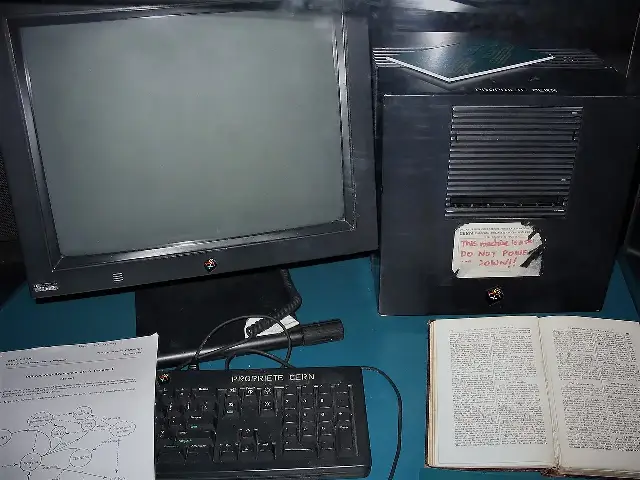
On December 20, 1990, the first website went live at CERN on a NeXT computer — and the World Wide Web was born.
On June 23, 1868, Christopher Latham Sholes and two partners received the patent for a writing machine that would put a keyboard under the world's fingers.
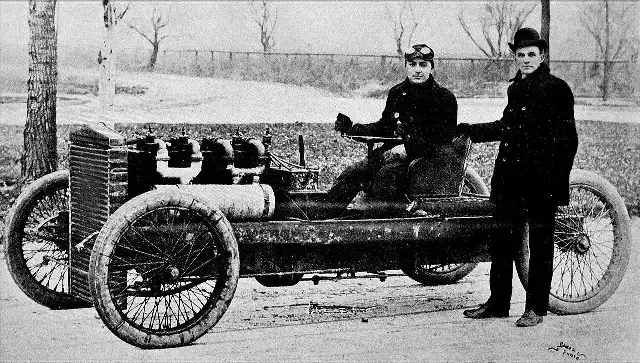
On January 12, 1904, Henry Ford drove a stripped-down racer across the frozen Lake St. Clair and set a world speed record of 91.37 miles per hour.
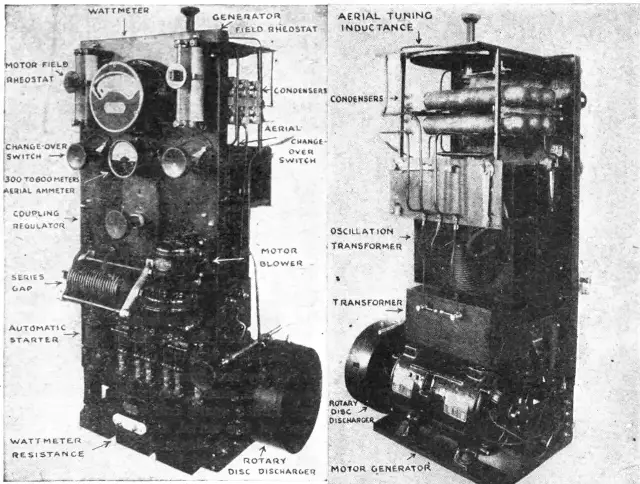
On November 2, 1920, Pittsburgh's KDKA broadcast the Harding–Cox election returns — the first licensed commercial radio broadcast in history.
On August 30, 1963, the Moscow–Washington hotline went live — and the first message ever sent between the nuclear superpowers was a typing test.
On December 8, 2010, SpaceX's Dragon capsule orbited Earth and splashed down safely -- a first for any private company.
On October 3, 1906, delegates from 27 nations met in Berlin and gave sinking ships a single universal cry for help: SOS — three dots, three dashes, three dots.
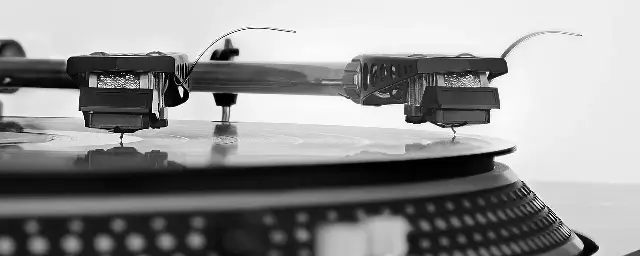
On June 21, 1948, Columbia Records unveiled the 33 1/3 rpm long-playing record at the Waldorf Astoria, launching the album era.
On June 20, 1963, the U.S. and Soviet Union signed the Hot Line Agreement in Geneva, creating a direct crisis link between the nuclear superpowers.
On September 4, 1998, two Stanford graduate students filed the papers incorporating Google Inc. — the dorm-room project an investor had funded with a check written to a company that didn't yet exist.
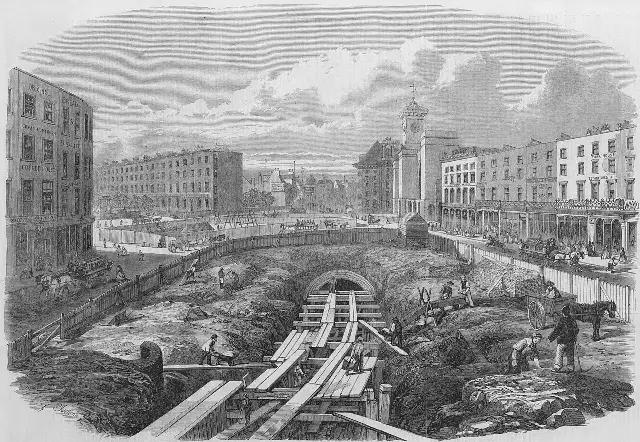
On January 10, 1863, the Metropolitan Railway opened between Paddington and Farringdon — the world's first passenger underground railway, and the ancestor of every subway on Earth.
On September 19, 1982, a Carnegie Mellon professor proposed :-) and :-( as 'joke markers' for a campus message board — and the emoticon was born.
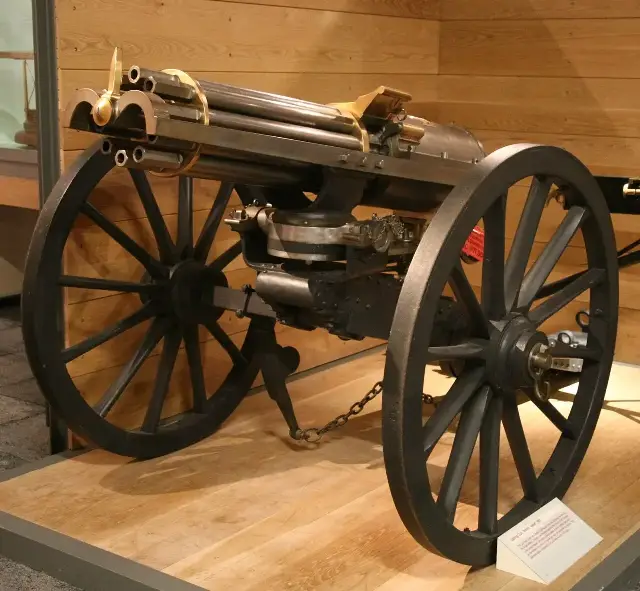
On November 4, 1862, Richard Gatling received U.S. Patent No. 36,836 for his hand-cranked 'revolving battery gun' — the ancestor of the modern machine gun.
On January 7, 1927, AT&T's president picked up a phone in New York and spoke to London — the first commercial transatlantic call, launched by radio across 3,000 miles of ocean.
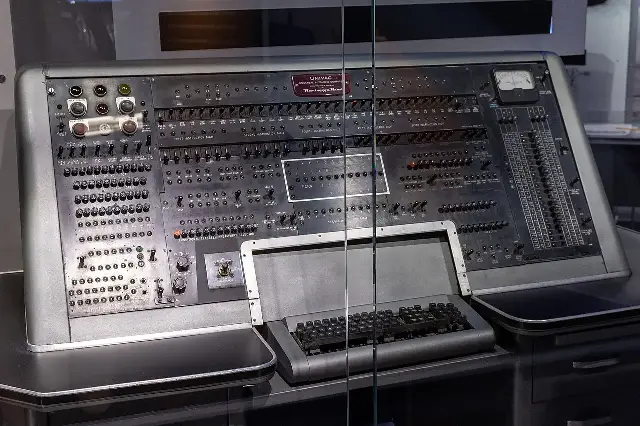
On June 14, 1951, the UNIVAC I — the first computer built for business — was dedicated for the U.S. Census Bureau, launching the computer age.
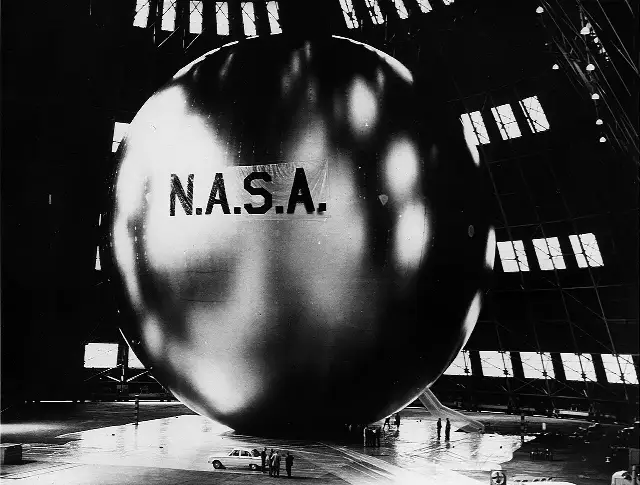
On August 12, 1960, NASA launched a 100-foot balloon into orbit — a passive satellite that bounced phone calls and TV signals around the world.
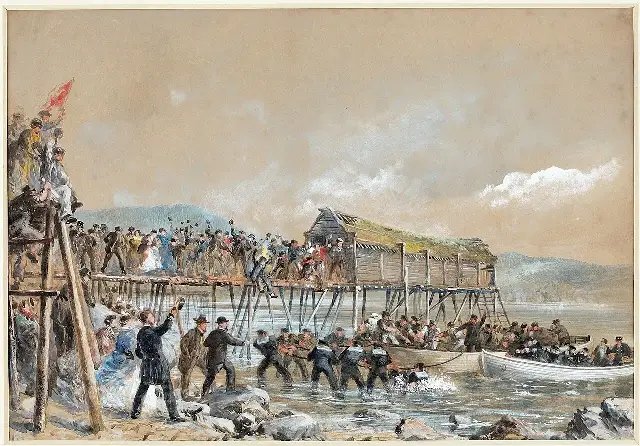
On July 27, 1866, a working telegraph cable finally came ashore in Newfoundland — and the world got its first taste of instant communication.
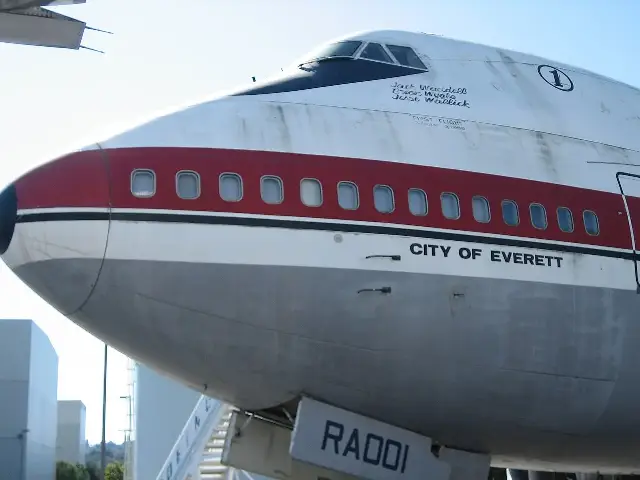
On February 9, 1969, the Boeing 747 took its first flight from Paine Field, launching the jumbo-jet era of air travel.
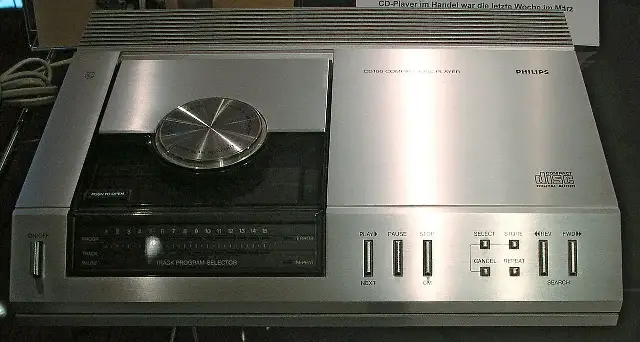
On March 8, 1979, Philips demonstrated a tiny silver disc in Eindhoven — and music was never the same again.
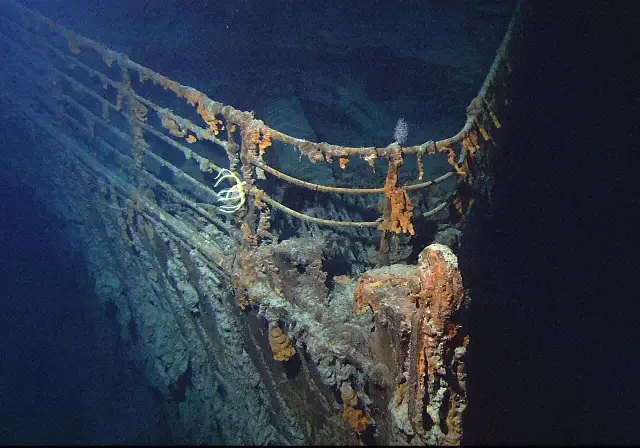
On September 1, 1985, Robert Ballard's team stopped hunting for the Titanic's hull and followed the trail of debris it had shed — and found the wreck 12,500 feet down.
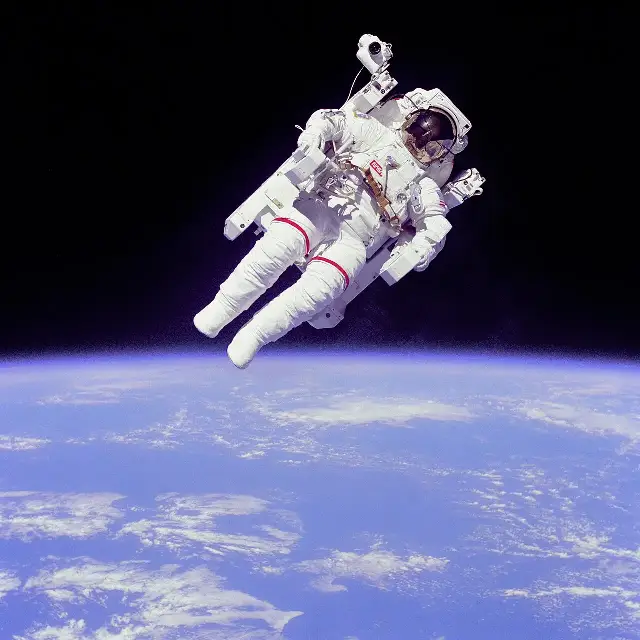
On February 7, 1984, astronaut Bruce McCandless II made the first untethered spacewalk, flying free from the space shuttle Challenger.
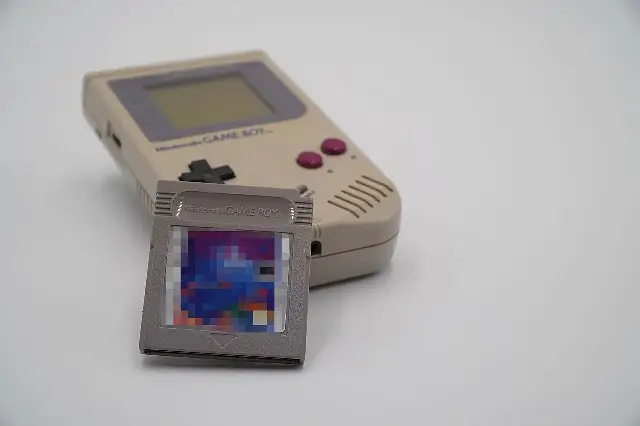
On June 6, 1984, Soviet researcher Alexey Pajitnov completed the first playable Tetris — a game of falling blocks that would conquer the world.
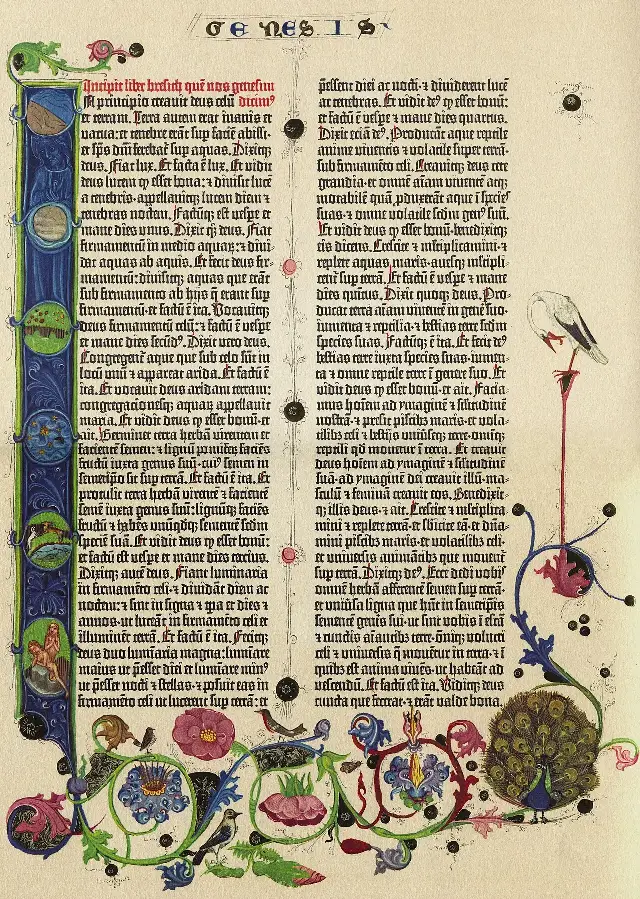
According to tradition, Johannes Gutenberg completed his great Bible on February 23, 1455, the first major Western book printed with movable type.
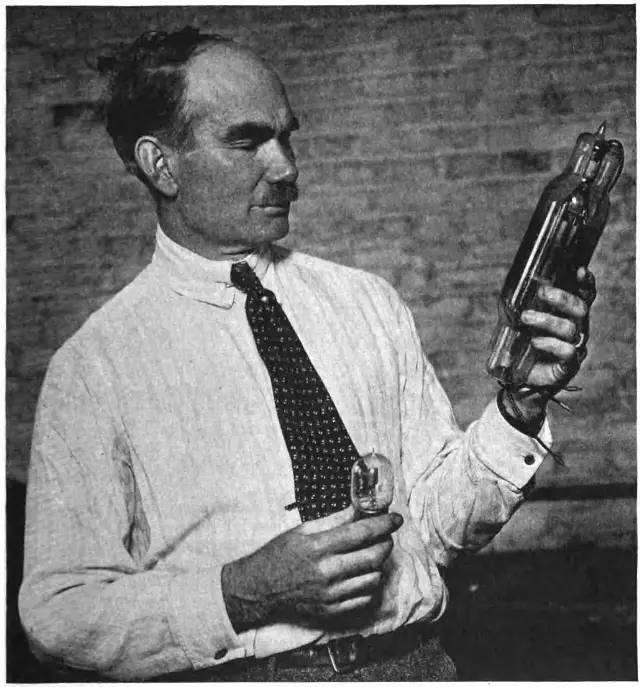
On January 12, 1910, inventor Lee de Forest transmitted the world’s first live opera broadcast — Acts II and III of Tosca — from the stage of New York’s Metropolitan Opera House.
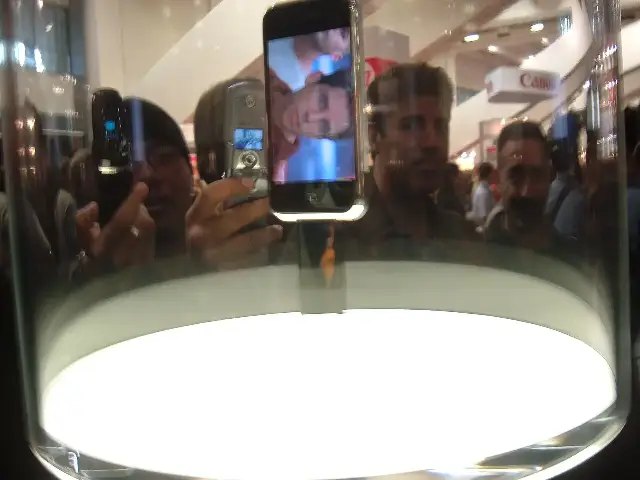
On January 9, 2007, at Macworld in San Francisco, Steve Jobs introduced the iPhone — an iPod, a phone, and an internet communicator in one touchscreen device that reshaped modern life.