The Treaties That Ended Europe's Deadliest War
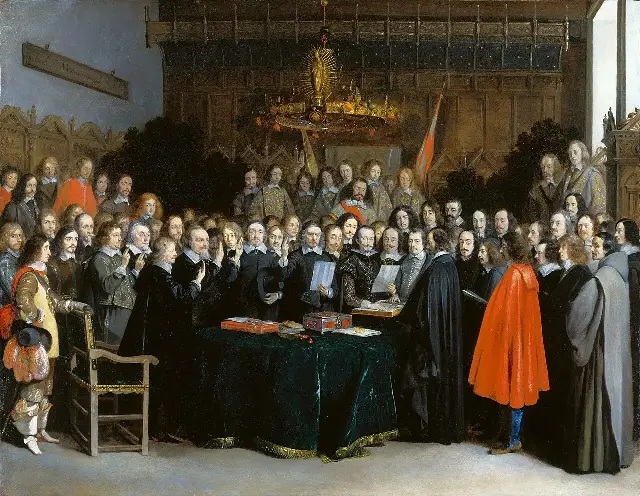
On October 24, 1648, treaties signed at Münster and Osnabrück ended the Thirty Years' War and redrew Europe around the idea of sovereign states.


On October 24, 1648, treaties signed at Münster and Osnabrück ended the Thirty Years' War and redrew Europe around the idea of sovereign states.
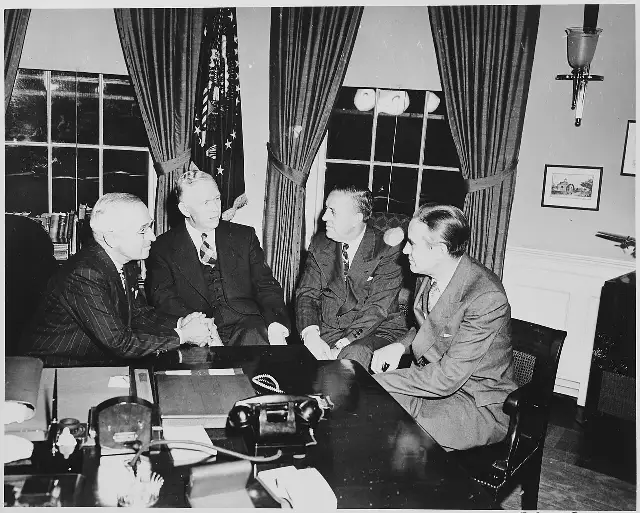
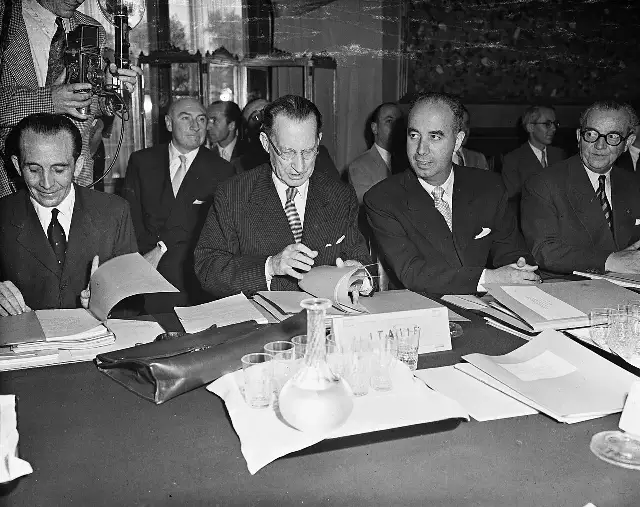
On April 3, 1948, President Truman signed the Marshall Plan, committing about $13 billion to rebuild war-torn Western Europe.
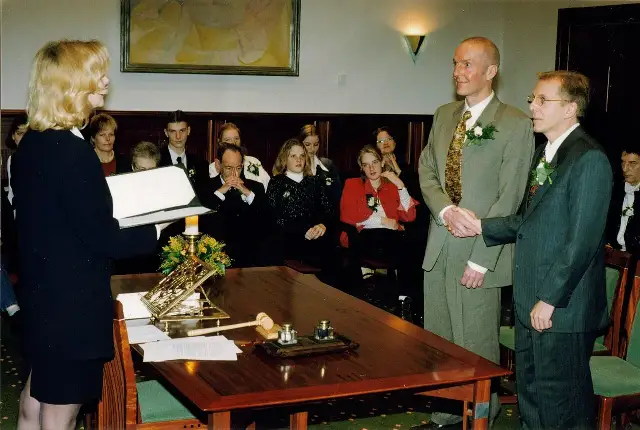
At midnight on April 1, 2001, Amsterdam's mayor married four same-sex couples as the Netherlands became the first country in the world to legalize same-sex marriage.
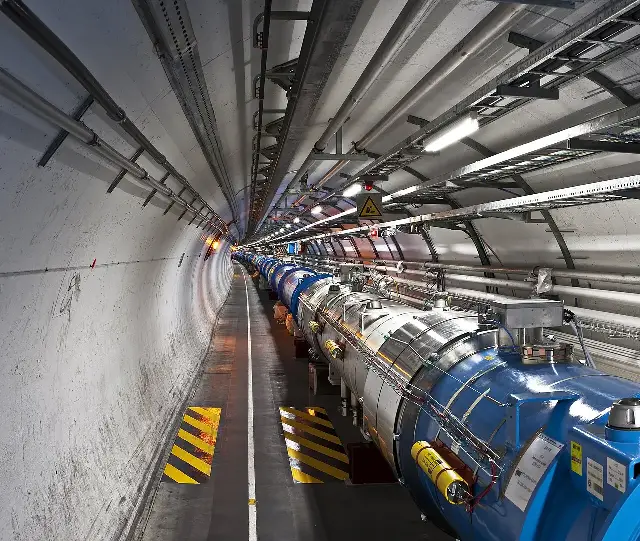
On September 10, 2008, scientists at CERN sent the first proton beam all the way around the 27-kilometer Large Hadron Collider, opening a new era of physics.
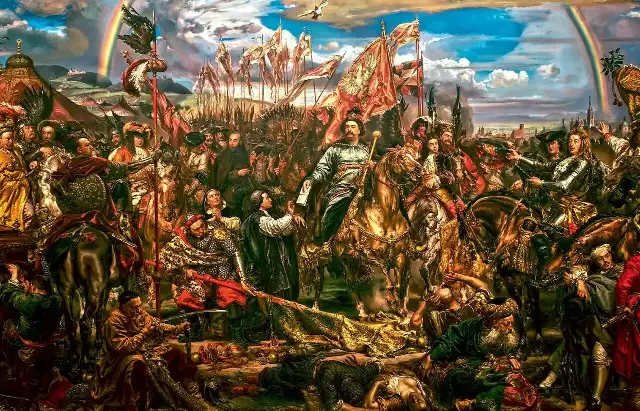
On September 12, 1683, Polish king Jan III Sobieski led some 18,000 horsemen down the Kahlenberg in a charge that shattered the Ottoman siege of Vienna.
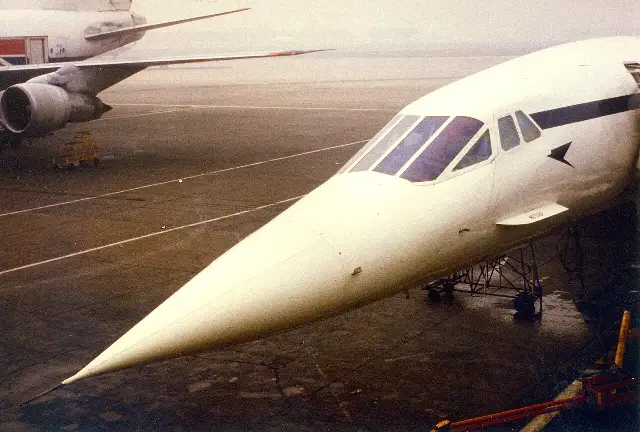
On January 21, 1976, the first supersonic passenger flights took off from London and Paris, shrinking the Atlantic to three and a half hours.
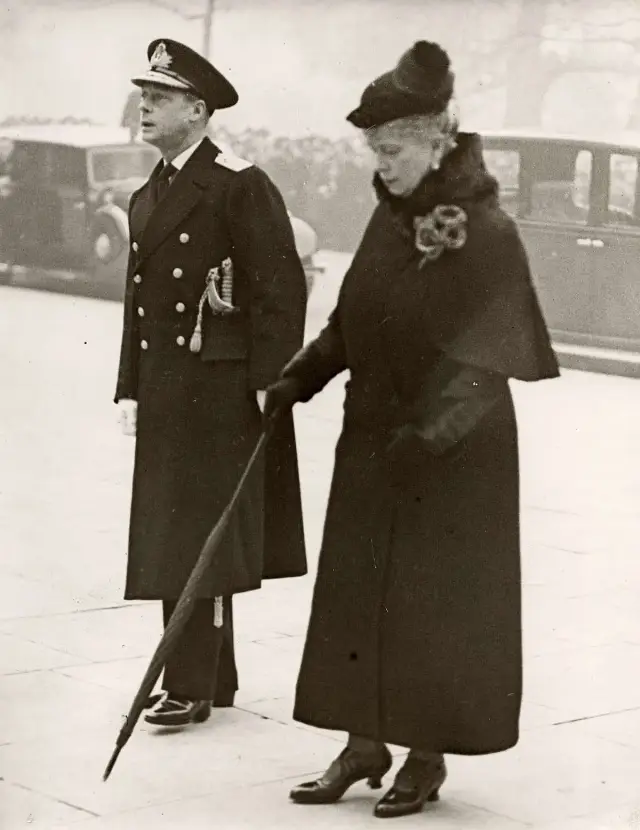
On January 20, 1936, the dashing Prince of Wales became Edward VIII — and abdicated less than a year later for the woman he loved.
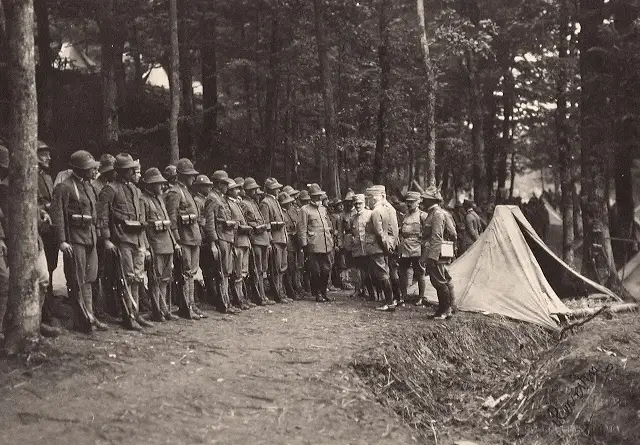
On May 23, 1915, Italy declared war on Austria-Hungary, abandoning its old allies and opening a brutal 600-kilometer mountain front that would bleed both armies for three and a half years.
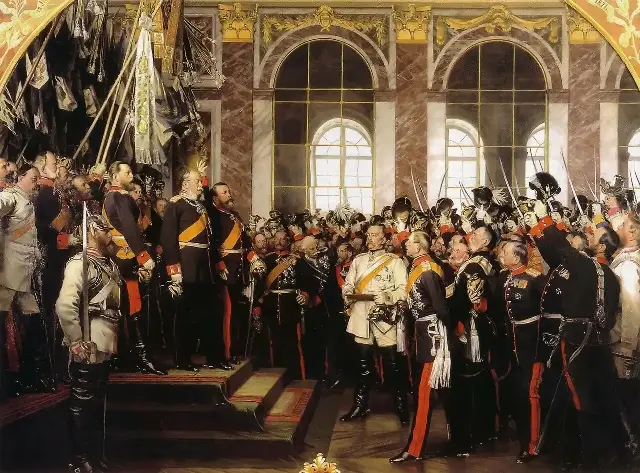
On January 18, 1871, Prussia's Wilhelm I was proclaimed German Emperor in the Hall of Mirrors at Versailles, forging a new empire in the palace of a defeated France.
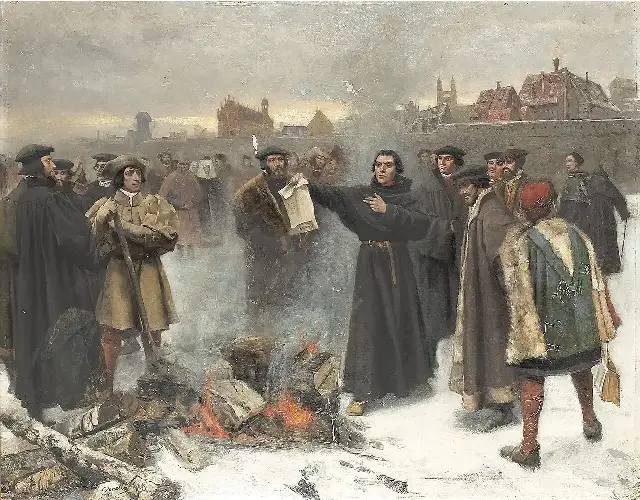
On January 3, 1521, Pope Leo X issued the bull Decet Romanum Pontificem, formally excommunicating Martin Luther and sealing the split that would become the Protestant Reformation.
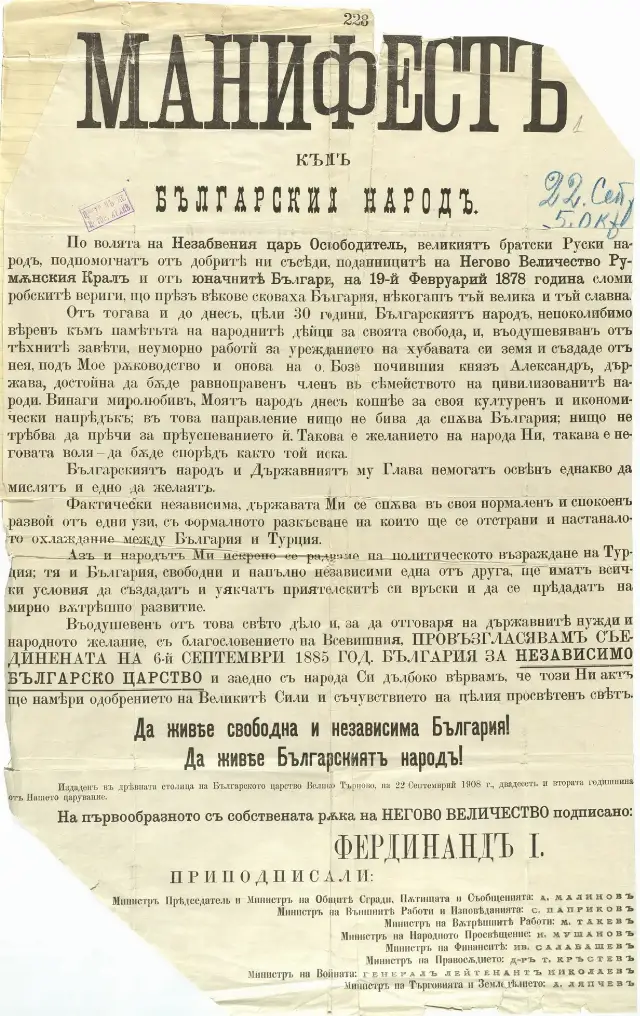
On October 5, 1908, Prince Ferdinand proclaimed Bulgaria's full independence from the Ottoman Empire in the old capital of Tarnovo — and crowned himself Tsar on the spot.
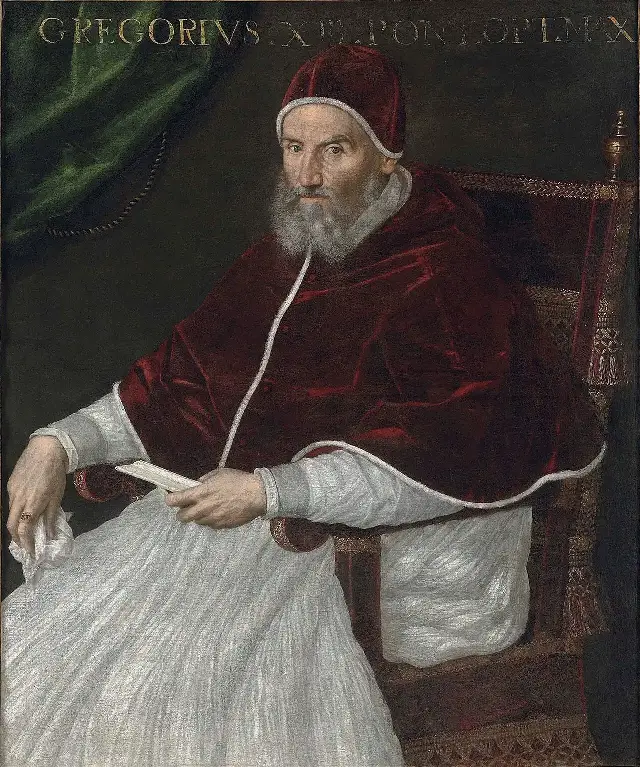
On October 4, 1582, the last day of the Julian calendar, Pope Gregory XIII's reform deleted ten days overnight — the next morning was Friday, October 15.
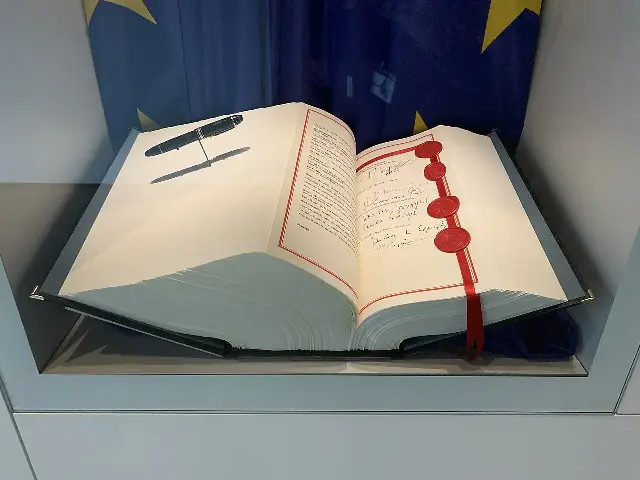
On November 1, 1993, the Maastricht Treaty took effect and the European Union was born, turning a trading bloc into a political union of 12 nations.
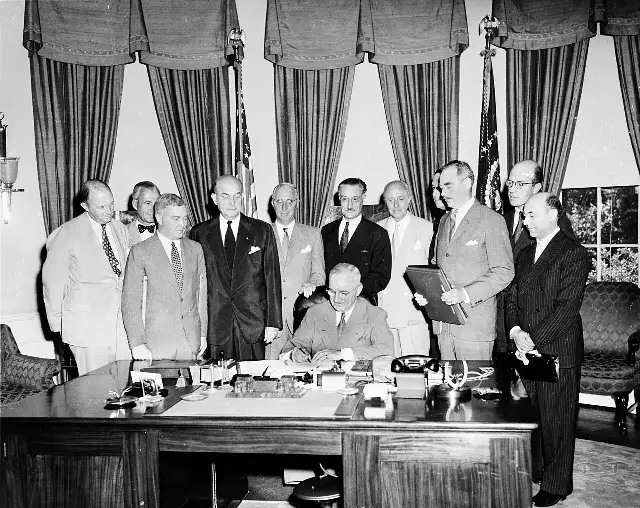
On August 24, 1949, the North Atlantic Treaty took effect, binding twelve nations to defend one another — the alliance still standing today.
On August 23, 1939, Nazi Germany and the Soviet Union signed a pact pledging peace — with a secret protocol dividing Eastern Europe between them.
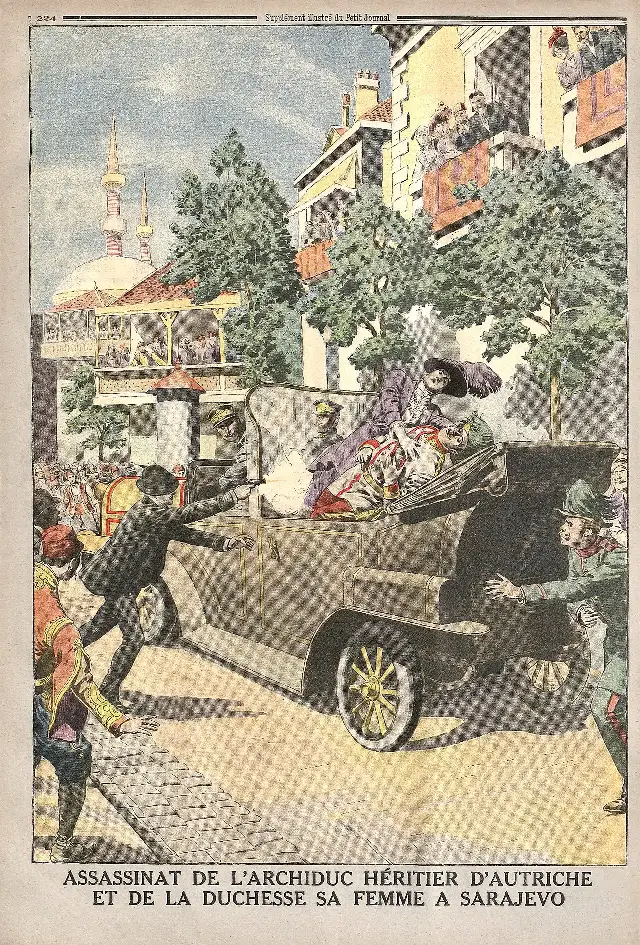
On July 28, 1914, Austria-Hungary declared war on Serbia — and a "small, local" war exploded into a global catastrophe.
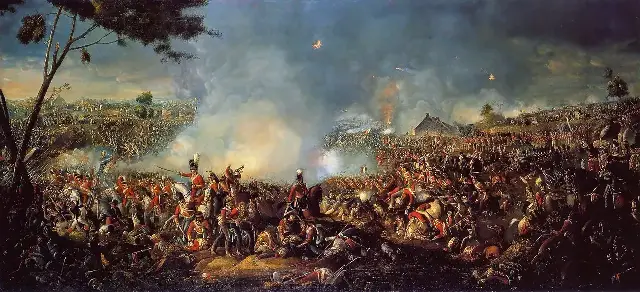
On June 18, 1815, Napoleon Bonaparte's empire ended in a muddy Belgian field — and Europe's map was redrawn for a century.
On June 22, 1941, Nazi Germany invaded the Soviet Union with more than 3.8 million troops — the largest military offensive ever launched.
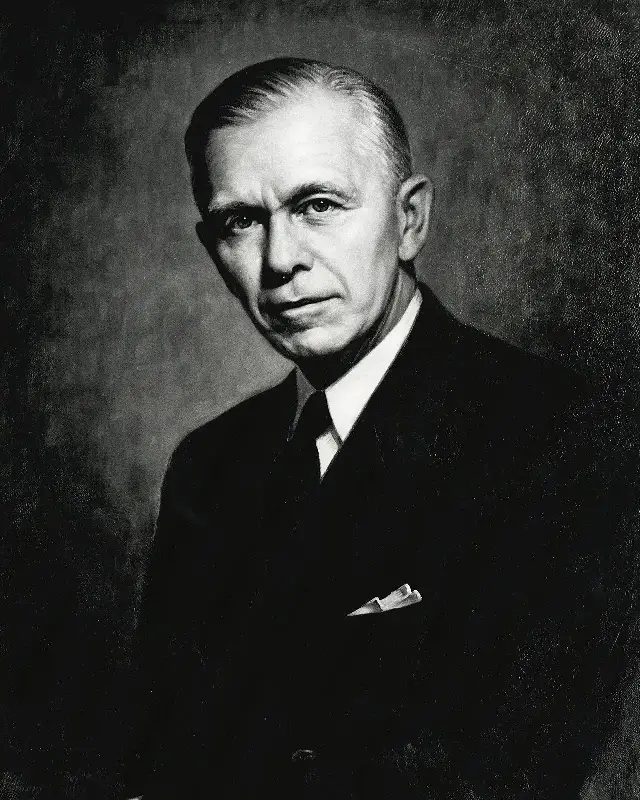
On June 5, 1947, George C. Marshall used a Harvard commencement speech to propose the largest economic aid program in history — the Marshall Plan.
On May 9, 1950, French foreign minister Robert Schuman proposed pooling France's and West Germany's coal and steel under one authority — the founding act of what would become the European Union.
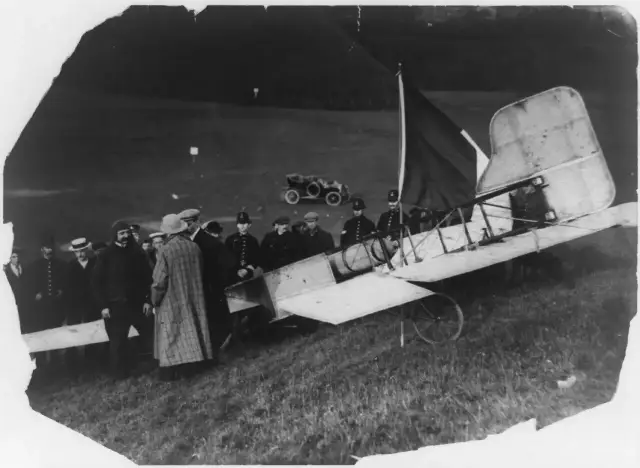
On July 25, 1909, Louis Blériot took off from Calais at dawn and landed near Dover 36 minutes later — the first airplane flight across the English Channel.
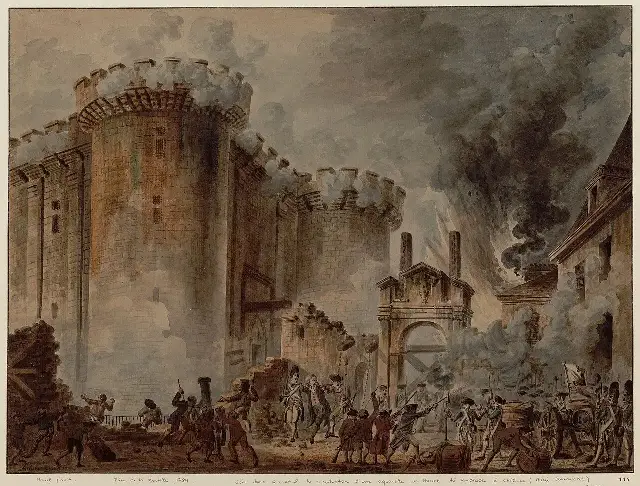
On July 14, 1789, Parisians stormed the Bastille — a nearly empty prison whose fall became the flashpoint of the French Revolution.
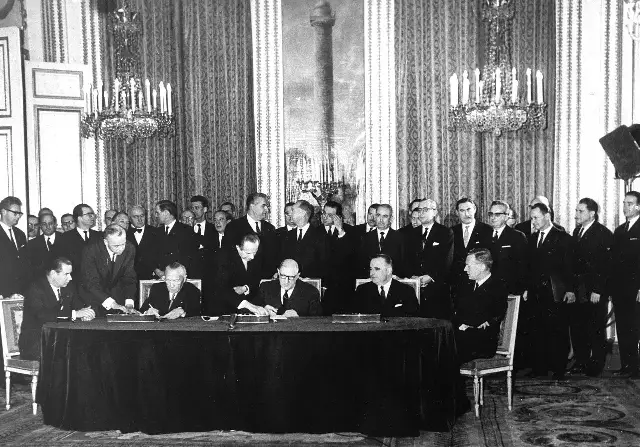
On January 22, 1963, Charles de Gaulle and Konrad Adenauer signed the Élysée Treaty, turning France and Germany from ancient enemies into partners.
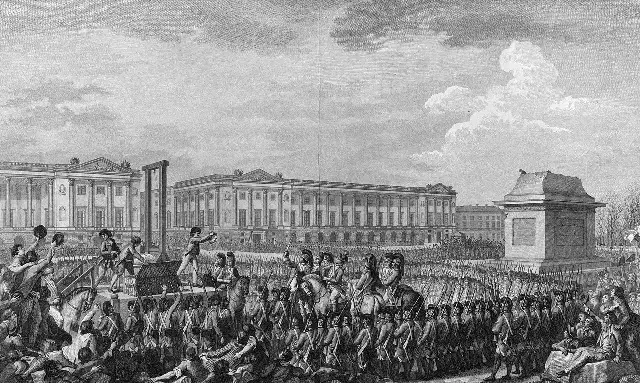
On January 21, 1793, Louis XVI was guillotined at the Place de la Révolution, ending a thousand years of unbroken French monarchy.
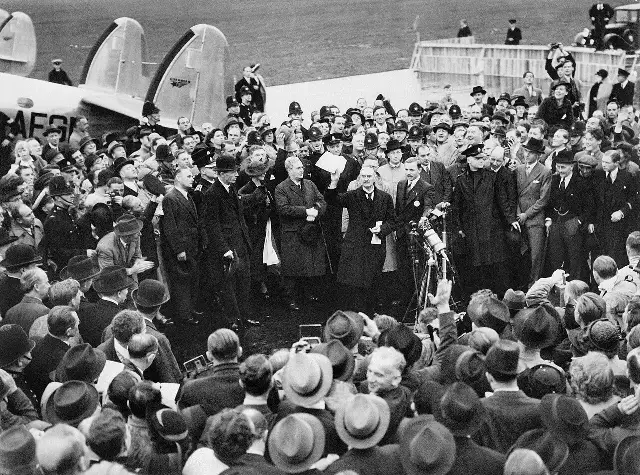
On September 30, 1938, the Munich Agreement was signed, handing part of Czechoslovakia to Hitler — and teaching the world the cost of appeasement.