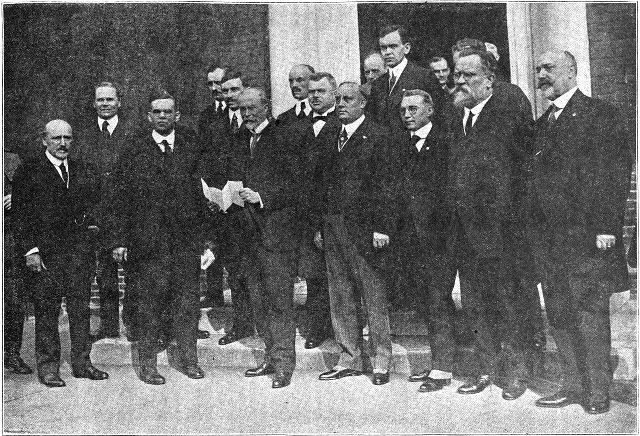
Out of an Empire's Ashes: Czechoslovakia Is Born
On October 28, 1918, cheering crowds filled Prague's Wenceslas Square as Czech leaders proclaimed an independent Czechoslovakia, ending centuries of Habsburg rule.


On October 28, 1918, cheering crowds filled Prague's Wenceslas Square as Czech leaders proclaimed an independent Czechoslovakia, ending centuries of Habsburg rule.
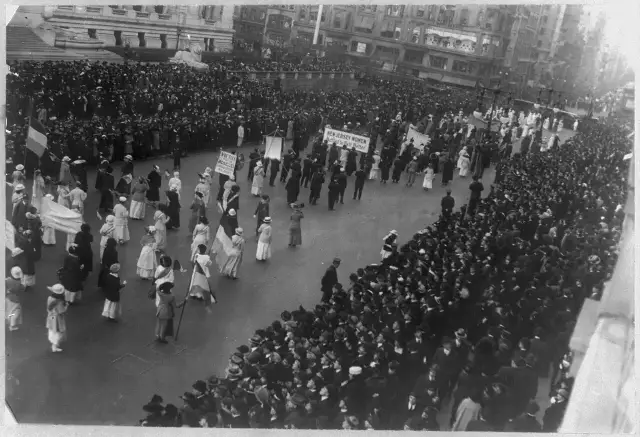
On October 23, 1915, tens of thousands of marchers filled New York's Fifth Avenue in the largest women's suffrage parade the nation had ever seen.
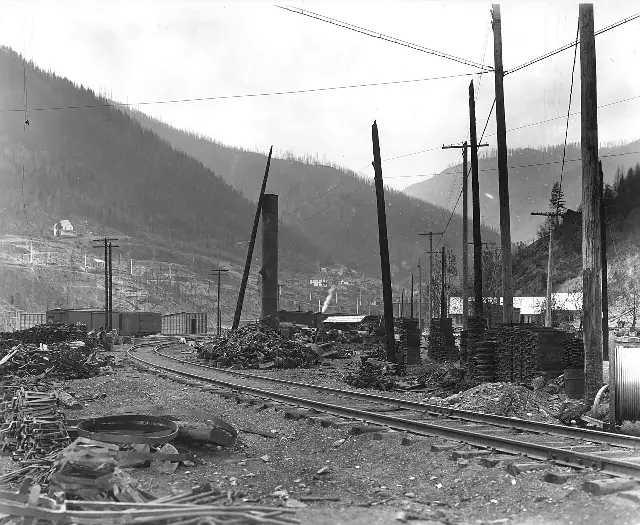
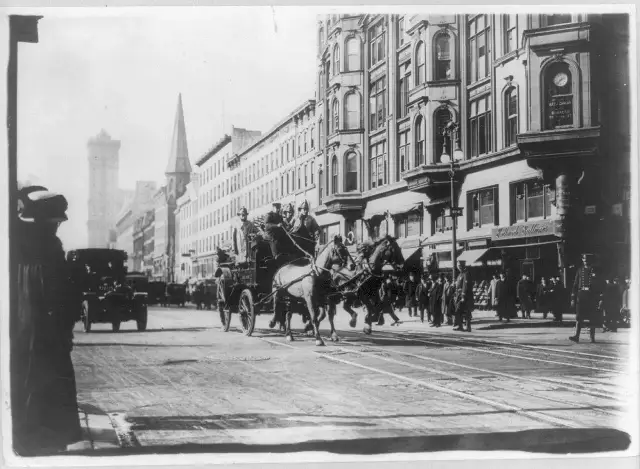
On August 20, 1910, hurricane-force winds turned scattered forest fires into the Big Blowup — three million acres burned in two days, reshaping American firefighting forever.
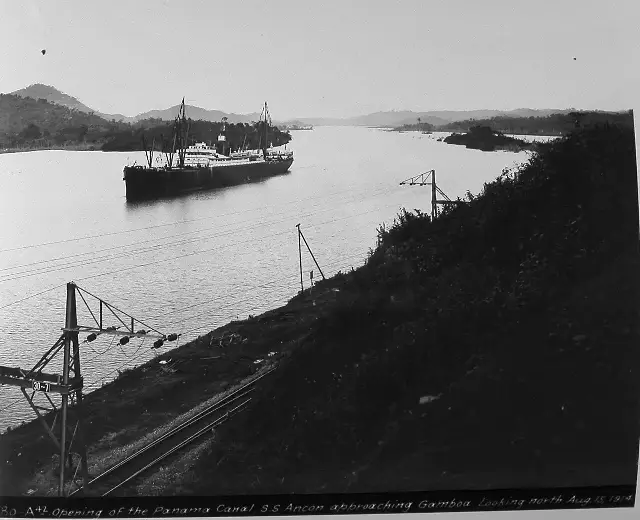
On August 15, 1914, the steamship Ancon made the first official transit of the Panama Canal, opening a shortcut that redrew world trade.
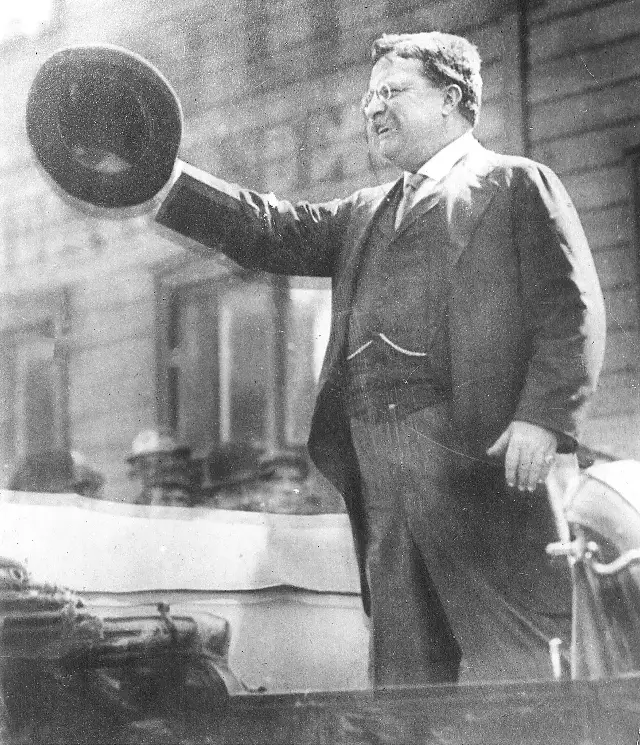
On October 14, 1912, Theodore Roosevelt was shot in Milwaukee — then delivered his ninety-minute campaign speech anyway.
On November 18, 1916, General Haig called off the Battle of the Somme — 141 days that moved the front barely six miles.
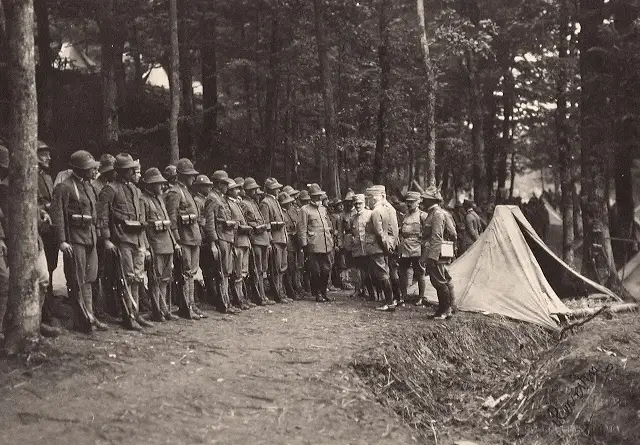
On May 23, 1915, Italy declared war on Austria-Hungary, abandoning its old allies and opening a brutal 600-kilometer mountain front that would bleed both armies for three and a half years.
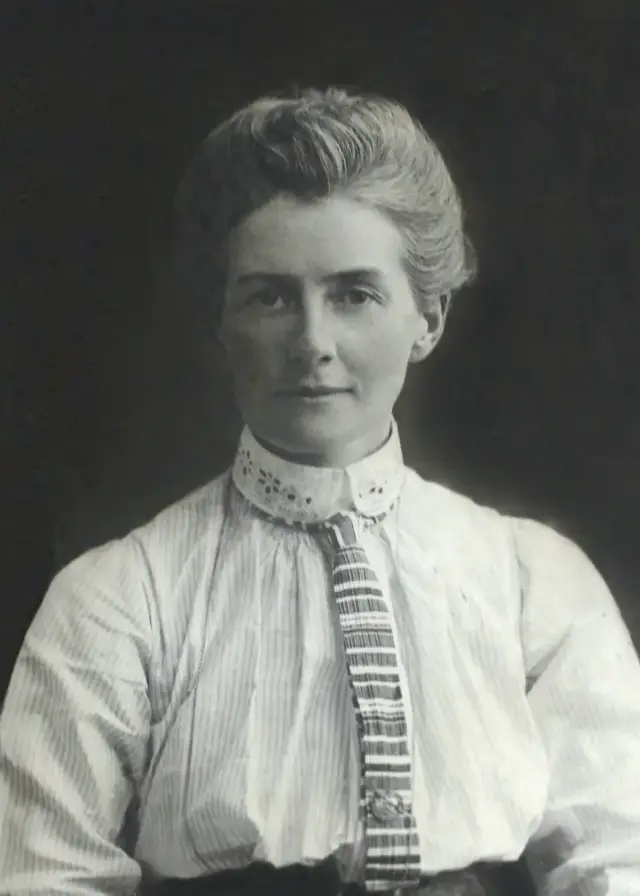
On October 12, 1915, British nurse Edith Cavell was executed by a German firing squad in Brussels for helping Allied soldiers escape — leaving words that still define moral courage.
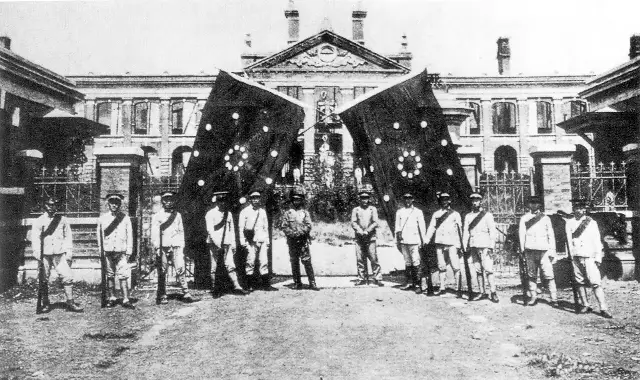
On October 10, 1911, a botched bomb plot forced revolutionaries in Wuchang to mutiny ahead of schedule — and the uprising they started ended more than 2,000 years of imperial rule in China.
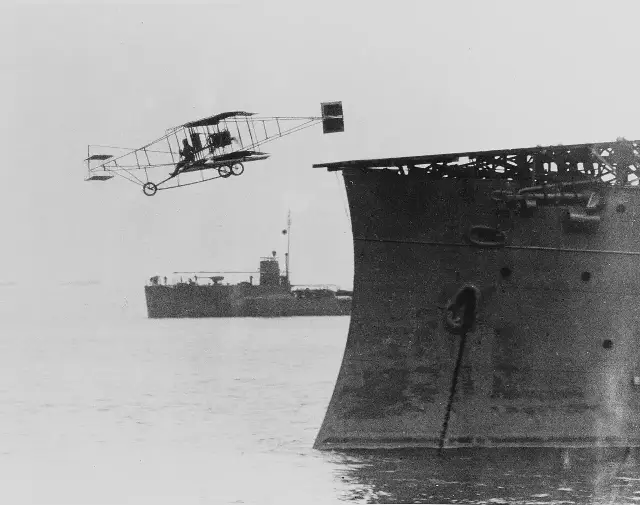
On November 14, 1910, Eugene Ely flew a flimsy biplane off the bow of the USS Birmingham — the first airplane takeoff from a warship, and the birth of naval aviation.
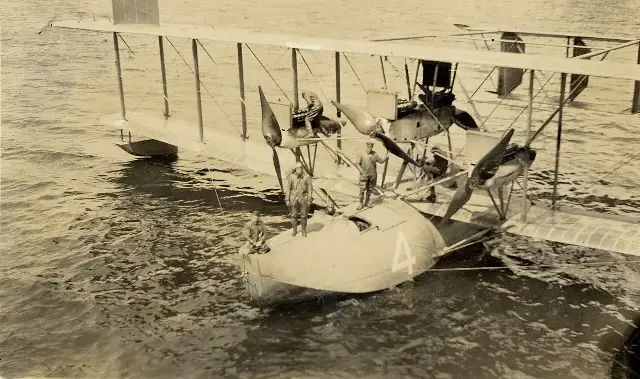
On May 27, 1919, the Navy flying boat NC-4 landed in Lisbon harbor, becoming the first aircraft in history to fly across an ocean.
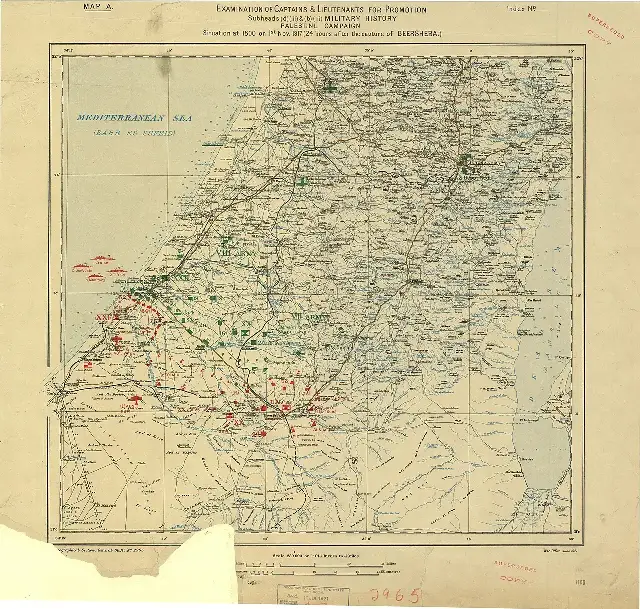
On November 2, 1917, Britain's Balfour Declaration promised a 'national home for the Jewish people' in Palestine — 67 words that echoed for a century.
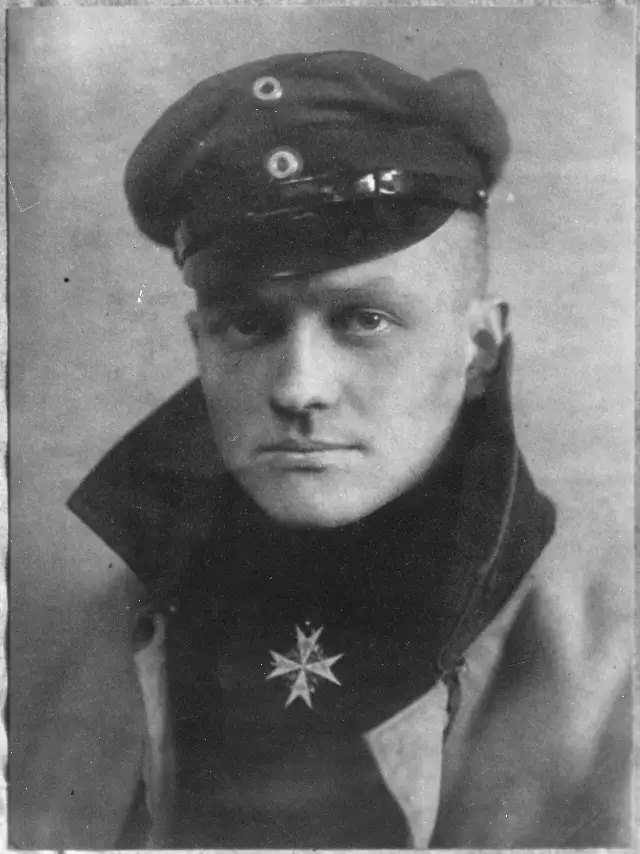
On April 21, 1918, Manfred von Richthofen — the Red Baron, the deadliest flying ace of World War I with 80 victories — was shot down over France and killed at 25.
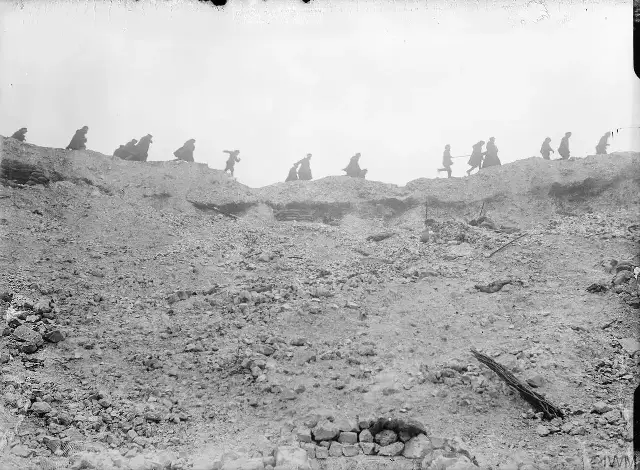
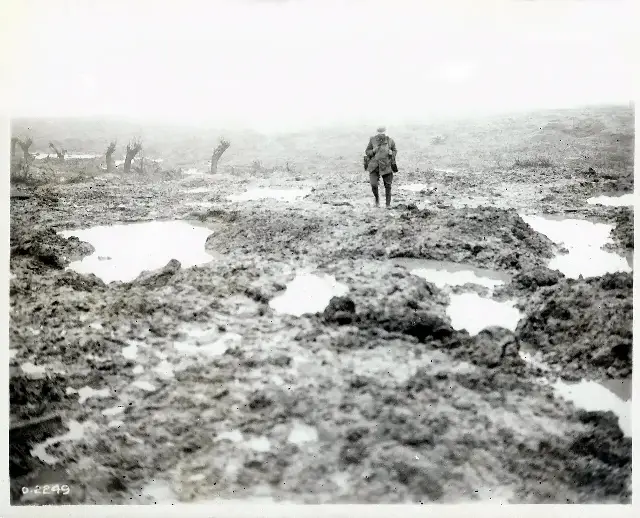
On November 6, 1917, the Canadian Corps captured the ruins of Passchendaele village, bringing to a close one of the First World War's bloodiest and most controversial offensives.
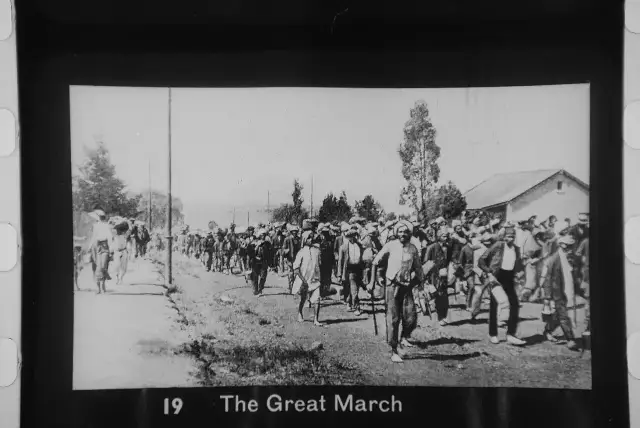
On November 6, 1913, Mahatma Gandhi led more than 2,000 Indian miners, women, and children on a protest march into the Transvaal — and was arrested for crossing without permits.
On July 15, 1916, lumber millionaire William E. Boeing founded the Pacific Aero Products Company in Seattle — the company that became Boeing.
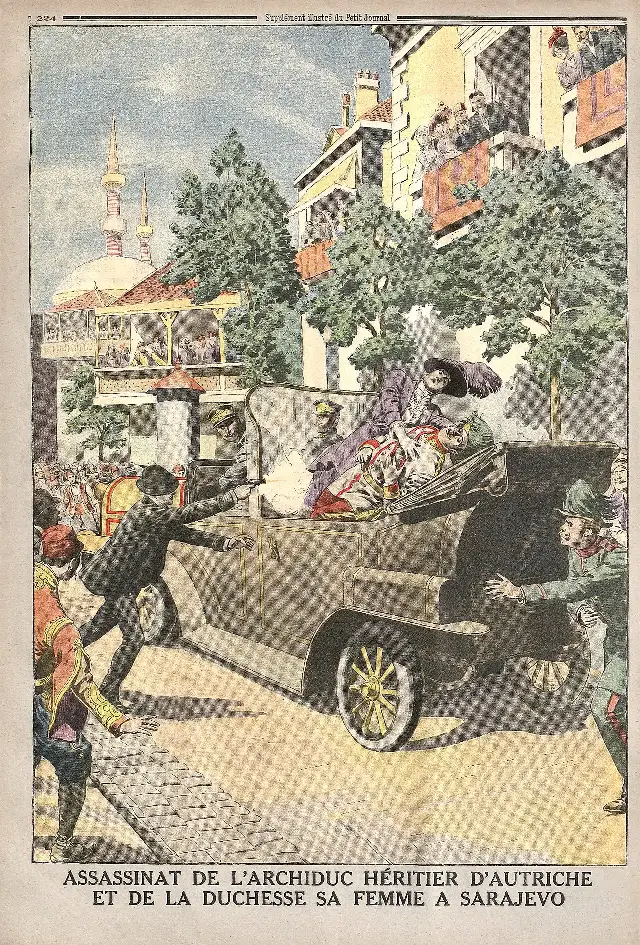
On July 28, 1914, Austria-Hungary declared war on Serbia — and a "small, local" war exploded into a global catastrophe.
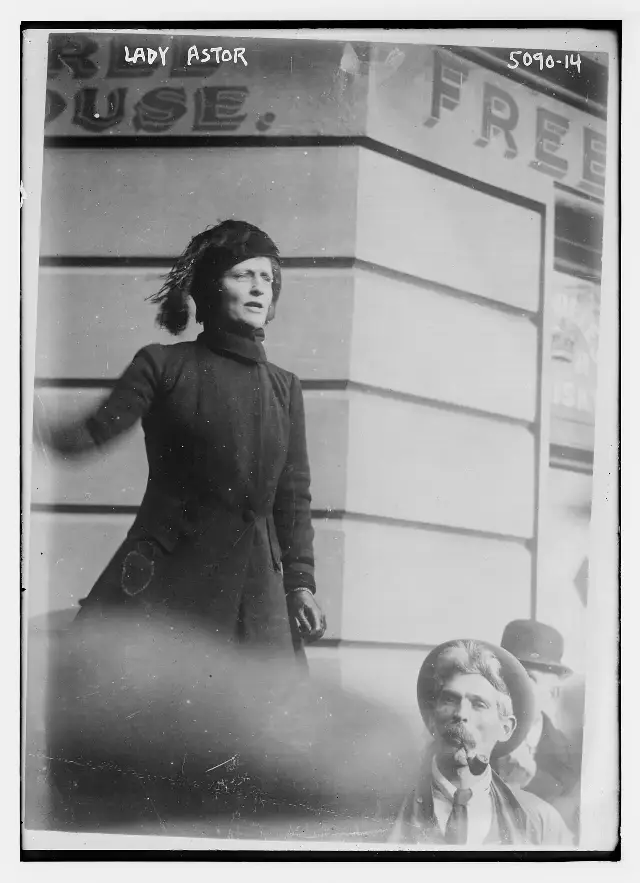
On December 1, 1919, Nancy Astor took her seat in the House of Commons, becoming the first woman ever to sit in the British Parliament.
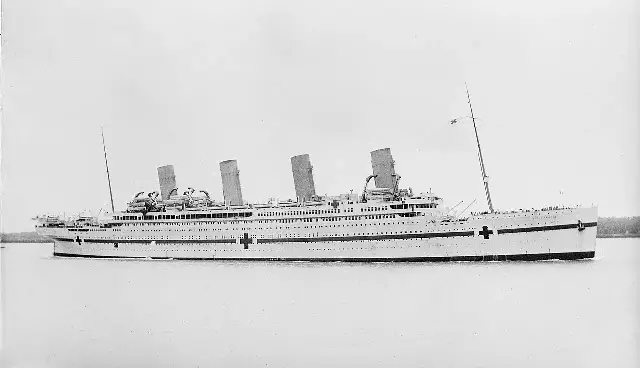
On November 21, 1916, the HMHS Britannic — sister ship of the Titanic and the world's largest hospital ship — struck a mine in the Aegean and sank in just 55 minutes.
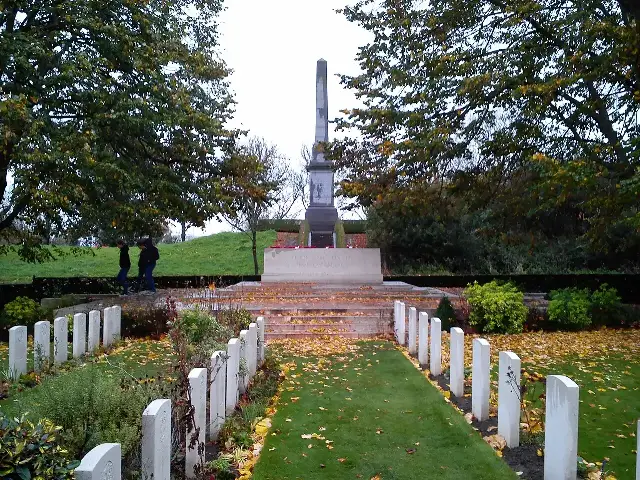
On May 3, 1915, Canadian doctor John McCrae wrote 'In Flanders Fields' beside a battlefield grave — and gave the world the remembrance poppy.
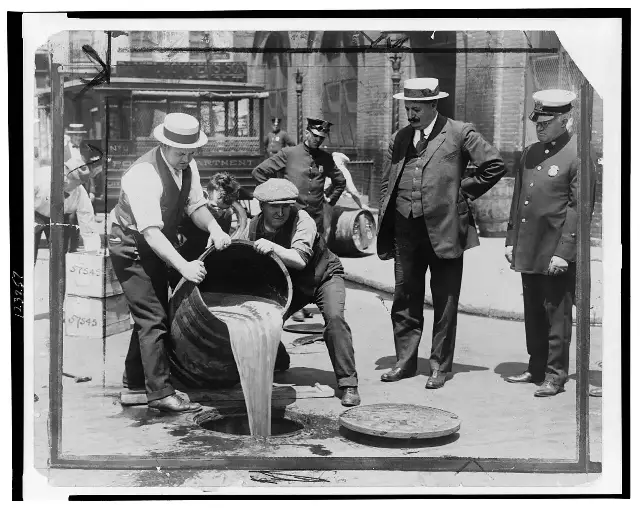
On January 16, 1919, Nebraska became the 36th state to ratify the 18th Amendment, locking Prohibition into the U.S. Constitution.
On March 25, 1911, fire swept the Triangle Shirtwaist factory in New York City, killing 146 workers and transforming workplace safety law.