Peace at Last: The Good Friday Agreement
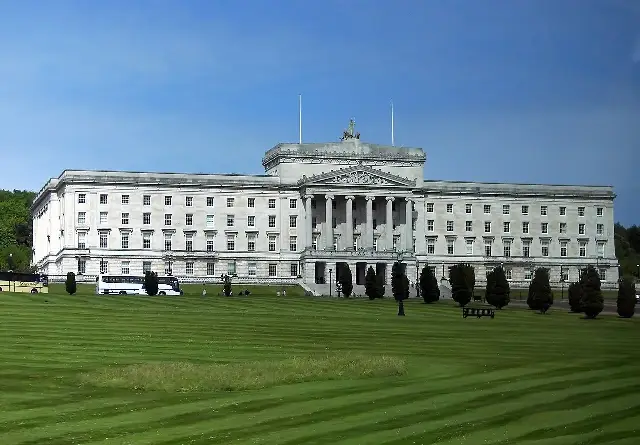
On April 10, 1998, after an all-night final session at Stormont, negotiators signed the Good Friday Agreement, the peace deal that largely ended Northern Ireland's Troubles.


On April 10, 1998, after an all-night final session at Stormont, negotiators signed the Good Friday Agreement, the peace deal that largely ended Northern Ireland's Troubles.
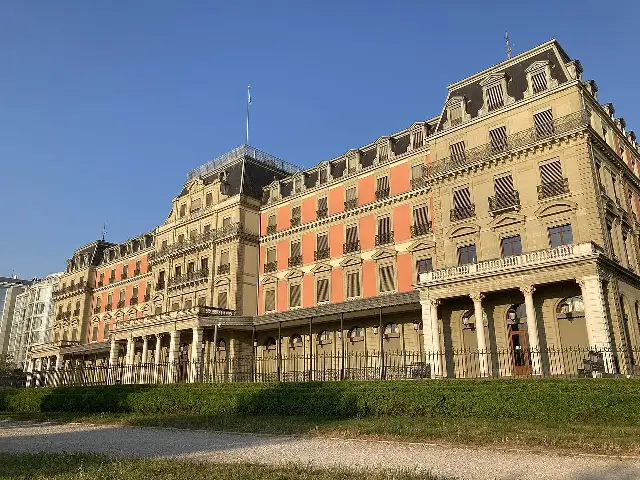
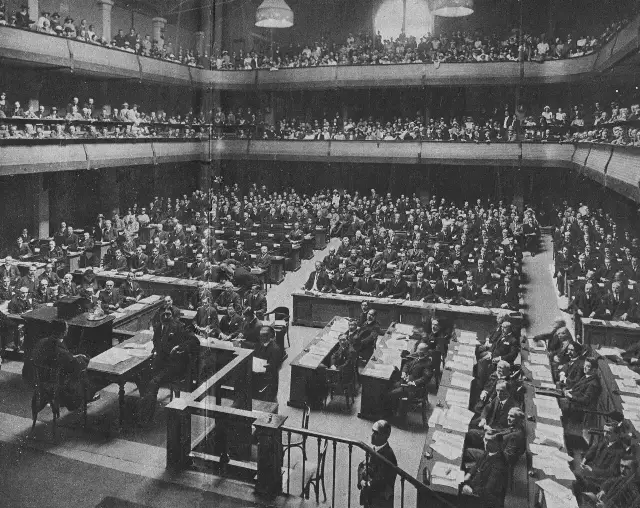
On November 15, 1920, delegates from 41 nations gathered in Geneva for the first Assembly of the League of Nations — humanity's first worldwide organization for keeping the peace.
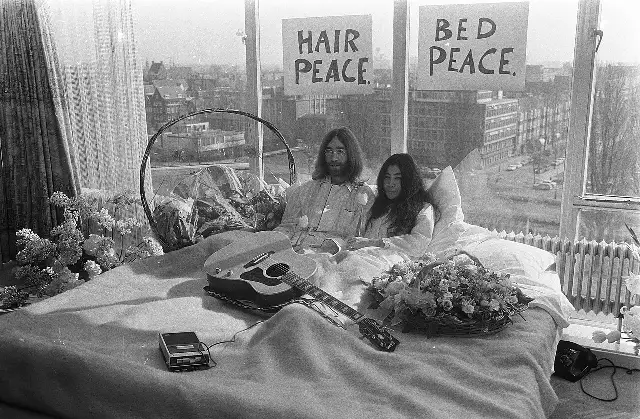
On October 9, 1940, in wartime Liverpool, John Lennon was born — and grew up to write some of the most famous songs ever recorded.
On January 10, 1920, the Treaty of Versailles took effect and with it the League of Nations — humanity's first attempt at a world organization dedicated to keeping the peace.
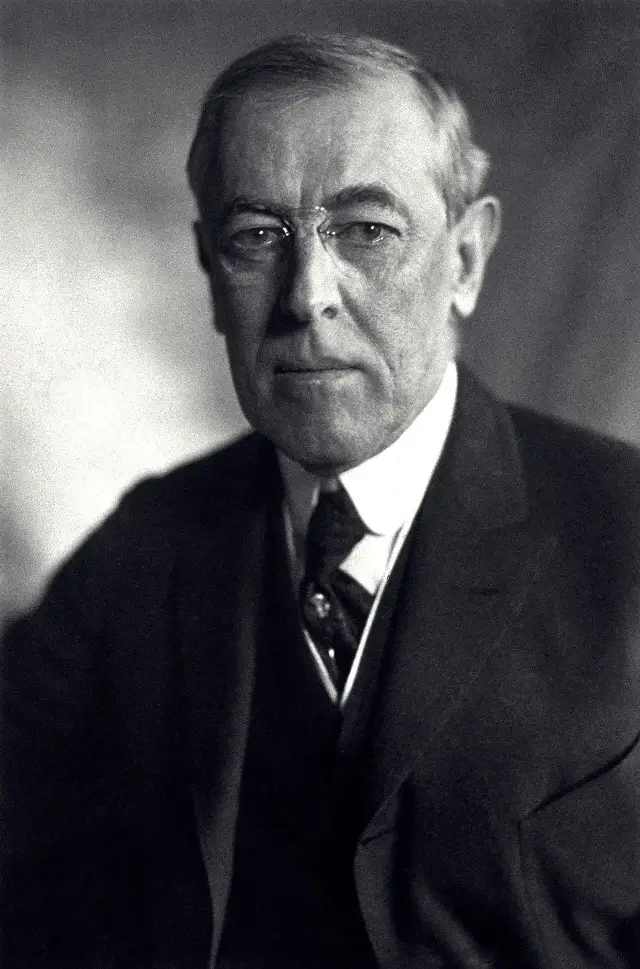
On January 8, 1918, Woodrow Wilson laid his Fourteen Points before Congress — a bold blueprint for peace promising open diplomacy, self-determination, and a league of nations.
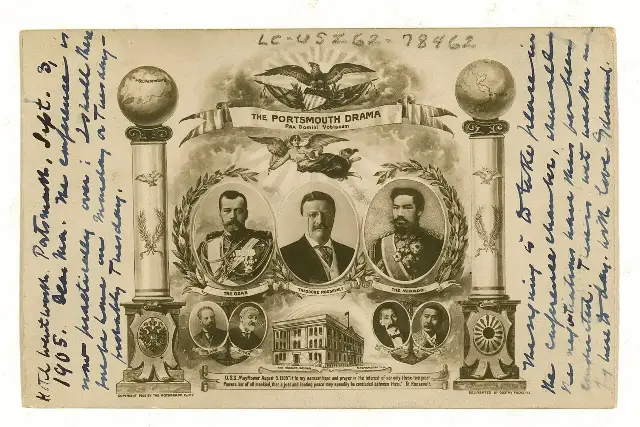
On September 5, 1905, Japan and Russia signed the Treaty of Portsmouth at a U.S. navy yard in New Hampshire, ending a brutal war — and earning President Theodore Roosevelt the Nobel Peace Prize.
On October 24, 1945, the UN Charter took effect, creating the United Nations — the world's boldest attempt to end war itself.
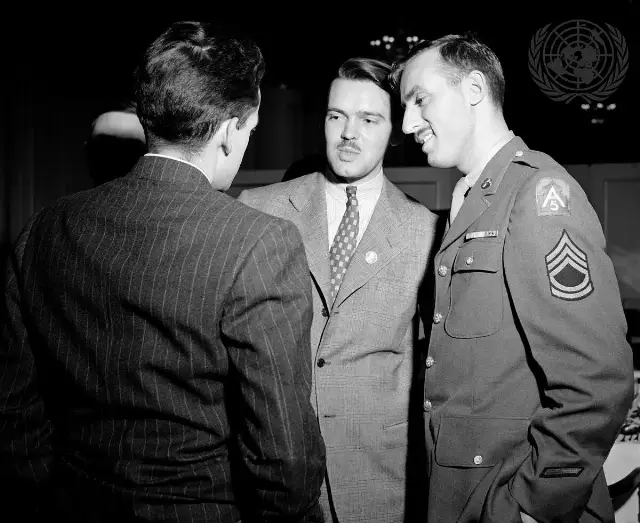
On June 26, 1945, delegates from 50 nations signed the UN Charter in San Francisco, bringing the United Nations into being.
On June 23, 1894, a French baron's dream became real: the International Olympic Committee was founded in Paris, reviving the ancient Games.
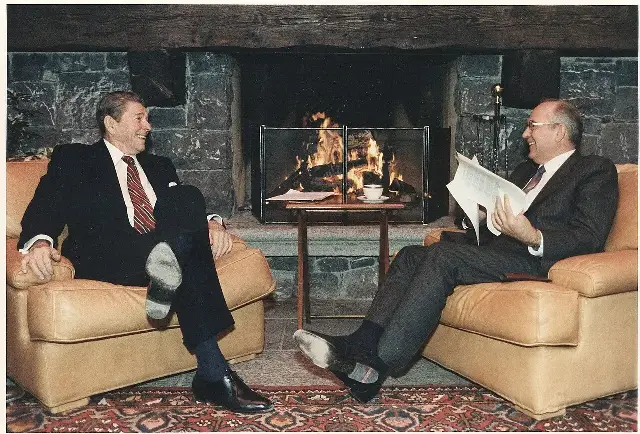
On October 15, 1990, the Nobel Committee honored Mikhail Gorbachev for ending the Cold War — just as the Soviet Union he led was coming apart.
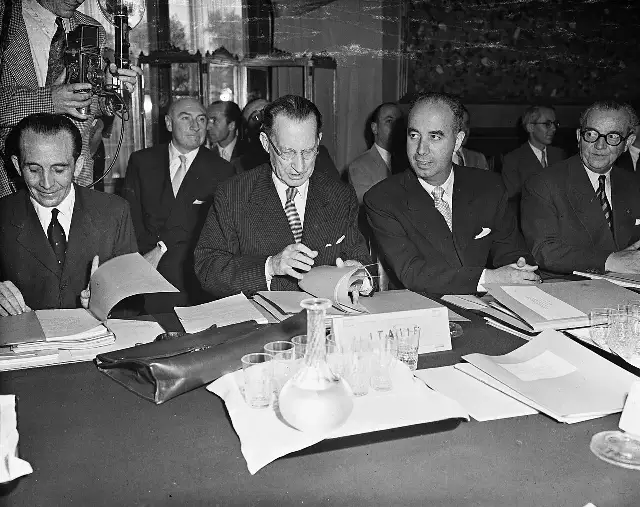
On May 9, 1950, French foreign minister Robert Schuman proposed pooling France's and West Germany's coal and steel under one authority — the founding act of what would become the European Union.
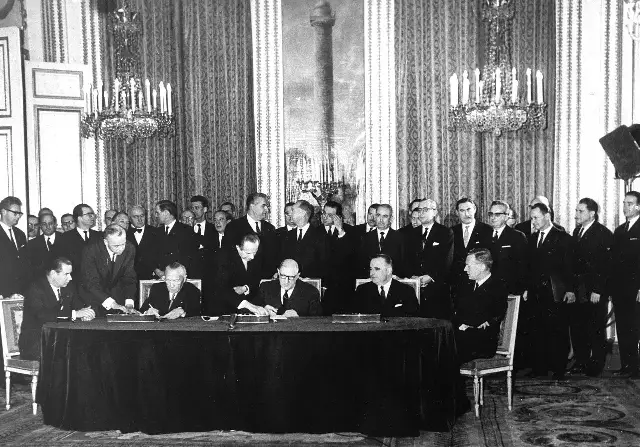
On January 22, 1963, Charles de Gaulle and Konrad Adenauer signed the Élysée Treaty, turning France and Germany from ancient enemies into partners.
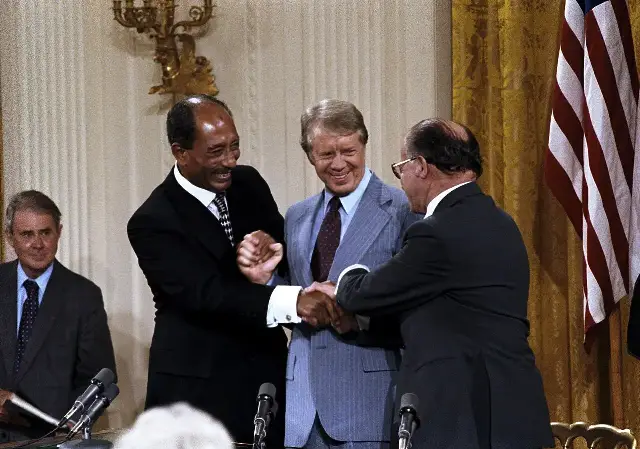
On September 17, 1978, Egypt's Anwar Sadat and Israel's Menachem Begin signed the Camp David Accords after thirteen days of secret talks, ending decades of war between their nations.
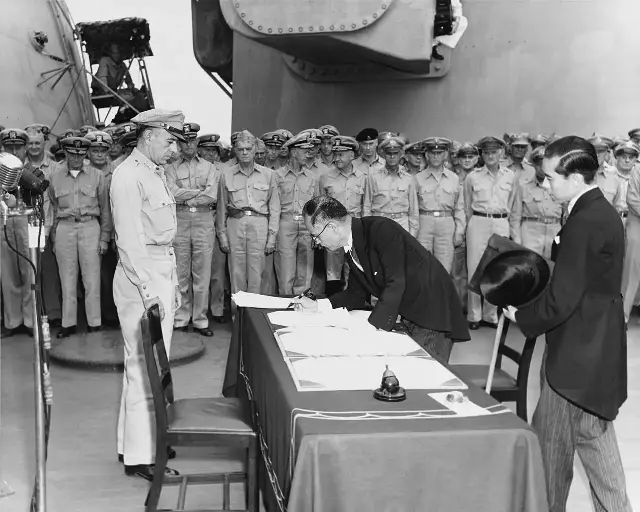
On September 2, 1945, aboard the battleship USS Missouri in Tokyo Bay, Japan's formal surrender brought World War II to an official end.