The Entente Cordiale: Old Enemies Shake Hands
On April 8, 1904, Britain and France signed the Entente Cordiale in London — a set of colonial agreements that ended centuries of rivalry and reshaped the alliances of the 20th century.
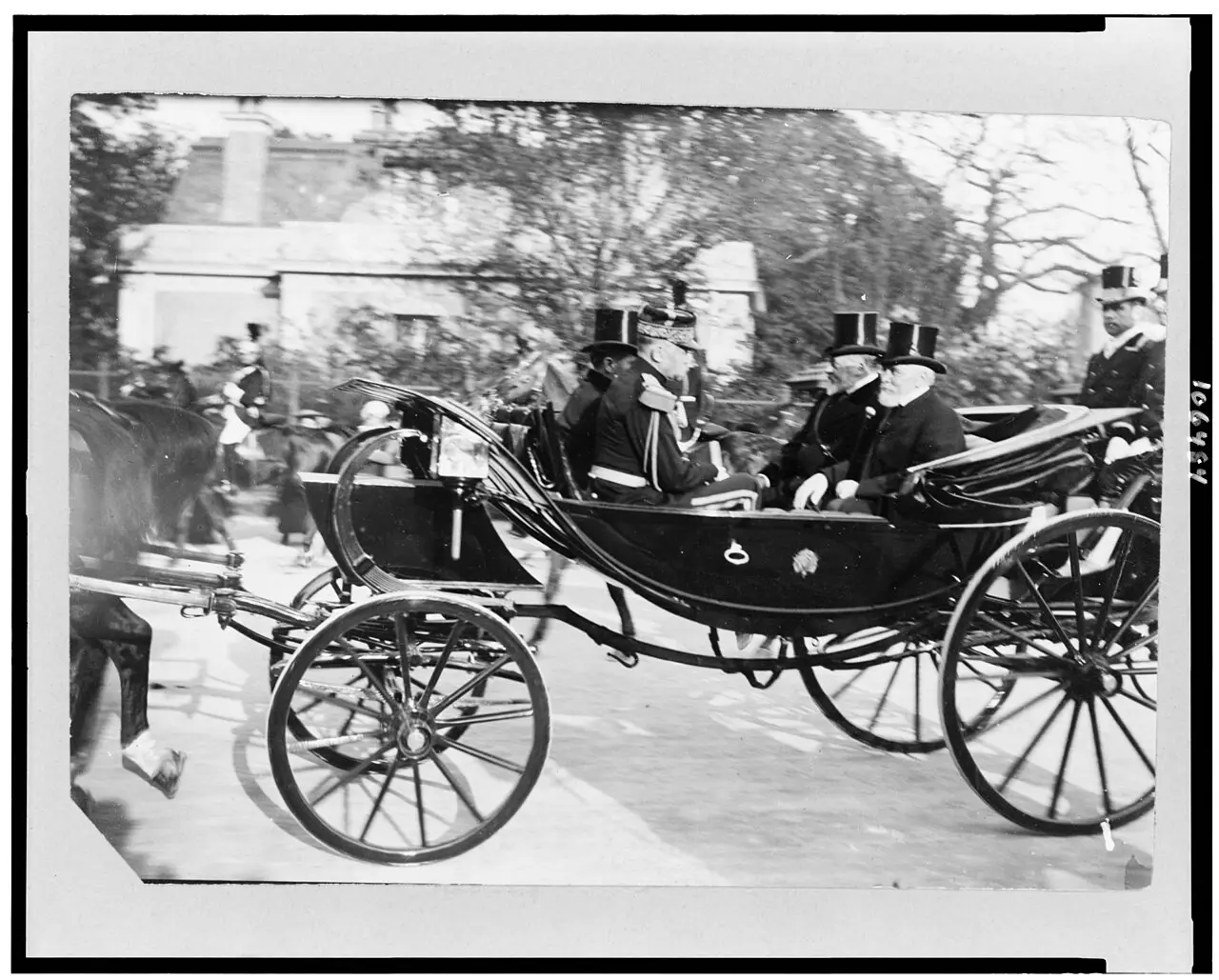
For centuries, Britain and France had been each other's favorite enemy. On April 8, 1904, they signed the paperwork to stop.
In London that day, British Foreign Secretary Lord Lansdowne and the French ambassador, Paul Cambon, put their names to not one agreement but four. Together they formed what the French called the Entente Cordiale — the "cordial understanding." It was deliberately not an alliance; it was something subtler and, as it turned out, more durable.
The heart of the package was the Declaration respecting Egypt and Morocco: France recognized Britain's dominant position in Egypt and promised Britain a free hand there, while Britain promised France a free hand in Morocco. A second convention settled the long-running quarrel over French fishing rights off Newfoundland — a sore point since the Treaty of Utrecht in 1713 — trading those privileges for compensation and territory in West and Central Africa. Further notes covered Siam, Madagascar, and the New Hebrides, plus the mutual appointment of consuls.
The deal had nearly failed before it began. Just six years earlier, at Fashoda in the Sudan, British and French forces had faced each other down in a standoff that brought both nations to the edge of war. What changed was the rise of a new threat: a newly powerful Germany was alarming both capitals, and Britain — bruised by the Boer War and abandoning its "splendid isolation" — wanted friends. King Edward VII, a Francophile who charmed Paris during his 1903 visit, lent his personal weight to the thaw, and Cambon and Lansdowne did the rest.
The Entente Cordiale did not commit either side to fight for the other. But when Russia joined the understanding in 1907, the Triple Entente was born — the diplomatic lineup that would face Germany and Austria-Hungary in 1914. An agreement written to settle colonial fishing rights and North African spheres of influence had become the architecture of the First World War's alliances. The phrase itself entered the language: to this day, an "entente cordiale" means a friendly understanding between former rivals.
Why it matters: the Entente Cordiale shows how diplomacy actually works — not with grand declarations of friendship, but with patient horse-trading over fish, deserts, and faraway islands. Two empires that had fought for a thousand years discovered they could simply agree, and the map of the 20th century was redrawn.
Photo: George Grantham Bain Collection, public domain (via Wikimedia Commons).