The Keystone Drops Into Place: St. Louis Tops Out the Gateway Arch
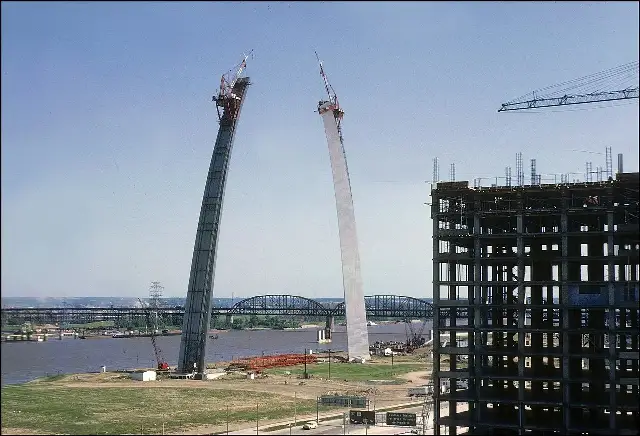
On October 28, 1965, workers eased a 10-ton keystone into the top of the Gateway Arch as heat, math, and 630 feet of stainless steel held their breath.


On October 28, 1965, workers eased a 10-ton keystone into the top of the Gateway Arch as heat, math, and 630 feet of stainless steel held their breath.
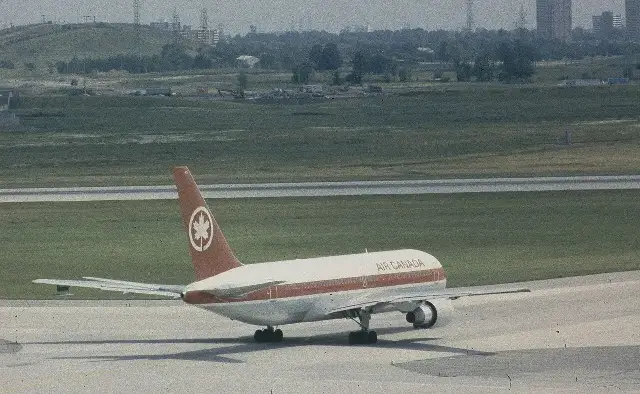
On July 23, 1983, Air Canada Flight 143 ran out of fuel at 41,000 feet — and its crew glided the powerless Boeing 767 to a miraculous landing on a Manitoba drag strip.
On July 19, 1900, at 1 p.m., the first Paris Métro line opened to the public, running between Porte Maillot and Porte de Vincennes.
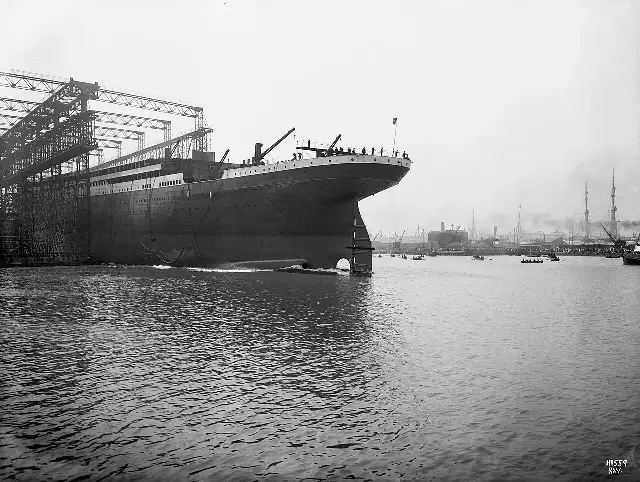
On May 31, 1911, the hull of the RMS Titanic slid into Belfast Lough before 100,000 spectators — the largest moving object ever built.
On July 17, 1902, a 25-year-old engineer submitted drawings for a humidity-control system that became the world's first modern air conditioner.
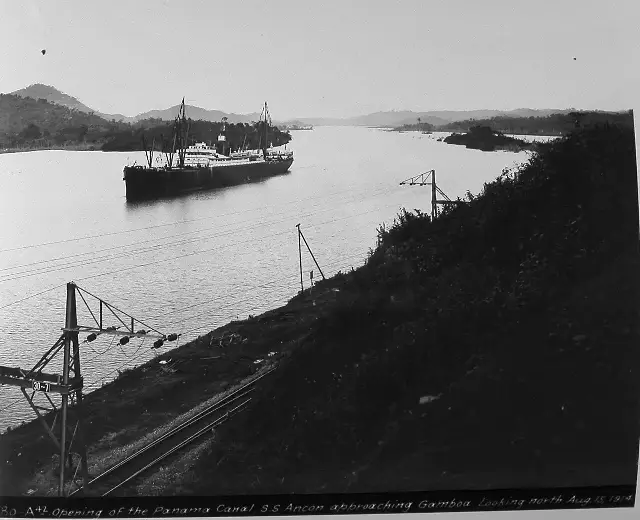
On August 15, 1914, the steamship Ancon made the first official transit of the Panama Canal, opening a shortcut that redrew world trade.
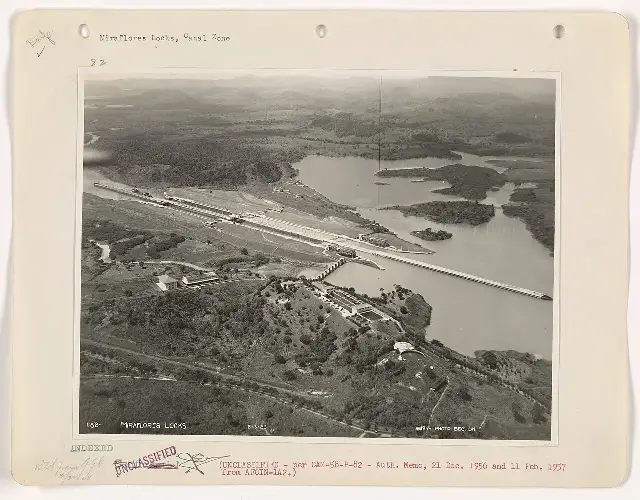
On December 31, 1999, the United States transferred the Panama Canal to Panama, ending nearly a century of American control of the great waterway.
On July 4, 1817, New York broke ground on a 363-mile canal critics called "Clinton's Ditch" — and changed America forever.
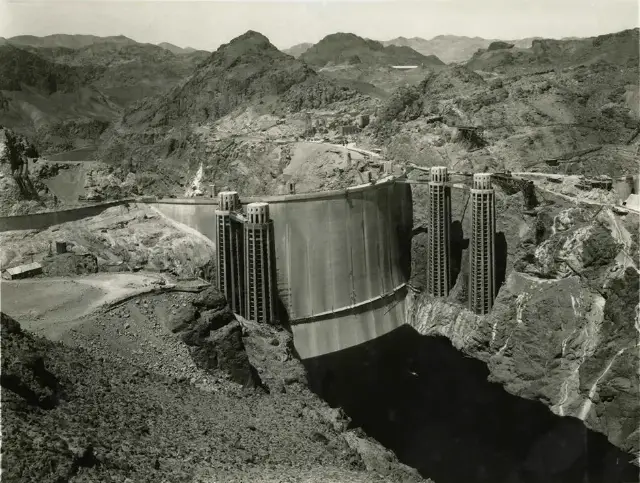
On September 30, 1935, Franklin Roosevelt dedicated Hoover Dam before 10,000 people in 102-degree heat — and called it mankind's greatest feat.
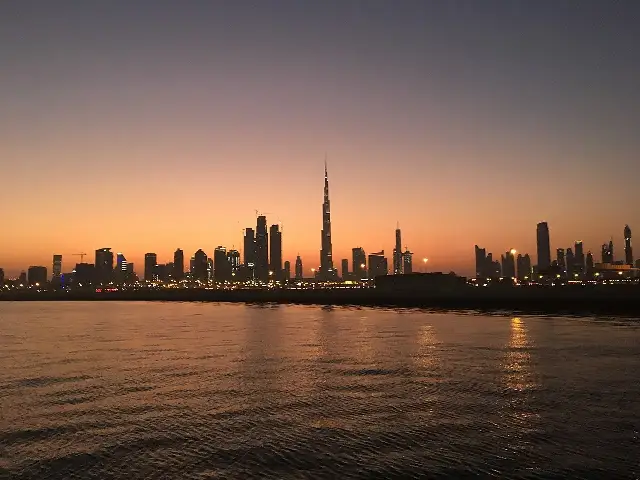
On January 4, 2010, Dubai opened the 828-meter Burj Khalifa, the tallest building ever built — and renamed it mid-ceremony for the Abu Dhabi ruler whose billions had bailed the emirate out.
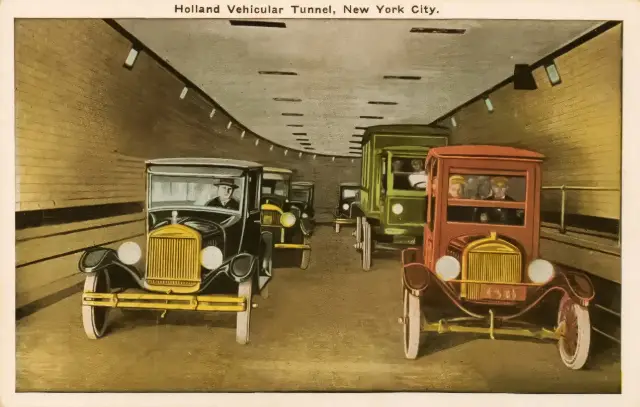
In the early hours of November 13, 1927, the Holland Tunnel opened to traffic — the first underwater tunnel built for cars, named for the engineer who never saw it finished.
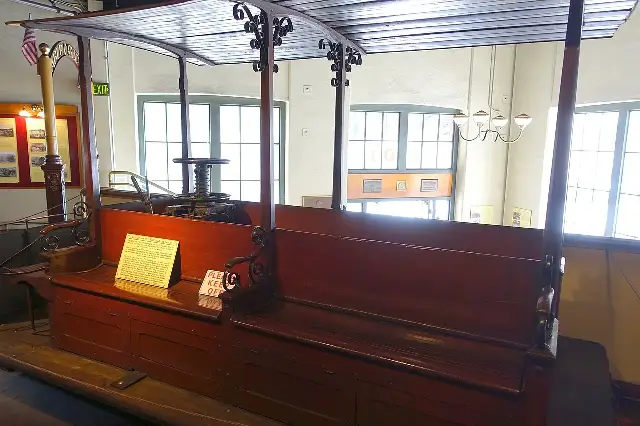
In the pre-dawn hours of August 2, 1873, Andrew Hallidie's cable car made its first successful test run up San Francisco's Clay Street — and changed city transit forever.
On November 7, 1940, the Tacoma Narrows Bridge twisted itself apart in a 40-mph wind, four months after opening, and changed bridge engineering forever.
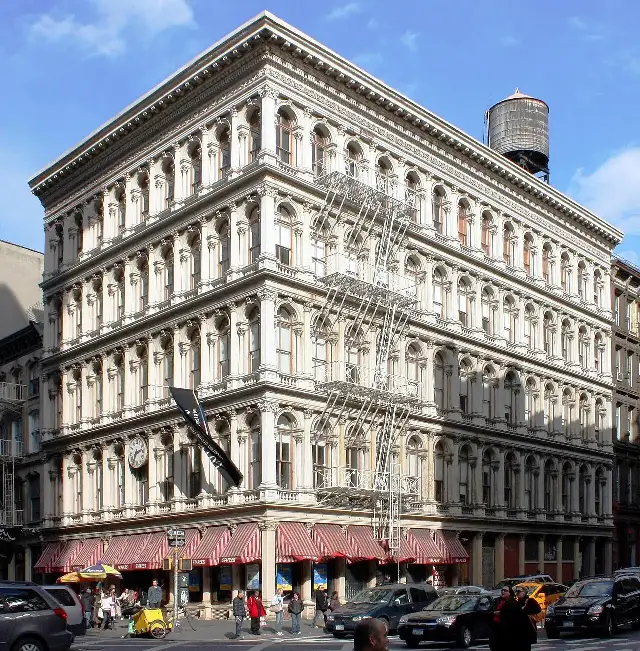
On March 23, 1857, the world's first safe passenger elevator opened in a New York department store — the invention that made skyscrapers possible.
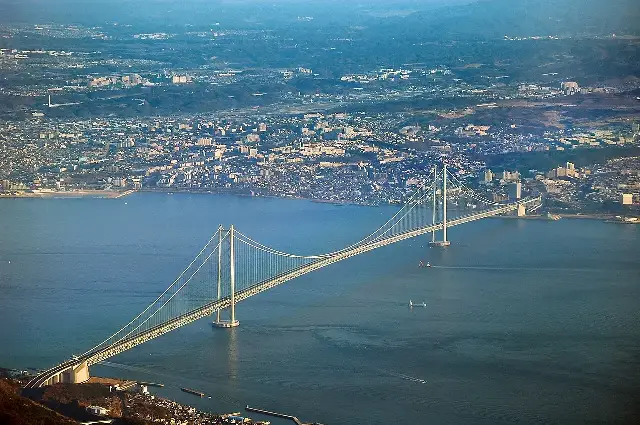
On April 5, 1998, Japan opened the Akashi Kaikyo Bridge, whose 1,991-meter central span made it the longest suspension bridge in the world.
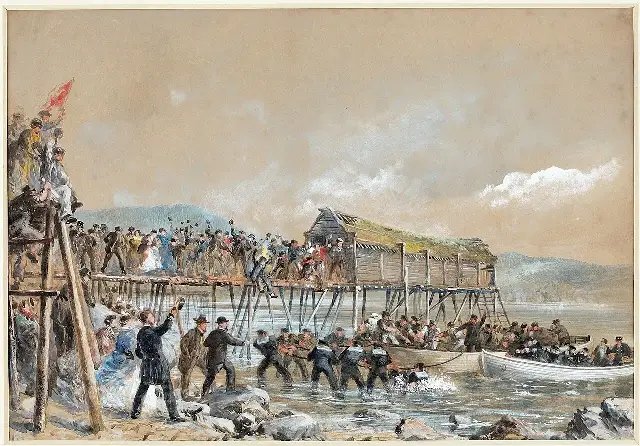
On July 27, 1866, a working telegraph cable finally came ashore in Newfoundland — and the world got its first taste of instant communication.
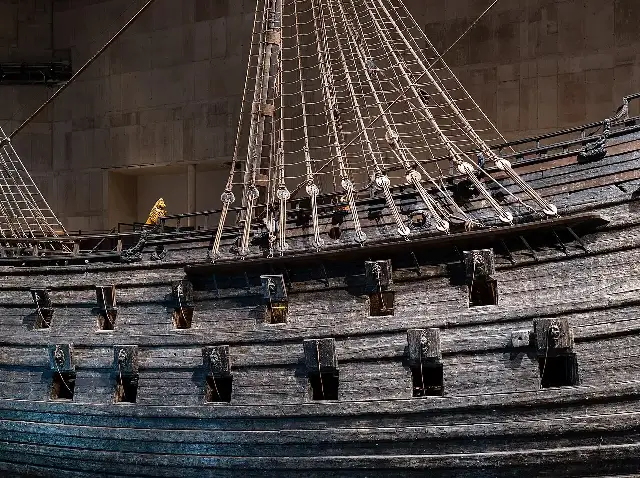
On August 10, 1628, Sweden's proudest warship sailed out of Stockholm before thousands of cheering onlookers — and sank before it cleared the harbor.
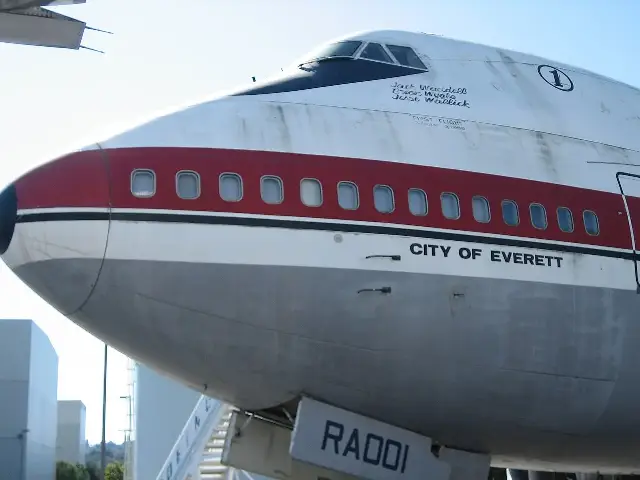
On February 9, 1969, the Boeing 747 took its first flight from Paine Field, launching the jumbo-jet era of air travel.
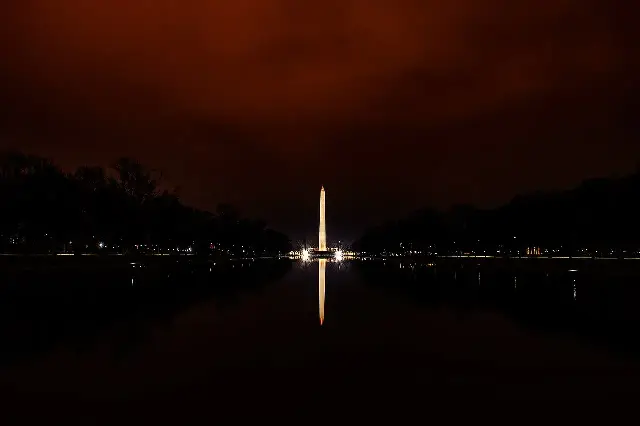
On December 6, 1884, workers set a 100-ounce pyramid of aluminum — then a precious metal — atop the Washington Monument, completing 36 years of work.
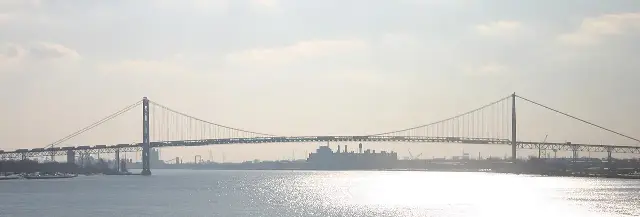
On November 21, 1964, New York opened the Verrazzano-Narrows Bridge, whose 4,260-foot main span made it the longest suspension bridge in the world.
On June 5, 1975 — exactly eight years after it was closed — Egypt's Anwar Sadat reopened the Suez Canal in a ceremony that became a gesture of peace.
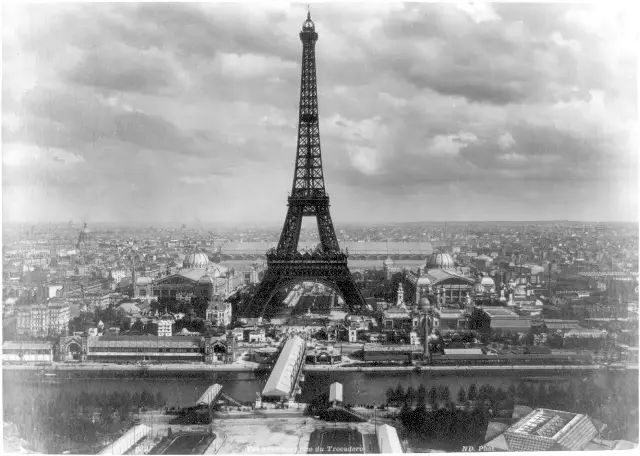
On March 31, 1889, Gustave Eiffel opened his 984-foot tower in Paris — once an eyesore, now the world's most famous landmark.
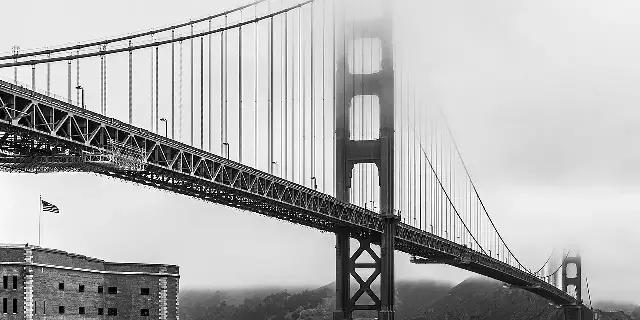
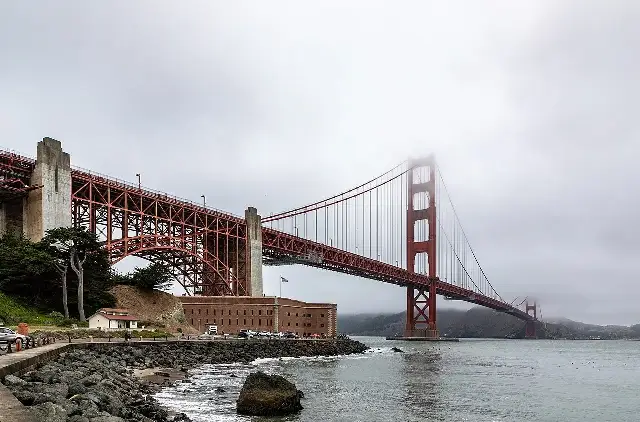
On January 5, 1933, with America deep in the Great Depression, workers broke ground on the Golden Gate Bridge — a single 4,200-foot leap across a strait engineers had called unspannable.
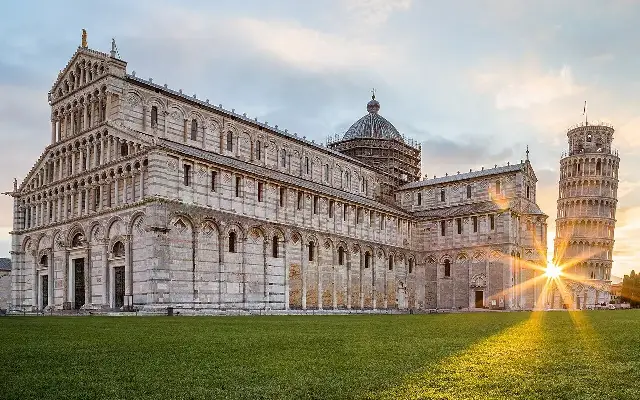
On August 9, 1173, workers laid the foundations of Pisa's cathedral bell tower — a project whose famous lean was almost its undoing, then became its glory.
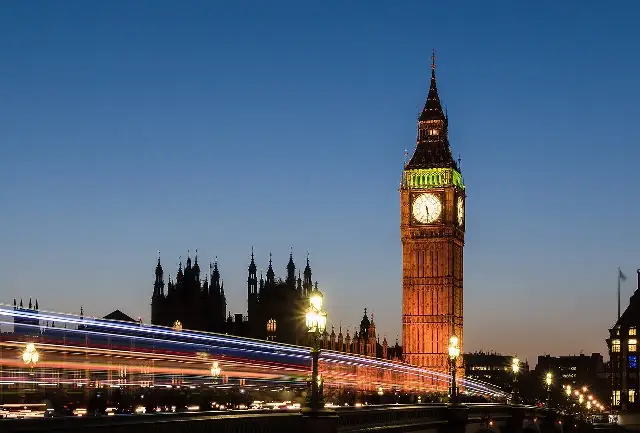
On May 31, 1859, the great tower clock of the Palace of Westminster began ticking for the first time — the voice of Big Ben was born.
On May 27, 1937, some 200,000 people walked, skated, and danced across the Golden Gate Bridge on its first day — before a single car was allowed.
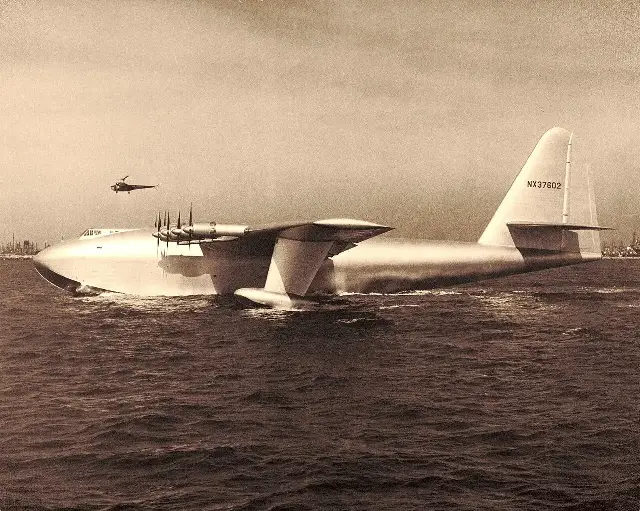
On November 2, 1947, Howard Hughes lifted the largest airplane ever built 70 feet over Long Beach Harbor for 26 seconds — its only flight, ever.
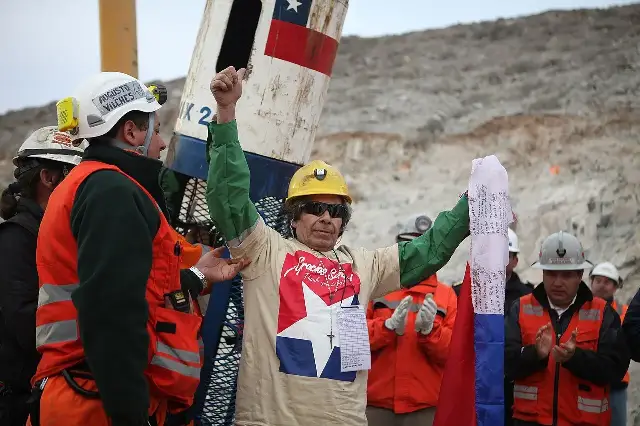
After 69 days trapped 700 meters underground, the first of 33 Chilean miners rode a tiny capsule to daylight on October 13, 2010 — before a worldwide audience.
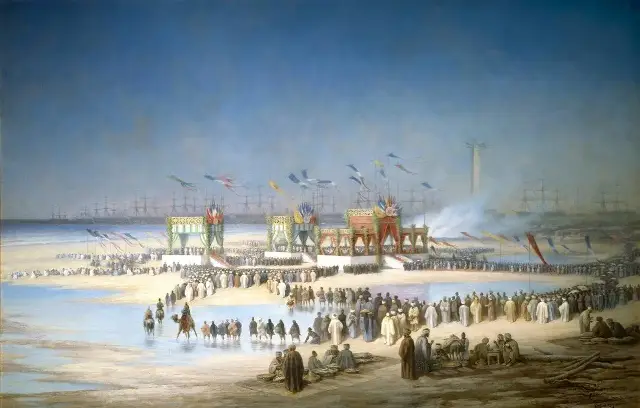
On November 17, 1869, the Suez Canal opened with lavish ceremony at Port Said, joining two seas and cutting weeks off every voyage between Europe and Asia.
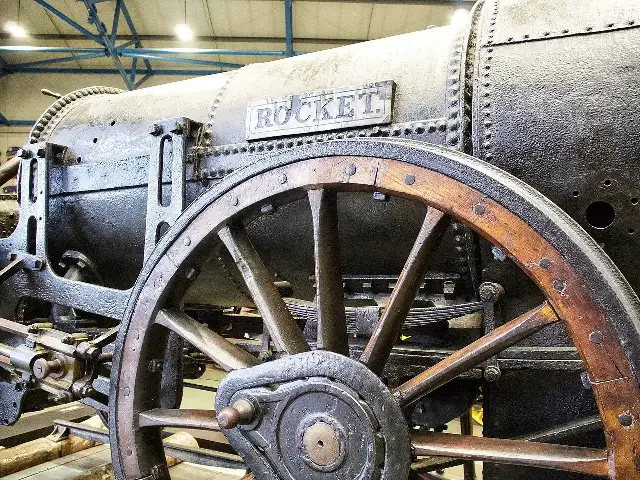
On September 15, 1830, the Liverpool and Manchester Railway opened as the world's first intercity steam railway — and the modern age of fast travel began.