America's Bloodiest Day — Twelve Hours at Antietam
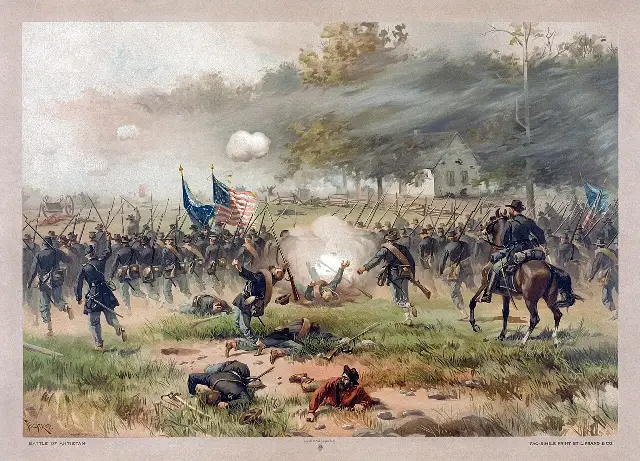
On September 17, 1862, Union and Confederate armies met near Sharpsburg, Maryland, in the bloodiest single day in American military history — giving Lincoln the opening he needed to free the slaves.


On September 17, 1862, Union and Confederate armies met near Sharpsburg, Maryland, in the bloodiest single day in American military history — giving Lincoln the opening he needed to free the slaves.
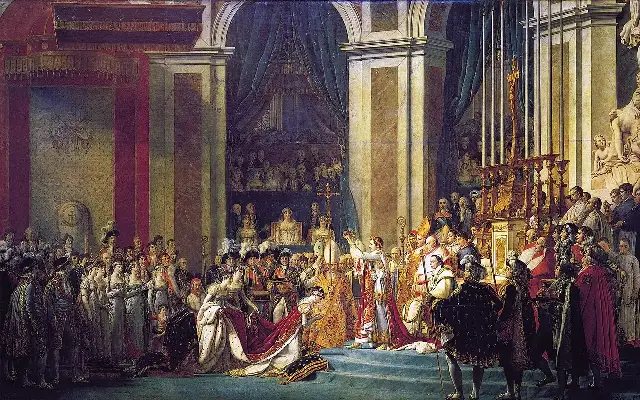
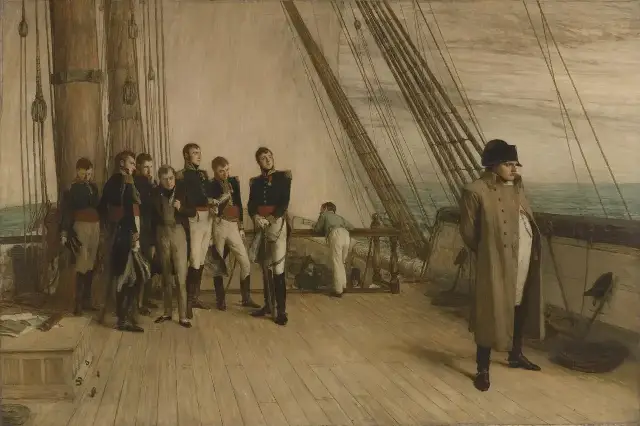
On April 11, 1814, Napoleon's representatives signed the Treaty of Fontainebleau, ending the emperor's reign and exiling him to the island of Elba.
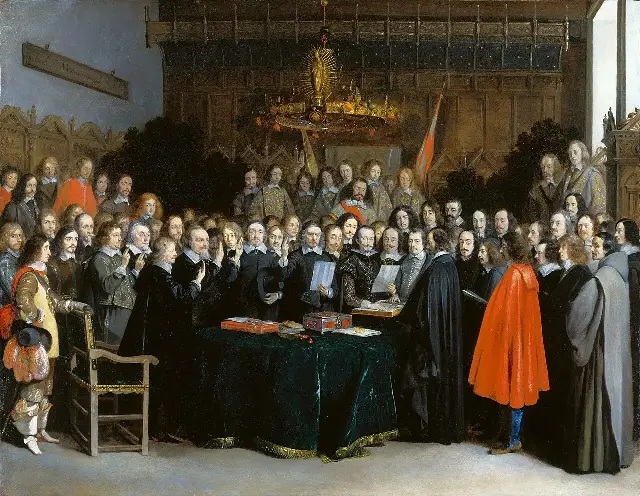
On October 24, 1648, treaties signed at Münster and Osnabrück ended the Thirty Years' War and redrew Europe around the idea of sovereign states.
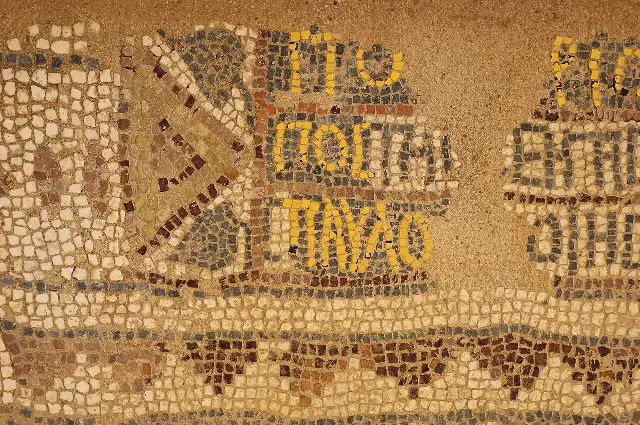
On October 23, 42 BC, the republican army of Brutus was destroyed at Philippi in northern Greece, leaving Mark Antony and Octavian masters of Rome and sealing the Republic's fate.
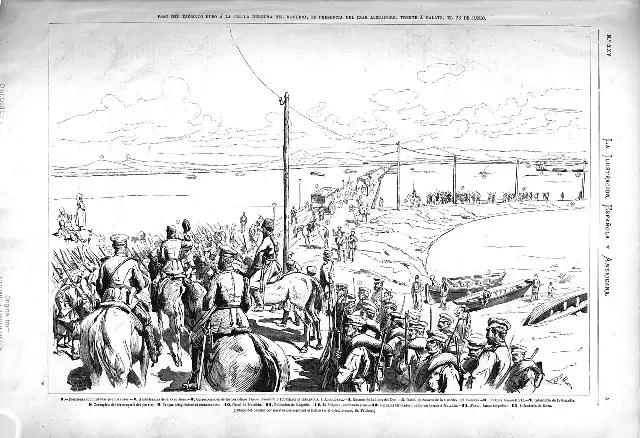
On April 24, 1877, Tsar Alexander II declared war on the Ottoman Empire, launching a ten-month conflict that restored Bulgaria and won independence for Romania, Serbia, and Montenegro.
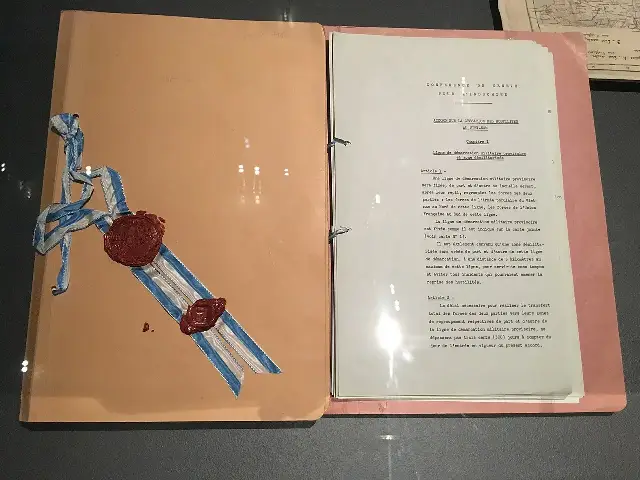
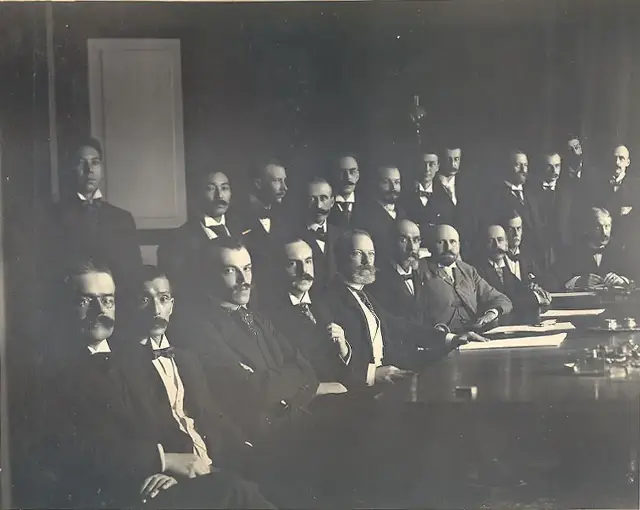
On July 21, 1954, the Geneva Conference closed with accords ending France's war in Indochina — and split Vietnam at the 17th parallel, a 'temporary' line that became two countries.
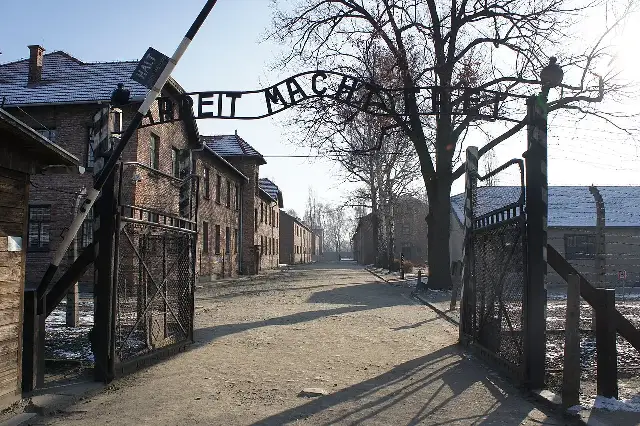
On January 27, 1945, Soviet soldiers entered the Auschwitz camp complex in Poland and freed about 7,000 prisoners — as the world began to learn the full horror of the Holocaust.
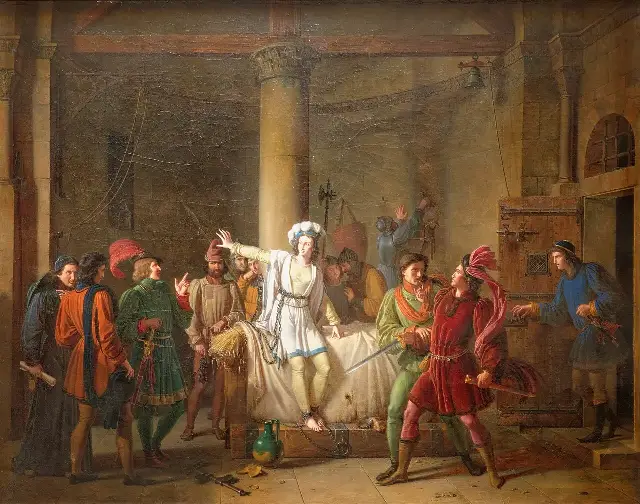
On May 30, 1431, nineteen-year-old Joan of Arc was burned at the stake in Rouen — and within 25 years the Church itself declared her trial corrupt.
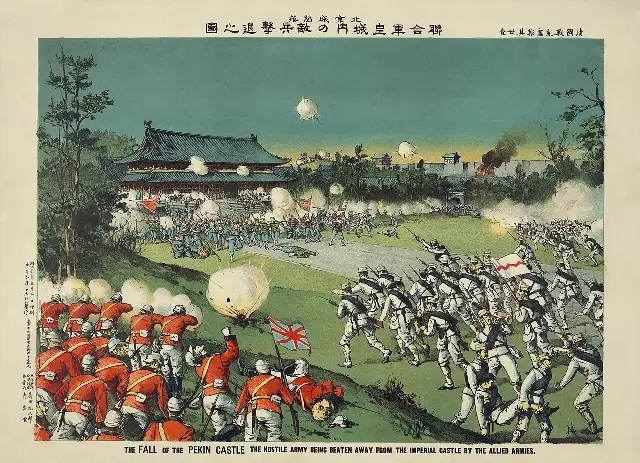
On August 14, 1900, an eight-nation army fought its way into Beijing, ending the 55-day siege of foreign legations during China's Boxer Rebellion.
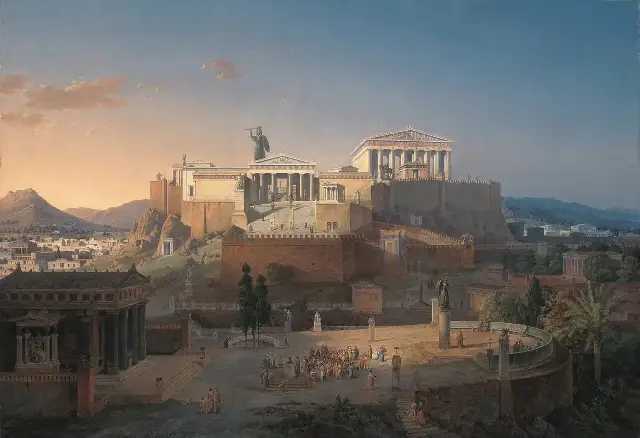
On the evening of September 26, 1687, a Venetian mortar shell struck an Ottoman gunpowder store inside the Parthenon, shattering the 2,000-year-old temple.
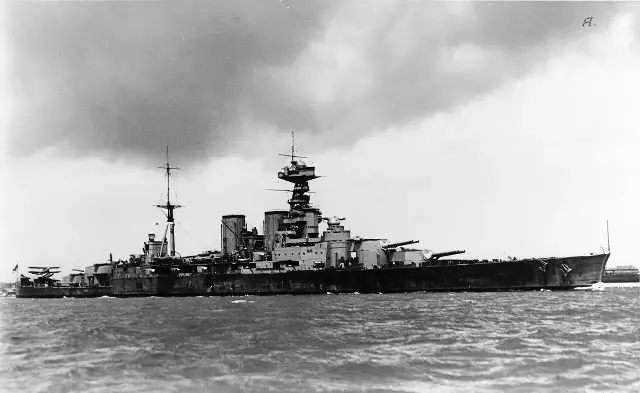
On May 24, 1941, a shell from the German battleship Bismarck struck HMS Hood's ammunition magazine in the Denmark Strait, and the pride of the Royal Navy sank in three minutes with 1,415 men.
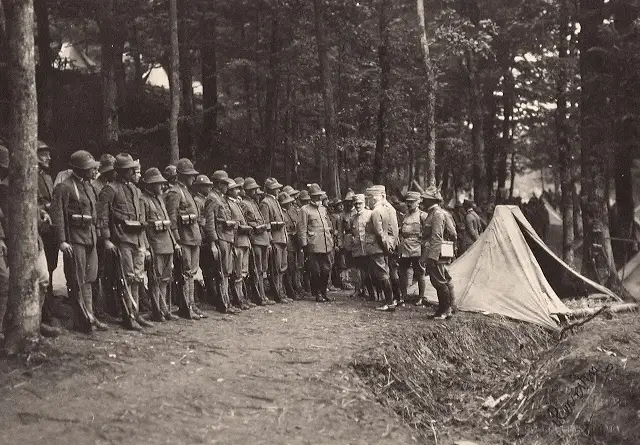
On May 23, 1915, Italy declared war on Austria-Hungary, abandoning its old allies and opening a brutal 600-kilometer mountain front that would bleed both armies for three and a half years.
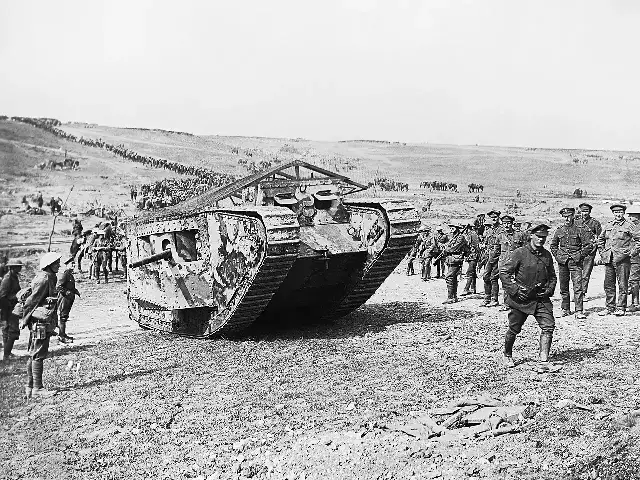
On September 15, 1916, British tanks rolled into battle for the first time at Flers-Courcelette, stunning German troops and changing warfare forever.
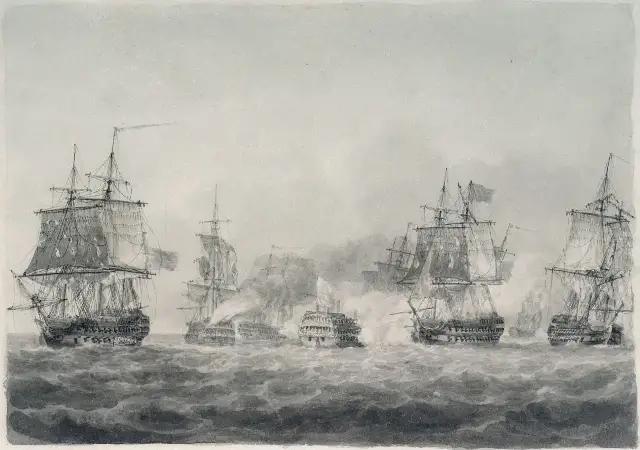
On October 11, 1797, Admiral Adam Duncan smashed a Dutch fleet off Camperduin, capturing eleven ships and killing France's planned invasion of the British Isles.
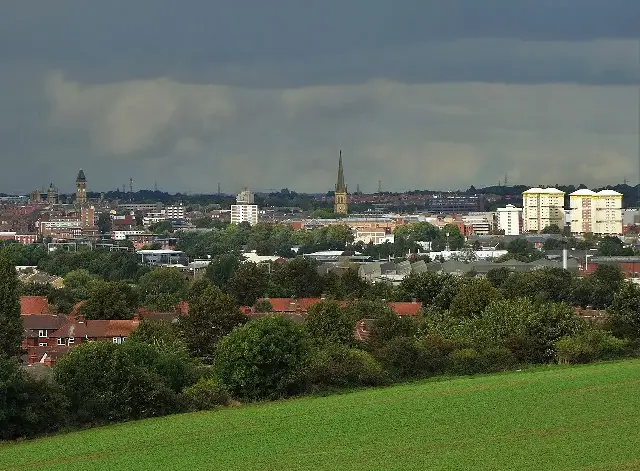
On December 30, 1460, Richard, Duke of York, died at the Battle of Wakefield — a Lancastrian triumph that pushed England's Wars of the Roses toward their bloodiest chapter.
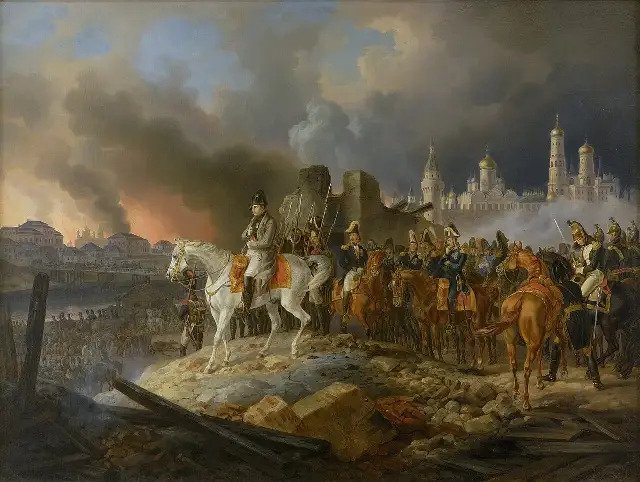
On September 14, 1812, Napoleon entered Moscow expecting triumph — and found a deserted city already going up in flames.
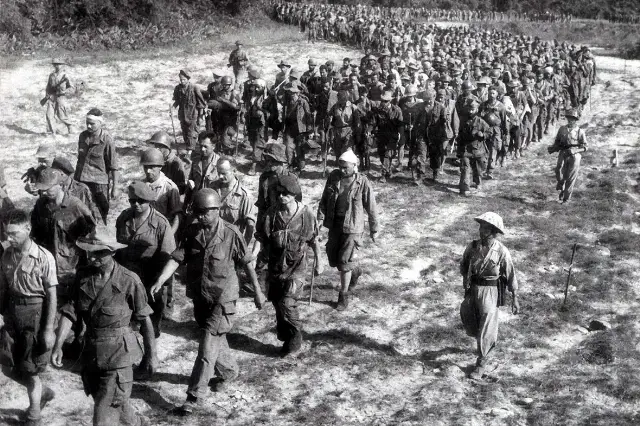
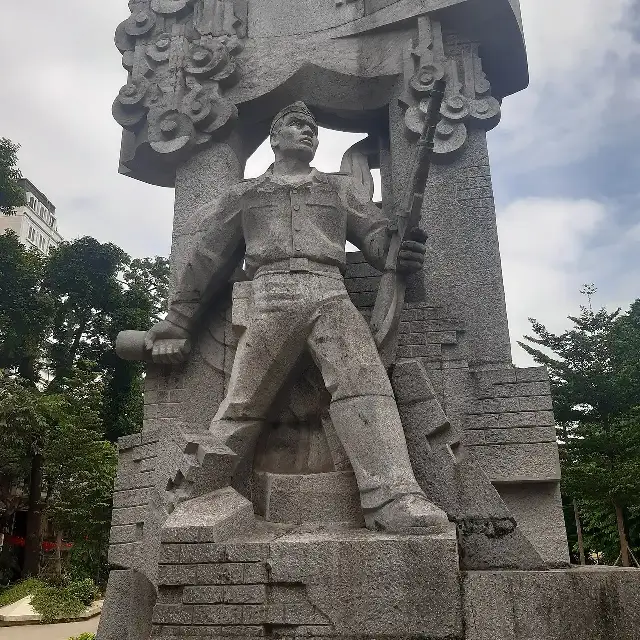
On March 13, 1954, Viet Minh artillery shattered the quiet of a remote valley in Vietnam, beginning the 55-day siege that would end French colonial rule in Indochina.
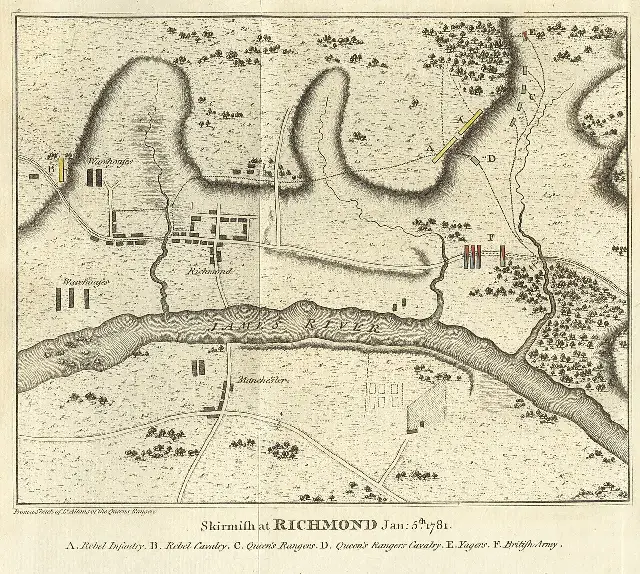
On January 5, 1781, turncoat general Benedict Arnold marched into Virginia's capital at the head of a British army and put Richmond to the torch.
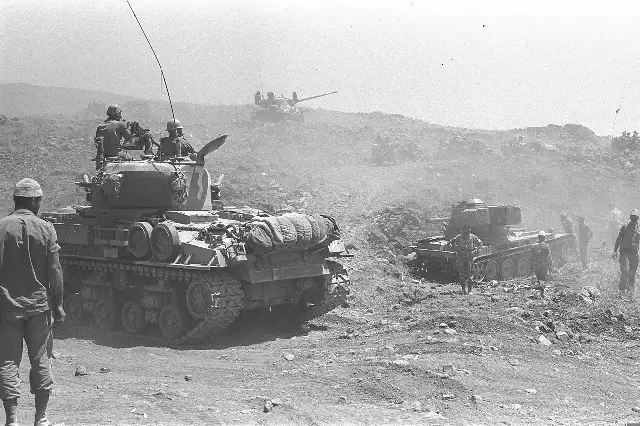
On June 10, 1967, a UN-brokered ceasefire ended the Six-Day War, leaving Israel holding lands more than double its size and redrawing the Middle East map for decades to come.
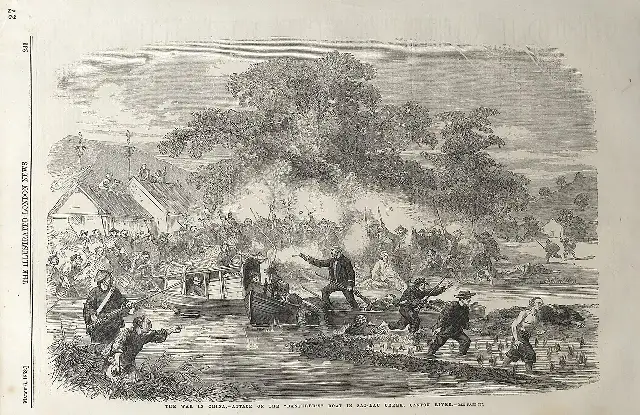
On October 8, 1856, Chinese officials boarded a British-registered ship in Canton — the spark that ignited the Second Opium War.
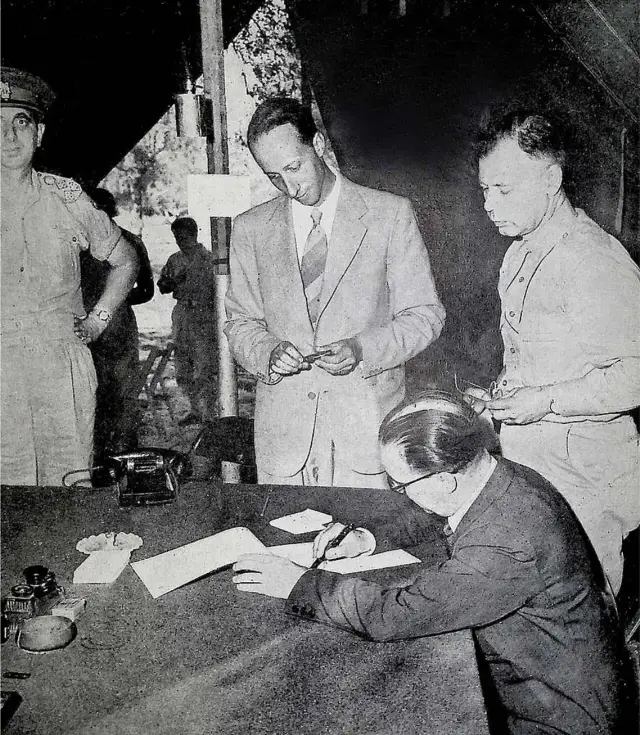
On September 8, 1943, Italy's surrender was announced on the radio, splitting the country between the Allies and Nazi Germany.
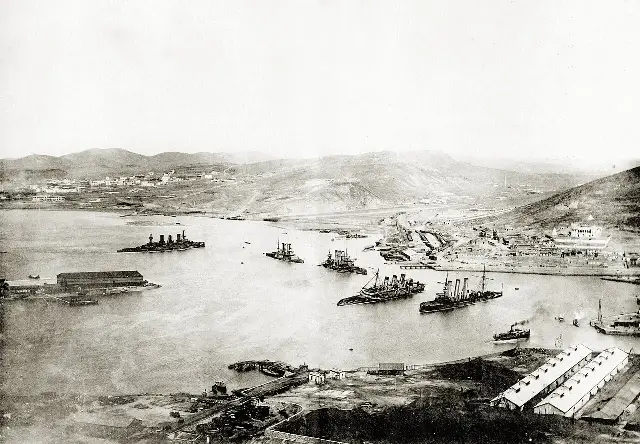
On January 2, 1905, after a brutal five-month siege, Russia's mighty fortress of Port Arthur gave up to Japan — a defeat that stunned the world and announced Japan as a great power.
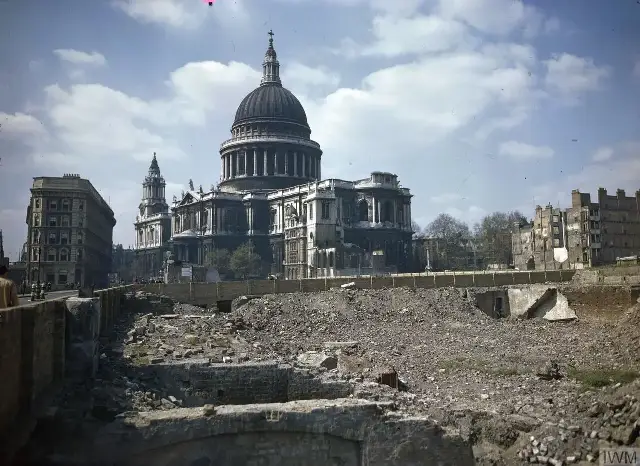
On September 7, 1940 — "Black Saturday" — German bombers struck London's docks, opening the Blitz and 57 nights of bombing.
On September 7, 1901, China signed the Boxer Protocol, accepting a crushing indemnity and foreign troops on its soil after the Boxer Rebellion.
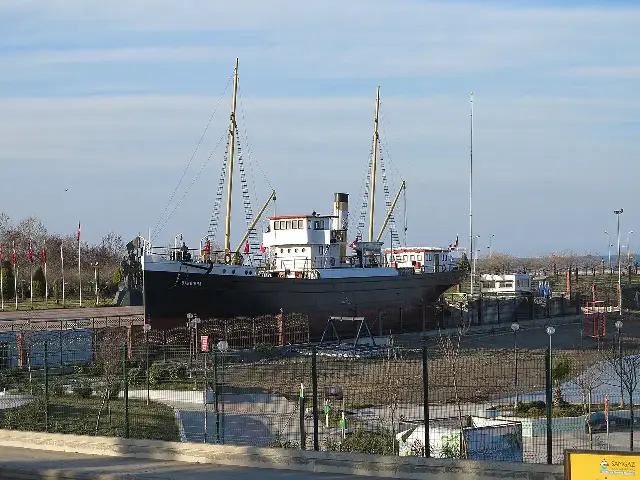
On May 19, 1919, Mustafa Kemal landed at the Black Sea port of Samsun on a secret mission that ignited Turkey's War of Independence and led to the modern Turkish Republic.
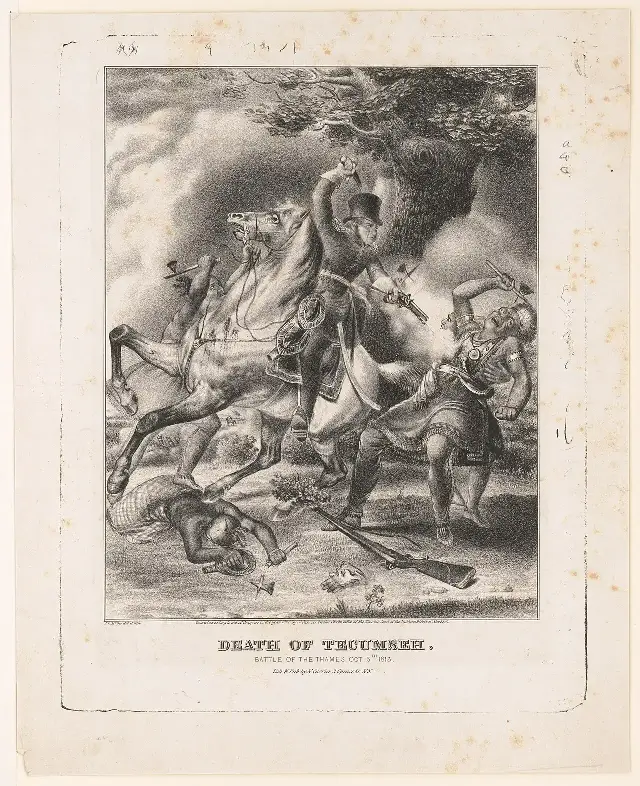
On October 5, 1813, Shawnee leader Tecumseh was killed at the Battle of the Thames in Ontario, and with him died the dream of a united Native confederacy resisting American expansion.
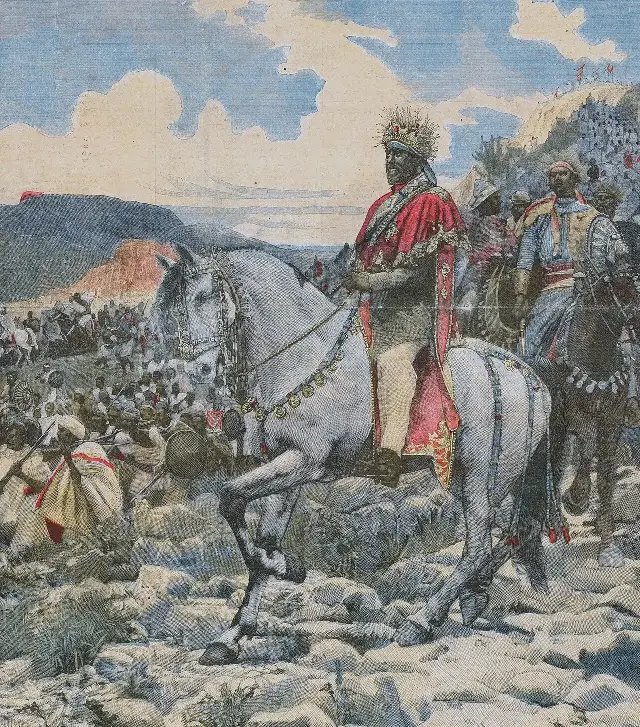
On March 1, 1896, an African army crushed a European colonial power at Adwa — the battle that kept Ethiopia free and shattered the myth of European invincibility.
On December 19, 1946, Viet Minh fighters attacked French forces in Hanoi, opening the First Indochina War.
Four days after Waterloo, Napoleon Bonaparte abdicated the French throne for the second time, ending his return to power and his reign forever.
On August 23, 1939, Nazi Germany and the Soviet Union signed a pact pledging peace — with a secret protocol dividing Eastern Europe between them.
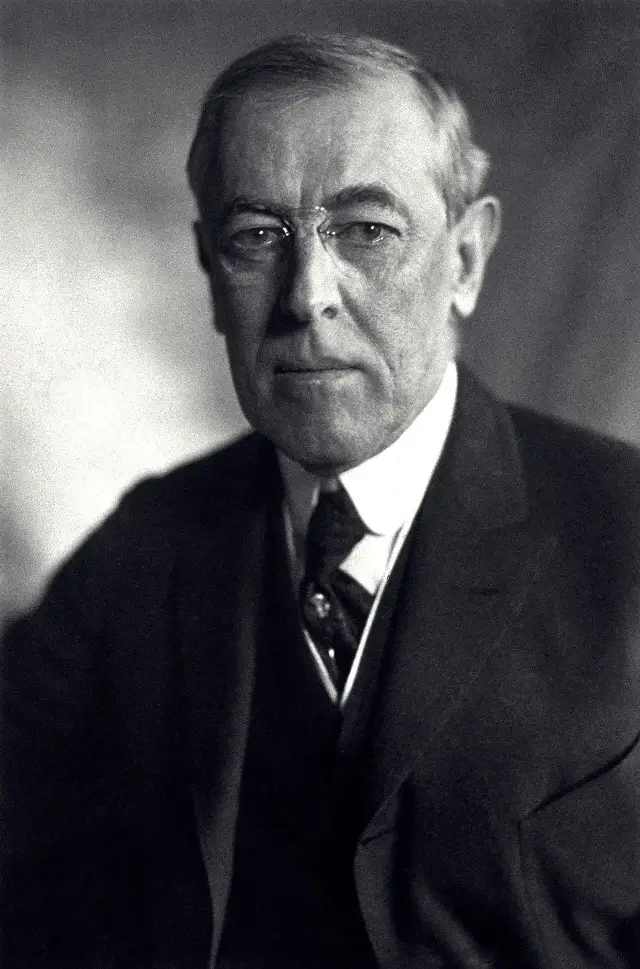
On January 8, 1918, Woodrow Wilson laid his Fourteen Points before Congress — a bold blueprint for peace promising open diplomacy, self-determination, and a league of nations.
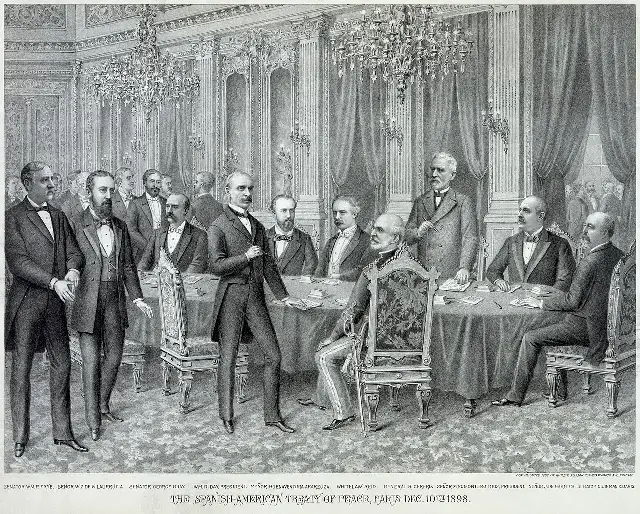
On December 10, 1898, the United States and Spain signed the Treaty of Paris, ending the Spanish-American War and turning America into an overseas empire.
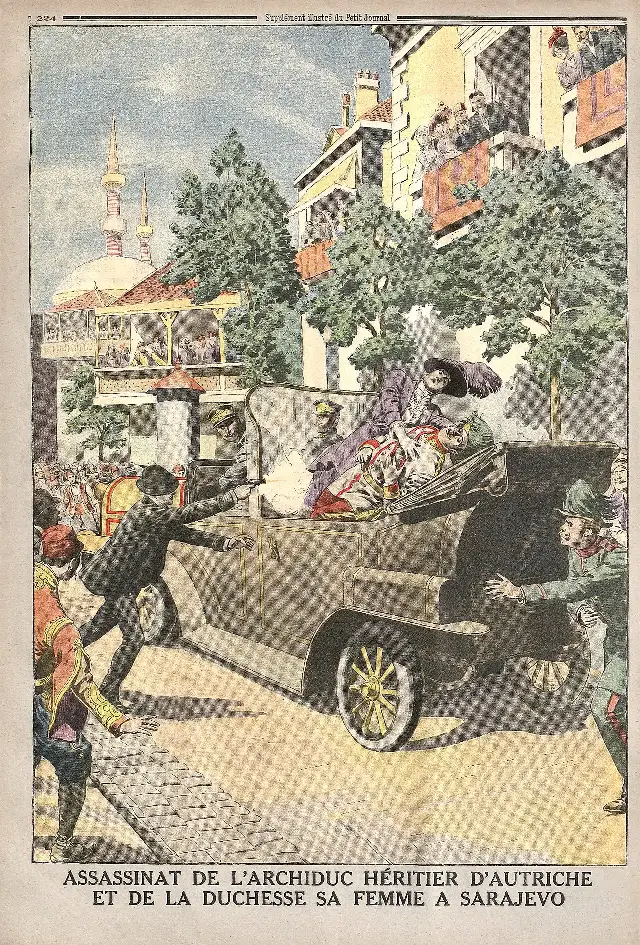
On July 28, 1914, Austria-Hungary declared war on Serbia — and a "small, local" war exploded into a global catastrophe.
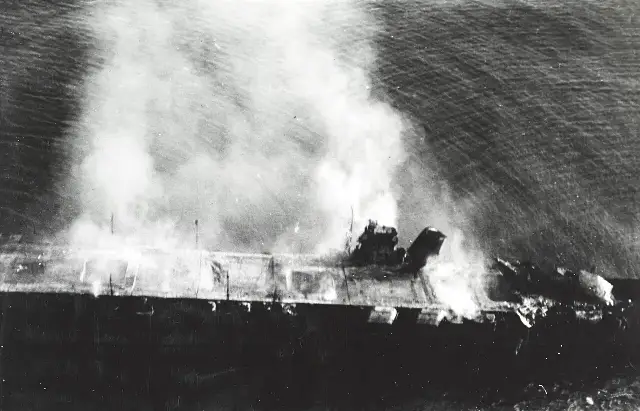
On the morning of June 4, 1942, American dive bombers destroyed three Japanese aircraft carriers in minutes at Midway, turning the tide of the Pacific War.
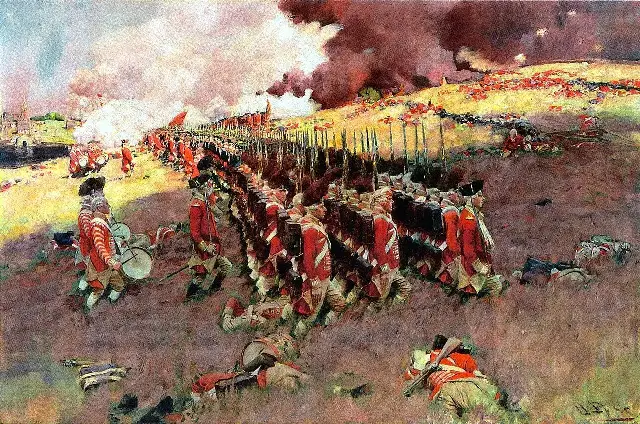
On June 17, 1775, untrained American farmers stood their ground against the mighty British Army — and proved a revolution could fight.
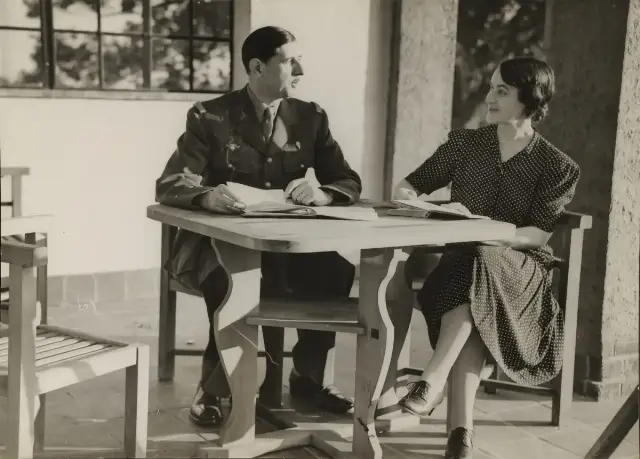
On June 18, 1940, an unknown French general spoke into a BBC microphone — and lit the flame of the French Resistance.
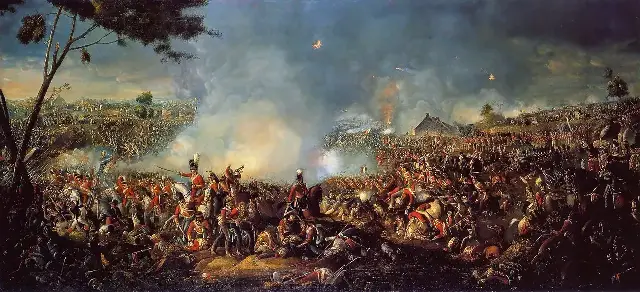
On June 18, 1815, Napoleon Bonaparte's empire ended in a muddy Belgian field — and Europe's map was redrawn for a century.
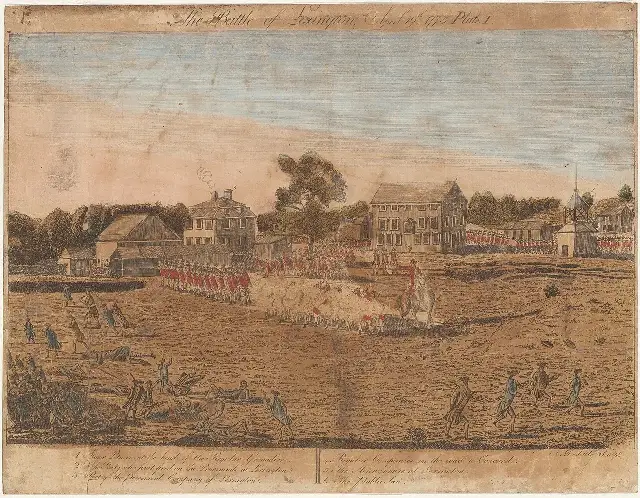
On April 19, 1775, the battles of Lexington and Concord turned a colonial protest into the American Revolutionary War.
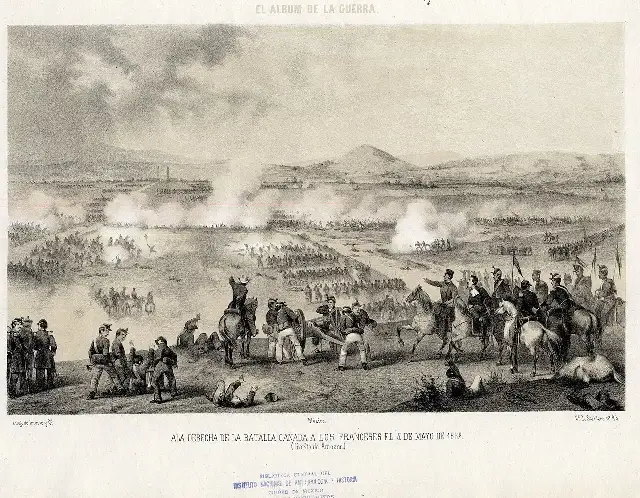
On May 5, 1862, a poorly equipped Mexican army defeated elite French forces at the Battle of Puebla — the origin of Cinco de Mayo.
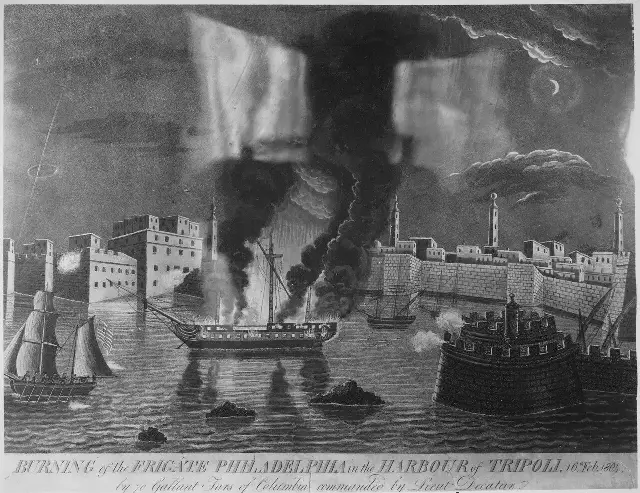
On February 16, 1804, a 25-year-old American lieutenant sailed into Tripoli harbor in disguise and burned the captured frigate USS Philadelphia so the enemy could never sail her.
A missing soldier, a midnight standoff, and gunfire on an ancient stone bridge pulled China and Japan into eight years of devastating war.