Black Tuesday: The Day the Roaring Twenties Ended
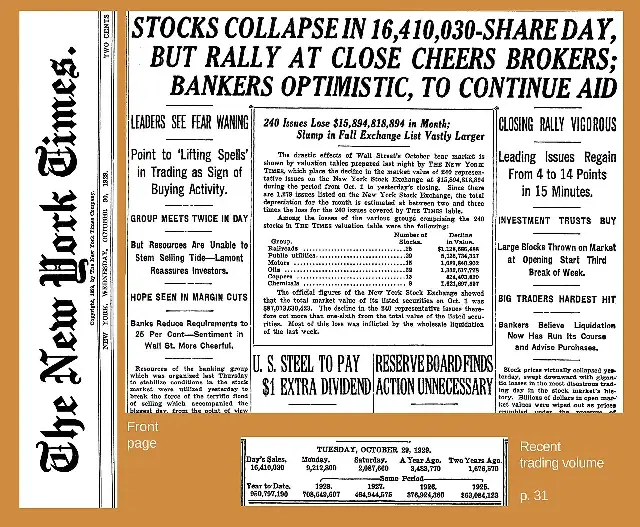
On October 29, 1929, more than 16.4 million shares changed hands in a single panicked day, and the stock market collapse known as Black Tuesday lit the fuse of the Great Depression.

On October 29, 1929, more than 16.4 million shares changed hands in a single panicked day, and the stock market collapse known as Black Tuesday lit the fuse of the Great Depression.
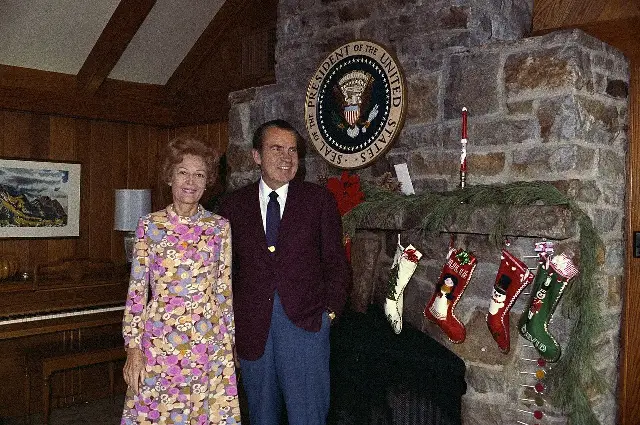
On August 15, 1971, Richard Nixon announced the U.S. would stop exchanging dollars for gold, ending the Bretton Woods era and unchaining modern currencies.
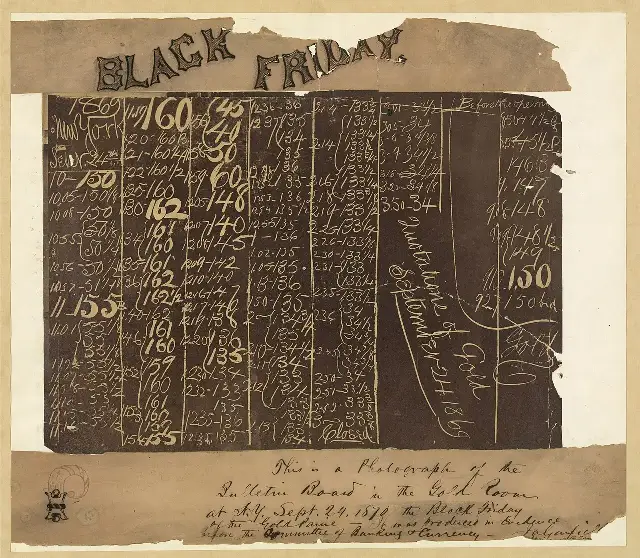
On September 24, 1869, a scheme by Jay Gould and Jim Fisk to corner the gold market collapsed, crashing Wall Street — and giving history the term 'Black Friday.'
On September 22, 1985, five nations signed the Plaza Accord at New York's Plaza Hotel, agreeing to drive down the soaring U.S. dollar — and reshaped the global economy.
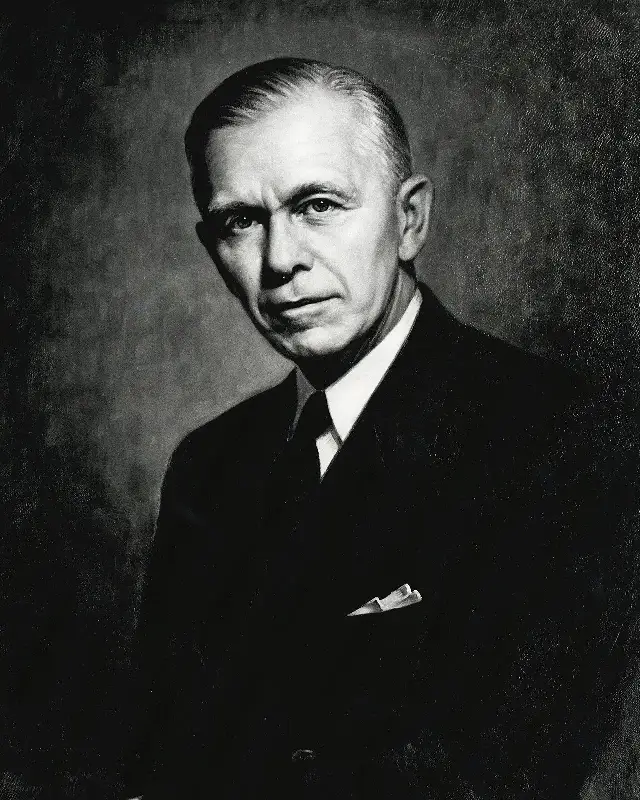
On June 5, 1947, George C. Marshall used a Harvard commencement speech to propose the largest economic aid program in history — the Marshall Plan.