France's First Atomic Bomb Lit Up the Sahara
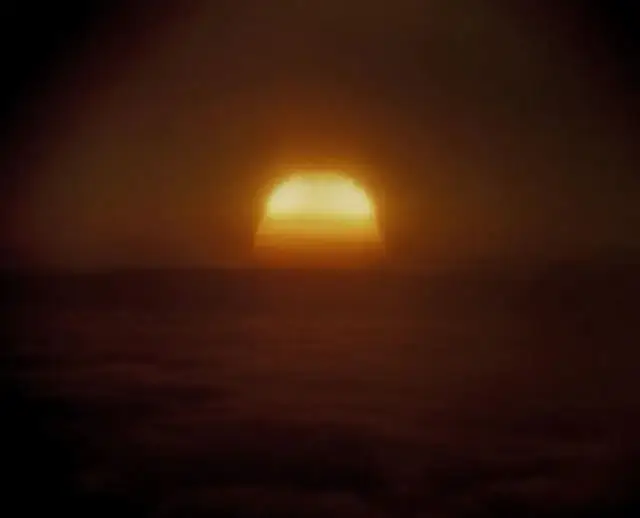
On February 13, 1960, France detonated its first atomic bomb over the Algerian Sahara, becoming the world's fourth nuclear power and leaving a radioactive legacy still being reckoned with.


On February 13, 1960, France detonated its first atomic bomb over the Algerian Sahara, becoming the world's fourth nuclear power and leaving a radioactive legacy still being reckoned with.
On October 30, 1961, the Soviet Union detonated the most powerful nuclear weapon ever built over Novaya Zemlya, a blast thousands of times stronger than Hiroshima.
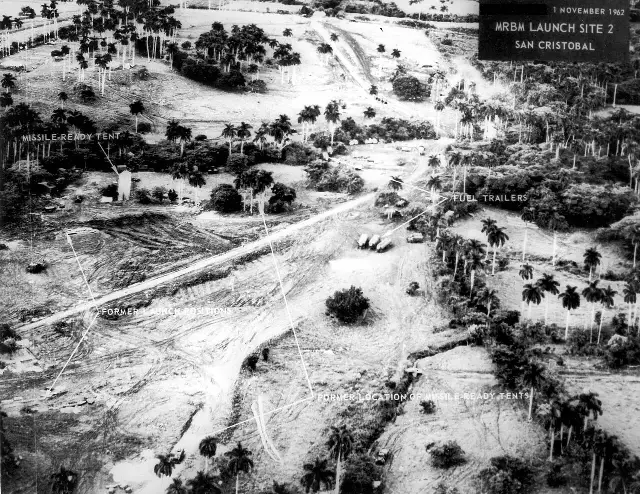
On October 28, 1962, Nikita Khrushchev announced the Soviet missiles would leave Cuba, ending thirteen days in which the world stood closer to nuclear war than ever before.
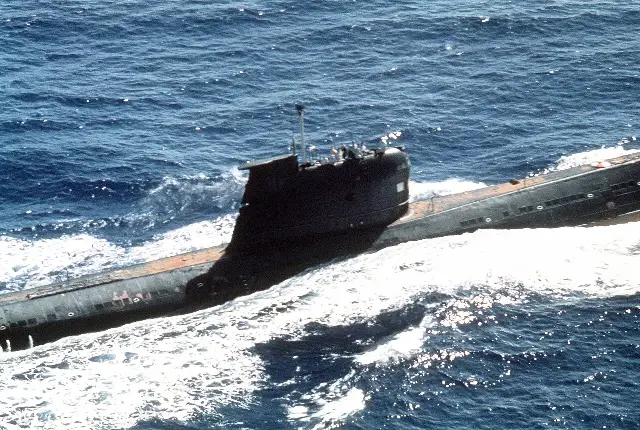
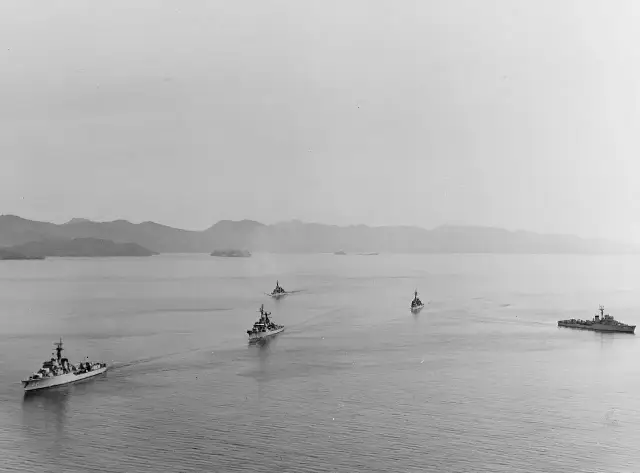
On October 27, 1962, Soviet officer Vasily Arkhipov refused to authorize a nuclear torpedo — on the most dangerous day of the Cold War.
On October 25, 1971, the UN General Assembly voted 76-35 to give China's seat — and its Security Council veto — to Beijing.
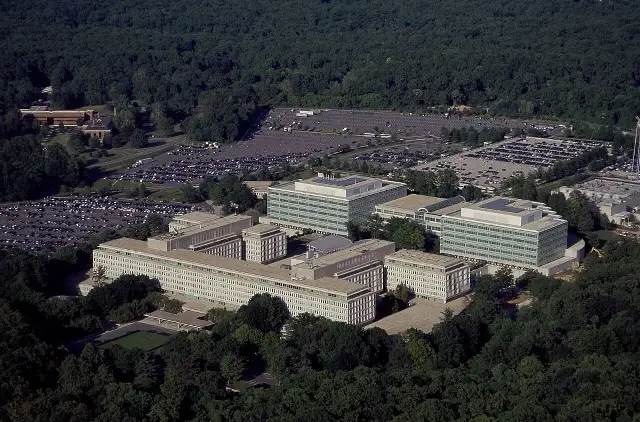
On September 18, 1947, the National Security Act took effect and the Central Intelligence Agency came into existence — born from the shock of Pearl Harbor and the chill of the Cold War.
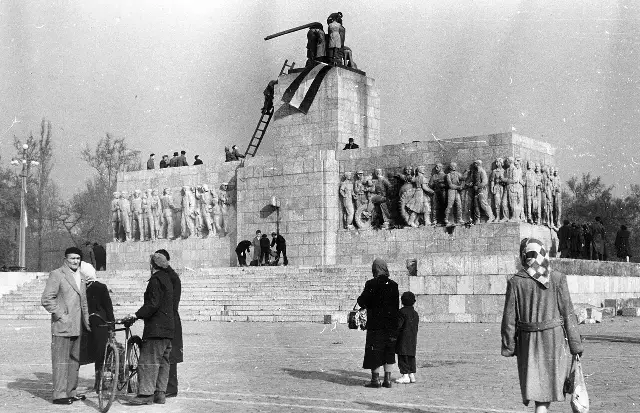
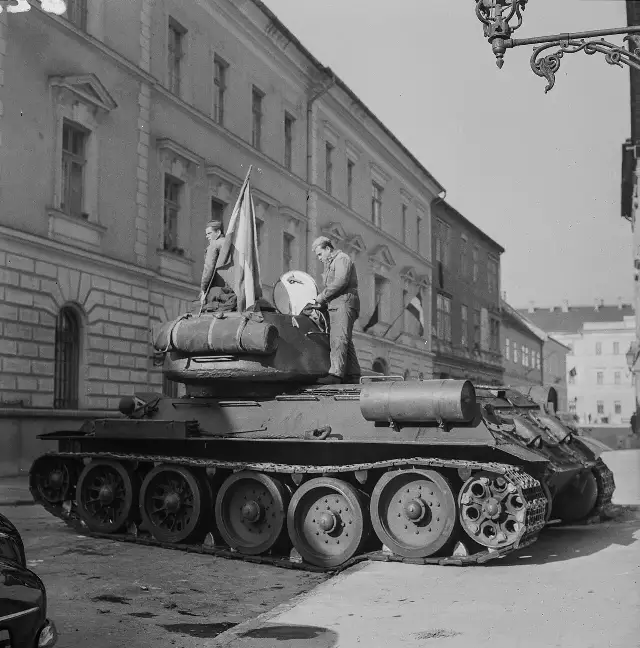
On October 23, 1956, Hungarian students and workers rose against Soviet domination, toppling Stalin's giant bronze statue in Budapest on the revolution's first night.
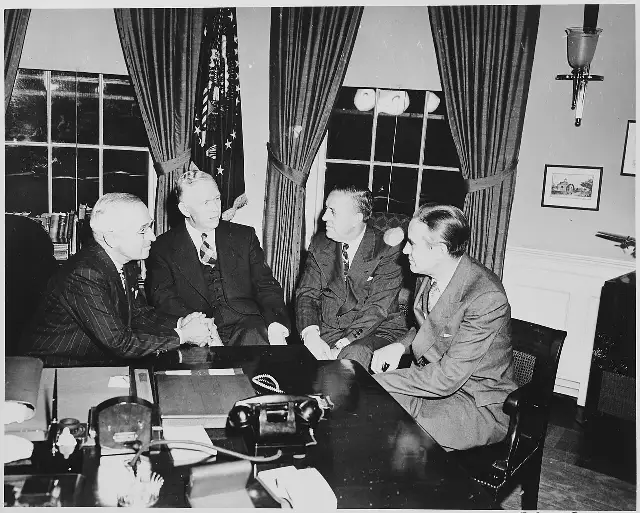
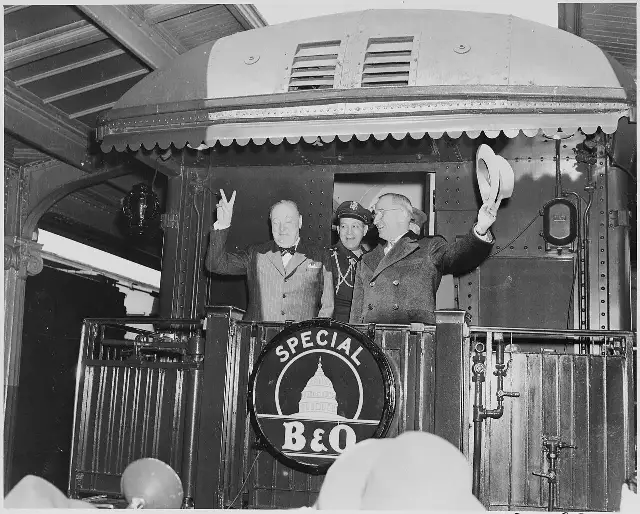
On April 3, 1948, President Truman signed the Marshall Plan, committing about $13 billion to rebuild war-torn Western Europe.
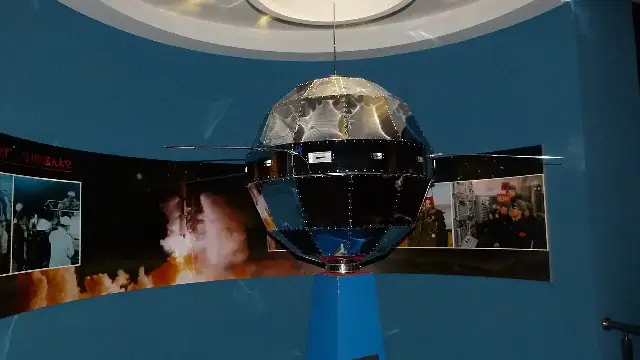
On April 24, 1970, China launched Dong Fang Hong 1, a 173-kilogram satellite that broadcast 'The East Is Red' from orbit, making China the fifth nation to reach space on its own rocket.
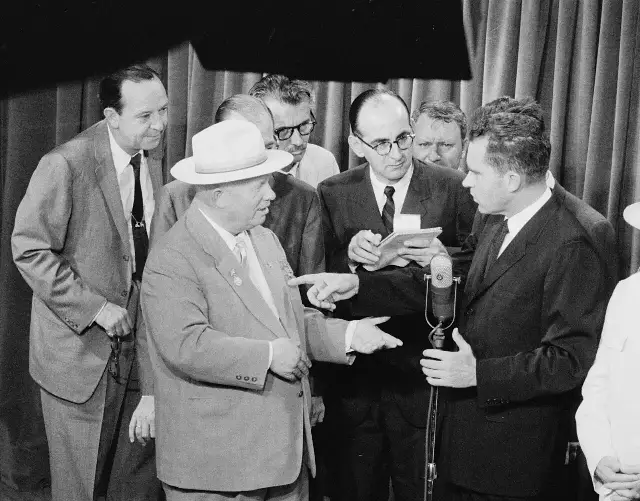
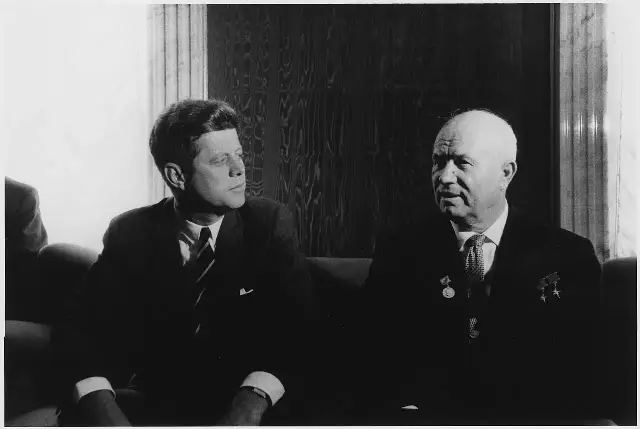
On July 24, 1959, Vice President Richard Nixon and Soviet leader Nikita Khrushchev squared off in a model kitchen in Moscow — and their impromptu 'Kitchen Debate' aired in both nations.
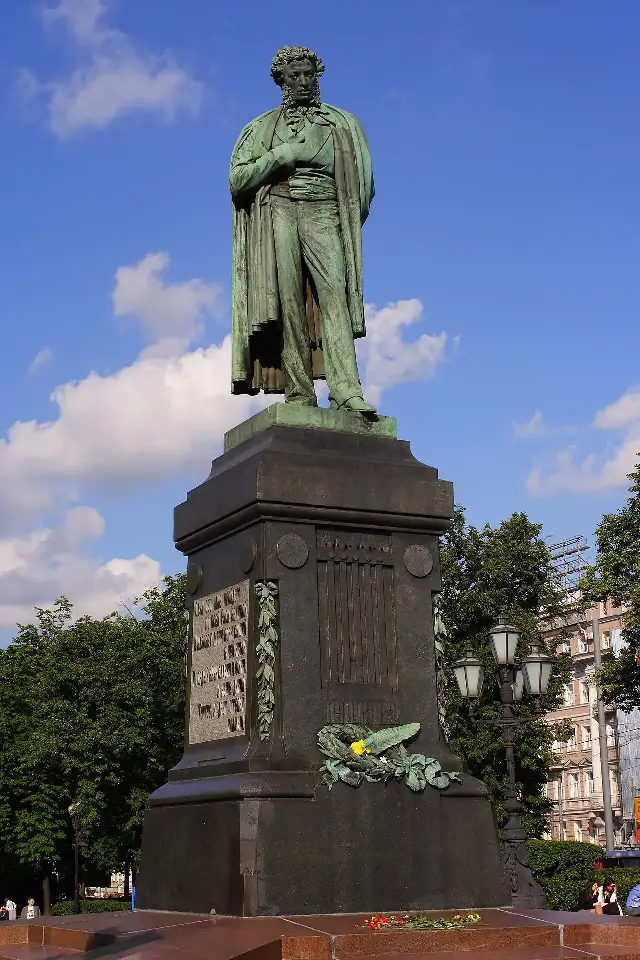
On January 31, 1990, the first McDonald's in the Soviet Union opened on Moscow's Pushkin Square — and some 30,000 Muscovites lined up for a taste of the West.
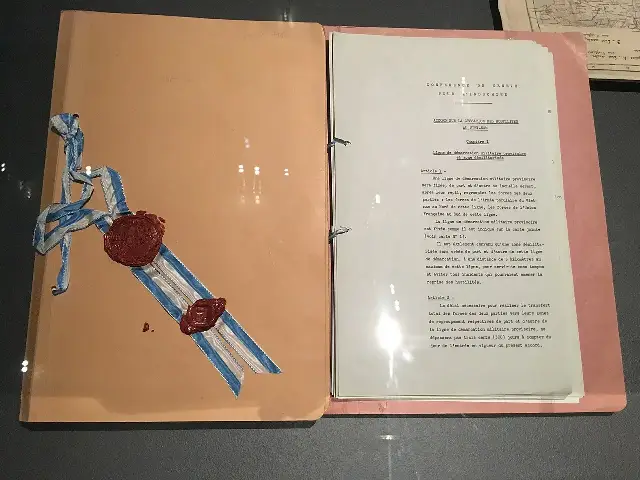
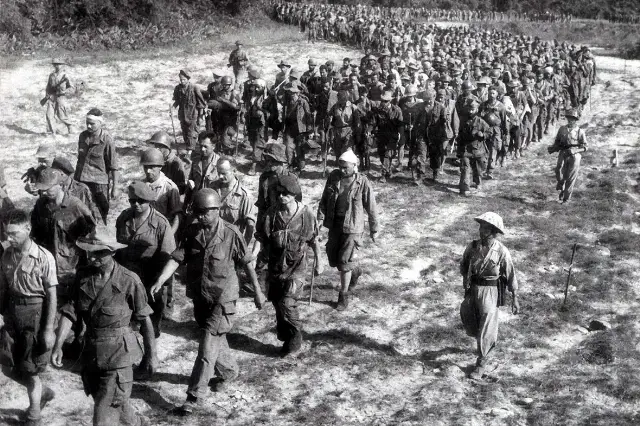
On July 21, 1954, the Geneva Conference closed with accords ending France's war in Indochina — and split Vietnam at the 17th parallel, a 'temporary' line that became two countries.
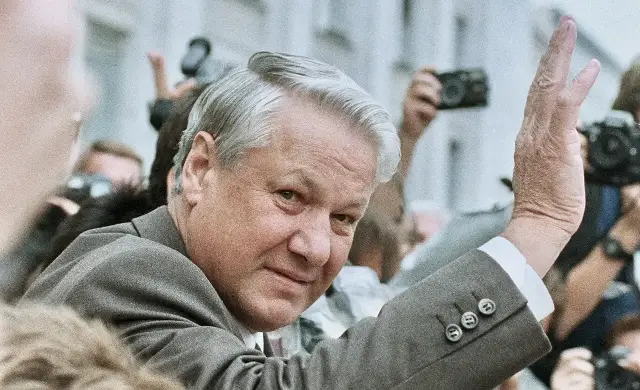
On July 10, 1991, Boris Yeltsin took the oath in the Kremlin Palace — the first presidential inauguration in Russia's history.
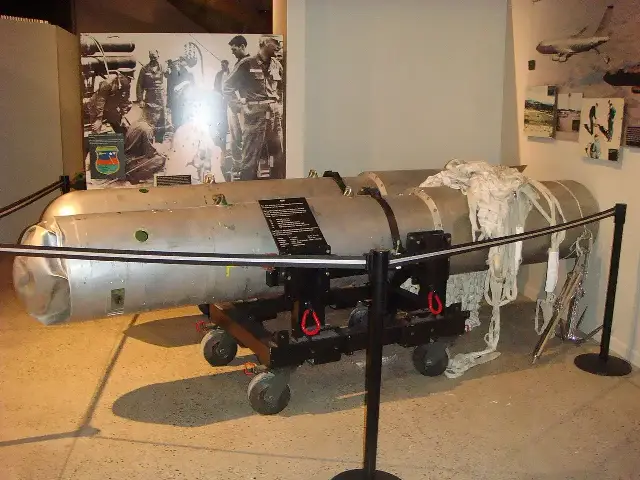
On January 17, 1966, a mid-air collision over Palomares, Spain, scattered four American hydrogen bombs across a farming village and the sea — and started an 80-day hunt.
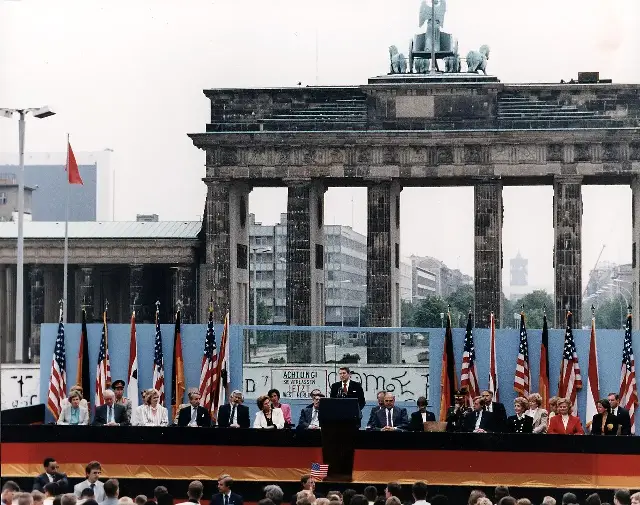
On June 12, 1987, Ronald Reagan stood before the Berlin Wall and delivered the Cold War's most famous dare: "Mr. Gorbachev, tear down this wall!"
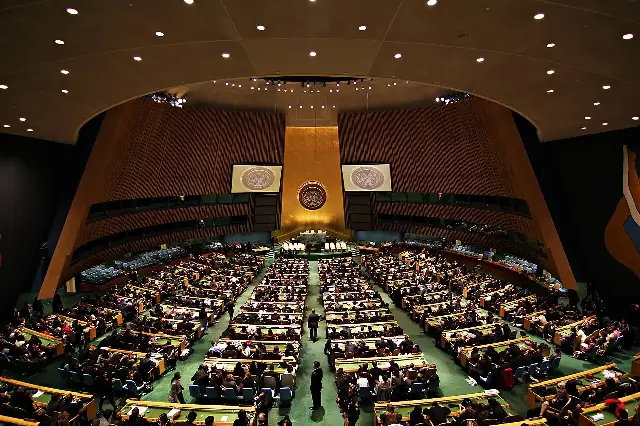
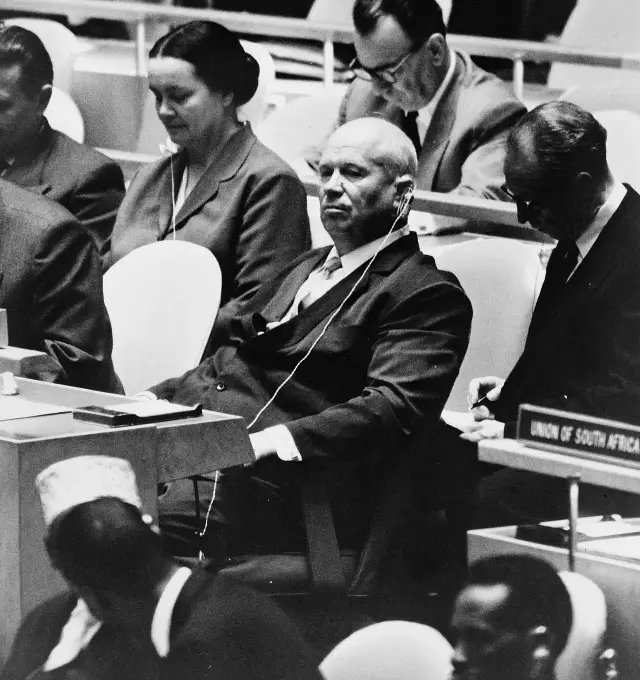
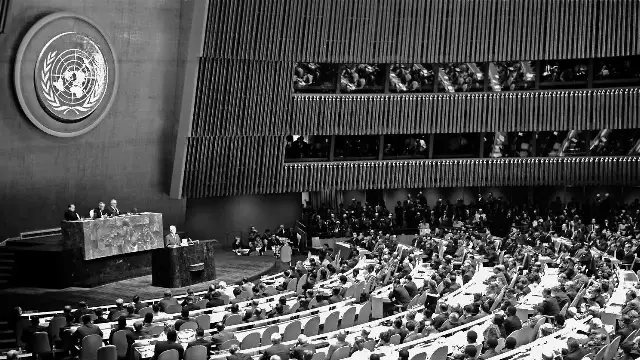
On October 12, 1960, Nikita Khrushchev reportedly pounded his shoe on his desk at the UN General Assembly — the Cold War's most famous, and most disputed, diplomatic outburst.
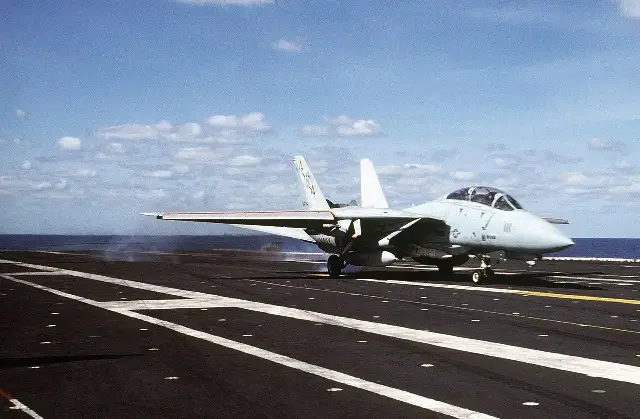
On October 10, 1985, U.S. Navy F-14s intercepted an EgyptAir jet over the Mediterranean and forced it to land in Sicily, capturing the hijackers of the cruise ship Achille Lauro.
On March 13, 1954, Viet Minh artillery shattered the quiet of a remote valley in Vietnam, beginning the 55-day siege that would end French colonial rule in Indochina.
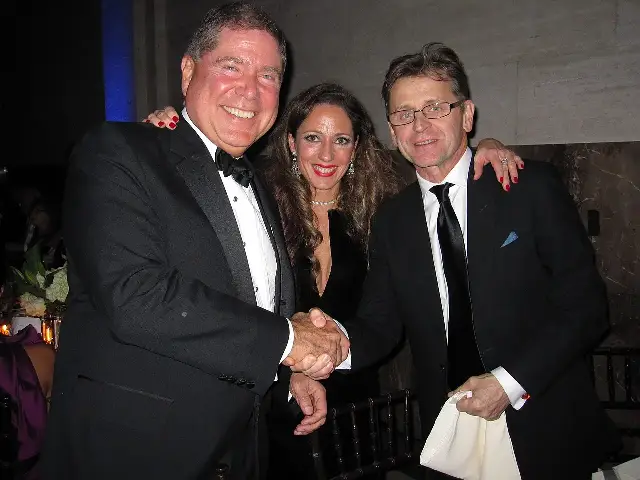
On June 29, 1974, ballet star Mikhail Baryshnikov slipped past his KGB minders in Toronto and defected to the West in a daring stage-door escape.
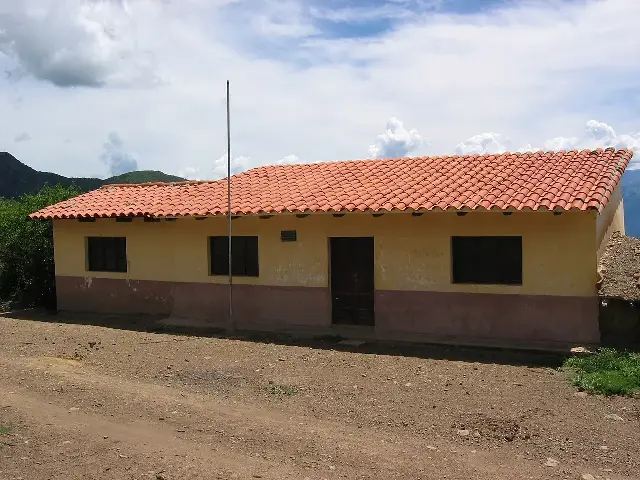
On October 8, 1967, Bolivian soldiers surrounded Che Guevara in a remote ravine and took him prisoner — ending the revolutionary's last campaign.
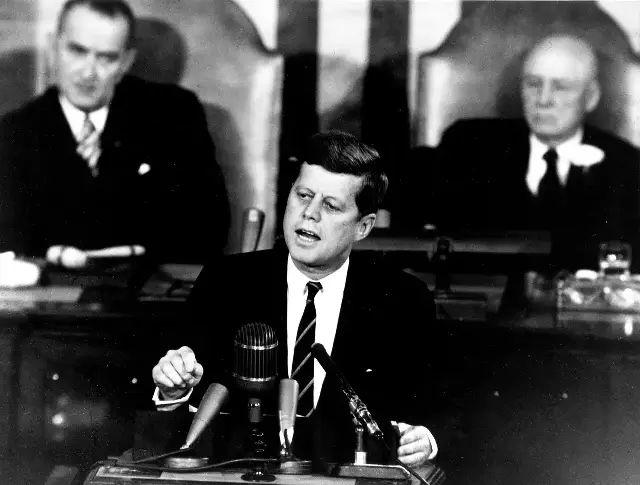
On May 25, 1961, President Kennedy told Congress America would land a man on the Moon before the decade was out — before NASA had even orbited an astronaut.
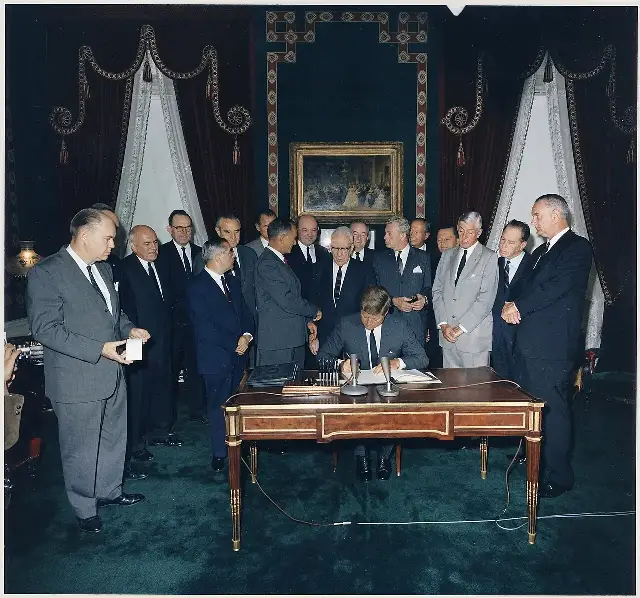
On October 7, 1963, President Kennedy signed the ratification of the treaty banning nuclear tests in the atmosphere, space, and underwater — the first arms-control deal of the Cold War.
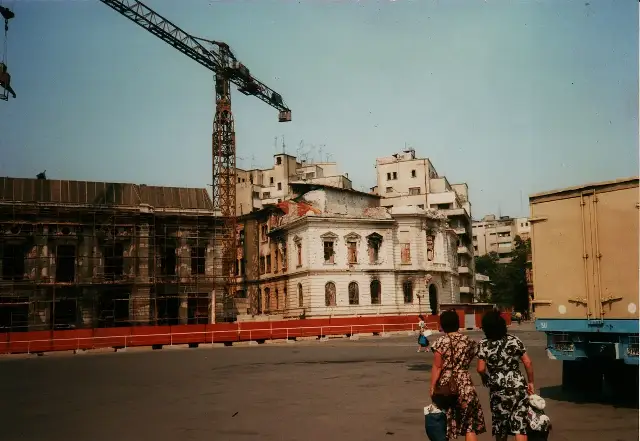
On December 22, 1989, Romania's dictator Nicolae Ceausescu fled Bucharest by helicopter as protesters stormed Communist Party headquarters, ending 24 years of brutal rule.
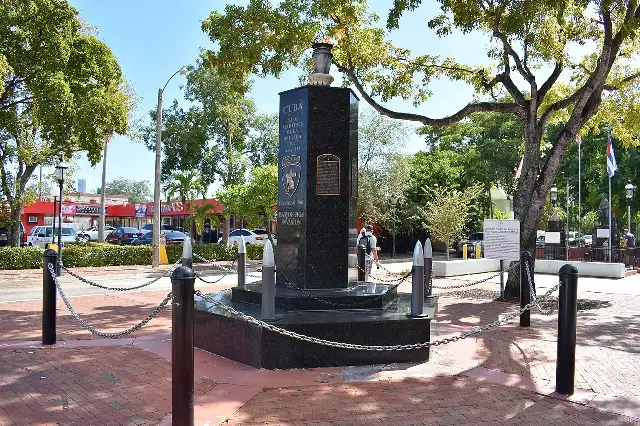
On April 17, 1961, some 1,400 CIA-trained Cuban exiles stormed ashore at the Bay of Pigs — and within three days the invasion had collapsed.
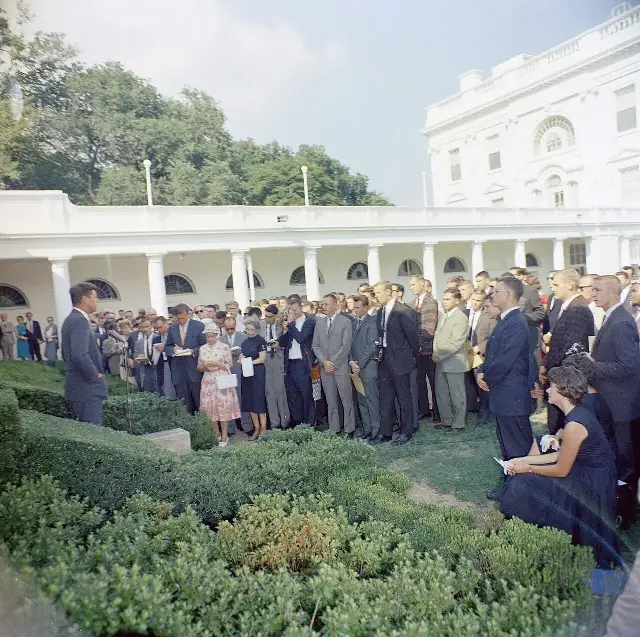
Exhausted and campaigning at 2 a.m. in Michigan, John F. Kennedy challenged students to serve abroad — and on March 1, 1961, that dare became the Peace Corps.
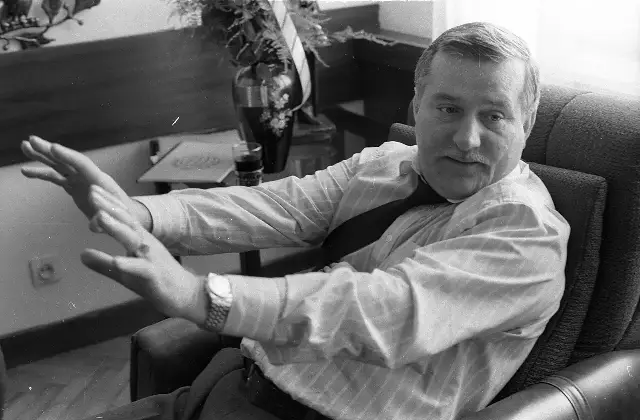
On December 9, 1990, shipyard electrician Lech Walesa won Poland's first free presidential election with 74 percent of the vote.
On August 30, 1963, the Moscow–Washington hotline went live — and the first message ever sent between the nuclear superpowers was a typing test.
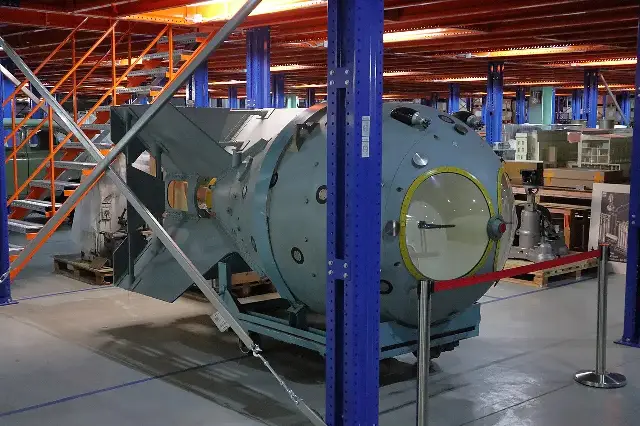
On August 29, 1949, the Soviet Union detonated its first atomic bomb at Semipalatinsk — ending America's nuclear monopoly and igniting the arms race.
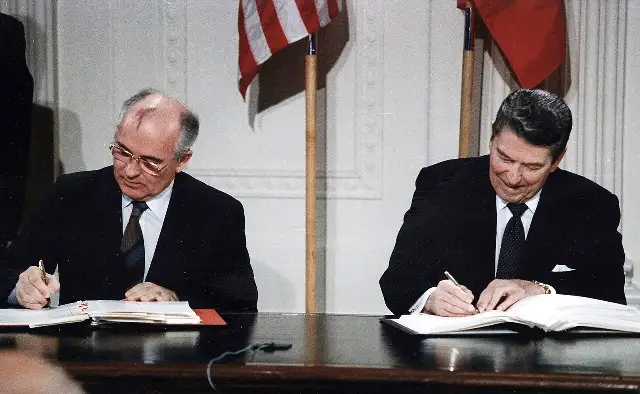
On December 8, 1987, the U.S. and Soviet leaders signed a treaty eliminating an entire class of nuclear weapons.
On December 8, 1953, President Eisenhower proposed turning nuclear weapons material toward peaceful uses in a landmark UN speech.
On June 20, 1963, the U.S. and Soviet Union signed the Hot Line Agreement in Geneva, creating a direct crisis link between the nuclear superpowers.
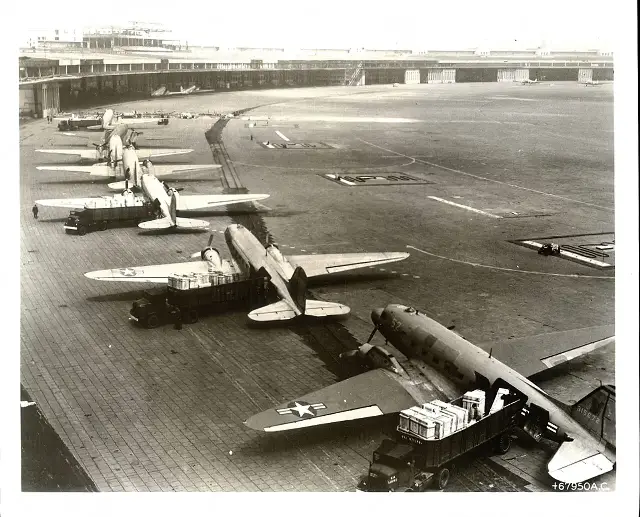
On May 12, 1949, the Soviet Union lifted its 11-month blockade of West Berlin after the greatest airlift in history defeated the siege — and the Cold War's battle lines hardened.
On a freezing Berlin morning in 1962, a downed American pilot and a Soviet master spy walked past each other into freedom on the Glienicke Bridge.
On November 4, 1956, the Soviet Union launched Operation Whirlwind against Budapest, crushing Hungary's revolution and sending some 200,000 refugees fleeing west.
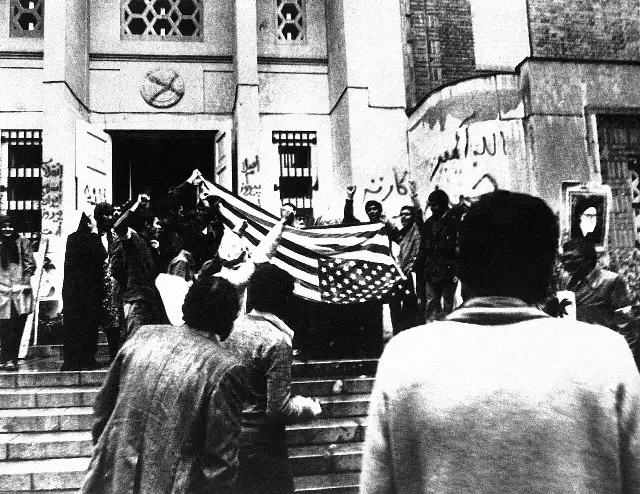
On November 4, 1979, Iranian students stormed the U.S. Embassy in Tehran and seized 52 Americans, beginning a 444-day hostage crisis that defined a presidency.
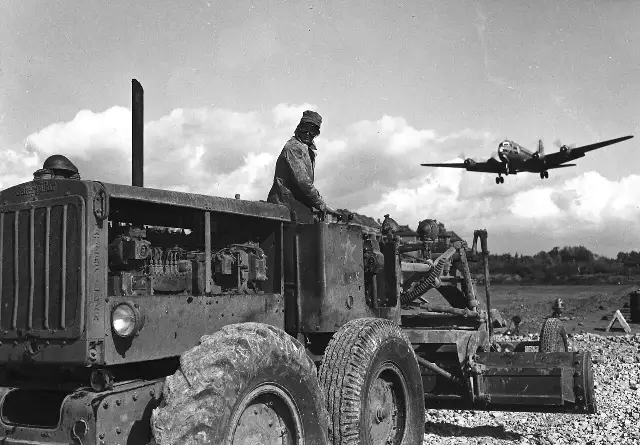
On June 26, 1948, the first American cargo planes took off for blockaded Berlin, launching Operation Vittles — the massive airlift that kept two million people alive for nearly a year.
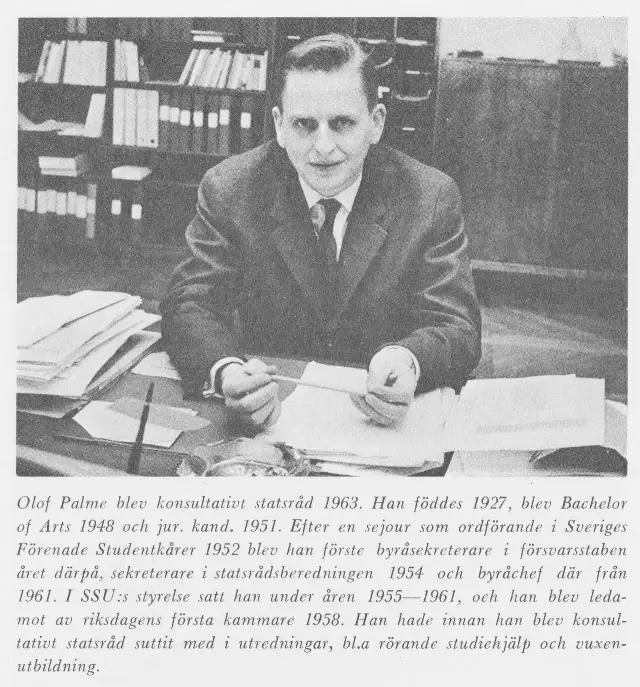
On February 28, 1986, Swedish prime minister Olof Palme was shot dead on a Stockholm street while walking home from the cinema with his wife — a murder that shocked the world and was never solved.
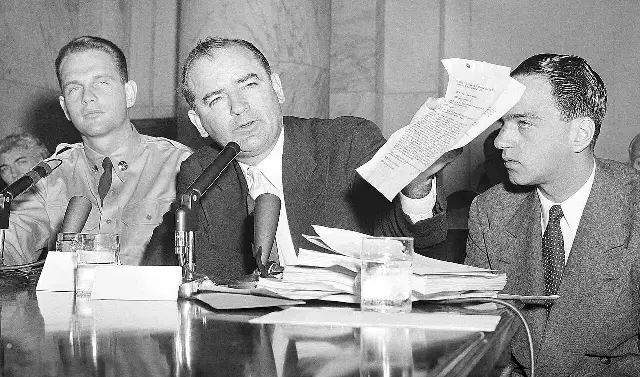
On June 9, 1954, Army lawyer Joseph Welch's televised rebuke of Senator Joseph McCarthy — 'Have you no sense of decency?' — broke the spell of McCarthyism.
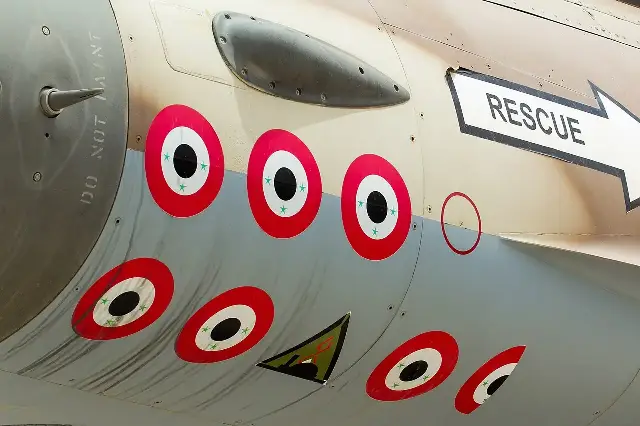
On June 7, 1981, eight Israeli F-16s flew 1,100 kilometers through hostile skies to destroy Iraq's Osirak nuclear reactor before it could go online.
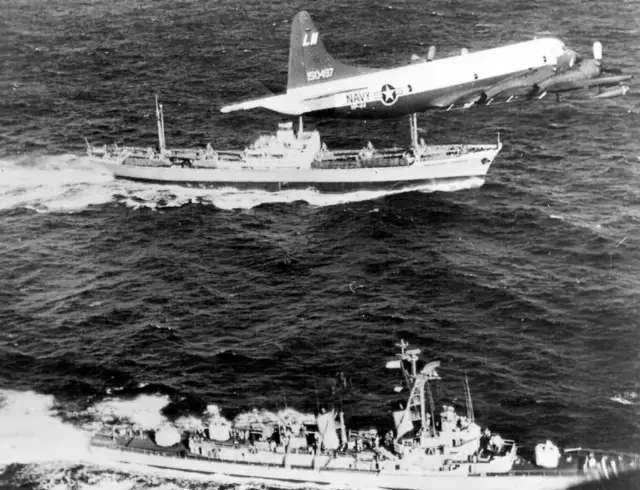
On November 20, 1962, President Kennedy announced the end of the naval quarantine of Cuba, closing the book on the missile crisis that had brought the world to the brink of nuclear war.
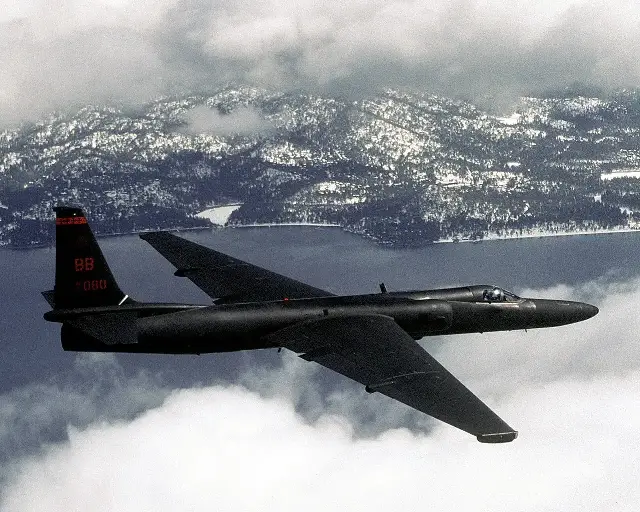
On May 1, 1960, CIA pilot Francis Gary Powers was shot down over the Soviet Union, and the lie America told about it wrecked a peace summit.
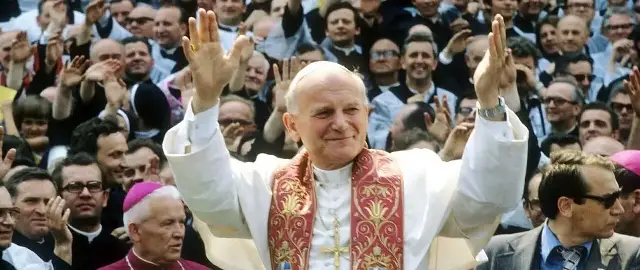
On June 2, 1979, Pope John Paul II began his first pilgrimage to his native Poland, the first papal visit ever to a communist country.
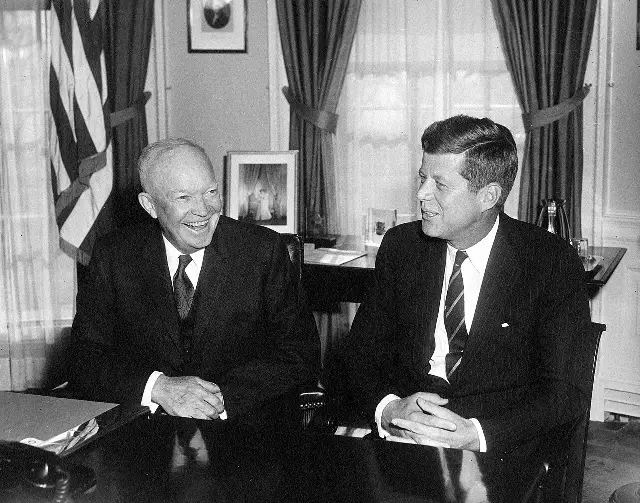
On January 17, 1961, President Dwight D. Eisenhower used his farewell address to warn Americans against the 'military-industrial complex.'
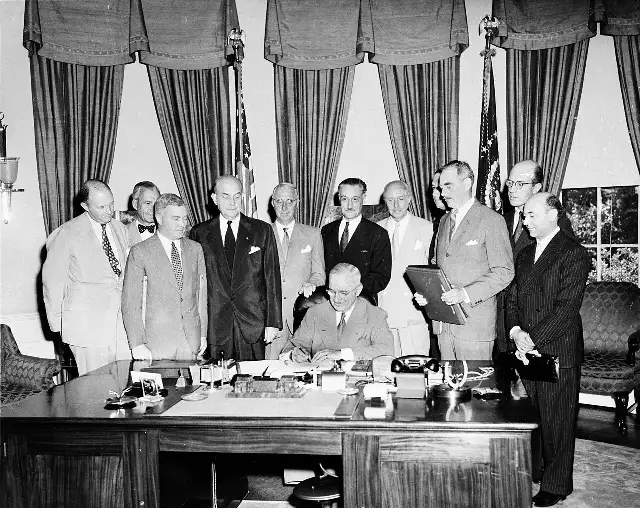
On April 4, 1949, twelve nations signed the North Atlantic Treaty in Washington, pledging that an attack on one would be treated as an attack on all.
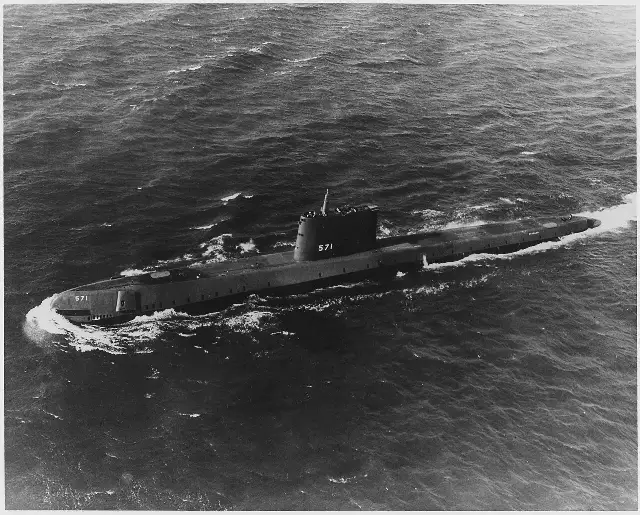
On August 3, 1958, the nuclear submarine USS Nautilus became the first vessel in history to reach the North Pole, traveling submerged beneath the Arctic ice.
On October 22, 1962, JFK told the world about Soviet missiles in Cuba — and brought humanity closer to nuclear war than ever before.
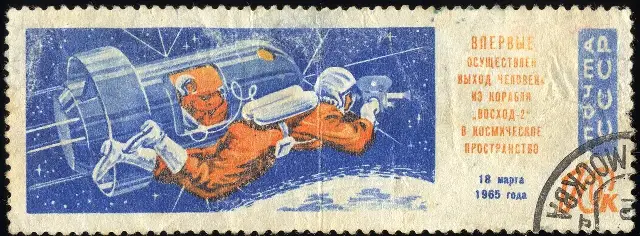
On March 18, 1965, Soviet cosmonaut Alexei Leonov spent 12 minutes outside his Voskhod 2 capsule — the first spacewalk in history.
On March 5, 1946, Winston Churchill warned that "an iron curtain has descended" across Europe, in a speech at a small Missouri college widely seen as the Cold War's opening statement.
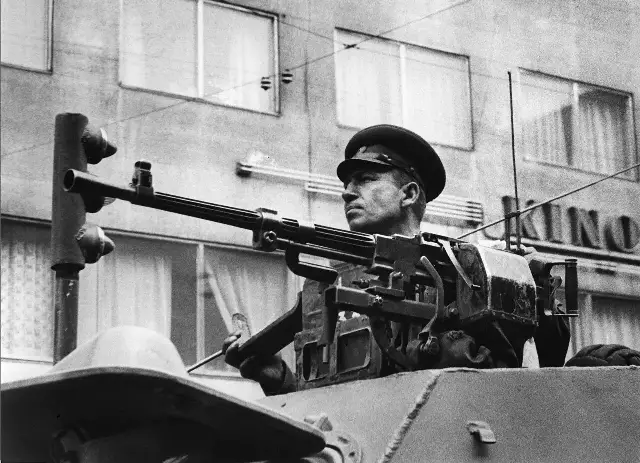
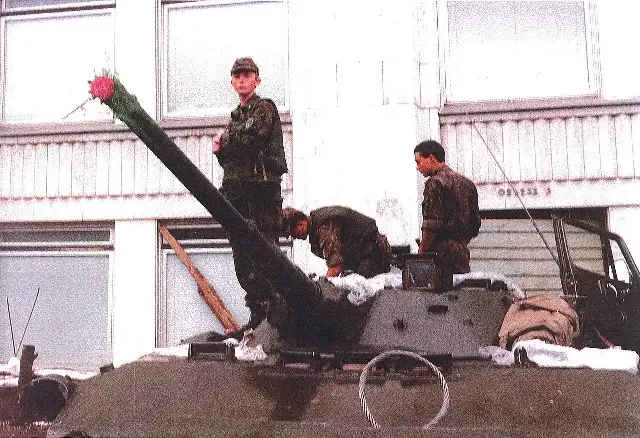
On the night of August 20, 1968, Warsaw Pact troops invaded Czechoslovakia to crush the Prague Spring's liberal reforms.
On August 19, 1991, hardliners tried to seize the Soviet Union — and instead destroyed it in three days.