50 Million Tons of TNT: The Tsar Bomba Detonates
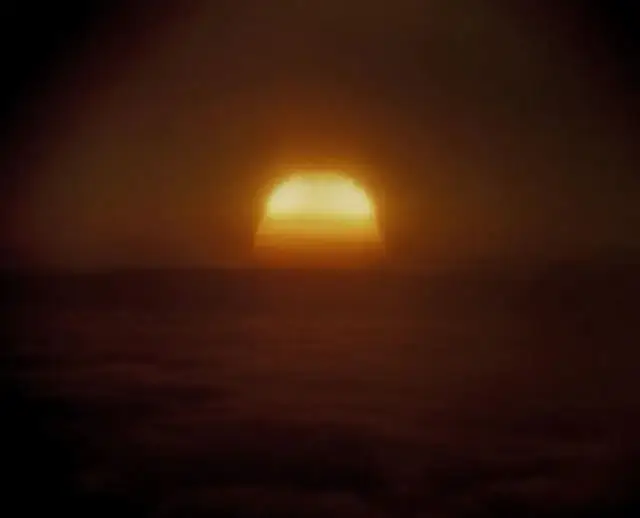
On October 30, 1961, the Soviet Union detonated the most powerful nuclear weapon ever built over Novaya Zemlya, a blast thousands of times stronger than Hiroshima.


On October 30, 1961, the Soviet Union detonated the most powerful nuclear weapon ever built over Novaya Zemlya, a blast thousands of times stronger than Hiroshima.
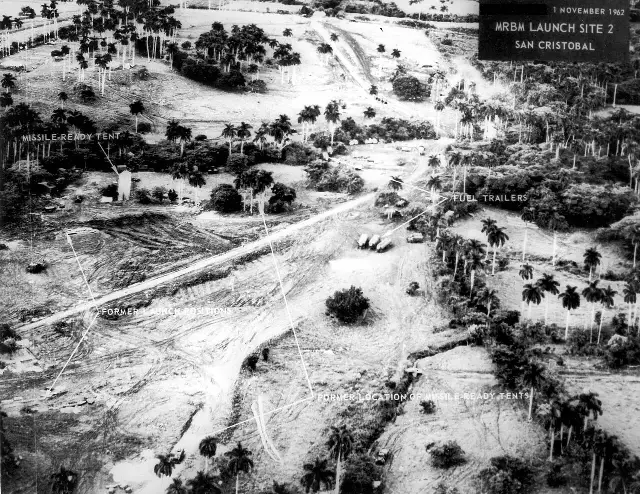
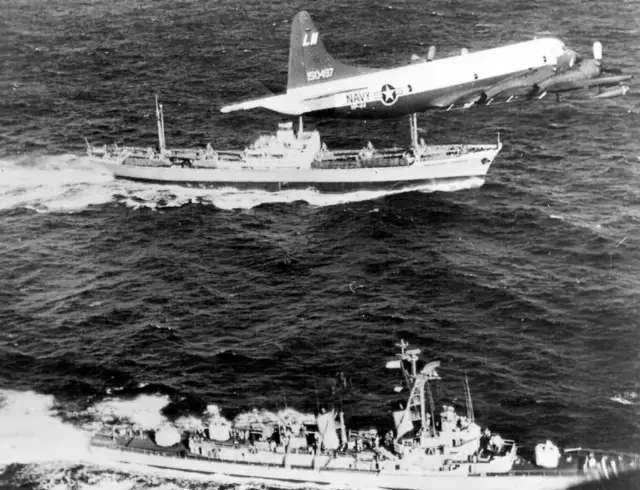
On October 28, 1962, Nikita Khrushchev announced the Soviet missiles would leave Cuba, ending thirteen days in which the world stood closer to nuclear war than ever before.
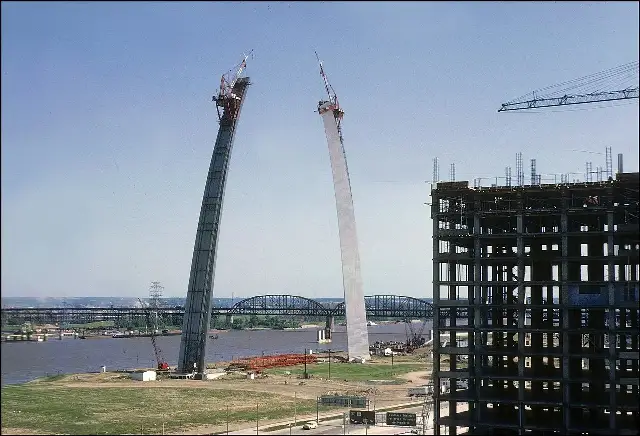
On October 28, 1965, workers eased a 10-ton keystone into the top of the Gateway Arch as heat, math, and 630 feet of stainless steel held their breath.
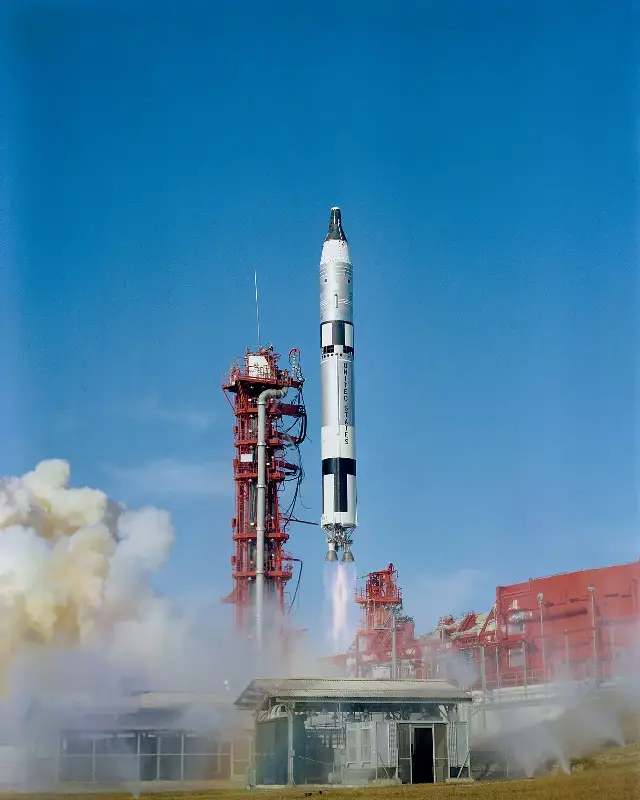
On November 11, 1966, Gemini 12 launched with James Lovell and Buzz Aldrin, whose 5.5 hours of spacewalks proved astronauts could work outside a capsule.
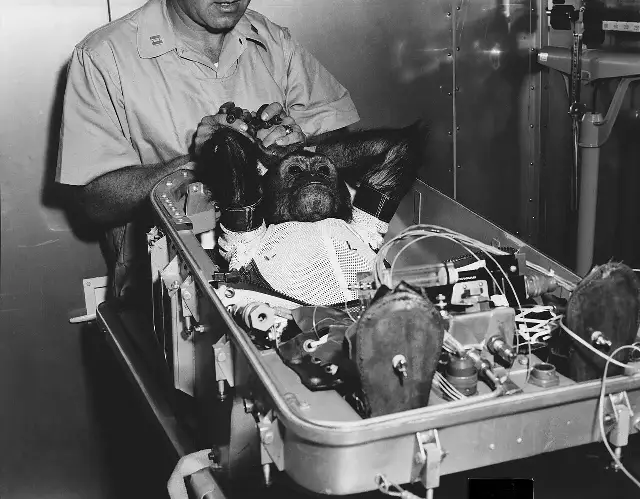
On November 29, 1961, a five-year-old chimpanzee named Enos rode NASA's Mercury-Atlas 5 into orbit — and when a faulty lever shocked him dozens of times, he kept working anyway.
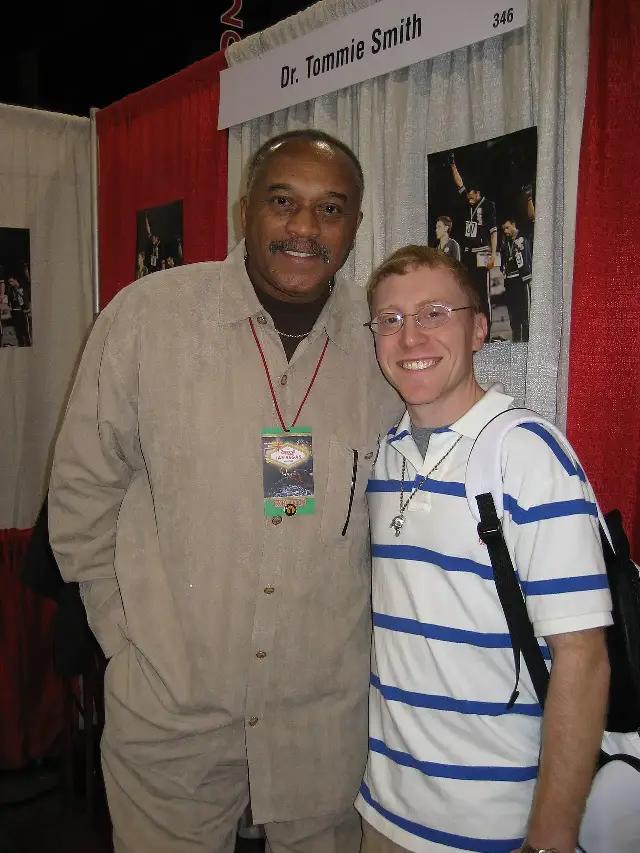
On October 18, 1968, the United States Olympic Committee expelled Tommie Smith and John Carlos for their silent protest against racism on the medal podium.
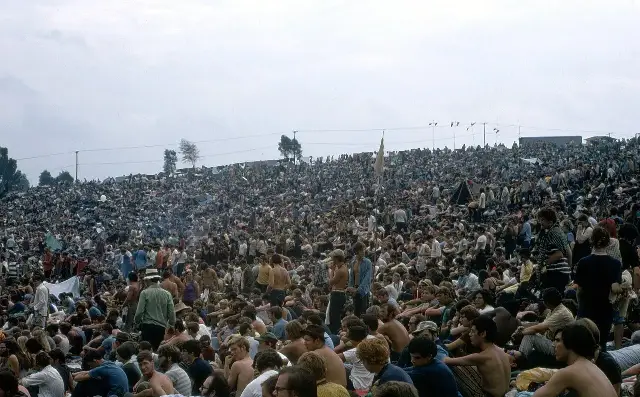
On the morning of August 18, 1969, Jimi Hendrix closed Woodstock with a searing Star-Spangled Banner that became the sound of a generation.
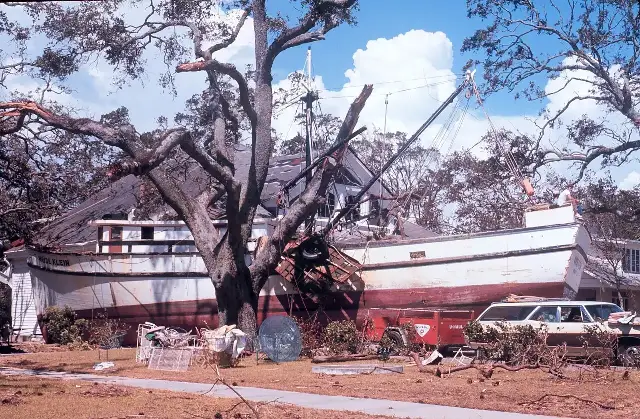
On August 17, 1969, Hurricane Camille — one of only four Category 5 storms ever to strike the continental U.S. — slammed into Mississippi's Gulf Coast.
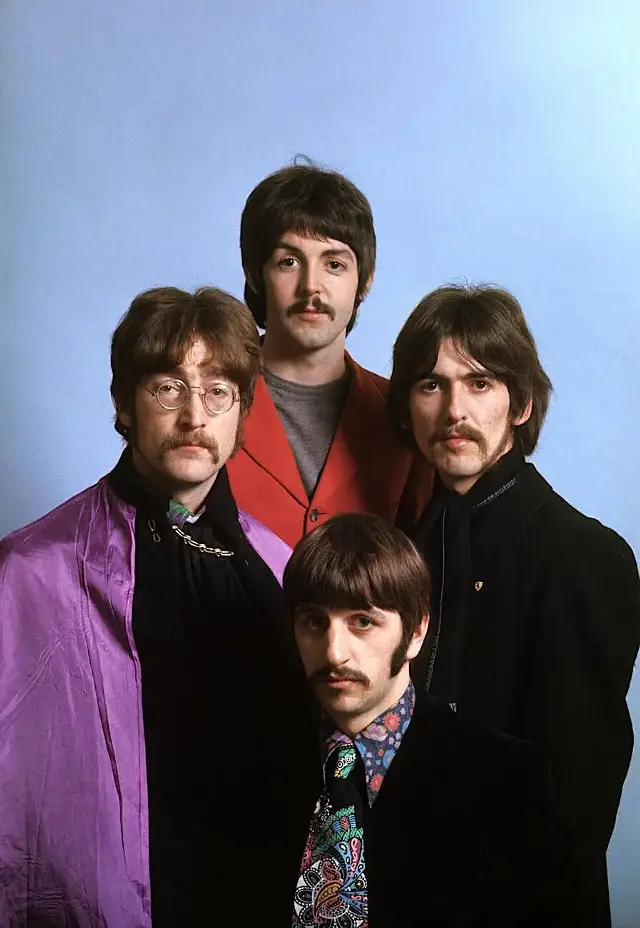
On November 27, 1967, Capitol Records released Magical Mystery Tour as an 11-track American LP — and accidentally created the version of the album the world would keep.
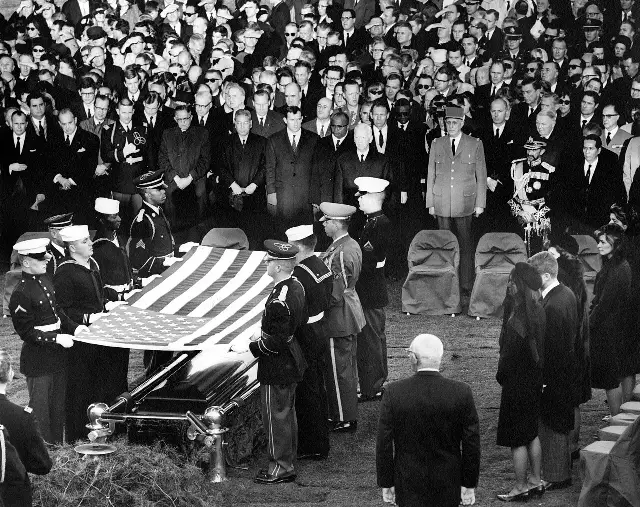
On November 25, 1963, three days after his assassination, President John F. Kennedy was buried at Arlington as the world watched and his widow lit an eternal flame.
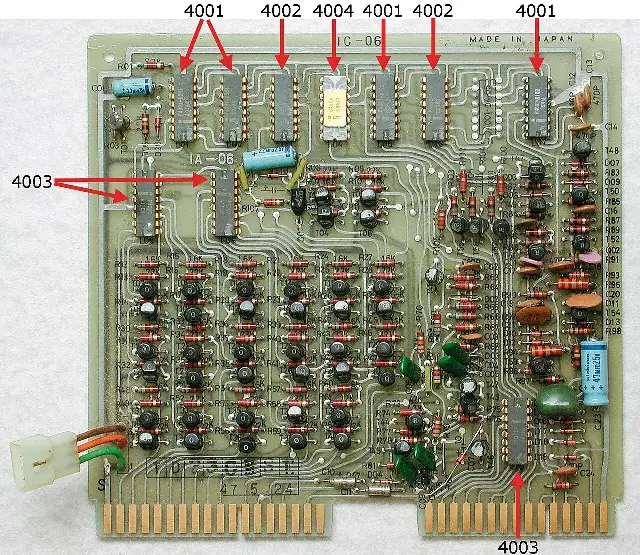
On July 18, 1968, Robert Noyce and Gordon Moore incorporated a tiny electronics company in Mountain View, California — the start of Intel.
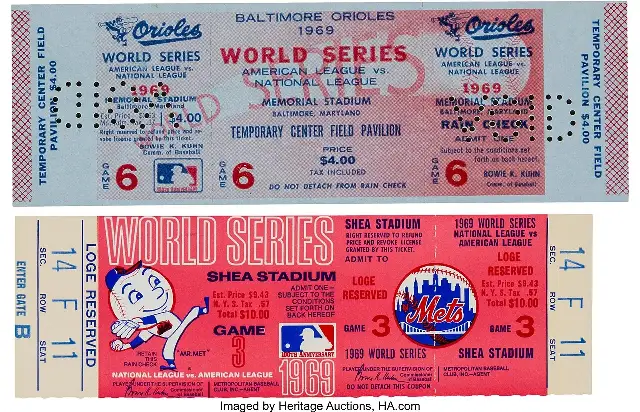
On October 16, 1969, the New York Mets — losers for seven straight years — beat the mighty Baltimore Orioles 5-3 to win the World Series.
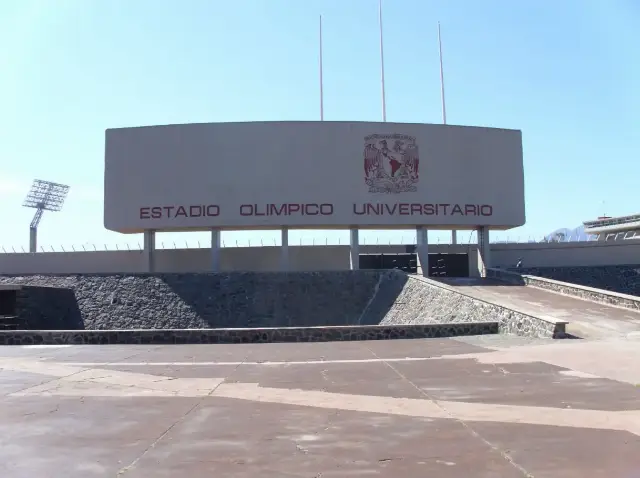
On October 14, 1968, Jim Hines ran 100 meters in 9.95 seconds in Mexico City — the first electronically timed run under ten seconds.
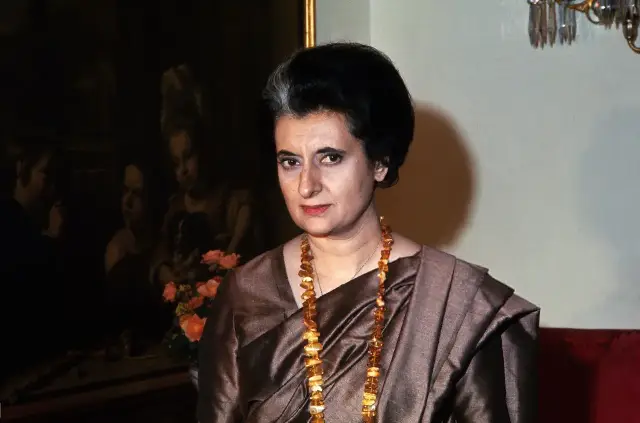
On January 19, 1966, Indira Gandhi won a secret ballot to lead India, becoming the first woman to govern the world's largest democracy.
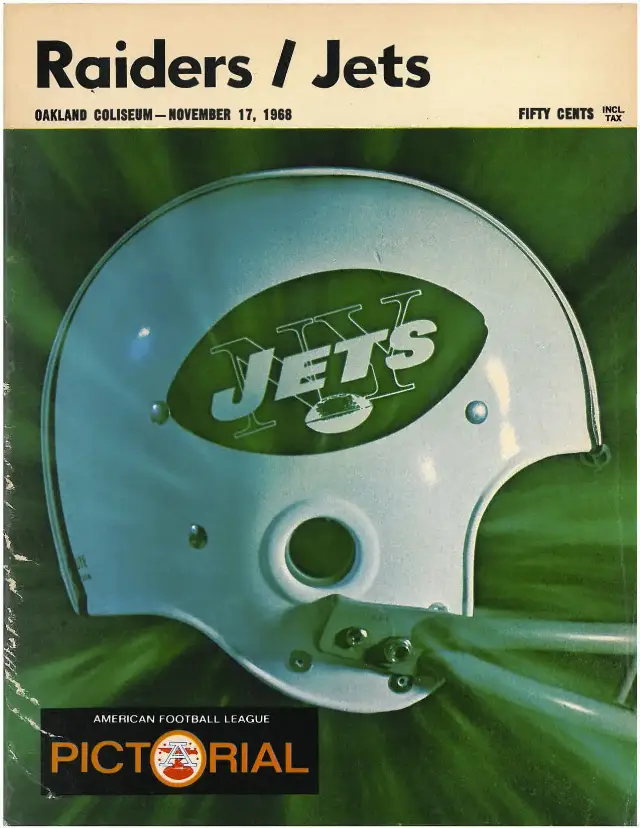
On November 17, 1968, NBC cut away from a Jets–Raiders thriller to air the children's movie Heidi — and viewers missed one of football's wildest finishes.
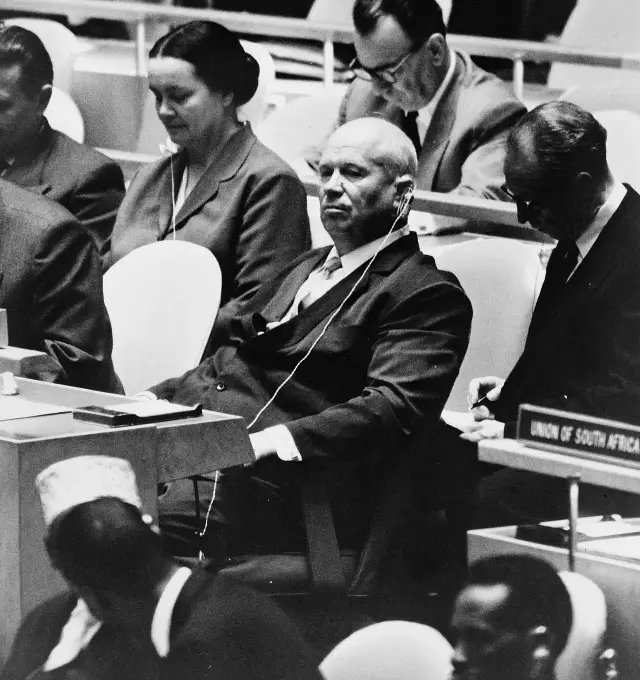
On October 12, 1960, Nikita Khrushchev reportedly pounded his shoe on his desk at the UN General Assembly — the Cold War's most famous, and most disputed, diplomatic outburst.
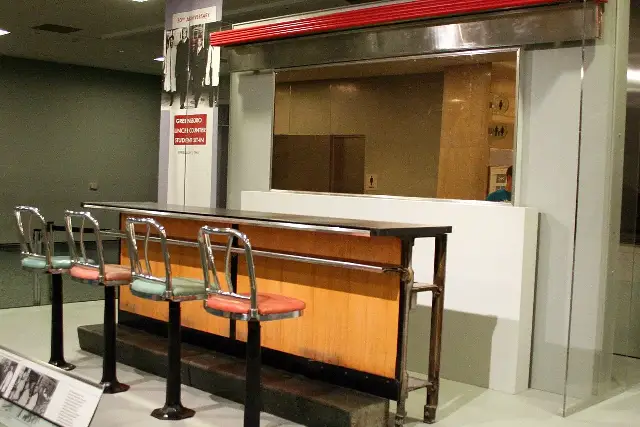
On February 1, 1960, four Black college freshmen sat down at a segregated Woolworth's lunch counter in Greensboro, North Carolina, and sparked a protest movement that helped end legal segregation in America.
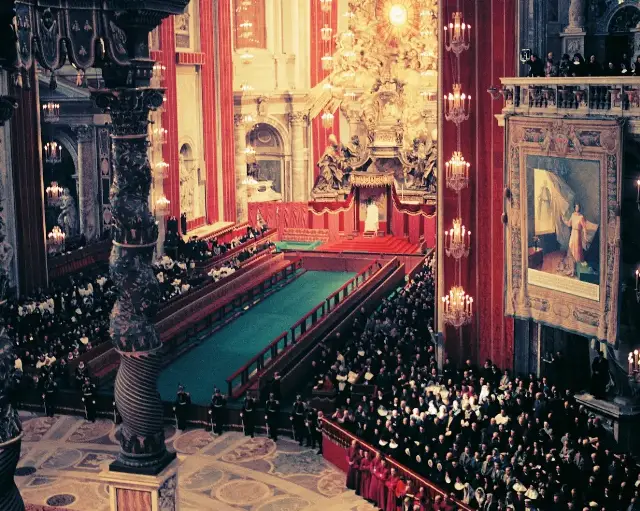
On October 11, 1962, Pope John XXIII opened the Second Vatican Council before more than 2,000 bishops, launching the most consequential religious gathering of the twentieth century.
On April 13, 1964, Sidney Poitier became the first Black man to win the Academy Award for Best Actor — for Lilies of the Field — cracking open Hollywood's most exclusive door.
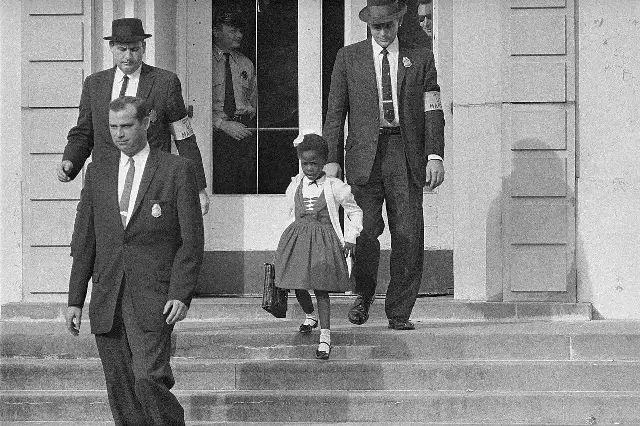
On November 14, 1960, six-year-old Ruby Bridges walked into William Frantz Elementary in New Orleans escorted by federal marshals — and desegregated a school alone.
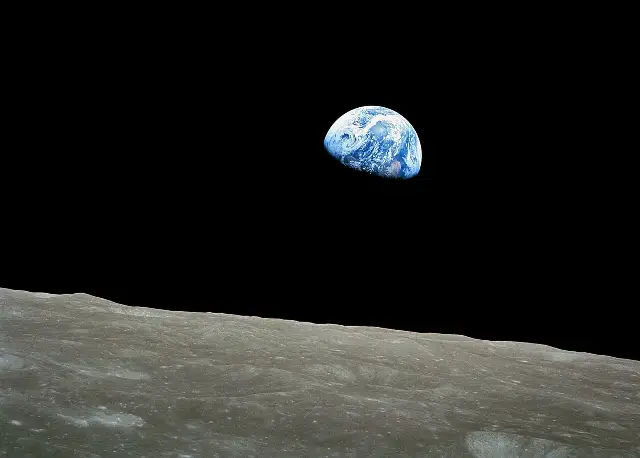
On Christmas Eve 1968, the crew of Apollo 8 broadcast live from lunar orbit, reading from Genesis and giving the world the iconic 'Earthrise' photo.
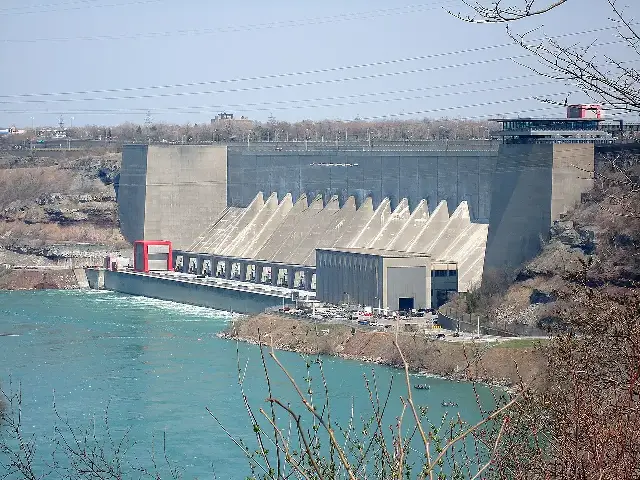
On November 9, 1965, one mis-set relay near Niagara Falls triggered a cascading blackout that darkened the entire Northeast at rush hour.
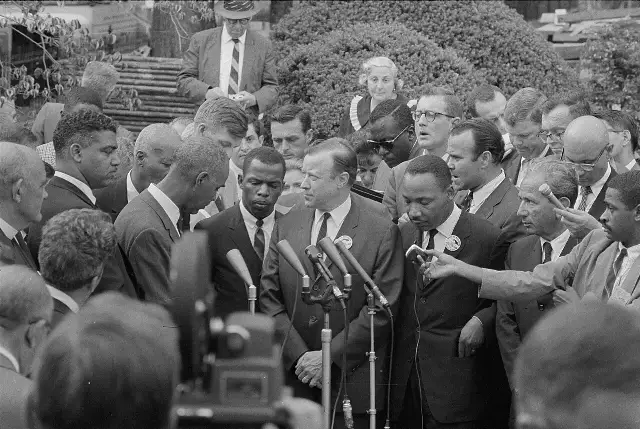
On April 4, 1968, Dr. Martin Luther King Jr. was shot and killed on the balcony of the Lorraine Motel in Memphis, where he had come to support striking sanitation workers.
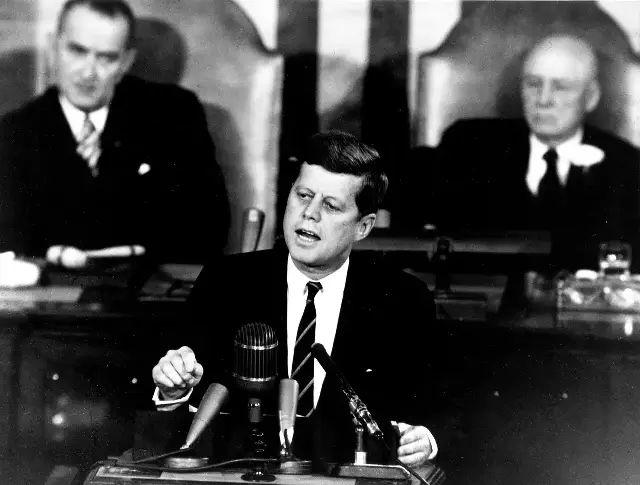
On May 25, 1961, President Kennedy told Congress America would land a man on the Moon before the decade was out — before NASA had even orbited an astronaut.
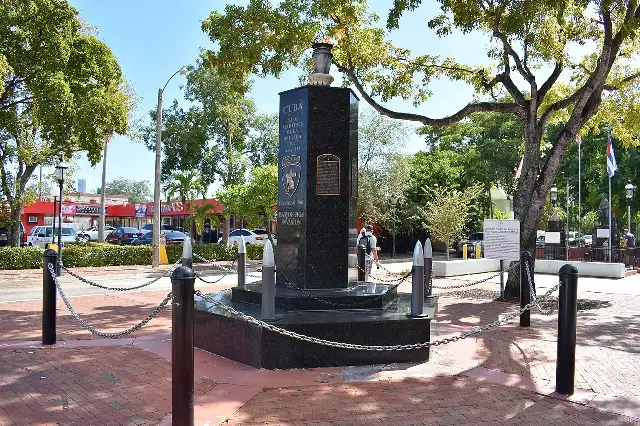
On April 17, 1961, some 1,400 CIA-trained Cuban exiles stormed ashore at the Bay of Pigs — and within three days the invasion had collapsed.
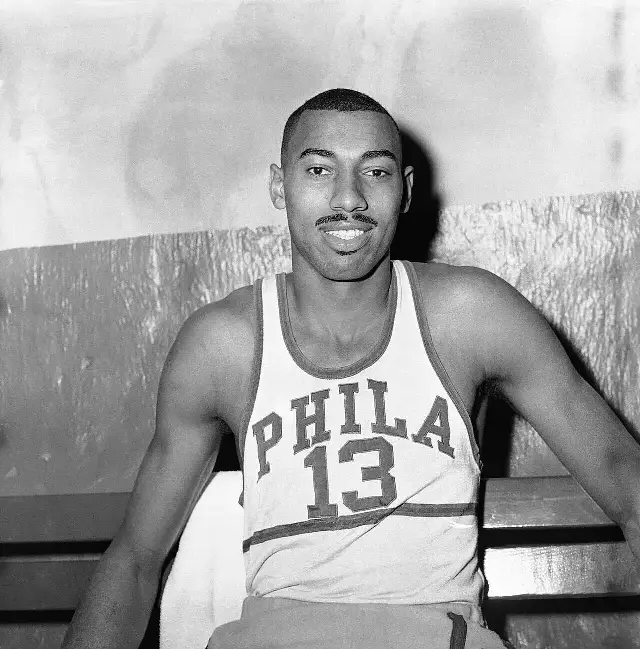
On March 2, 1962, before 4,124 fans in a Hershey hockey barn with no TV cameras present, Wilt Chamberlain scored 100 points — a record no one has touched since.
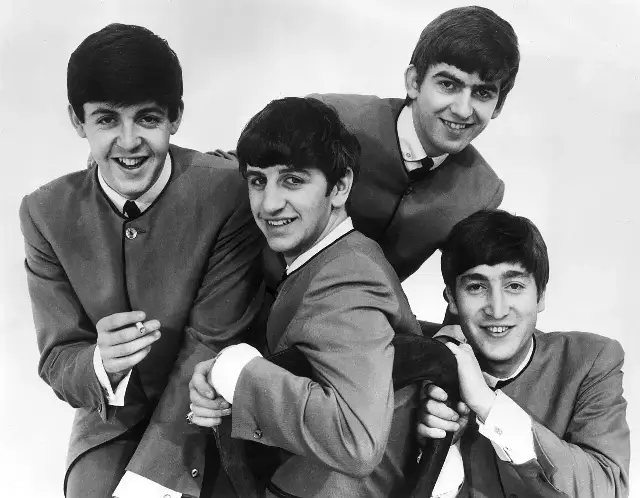
On October 5, 1962, the Beatles released their debut single Love Me Do on Parlophone — it only reached number 17 in Britain, but it was the first faint chime of a revolution.
On February 21, 1965, the civil rights leader Malcolm X was gunned down in New York's Audubon Ballroom as he prepared to address his new movement.
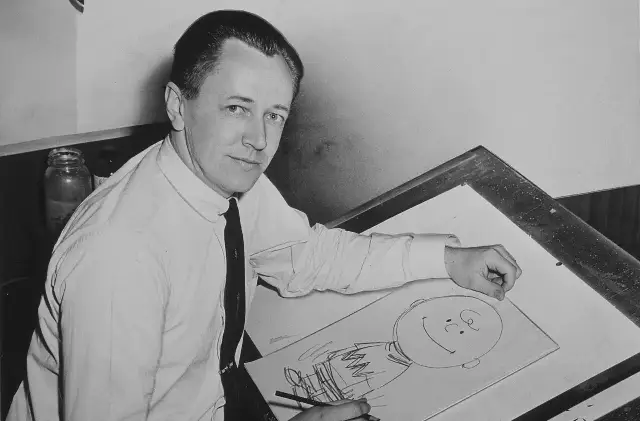
On December 9, 1965, a low-budget cartoon about a sad kid and a scrawny tree became a Christmas institution.
On April 21, 1960, President Juscelino Kubitschek inaugurated Brasília — a futuristic capital built from scratch in 41 months on Brazil's empty central plateau.
On June 20, 1963, the U.S. and Soviet Union signed the Hot Line Agreement in Geneva, creating a direct crisis link between the nuclear superpowers.
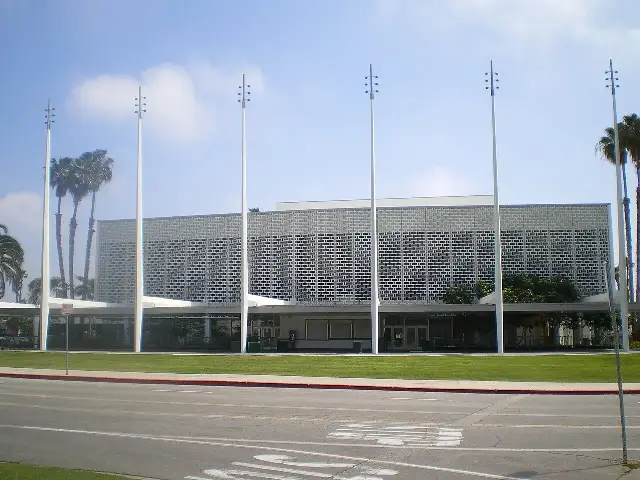
Two nights after Ed Sullivan, the Beatles played their first real U.S. concert for 8,092 screaming fans at Washington, D.C.'s Washington Coliseum.
On November 6, 1962, the UN General Assembly passed Resolution 1761, condemning South Africa's apartheid policies and urging a worldwide economic and military boycott.
On March 21, 1965, thousands set out from Selma to Montgomery under federal guard — the march that forced America to guarantee the vote.
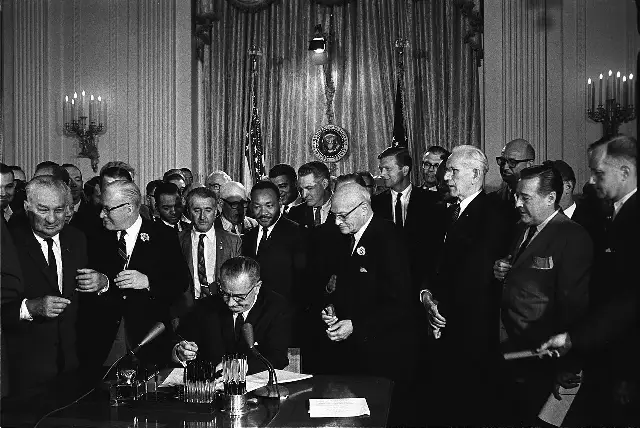
On June 19, 1964, after a 60-day filibuster, the U.S. Senate passed the Civil Rights Act 73 to 27, outlawing segregation and employment discrimination.
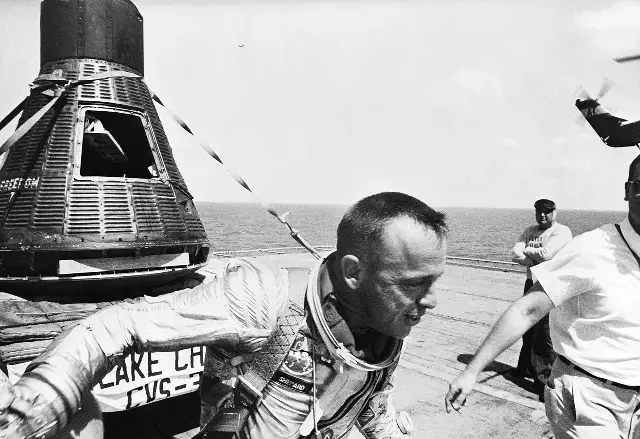
On May 5, 1961, Navy pilot Alan Shepard rode a Redstone rocket 116 miles up and became the first American in space — 23 days after the Soviets got there first.
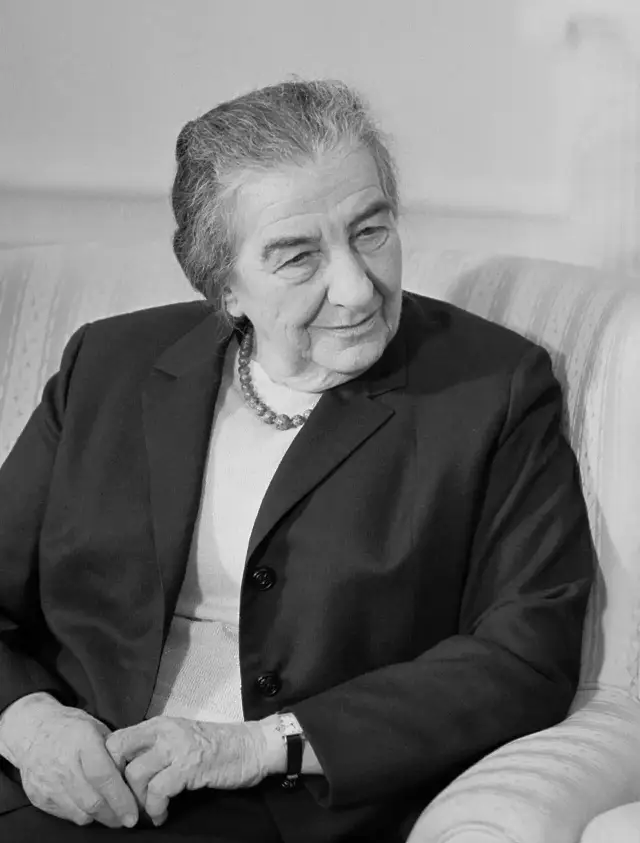
On March 17, 1969, Golda Meir — a former Milwaukee schoolteacher — was sworn in as Israel's fourth prime minister, the first woman to lead the country.
On July 25, 1965, Bob Dylan strapped on an electric guitar at the Newport Folk Festival and split the music world in two.
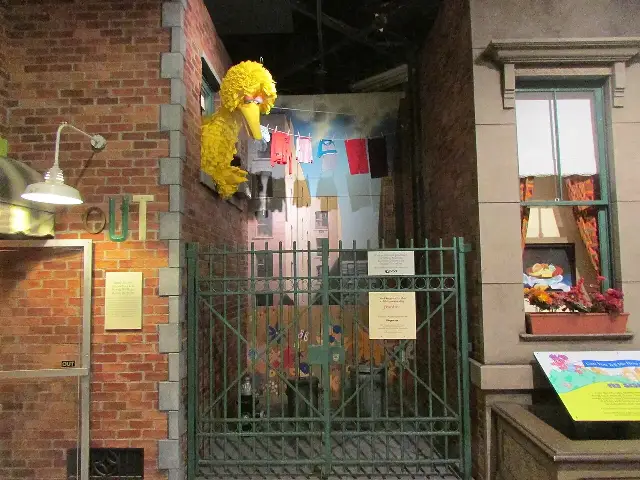
On November 10, 1969, Sesame Street premiered on American public television, bringing Jim Henson's Muppets and a groundbreaking educational curriculum to children's TV.
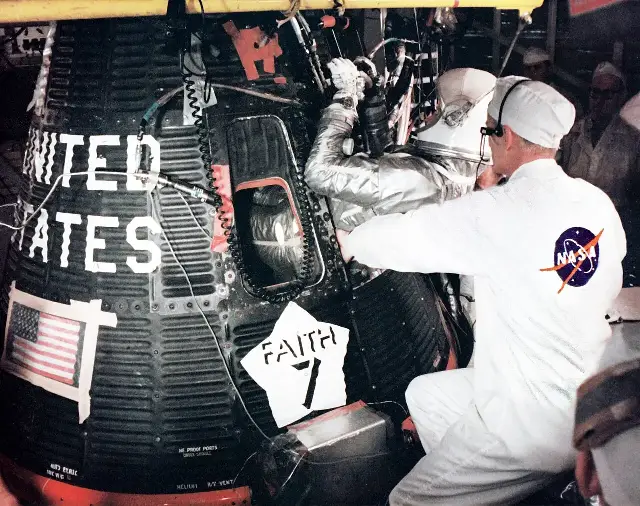
On May 15, 1963, Gordon Cooper flew 22 orbits in Faith 7 — the last time an American ever launched alone into orbit.
On November 21, 1964, New York opened the Verrazzano-Narrows Bridge, whose 4,260-foot main span made it the longest suspension bridge in the world.
On November 20, 1962, President Kennedy announced the end of the naval quarantine of Cuba, closing the book on the missile crisis that had brought the world to the brink of nuclear war.
On December 4, 1965, astronauts Frank Borman and Jim Lovell launched aboard Gemini 7 for a grueling two-week mission that proved humans could survive the trip to the Moon.
On November 19, 1969, Apollo 12's lunar module Intrepid touched down on the Moon within walking distance of a robot probe that had been sitting there since 1967.
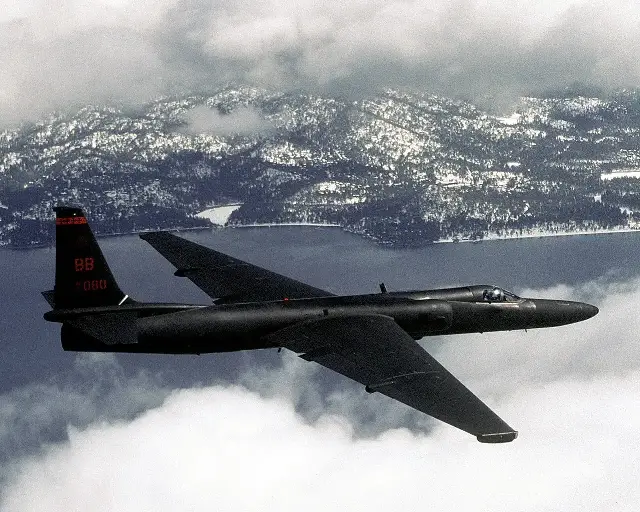
On May 1, 1960, CIA pilot Francis Gary Powers was shot down over the Soviet Union, and the lie America told about it wrecked a peace summit.
On June 1, 1967, the Beatles released Sgt. Pepper's Lonely Hearts Club Band in Britain, the album that turned pop records into high art.
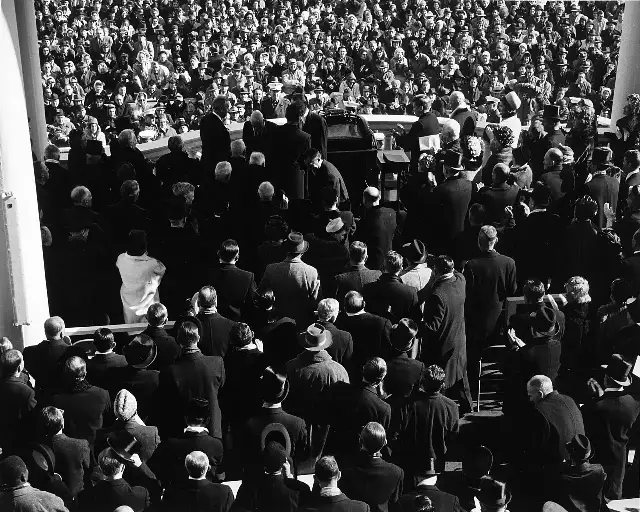
On January 20, 1961, John F. Kennedy took the oath as the 35th president and delivered his immortal 'ask not' inaugural address.
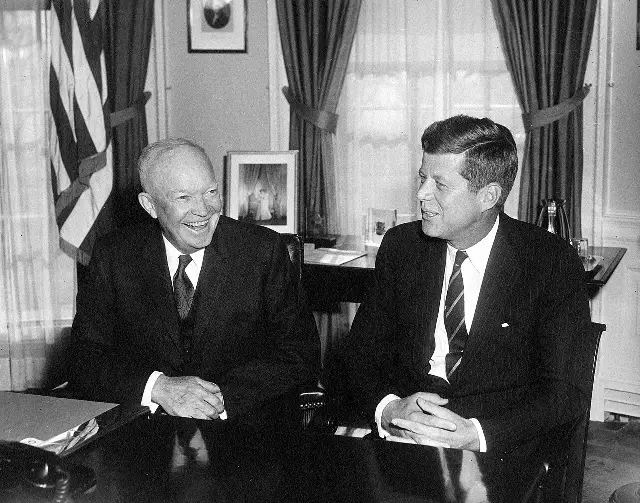
On January 17, 1961, President Dwight D. Eisenhower used his farewell address to warn Americans against the 'military-industrial complex.'
On October 22, 1962, JFK told the world about Soviet missiles in Cuba — and brought humanity closer to nuclear war than ever before.
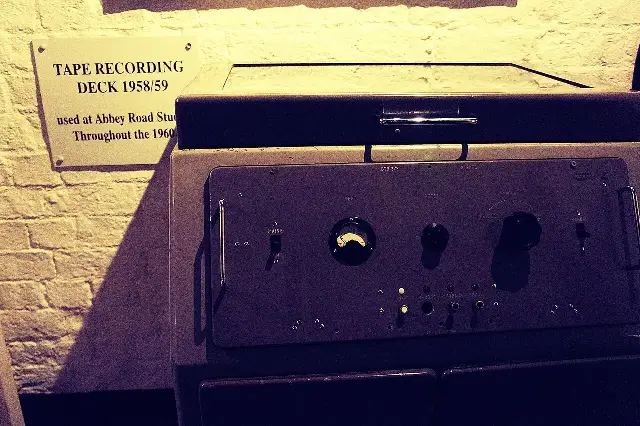
On March 22, 1963, Parlophone rush-released the Beatles' debut album "Please Please Me" — most of it recorded in a single day.