A Republic from an Empire's Ashes: Turkey Is Born
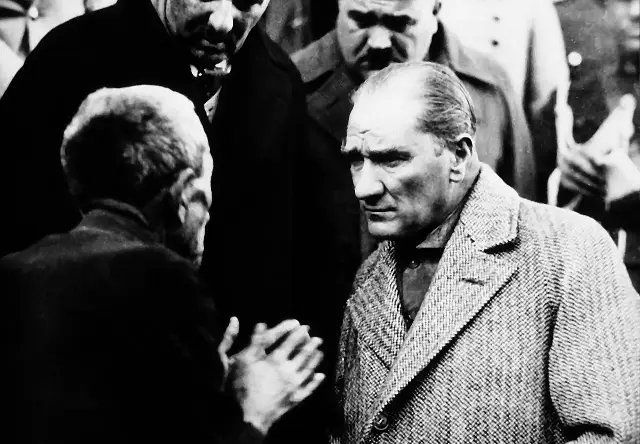
On October 29, 1923, Turkey's parliament proclaimed a republic with Mustafa Kemal as its first president, closing six centuries of Ottoman rule.


On October 29, 1923, Turkey's parliament proclaimed a republic with Mustafa Kemal as its first president, closing six centuries of Ottoman rule.
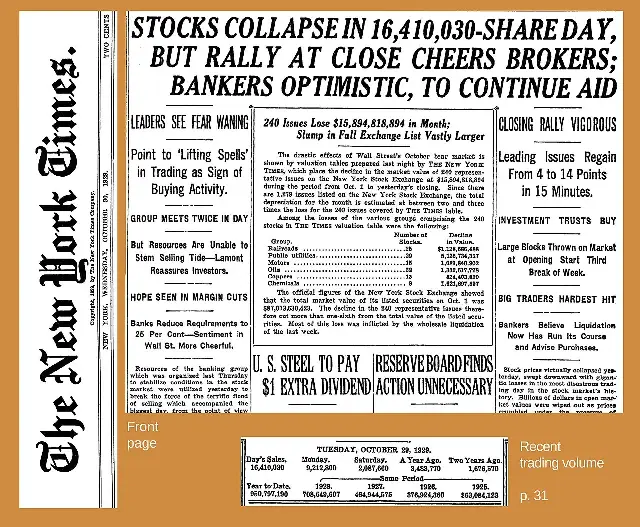
On October 29, 1929, more than 16.4 million shares changed hands in a single panicked day, and the stock market collapse known as Black Tuesday lit the fuse of the Great Depression.
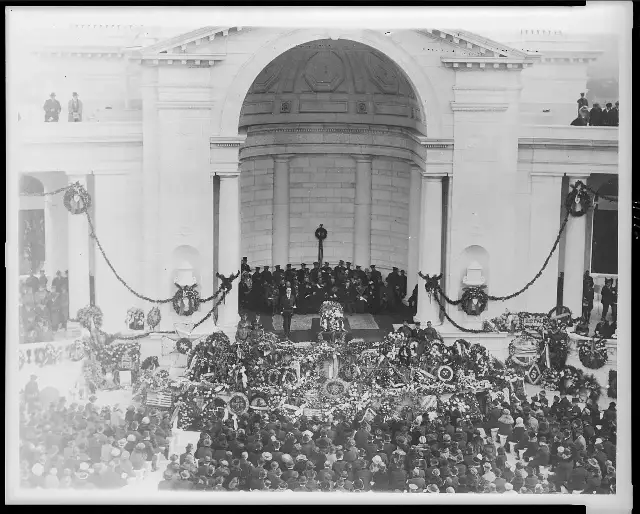
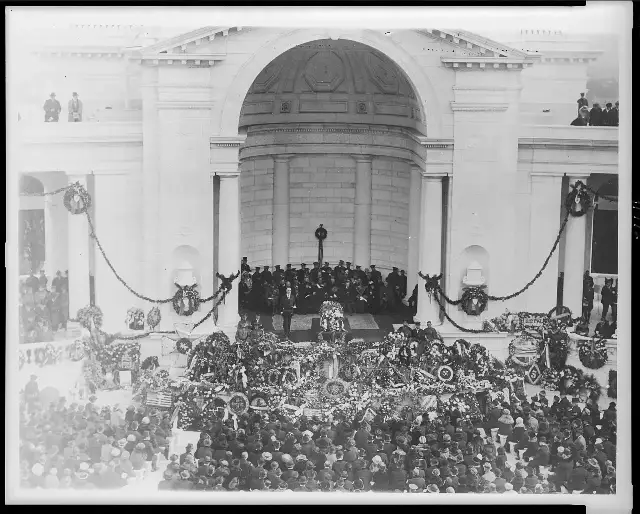
On November 11, 1921, an unidentified American soldier from World War I was buried at Arlington National Cemetery in a state funeral led by President Harding.
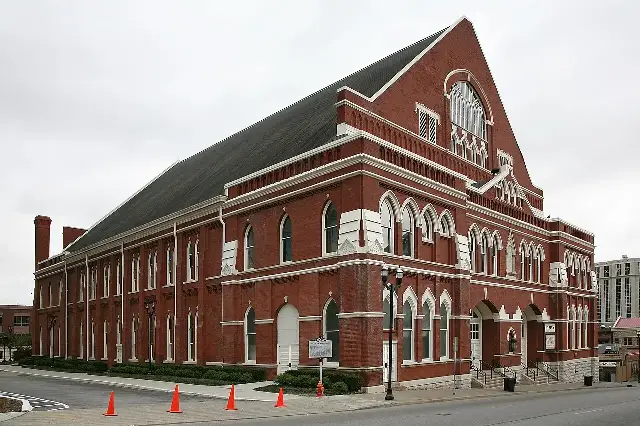
On November 28, 1925, Nashville's WSM radio station aired the first WSM Barn Dance, the homespun hoedown show that would grow up to become the Grand Ole Opry.
On August 28, 1922, New York station WEAF aired the first paid radio commercial — ten minutes selling apartments in Queens for a reported $50.
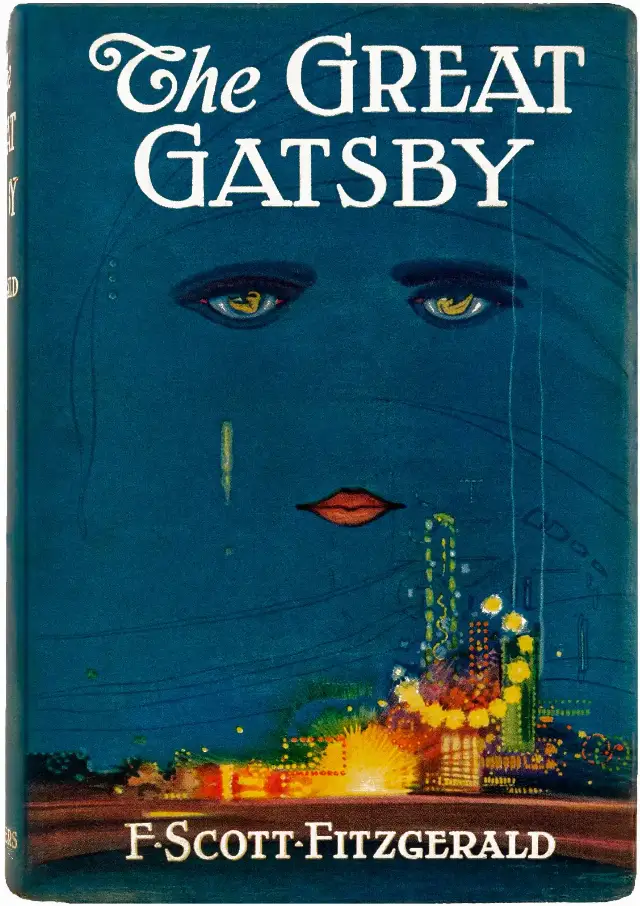
On April 10, 1925, Scribner's published F. Scott Fitzgerald's The Great Gatsby — a commercial flop that became America's most beloved novel.
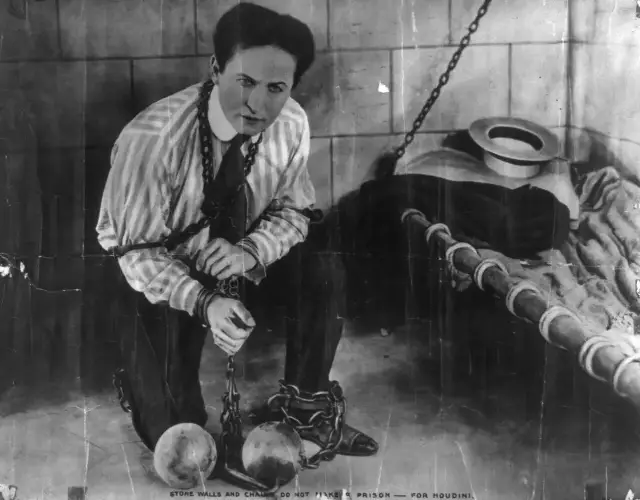
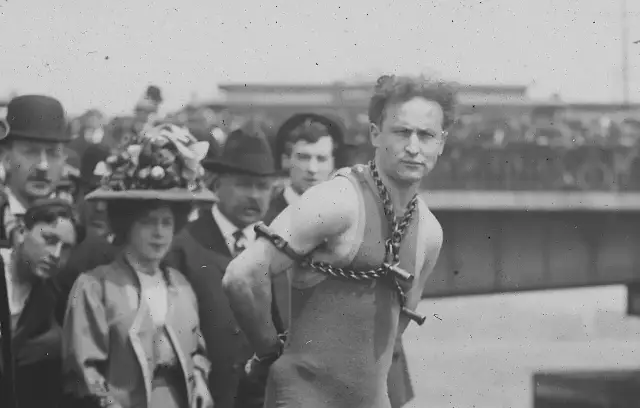
On October 22, 1926, a McGill student named J. Gordon Whitehead struck an unprepared Harry Houdini in the stomach in a Montreal dressing room; the great escape artist died nine days later.
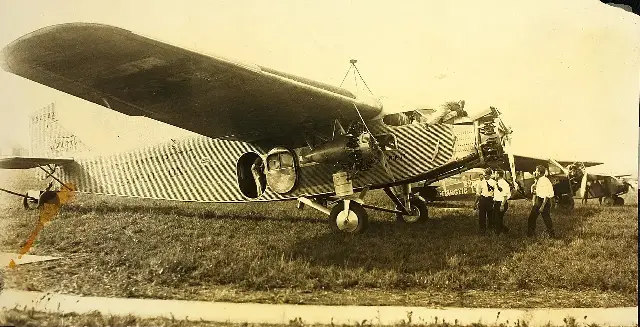
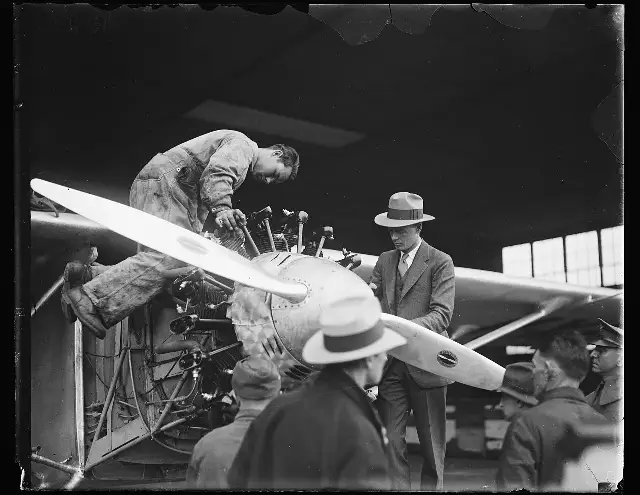
On November 28, 1929, Richard E. Byrd and three crewmates took off from Little America in the Ford trimotor Floyd Bennett on the first airplane flight over the South Pole.
On November 27, 1924, Macy's employees staged a six-mile parade with zoo animals and Santa Claus — and accidentally launched a century-long American tradition.
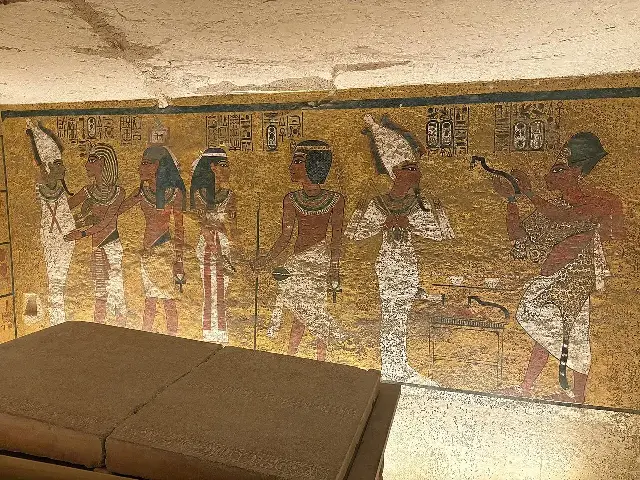
On November 26, 1922, Howard Carter peered by candlelight through a hole in a sealed doorway and whispered the words that made history: 'Wonderful things.'
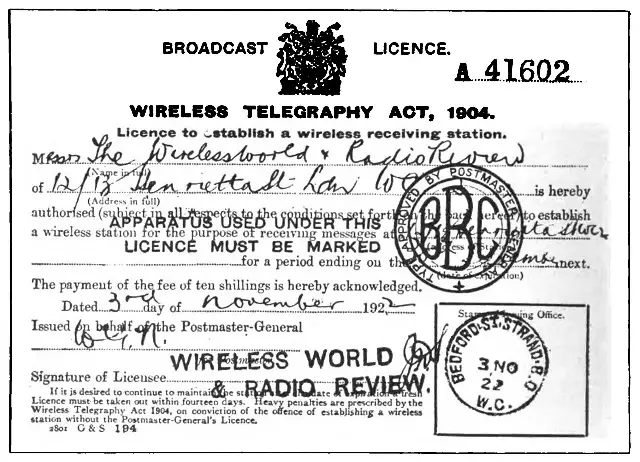
On October 18, 1922, a group of radio manufacturers formed the British Broadcasting Company — the seed of the world's oldest national broadcaster.
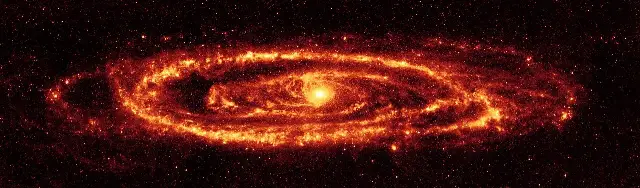
On November 23, 1924, the New York Times reported Edwin Hubble's proof that the 'spiral nebulae' were galaxies beyond the Milky Way — exploding the known universe overnight.
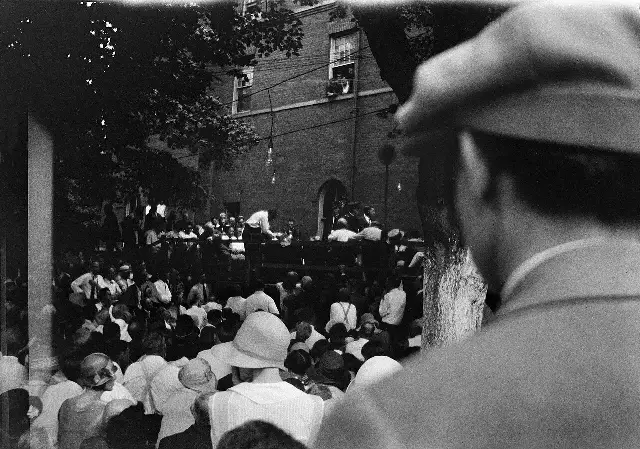
On July 10, 1925, a young teacher's trial over teaching evolution turned a small Tennessee town into the stage for the trial of the century.
On July 7, 1928 — his 48th birthday — inventor Otto Rohwedder finally sold the first loaf of machine-sliced bread in Chillicothe, Missouri.
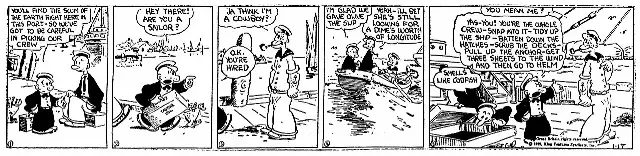
On January 17, 1929, a squinting one-eyed sailor named Popeye walked into E. C. Segar's comic strip Thimble Theatre and stole the show — and the century.
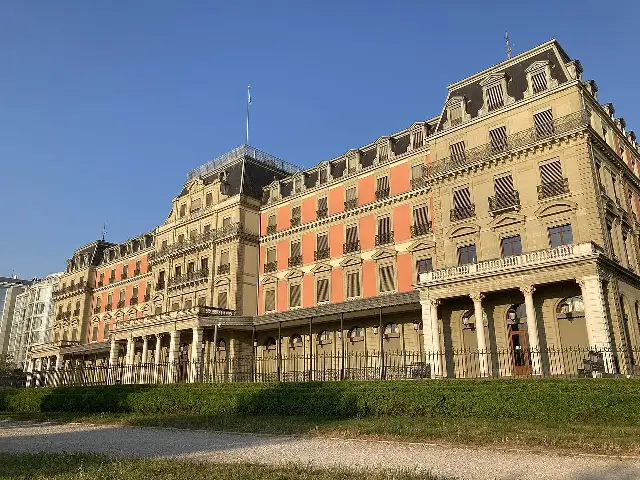
On November 15, 1920, delegates from 41 nations gathered in Geneva for the first Assembly of the League of Nations — humanity's first worldwide organization for keeping the peace.
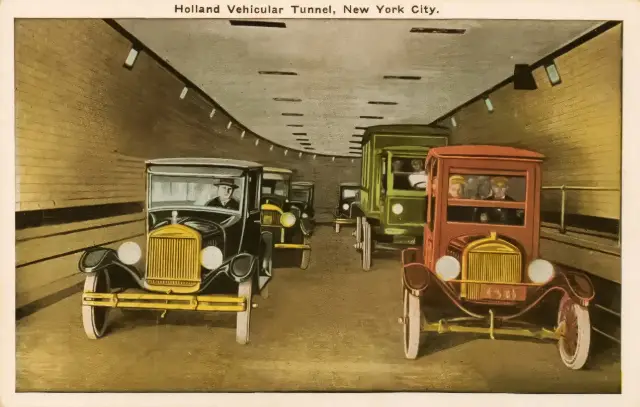
In the early hours of November 13, 1927, the Holland Tunnel opened to traffic — the first underwater tunnel built for cars, named for the engineer who never saw it finished.
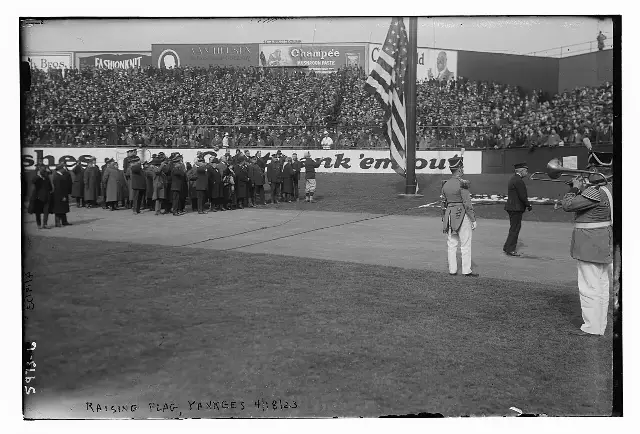
On April 18, 1923, Yankee Stadium opened with a 4–1 win over the Red Sox — and Babe Ruth christened it with a three-run homer into the right-field seats.
On November 7, 1929, just nine days after the Wall Street Crash, the Museum of Modern Art opened in New York on the 12th floor of an office building.
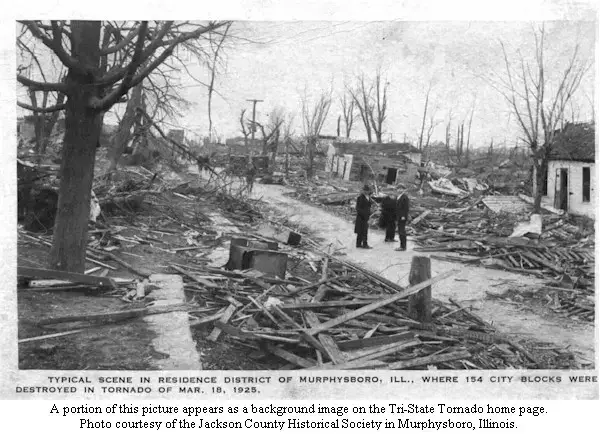
On March 18, 1925, a monster tornado cut a 219-mile scar through Missouri, Illinois, and Indiana, killing 695 people — still the deadliest tornado in U.S. history.
On November 2, 1920, Pittsburgh's KDKA broadcast the Harding–Cox election returns — the first licensed commercial radio broadcast in history.
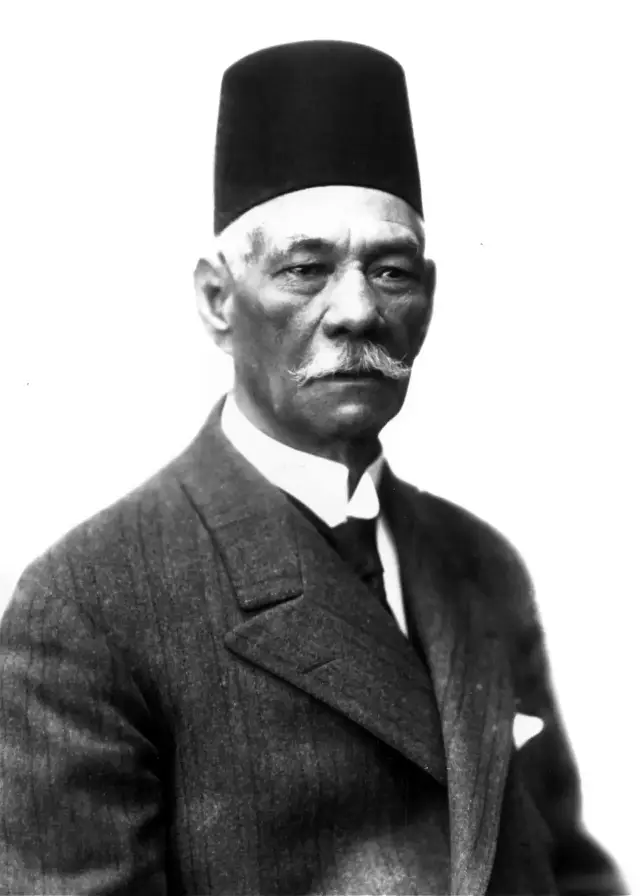
On February 28, 1922, Britain unilaterally declared Egypt an independent sovereign state — while reserving control of the Suez Canal, defense, and Sudan for itself.
On November 11, 1921, an unidentified American soldier from World War I was buried at Arlington National Cemetery in a state funeral led by President Harding.
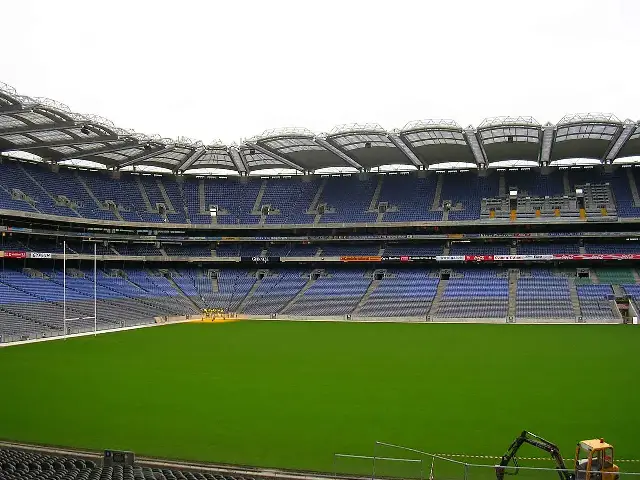
On November 21, 1920, Dublin endured three separate waves of killing in a single day — IRA assassinations at dawn, a massacre of football fans that afternoon, and murders in Dublin Castle at night.
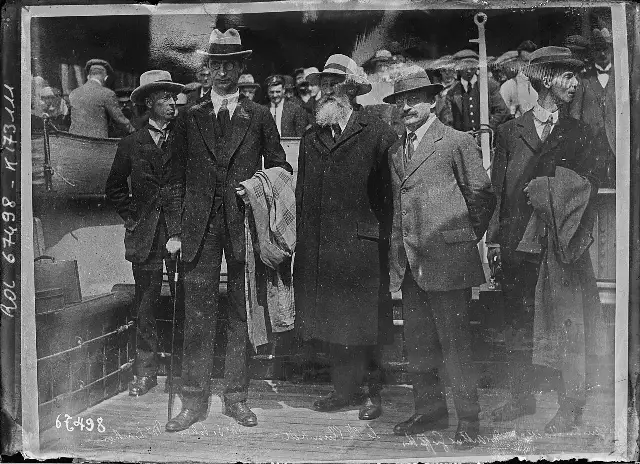
On December 6, 1921, Irish and British negotiators signed the Anglo-Irish Treaty in London, ending a brutal war — and setting the stage for another.
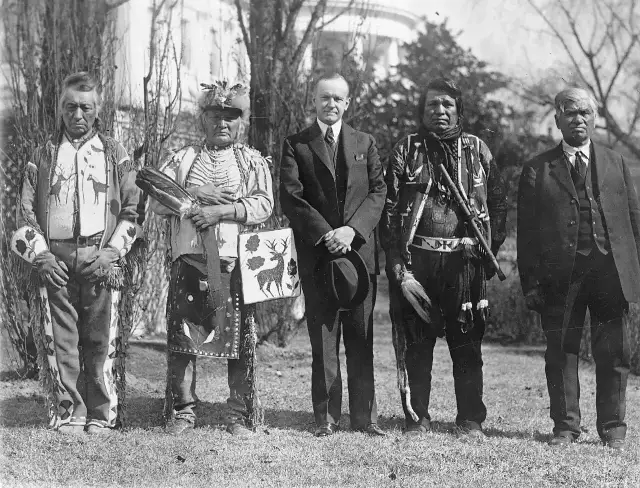
On June 2, 1924, President Calvin Coolidge signed the Indian Citizenship Act, granting U.S. citizenship to all Native Americans born in the country.
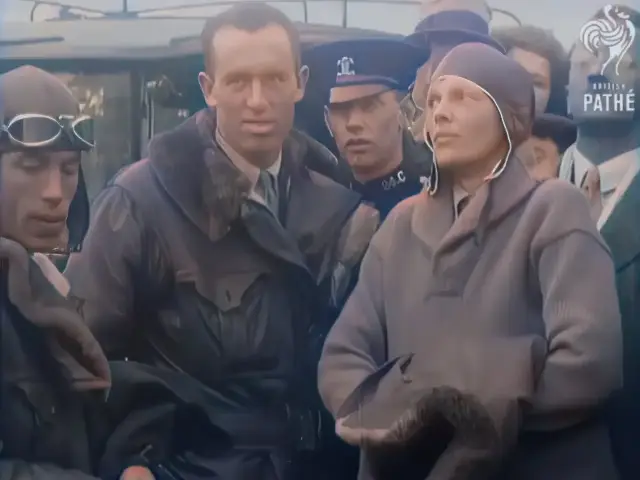
On June 18, 1928, Amelia Earhart landed at Burry Port, Wales, becoming the first woman to fly across the Atlantic Ocean.
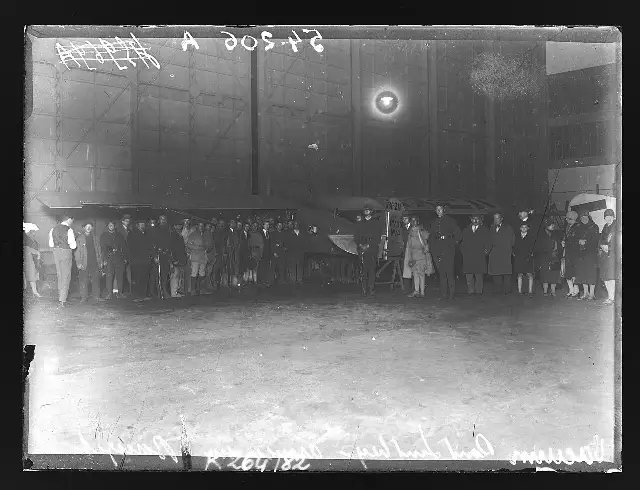
On May 21, 1927, Charles Lindbergh landed the Spirit of St. Louis at Le Bourget, Paris, completing the first solo nonstop flight across the Atlantic.
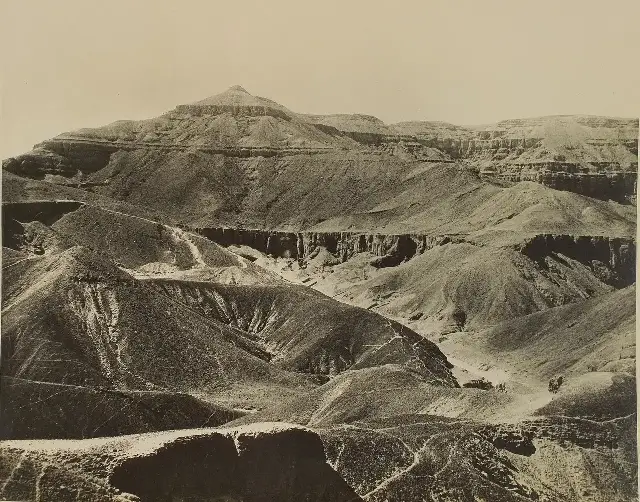
On November 4, 1922, Howard Carter's workmen uncovered a hidden staircase in the Valley of the Kings — the first steps down to the intact tomb of Tutankhamun.
On May 20, 1927, Charles Lindbergh took off from Roosevelt Field for the first solo nonstop transatlantic flight, landing in Paris 33½ hours later.
On October 31, 1926, the world's most famous escape artist lost his final battle — not to chains or a water tank, but to a ruptured appendix.
On May 16, 1929, 270 guests paid $5 each to attend the first Academy Awards, where all 12 awards were handed out in 15 minutes at the Hollywood Roosevelt Hotel.