The Day the World Signed On: The United Nations Is Born
On October 24, 1945, the UN Charter took effect, creating the United Nations — the world's boldest attempt to end war itself.
On October 24, 1945, with the rubble of World War II still smoking across Europe and Asia, a treaty signed four months earlier in San Francisco quietly came to life. Enough nations had now ratified the Charter of the United Nations — including the five great powers of the victorious wartime alliance — and the United Nations officially came into existence. Every October 24 since has been celebrated as United Nations Day.
The road to that day began while the war was still being fought. Determined not to repeat the failure of the League of Nations, which had stood by helplessly as dictators rearmed in the 1930s, Allied leaders sketched out a stronger successor: first at the Dumbarton Oaks conference in 1944, then at Yalta in early 1945. The name itself — "United Nations" — had been coined by President Franklin D. Roosevelt in 1942 for the wartime coalition against the Axis powers.
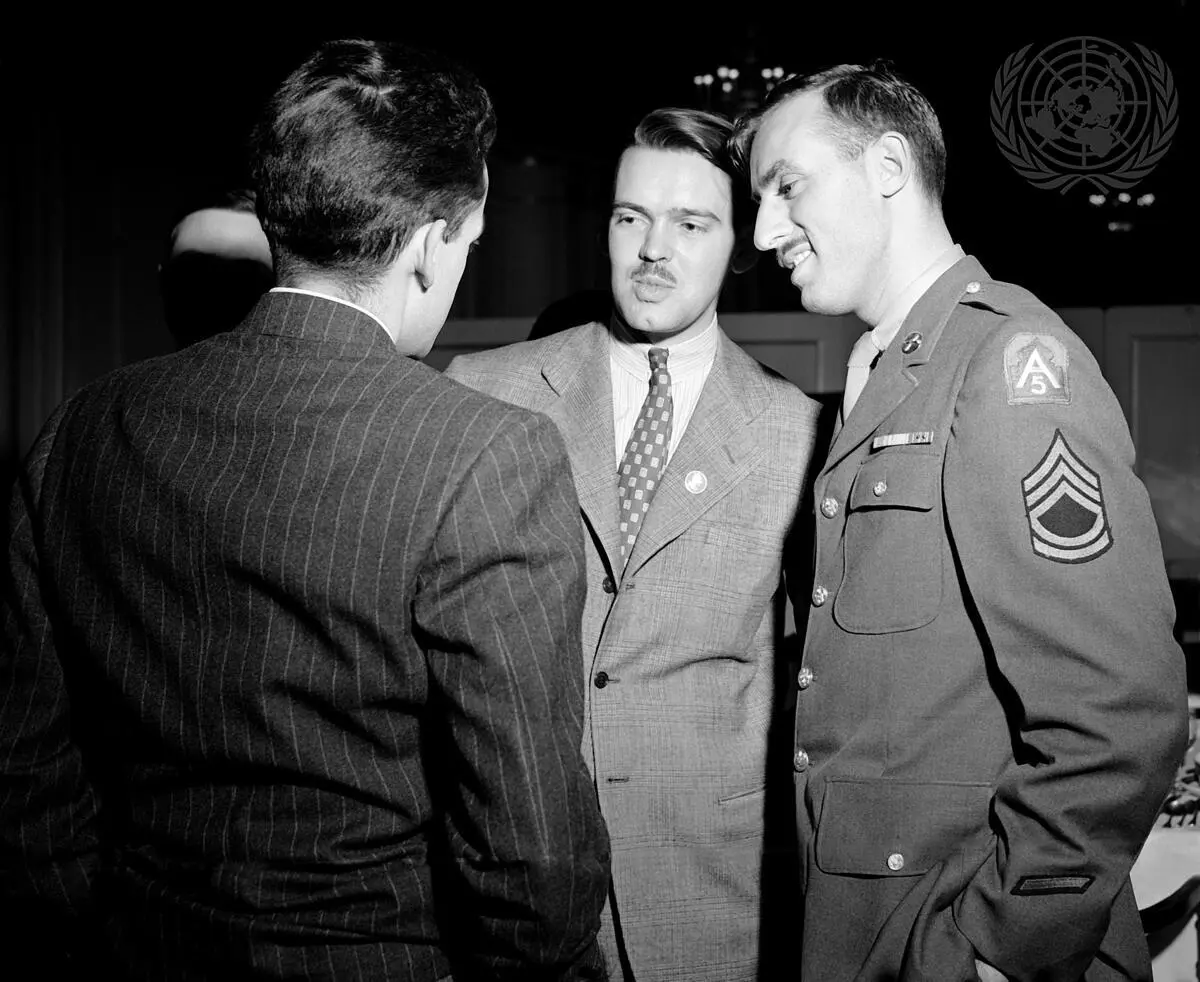
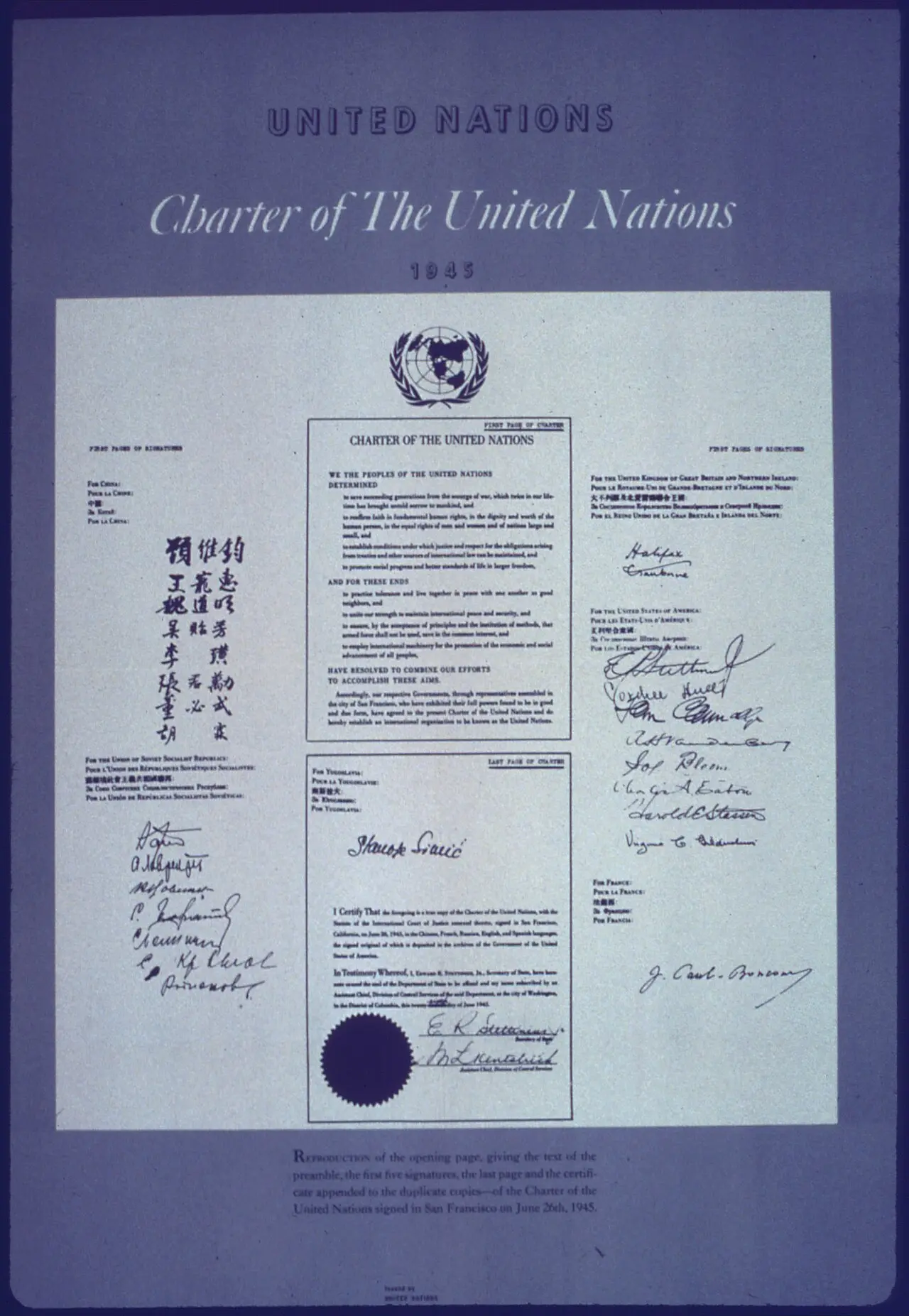
From April to June 1945, delegates from 50 nations gathered in San Francisco to write the organization's constitution. On June 26, they signed the finished Charter — 51 nations would ultimately become founding members. Then came the hard part: ratification. The Charter would take effect only once the five permanent members of the new Security Council — the United States, the Soviet Union, the United Kingdom, China, and France — plus a majority of the other signatories had approved it. On October 24, 1945, that threshold was crossed.
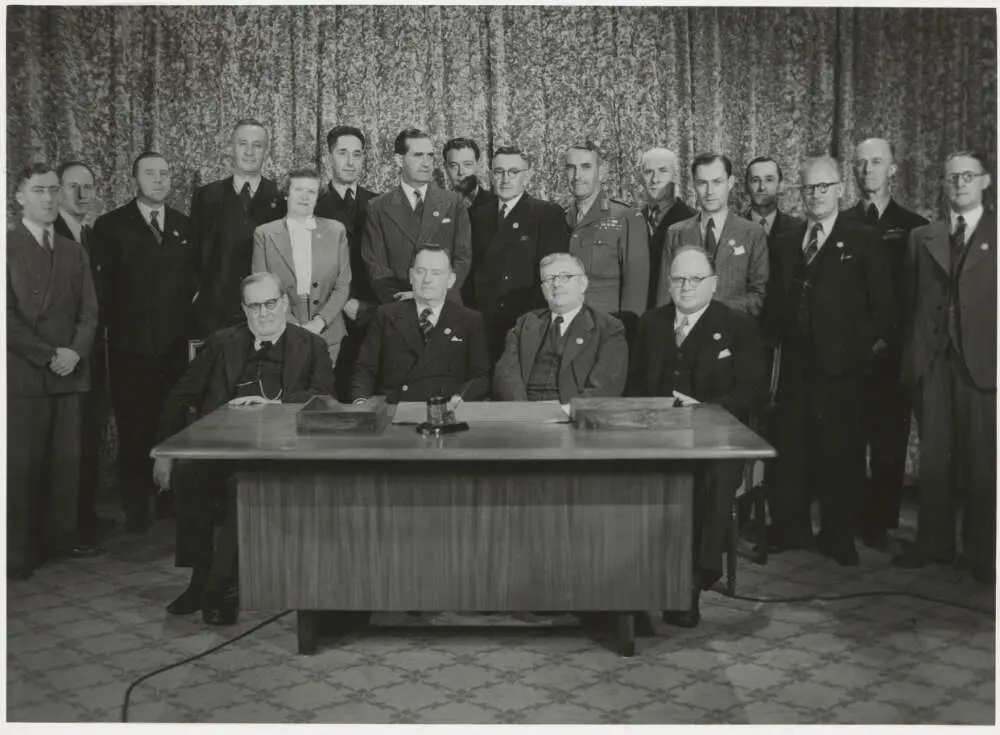
The Charter's promises were sweeping: to maintain international peace and security, uphold international law, promote human rights "without distinction as to race, sex, language, or religion," and raise living standards around the world. The first General Assembly — all 51 founding members — convened in London the following January, and Trygve Lie of Norway became the first Secretary-General. In 1947, the Assembly proclaimed October 24 as United Nations Day; in 1971, it was declared an official international holiday.
Eighty-one years later, the UN has grown from 51 members to 193 — nearly every country on Earth. Its record is imperfect: it has not ended war, and its deadlocks are famous. But its peacekeepers have separated combatants on four continents, and its agencies — the World Health Organization, UNESCO, and their sister bodies — vaccinate children, feed the hungry, preserve heritage, and coordinate disaster relief on a scale no single nation could manage. The Charter's core gamble was that even rival great powers would rather argue in one room than fight on a battlefield. On its best days, that gamble has paid off in lives saved.
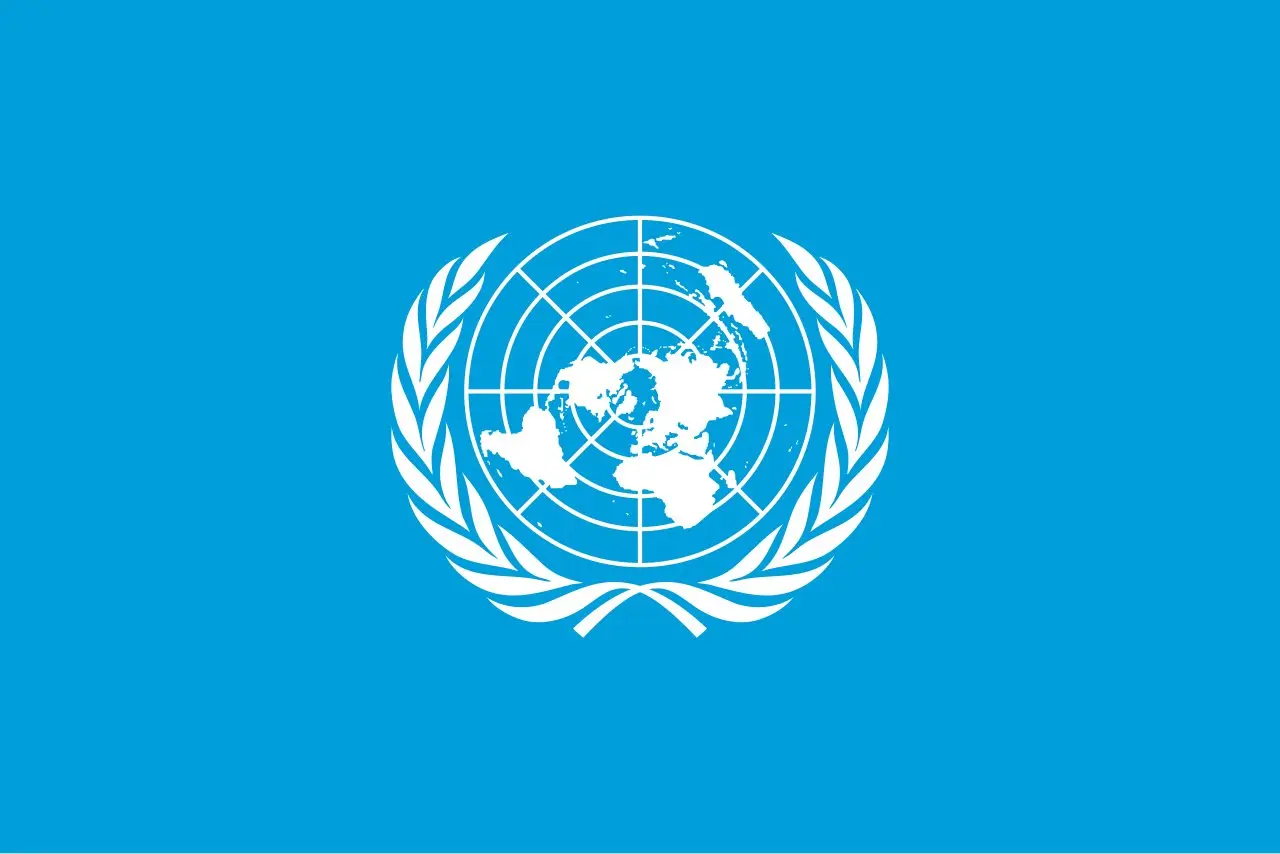
Flag image: Denelson83, Zscout370 and Madden, public domain (via Wikimedia Commons).
More photos (via Wikimedia Commons, public domain): delegates at the 1945 San Francisco conference (UN photographer); a group portrait of Australian delegates to the conference; the Charter of the United Nations (U.S. National Archives).