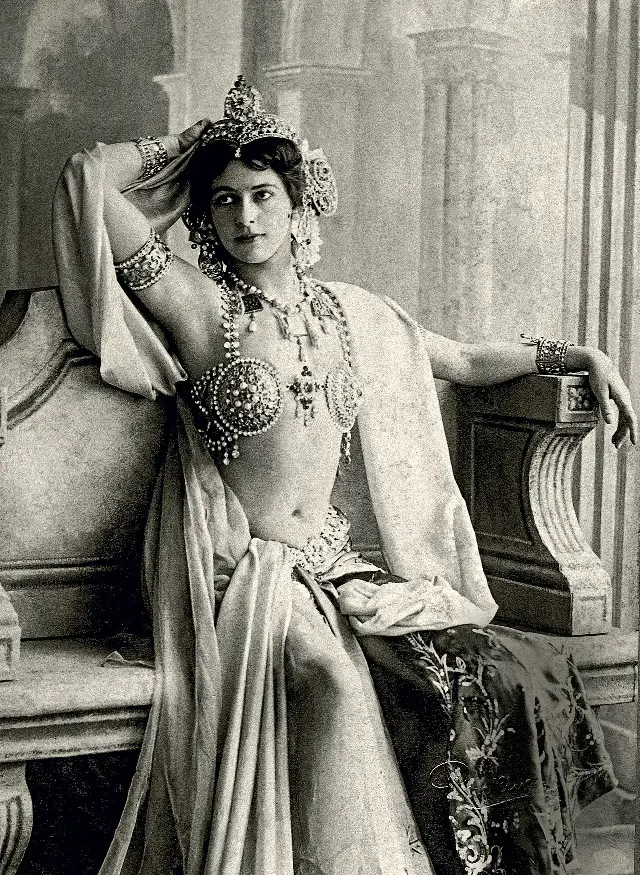
Mata Hari: The Dancer Executed as a Spy
On October 15, 1917, the dancer Mata Hari faced a French firing squad at Vincennes, convicted of spying for Germany.
On October 15, 1917, the dancer Mata Hari faced a French firing squad at Vincennes, convicted of spying for Germany.
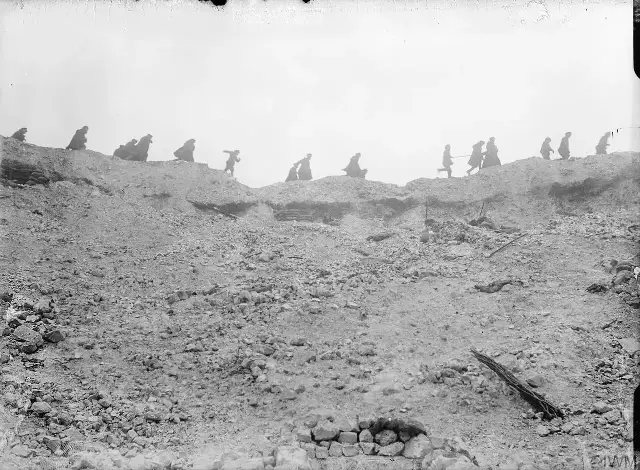
On November 18, 1916, General Haig called off the Battle of the Somme — 141 days that moved the front barely six miles.
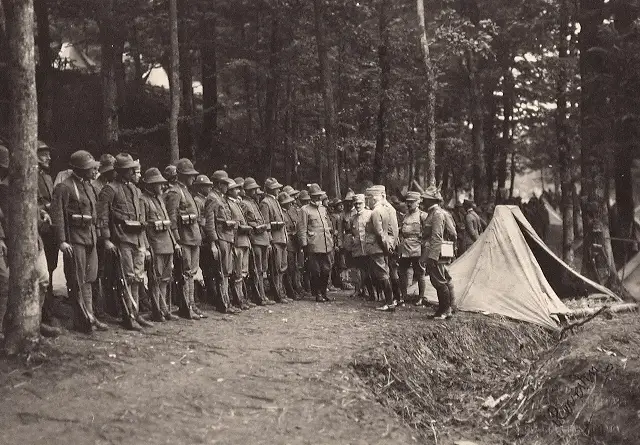
On May 23, 1915, Italy declared war on Austria-Hungary, abandoning its old allies and opening a brutal 600-kilometer mountain front that would bleed both armies for three and a half years.
On October 12, 1915, British nurse Edith Cavell was executed by a German firing squad in Brussels for helping Allied soldiers escape — leaving words that still define moral courage.
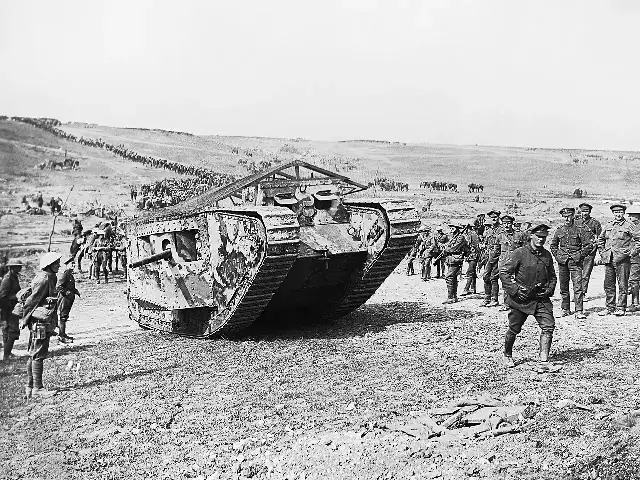
On September 15, 1916, British tanks rolled into battle for the first time at Flers-Courcelette, stunning German troops and changing warfare forever.
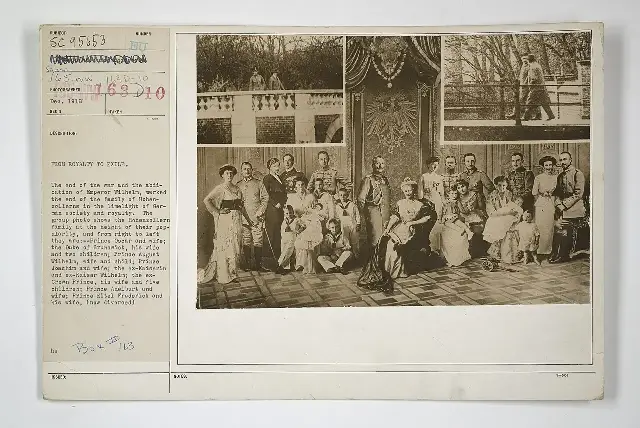
On November 9, 1918, Kaiser Wilhelm II's abdication was announced without his consent, and two rival republics were proclaimed in Berlin the same afternoon.
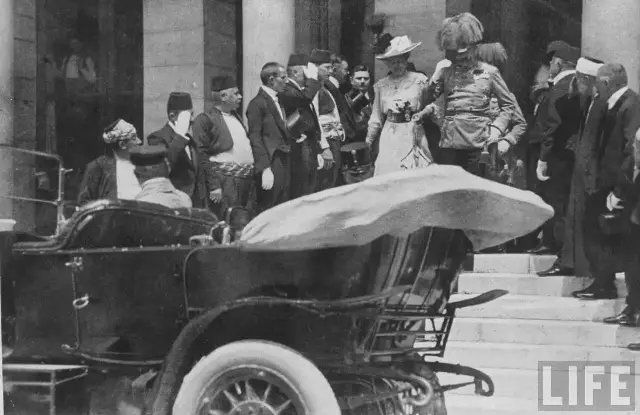
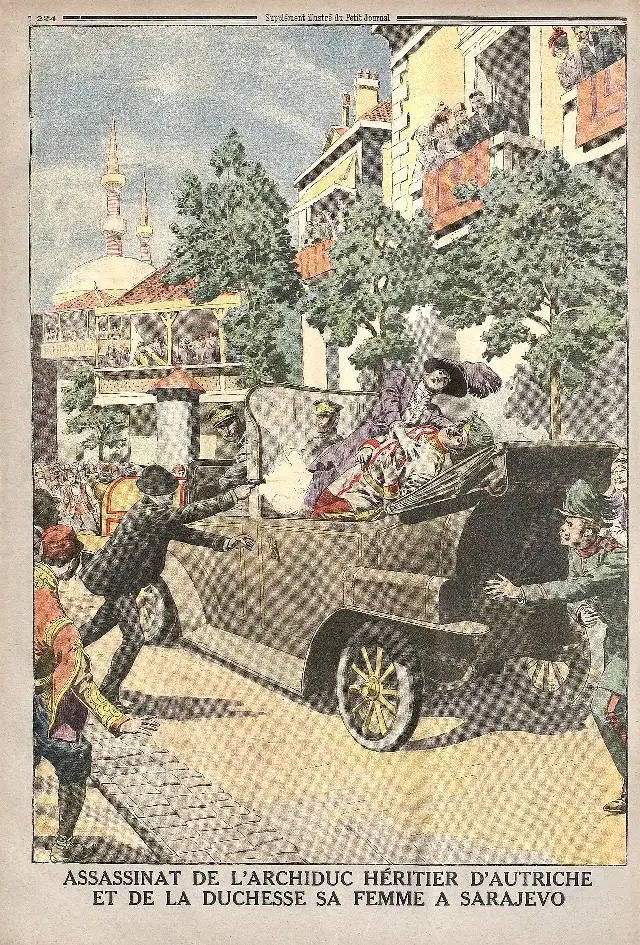
On June 28, 1914, a 19-year-old student fired two shots in Sarajevo that killed an archduke and set the world on the road to war.
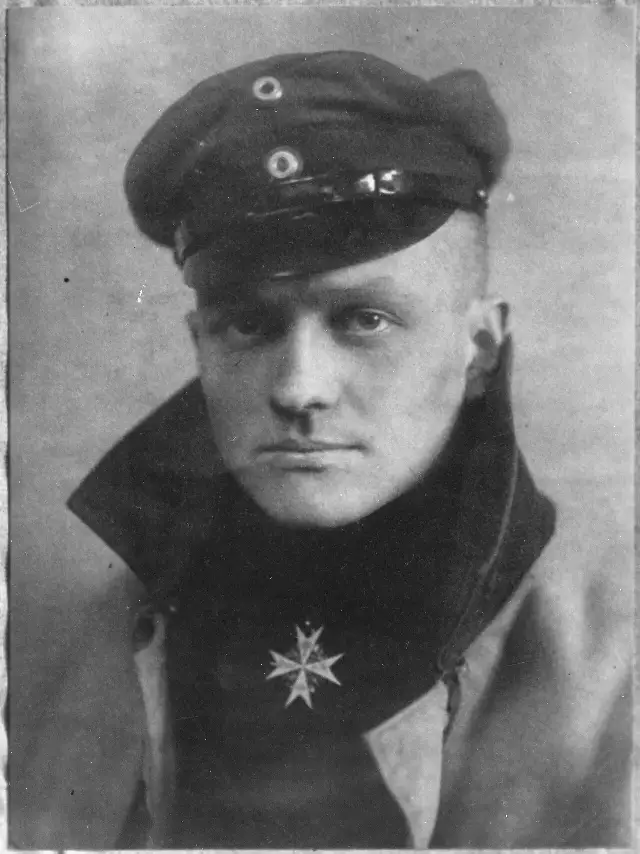
On April 21, 1918, Manfred von Richthofen — the Red Baron, the deadliest flying ace of World War I with 80 victories — was shot down over France and killed at 25.
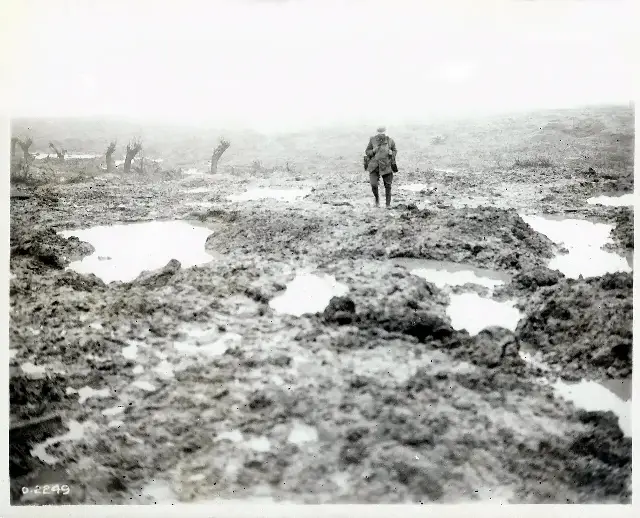
On November 6, 1917, the Canadian Corps captured the ruins of Passchendaele village, bringing to a close one of the First World War's bloodiest and most controversial offensives.
On July 28, 1914, Austria-Hungary declared war on Serbia — and a "small, local" war exploded into a global catastrophe.
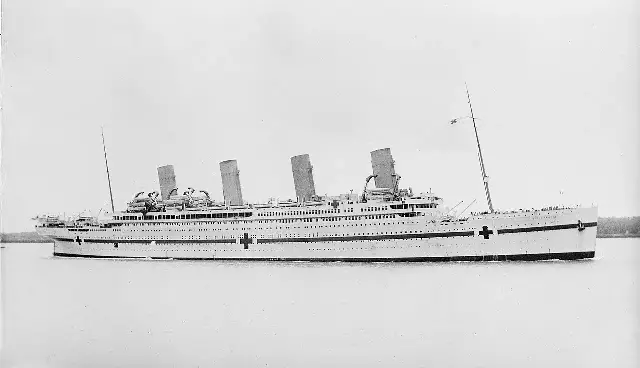
On November 21, 1916, the HMHS Britannic — sister ship of the Titanic and the world's largest hospital ship — struck a mine in the Aegean and sank in just 55 minutes.
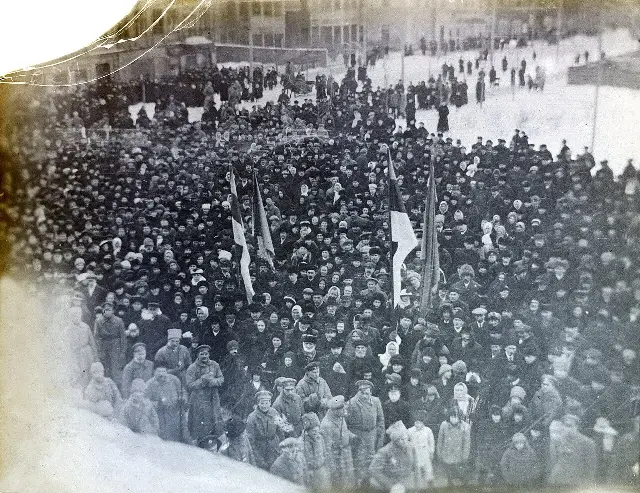
On February 24, 1918, Estonia seized a single day between two departing armies to declare itself an independent republic.