The Day the World Wrote a Charter Against War
On November 16, 1945, thirty-seven countries signed the constitution of UNESCO in London, betting that peace could be built in the minds of men.
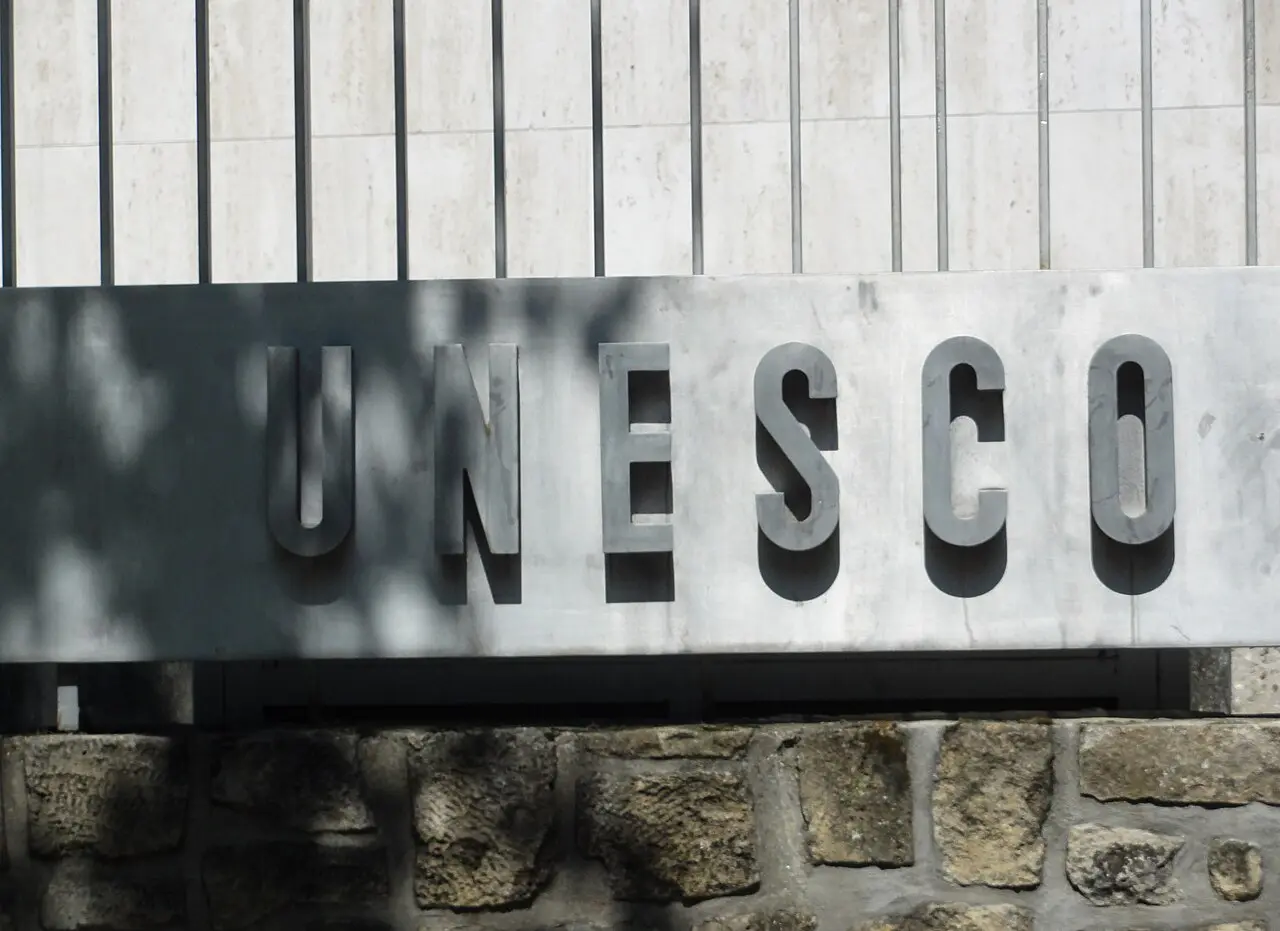
The war in Europe had been over for six months, and the rubble was still being cleared, when delegates from 44 governments gathered in London to do something that sounded almost hopeless: design an organization whose job was to prevent the next war — not with armies, but with books, laboratories, and museums.
The idea had been brewing since 1942, when a small group of allied education ministers began meeting in London even as the bombs fell. Their conviction was simple and radical: the great and terrible war had been made possible by ignorance, prejudice, and the denial of human dignity, so lasting peace would have to be built on something deeper than treaties. As the constitution they drafted would declare, "since wars begin in the minds of men, it is in the minds of men that the defences of peace must be constructed."
On November 16, 1945, at the close of a two-week United Nations conference on education and culture, the Constitution of the United Nations Educational, Scientific and Cultural Organization was signed by 37 countries, and a preparatory commission was set up to bring the new body to life. It was a modest start — the organization would not formally come into existence until November 4, 1946, when the twentieth ratification was deposited.
UNESCO inherited the remnants of earlier efforts: the League of Nations' intellectual cooperation committees and an international bureau of education in Geneva. What made it new was its ambition. It would promote collaboration among nations through education, science, and culture "in order to further universal respect for justice, for the rule of law and for the human rights and fundamental freedoms" — language taken almost directly from the UN Charter, which had been signed in San Francisco just months before.
The first General Conference met in Paris from November 19 to December 10, 1946, with voting representatives from 30 governments. From that small room grew one of the most recognizable institutions on earth: the keeper of the World Heritage List, the defender of schools in war zones, and the author of the quieter sibling of the Universal Declaration — the conviction that culture and learning are not luxuries of peace, but its foundations.
Eighty years on, that 1945 bet looks less naive than it did. The wars have not stopped. But neither has the work of the organization born that November day in London.
Photo: Eva Rinaldi, CC BY-SA 2.0 (via Wikimedia Commons).