The World's First Try at Peace: The League of Nations Convenes
On November 15, 1920, delegates from 41 nations gathered in Geneva for the first Assembly of the League of Nations — humanity's first worldwide organization for keeping the peace.
Two years after the guns of World War I fell silent, the world tried something it had never tried before: a permanent organization to keep the peace. On November 15, 1920, delegates from 41 nations gathered in Geneva, Switzerland, for the first Assembly of the League of Nations.
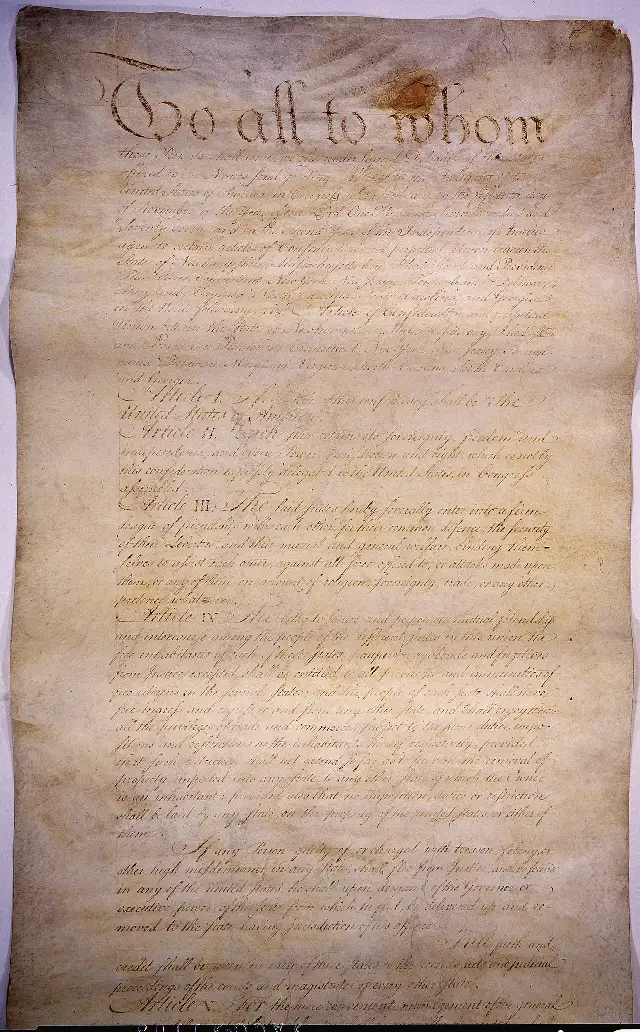
The idea had been championed above all by American president Woodrow Wilson, who made an international peace organization the centerpiece of his Fourteen Points and of the Treaty of Versailles, signed in June 1919. The League's Covenant — the treaty section that created it — committed members to disarmament, to settling disputes through negotiation and arbitration rather than war, and to collective security: an attack on one member would concern them all. For his efforts, Wilson received the Nobel Peace Prize in 1919.
There was one painful irony hanging over the Geneva hall. The United States, Wilson's own country, never joined. The U.S. Senate, led by Henry Cabot Lodge, refused to ratify the Treaty of Versailles — a 49-to-35 vote in March 1920 fell short of the required two-thirds — and the League went forward without the world's rising power.
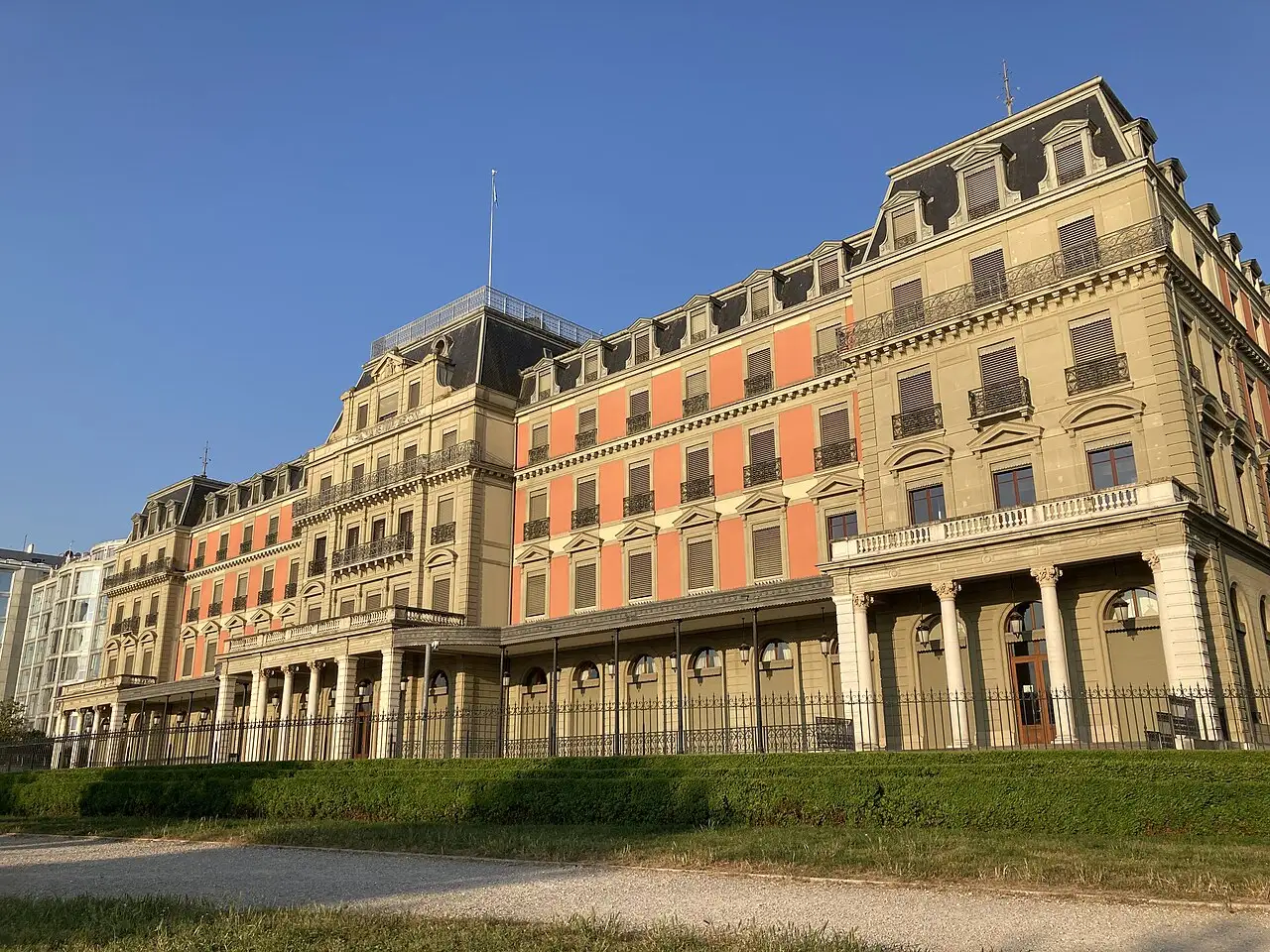
Still, the Assembly that opened on that November day was a remarkable gathering. Forty-one of the League's forty-two member states were represented at the opening session, and six more — Albania, Austria, Bulgaria, Costa Rica, Finland, and Luxembourg — were admitted during the meetings. Over thirty-one plenary sessions stretching to December 18, the delegates, presided over by Belgium's Paul Hymans, organized the League's secretariat, planned new bodies for health, communications, and finance, and began work on a Permanent Court of International Justice. The League set up its first permanent home in the Palais Wilson on Geneva's lakeshore, named for the American president who had dreamed it into being.
The League ultimately failed at its central mission — it could not prevent the Second World War — and it formally dissolved in April 1946, handing its buildings and assets to its successor, the United Nations. But much of what the League built survived: its health organization became the World Health Organization, its court became the International Court of Justice, and its grand experiment — nations talking instead of fighting — became the template the world still uses.
It all began with 41 delegations filing into a lakeside palace in Geneva, on a November day in 1920, to try.
Photo: Nick-D, CC BY-SA 4.0 (via Wikimedia Commons).