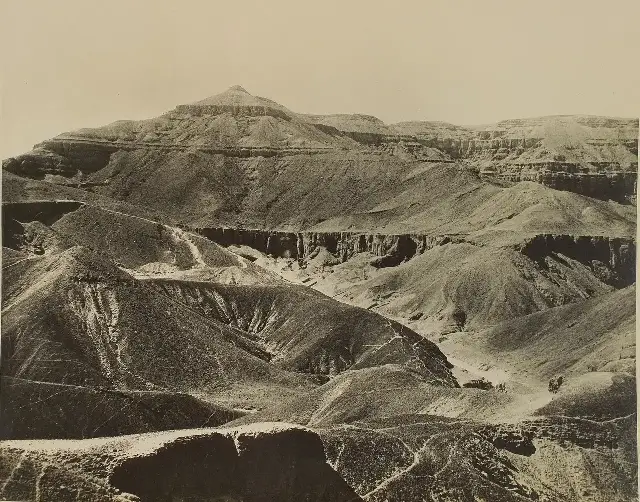
'Wonderful Things': Howard Carter Opens Tutankhamun's Tomb, 1922
On November 26, 1922, Howard Carter peered by candlelight through a hole in a sealed doorway and whispered the words that made history: 'Wonderful things.'


On November 26, 1922, Howard Carter peered by candlelight through a hole in a sealed doorway and whispered the words that made history: 'Wonderful things.'
On July 19, 1799, a French officer named Pierre-François Bouchard found a black stone slab in a crumbling fort wall in Egypt — the Rosetta Stone.
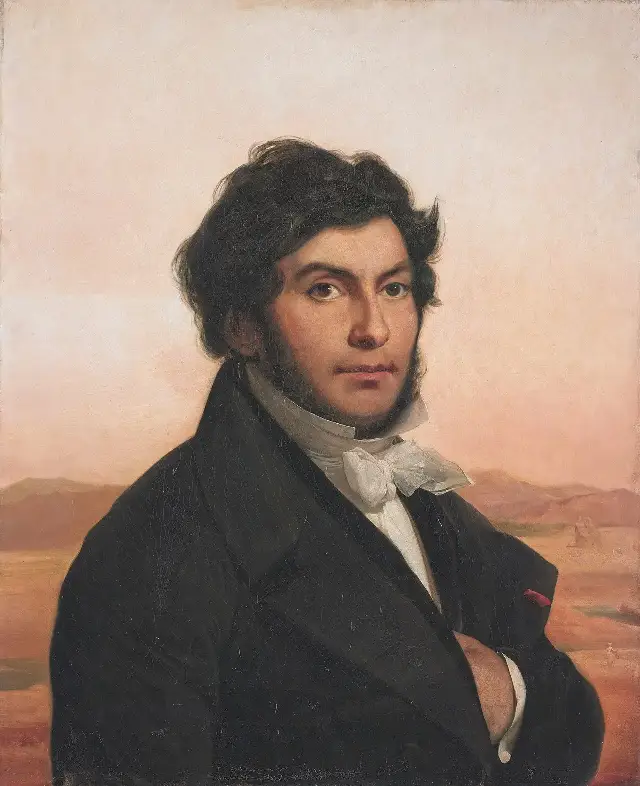
On September 27, 1822, Jean-François Champollion read his breakthrough on hieroglyphs to the Paris Academy — with his great rival sitting beside him.
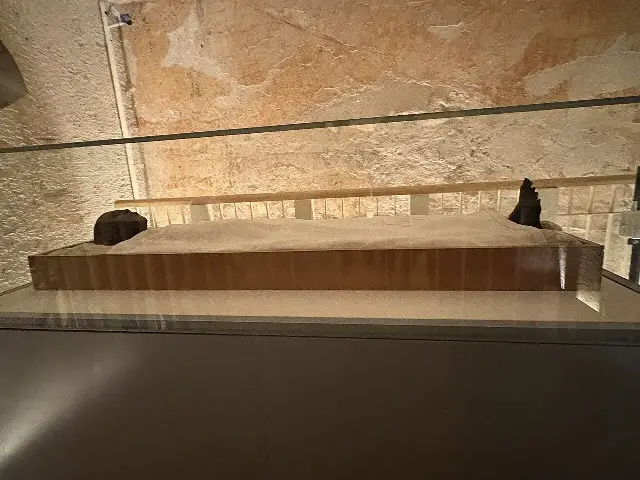
On February 16, 1923, Howard Carter opened the sealed doorway to Tutankhamun's burial chamber, revealing gilded shrines, a stone sarcophagus, and the most complete pharaonic tomb ever found.
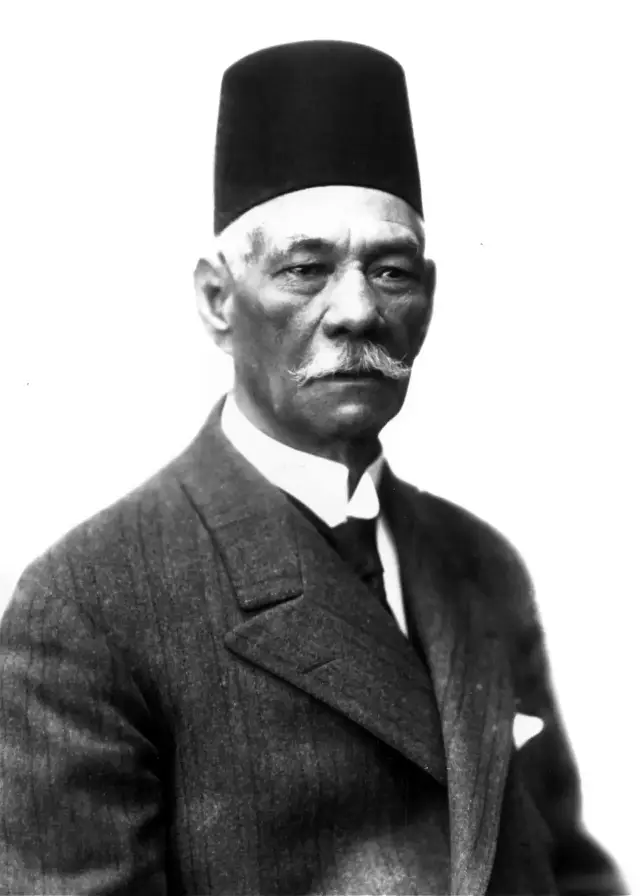
On February 28, 1922, Britain unilaterally declared Egypt an independent sovereign state — while reserving control of the Suez Canal, defense, and Sudan for itself.
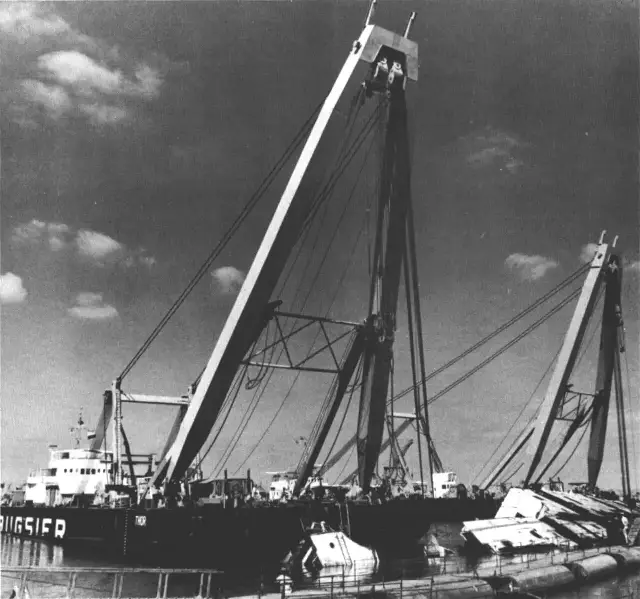
On June 5, 1975 — exactly eight years after it was closed — Egypt's Anwar Sadat reopened the Suez Canal in a ceremony that became a gesture of peace.
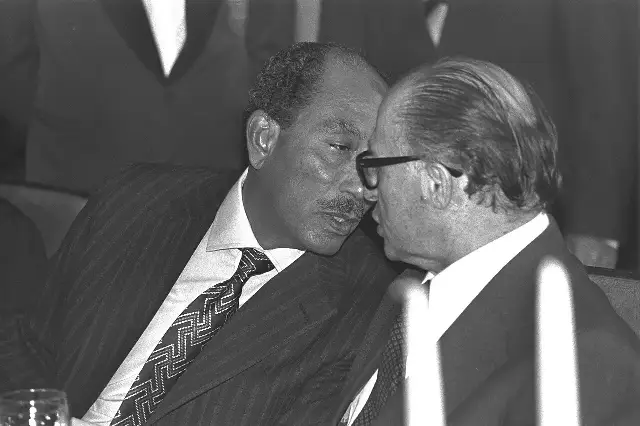
On November 19, 1977, Egyptian President Anwar Sadat landed in Israel — the first Arab leader ever to visit the Jewish state — setting the Middle East on the road to its first peace treaty.
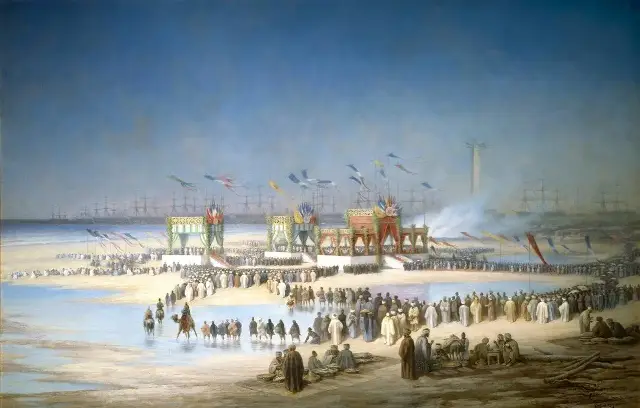
On November 17, 1869, the Suez Canal opened with lavish ceremony at Port Said, joining two seas and cutting weeks off every voyage between Europe and Asia.
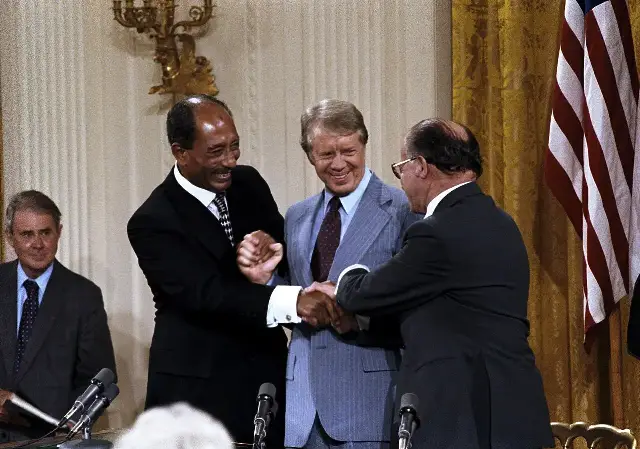
On September 17, 1978, Egypt's Anwar Sadat and Israel's Menachem Begin signed the Camp David Accords after thirteen days of secret talks, ending decades of war between their nations.
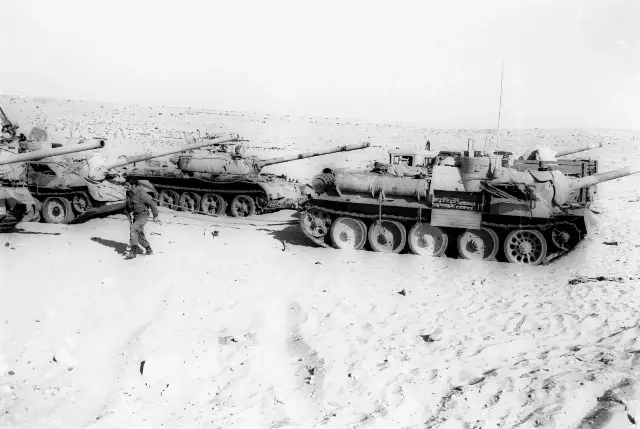
On October 6, 1973, Egypt and Syria attacked Israel on Yom Kippur, starting a war that redrew the Middle East.