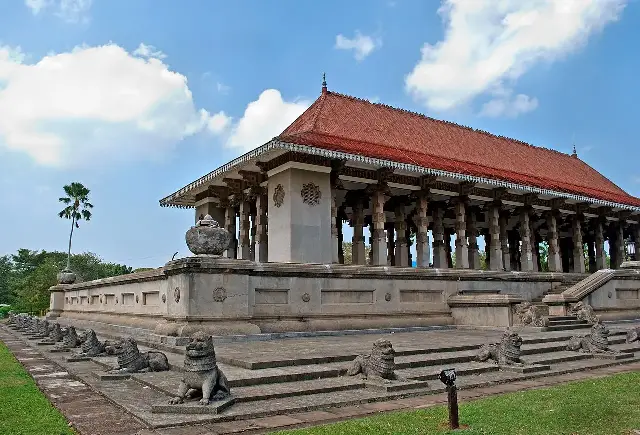
Ceylon's Independence Day: February 4, 1948
On February 4, 1948, Ceylon became the independent Dominion of Ceylon, ending a century and a half of British colonial rule.


On February 4, 1948, Ceylon became the independent Dominion of Ceylon, ending a century and a half of British colonial rule.
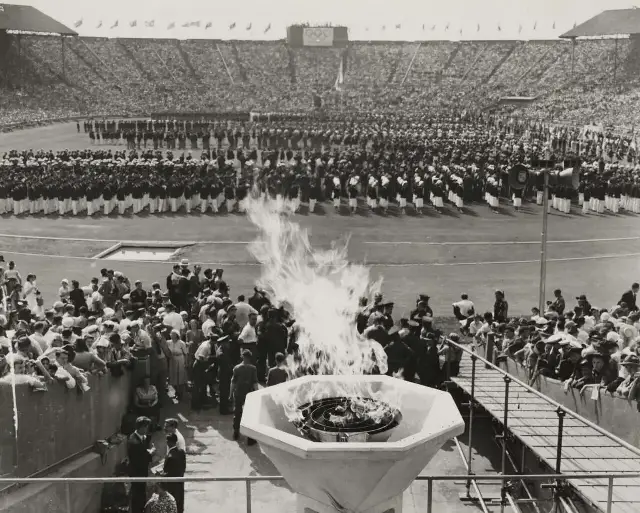
On July 29, 1948, war-scarred London opened the first Olympics in twelve years — with rationed food, borrowed kit, and a spirit the world desperately needed.
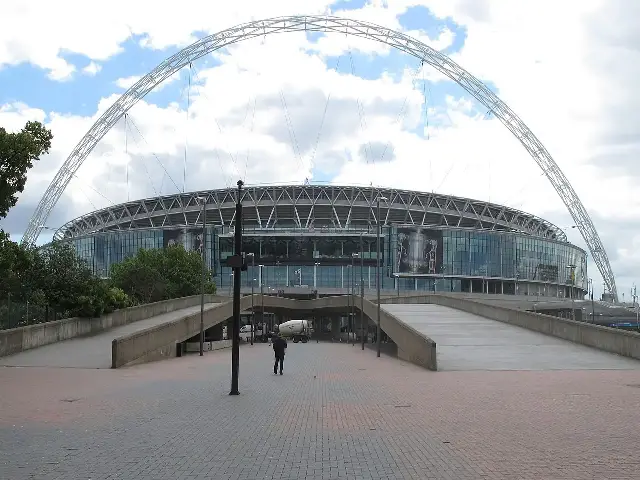
On July 30, 1966, England beat West Germany 4–2 after extra time at Wembley — the only World Cup the nation has ever won, before a record British TV audience.
On July 30, 1932, Los Angeles opened the Xth Olympiad in the depths of the Great Depression — and quietly reinvented how the Olympic Games are staged forever.
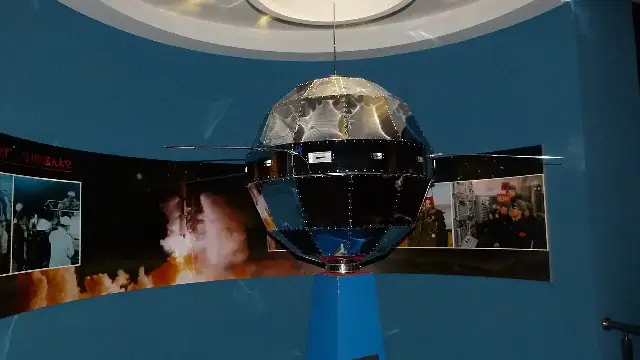
On April 24, 1970, China launched Dong Fang Hong 1, a 173-kilogram satellite that broadcast 'The East Is Red' from orbit, making China the fifth nation to reach space on its own rocket.
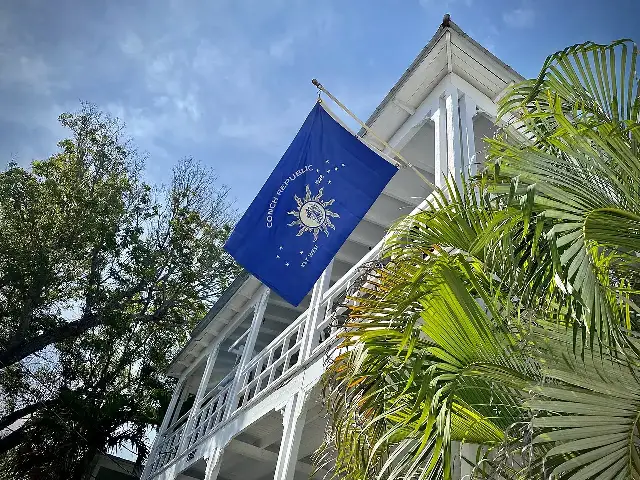
On April 23, 1982, Key West seceded as the Conch Republic over a Border Patrol roadblock, fought America for one minute, surrendered, and billed Washington $1 billion in foreign aid.
On September 27, 1905, the journal Annalen der Physik received a paper from a 26-year-old patent clerk that quietly revealed mass is energy.
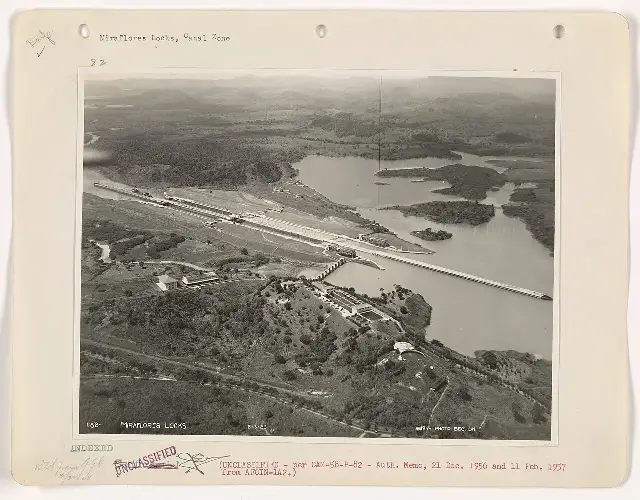
On December 31, 1999, the United States transferred the Panama Canal to Panama, ending nearly a century of American control of the great waterway.
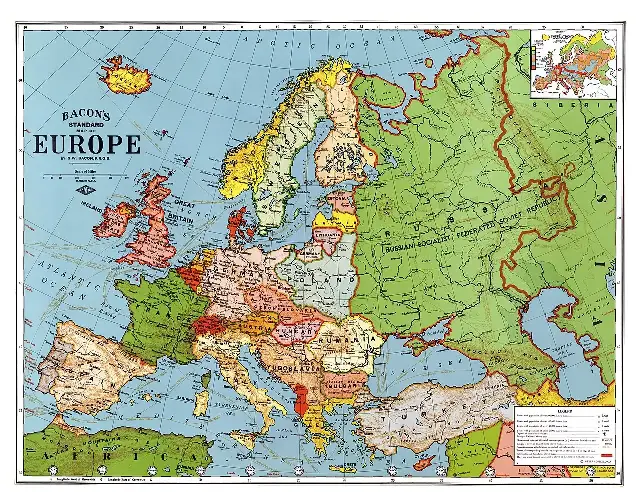
On December 30, 1922, delegates at Moscow's Bolshoi Theatre proclaimed the Union of Soviet Socialist Republics, redrawing the map of the 20th century.
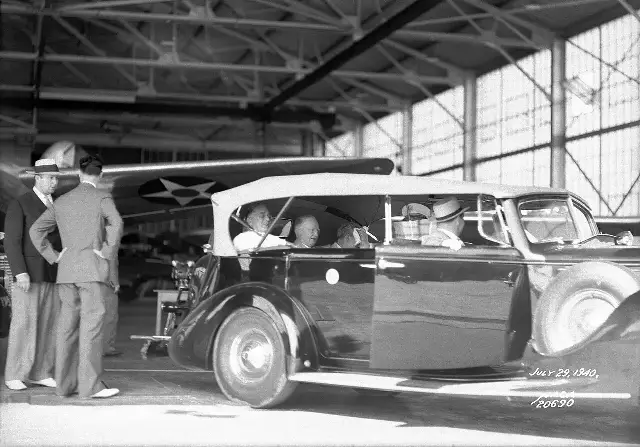
On January 6, 1941, eleven months before Pearl Harbor, Franklin D. Roosevelt told Congress the world must be founded on four essential human freedoms.
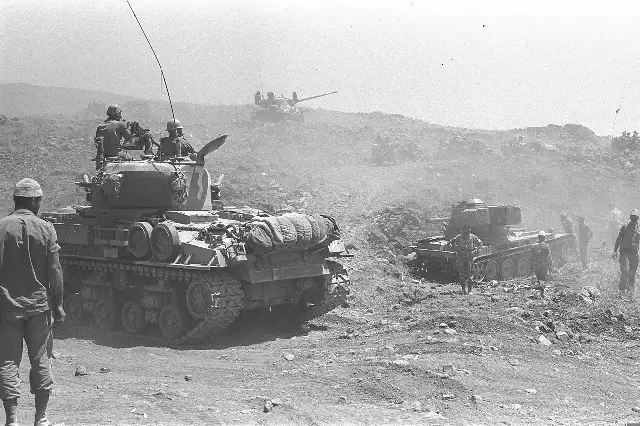
On June 10, 1967, a UN-brokered ceasefire ended the Six-Day War, leaving Israel holding lands more than double its size and redrawing the Middle East map for decades to come.
On January 5, 1925, grieving widow Nellie Tayloe Ross was inaugurated as governor of Wyoming — the first woman ever elected governor of a U.S. state — without having campaigned a single day.
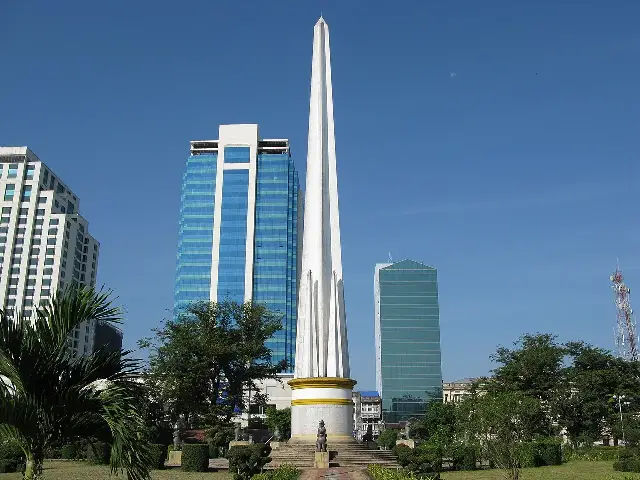
At 4:20 a.m. on January 4, 1948, at an hour chosen by an astrologer, Burma became the Union of Burma — though the leader who won its freedom, Aung San, had been assassinated months earlier.
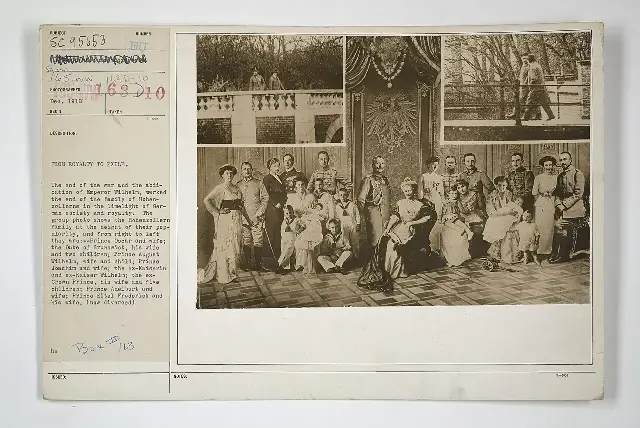
On November 9, 1918, Kaiser Wilhelm II's abdication was announced without his consent, and two rival republics were proclaimed in Berlin the same afternoon.
On November 8, 1939, a lone carpenter's bomb demolished the lectern where Hitler had spoken — 13 minutes after the dictator left the hall early.
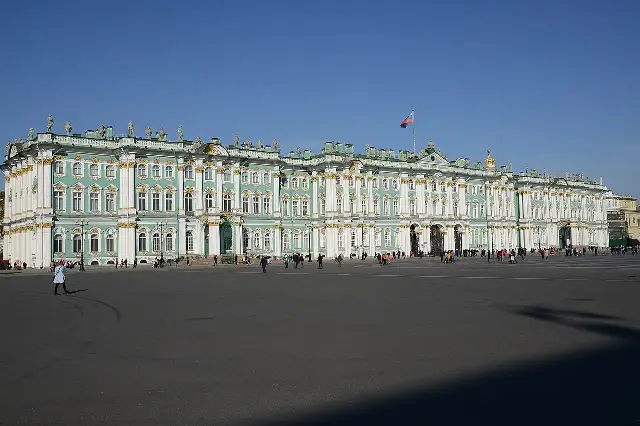
On November 7, 1917 (October 25 in Russia's old calendar), the Bolsheviks seized the Winter Palace in an almost bloodless coup that reshaped the 20th century.
On June 24, 1947, pilot Kenneth Arnold reported nine mysterious objects racing past Mount Rainier — and accidentally launched the flying saucer era.
On June 23, 1972, President Nixon signed Title IX — 37 words banning sex discrimination in education that would revolutionize women's sports and schooling.
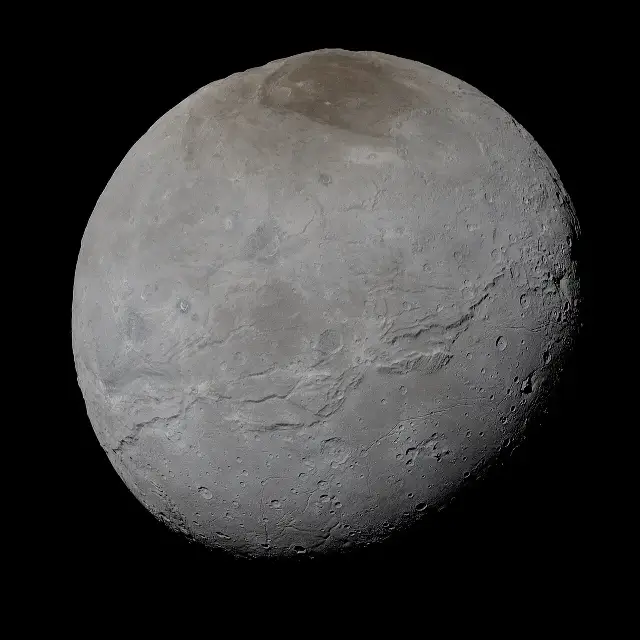
On June 22, 1978, astronomer James Christy spotted a tiny bulge in Pluto's image — a moon he named Charon, for his wife and mythology's ferryman of the dead.
On February 12, 1912, a six-year-old boy's abdication ended more than 2,000 years of imperial rule in China.
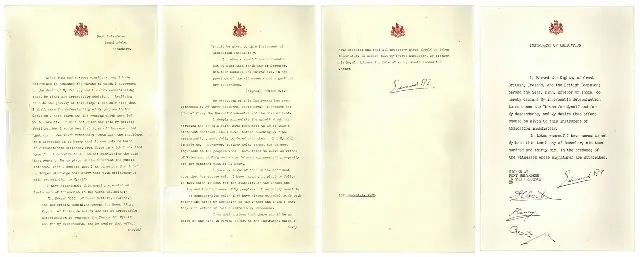
On December 10, 1936, King Edward VIII signed the Instrument of Abdication at Fort Belvedere, ending his 327-day reign so he could marry Wallis Simpson.
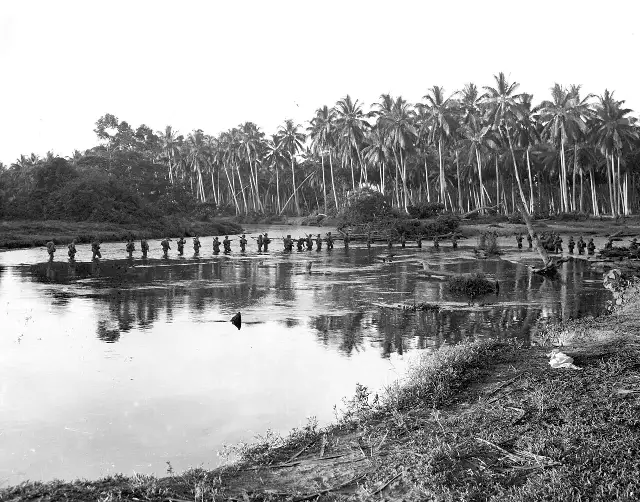
On February 9, 1943, the Guadalcanal campaign ended in Allied victory, marking the turning point of the Pacific war.
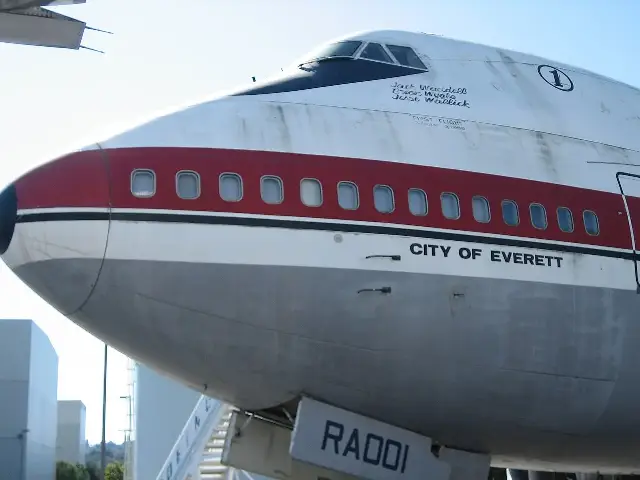
On February 9, 1969, the Boeing 747 took its first flight from Paine Field, launching the jumbo-jet era of air travel.
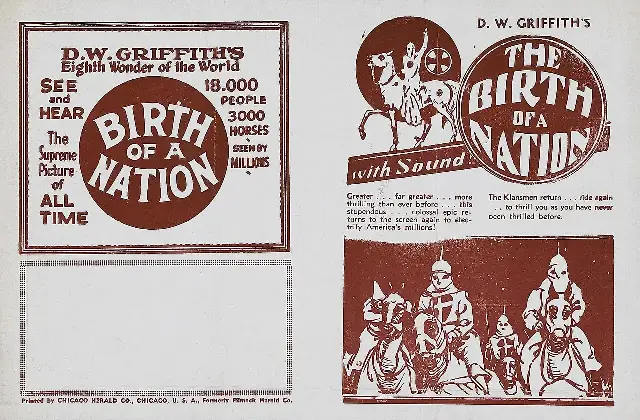
On February 8, 1915, D.W. Griffith's The Birth of a Nation premiered in Los Angeles, revolutionizing cinema while spreading racist propaganda.
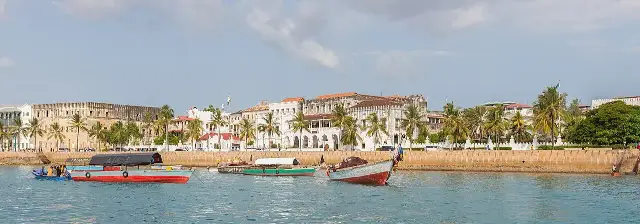
On April 26, 1964, the newly independent nations of Tanganyika and Zanzibar merged into a single country: Tanzania.
On April 25, 1953, James Watson and Francis Crick published the one-page Nature paper revealing DNA's double-helix structure.
On April 25, 1974, two coded songs on Portuguese radio launched the Carnation Revolution, ending nearly 50 years of dictatorship in under a day.
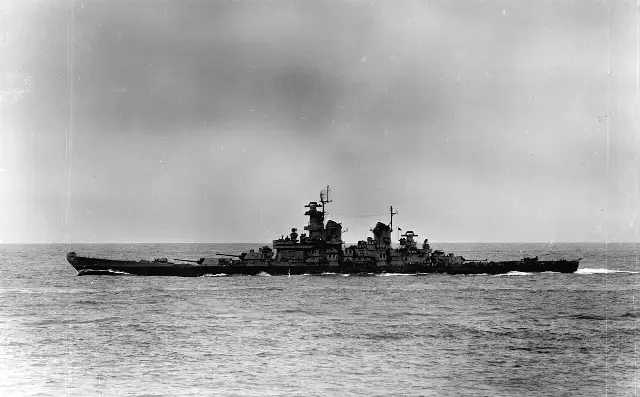
On March 31, 1992, the USS Missouri — the ship on which Japan surrendered in 1945 — was decommissioned, closing the age of the battleship forever.
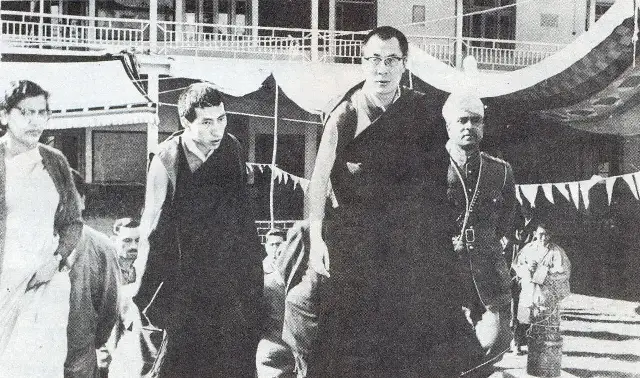
On March 31, 1959, the 14th Dalai Lama crossed into India after a two-week escape across the Himalayas, beginning an exile that continues today.
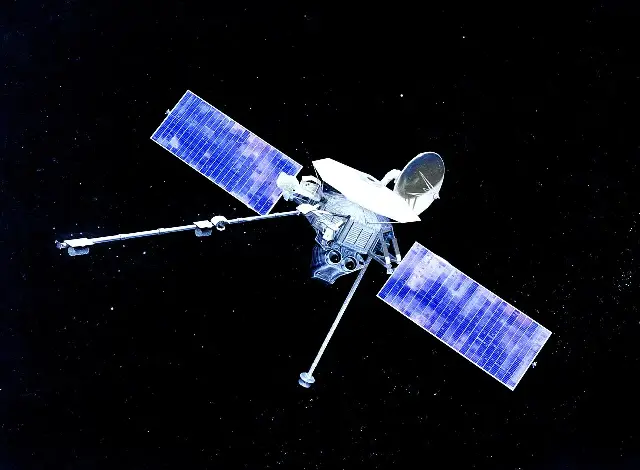
On March 29, 1974, NASA's Mariner 10 became the first spacecraft to fly past Mercury, revealing a cratered, moonlike world no telescope had ever resolved.
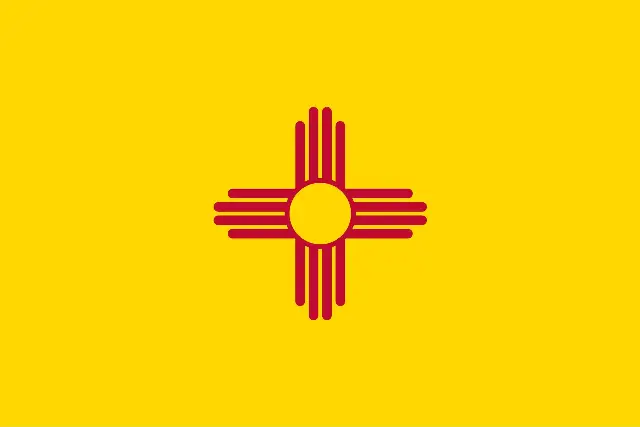
On January 6, 1912, after 61 years as a U.S. territory — the longest wait of any state — New Mexico joined the Union when President William Howard Taft signed its statehood proclamation.
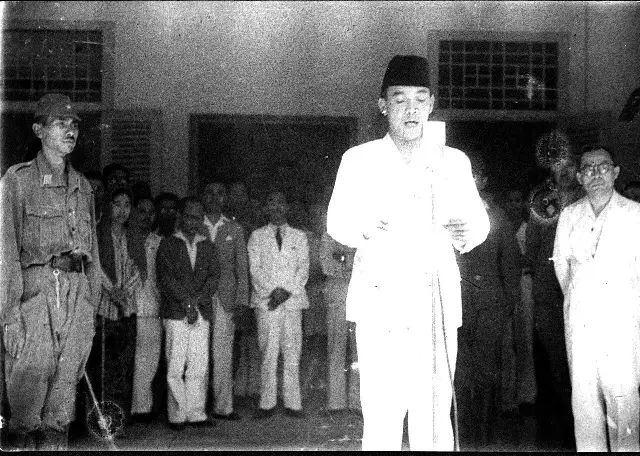
On August 17, 1945, Sukarno and Hatta proclaimed Indonesia's independence in Jakarta, birthing the world's fourth-largest nation.
On November 9, 1989, one mistaken word — “immediately” — sent hundreds of thousands of East Berliners streaming through a wall everyone thought would stand forever.
On February 25, 1964, 22-year-old underdog Cassius Clay dethroned Sonny Liston and announced himself to the world as Muhammad Ali.
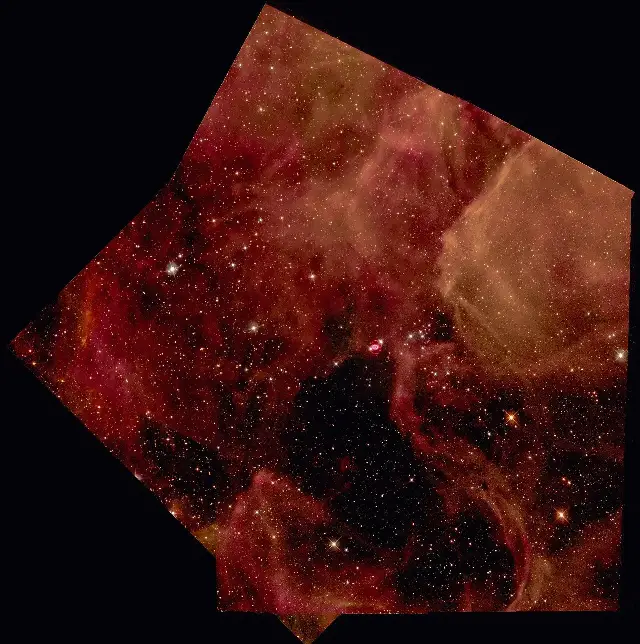
On February 23, 1987, light from an exploding star reached Earth, giving astronomers their first close-up study of a supernova in 383 years.
On February 22, 1980, a team of American college kids stunned the mighty Soviet Union 4-3 at Lake Placid in the 'Miracle on Ice.'
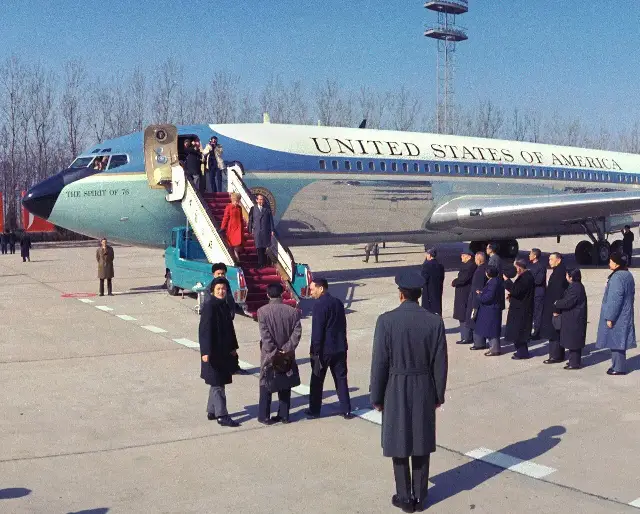
On February 21, 1972, Richard Nixon landed in Beijing and shook Zhou Enlai's hand, ending more than two decades of silence between the United States and China.
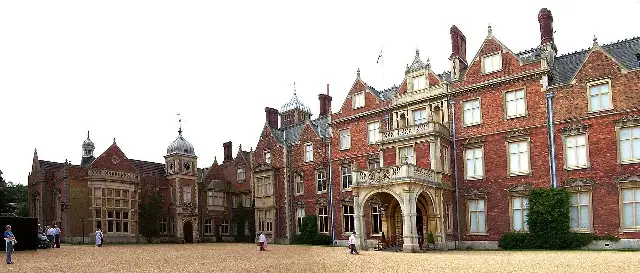
On February 6, 1952, 25-year-old Princess Elizabeth was on a royal tour in Kenya when she learned her father had died in his sleep — and she was Queen.
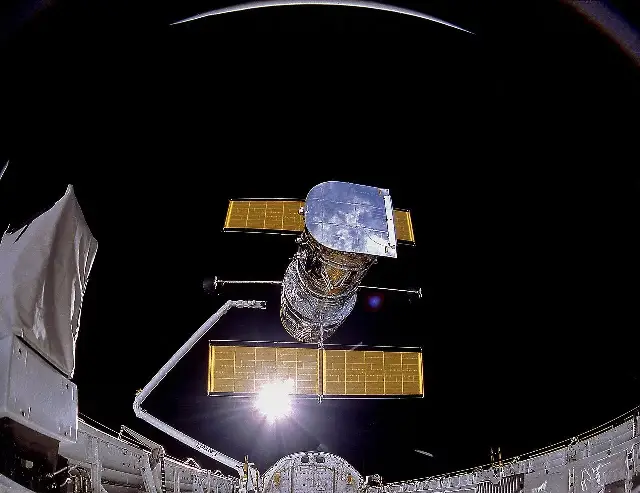
On April 25, 1990, the crew of Space Shuttle Discovery released the Hubble Space Telescope into orbit, opening humanity's clearest window on the cosmos.
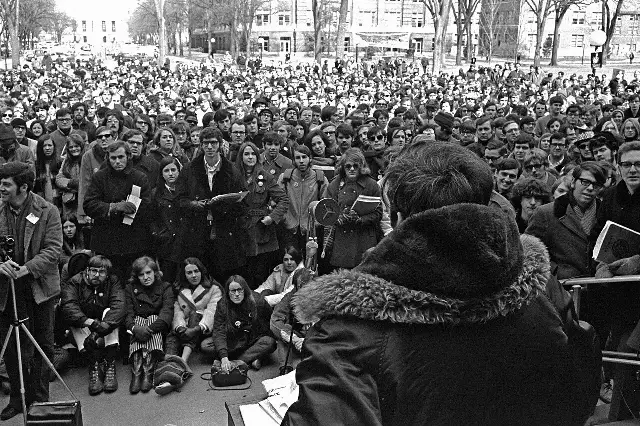
On April 22, 1970, some 20 million Americans took to the streets in the first Earth Day, launching the modern environmental movement.