A Seat Changes Hands: China Takes Its Place at the UN
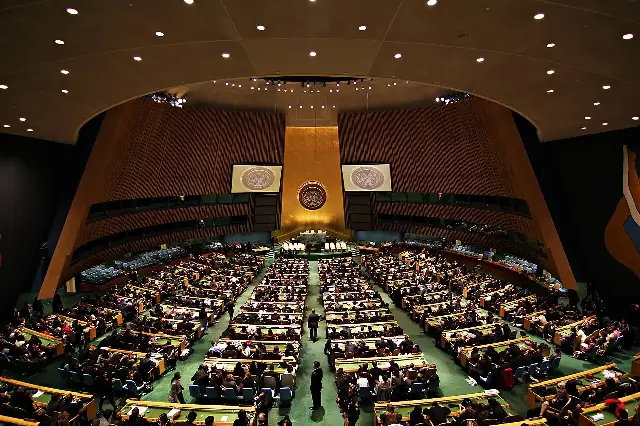
On October 25, 1971, the UN General Assembly voted 76-35 to give China's seat — and its Security Council veto — to Beijing.


On October 25, 1971, the UN General Assembly voted 76-35 to give China's seat — and its Security Council veto — to Beijing.
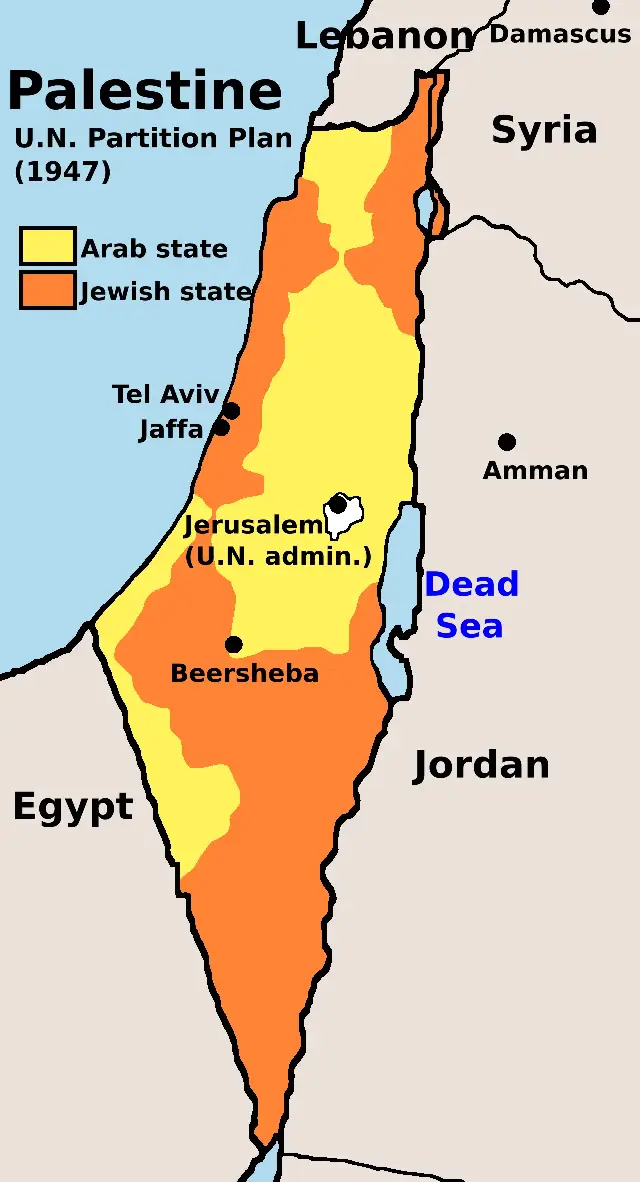
On November 29, 1947, the United Nations General Assembly adopted Resolution 181 by a vote of 33 to 13, recommending that Palestine be divided into separate Jewish and Arab states.
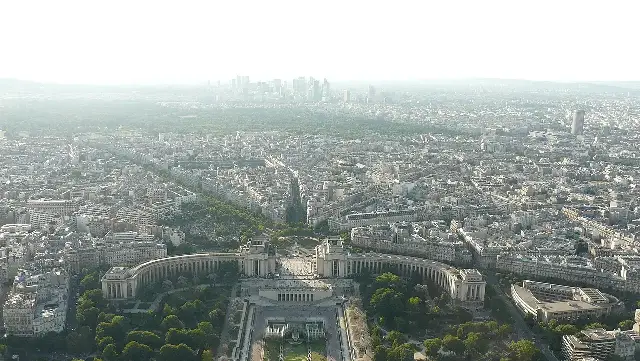
On November 16, 1945, thirty-seven countries signed the constitution of UNESCO in London, betting that peace could be built in the minds of men.
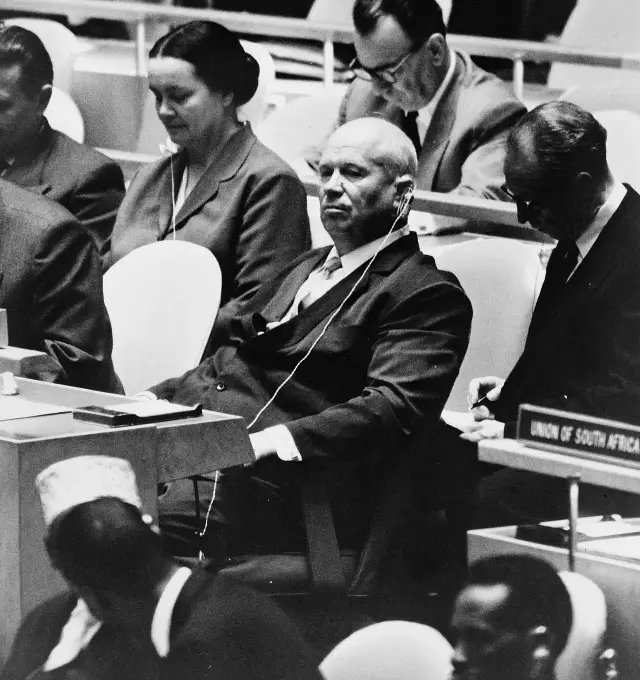
On October 12, 1960, Nikita Khrushchev reportedly pounded his shoe on his desk at the UN General Assembly — the Cold War's most famous, and most disputed, diplomatic outburst.
On December 9, 1948, the United Nations adopted the Genocide Convention, the first treaty making genocide a crime under international law.
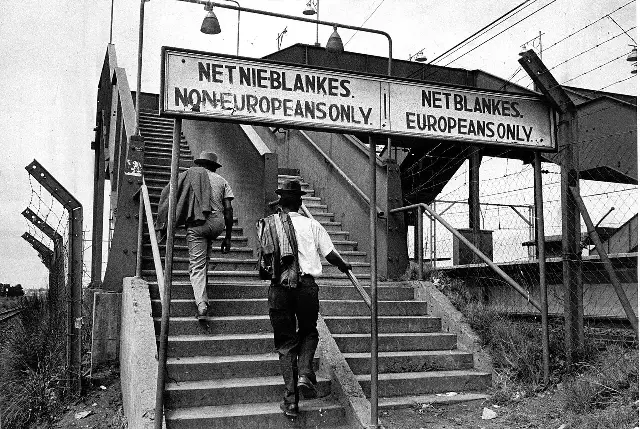
On November 6, 1962, the UN General Assembly passed Resolution 1761, condemning South Africa's apartheid policies and urging a worldwide economic and military boycott.
On October 24, 1945, the UN Charter took effect, creating the United Nations — the world's boldest attempt to end war itself.
On June 26, 1945, delegates from 50 nations signed the UN Charter in San Francisco, bringing the United Nations into being.
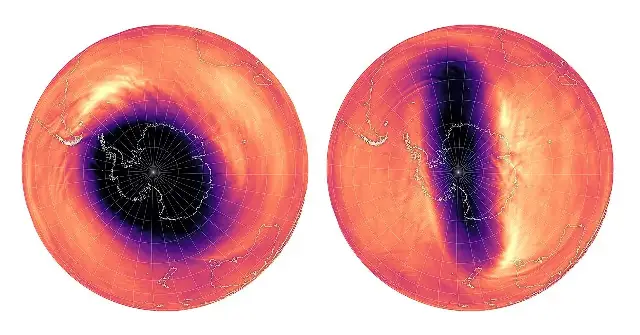
On September 16, 1987, diplomats signed the Montreal Protocol, which grew into the only universally ratified treaty in UN history — and it is why the ozone layer is healing today.