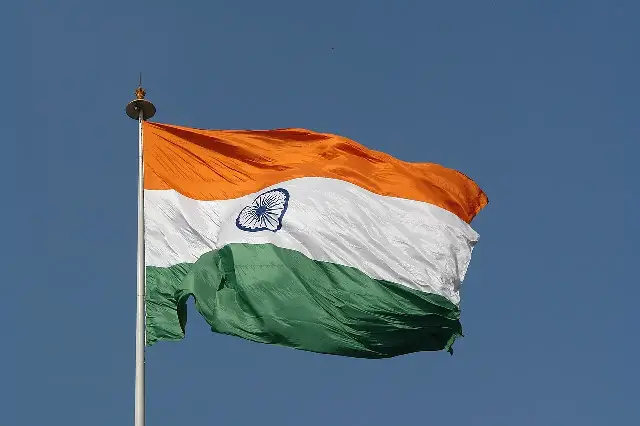
The Flag Adopted 23 Days Before Freedom
On July 22, 1947, India's Constituent Assembly adopted the tricolor — saffron, white and green with the Ashoka Chakra — as the flag of a nation still weeks from independence.


On July 22, 1947, India's Constituent Assembly adopted the tricolor — saffron, white and green with the Ashoka Chakra — as the flag of a nation still weeks from independence.
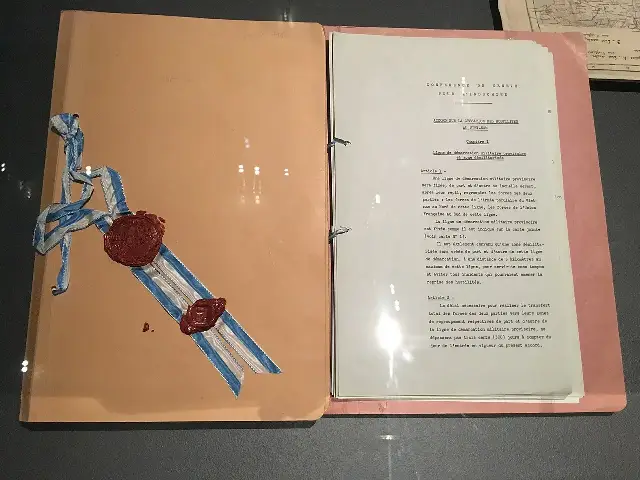
On July 21, 1954, the Geneva Conference closed with accords ending France's war in Indochina — and split Vietnam at the 17th parallel, a 'temporary' line that became two countries.
On July 11, 1921, revolutionaries proclaimed a new people's government in Mongolia, ending foreign occupation — the day Mongolians still celebrate as their national day.
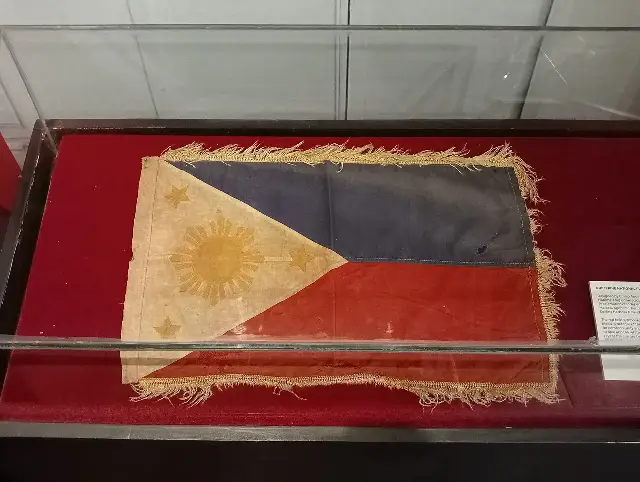
On June 12, 1898, Emilio Aguinaldo proclaimed Philippine independence from his balcony in Kawit, unveiling the nation's flag and anthem in a single afternoon.
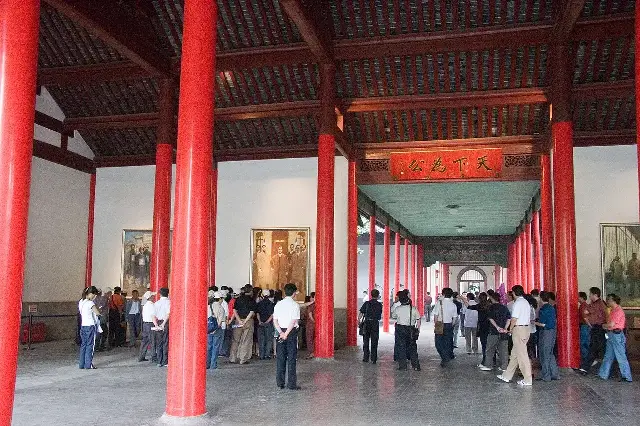
On December 29, 1911, delegates in Nanjing elected Sun Yat-sen provisional president of China, closing the book on more than two millennia of imperial rule.
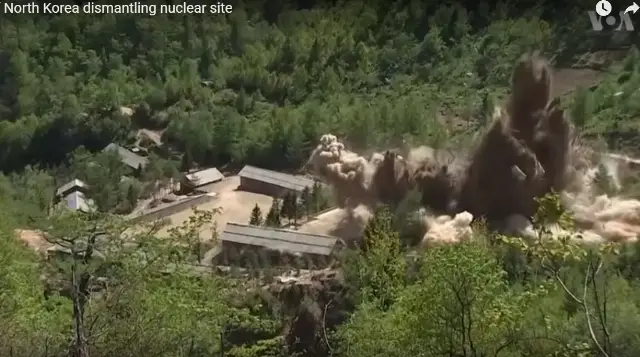
On October 9, 2006, North Korea announced its first underground nuclear test — a sub-kiloton blast that reshaped global security.
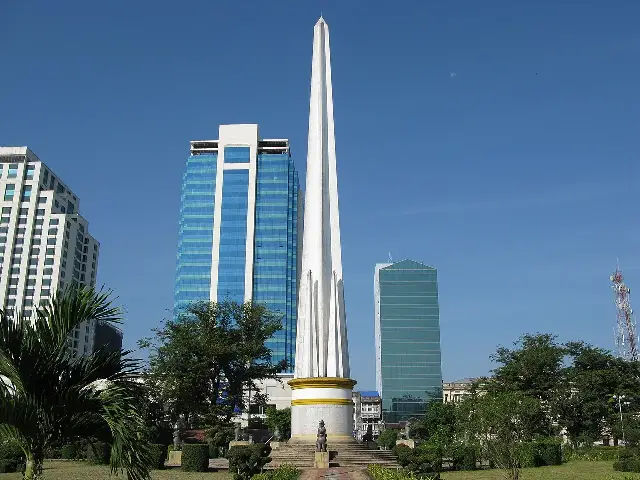
At 4:20 a.m. on January 4, 1948, at an hour chosen by an astrologer, Burma became the Union of Burma — though the leader who won its freedom, Aung San, had been assassinated months earlier.
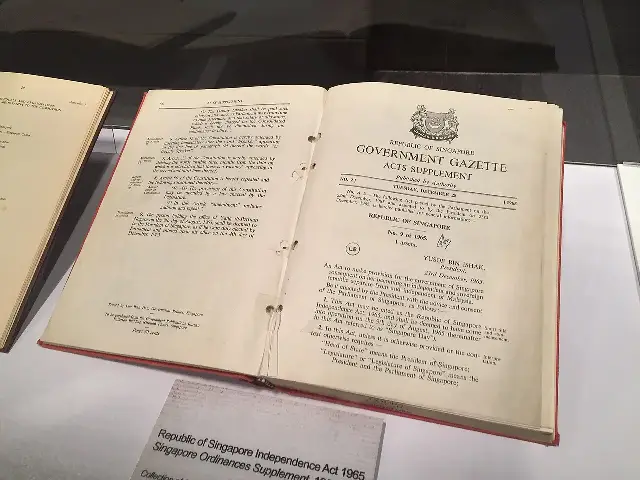
On August 9, 1965, Singapore was expelled from Malaysia and became a sovereign nation — an independence its own leader greeted with tears, not celebration.
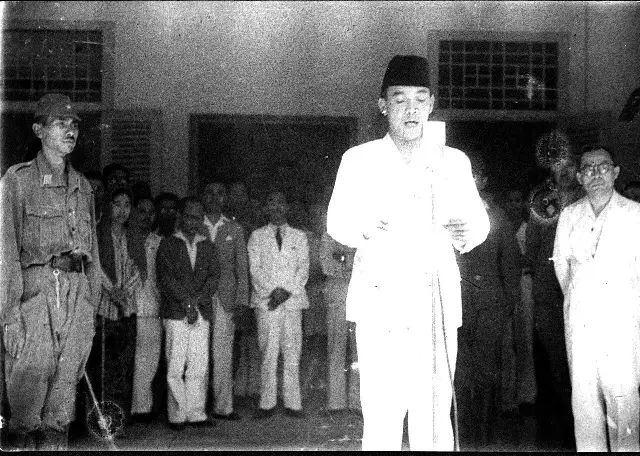
On August 17, 1945, Sukarno and Hatta proclaimed Indonesia's independence in Jakarta, birthing the world's fourth-largest nation.
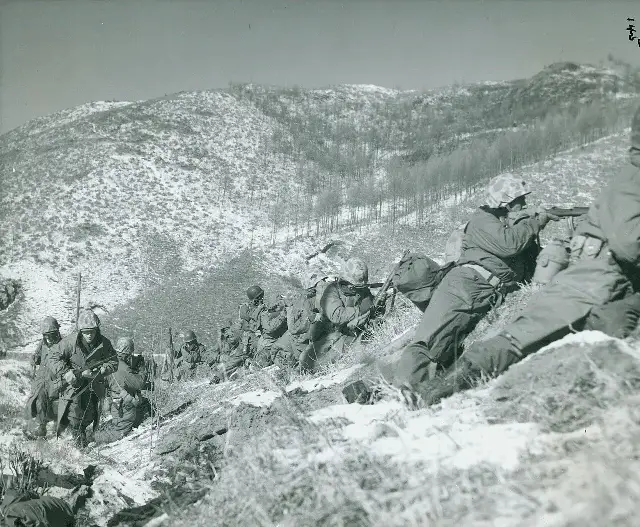
At 4 a.m. on June 25, 1950, North Korean troops stormed across the 38th parallel, igniting a war that still shapes the world today.
A missing soldier, a midnight standoff, and gunfire on an ancient stone bridge pulled China and Japan into eight years of devastating war.