The Airship Race Around the Eiffel Tower
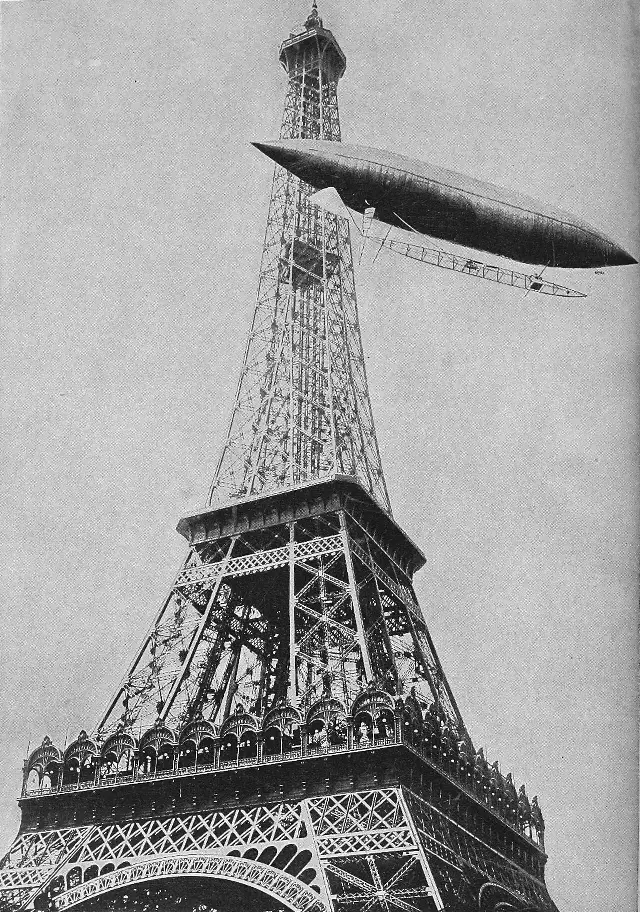
On October 19, 1901, Alberto Santos-Dumont flew his airship from Saint-Cloud around the Eiffel Tower and back in 29 minutes 30 seconds, winning a 100,000-franc prize after his engine quit mid-flight.


On October 19, 1901, Alberto Santos-Dumont flew his airship from Saint-Cloud around the Eiffel Tower and back in 29 minutes 30 seconds, winning a 100,000-franc prize after his engine quit mid-flight.
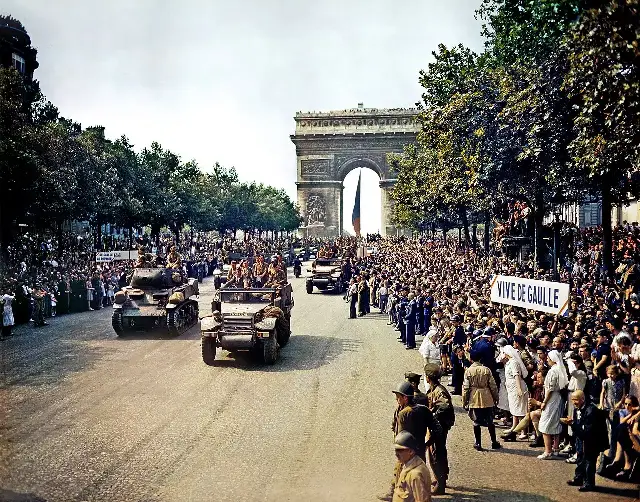
On August 25, 1944, the German garrison in Paris surrendered, and Charles de Gaulle arrived to reclaim the capital after four years of Nazi occupation.
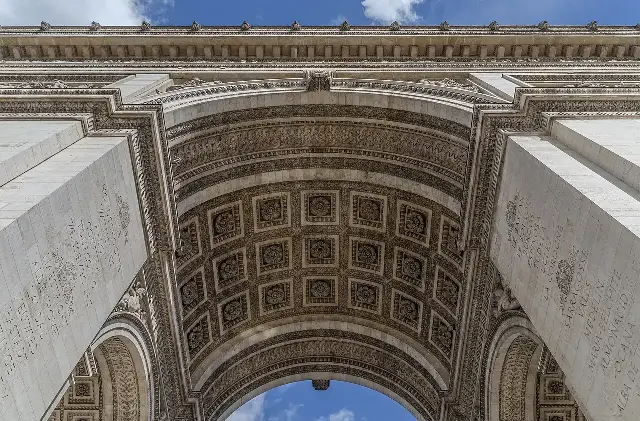
On July 29, 1836, Paris finally unveiled Napoleon's triumphal arch — thirty years after he ordered it, before a small crowd, while the king feared assassins too much to celebrate.
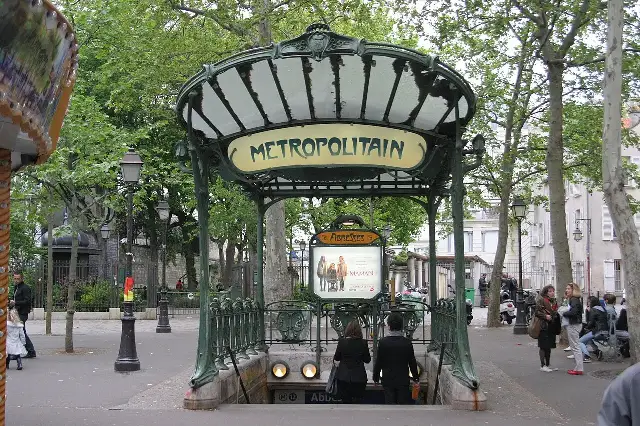
On July 19, 1900, at 1 p.m., the first Paris Métro line opened to the public, running between Porte Maillot and Porte de Vincennes.
On March 28, 845 — Easter Sunday — a Viking fleet sailed up the Seine and forced the king of the Franks to pay a fortune in silver to make them leave.
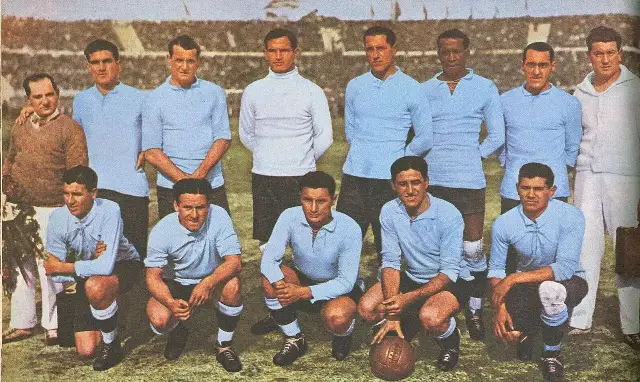
On May 21, 1904, football officials from seven European nations met in Paris and signed the founding act of FIFA, the body that would give the world the World Cup.
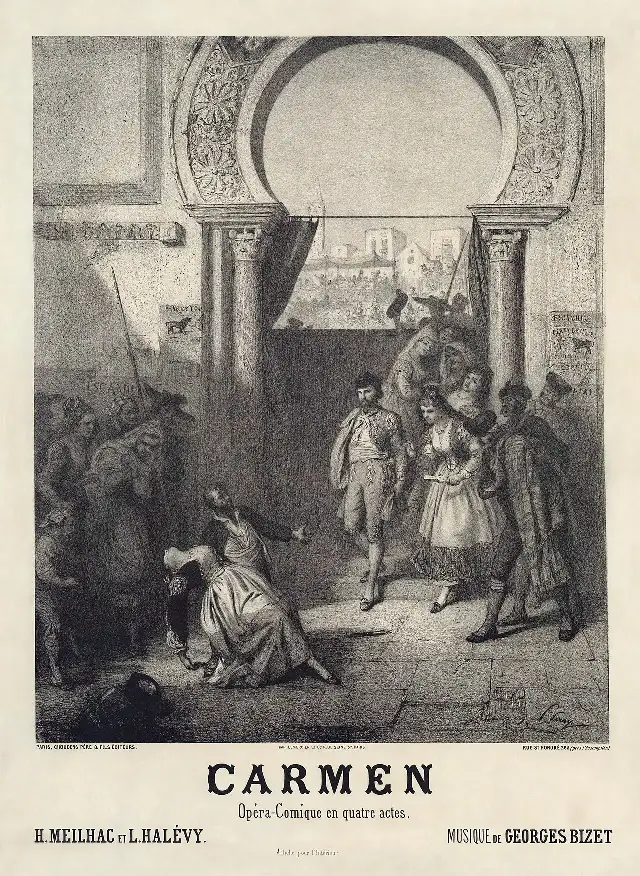
On March 3, 1875, Bizet's Carmen shocked Paris with a heroine who lived free and died onstage — the audience hated it, and the composer never knew it would conquer the world.
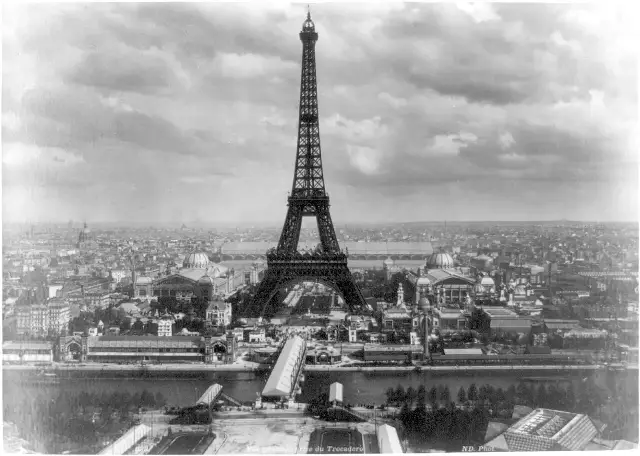
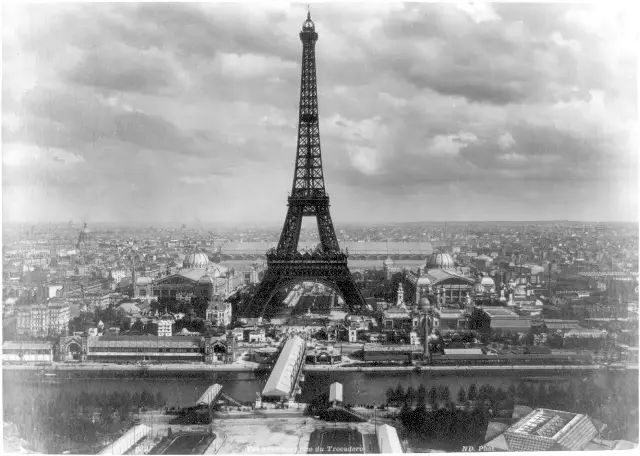
On May 6, 1889, the Eiffel Tower opened to the public at the Paris World's Fair — a 300-meter iron giant its critics had called a monstrous eyesore.
On December 12, 2015, 195 nations adopted the Paris Agreement at COP21 — the first truly global pact to fight climate change.
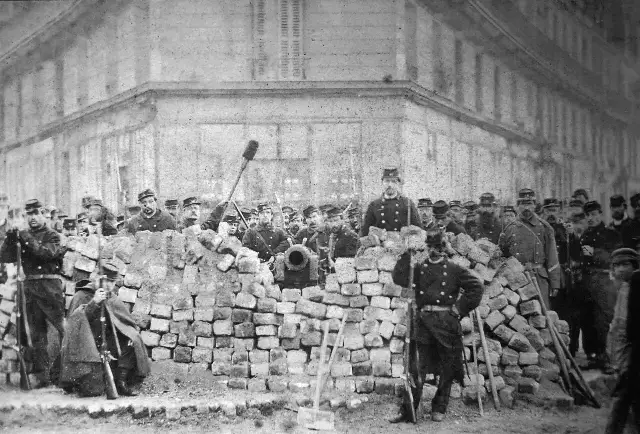
On March 18, 1871, Parisian workers and soldiers defied the French government, seized the city's cannons, and launched the Paris Commune — the world's first workers' government.
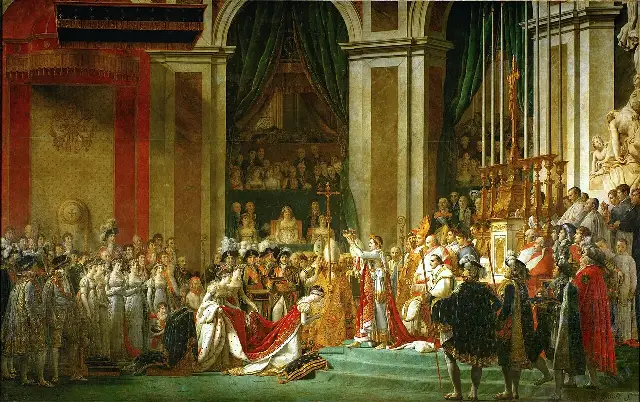
On December 2, 1804, Napoleon Bonaparte crowned himself Emperor of the French at Notre-Dame, with Pope Pius VII watching from the sidelines.
On March 31, 1889, Gustave Eiffel opened his 984-foot tower in Paris — once an eyesore, now the world's most famous landmark.
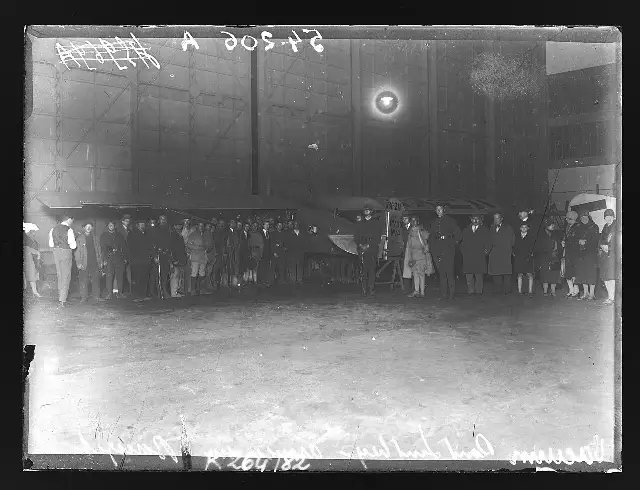
On May 21, 1927, Charles Lindbergh landed the Spirit of St. Louis at Le Bourget, Paris, completing the first solo nonstop flight across the Atlantic.