The Night the Light Bulb Stayed Lit
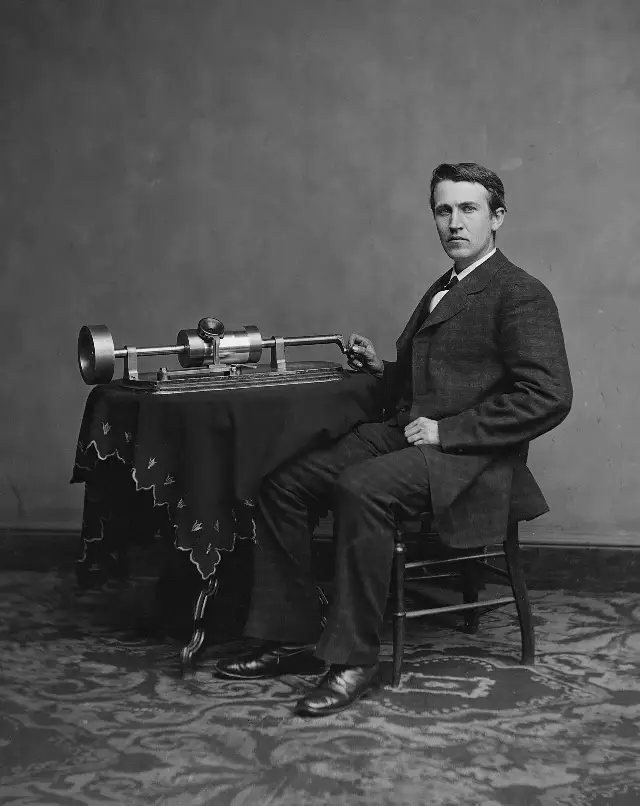
On October 21, 1879, a carbonized cotton thread filament burned for 13½ hours in Thomas Edison's Menlo Park laboratory, proving the practical light bulb.


On October 21, 1879, a carbonized cotton thread filament burned for 13½ hours in Thomas Edison's Menlo Park laboratory, proving the practical light bulb.
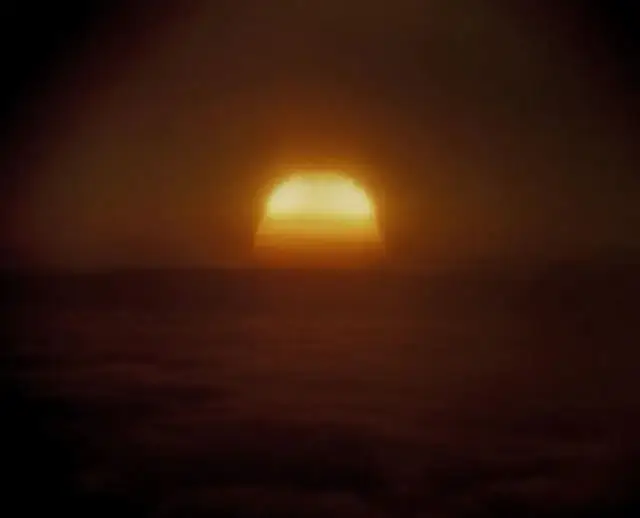
On October 30, 1961, the Soviet Union detonated the most powerful nuclear weapon ever built over Novaya Zemlya, a blast thousands of times stronger than Hiroshima.
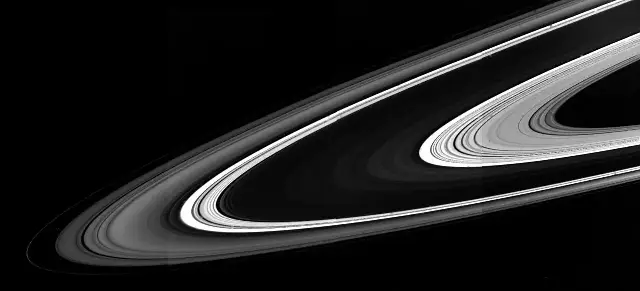
On November 12, 1980, Voyager 1 flew within 78,000 miles of Saturn, revealing braided rings, new moons, and Titan's thick nitrogen atmosphere.
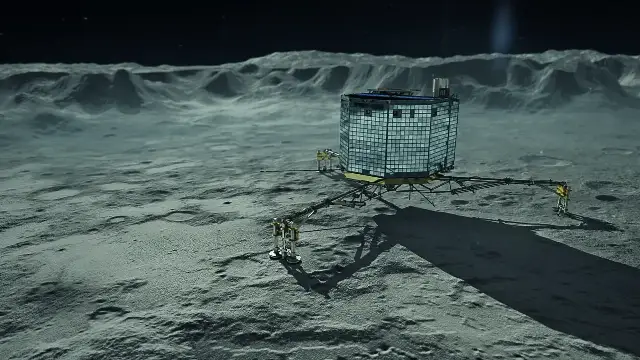
On November 12, 2014, ESA's Philae lander bounced twice across comet 67P before settling at Abydos, achieving the first-ever soft landing on a comet.
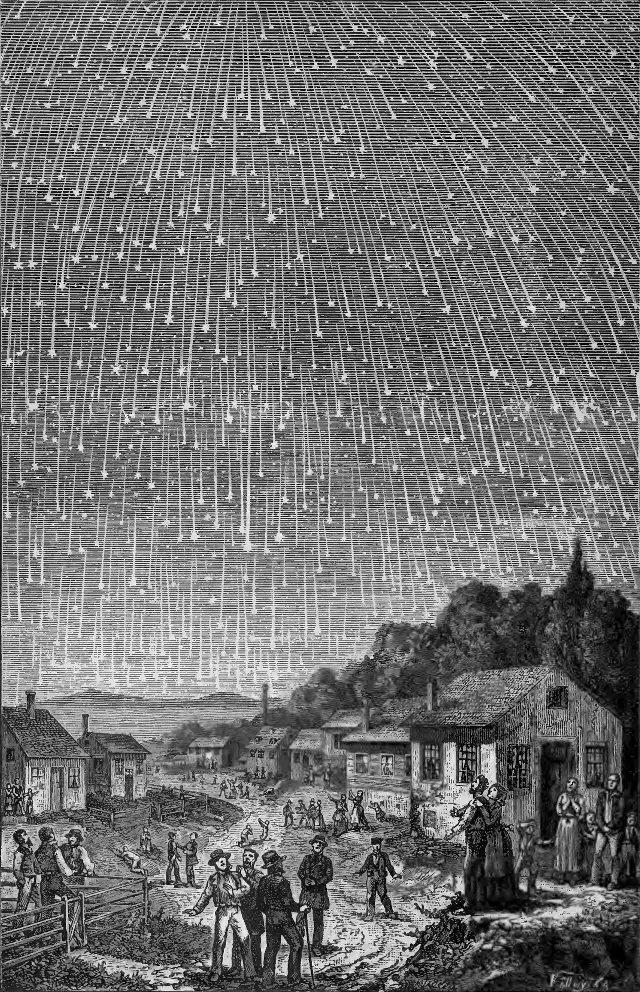
On the night of November 12-13, 1833, a colossal Leonid meteor storm terrified North America and gave Yale's Denison Olmsted the data to found meteor science.
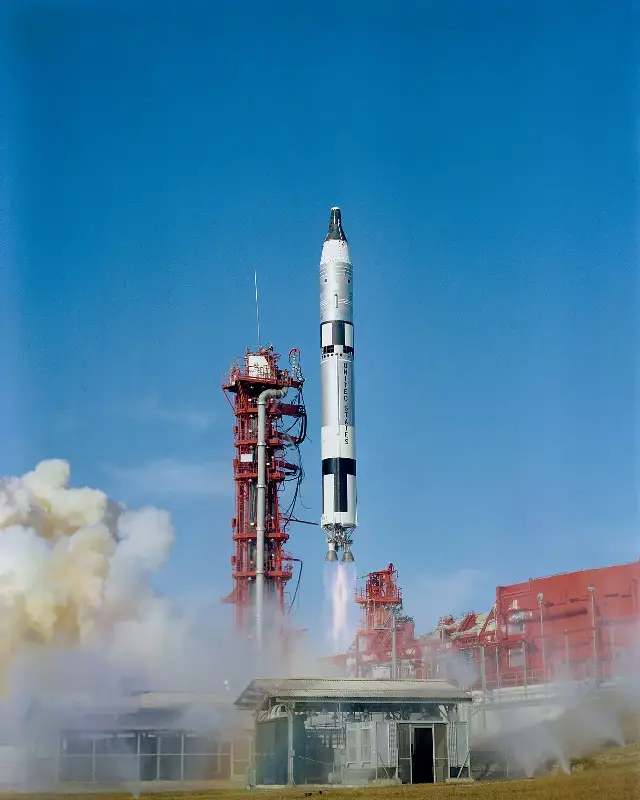
On November 11, 1966, Gemini 12 launched with James Lovell and Buzz Aldrin, whose 5.5 hours of spacewalks proved astronauts could work outside a capsule.
On April 12, 1955, Dr. Thomas Francis announced that Jonas Salk's polio vaccine was 'safe, effective, and potent,' ending one of America's greatest public health fears.
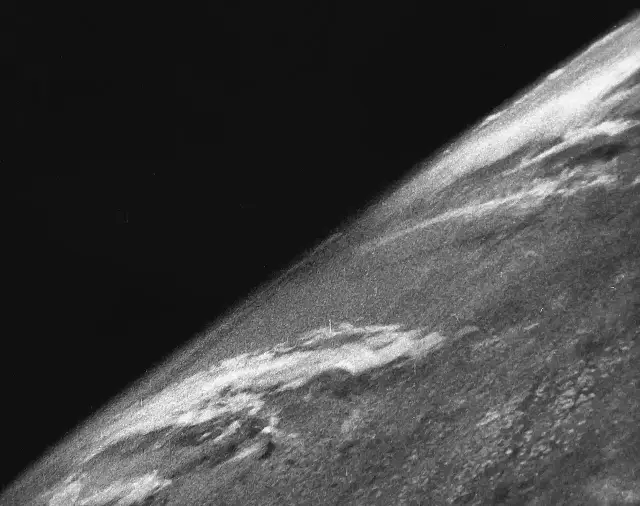
On October 24, 1946, a captured German V-2 rocket carried a movie camera 65 miles above New Mexico and snapped the first photograph of Earth from outer space.
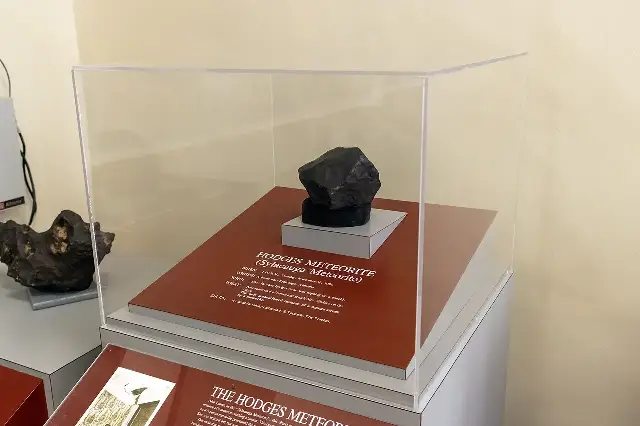
On November 30, 1954, an 8.5-pound meteorite crashed through Ann Hodges' Alabama roof and struck her as she napped — the only verified case of a meteorite injuring a human.
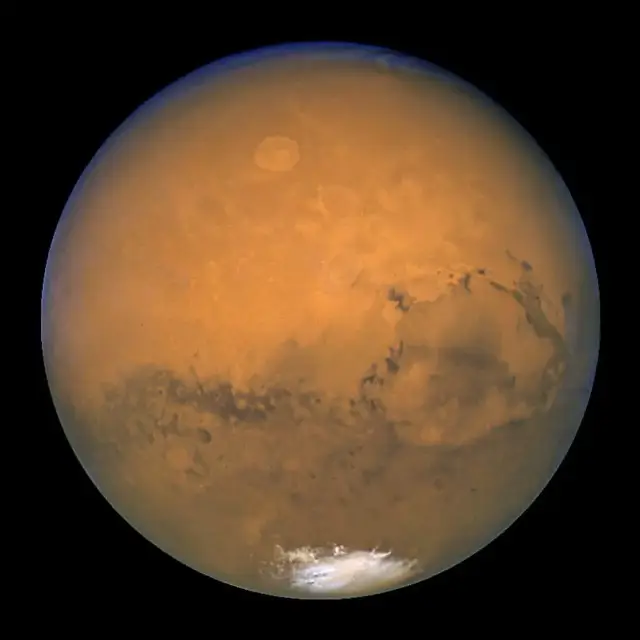
On August 27, 2003, Mars swung closer to Earth than it had in nearly 60,000 years — and millions of people stayed up to watch the red planet blaze.
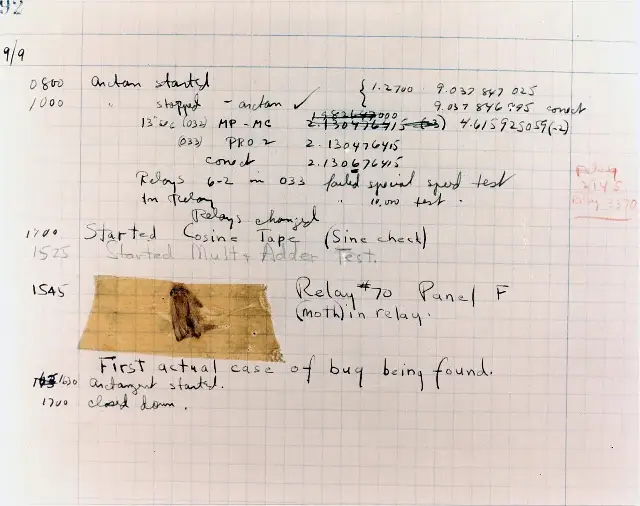
On September 9, 1947, engineers found a moth in Harvard's Mark II computer, taping it into the logbook as the "first actual case of bug being found."
On August 26, 1883, the Indonesian island of Krakatoa began a cataclysmic eruption that would be heard 3,000 miles away and dim skies around the world.
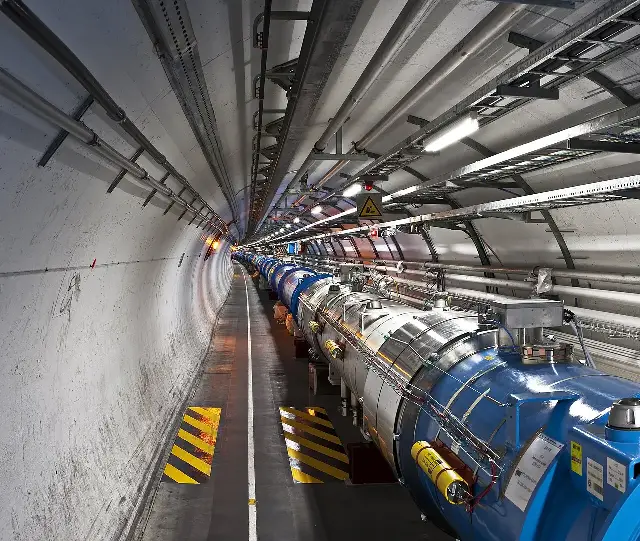
On September 10, 2008, scientists at CERN sent the first proton beam all the way around the 27-kilometer Large Hadron Collider, opening a new era of physics.
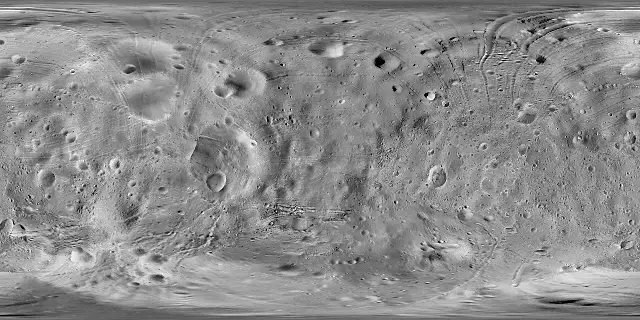
On August 18, 1877, astronomer Asaph Hall spotted Phobos, the larger of Mars's two tiny moons — a world slowly spiraling toward its doom.
On September 27, 1905, the journal Annalen der Physik received a paper from a 26-year-old patent clerk that quietly revealed mass is energy.
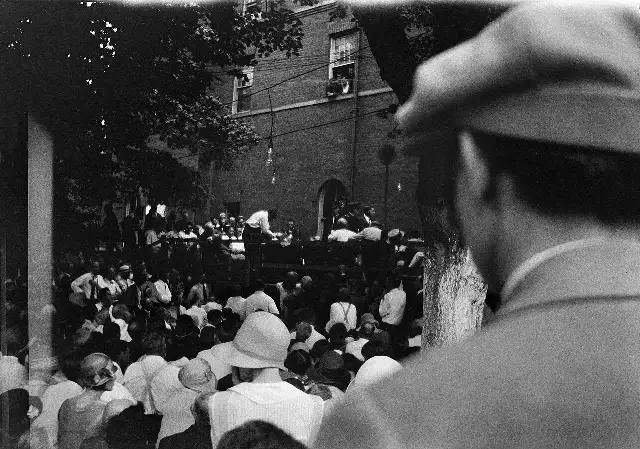
On July 21, 1925, a Tennessee jury took just nine minutes to convict teacher John Scopes of teaching evolution — ending the Scopes 'Monkey Trial' with a guilty verdict the defense actually asked for.
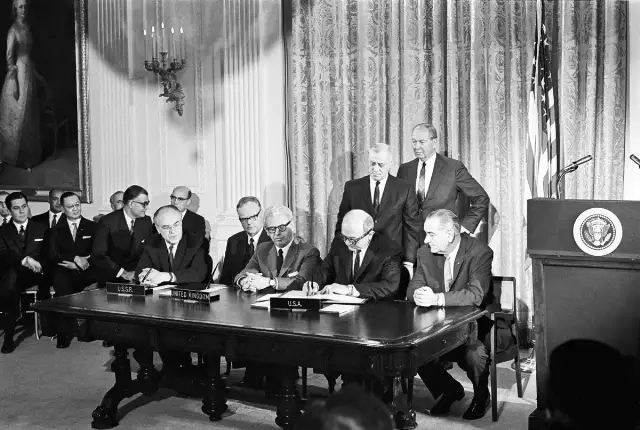
On January 27, 1967, the United States, the Soviet Union, and Britain signed the Outer Space Treaty — the law that still keeps nuclear weapons off the Moon and out of orbit.
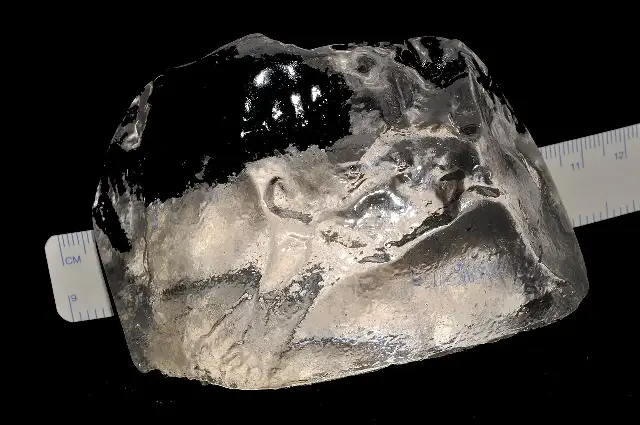
On January 26, 1905, a mine manager in South Africa dug the largest gem-quality diamond ever found out of a mine wall with his penknife — the 3,106-carat Cullinan.
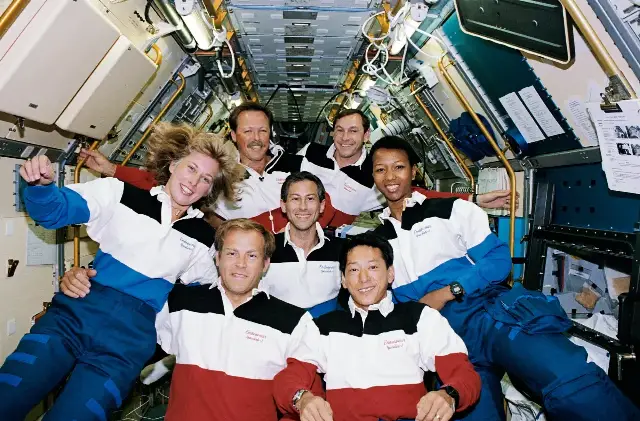
On September 12, 1992, the space shuttle Endeavour carried Mae Jemison into orbit, making her the first African-American woman in space.
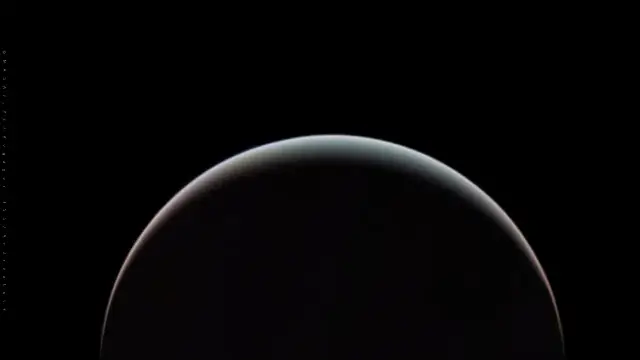
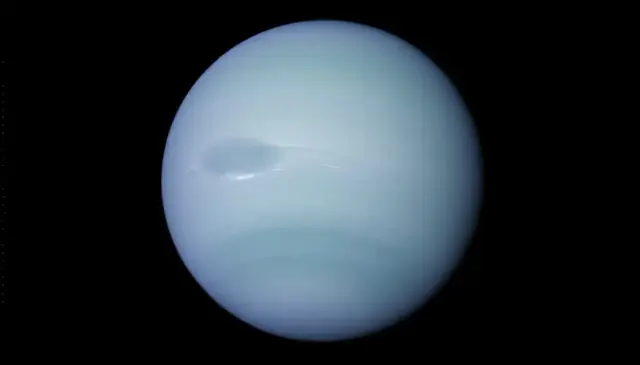
On January 24, 1986, NASA's Voyager 2 swept within 50,600 miles of Uranus, the first and still the only spacecraft ever to visit the tilted ice giant.
On November 24, 1859, Charles Darwin's On the Origin of Species went on sale in London — 1,250 copies that sold out on the first day.
On January 23, 1849, Elizabeth Blackwell graduated first in her class from Geneva Medical College, becoming the first woman in the modern world to earn a medical degree.
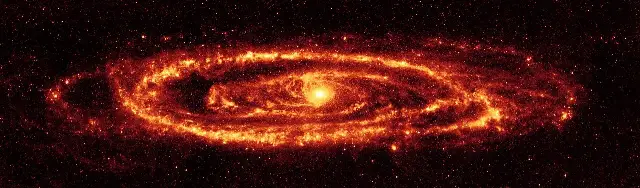
On November 23, 1924, the New York Times reported Edwin Hubble's proof that the 'spiral nebulae' were galaxies beyond the Milky Way — exploding the known universe overnight.
On September 27, 1822, Jean-François Champollion read his breakthrough on hieroglyphs to the Paris Academy — with his great rival sitting beside him.
On November 18, 1883, every railroad in North America reset its clocks at noon — even the ones that had already passed it.
On the night of September 23, 1846, astronomers in Berlin pointed a telescope where mathematics said a planet must be — and found Neptune, less than a degree from the predicted spot.
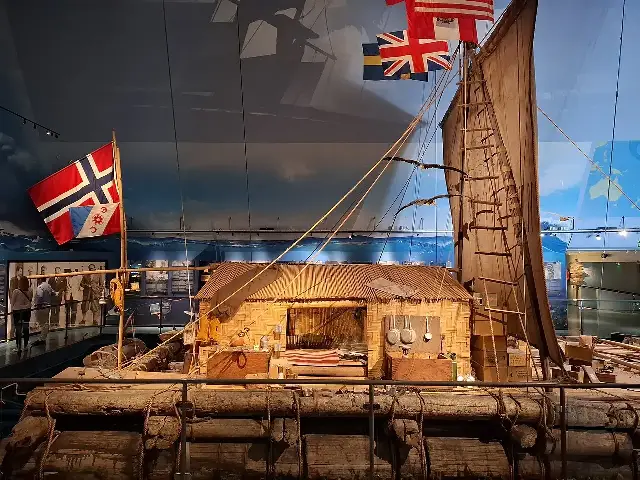
On August 7, 1947, Thor Heyerdahl's balsa-wood raft Kon-Tiki smashed onto a Pacific reef after 101 days at sea — proving an ancient design could cross an ocean.
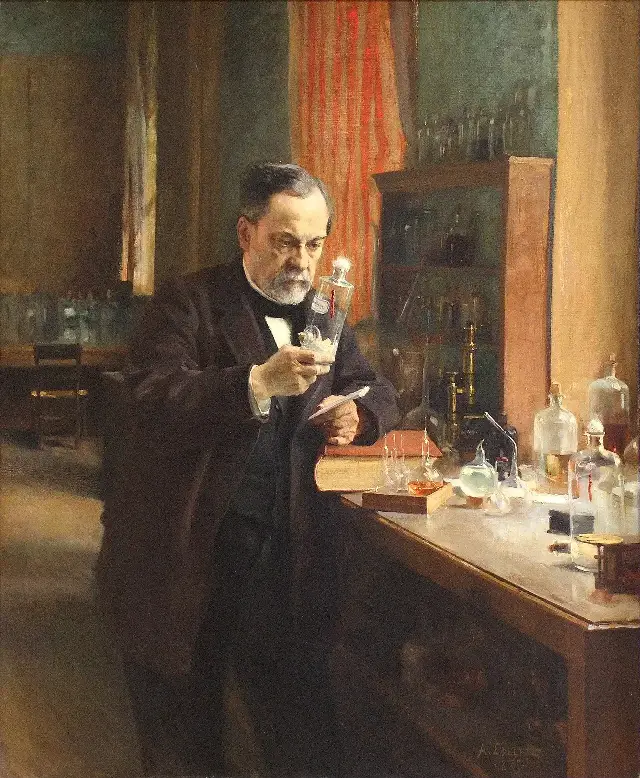
On July 6, 1885, Louis Pasteur gave a dying 9-year-old the first rabies vaccine ever tried on a human — and began the modern era of immunization.
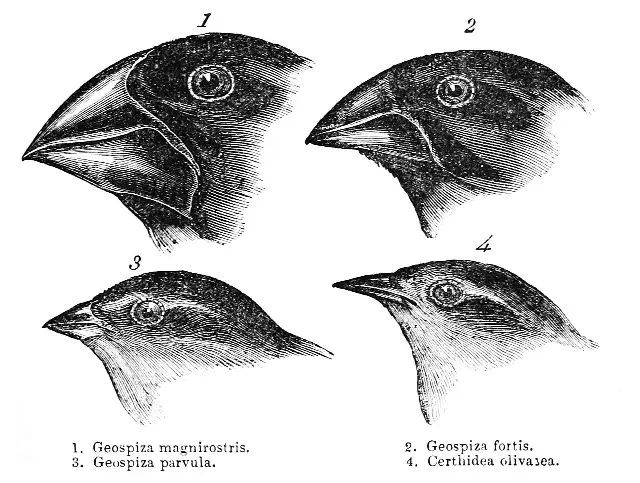
On September 15, 1835, HMS Beagle sighted the Galápagos Islands, beginning the five-week visit that would help Charles Darwin rethink the origin of species.
On April 14, 2003, an international consortium announced it had finished sequencing the 3 billion DNA letters of the human genome — the instruction book of every one of us.
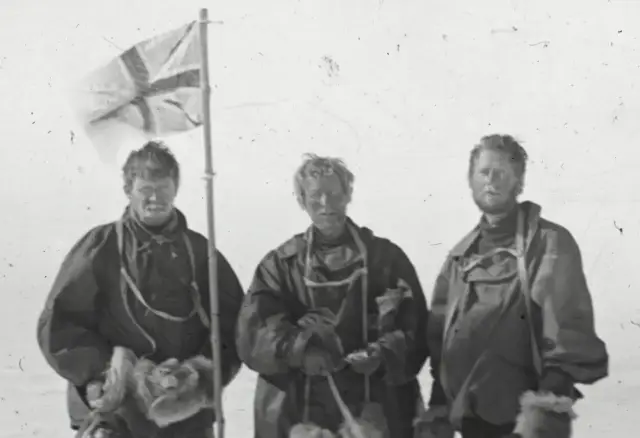
On January 16, 1909, three men from Shackleton's Nimrod expedition planted the Union Jack at the South Magnetic Pole after hauling their sledges some 1,260 miles across Antarctica.
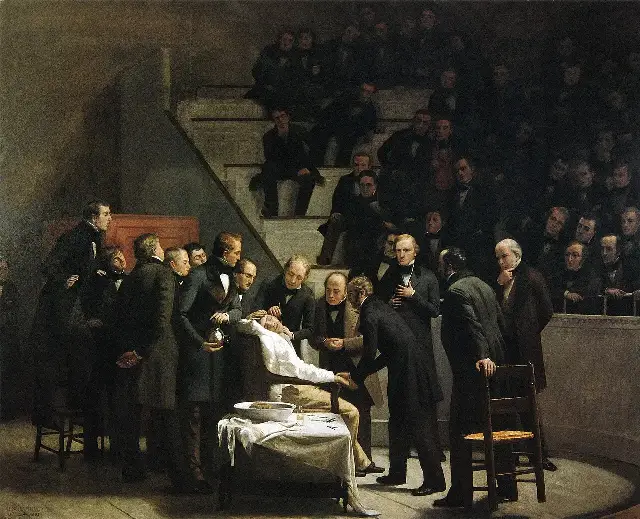
On September 30, 1846, a Boston dentist pulled a tooth from an unconscious patient using ether — and surgery would never hurt the same way again.
On December 28, 1981, Elizabeth Jordan Carr was born in Norfolk, Virginia — the first baby in the United States conceived through in vitro fertilization.
On December 28, 1612, Galileo Galilei recorded the position of the planet Neptune for the first time — but mistook it for a fixed star and missed the discovery of his life.
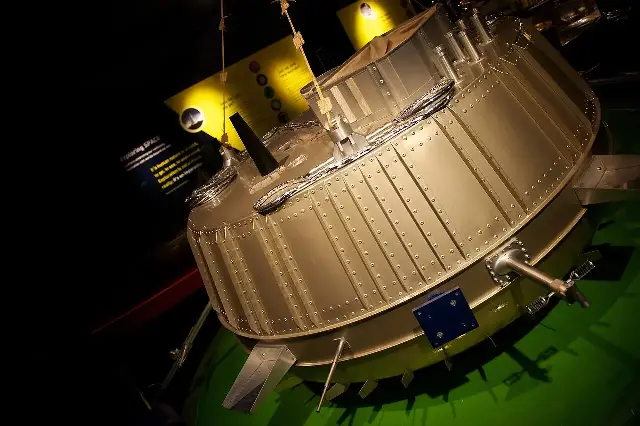
On September 29, 1962, Canada launched Alouette 1 — the first satellite designed and built by any country besides the U.S. and the Soviet Union.
On June 30, 1905, a 26-year-old patent clerk's paper on the electrodynamics of moving bodies reached a physics journal and quietly rewrote space and time.
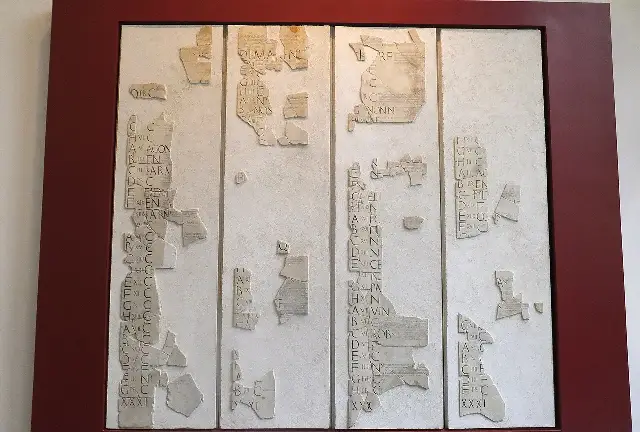
On January 1, 45 BC, Julius Caesar's brand-new calendar — 365 days, with a leap day every fourth year — took effect in Rome after a monster 445-day year brought the seasons back into line.
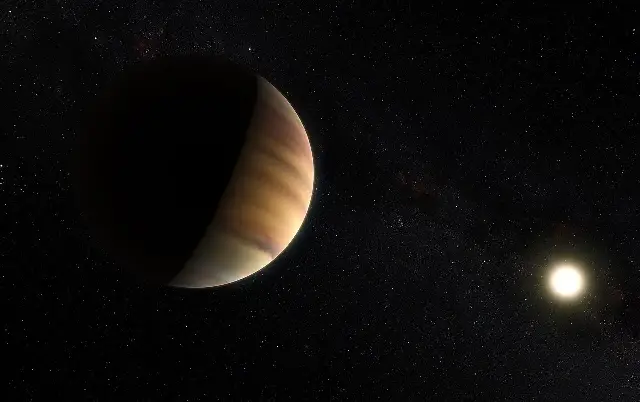
On October 6, 1995, two Swiss astronomers announced the first planet ever found around a Sun-like star — a scorching gas giant so close to its sun that it defied every theory of how planets form.
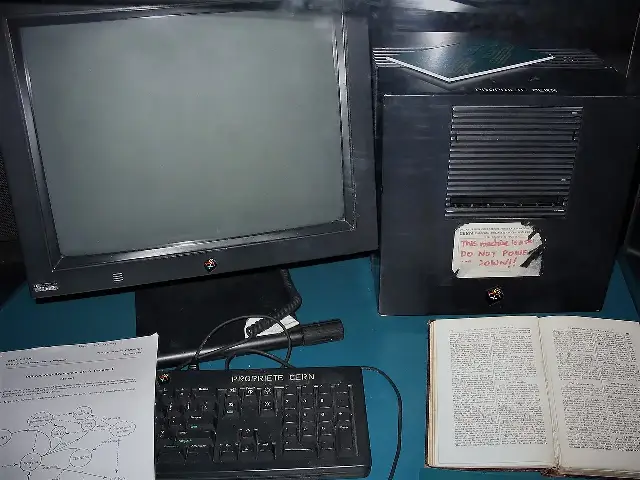
On December 20, 1990, the first website went live at CERN on a NeXT computer — and the World Wide Web was born.
On January 14, 2005, ESA's Huygens probe landed on Saturn's moon Titan, phoning home from a world of methane rain — the most distant landing in history.
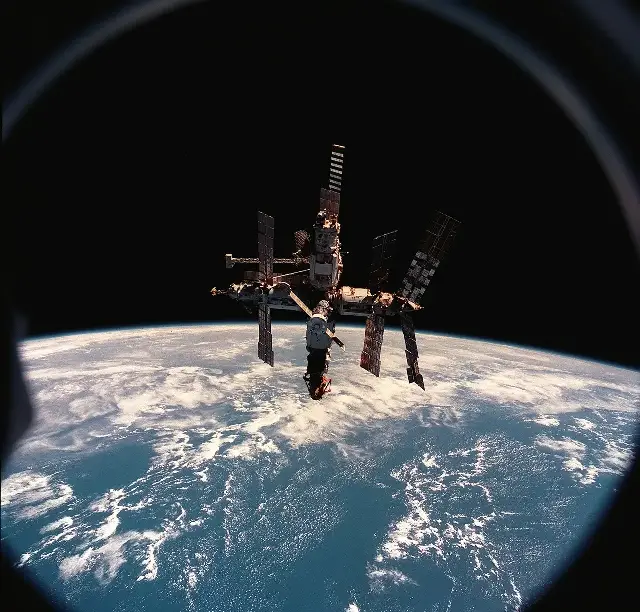
On February 20, 1986, the Soviet Union launched the core module of Mir, the first space station built in pieces in orbit and the blueprint for the International Space Station.
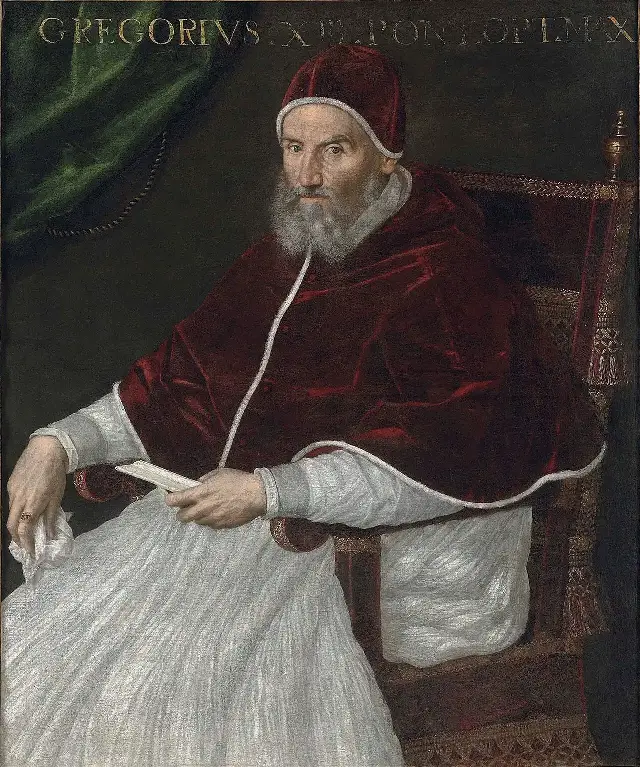
On October 4, 1582, the last day of the Julian calendar, Pope Gregory XIII's reform deleted ten days overnight — the next morning was Friday, October 15.
On January 11, 1964, Surgeon General Luther Terry released the first official report linking cigarette smoking to lung cancer — a bombshell that began America's long retreat from tobacco.
On August 29, 1949, the Soviet Union detonated its first atomic bomb at Semipalatinsk — ending America's nuclear monopoly and igniting the arms race.
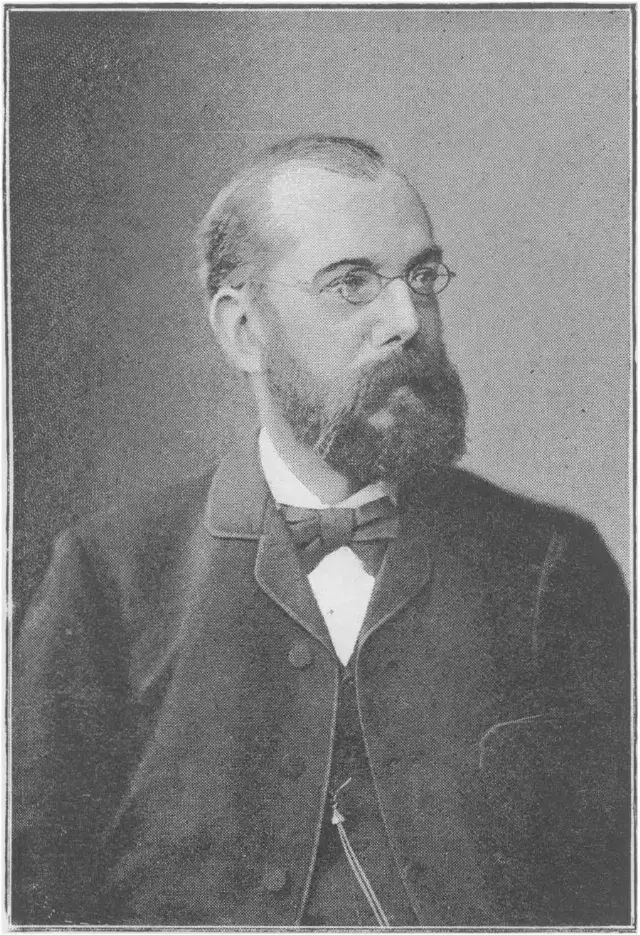
On March 24, 1882, Robert Koch showed a Berlin audience the bacillus that causes tuberculosis — the night the germ theory of disease triumphed.
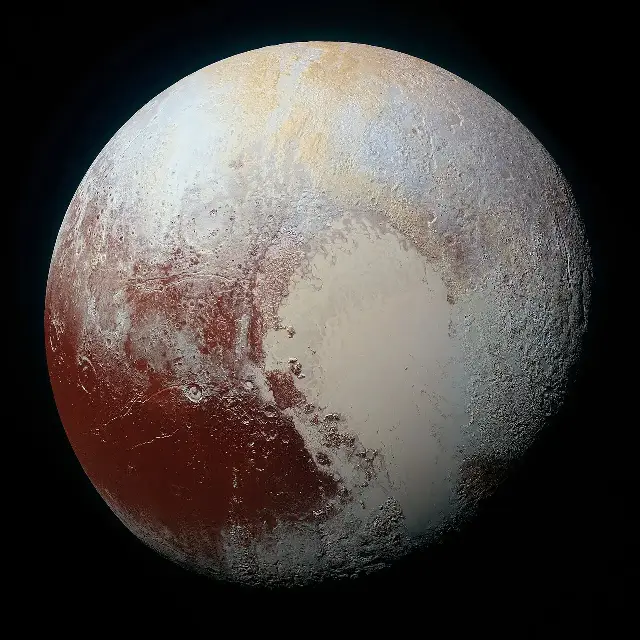
On August 24, 2006, astronomers in Prague voted to strip Pluto of its planet status — and the world has been arguing about it ever since.
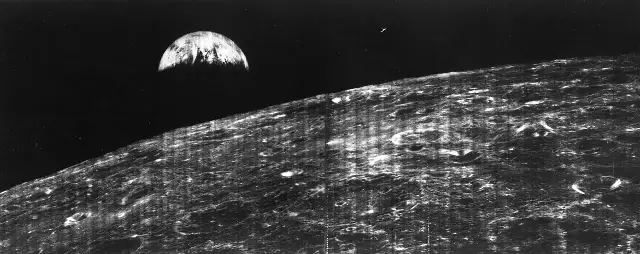
On August 23, 1966, a NASA spacecraft orbiting the Moon turned its camera homeward and took the first photograph of Earth from another world.
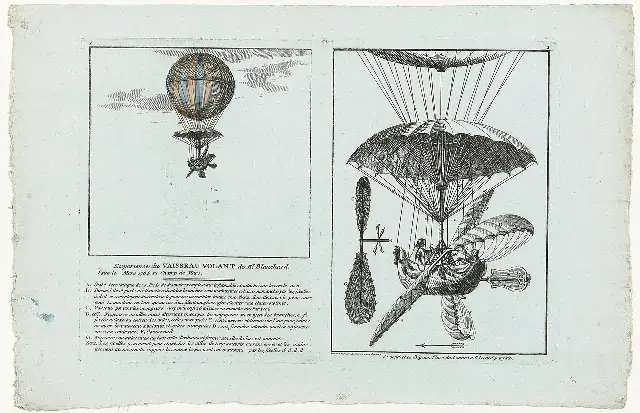
On January 9, 1793, Jean-Pierre Blanchard rose from a Philadelphia prison yard in a hydrogen balloon — the first manned flight in America, watched by George Washington.
On September 19, 1991, two hikers in the Otztal Alps spotted a body melting out of the ice — a Copper Age man who had lain there for 5,300 years.
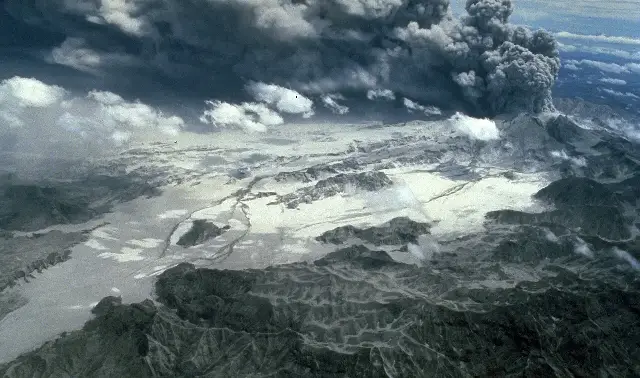
On June 15, 1991, Mount Pinatubo exploded in the second-largest volcanic eruption of the 20th century — and a daring evacuation saved thousands of lives.