Ninety-Five Theses and a Church Door: Luther's Challenge
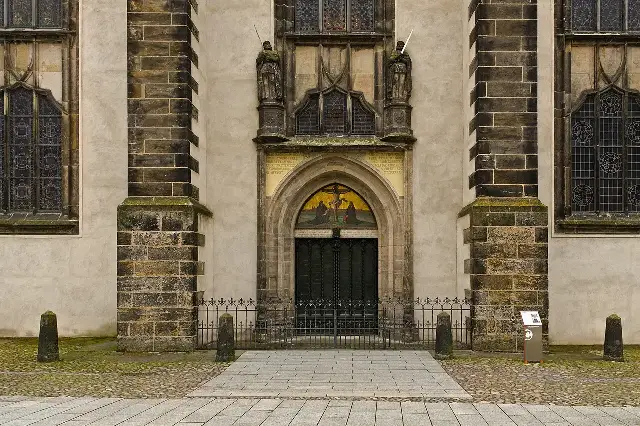
On October 31, 1517, Martin Luther set out his 95 Theses disputing the sale of indulgences — the spark traditionally dated as the start of the Reformation.


On October 31, 1517, Martin Luther set out his 95 Theses disputing the sale of indulgences — the spark traditionally dated as the start of the Reformation.
Johannes Gutenberg, who introduced movable-type printing to Europe, died in Mainz on February 3, 1468, after an invention that put books within reach of ordinary people for the first time.
On February 27, 1900, eleven players walked out of Munich's MTV 1879 gym club and founded FC Bayern, now one of the most successful football clubs in the world.
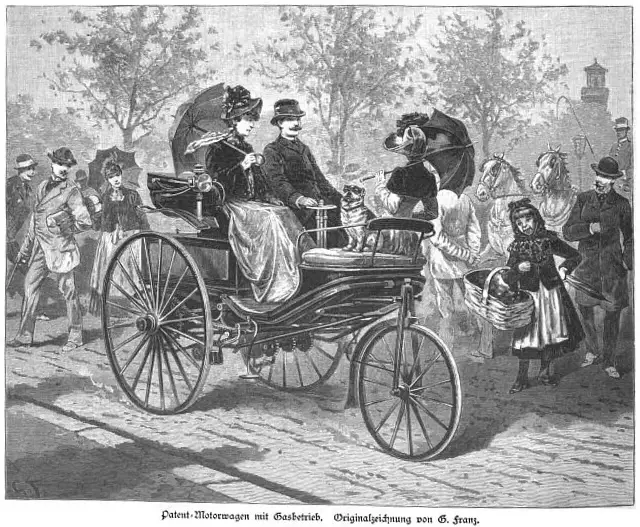
On August 5, 1888, Bertha Benz quietly drove her husband's unproven invention 106 kilometers to Pforzheim — proving to the world that the automobile could actually travel.
On February 27, 1933, arson gutted Germany's parliament building, and the Nazis used the Reichstag fire as the pretext to suspend civil liberties and cement their power.
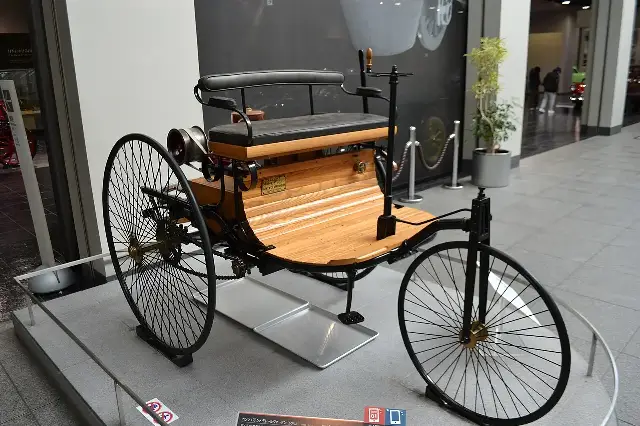
On July 3, 1886, Karl Benz drove his three-wheeled Motorwagen down a Mannheim street — the public debut of the automobile.
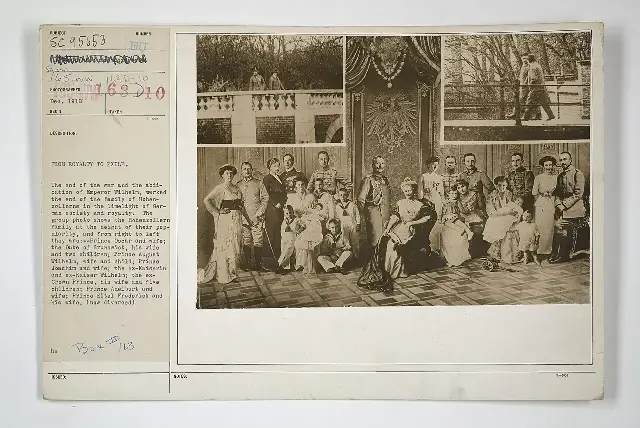
On November 9, 1918, Kaiser Wilhelm II's abdication was announced without his consent, and two rival republics were proclaimed in Berlin the same afternoon.
On November 8, 1939, a lone carpenter's bomb demolished the lectern where Hitler had spoken — 13 minutes after the dictator left the hall early.
On July 2, 1900, a 61-year-old retired count floated his giant rigid airship over Lake Constance — and the airship age began.
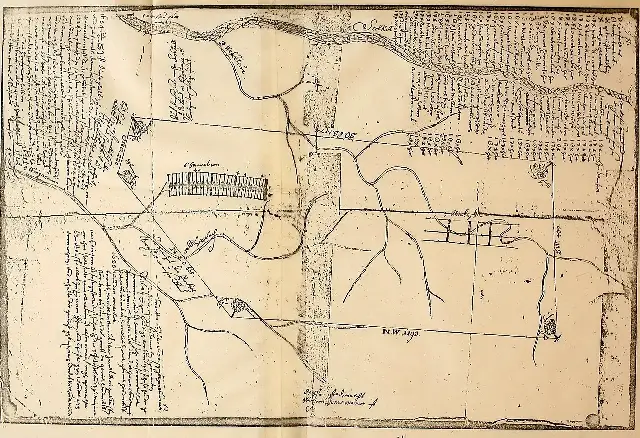
On October 6, 1683, the ship Concord landed 13 German families at Philadelphia — the 'German Mayflower' voyage that founded Germantown and opened two centuries of German immigration to America.
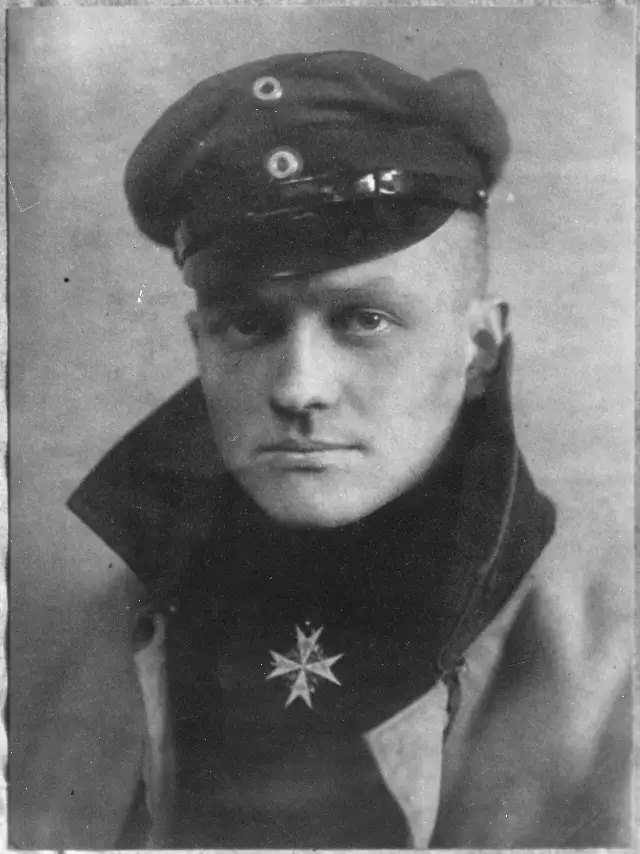
On April 21, 1918, Manfred von Richthofen — the Red Baron, the deadliest flying ace of World War I with 80 victories — was shot down over France and killed at 25.
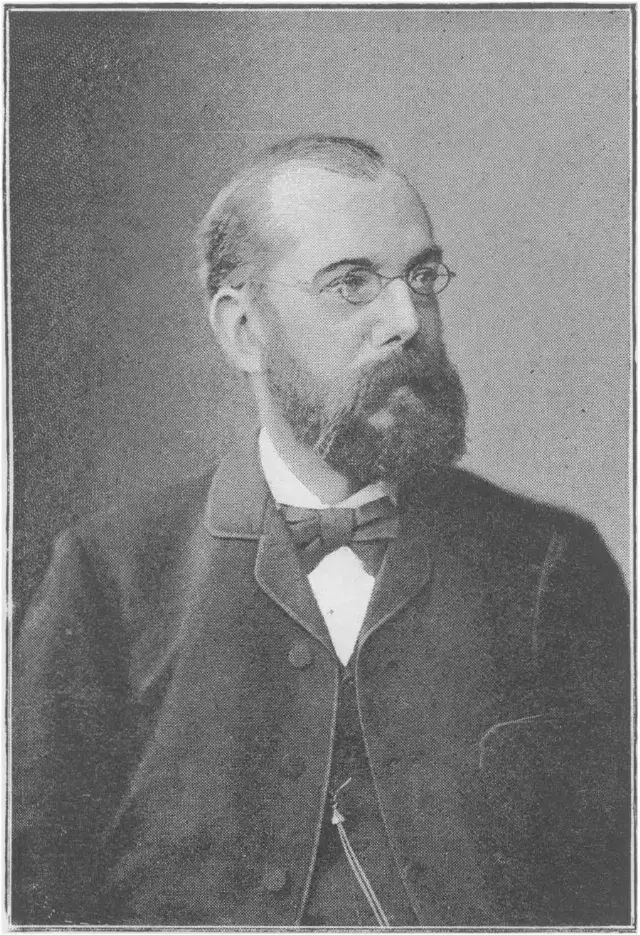
On March 24, 1882, Robert Koch showed a Berlin audience the bacillus that causes tuberculosis — the night the germ theory of disease triumphed.
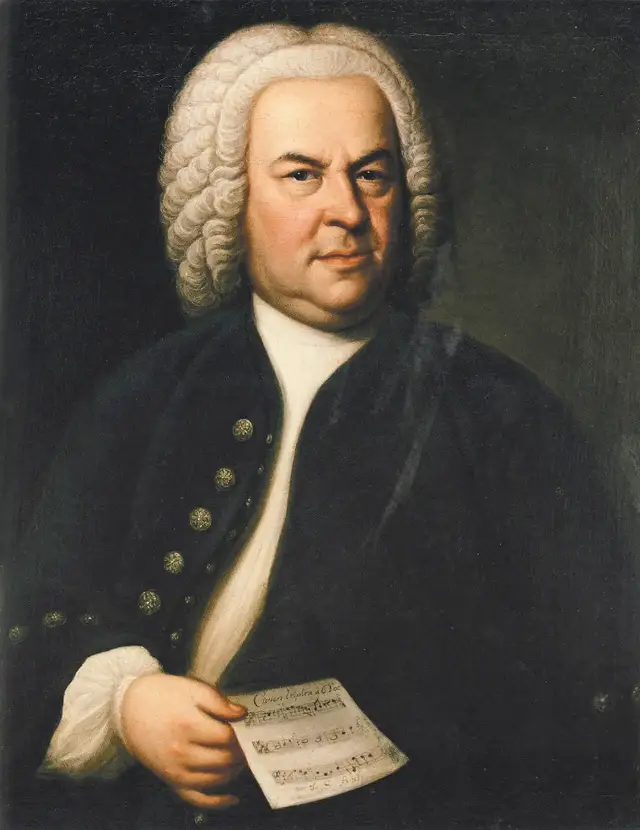
On March 21, 1685, a boy from a family of town musicians was born in Eisenach, Germany — and grew up to become Johann Sebastian Bach.
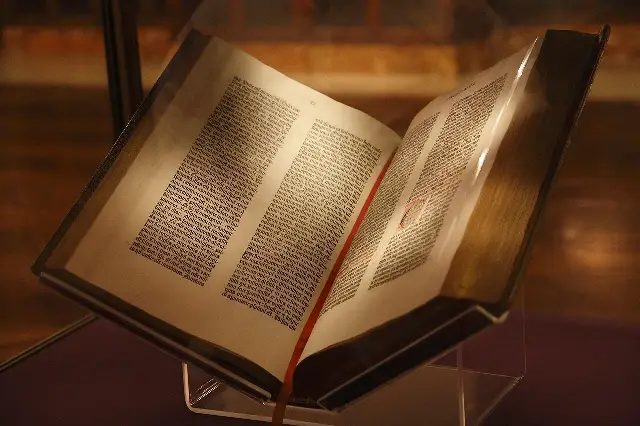
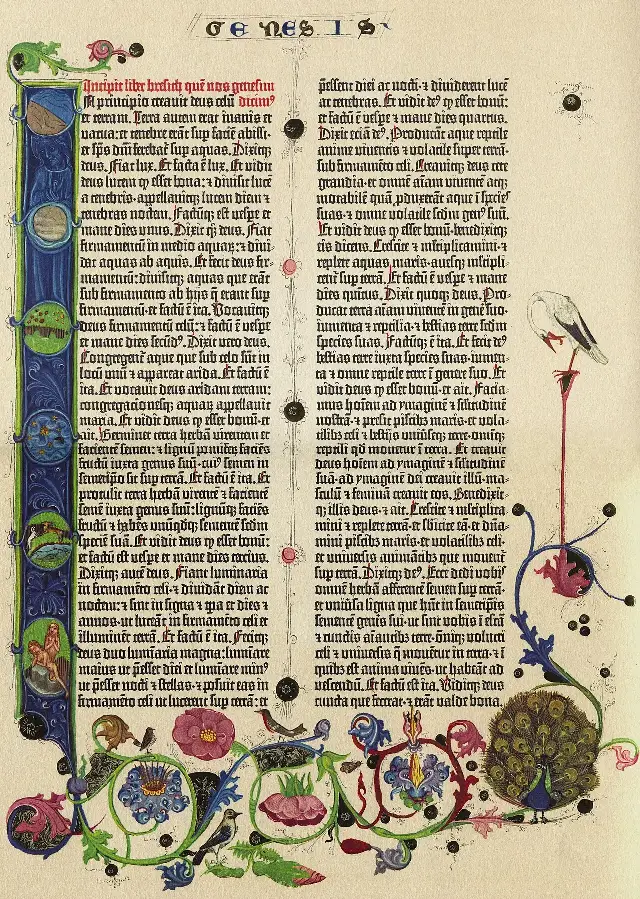
According to tradition, Johannes Gutenberg completed his great Bible on February 23, 1455, the first major Western book printed with movable type.
On November 9, 1989, one mistaken word — “immediately” — sent hundreds of thousands of East Berliners streaming through a wall everyone thought would stand forever.
In the early hours of August 13, 1961, East German troops sealed off West Berlin and began building the wall that would divide the city for 28 years.
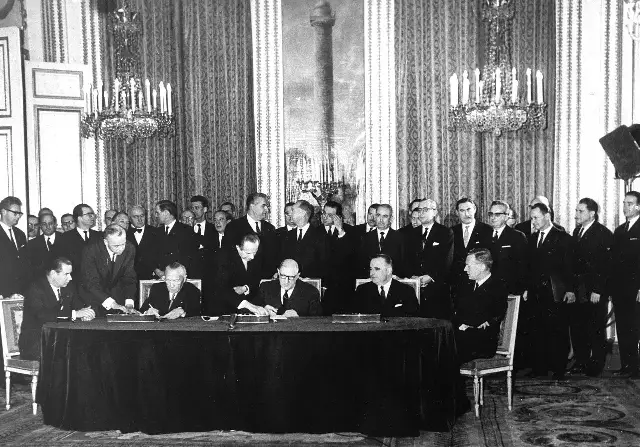
On January 22, 1963, Charles de Gaulle and Konrad Adenauer signed the Élysée Treaty, turning France and Germany from ancient enemies into partners.
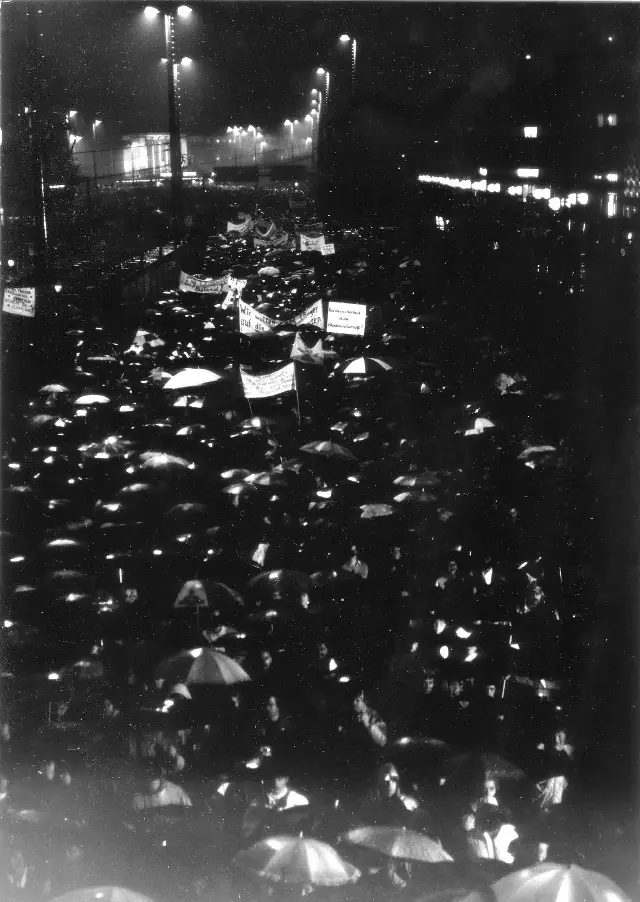
On October 9, 1989, some 70,000 East Germans marched peacefully through Leipzig in defiance of 8,000 armed police — the night the regime blinked, and the beginning of the end for East Germany.
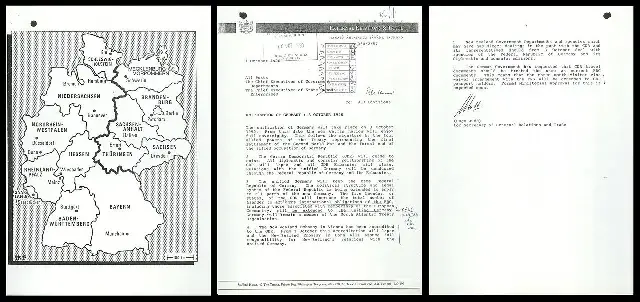
On October 3, 1990, East Germany voted itself out of existence and joined the West, ending 45 years of division and restoring Berlin as the capital of a single German state.