The 63-Year-Old Who Rode Niagara Falls in a Barrel
On her 63rd birthday, October 24, 1901, schoolteacher Annie Edson Taylor became the first person to survive going over Niagara Falls in a barrel.

On her 63rd birthday, October 24, 1901, schoolteacher Annie Edson Taylor became the first person to survive going over Niagara Falls in a barrel.
On October 22, 1907, a bank run drained $8 million from New York's Knickerbocker Trust in under three hours, igniting a panic that ended with the creation of the Federal Reserve.
On July 19, 1900, at 1 p.m., the first Paris Métro line opened to the public, running between Porte Maillot and Porte de Vincennes.
On July 17, 1902, a 25-year-old engineer submitted drawings for a humidity-control system that became the world's first modern air conditioner.
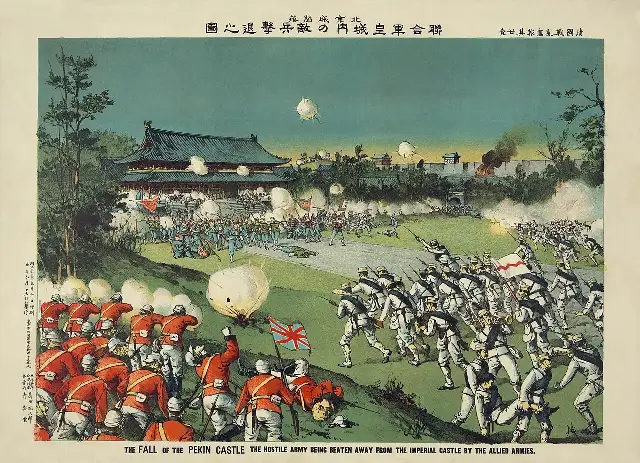
On August 14, 1900, an eight-nation army fought its way into Beijing, ending the 55-day siege of foreign legations during China's Boxer Rebellion.
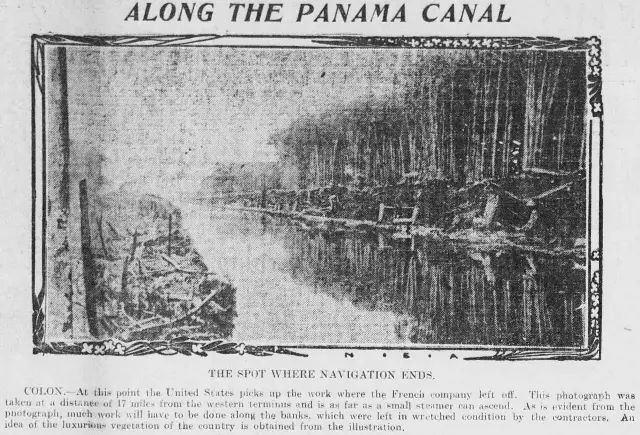
On November 18, 1903, Philippe Bunau-Varilla — who was not Panamanian — signed a treaty giving the United States permanent control of the Panama Canal Zone.
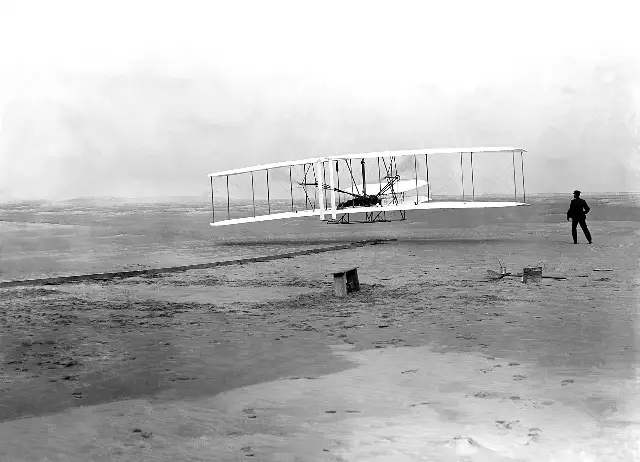
On May 22, 1906, the Wright brothers were granted U.S. Patent 821,393 for their flying machine — the three-axis control system that made powered flight truly controllable.
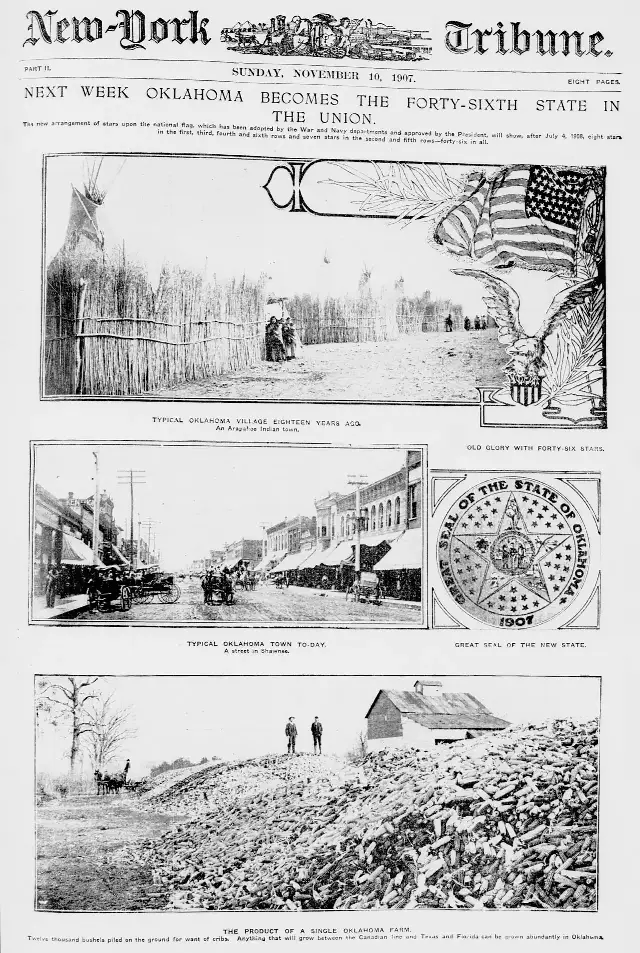
On November 16, 1907, Theodore Roosevelt signed the proclamation admitting Oklahoma as the 46th state — born from the merger of two territories.
On Christmas Eve 1906, Reginald Fessenden transmitted what is remembered as the first radio broadcast of music and voice from Brant Rock, Massachusetts.
On August 1, 1907, Robert Baden-Powell opened an experimental camp for about twenty boys on Brownsea Island — the week that launched the worldwide Scout movement.
On May 21, 1904, football officials from seven European nations met in Paris and signed the founding act of FIFA, the body that would give the world the World Cup.
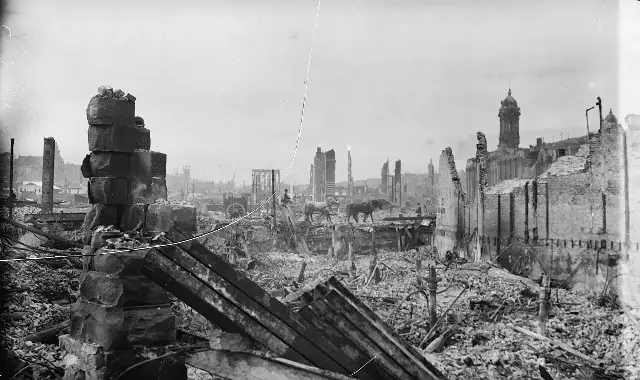
At 5:12 on the morning of April 18, 1906, a magnitude 7.9 earthquake shattered San Francisco — and the fires that followed nearly finished the job.
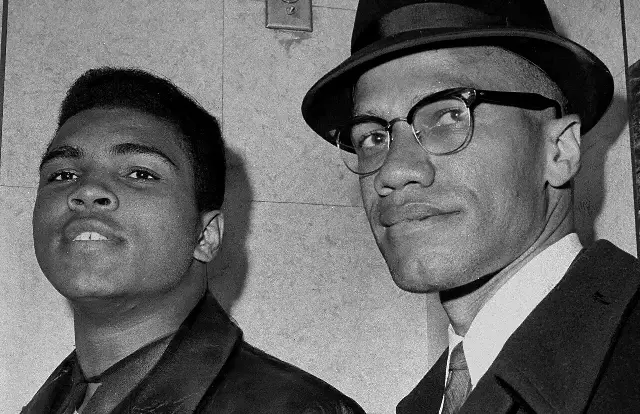
On May 19, 1925, Malcolm Little was born in Omaha, Nebraska — the boy who would become Malcolm X, one of the most powerful and challenging voices of the civil rights era.
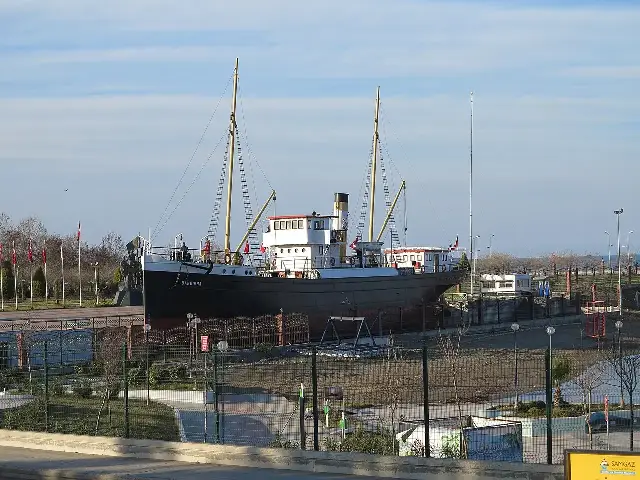
On May 19, 1919, Mustafa Kemal landed at the Black Sea port of Samsun on a secret mission that ignited Turkey's War of Independence and led to the modern Turkish Republic.
On November 3, 1903, Panama broke away from Colombia with American warships offshore — a new nation born to make the Panama Canal possible.
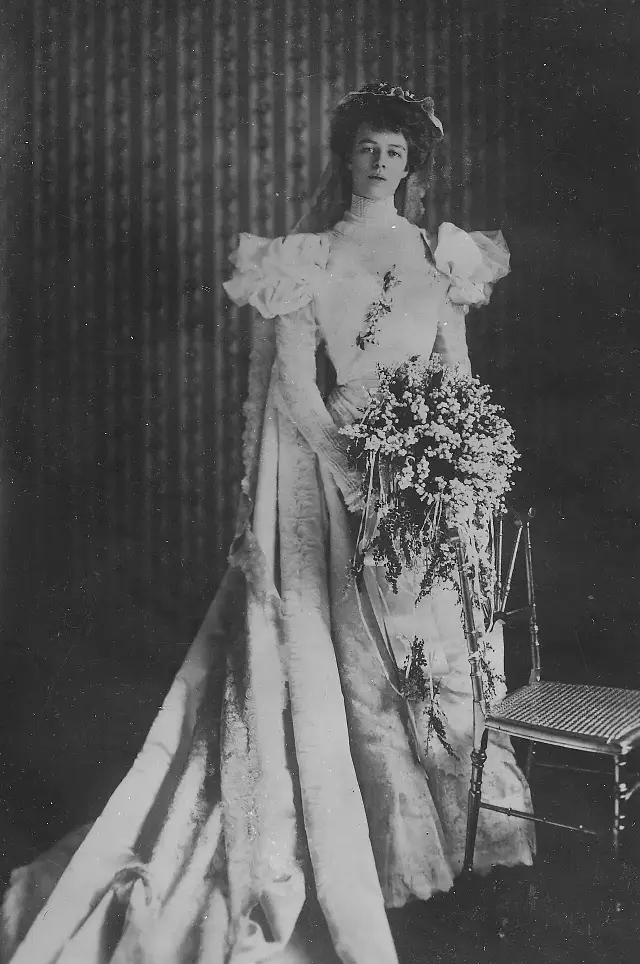
On March 17, 1905, Franklin D. Roosevelt married his distant cousin Eleanor in New York, with her uncle — President Theodore Roosevelt — giving away the bride.