The Pale Blue Dot: Earth's Portrait From 6 Billion Kilometers
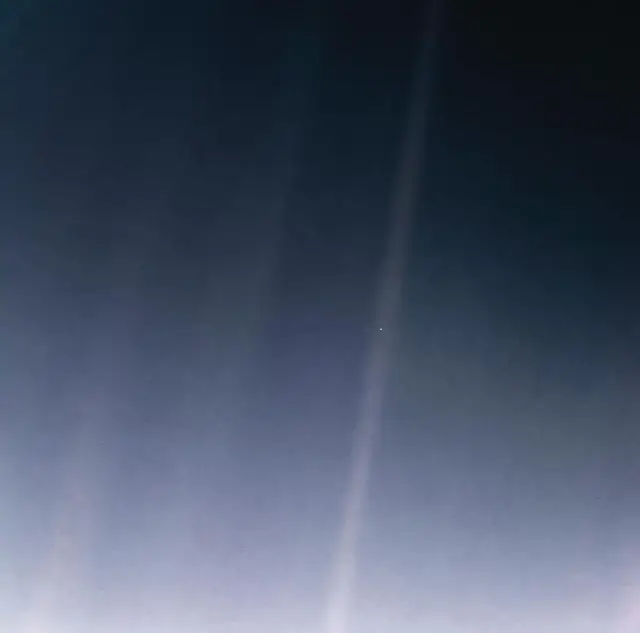
On Valentine's Day 1990, Voyager 1 turned its camera home one last time and photographed Earth as a single pale-blue pixel -- the most distant portrait of our planet ever taken.


On Valentine's Day 1990, Voyager 1 turned its camera home one last time and photographed Earth as a single pale-blue pixel -- the most distant portrait of our planet ever taken.
On February 15, 2013, a house-sized asteroid exploded over a Russian city with 30 times the force of Hiroshima -- and nobody saw it coming.
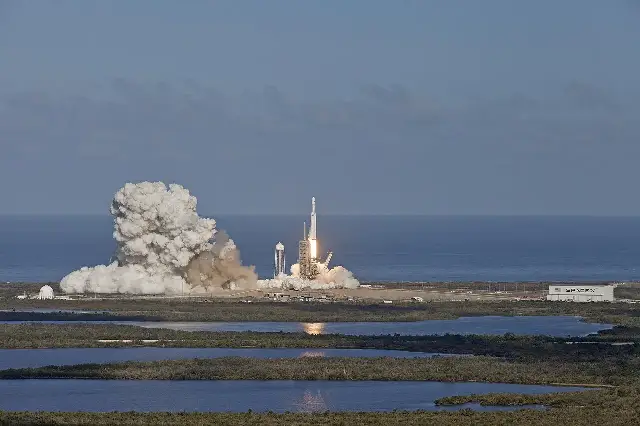
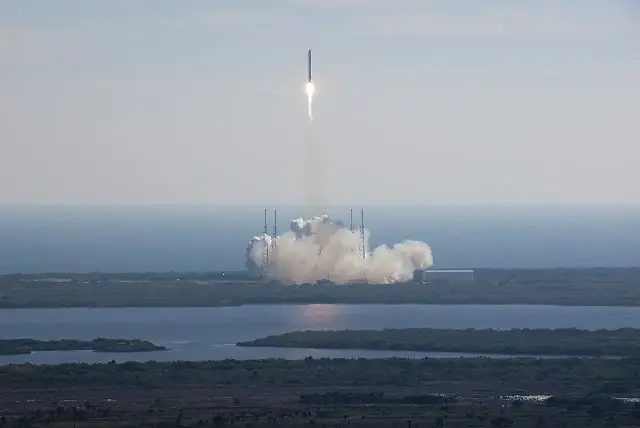
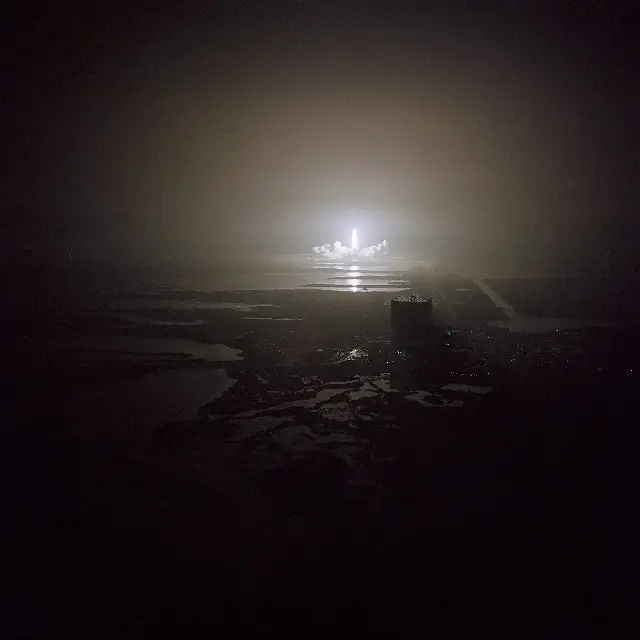
On February 6, 2018, SpaceX's Falcon Heavy lifted off from Kennedy Space Center on its maiden flight, sending Elon Musk's Tesla Roadster toward an orbit around the sun.
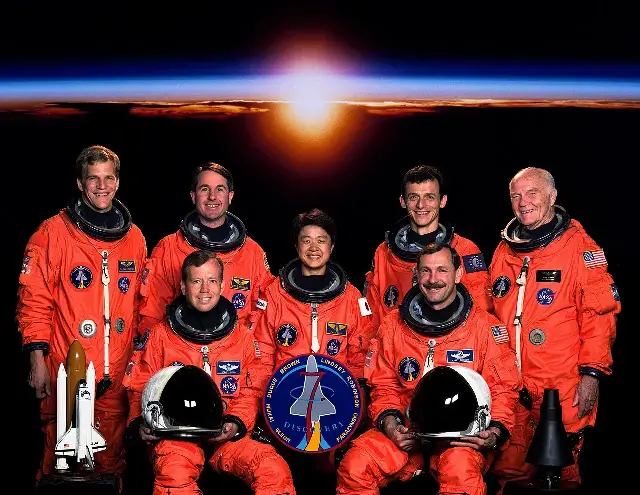
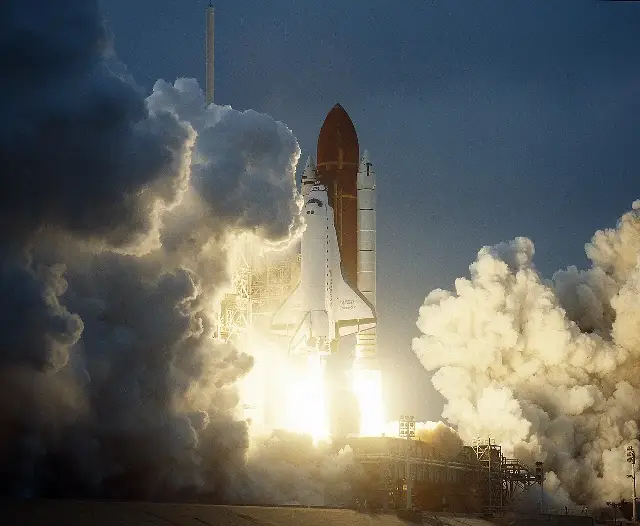
On October 29, 1998, 77-year-old John Glenn rode the shuttle Discovery back into orbit, 36 years after he became the first American to circle the Earth.
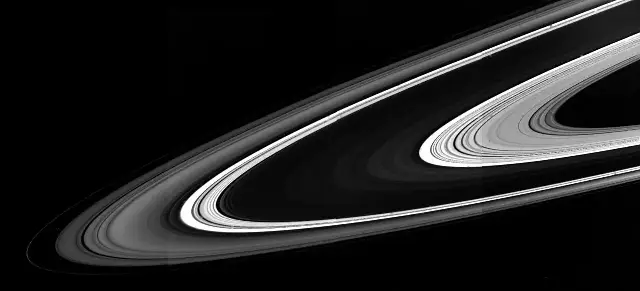
On November 12, 1980, Voyager 1 flew within 78,000 miles of Saturn, revealing braided rings, new moons, and Titan's thick nitrogen atmosphere.
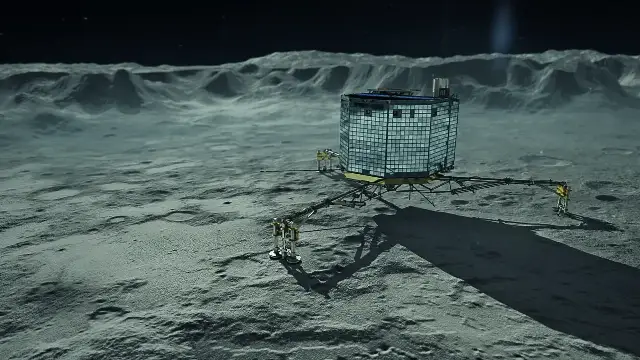
On November 12, 2014, ESA's Philae lander bounced twice across comet 67P before settling at Abydos, achieving the first-ever soft landing on a comet.
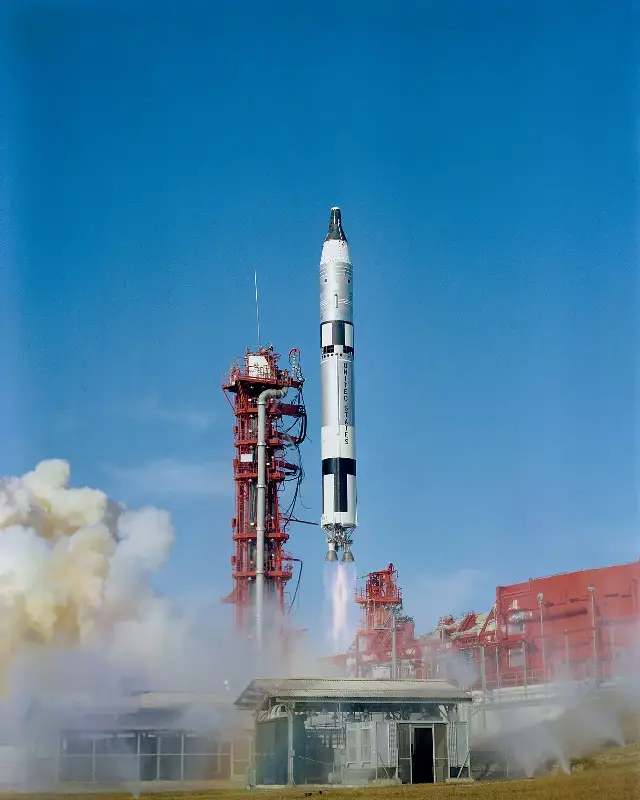
On November 11, 1966, Gemini 12 launched with James Lovell and Buzz Aldrin, whose 5.5 hours of spacewalks proved astronauts could work outside a capsule.
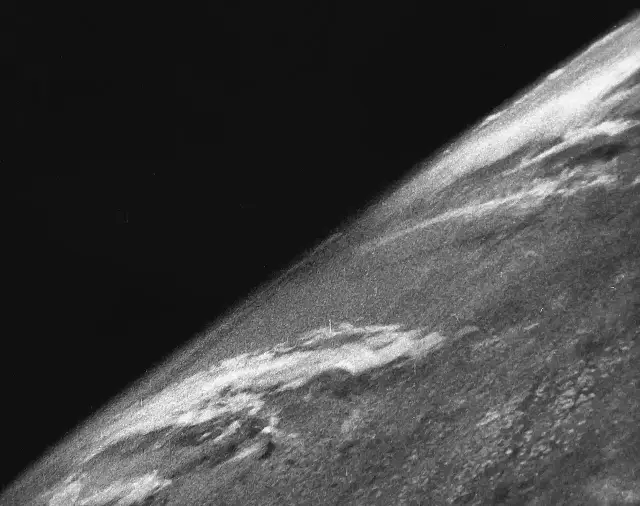
On October 24, 1946, a captured German V-2 rocket carried a movie camera 65 miles above New Mexico and snapped the first photograph of Earth from outer space.
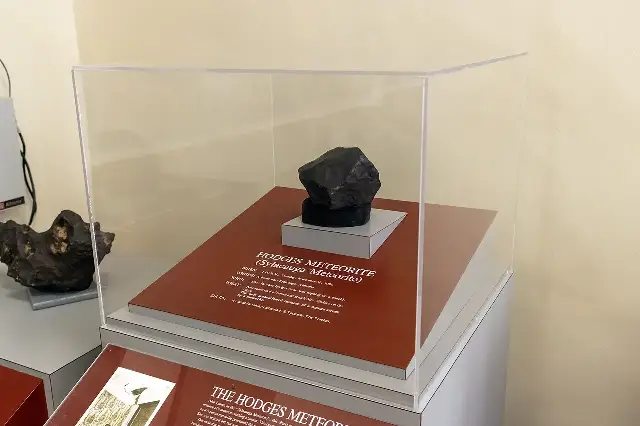
On November 30, 1954, an 8.5-pound meteorite crashed through Ann Hodges' Alabama roof and struck her as she napped — the only verified case of a meteorite injuring a human.
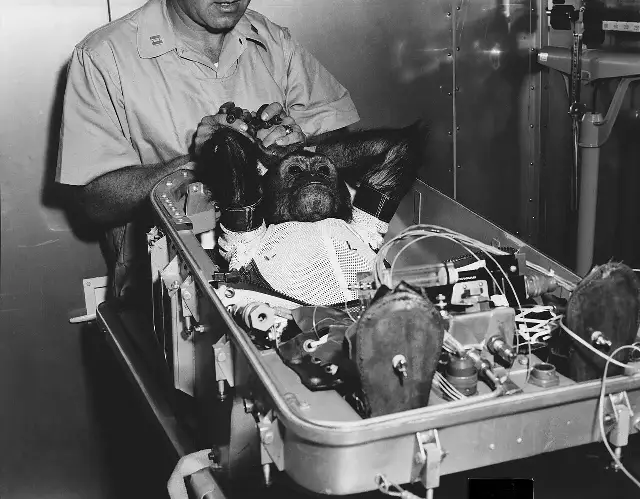
On November 29, 1961, a five-year-old chimpanzee named Enos rode NASA's Mercury-Atlas 5 into orbit — and when a faulty lever shocked him dozens of times, he kept working anyway.
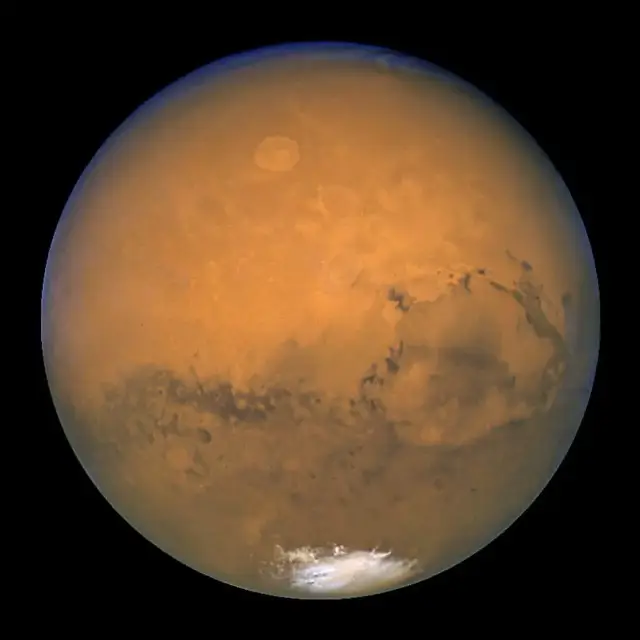
On August 27, 2003, Mars swung closer to Earth than it had in nearly 60,000 years — and millions of people stayed up to watch the red planet blaze.
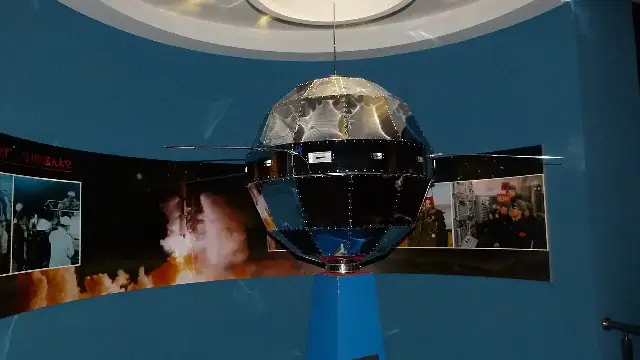
On April 24, 1970, China launched Dong Fang Hong 1, a 173-kilogram satellite that broadcast 'The East Is Red' from orbit, making China the fifth nation to reach space on its own rocket.
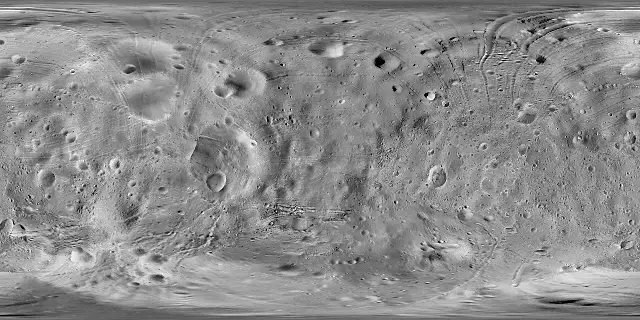
On August 18, 1877, astronomer Asaph Hall spotted Phobos, the larger of Mars's two tiny moons — a world slowly spiraling toward its doom.
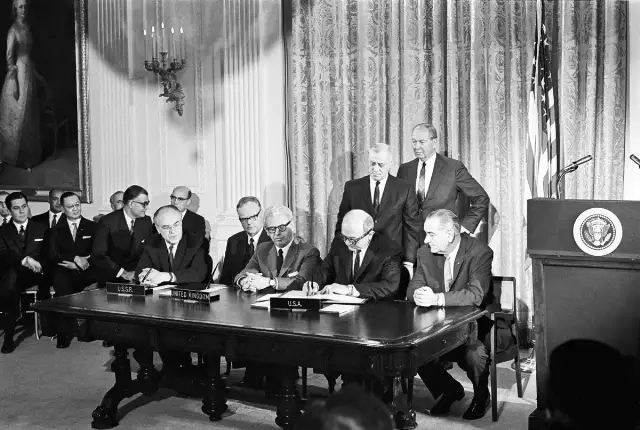
On January 27, 1967, the United States, the Soviet Union, and Britain signed the Outer Space Treaty — the law that still keeps nuclear weapons off the Moon and out of orbit.
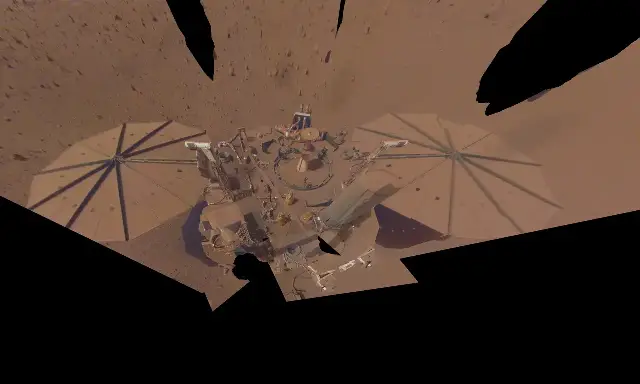
On November 26, 2018, NASA's InSight lander touched down on Mars to take the planet's pulse — listening for marsquakes and probing its hidden interior.
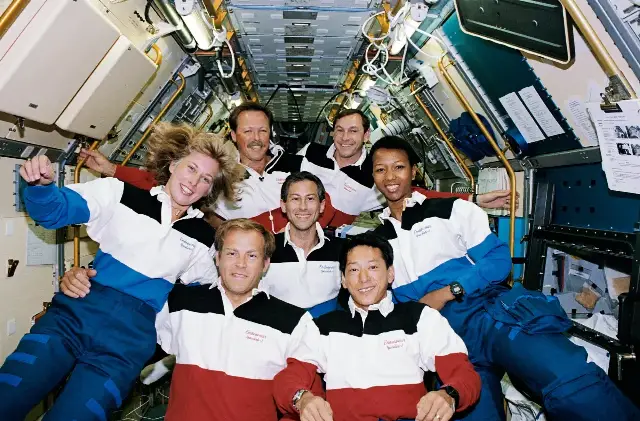
On September 12, 1992, the space shuttle Endeavour carried Mae Jemison into orbit, making her the first African-American woman in space.
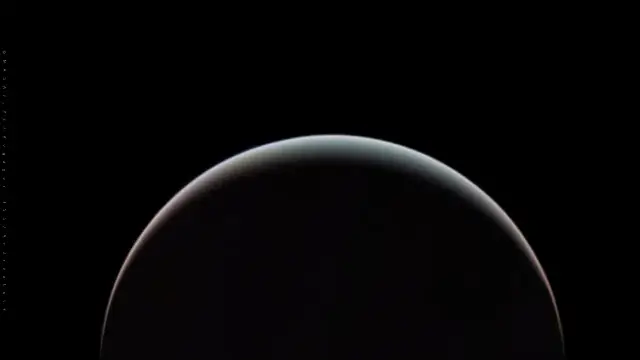
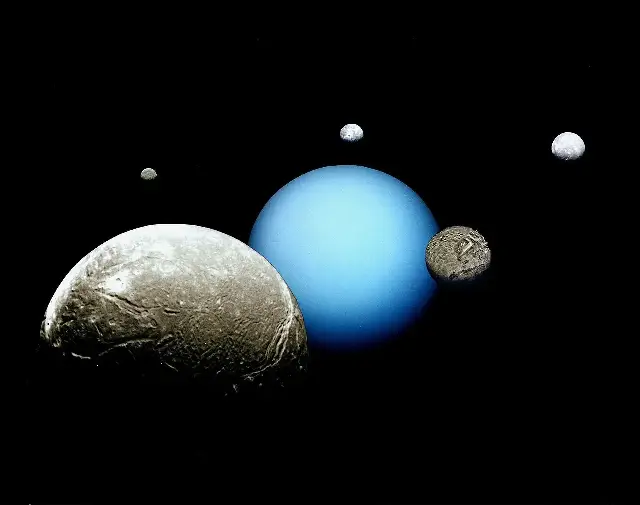
On January 24, 1986, NASA's Voyager 2 swept within 50,600 miles of Uranus, the first and still the only spacecraft ever to visit the tilted ice giant.
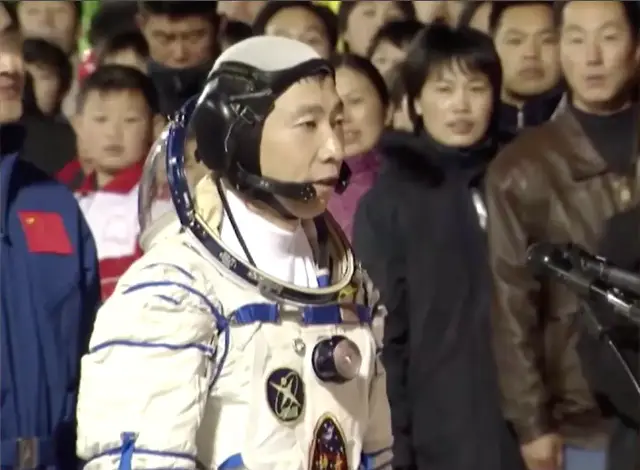
On October 15, 2003, Yang Liwei rode Shenzhou 5 into orbit, making China the third nation to launch a human into space.
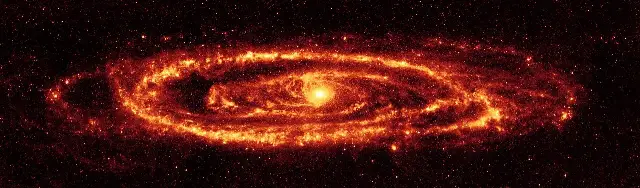
On November 23, 1924, the New York Times reported Edwin Hubble's proof that the 'spiral nebulae' were galaxies beyond the Milky Way — exploding the known universe overnight.
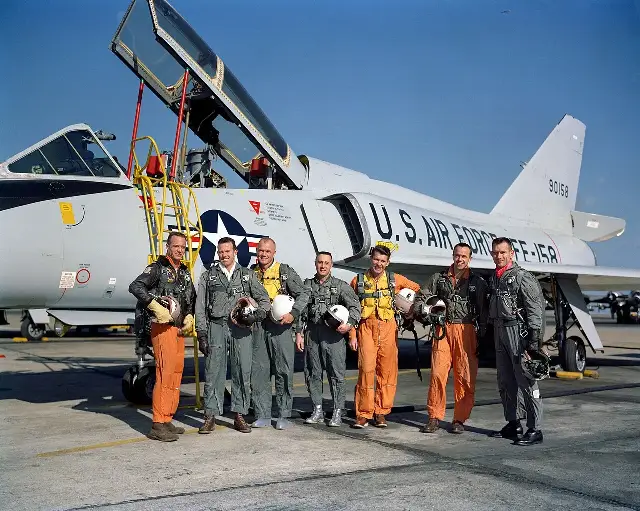
On April 9, 1959, NASA introduced the Mercury Seven — Carpenter, Cooper, Glenn, Grissom, Schirra, Shepard, and Slayton — America's first astronauts, at a press conference in Washington, D.C.
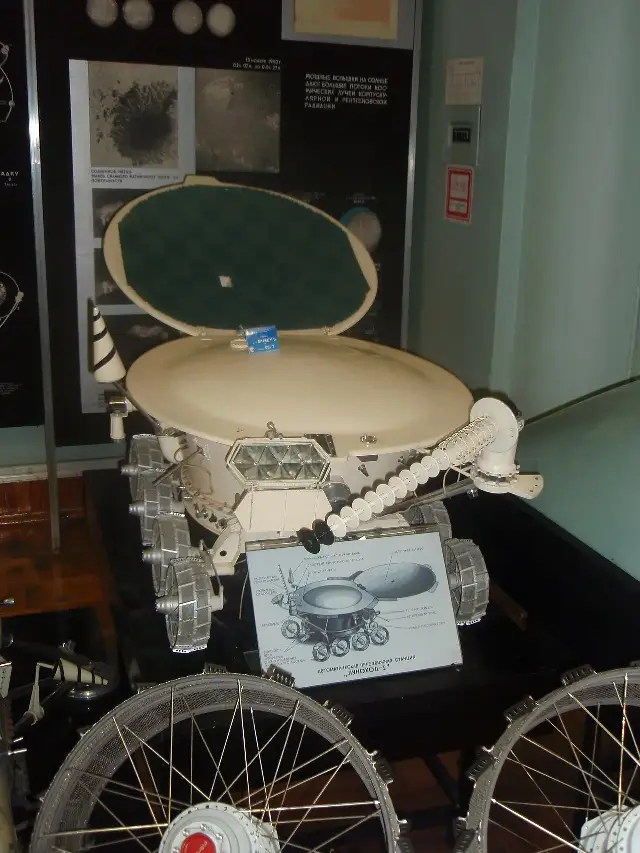
On November 17, 1970, the Soviet Union landed Lunokhod 1 in the Sea of Rains — the first rover ever driven on another world.
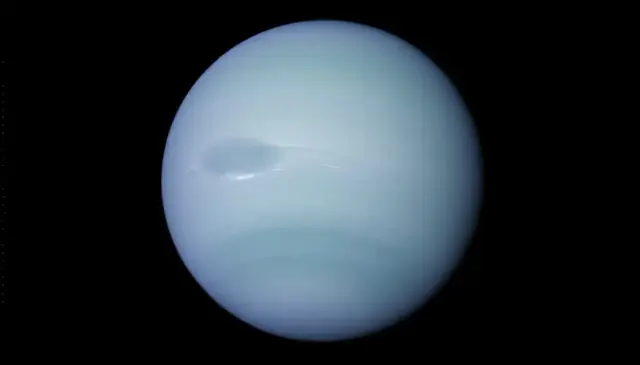
On the night of September 23, 1846, astronomers in Berlin pointed a telescope where mathematics said a planet must be — and found Neptune, less than a degree from the predicted spot.
On May 7, 1992, the space shuttle Endeavour launched on its maiden voyage — and its crew pulled off the only three-person spacewalk in history to rescue a stranded satellite.
On December 28, 1612, Galileo Galilei recorded the position of the planet Neptune for the first time — but mistook it for a fixed star and missed the discovery of his life.
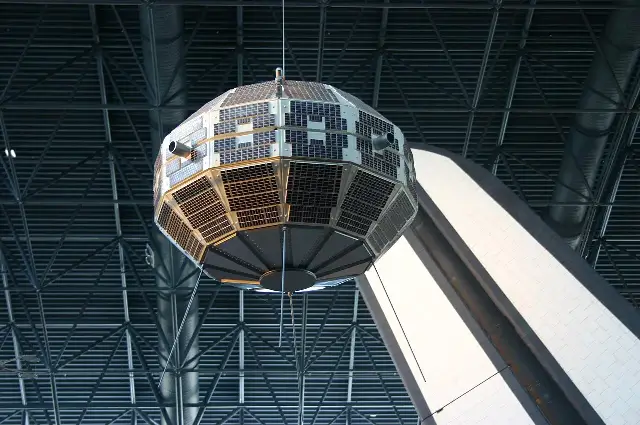
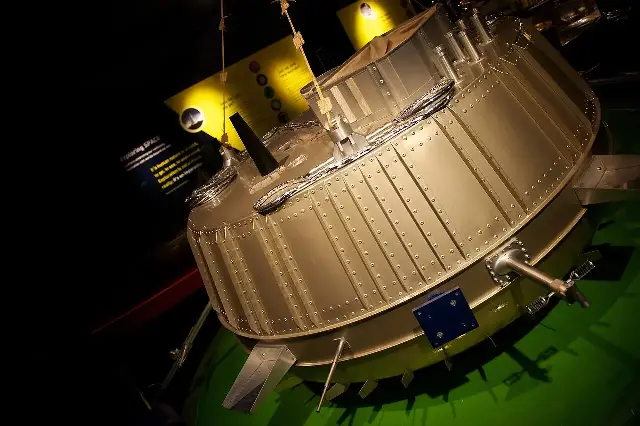
On September 29, 1962, Canada launched Alouette 1 — the first satellite designed and built by any country besides the U.S. and the Soviet Union.
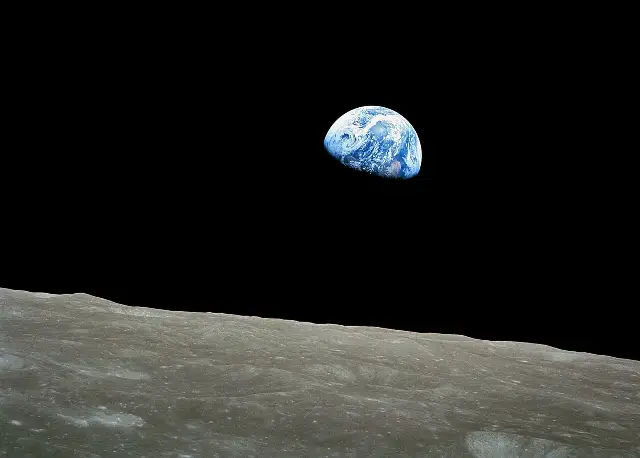
On Christmas Eve 1968, the crew of Apollo 8 broadcast live from lunar orbit, reading from Genesis and giving the world the iconic 'Earthrise' photo.
On April 6, 1965, Intelsat I — nicknamed Early Bird — launched from Cape Canaveral, becoming the first commercial communications satellite.
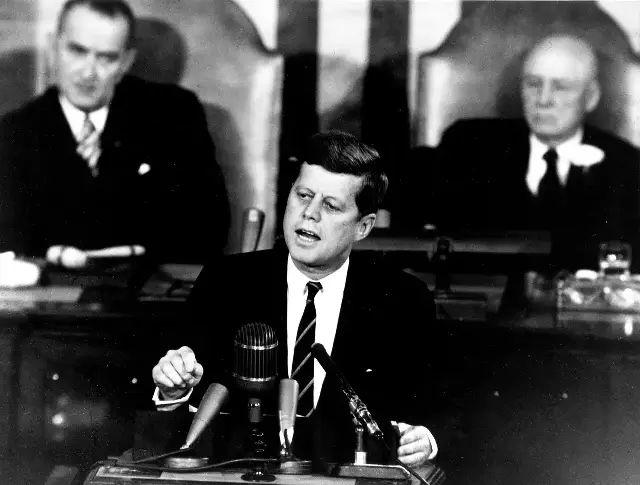
On May 25, 1961, President Kennedy told Congress America would land a man on the Moon before the decade was out — before NASA had even orbited an astronaut.
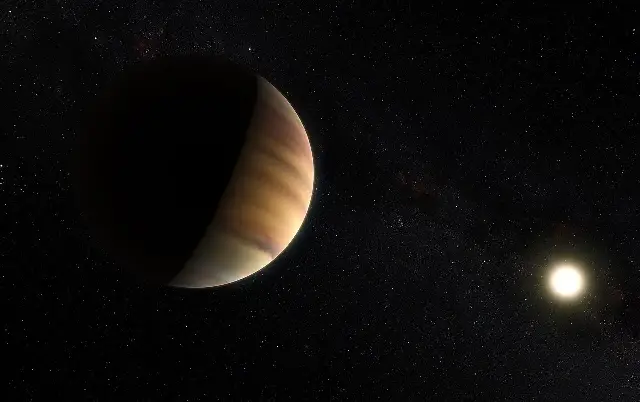
On October 6, 1995, two Swiss astronomers announced the first planet ever found around a Sun-like star — a scorching gas giant so close to its sun that it defied every theory of how planets form.
On January 14, 2005, ESA's Huygens probe landed on Saturn's moon Titan, phoning home from a world of methane rain — the most distant landing in history.
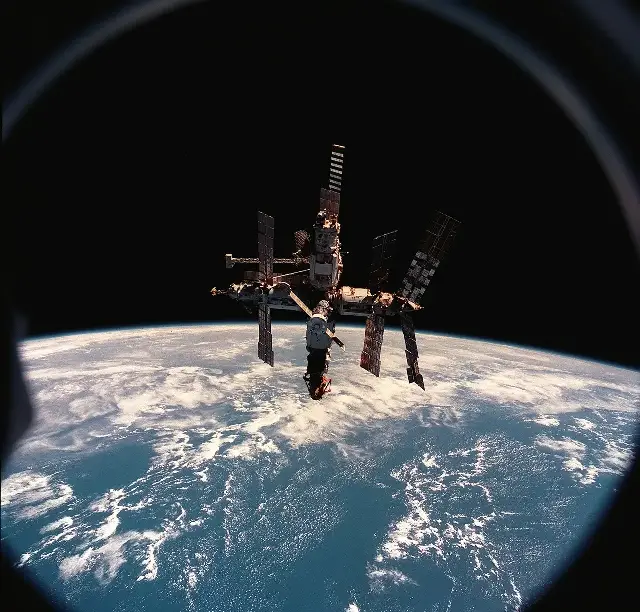
On February 20, 1986, the Soviet Union launched the core module of Mir, the first space station built in pieces in orbit and the blueprint for the International Space Station.
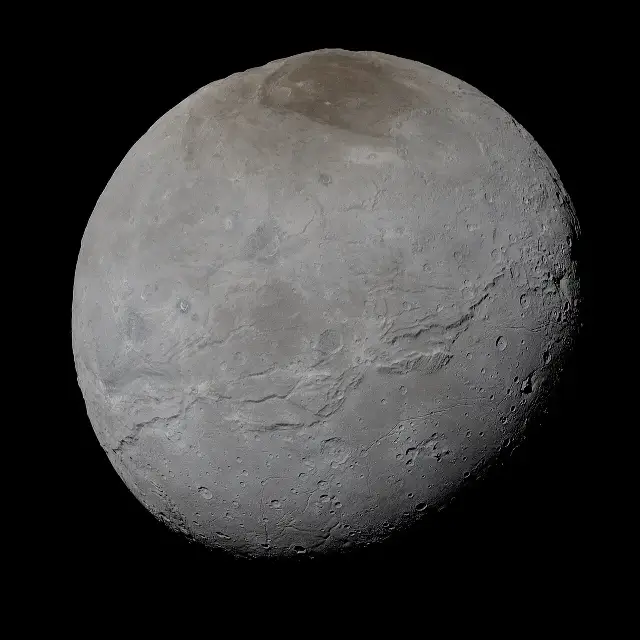
On June 22, 1978, astronomer James Christy spotted a tiny bulge in Pluto's image — a moon he named Charon, for his wife and mythology's ferryman of the dead.
On December 8, 2010, SpaceX's Dragon capsule orbited Earth and splashed down safely -- a first for any private company.
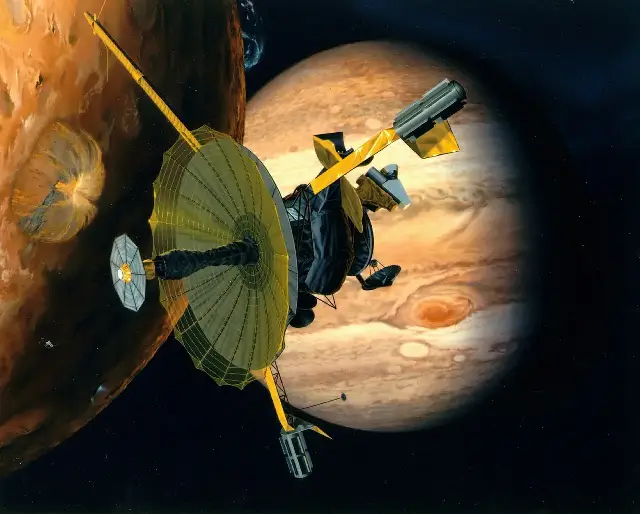
On December 7, 1995, NASA's Galileo spacecraft arrived at Jupiter, becoming the first craft to orbit an outer planet.
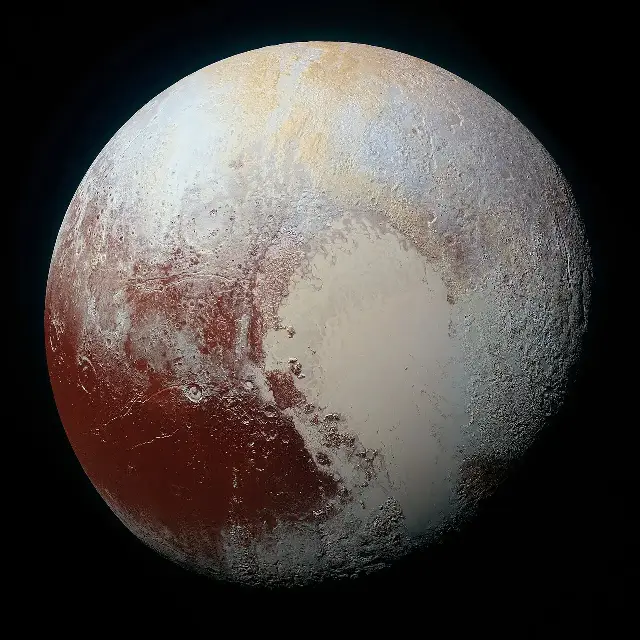
On August 24, 2006, astronomers in Prague voted to strip Pluto of its planet status — and the world has been arguing about it ever since.
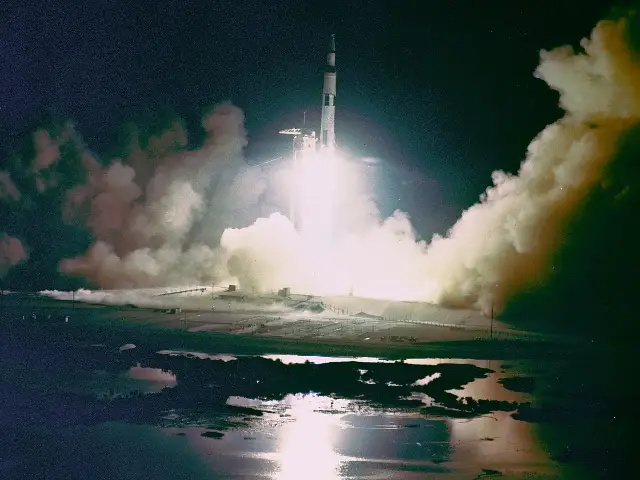
On December 7, 1972, Apollo 17 lifted off for the Moon, the last crewed mission ever to leave Earth orbit.
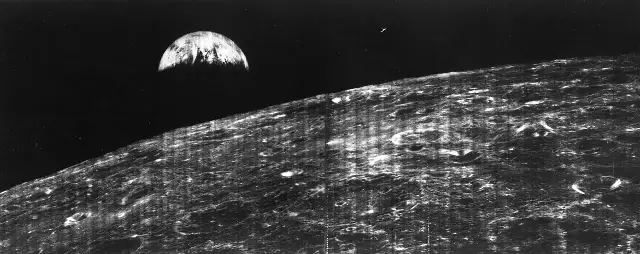
On August 23, 1966, a NASA spacecraft orbiting the Moon turned its camera homeward and took the first photograph of Earth from another world.
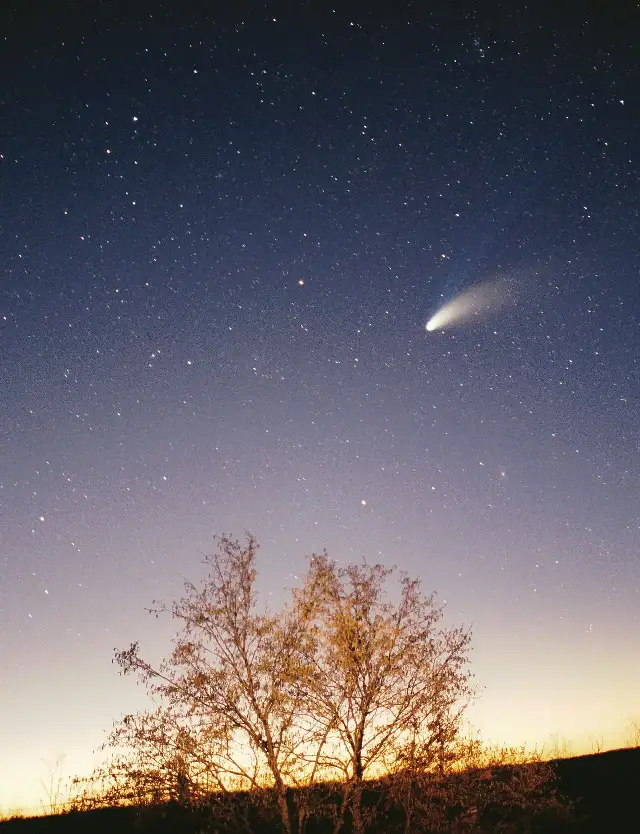
On March 22, 1997, Comet Hale-Bopp made its closest approach to Earth — the dazzling visitor that won't return for another 2,400 years.
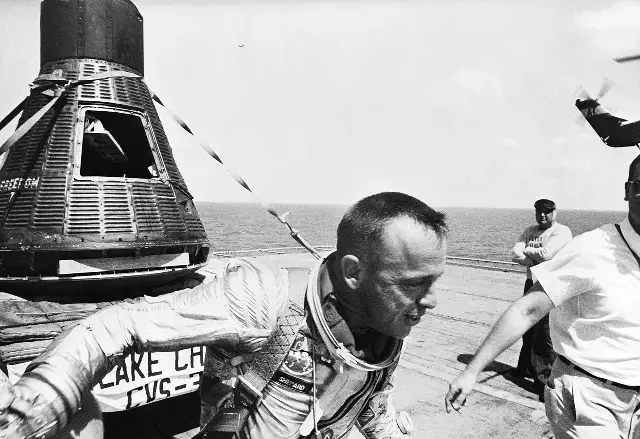
On May 5, 1961, Navy pilot Alan Shepard rode a Redstone rocket 116 miles up and became the first American in space — 23 days after the Soviets got there first.
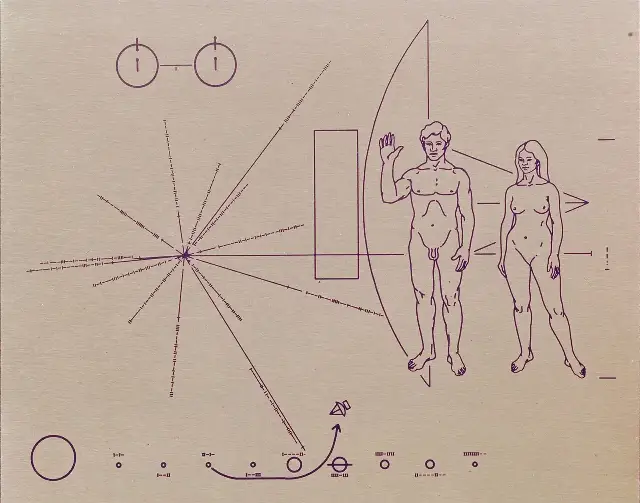
On June 13, 1983, NASA's Pioneer 10 crossed Neptune's orbit and became the first human-made object to travel beyond all the major planets.
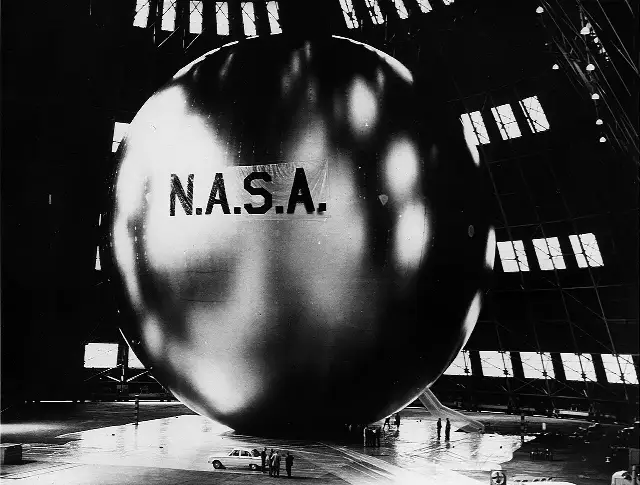
On August 12, 1960, NASA launched a 100-foot balloon into orbit — a passive satellite that bounced phone calls and TV signals around the world.
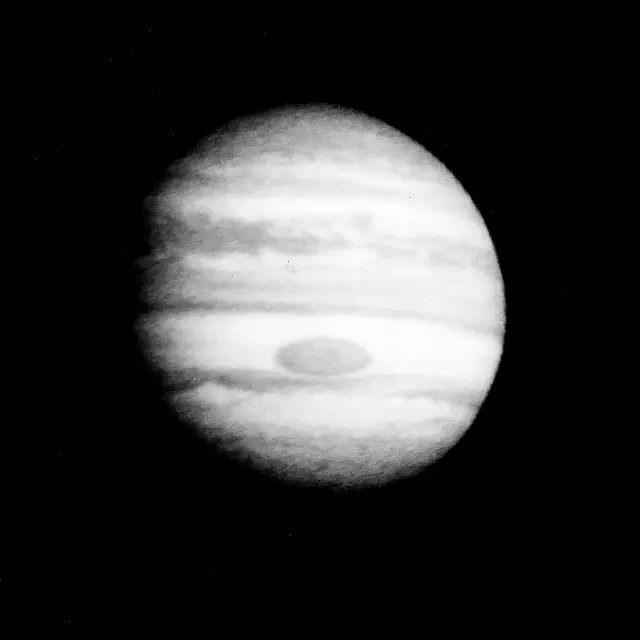
On December 3, 1973, NASA's Pioneer 10 swept past Jupiter, returning humanity's first close-up images of the giant planet.
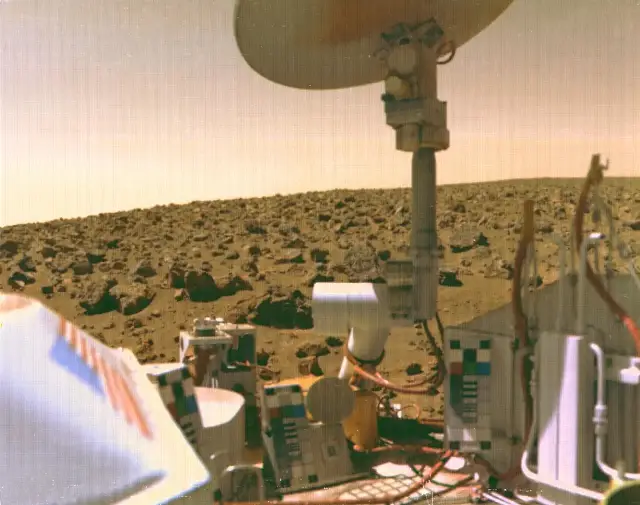
On September 3, 1976, NASA's Viking 2 lander touched down on Mars at Utopia Planitia, tilted on a rock, and began the first serious hunt for Martian life.
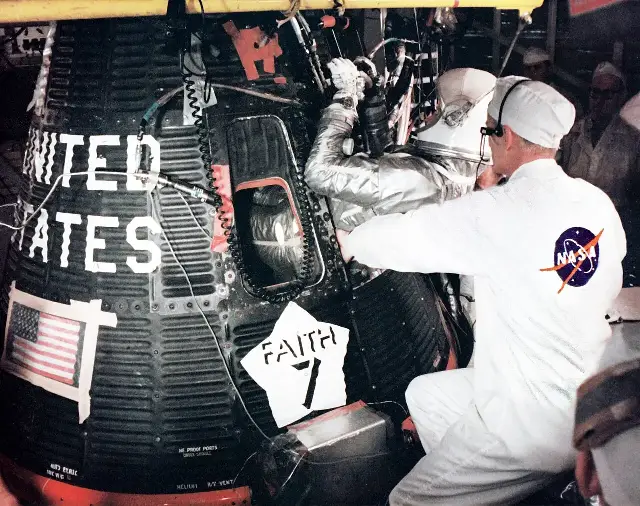
On May 15, 1963, Gordon Cooper flew 22 orbits in Faith 7 — the last time an American ever launched alone into orbit.
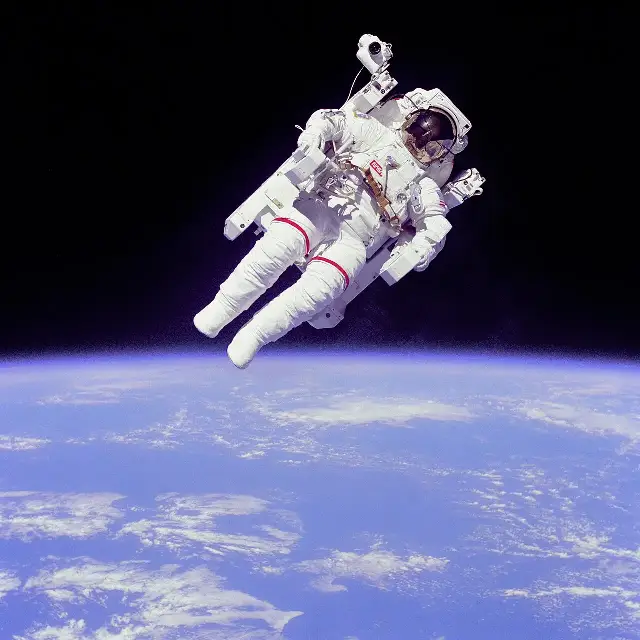
On February 7, 1984, astronaut Bruce McCandless II made the first untethered spacewalk, flying free from the space shuttle Challenger.
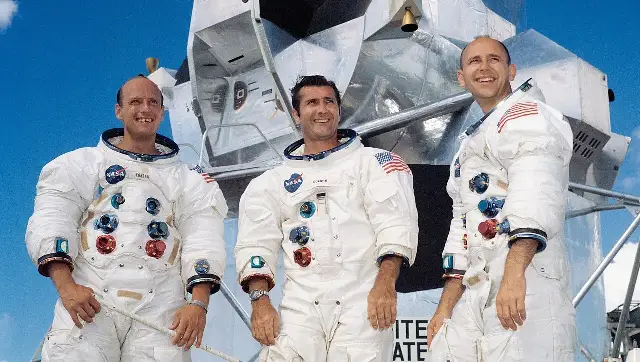
On November 19, 1969, Apollo 12's lunar module Intrepid touched down on the Moon within walking distance of a robot probe that had been sitting there since 1967.
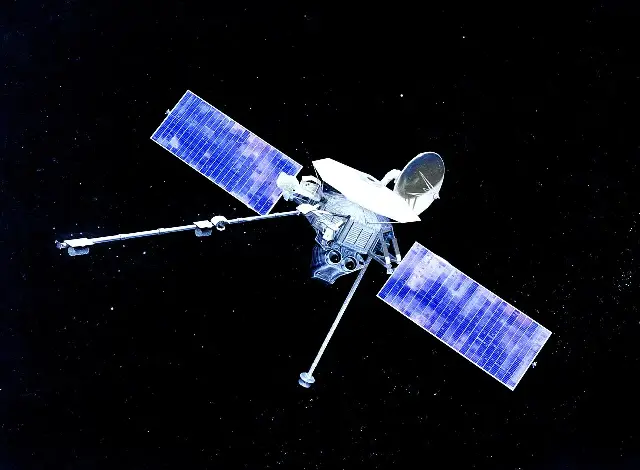
On March 29, 1974, NASA's Mariner 10 became the first spacecraft to fly past Mercury, revealing a cratered, moonlike world no telescope had ever resolved.
On August 30, 1983, Guion 'Guy' Bluford launched aboard Challenger's STS-8 mission, becoming the first African American in space.
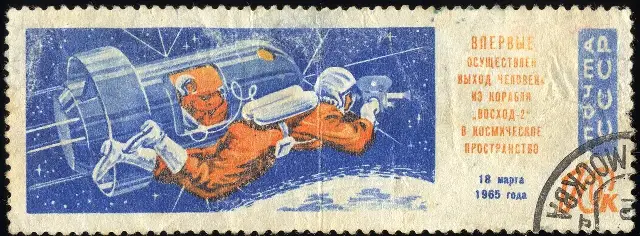
On March 18, 1965, Soviet cosmonaut Alexei Leonov spent 12 minutes outside his Voskhod 2 capsule — the first spacewalk in history.
On March 13, 1781, amateur astronomer William Herschel spotted an odd greenish disk through his backyard telescope — and doubled the known size of the solar system.