A Republic from an Empire's Ashes: Turkey Is Born
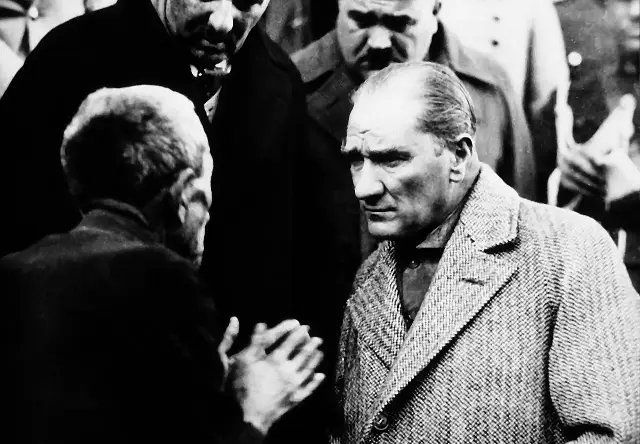
On October 29, 1923, Turkey's parliament proclaimed a republic with Mustafa Kemal as its first president, closing six centuries of Ottoman rule.


On October 29, 1923, Turkey's parliament proclaimed a republic with Mustafa Kemal as its first president, closing six centuries of Ottoman rule.
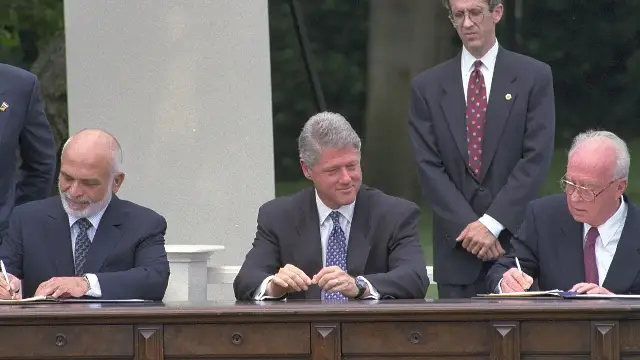
On October 26, 1994, Israel and Jordan signed a treaty ending 46 years of war — only the second Arab-Israeli peace ever made.
On April 11, 1909, sixty-six Jewish families drew lots written on seashells for plots of land north of Jaffa, founding the city that became Tel Aviv.
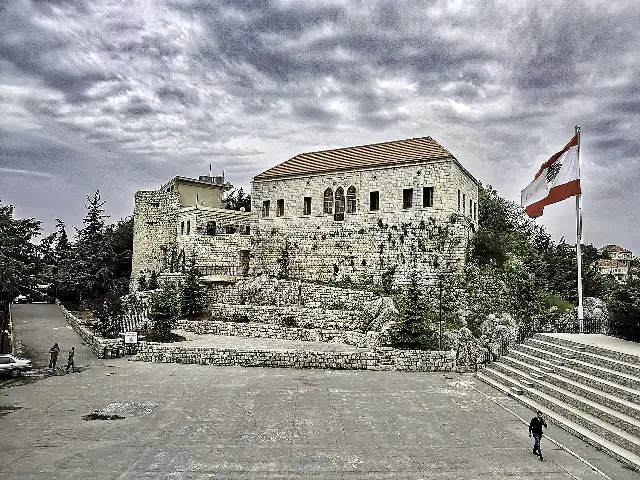
On November 22, 1943, France released Lebanon's imprisoned leaders from Rashaya Citadel — the moment Lebanon celebrates as its independence day.
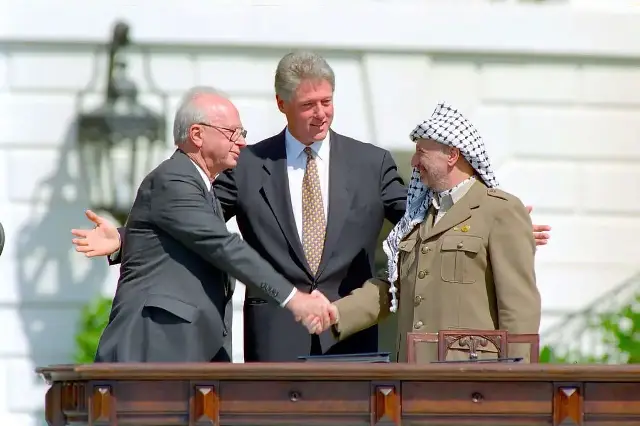
On September 13, 1993, Yitzhak Rabin and Yasser Arafat shook hands on the White House lawn after the signing of the Oslo I Accord, the first agreement between Israel and the PLO.
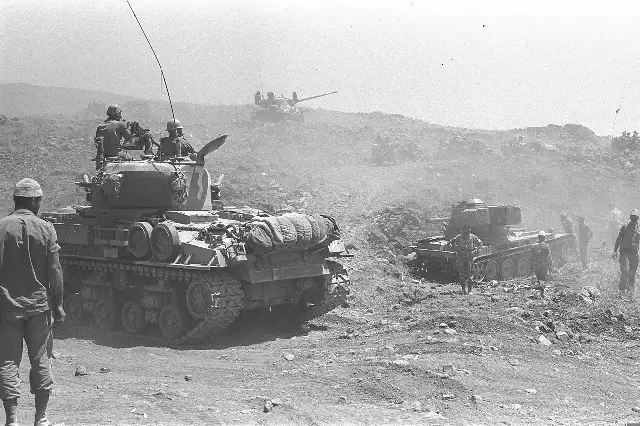
On June 10, 1967, a UN-brokered ceasefire ended the Six-Day War, leaving Israel holding lands more than double its size and redrawing the Middle East map for decades to come.
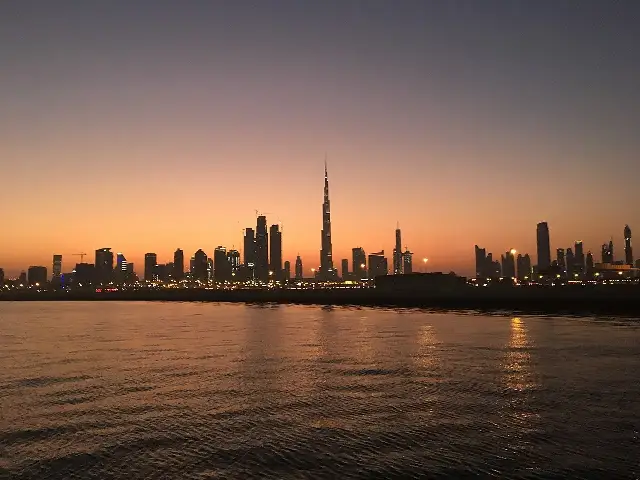
On January 4, 2010, Dubai opened the 828-meter Burj Khalifa, the tallest building ever built — and renamed it mid-ceremony for the Abu Dhabi ruler whose billions had bailed the emirate out.
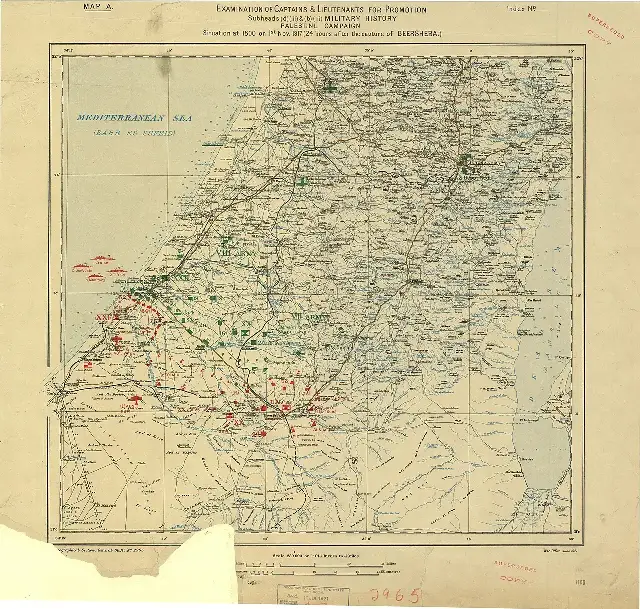
On November 2, 1917, Britain's Balfour Declaration promised a 'national home for the Jewish people' in Palestine — 67 words that echoed for a century.
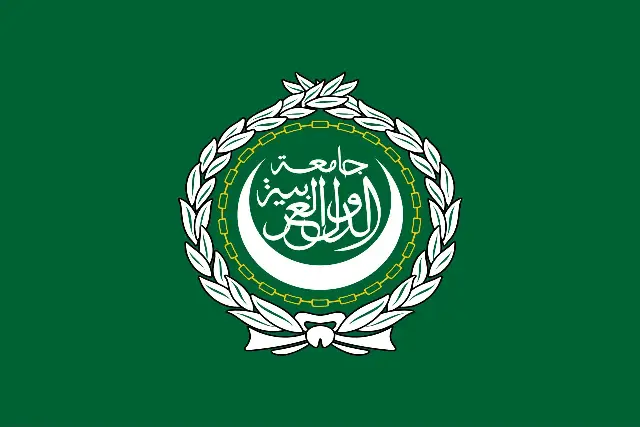
On March 22, 1945, six Arab states signed a pact in Cairo creating the Arab League — a new experiment in settling disputes without war.
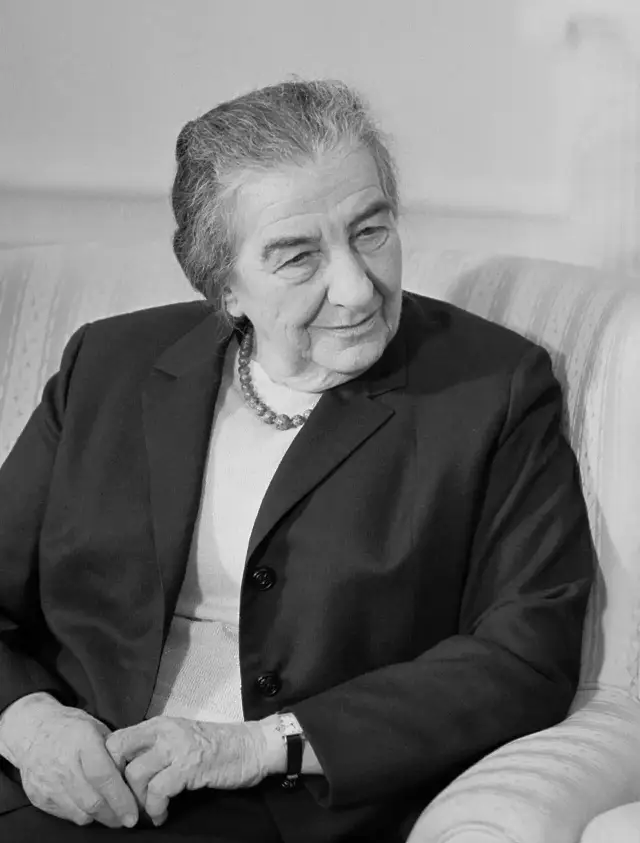
On March 17, 1969, Golda Meir — a former Milwaukee schoolteacher — was sworn in as Israel's fourth prime minister, the first woman to lead the country.
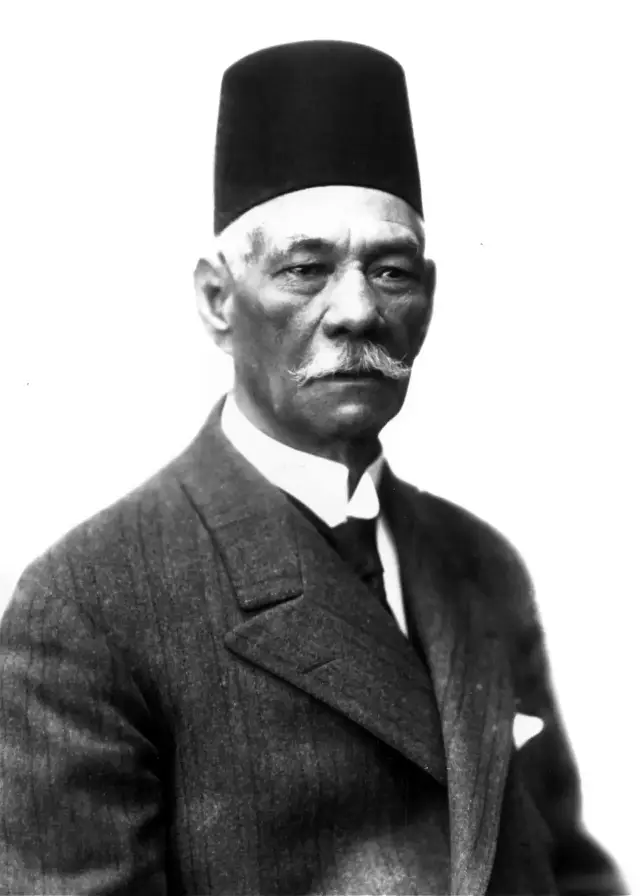
On February 28, 1922, Britain unilaterally declared Egypt an independent sovereign state — while reserving control of the Suez Canal, defense, and Sudan for itself.
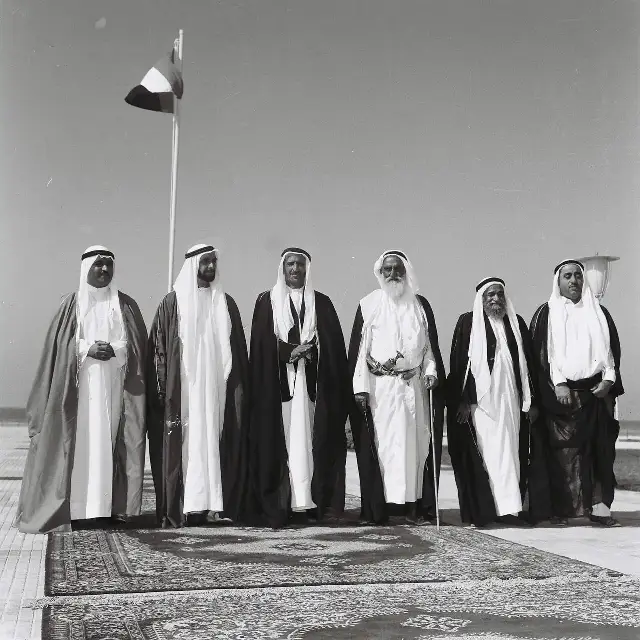
On December 2, 1971, six emirates united at Union House in Dubai to form the United Arab Emirates, with Sheikh Zayed as its first president.
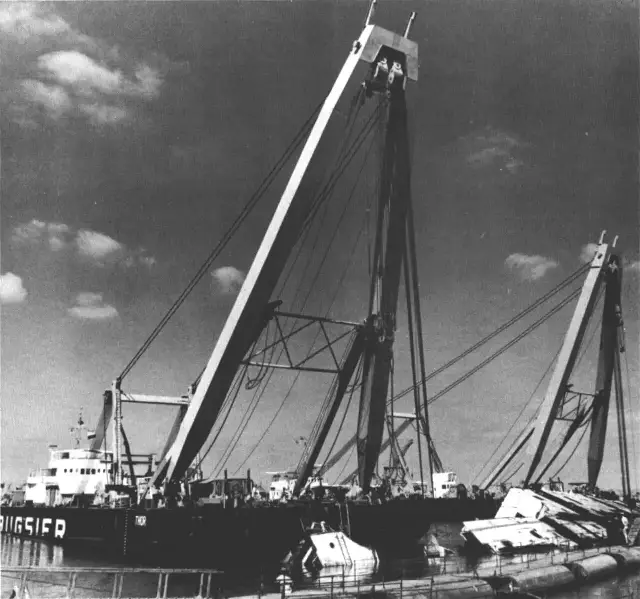
On June 5, 1975 — exactly eight years after it was closed — Egypt's Anwar Sadat reopened the Suez Canal in a ceremony that became a gesture of peace.
On November 19, 1977, Egyptian President Anwar Sadat landed in Israel — the first Arab leader ever to visit the Jewish state — setting the Middle East on the road to its first peace treaty.
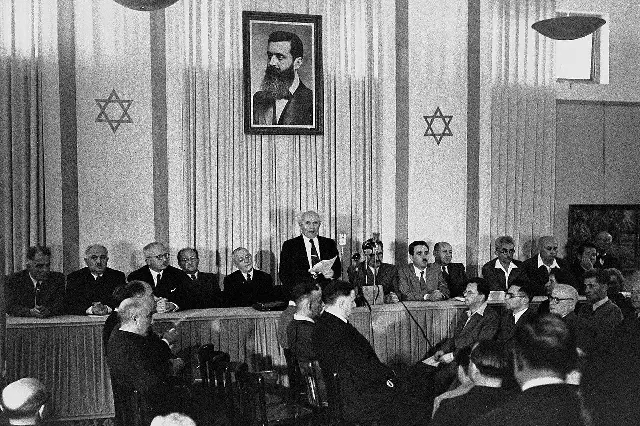
On May 14, 1948, David Ben-Gurion proclaimed the State of Israel at the Tel Aviv Museum in a 32-minute ceremony, hours before the British Mandate expired at midnight.
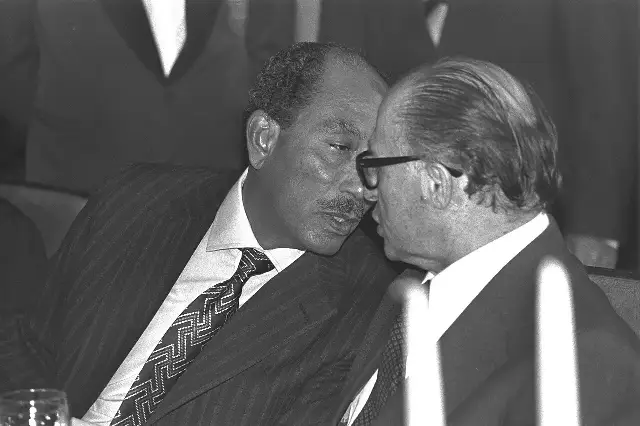
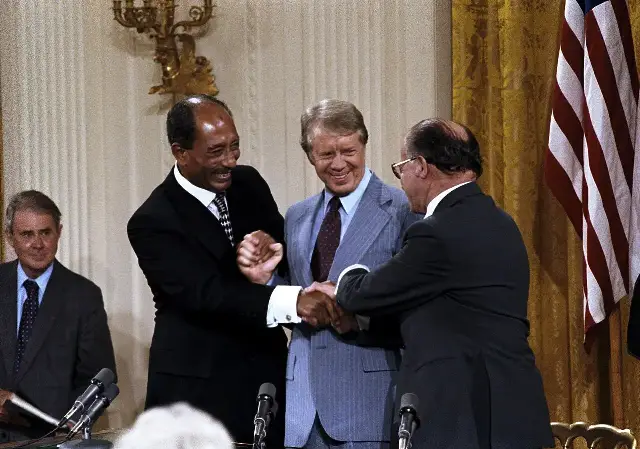
On September 17, 1978, Egypt's Anwar Sadat and Israel's Menachem Begin signed the Camp David Accords after thirteen days of secret talks, ending decades of war between their nations.
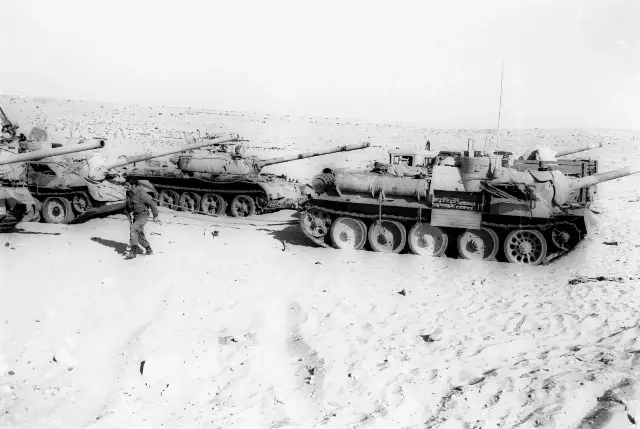
On October 6, 1973, Egypt and Syria attacked Israel on Yom Kippur, starting a war that redrew the Middle East.