Six Nations, One Table: The Arab League Is Born in Cairo
On March 22, 1945, six Arab states signed a pact in Cairo creating the Arab League — a new experiment in settling disputes without war.
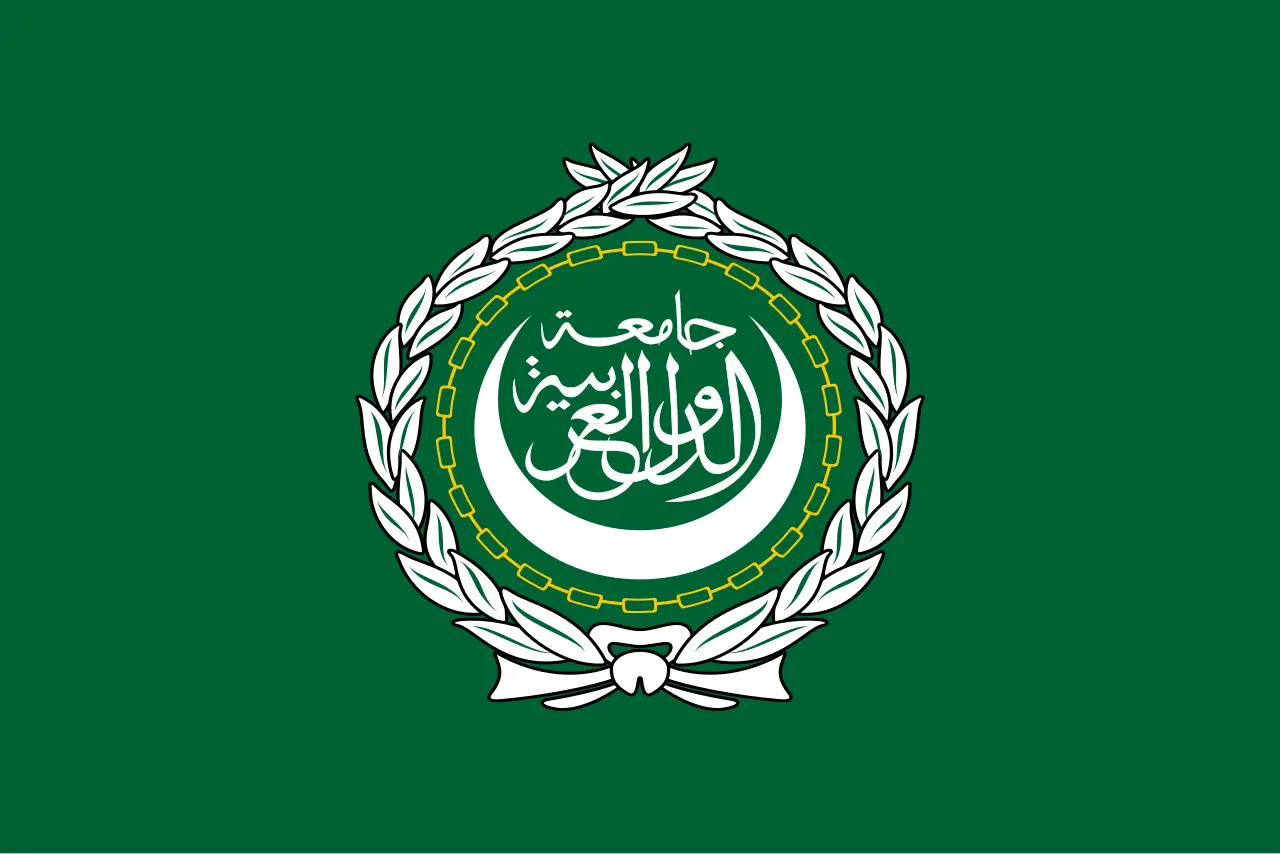
While World War II was still raging in Europe, six Arab foreign ministers sat down in Cairo and did something the region had never done before: they signed a pact binding their nations to settle disputes with words instead of weapons.
The date was March 22, 1945. The signatories — Egypt, Iraq, Transjordan, Lebanon, Saudi Arabia, and Syria — put their names to the Pact of the League of Arab States, a charter drawn up in Arabic and dated, in the Islamic calendar, 8 Rabi' al-Thani 1364. Yemen, absent from the final deliberations, acceded six weeks later on May 5 and is counted among the founders.
The idea had been gathering force for years. In 1941, Britain's foreign secretary Anthony Eden had publicly encouraged Arab unity in his Mansion House speech. In October 1944, the same six states signed the Alexandria Protocol, sketching the framework of a league. The Cairo conference of March 1945 turned the sketch into a charter — after days of wrestling with a genuine tension: how to honor both pan-Arab nationalism and the sovereignty and independence of each member state.
The charter they signed was modest but clear-eyed. Each member kept one vote on the League's council. They pledged to draw closer together, to coordinate on economics, culture, health, and social welfare, to safeguard one another's independence — and, crucially, to renounce force in settling disputes among themselves, submitting quarrels to peaceful mediation instead. The headquarters would be in Cairo, with council sessions twice a year. A Palestinian representative, Musa al Alami, sat in on the deliberations, though he did not sign the pact.
The League's first decades were stormy. It declared an economic boycott in December 1945, championed the Palestinian cause from the start, signed a collective-security treaty in 1950, and watched its membership grow from the original seven to 22 states stretching from Mauritania to Oman. It helped defuse some crises, such as Lebanon's in 1958, and stumbled through others — the unanimity rule that protected each member's sovereignty also made bold joint action rare.
Eighty years on, the Arab League remains one of the world's oldest regional organizations — its charter predates even the United Nations' by a few months. Born in the last spring of a world war, it was an early bet on a radical idea: that newly independent nations could build peace through institutions rather than empires. However imperfect its record, that bet is still on the table in Cairo.
Photo: Flag of the Arab League, public domain, via Wikimedia Commons.