Ponce de León Names Florida
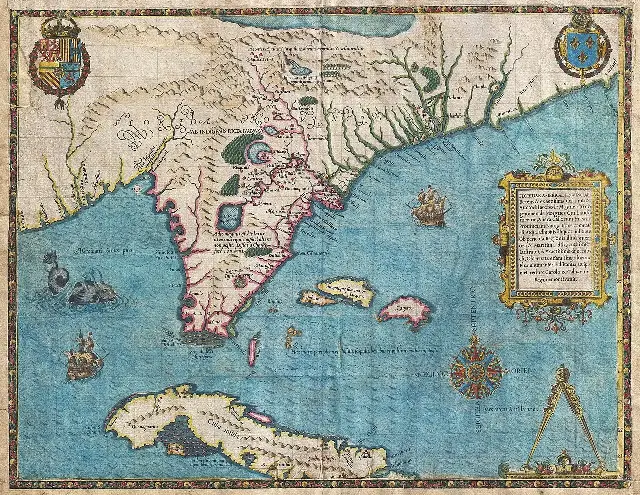
On April 2, 1513, Juan Ponce de León's expedition sighted the Florida coast and gave the peninsula its flowery name.


On April 2, 1513, Juan Ponce de León's expedition sighted the Florida coast and gave the peninsula its flowery name.
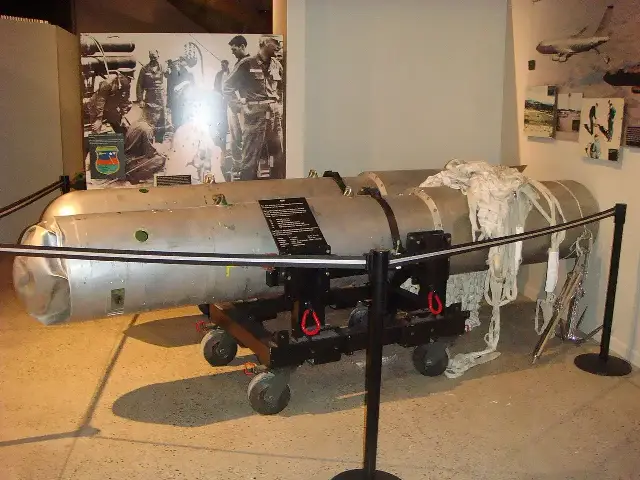
On January 17, 1966, a mid-air collision over Palomares, Spain, scattered four American hydrogen bombs across a farming village and the sea — and started an 80-day hunt.
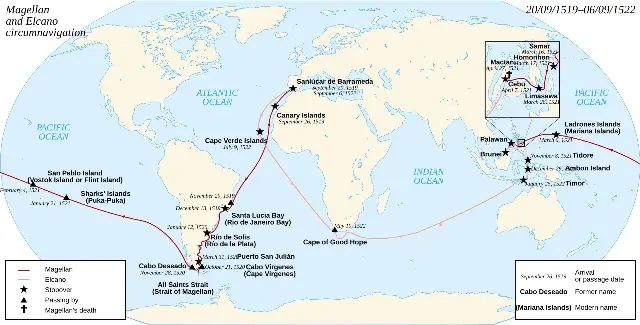
On March 16, 1521, after three months crossing the Pacific without landfall, Ferdinand Magellan's starving crew sighted the mountains of Samar in the Philippines.
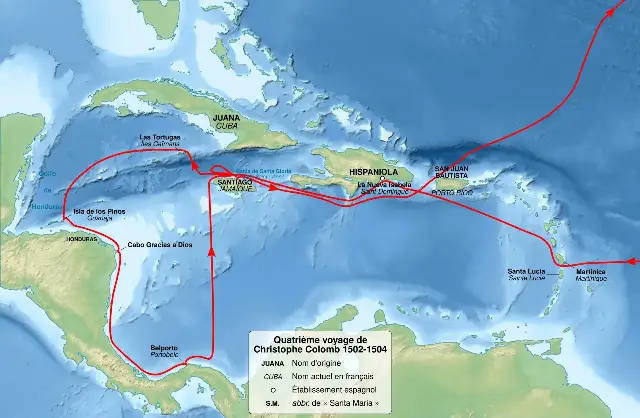
On May 9, 1502, an aging Columbus left Cádiz on his fourth and final voyage — a storm-battered quest for Asia that stranded him in Jamaica for a year.
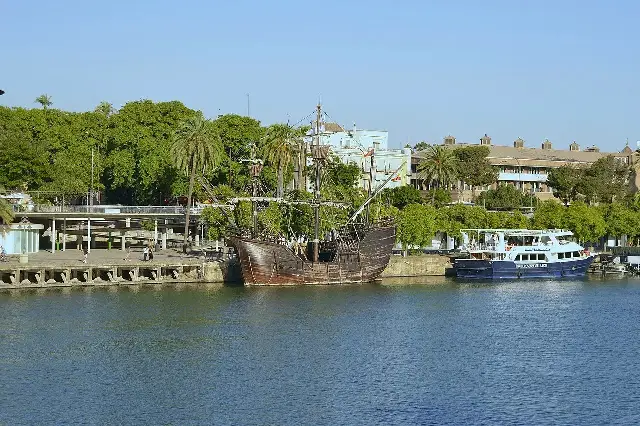
On the morning of August 3, 1492, Columbus sailed from Palos, Spain, with the Niña, the Pinta, and the Santa María on the voyage that would change the world.
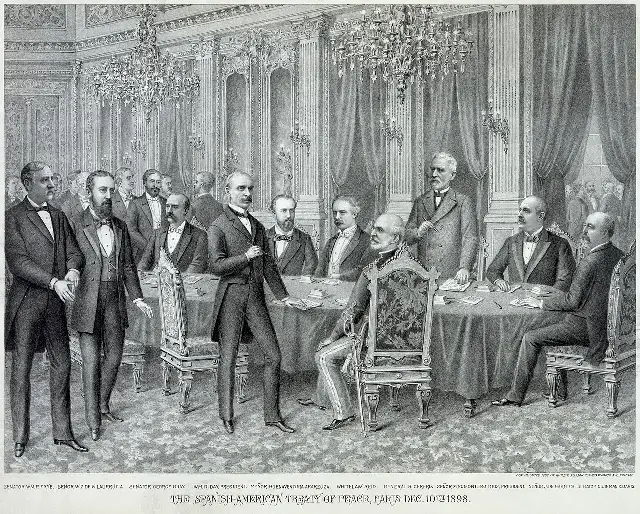
On December 10, 1898, the United States and Spain signed the Treaty of Paris, ending the Spanish-American War and turning America into an overseas empire.
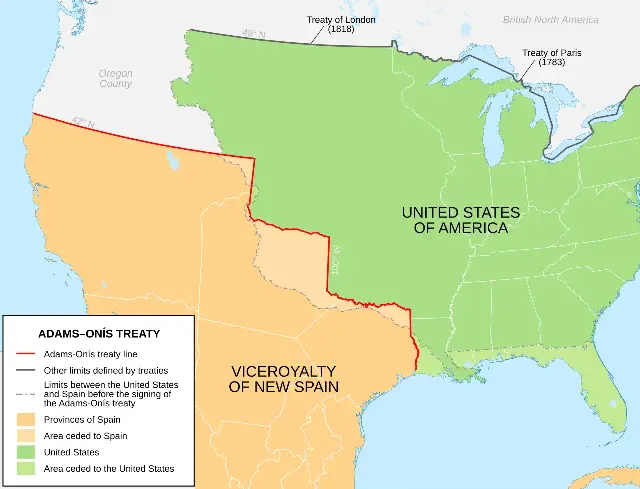
On February 22, 1819, the United States signed the Adams–Onís Treaty, gaining Florida and its first boundary line stretching to the Pacific.
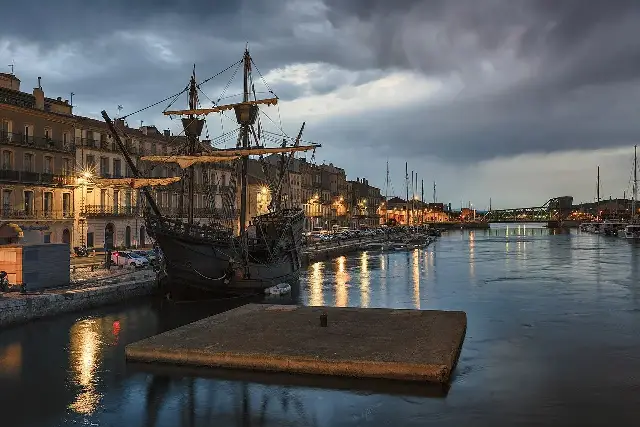
On September 20, 1519, Ferdinand Magellan sailed from Spain with five ships and about 270 men on the voyage that would become the first circumnavigation of the Earth.
On September 6, 1522, a rotting carrack called the Victoria limped into a Spanish harbor with 18 starving men aboard, completing the first voyage around the world.