The Day the Music Died
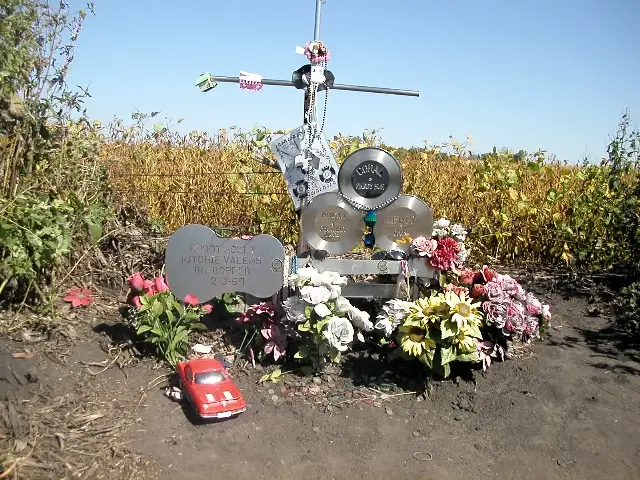
On February 3, 1959, a small plane crashed in an Iowa cornfield, killing rock-and-roll stars Buddy Holly, Ritchie Valens, and the Big Bopper — a loss Don McLean immortalized as "the day the music died."


On February 3, 1959, a small plane crashed in an Iowa cornfield, killing rock-and-roll stars Buddy Holly, Ritchie Valens, and the Big Bopper — a loss Don McLean immortalized as "the day the music died."
On April 12, 1955, Dr. Thomas Francis announced that Jonas Salk's polio vaccine was 'safe, effective, and potent,' ending one of America's greatest public health fears.
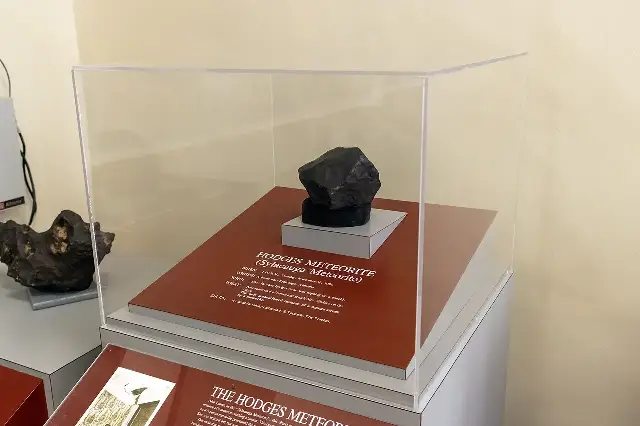
On November 30, 1954, an 8.5-pound meteorite crashed through Ann Hodges' Alabama roof and struck her as she napped — the only verified case of a meteorite injuring a human.
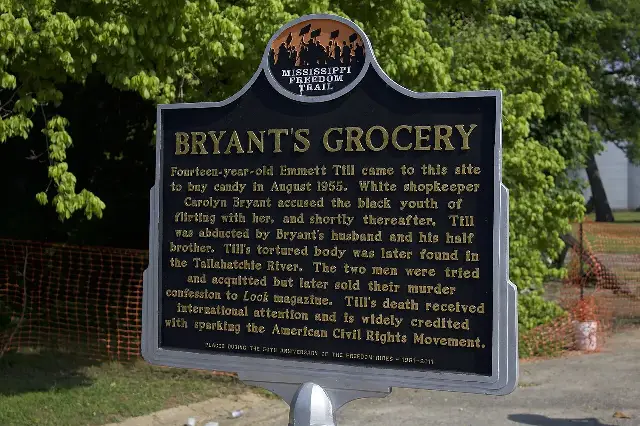
On August 28, 1955, 14-year-old Emmett Till was abducted from his great-uncle's Mississippi home — a murder that would galvanize the civil rights movement.
On August 27, 1955, the first Guinness Book of Records was published — born from a heated argument about the fastest game bird in Europe.
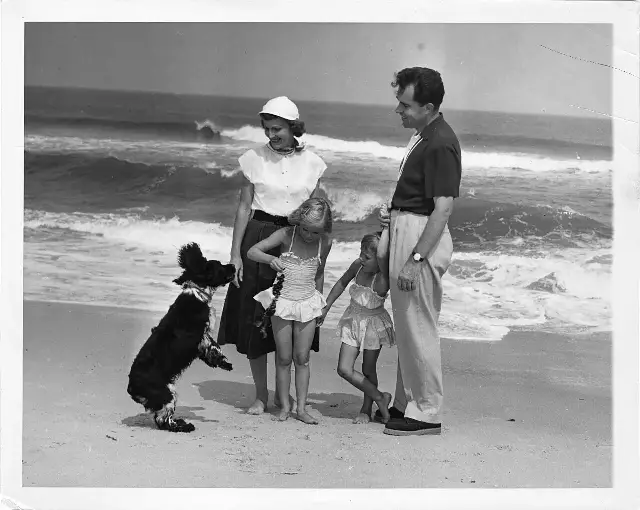
On September 23, 1952, Richard Nixon took to national television to answer a campaign-fund scandal — and a cocker spaniel named Checkers made broadcast history.
On October 17, 1956, Queen Elizabeth II opened Calder Hall in Cumbria — the world's first commercial nuclear power station.
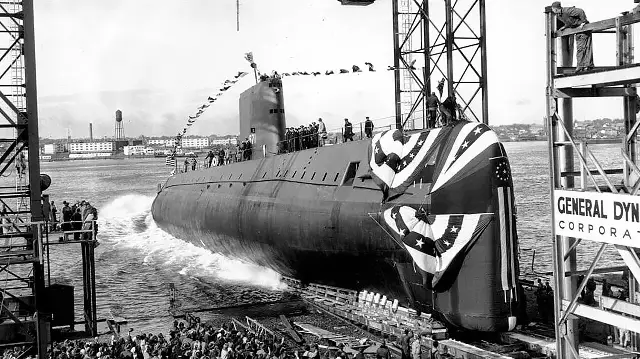
On January 21, 1954, the USS Nautilus slid into the Thames River as the world's first nuclear-powered submarine, and naval warfare changed forever.
On July 6, 1957, Althea Gibson beat Darlene Hard 6–3, 6–2 to become the first Black champion in Wimbledon's 80-year history.
On April 15, 1955, milkshake-mixer salesman Ray Kroc opened his first McDonald's franchise in Des Plaines, Illinois — launching the template for the modern fast-food world.
On July 5, 1954, a 19-year-old Elvis Presley fooled around with a blues song during a break at Sun Studio — and accidentally cut the record that launched rock 'n' roll.
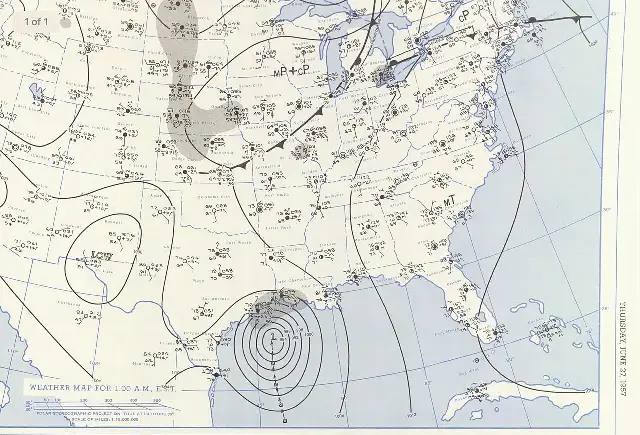
On June 27, 1957, Hurricane Audrey slammed into Louisiana with a devastating storm surge, killing 390 to 500 people — the strongest June hurricane ever recorded in the Atlantic.
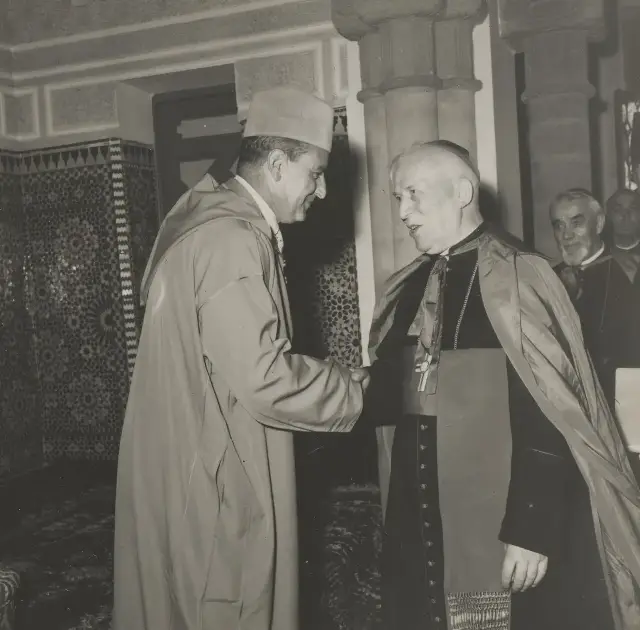
Exiled to Madagascar for defying France, Sultan Mohammed V returned a hero — and on March 2, 1956, France signed the declaration ending its rule over Morocco.
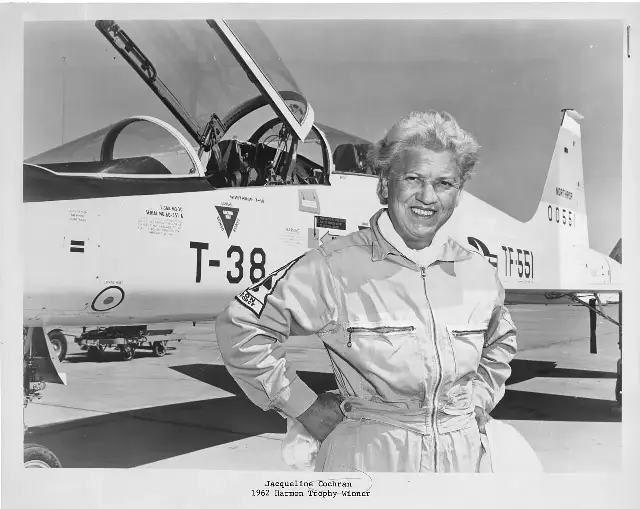
On May 18, 1953, Jacqueline Cochran became the first woman to break the sound barrier, flying a borrowed F-86 Sabre jet over Rogers Dry Lake, California.
On November 3, 1954, Japan released 'Gojira' — a giant monster born of atomic dread that became cinema's most enduring movie monster.
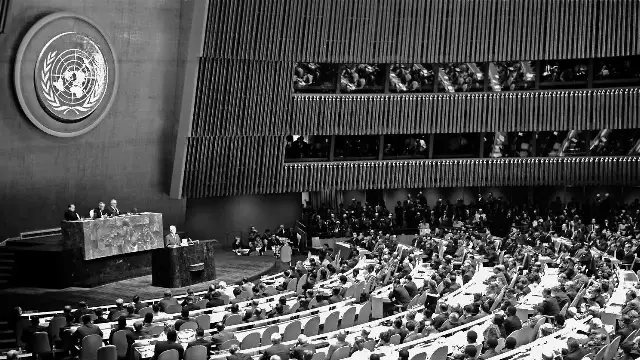
On December 8, 1953, President Eisenhower proposed turning nuclear weapons material toward peaceful uses in a landmark UN speech.
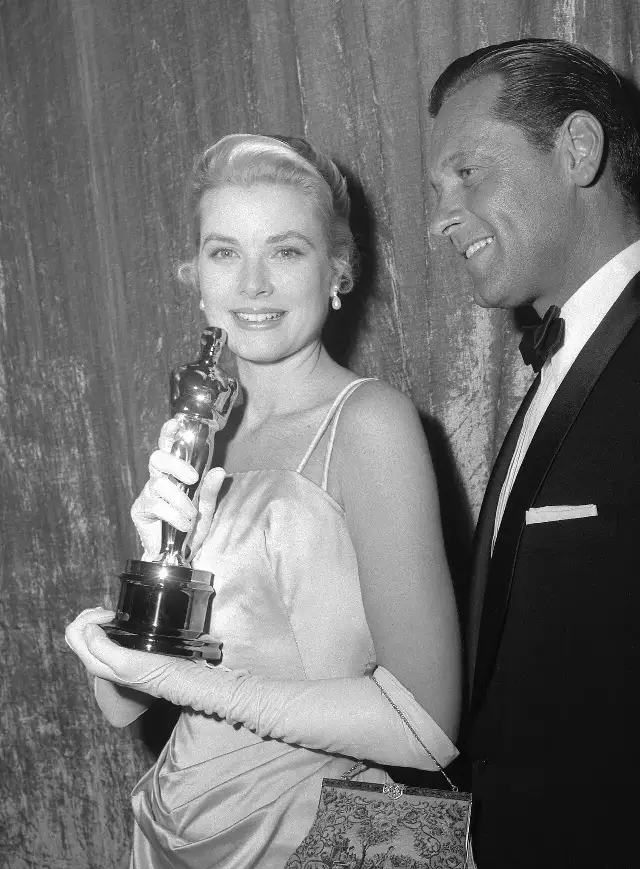
On April 19, 1956, American film star Grace Kelly married Prince Rainier III of Monaco in a cathedral ceremony watched live by more than 30 million television viewers.
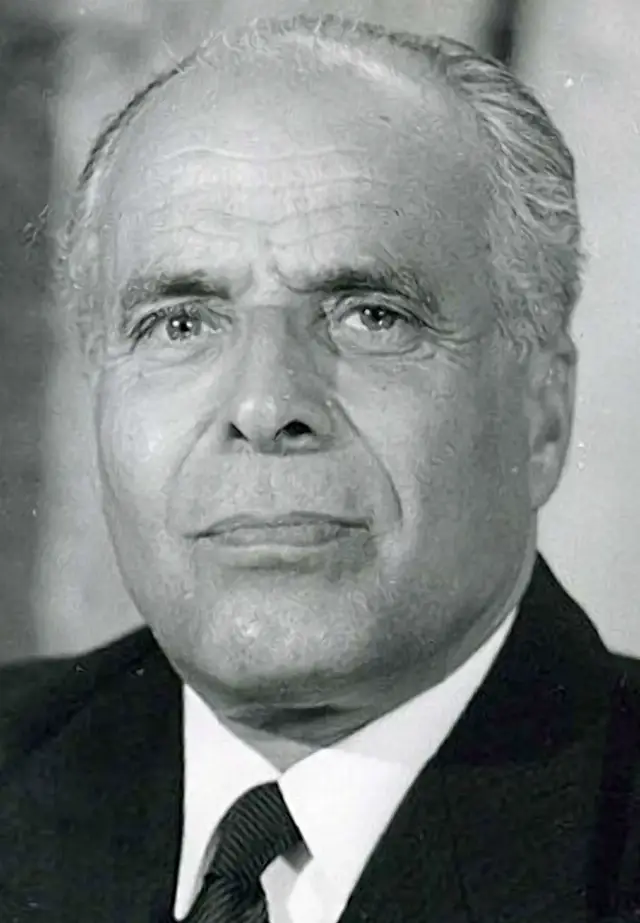
On March 20, 1956, France formally recognized Tunisia's independence, ending a 75-year protectorate and crowning Habib Bourguiba's decades-long struggle.
On November 4, 1956, the Soviet Union launched Operation Whirlwind against Budapest, crushing Hungary's revolution and sending some 200,000 refugees fleeing west.
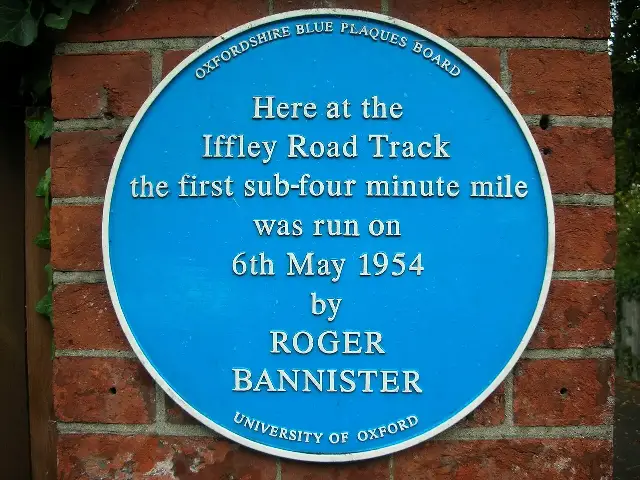
On May 6, 1954, medical student Roger Bannister ran a mile in 3 minutes 59.4 seconds at Oxford — the first sub-four-minute mile in history.
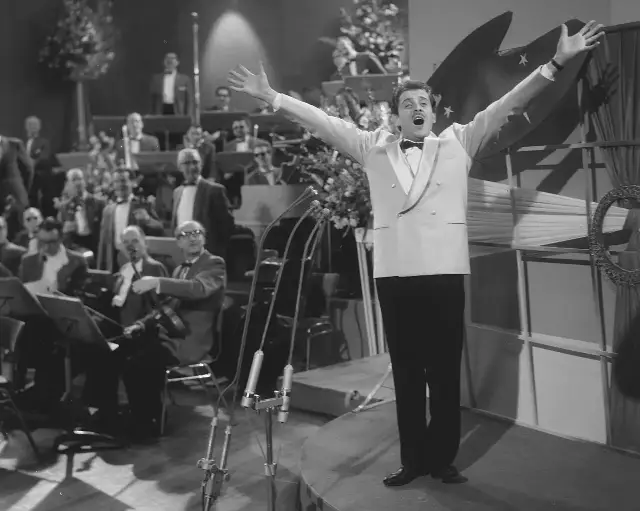
On May 4, 1959, the music industry handed out its first Grammy Awards — at two small banquet halls on opposite coasts, where an Italian love song and a cartoon chipmunk beat Frank Sinatra.
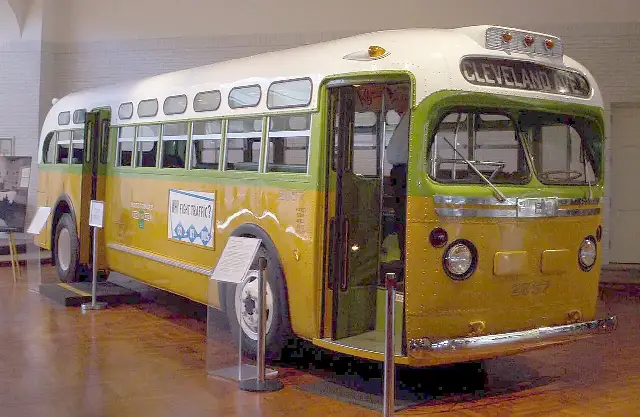
On December 5, 1955, Montgomery's Black residents stayed off the city's buses — and a 26-year-old preacher named Martin Luther King Jr. found his voice.
On May 13, 1950, at Silverstone, England, the first-ever Formula One World Championship race turned Grand Prix racing into a global sport.
On June 2, 1953, Elizabeth II was crowned at Westminster Abbey in the first fully televised coronation, watched by 27 million people in Britain alone.
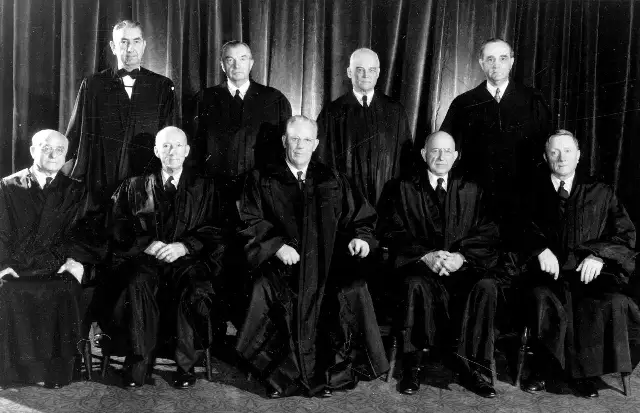
On May 17, 1954, the Supreme Court ruled unanimously in Brown v. Board of Education that racially segregated public schools are unconstitutional.
On September 9, 1956, a 21-year-old Elvis Presley made his first appearance on The Ed Sullivan Show — and 60 million people watched.
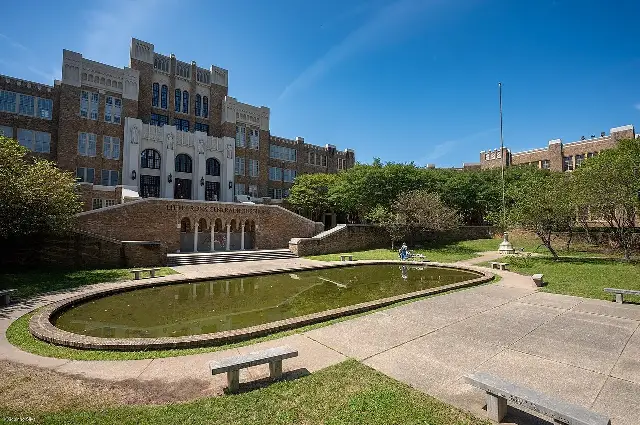
On September 24, 1957, President Dwight D. Eisenhower sent the 101st Airborne Division to Little Rock, Arkansas, to escort nine Black teenagers into the all-white Central High School.
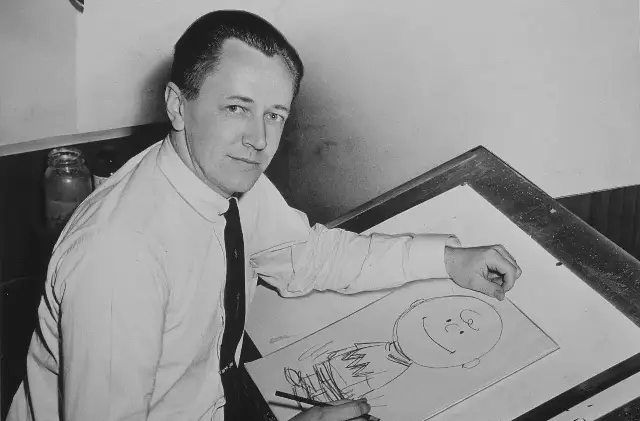
On October 2, 1950, Peanuts debuted in seven newspapers — with a joke about hating Charlie Brown.