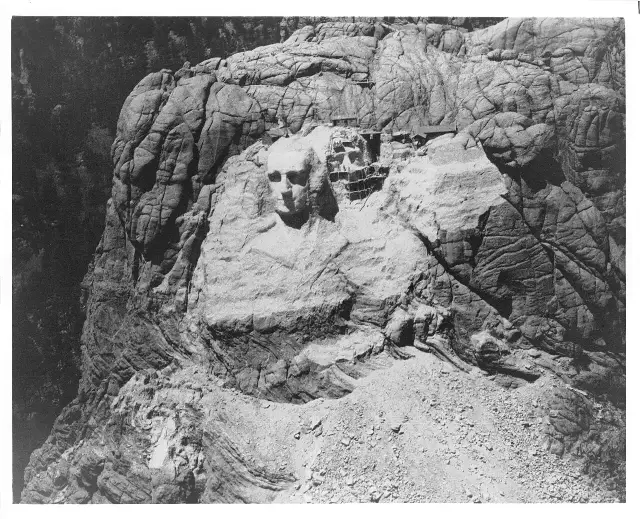
Finished at Last: Mount Rushmore Is Declared Complete
On October 31, 1941, after fourteen years of blasting and carving, the Mount Rushmore memorial was declared complete — though its sculptor had not lived to see it.


On October 31, 1941, after fourteen years of blasting and carving, the Mount Rushmore memorial was declared complete — though its sculptor had not lived to see it.
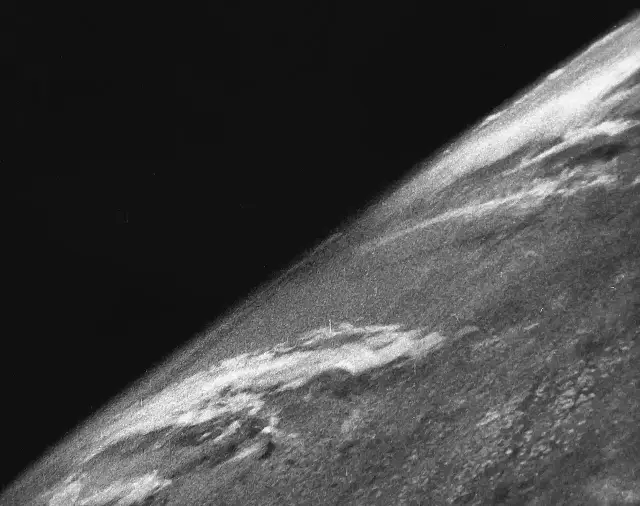
On October 24, 1946, a captured German V-2 rocket carried a movie camera 65 miles above New Mexico and snapped the first photograph of Earth from outer space.
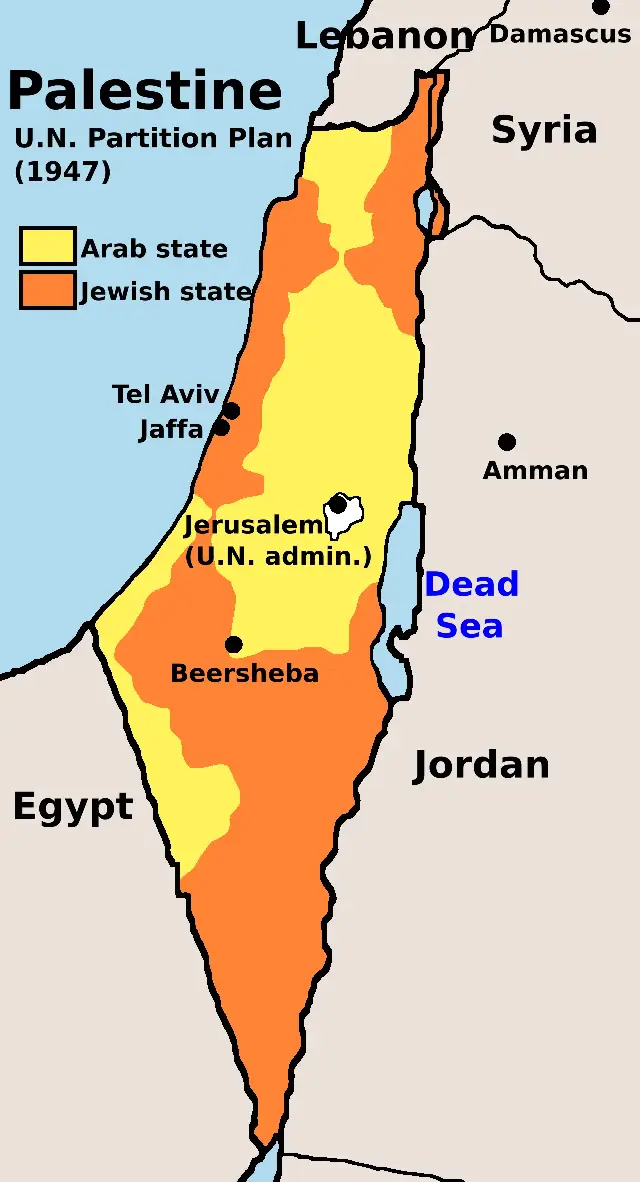
On November 29, 1947, the United Nations General Assembly adopted Resolution 181 by a vote of 33 to 13, recommending that Palestine be divided into separate Jewish and Arab states.
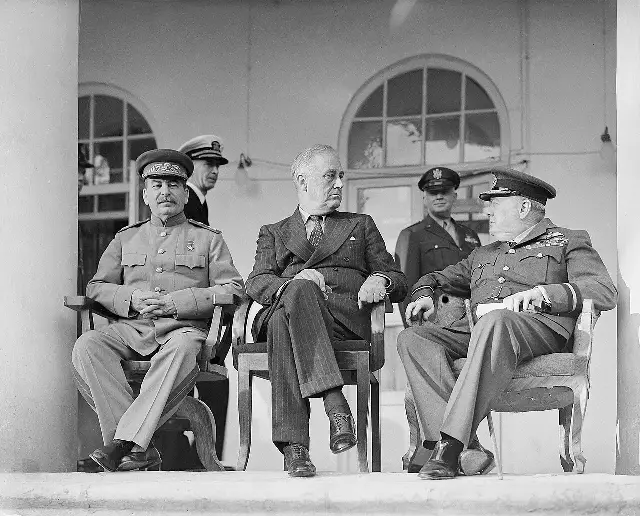
On November 28, 1943, Franklin Roosevelt, Winston Churchill, and Joseph Stalin sat down together for the first time, inside the Soviet embassy in Tehran, to decide how to win World War II.
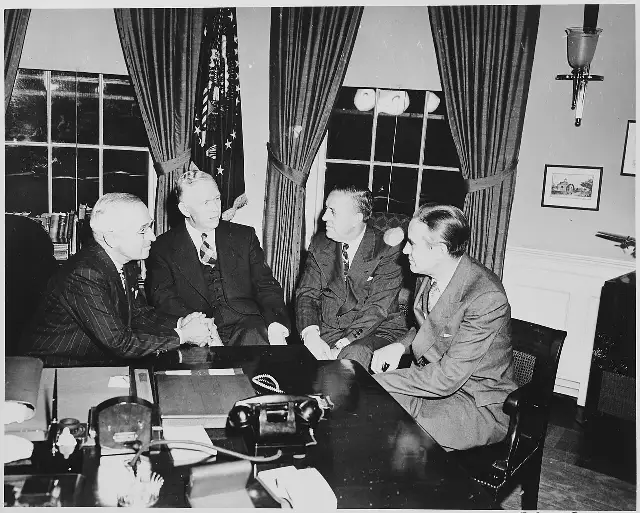
On April 3, 1948, President Truman signed the Marshall Plan, committing about $13 billion to rebuild war-torn Western Europe.
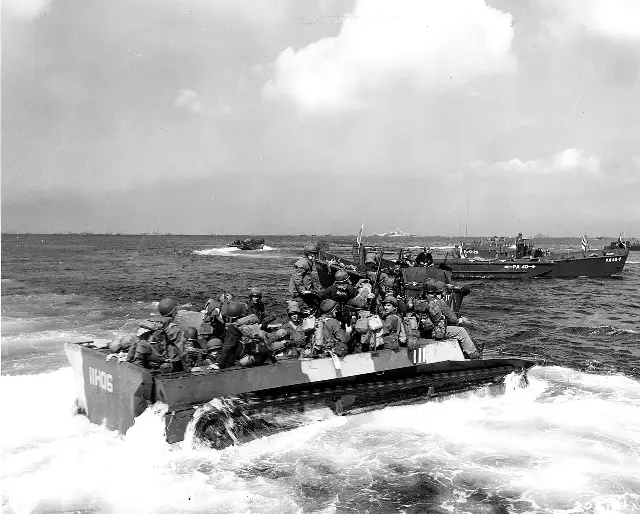
On April 1, 1945, more than 50,000 U.S. troops stormed ashore on Okinawa, opening the bloodiest battle of the Pacific War.
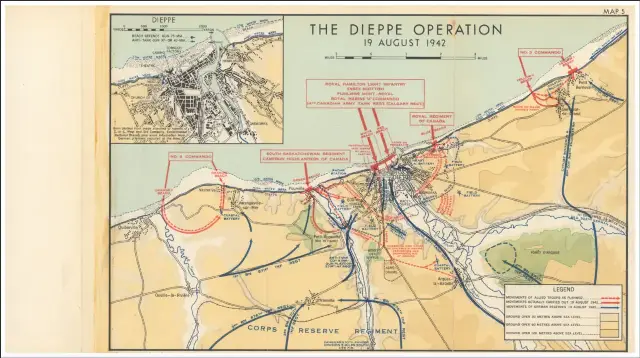
On August 19, 1942, nearly 5,000 Canadians stormed the French port of Dieppe in a raid that became Canada's bloodiest day of World War II.
On July 20, 1944, German officer Claus von Stauffenberg planted a bomb in a briefcase at Hitler's Wolf's Lair in a failed attempt to end the war.
On July 17, 1941, Joe DiMaggio went hitless at Cleveland's Municipal Stadium, ending his 56-game hitting streak — a record that still stands.
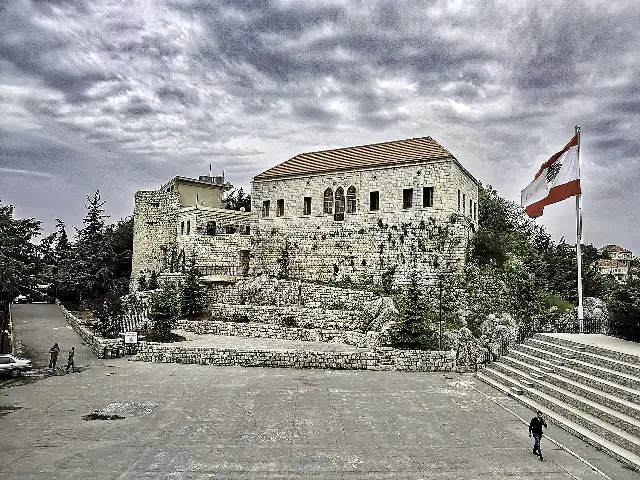
On November 22, 1943, France released Lebanon's imprisoned leaders from Rashaya Citadel — the moment Lebanon celebrates as its independence day.
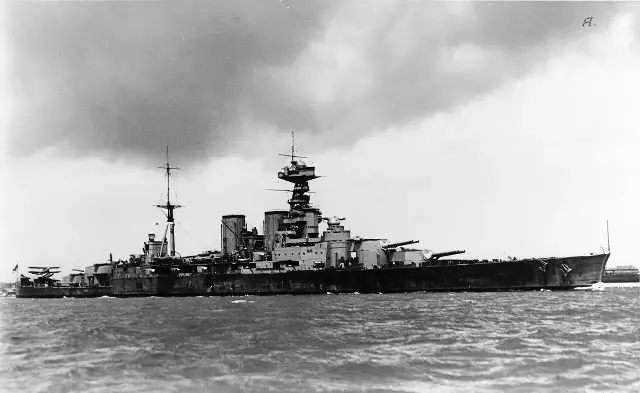
On May 24, 1941, a shell from the German battleship Bismarck struck HMS Hood's ammunition magazine in the Denmark Strait, and the pride of the Royal Navy sank in three minutes with 1,415 men.
On November 16, 1945, thirty-seven countries signed the constitution of UNESCO in London, betting that peace could be built in the minds of men.
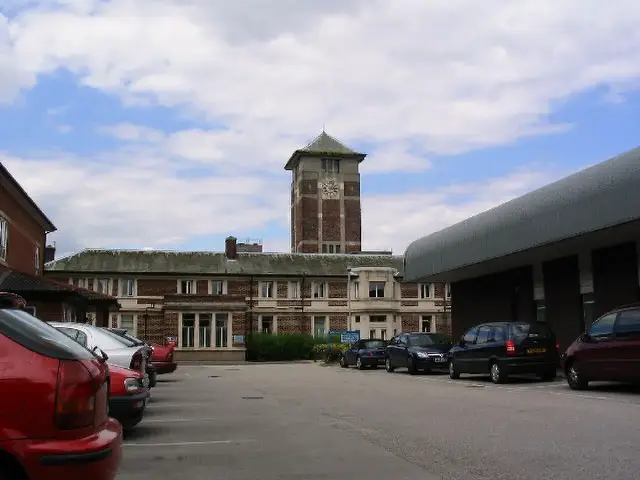
On July 5, 1948, health minister Aneurin Bevan walked into a Manchester hospital and launched the NHS — healthcare free for all, funded by taxes.
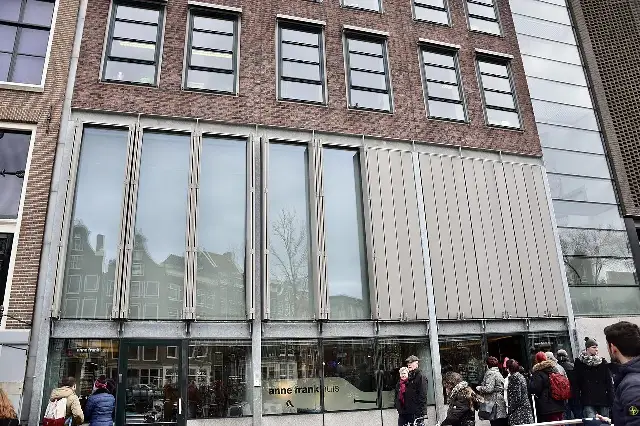
On August 4, 1944, Nazi police raided the secret annex in Amsterdam and arrested Anne Frank and seven others — three days after her last diary entry.
On November 13, 1940, Walt Disney's Fantasia premiered in New York — an animated concert film in pioneering stereo sound that flopped first and became a classic.
On November 7, 1940, the Tacoma Narrows Bridge twisted itself apart in a 40-mph wind, four months after opening, and changed bridge engineering forever.
On December 9, 1948, the United Nations adopted the Genocide Convention, the first treaty making genocide a crime under international law.
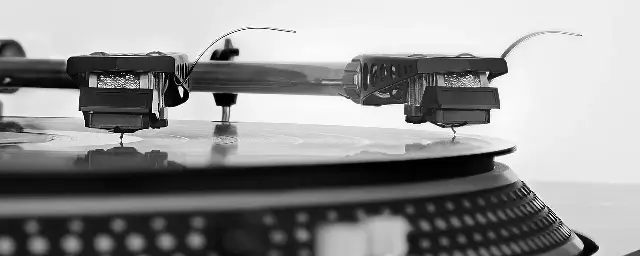
On June 21, 1948, Columbia Records unveiled the 33 1/3 rpm long-playing record at the Waldorf Astoria, launching the album era.
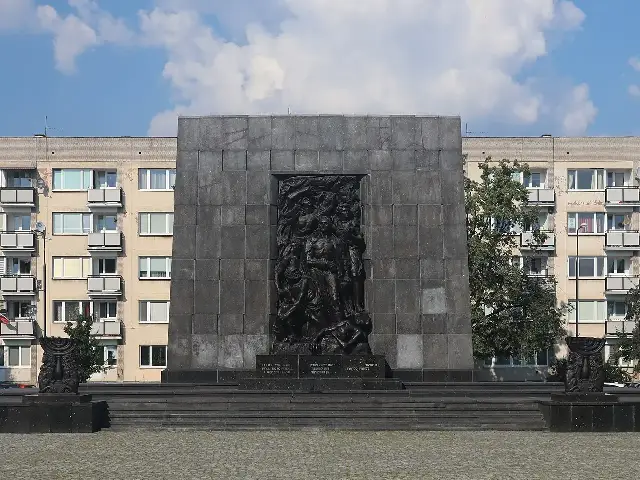
On April 19, 1943, the eve of Passover, about 700 young Jewish fighters rose up against the German forces liquidating the Warsaw Ghetto — and on the first day, the Germans were forced to retreat.
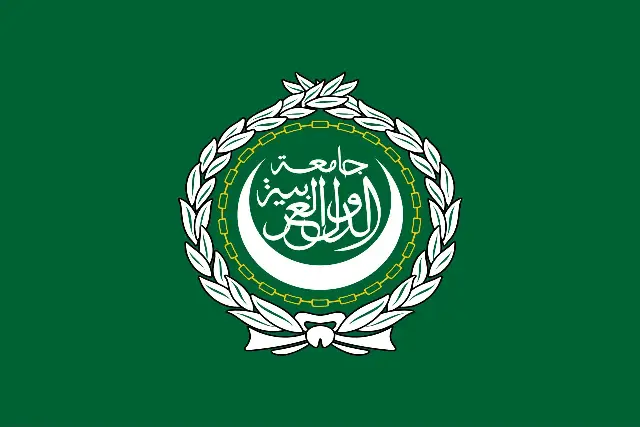
On March 22, 1945, six Arab states signed a pact in Cairo creating the Arab League — a new experiment in settling disputes without war.
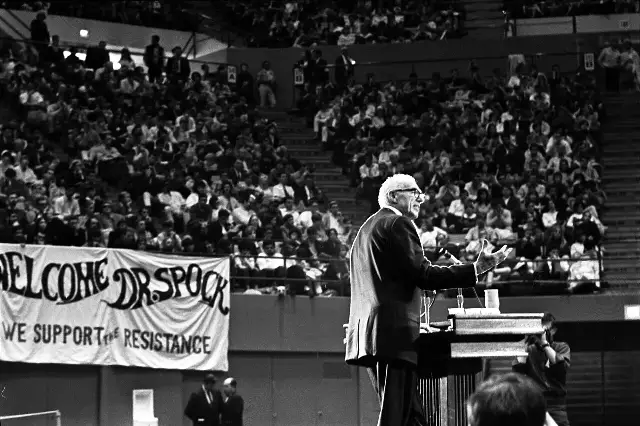
On July 14, 1946, pediatrician Benjamin Spock published a baby-care manual whose first line — "Trust yourself" — changed how a generation raised its children.
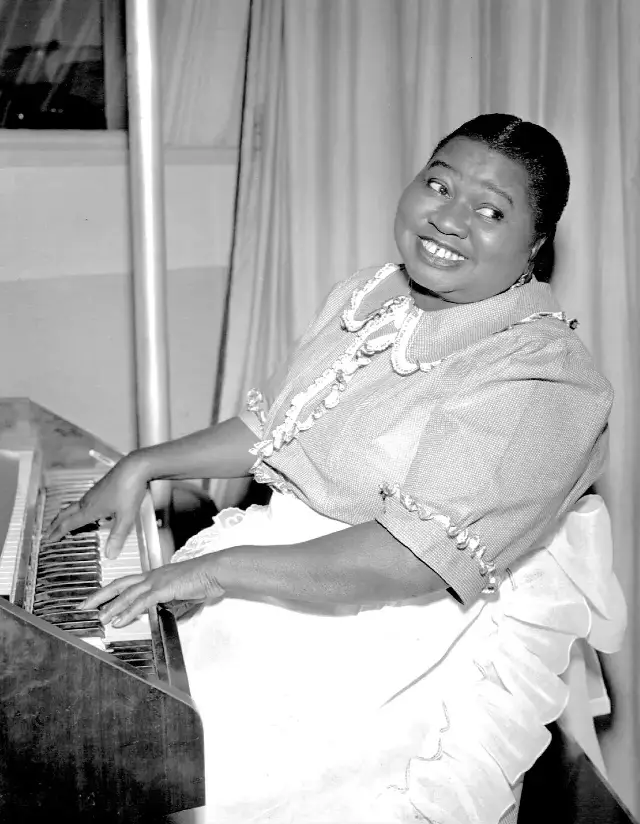
On February 29, 1940, Hattie McDaniel won Best Supporting Actress for Gone with the Wind — becoming the first Black performer ever to win an Academy Award, on a night she spent at a segregated table.
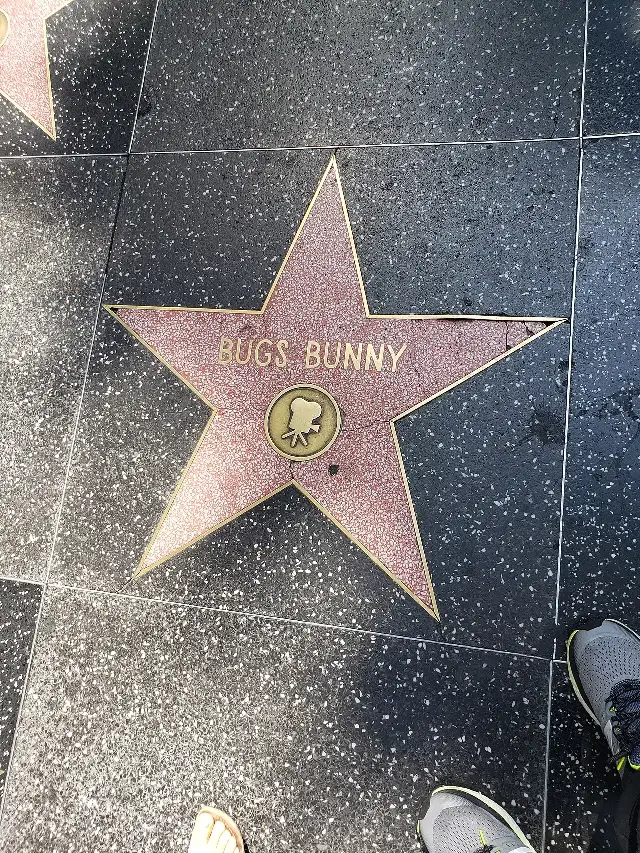
On July 27, 1940, Warner Bros. released 'A Wild Hare' — the cartoon that turned a nameless rabbit into Bugs Bunny.
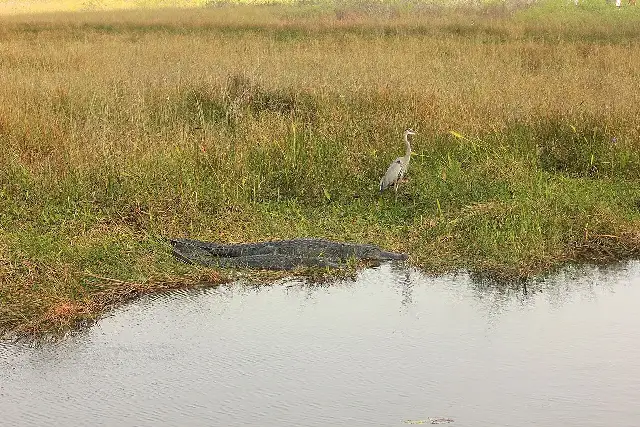
On December 6, 1947, President Harry Truman dedicated Everglades National Park, protecting 1.5 million acres of a swamp most Americans had written off.
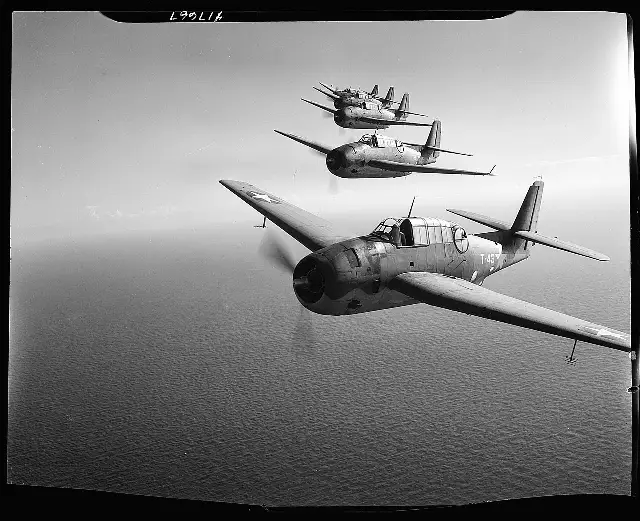
On December 5, 1945, five U.S. Navy bombers took off from Florida on a routine training flight — and vanished, giving birth to the Bermuda Triangle legend.
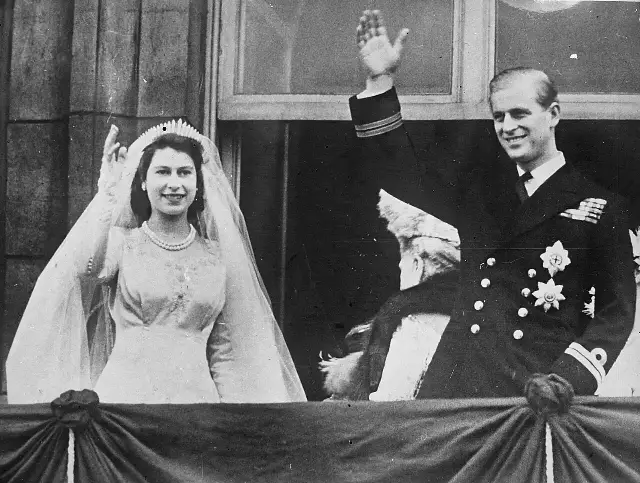
On November 20, 1947, Princess Elizabeth married Lieutenant Philip Mountbatten at Westminster Abbey, giving war-weary Britain its first great postwar celebration.
On July 28, 1945, a B-25 bomber lost in thick fog slammed into the Empire State Building, killing 14 — and an elevator operator survived a 75-story fall.
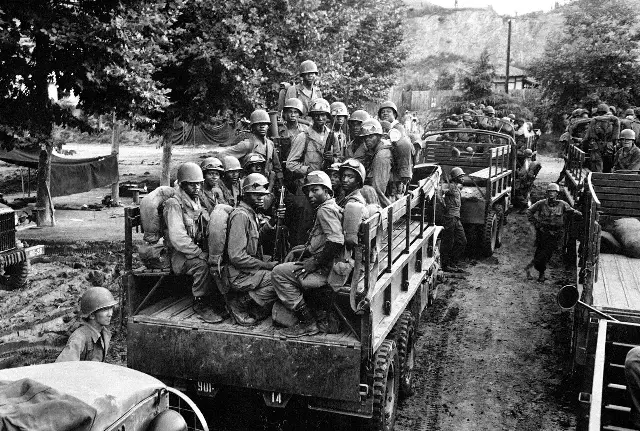
On July 26, 1948, President Truman signed Executive Order 9981, ending official segregation in the U.S. armed forces — and the Korean War would prove it worked.
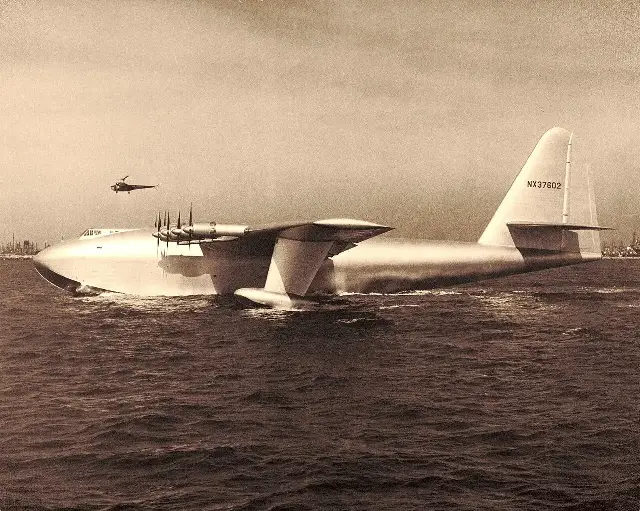
On November 2, 1947, Howard Hughes lifted the largest airplane ever built 70 feet over Long Beach Harbor for 26 seconds — its only flight, ever.
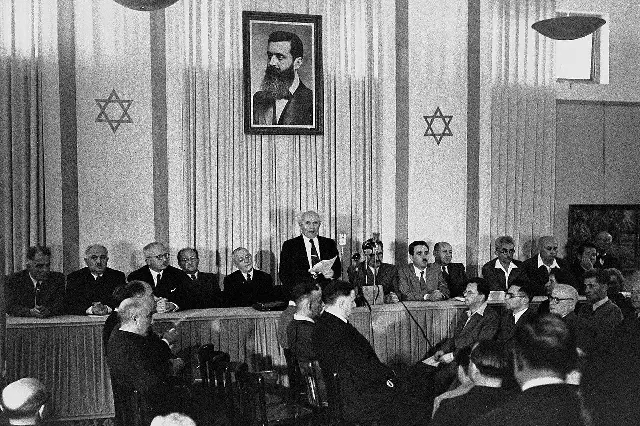
On May 14, 1948, David Ben-Gurion proclaimed the State of Israel at the Tel Aviv Museum in a 32-minute ceremony, hours before the British Mandate expired at midnight.
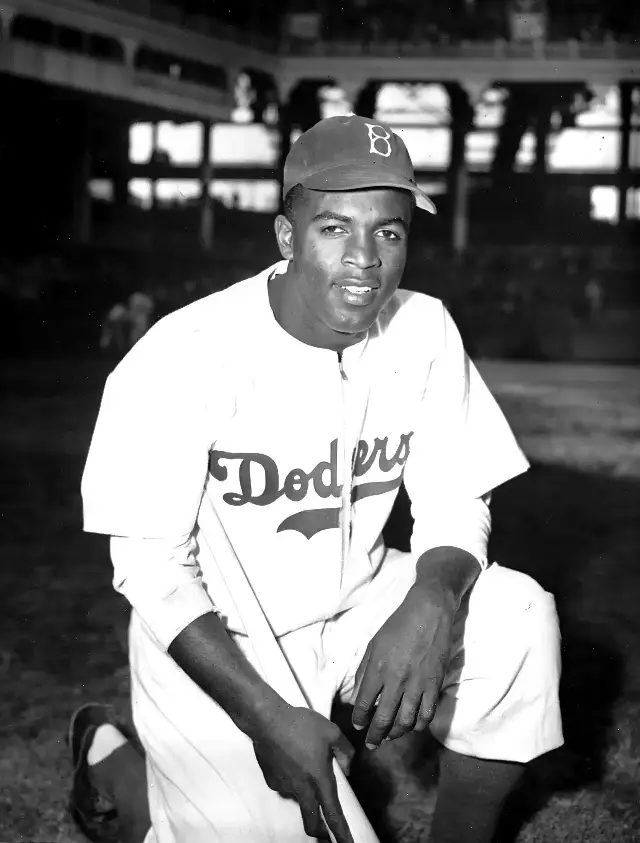
On April 15, 1947, Jackie Robinson started at first base for the Brooklyn Dodgers, breaking Major League Baseball's color line and changing American history.
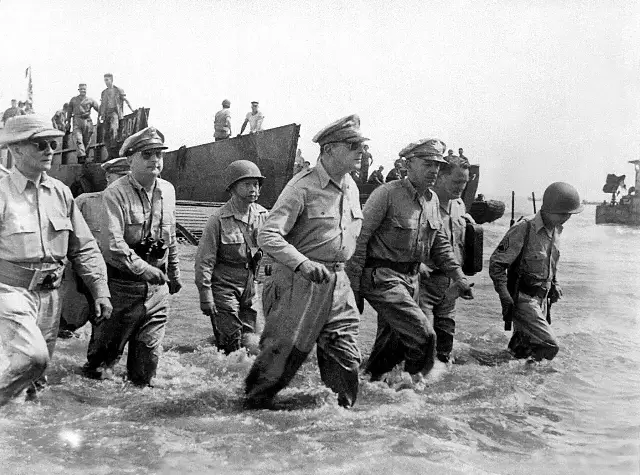
On October 20, 1944, Douglas MacArthur walked through the surf onto a Philippine beach — keeping a promise he had made two and a half years earlier.
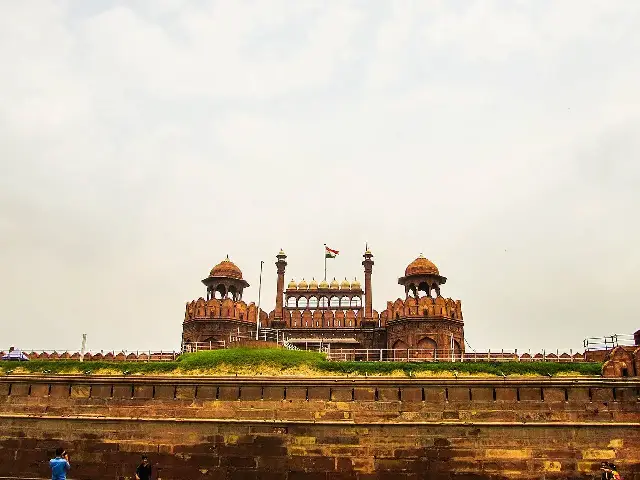
On August 15, 1947, India became an independent nation, ending nearly two centuries of British colonial rule.