The Day Wall Street Lost 22 Percent
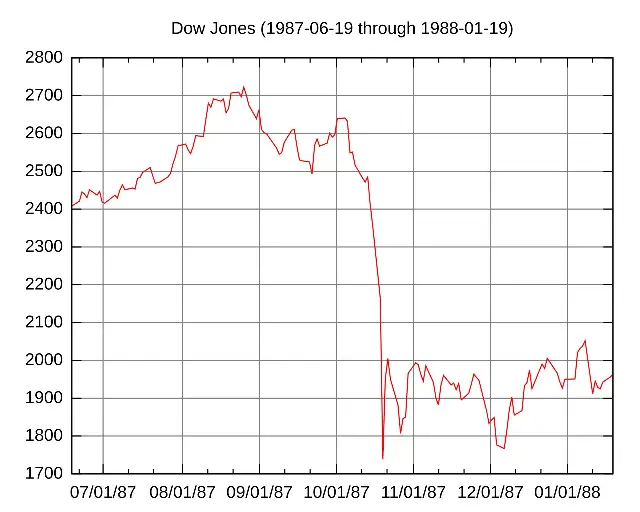
On October 19, 1987, the Dow Jones Industrial Average plunged 508 points — 22.6 percent — in a single session, the worst one-day crash in Wall Street history.


On October 19, 1987, the Dow Jones Industrial Average plunged 508 points — 22.6 percent — in a single session, the worst one-day crash in Wall Street history.
On October 30, 1983, Argentines voted in their first free election in a decade, choosing Raul Alfonsin and ending seven years of military dictatorship.
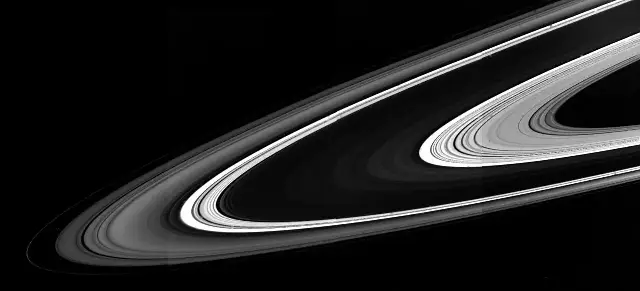
On November 12, 1980, Voyager 1 flew within 78,000 miles of Saturn, revealing braided rings, new moons, and Titan's thick nitrogen atmosphere.
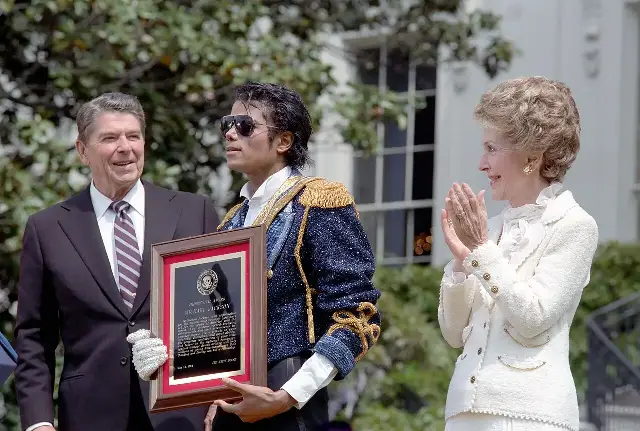
On November 30, 1982, Michael Jackson released Thriller — the album that became the best-selling record of all time and changed pop music forever.
On October 17, 1989, a magnitude 6.9 earthquake struck the Bay Area during the World Series pregame show — live in front of millions of viewers.
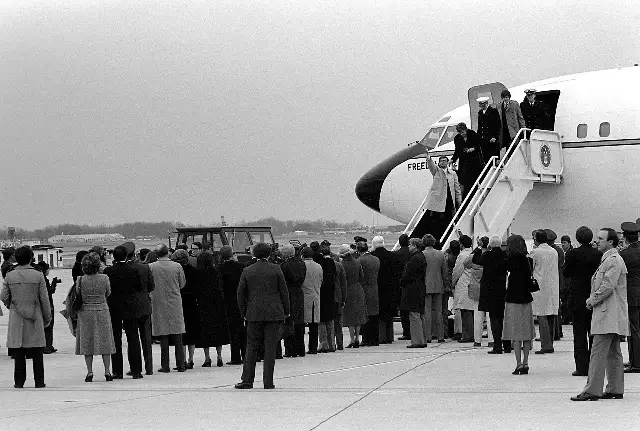
On January 20, 1981, minutes after Ronald Reagan's inauguration, Iran freed 52 American hostages after 444 days in captivity.
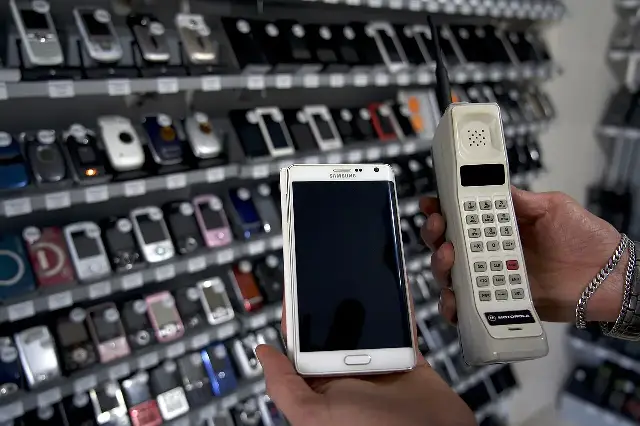
On October 13, 1983, a Chicago businessman made the first commercial cell phone call from a Mercedes in a stadium parking lot, launching the mobile age.
On July 7, 1981, President Reagan announced Sandra Day O'Connor as his Supreme Court nominee — the first woman ever chosen for the Court.
On September 22, 1985, five nations signed the Plaza Accord at New York's Plaza Hotel, agreeing to drive down the soaring U.S. dollar — and reshaped the global economy.
On October 10, 1985, U.S. Navy F-14s intercepted an EgyptAir jet over the Mediterranean and forced it to land in Sicily, capturing the hijackers of the cruise ship Achille Lauro.
On February 25, 1986, Corazon Aquino was sworn in as president of the Philippines, capping the peaceful People Power Revolution that ended Ferdinand Marcos's two-decade rule.
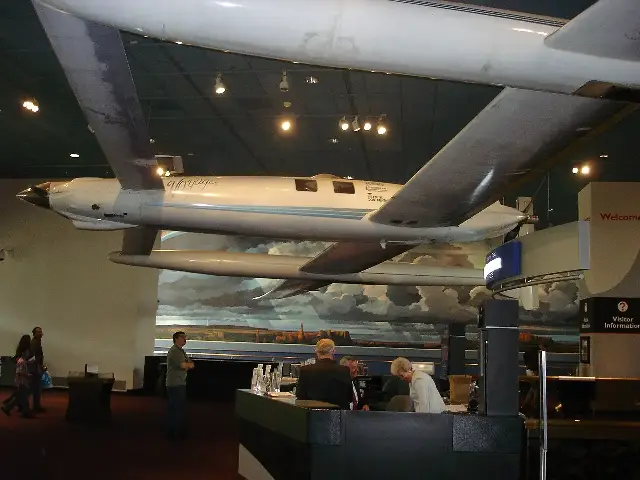
On December 23, 1986, Dick Rutan and Jeana Yeager landed the Voyager at Edwards Air Force Base, completing the first nonstop, non-refueled flight around the world.
On December 22, 1989, Romania's dictator Nicolae Ceausescu fled Bucharest by helicopter as protesters stormed Communist Party headquarters, ending 24 years of brutal rule.
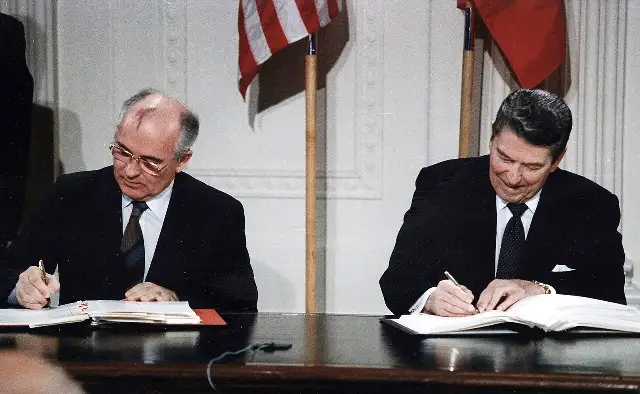
On December 8, 1987, the U.S. and Soviet leaders signed a treaty eliminating an entire class of nuclear weapons.
On April 20, 1986, a 23-year-old Michael Jordan scored 63 points against the Boston Celtics in the NBA playoffs — a single-game postseason record that still stands.
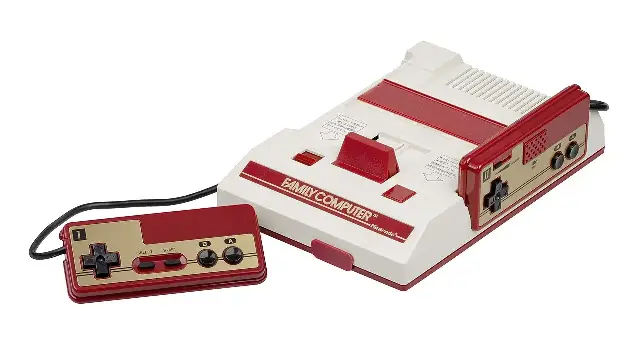
On July 15, 1983, Nintendo released the Family Computer in Japan — the console that rescued the video game industry from its own collapse.
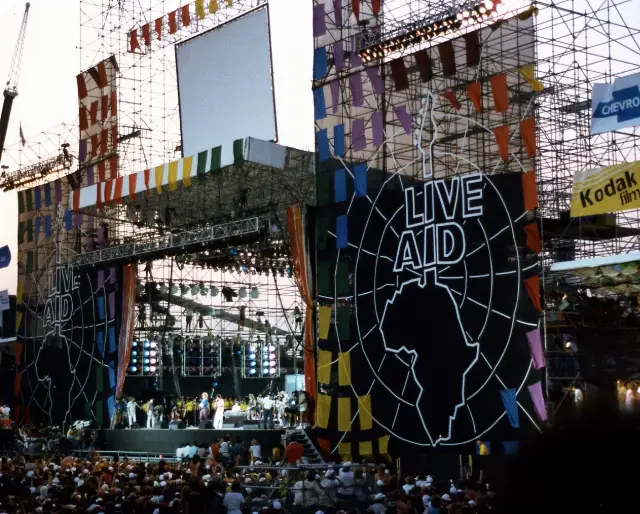
On July 13, 1985, two concerts on two continents played to nearly 40 percent of humanity, all to fight famine in Ethiopia.
On December 3, 1984, a methyl isocyanate leak at a Union Carbide pesticide plant in Bhopal, India, became the worst industrial disaster in history.
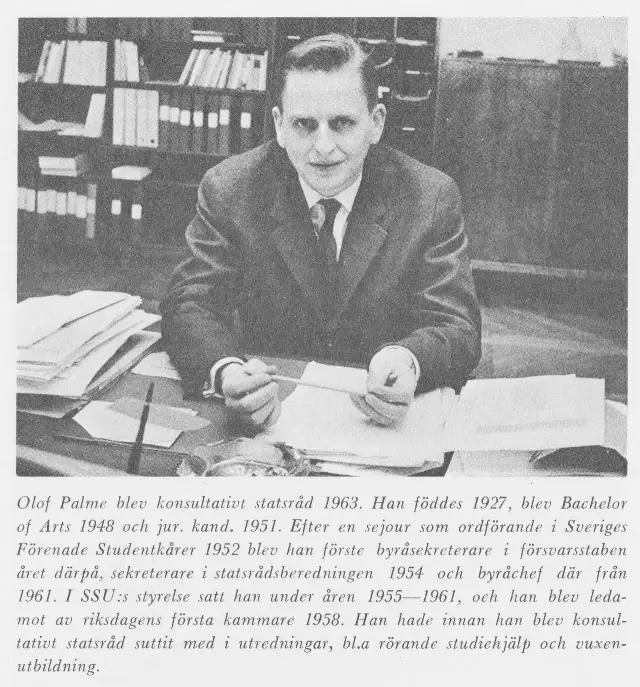
On February 28, 1986, Swedish prime minister Olof Palme was shot dead on a Stockholm street while walking home from the cinema with his wife — a murder that shocked the world and was never solved.
On December 1, 1988, the first World AIDS Day was observed worldwide, turning a feared and stigmatized disease into a subject of open global conversation.
On August 1, 1981, MTV signed on at 12:01 a.m. with the words "Ladies and gentlemen, rock and roll" — and the first video ever aired was the Buggles' "Video Killed the Radio Star."
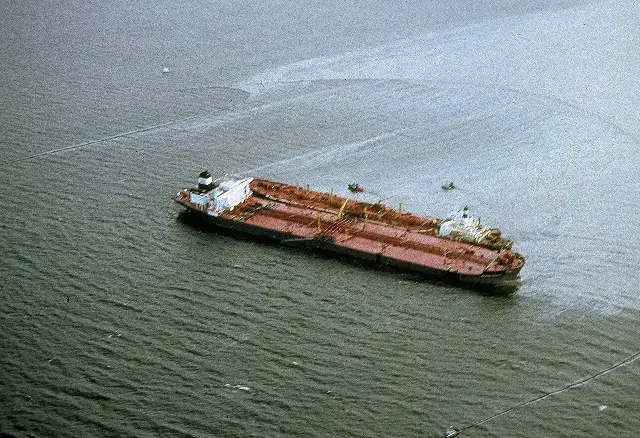
Just after midnight on March 24, 1989, the tanker Exxon Valdez ran aground on Bligh Reef, spilling nearly 11 million gallons of crude into Alaska's pristine waters.
On April 26, 1986, Reactor 4 at Chernobyl exploded during a safety test, triggering the worst nuclear disaster in history.
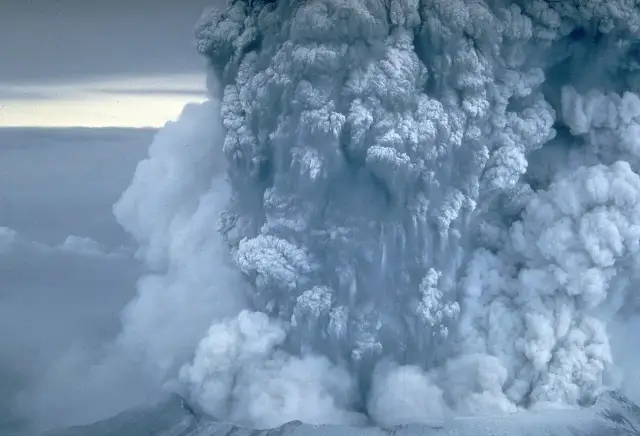
On May 18, 1980, a magnitude 5.1 earthquake triggered the eruption of Mount St. Helens, the most disastrous volcanic event in U.S. history, killing 57 people.
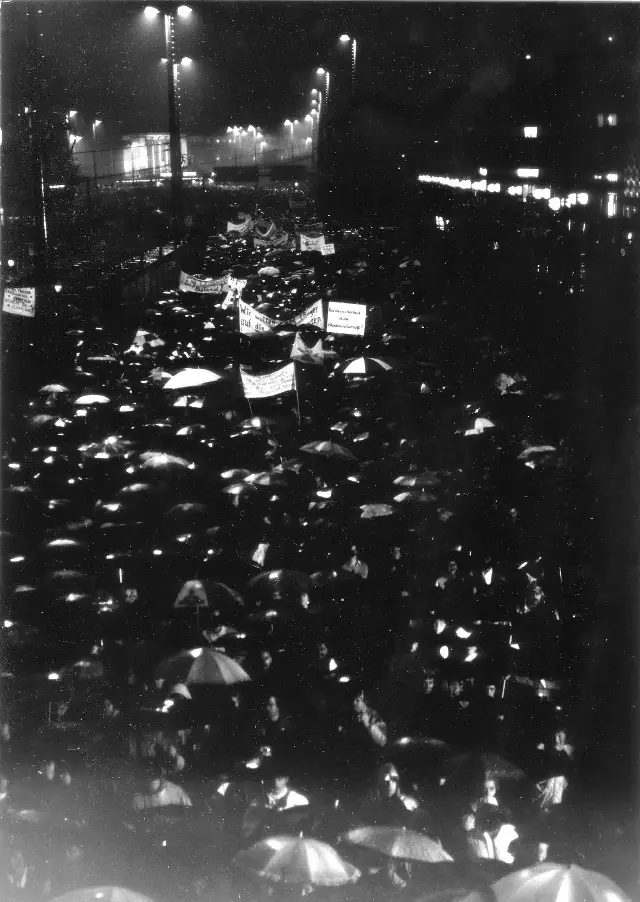
On October 9, 1989, some 70,000 East Germans marched peacefully through Leipzig in defiance of 8,000 armed police — the night the regime blinked, and the beginning of the end for East Germany.