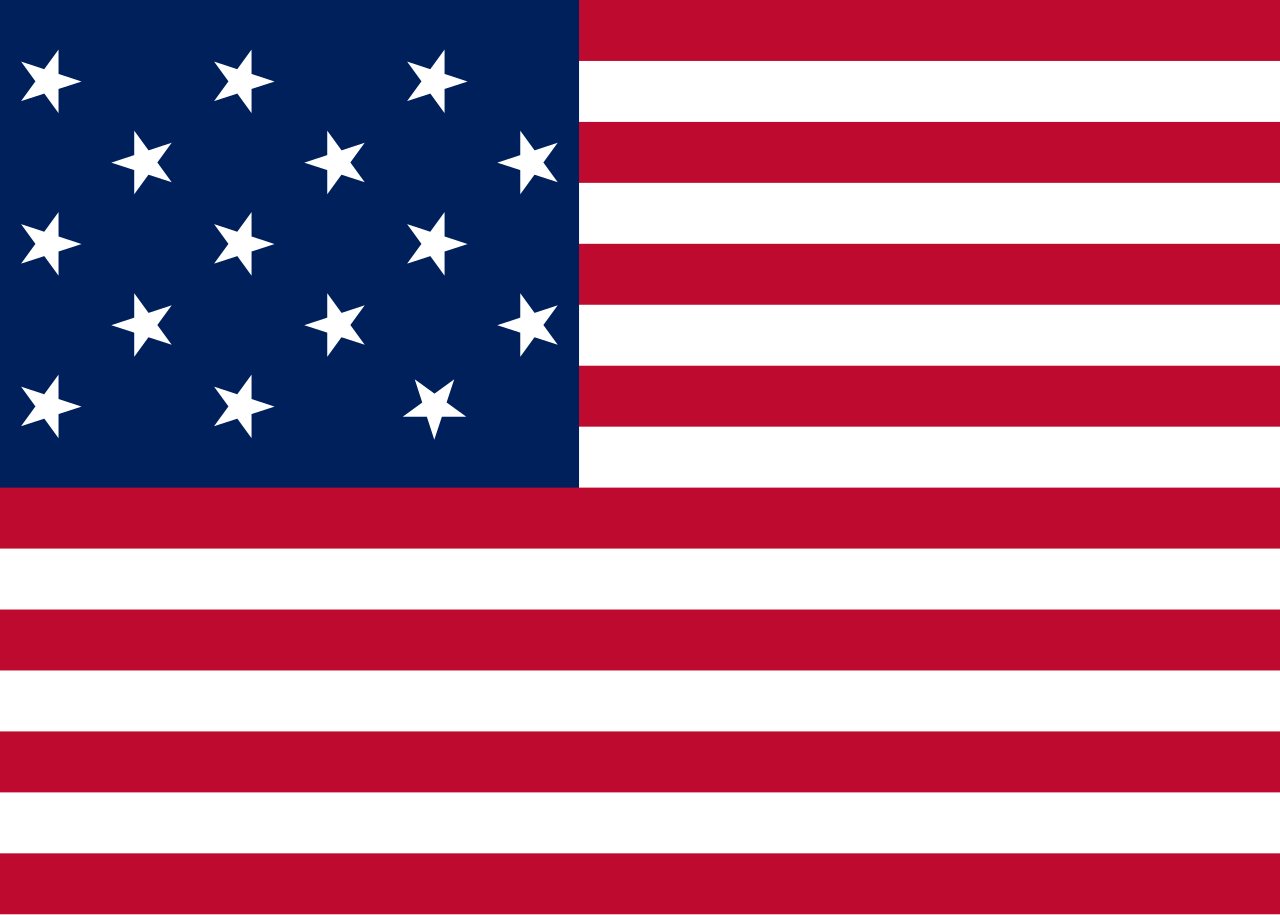
The Flag That Was Still There
On September 14, 1814, Francis Scott Key watched a huge American flag rise over Fort McHenry at dawn and began writing the poem that became the national anthem.
On September 14, 1814, Francis Scott Key watched a huge American flag rise over Fort McHenry at dawn and began writing the poem that became the national anthem.
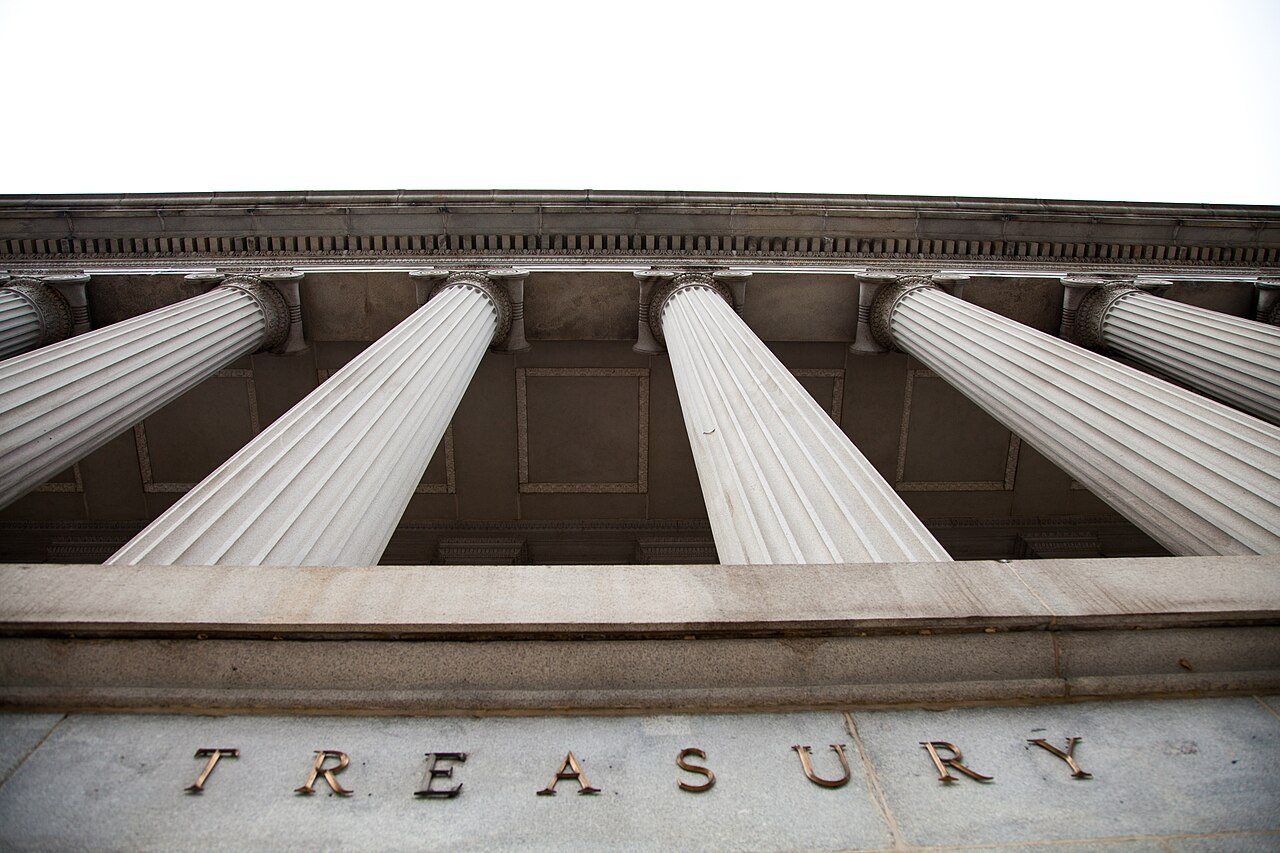
On September 11, 1789, George Washington nominated Alexander Hamilton as America's first Treasury Secretary, and the Senate confirmed him the same day.
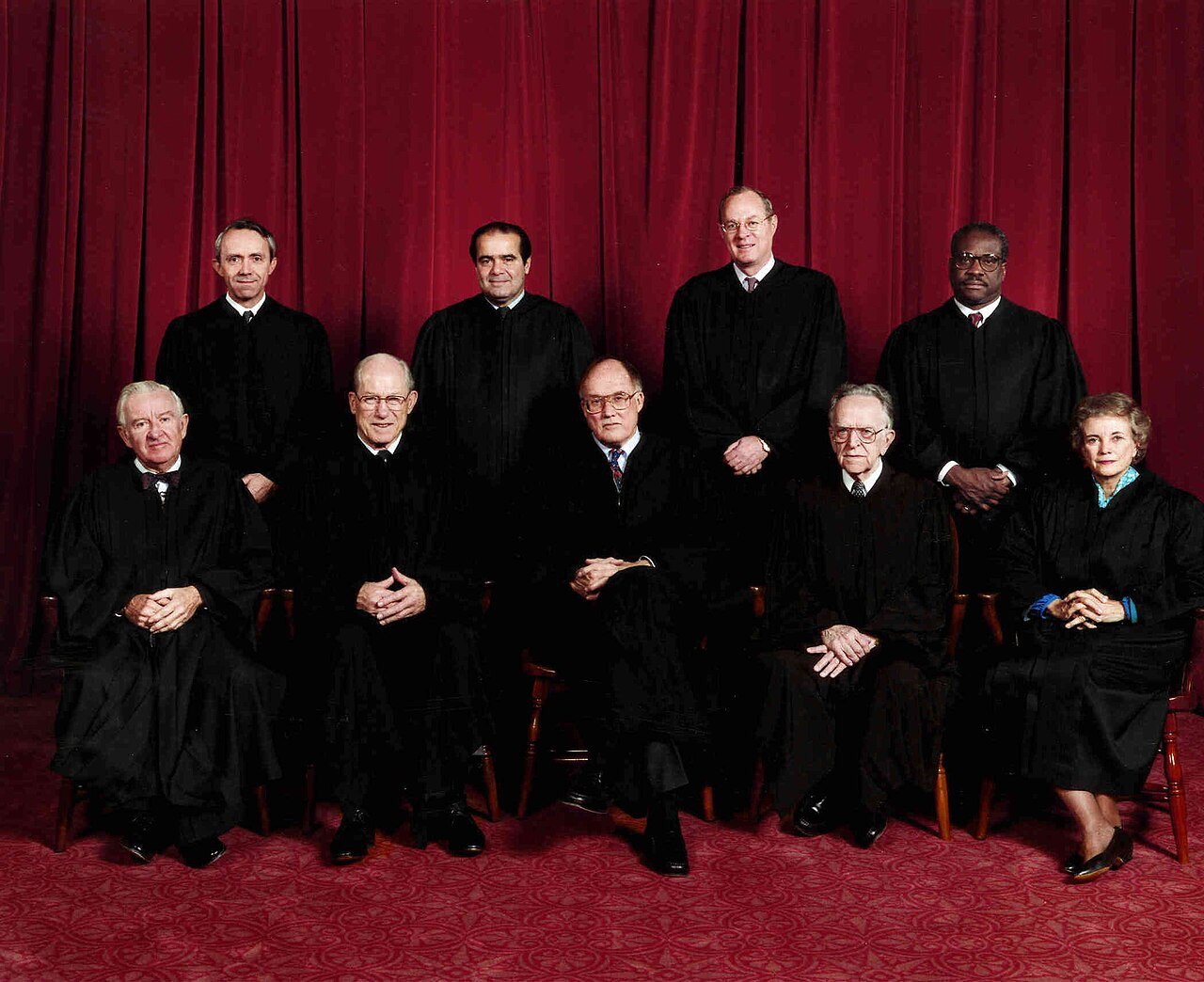
On September 25, 1981, Sandra Day O'Connor was sworn in as the first woman to sit on the U.S. Supreme Court, becoming the 102nd justice in its 191-year history.
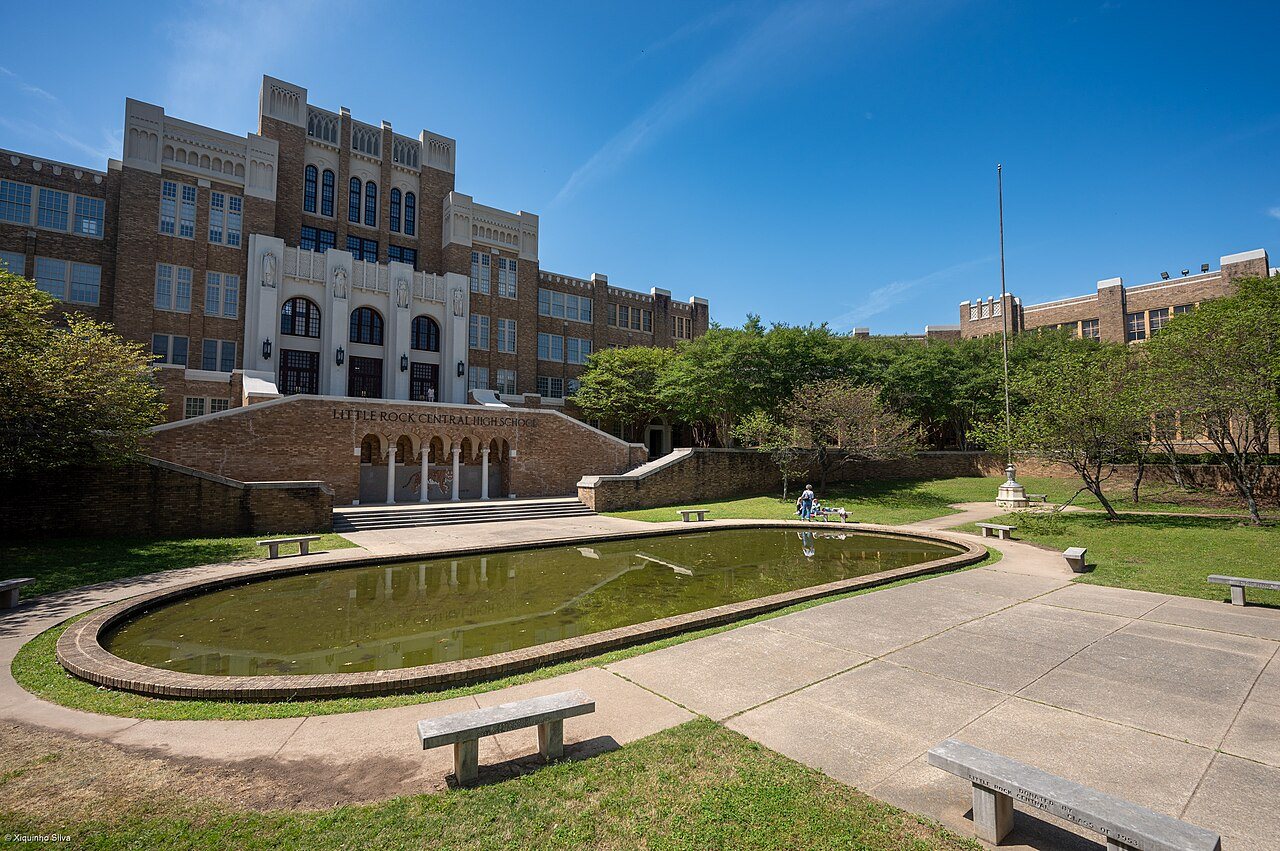
On September 24, 1957, President Dwight D. Eisenhower sent the 101st Airborne Division to Little Rock, Arkansas, to escort nine Black teenagers into the all-white Central High School.
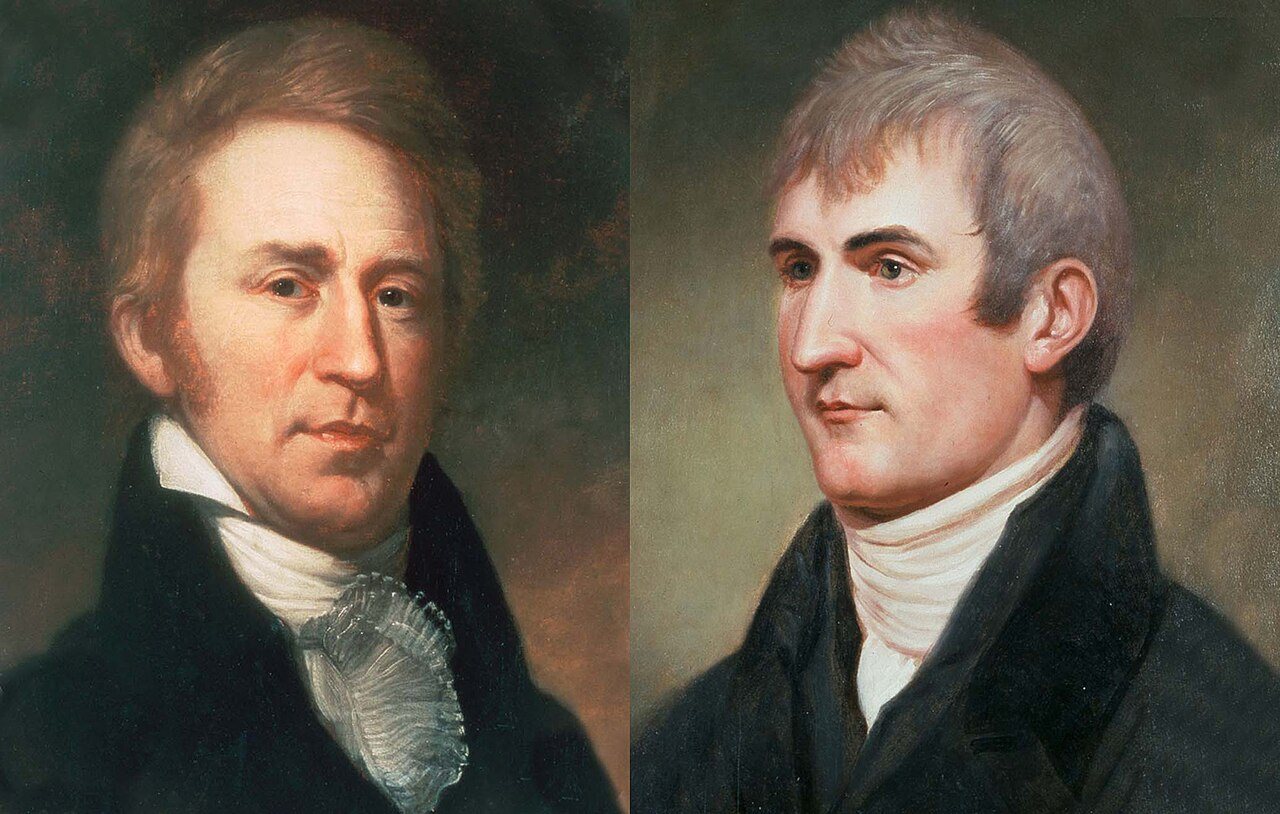
On September 23, 1806, Meriwether Lewis and William Clark sailed into St. Louis, completing the first recorded overland journey from the Mississippi River to the Pacific Ocean and back.
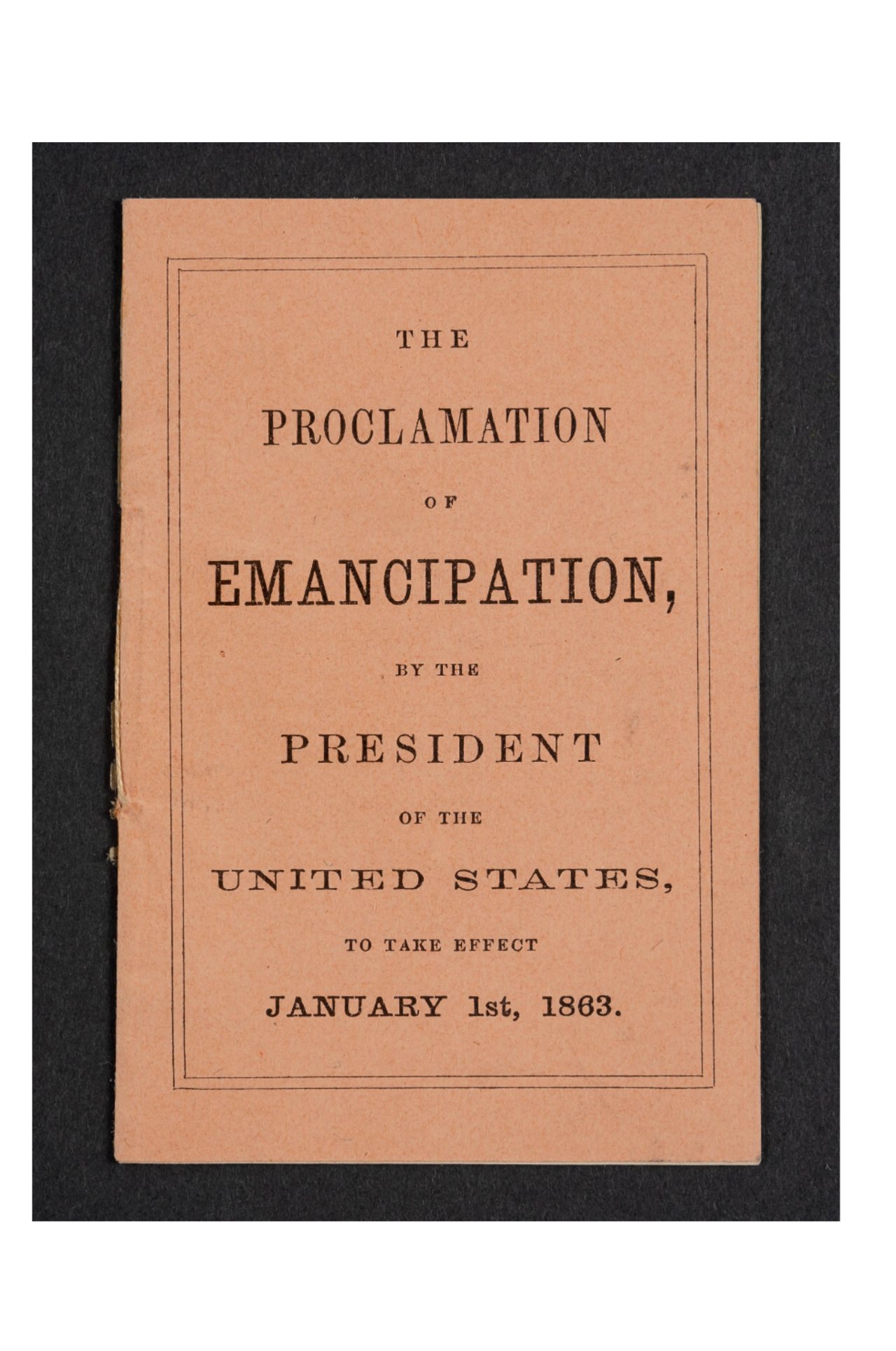
On September 22, 1862, Abraham Lincoln issued the Preliminary Emancipation Proclamation: enslaved people in rebellious states would be "then, thenceforward, and forever free" on January 1, 1863.