France's First Atomic Bomb Lit Up the Sahara
On February 13, 1960, France detonated its first atomic bomb over the Algerian Sahara, becoming the world's fourth nuclear power and leaving a radioactive legacy still being reckoned with.


On February 13, 1960, France detonated its first atomic bomb over the Algerian Sahara, becoming the world's fourth nuclear power and leaving a radioactive legacy still being reckoned with.
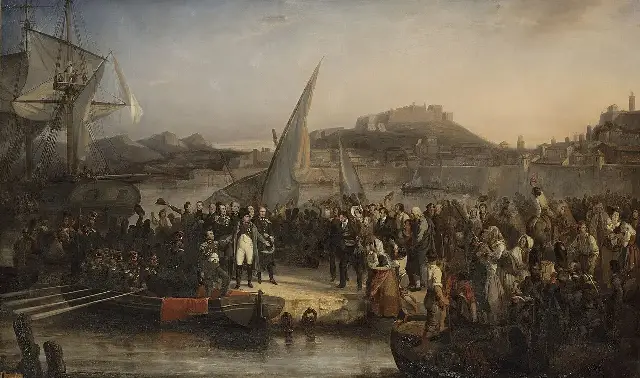
On April 11, 1814, Napoleon's representatives signed the Treaty of Fontainebleau, ending the emperor's reign and exiling him to the island of Elba.
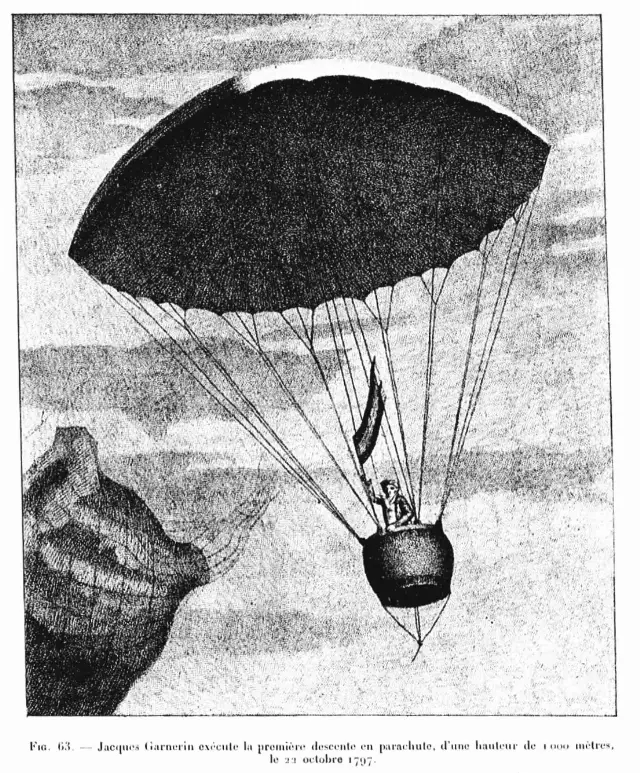
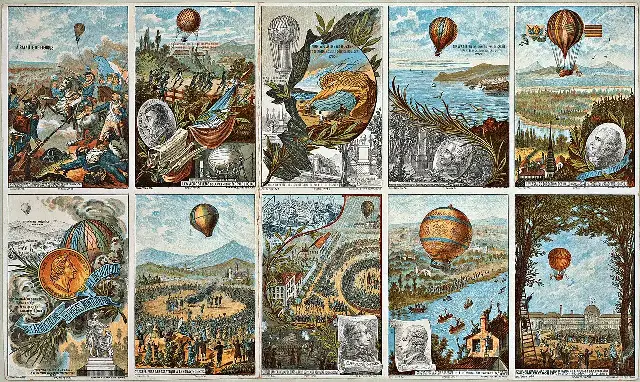
On October 22, 1797, French balloonist André-Jacques Garnerin cut loose from a hydrogen balloon 3,000 ft over Paris and floated down under silk — the first successful high-altitude parachute descent.
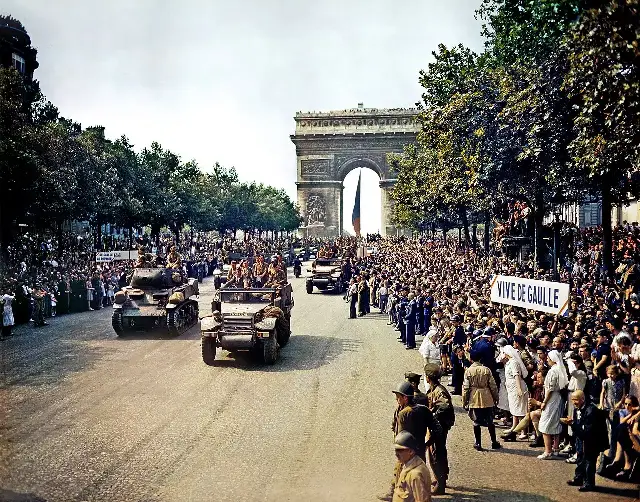
On August 25, 1944, the German garrison in Paris surrendered, and Charles de Gaulle arrived to reclaim the capital after four years of Nazi occupation.
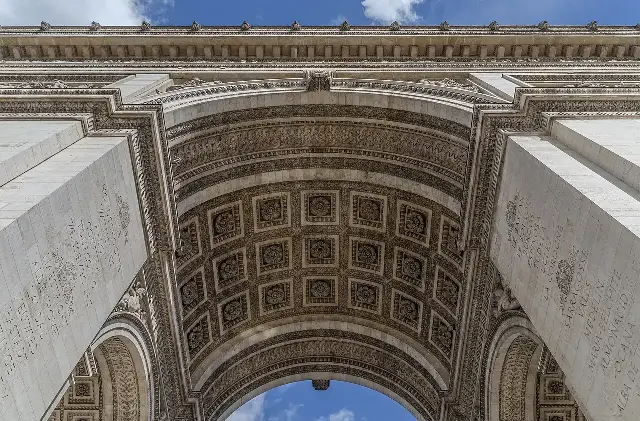
On July 29, 1836, Paris finally unveiled Napoleon's triumphal arch — thirty years after he ordered it, before a small crowd, while the king feared assassins too much to celebrate.
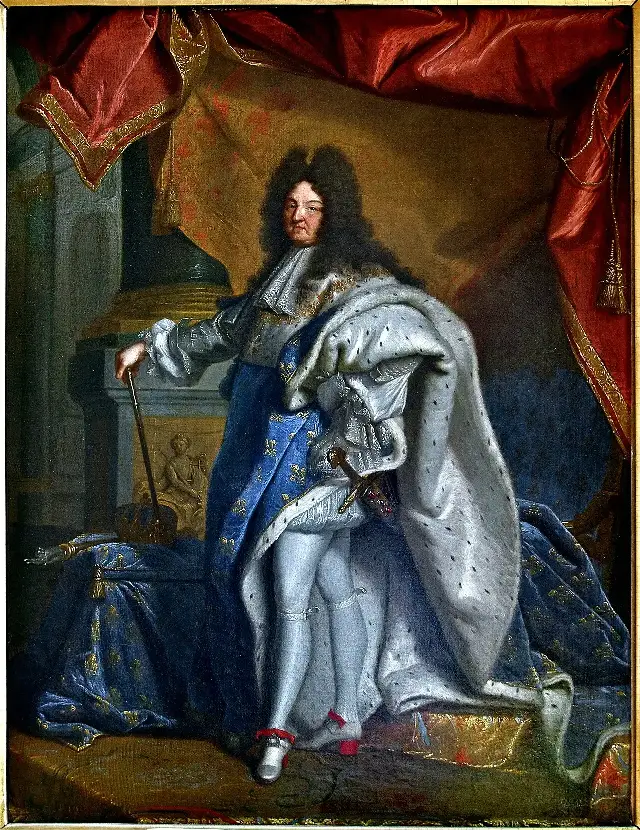
On October 18, 1685, Louis XIV revoked the Edict of Nantes, stripping France's Protestants of their rights and driving hundreds of thousands into exile.
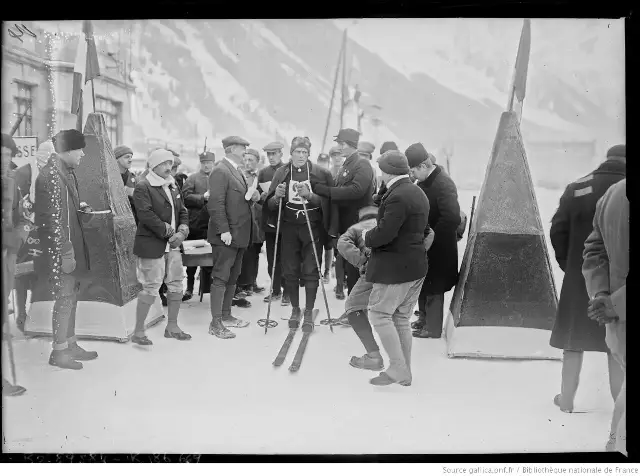
On January 25, 1924, the first Winter Olympics opened in Chamonix, France — a modest “winter sports week” that grew into one of the world's greatest sporting traditions.
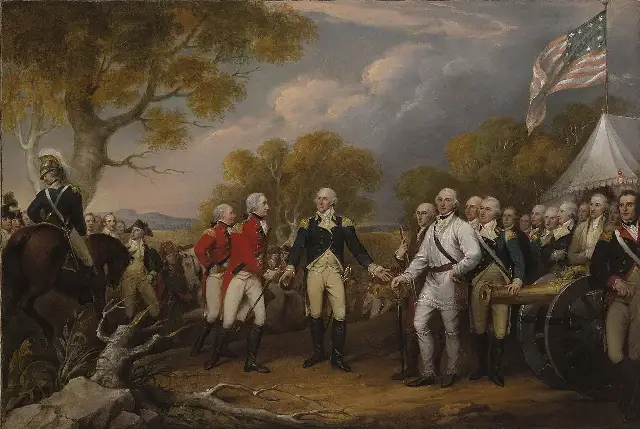
On October 17, 1777, British General Burgoyne surrendered his entire army at Saratoga — the victory that convinced France to join America's fight.
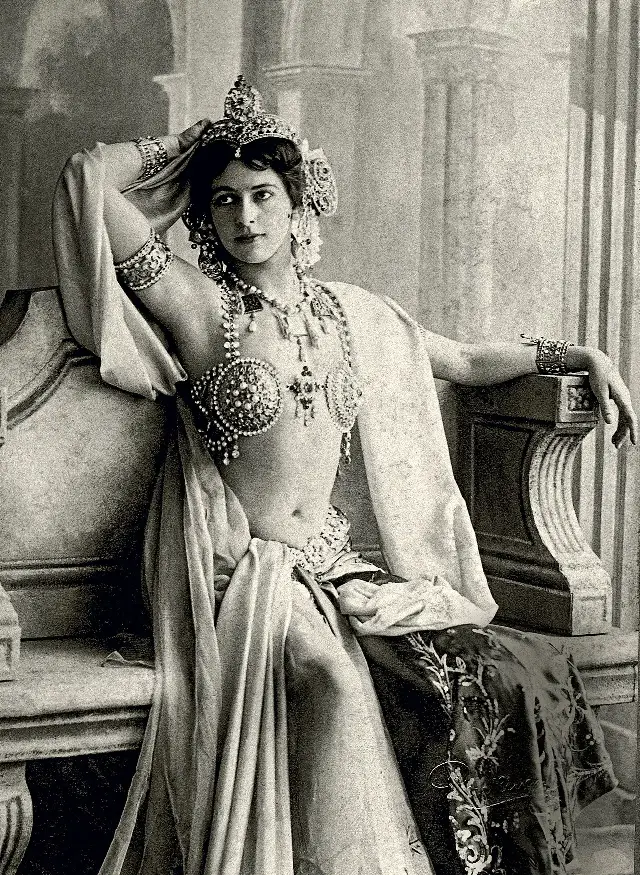
On October 15, 1917, the dancer Mata Hari faced a French firing squad at Vincennes, convicted of spying for Germany.
On May 30, 1431, nineteen-year-old Joan of Arc was burned at the stake in Rouen — and within 25 years the Church itself declared her trial corrupt.
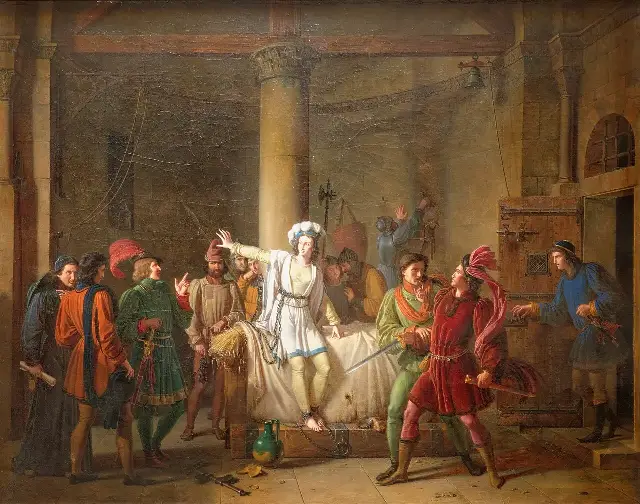
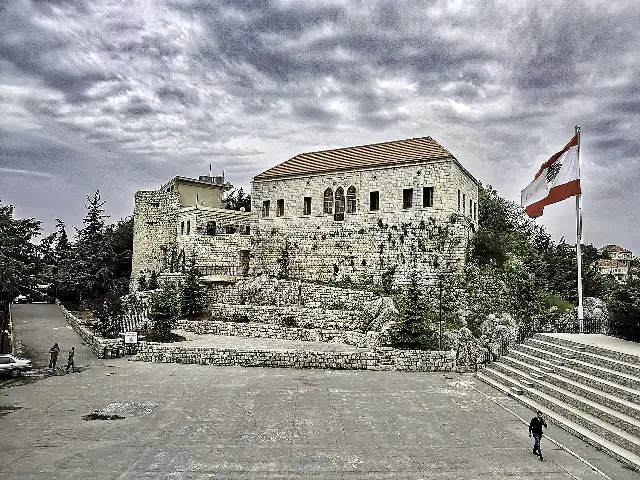
On November 22, 1943, France released Lebanon's imprisoned leaders from Rashaya Citadel — the moment Lebanon celebrates as its independence day.
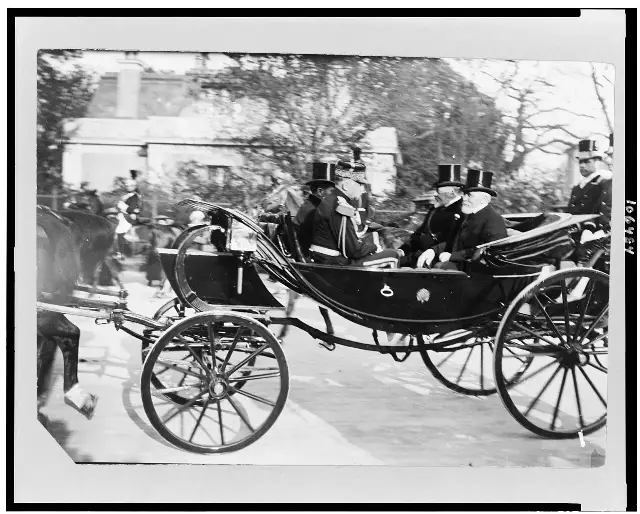
On April 8, 1904, Britain and France signed the Entente Cordiale in London — a set of colonial agreements that ended centuries of rivalry and reshaped the alliances of the 20th century.
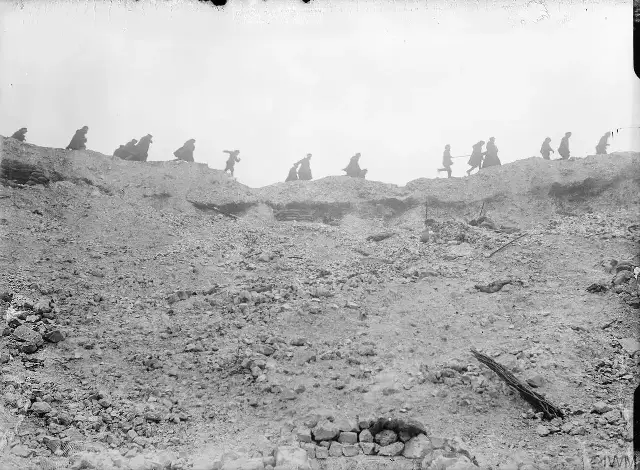
On November 18, 1916, General Haig called off the Battle of the Somme — 141 days that moved the front barely six miles.
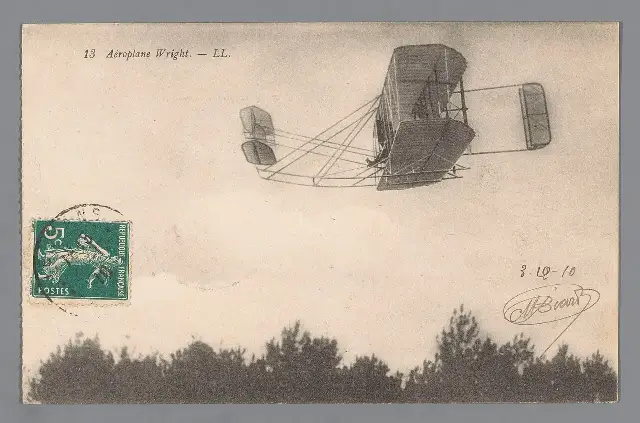
On August 8, 1908, Wilbur Wright's first public flight in France lasted just 1 minute 45 seconds — and ended years of European scorn in a single afternoon.
On March 28, 845 — Easter Sunday — a Viking fleet sailed up the Seine and forced the king of the Franks to pay a fortune in silver to make them leave.
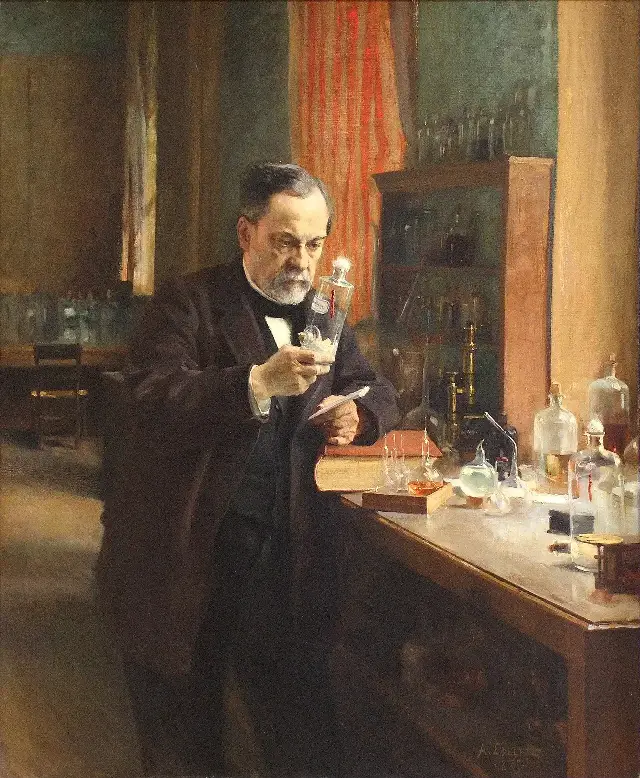
On July 6, 1885, Louis Pasteur gave a dying 9-year-old the first rabies vaccine ever tried on a human — and began the modern era of immunization.
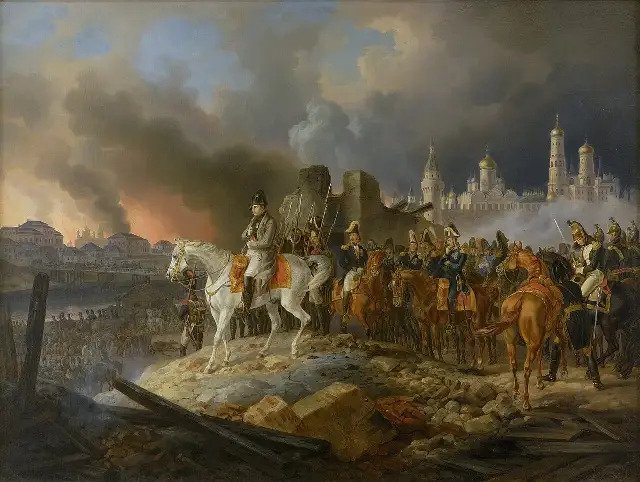
On September 14, 1812, Napoleon entered Moscow expecting triumph — and found a deserted city already going up in flames.
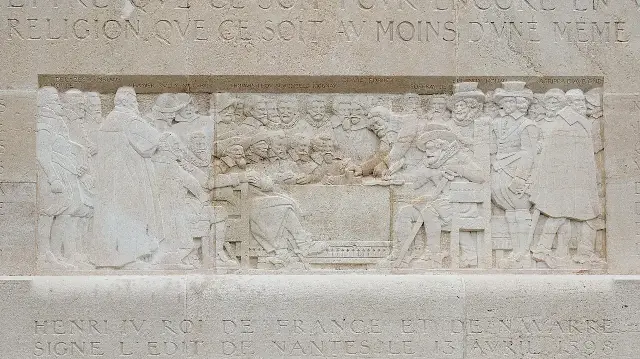
On April 13, 1598, King Henri IV of France signed the Edict of Nantes, granting religious toleration to the Huguenots and ending nearly four decades of religious war.
Tradition holds that on January 6, 1412, a peasant girl was born in Domrémy, France, who would crown a king, save a nation, and be burned at the stake before her twentieth birthday.
On February 26, 1815, Napoleon slipped away from his Elba exile with about a thousand men, launching the Hundred Days that ended at Waterloo.
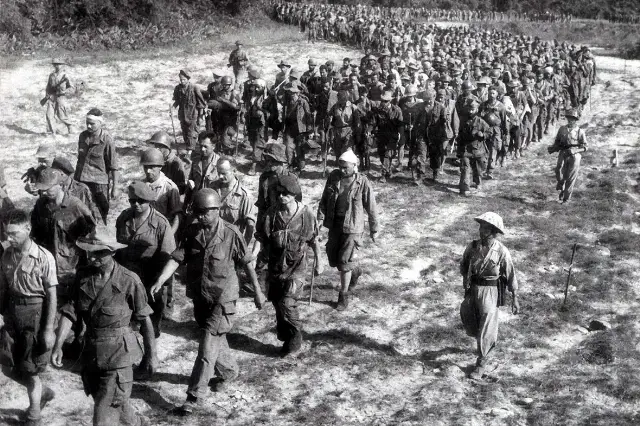
On March 13, 1954, Viet Minh artillery shattered the quiet of a remote valley in Vietnam, beginning the 55-day siege that would end French colonial rule in Indochina.
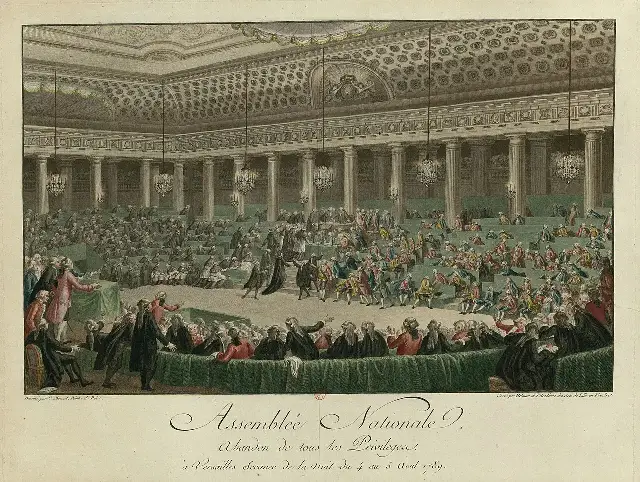
On the night of August 4, 1789, France's National Assembly voted to abolish feudalism — ending centuries of noble privilege in a single electrifying session.
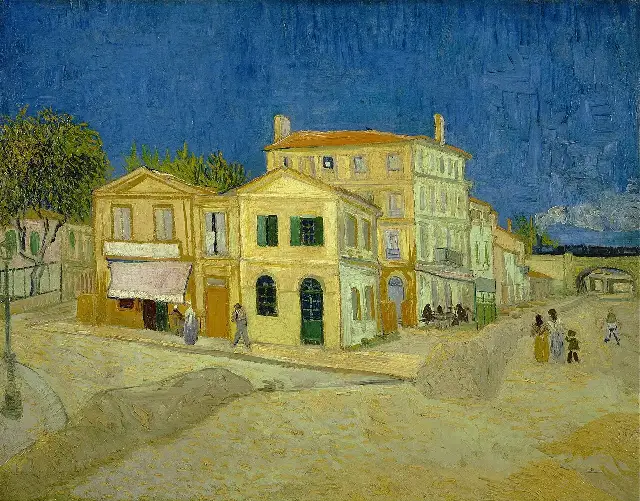
On the night of December 23, 1888, Vincent van Gogh cut off part of his left ear in Arles, ending his turbulent nine weeks living and working with Paul Gauguin.
On March 9, 1796, a 26-year-old general married a 32-year-old widow in Paris — and both of them lied about their ages on the marriage certificate.
On July 1, 1903, sixty cyclists rolled out of Paris on a desperate newspaper publicity stunt — the first Tour de France.
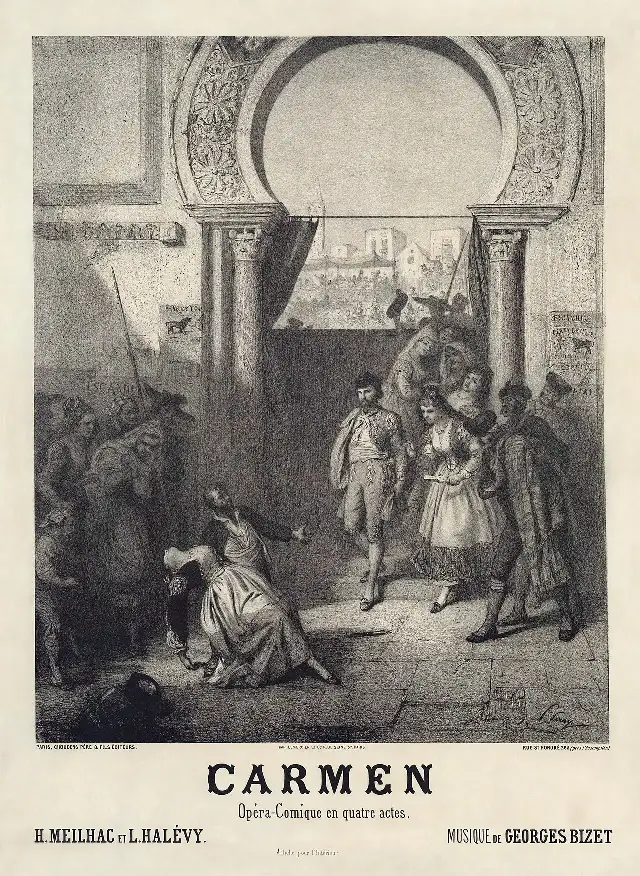
On March 3, 1875, Bizet's Carmen shocked Paris with a heroine who lived free and died onstage — the audience hated it, and the composer never knew it would conquer the world.
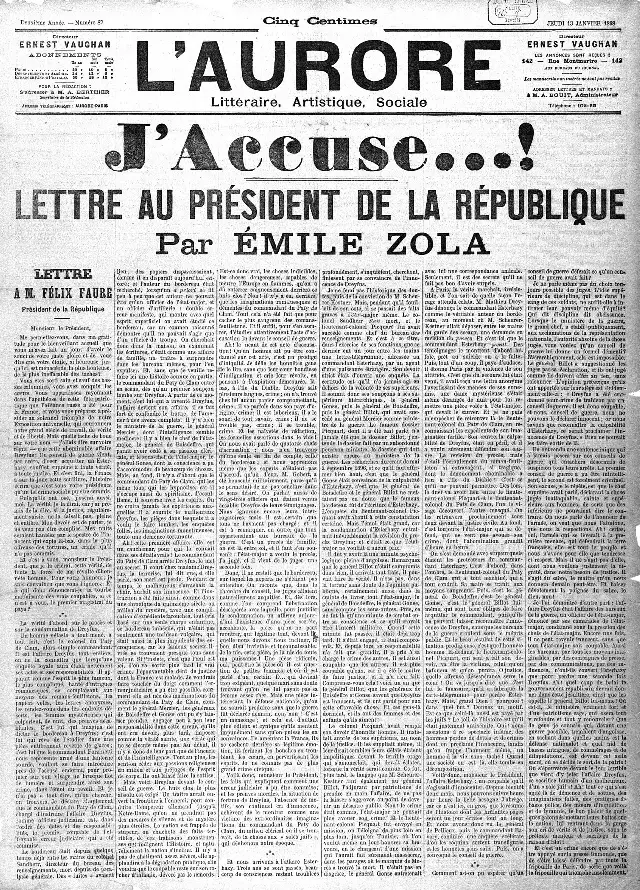
On January 13, 1898, novelist Émile Zola's front-page open letter "J'Accuse" in L'Aurore charged the French state with railroading Captain Alfred Dreyfus — and split France in two.
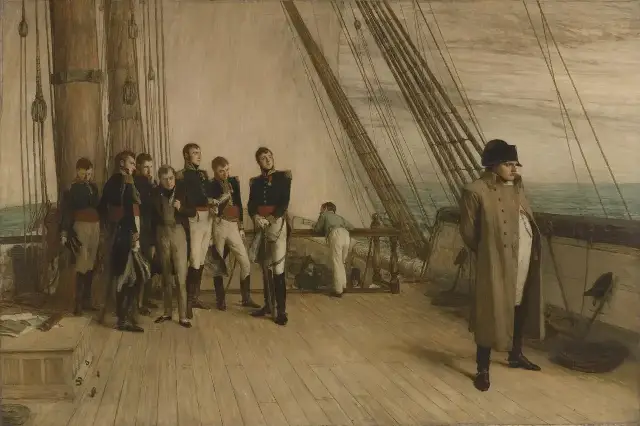
Four days after Waterloo, Napoleon Bonaparte abdicated the French throne for the second time, ending his return to power and his reign forever.
Canned by the outbreak of World War II in 1939, the first Cannes Film Festival finally opened on September 20, 1946 — with chaos, charm, and 18 nations.
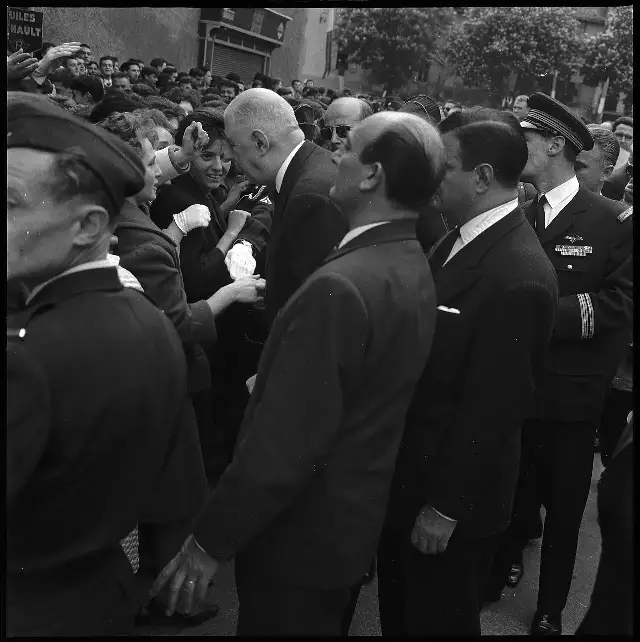
On August 22, 1962, gunmen ambushed Charles de Gaulle's car outside Paris, firing more than 150 rounds — and the French president walked away without a scratch.
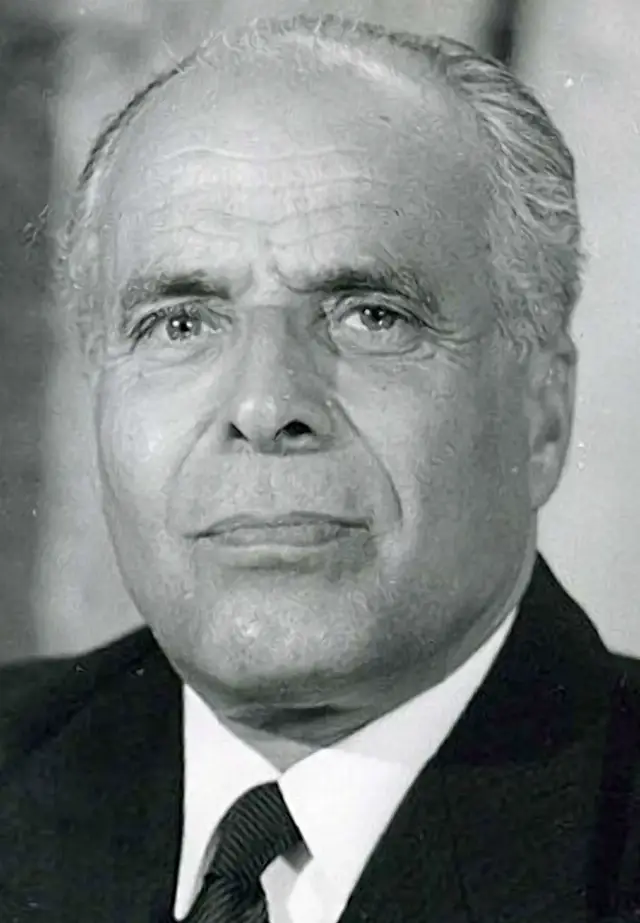
On March 20, 1956, France formally recognized Tunisia's independence, ending a 75-year protectorate and crowning Habib Bourguiba's decades-long struggle.
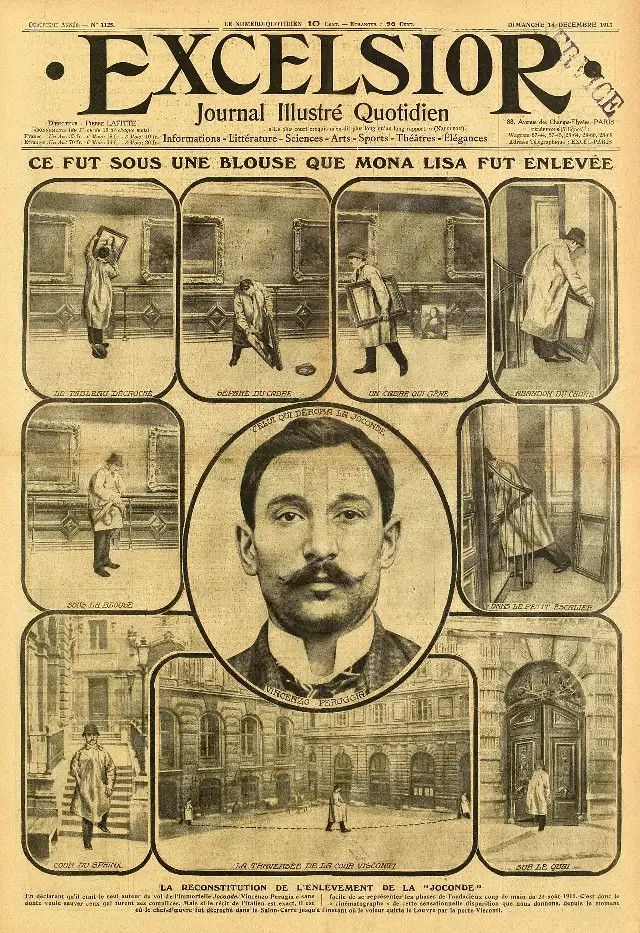
On August 21, 1911, an Italian handyman walked out of the Louvre with the Mona Lisa under his smock — and the theft made her the most famous painting on Earth.
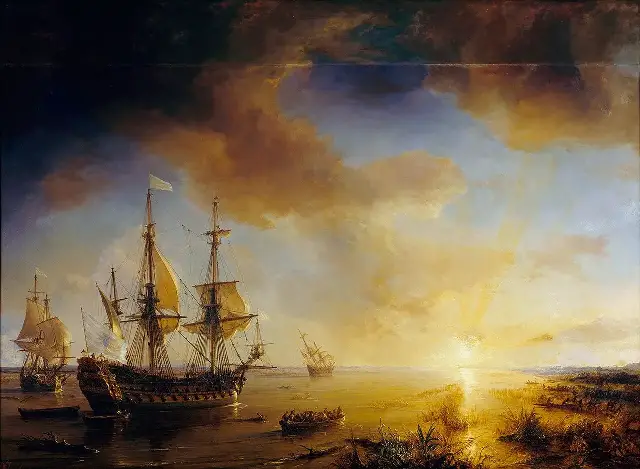
On March 19, 1687, French explorer René-Robert Cavelier, Sieur de La Salle, was shot dead by his own mutinous men in the Texas wilderness.
On December 12, 1913, the world's most famous missing painting was recovered in a Florence hotel room — two years after a handyman stole it from the Louvre.
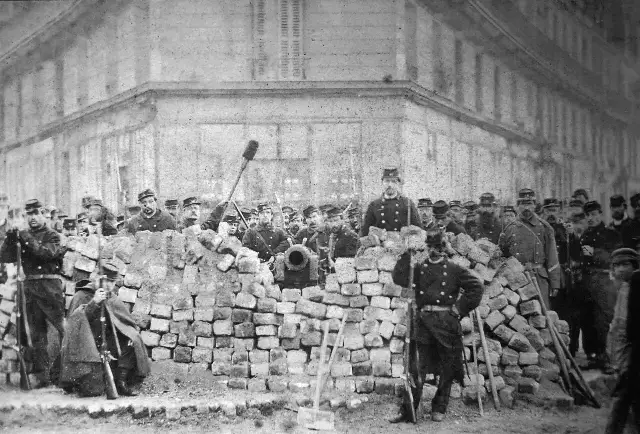
On March 18, 1871, Parisian workers and soldiers defied the French government, seized the city's cannons, and launched the Paris Commune — the world's first workers' government.
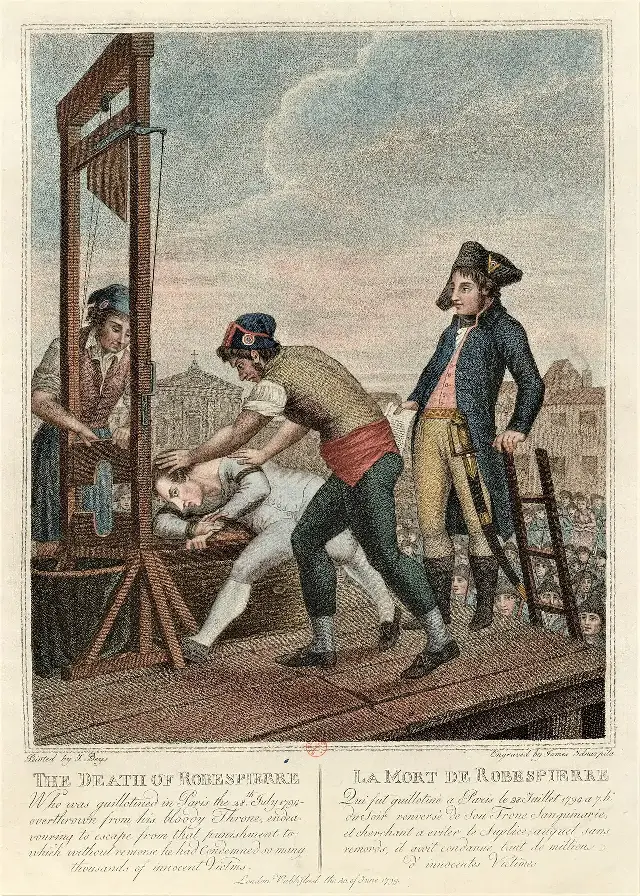
On July 28, 1794, Maximilien Robespierre — the architect of the Reign of Terror — was guillotined in Paris, ending the bloodiest chapter of the French Revolution.
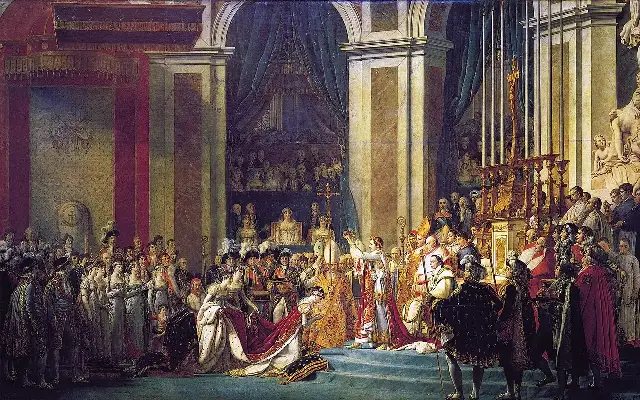
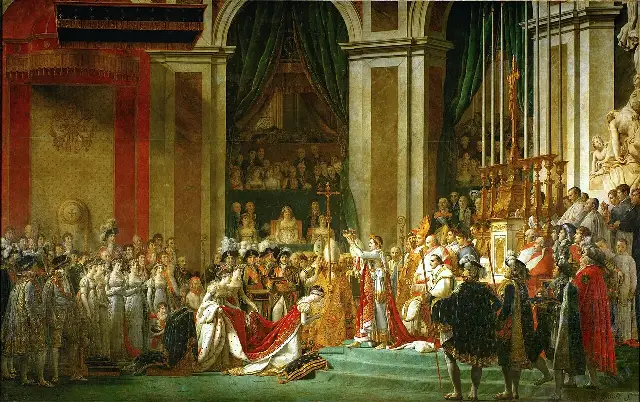
On December 2, 1804, Napoleon Bonaparte crowned himself Emperor of the French at Notre-Dame, with Pope Pius VII watching from the sidelines.
On April 27, 2005, the Airbus A380 — the largest passenger airplane ever built — made its first flight from Toulouse, France.
On June 4, 1783, two French papermakers launched a globe of linen and paper that rose a mile into the air — the first public flight in history, and the beginning of aviation.
On April 26, 1336, the poet Petrarch climbed Mont Ventoux in Provence simply to see the view — an act some call the birth of the Renaissance spirit.
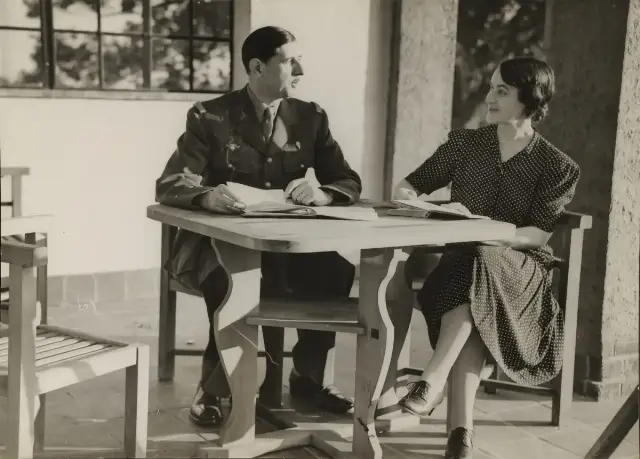
On June 18, 1940, an unknown French general spoke into a BBC microphone — and lit the flame of the French Resistance.
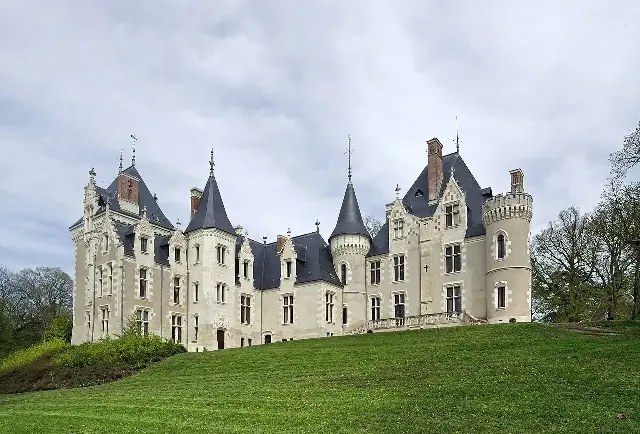
On June 3, 1937, the former King Edward VIII married Wallis Simpson in a French chateau, with none of his royal family present.
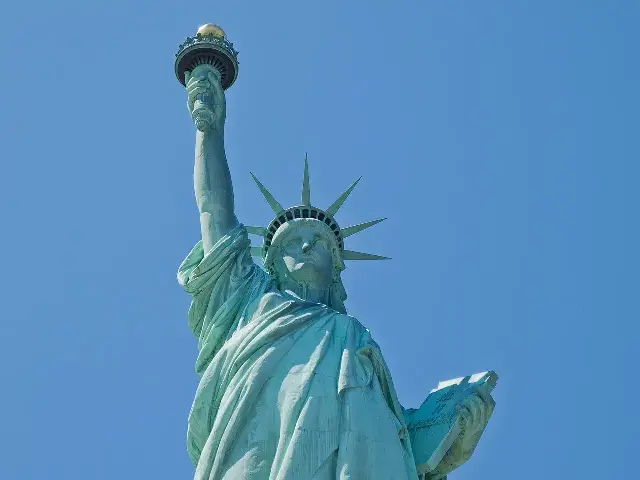
On August 5, 1884, in pouring rain, a six-ton block of Connecticut granite was lowered into place on Bedloe's Island — the cornerstone of the Statue of Liberty's pedestal.
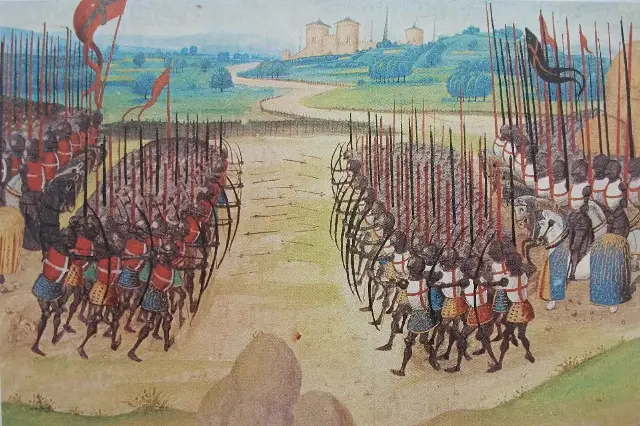
On October 25, 1415, a starving English army faced a French force three times its size — and won one of history's most famous battles.
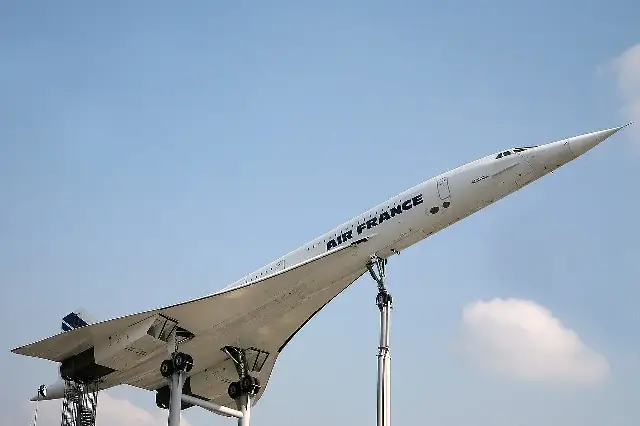
On March 2, 1969, the supersonic airliner Concorde took to the sky for the first time, flying a 27-minute test flight from Toulouse, France.
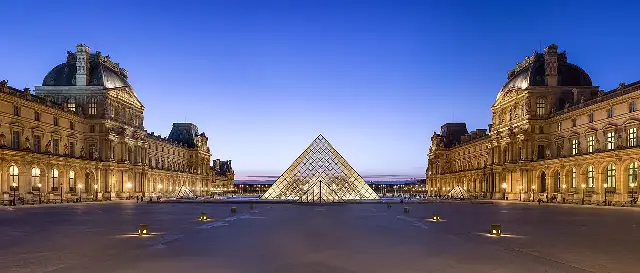
On August 10, 1793 — a year to the day after the French monarchy fell — the Louvre opened as a public museum, declaring that art belonged to the nation.
On June 23, 1894, a French baron's dream became real: the International Olympic Committee was founded in Paris, reviving the ancient Games.
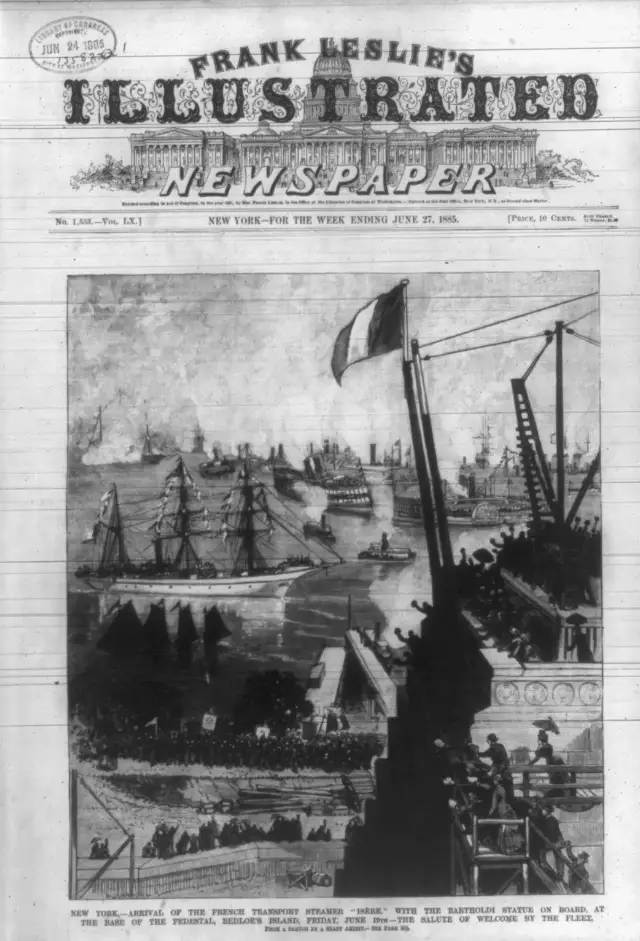
On June 17, 1885, the French ship Isère steamed into New York Harbor carrying the Statue of Liberty in 350 pieces, packed in 214 wooden crates.
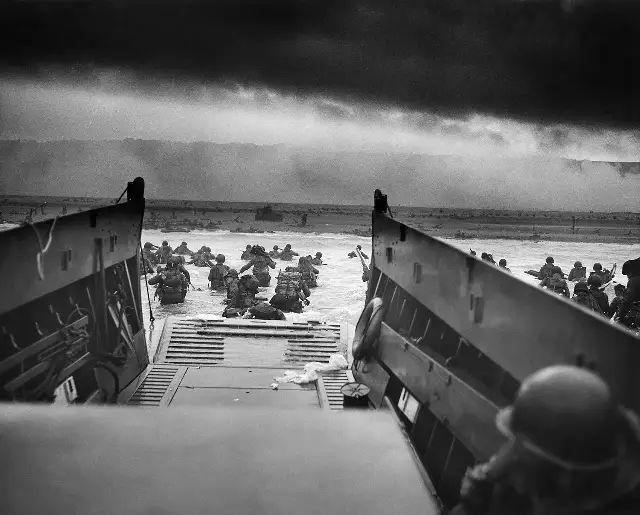
On June 6, 1944, nearly 160,000 Allied troops landed on the beaches of Normandy in the largest seaborne invasion in history, opening the liberation of Nazi-occupied Europe.
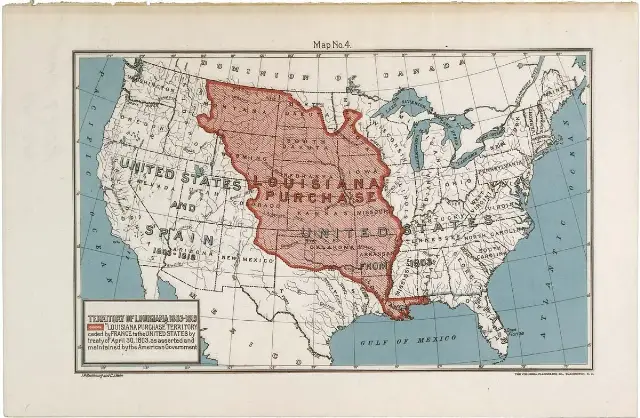
On April 30, 1803, the Louisiana Purchase treaty was dated in Paris, doubling the size of the United States overnight.