
The Day the World Wrote Its Rules: The UN Charter Is Signed
On June 26, 1945, delegates from 50 nations signed the UN Charter in San Francisco, bringing the United Nations into being.
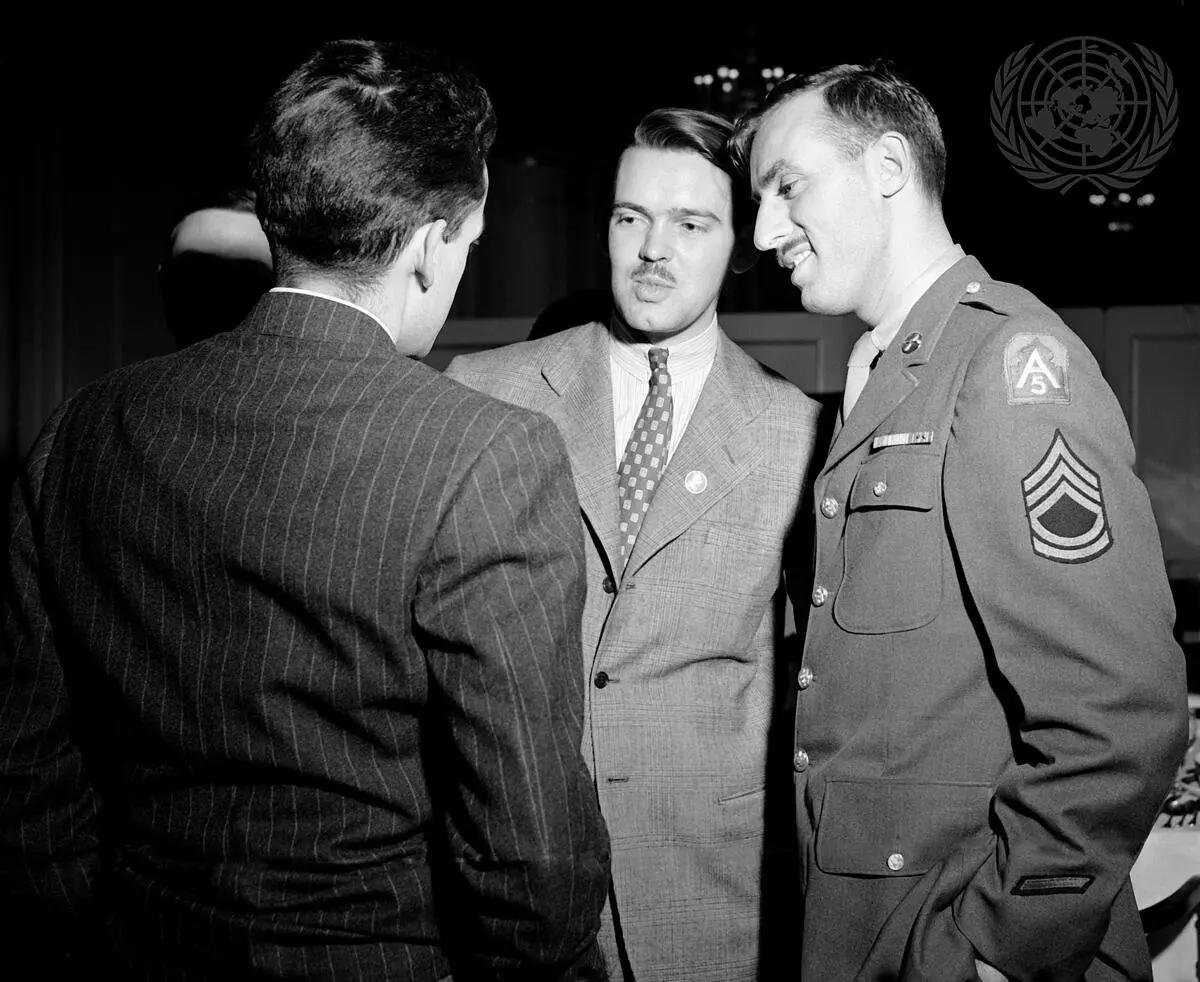
The guns in Europe had fallen silent seven weeks earlier, but the Pacific war still raged — and in San Francisco, delegates from 50 nations were trying to make sure a world war never happened again.
The United Nations Conference on International Organization, which began on April 25, 1945, was the largest international gathering of its time: 850 delegates, with advisers and staff bringing the total to 3,500 participants, plus another 2,500 journalists and civil-society observers. In committee rooms across San Francisco, they hammered out the founding document of a new world body in more than 400 meetings, building on the blueprints drawn up at Dumbarton Oaks in 1944 and the voting deals struck at Yalta that February. The name they were working under — "the United Nations" — had first been used officially in the 1942 Declaration by United Nations, signed in Washington by 26 countries at war with the Axis powers.
On June 26, the delegates filed into Veterans' Memorial Hall for the signing ceremony. One by one, representatives of 50 of the 51 original member nations put pen to the Charter. Poland, whose government-in-exile had not been represented at the conference, signed later — on October 15 — becoming the 51st founding member.
What they signed was a compact document by treaty standards but an enormous one by ambition: a preamble and 111 articles in 19 chapters. The preamble opens with four famous words — "We the peoples of the United Nations" — and declares the determination "to save succeeding generations from the scourge of war, which twice in our lifetime has brought untold sorrow to mankind." The Charter created the General Assembly, the Security Council, the International Court of Justice, and the rest of the machinery of the modern United Nations, and it placed the obligations of the Charter above those of all other treaties.
The Charter entered into force on October 24, 1945 — still observed as United Nations Day — once the five permanent Security Council members and a majority of the other signatories had ratified it. The League of Nations, which had failed to prevent the war just ended, was swept into history; the UN inherited its mission and its lessons.
Today, 193 nations have ratified the Charter — nearly every country on Earth. The institution it created has been praised and criticized in equal measure, and it has never fully lived up to its preamble. But on June 26, 1945, exhausted delegates in San Francisco did something remarkable: they wrote down, for the first time in history, a shared set of rules for how nations should treat one another — and signed them.
Photo: UN Staff Photographer, 1945 — public domain via Wikimedia Commons.