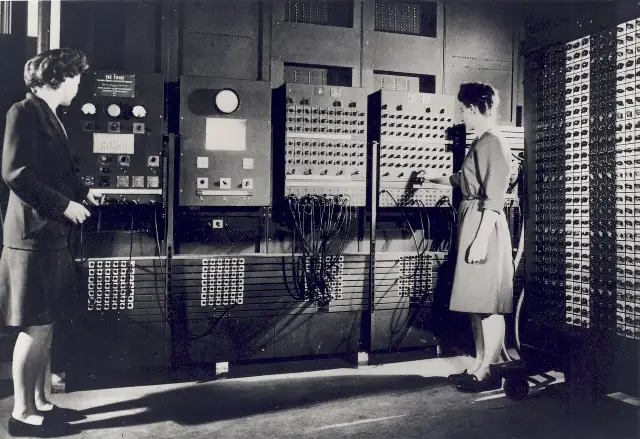
ENIAC: The 30-Ton Brain That Launched the Computer Age
On February 14, 1946, the Army and the University of Pennsylvania unveiled ENIAC, the first general-purpose electronic computer -- and it could out-calculate an artillery shell in flight.


On February 14, 1946, the Army and the University of Pennsylvania unveiled ENIAC, the first general-purpose electronic computer -- and it could out-calculate an artillery shell in flight.
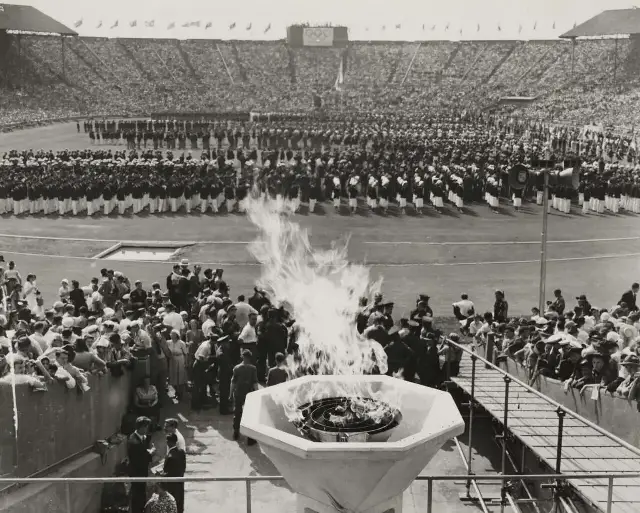
On July 29, 1948, war-scarred London opened the first Olympics in twelve years — with rationed food, borrowed kit, and a spirit the world desperately needed.
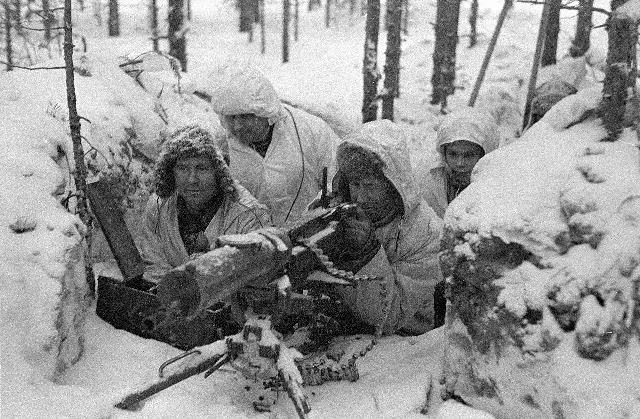
On November 30, 1939, the Soviet Union invaded Finland — and the tiny Nordic nation turned its frozen forests into a graveyard for one of the world's largest armies.
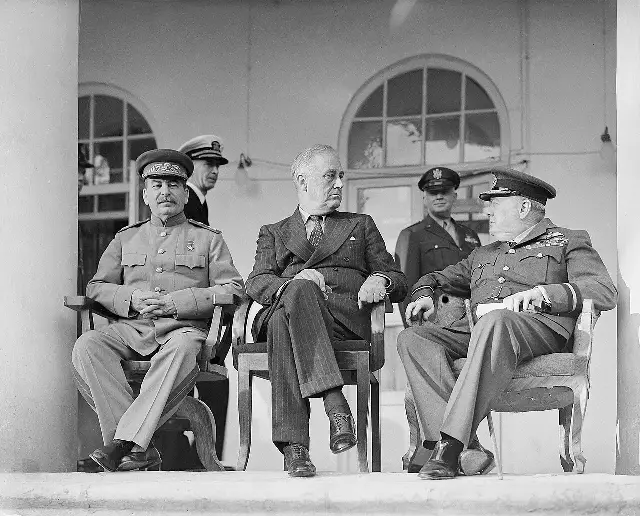
On November 28, 1943, Franklin Roosevelt, Winston Churchill, and Joseph Stalin sat down together for the first time, inside the Soviet embassy in Tehran, to decide how to win World War II.
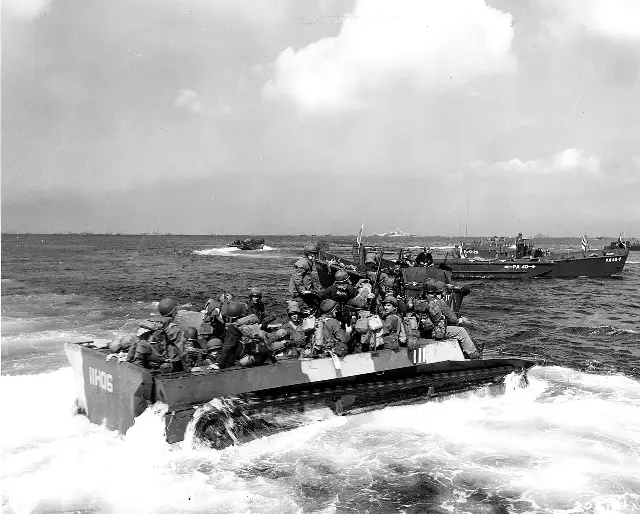
On April 1, 1945, more than 50,000 U.S. troops stormed ashore on Okinawa, opening the bloodiest battle of the Pacific War.
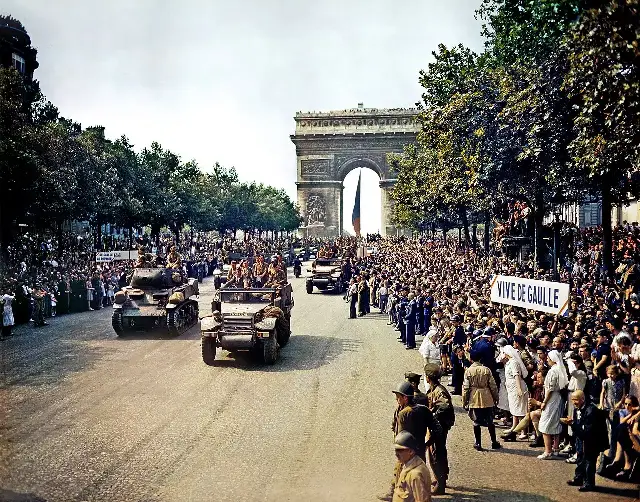
On August 25, 1944, the German garrison in Paris surrendered, and Charles de Gaulle arrived to reclaim the capital after four years of Nazi occupation.
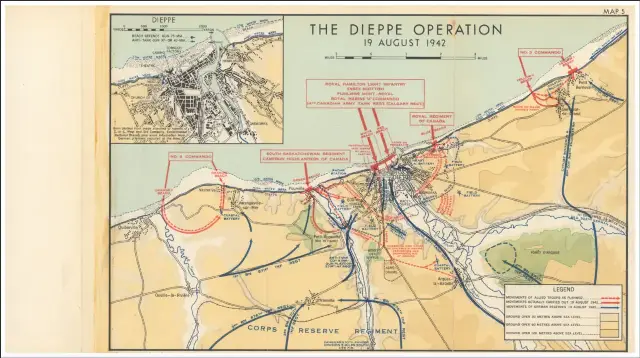
On August 19, 1942, nearly 5,000 Canadians stormed the French port of Dieppe in a raid that became Canada's bloodiest day of World War II.
On July 20, 1944, German officer Claus von Stauffenberg planted a bomb in a briefcase at Hitler's Wolf's Lair in a failed attempt to end the war.
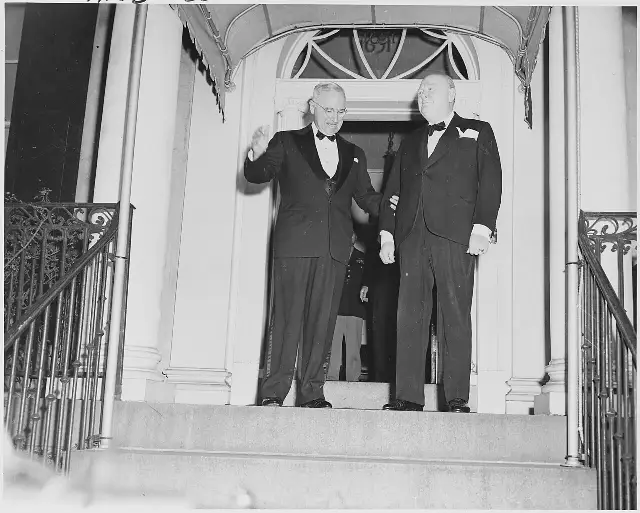
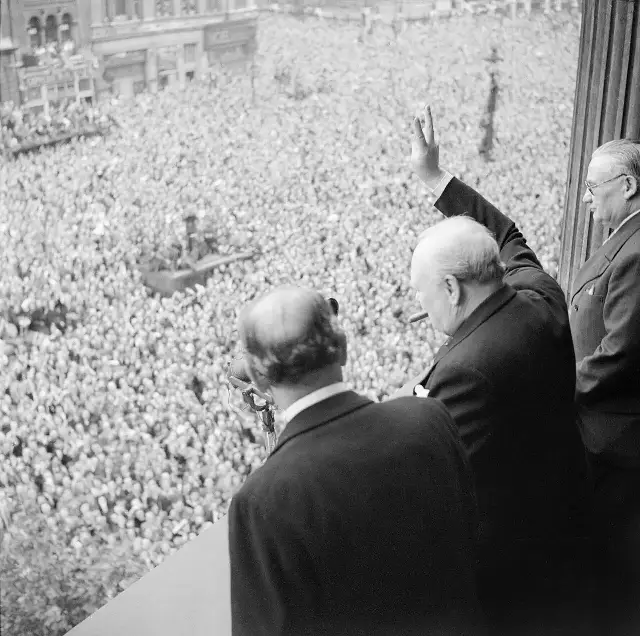
On January 24, 1965, Winston Churchill died at his London home at age 90, and the world prepared the grandest farewell given to a statesman in modern times.
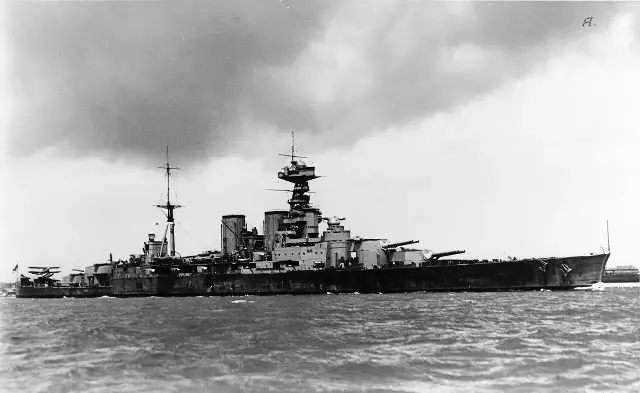
On May 24, 1941, a shell from the German battleship Bismarck struck HMS Hood's ammunition magazine in the Denmark Strait, and the pride of the Royal Navy sank in three minutes with 1,415 men.
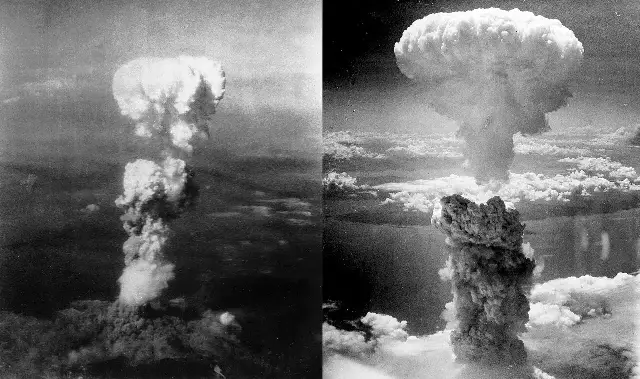
On August 6, 1945, the B-29 Enola Gay dropped the first atomic bomb used in war over Hiroshima — about 80,000 people died instantly, and the world changed in a flash.
On January 6, 1941, eleven months before Pearl Harbor, Franklin D. Roosevelt told Congress the world must be founded on four essential human freedoms.
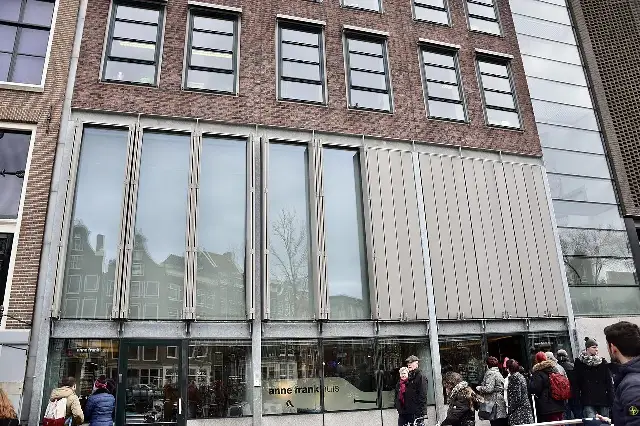
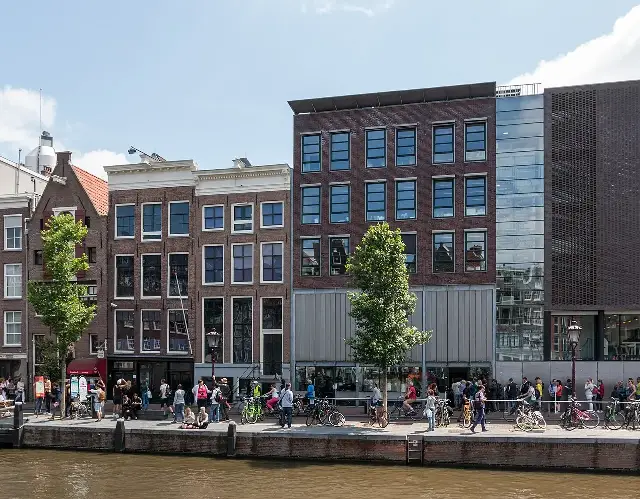
On August 4, 1944, Nazi police raided the secret annex in Amsterdam and arrested Anne Frank and seven others — three days after her last diary entry.
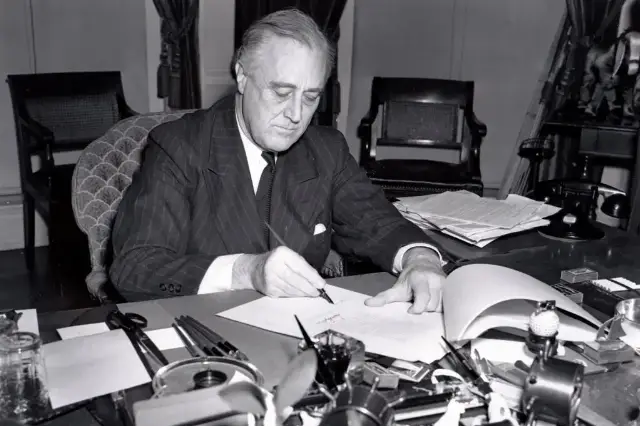
On March 11, 1941, FDR signed the Lend-Lease Act, turning America into the 'arsenal of democracy' — with a little help from a garden hose.
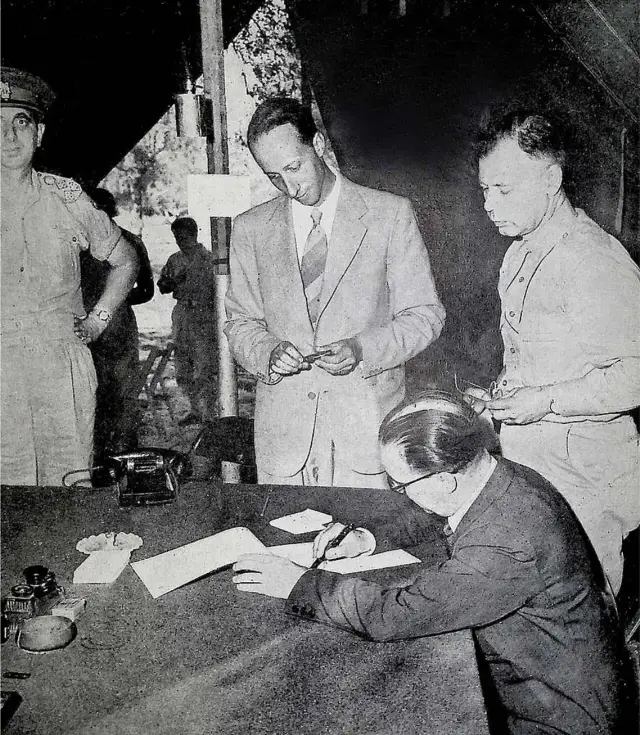
On September 8, 1943, Italy's surrender was announced on the radio, splitting the country between the Allies and Nazi Germany.
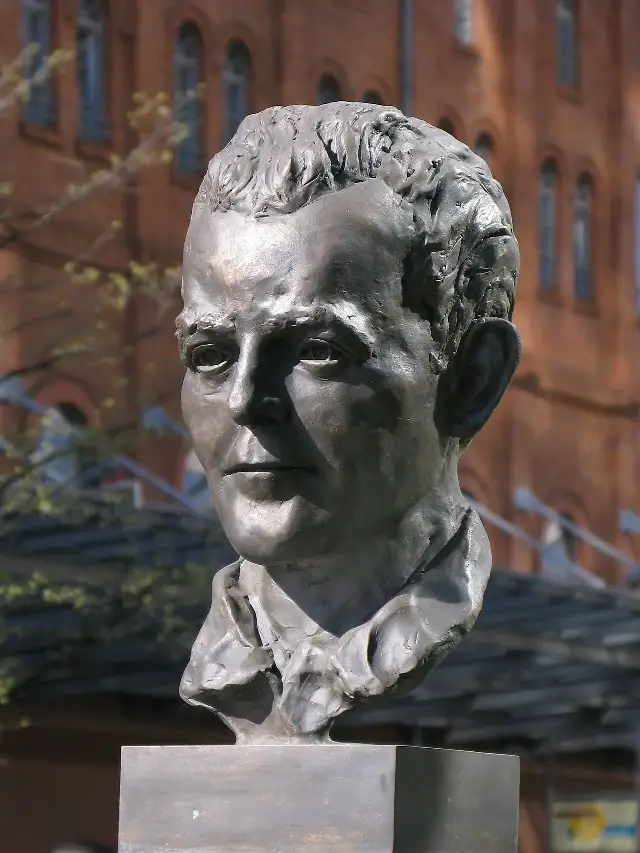
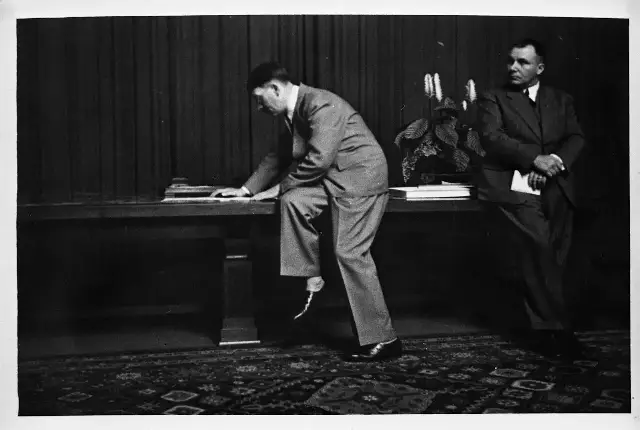
On November 8, 1939, a lone carpenter's bomb demolished the lectern where Hitler had spoken — 13 minutes after the dictator left the hall early.
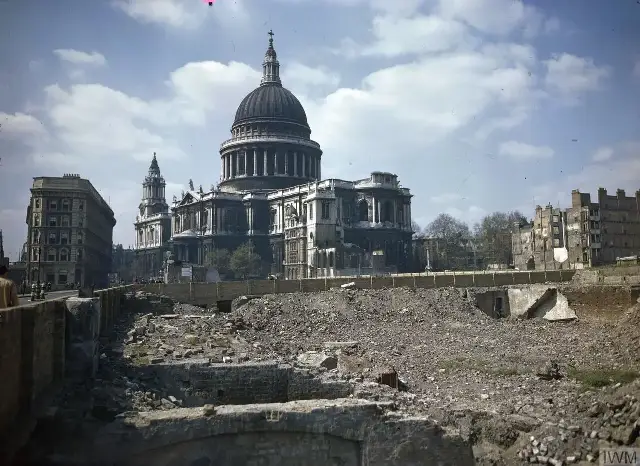
On September 7, 1940 — "Black Saturday" — German bombers struck London's docks, opening the Blitz and 57 nights of bombing.
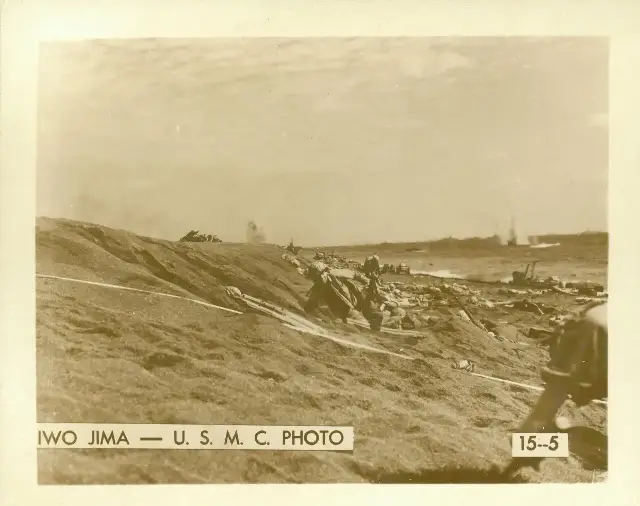
On February 19, 1945, some 30,000 U.S. Marines stormed ashore at Iwo Jima, beginning a 36-day battle that became the bloodiest in Marine Corps history.
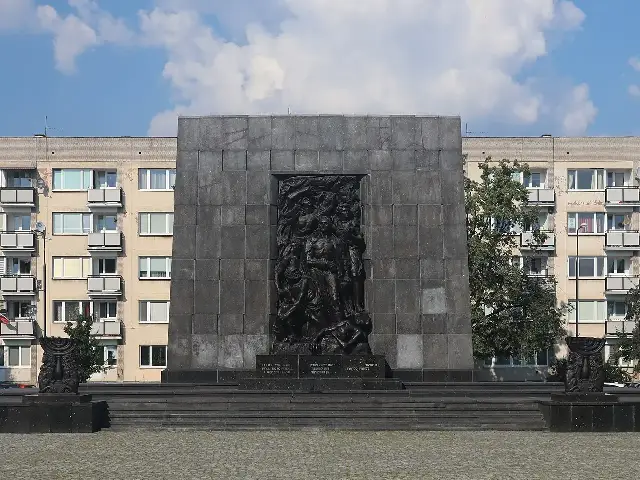
On April 19, 1943, the eve of Passover, about 700 young Jewish fighters rose up against the German forces liquidating the Warsaw Ghetto — and on the first day, the Germans were forced to retreat.
On August 23, 1939, Nazi Germany and the Soviet Union signed a pact pledging peace — with a secret protocol dividing Eastern Europe between them.
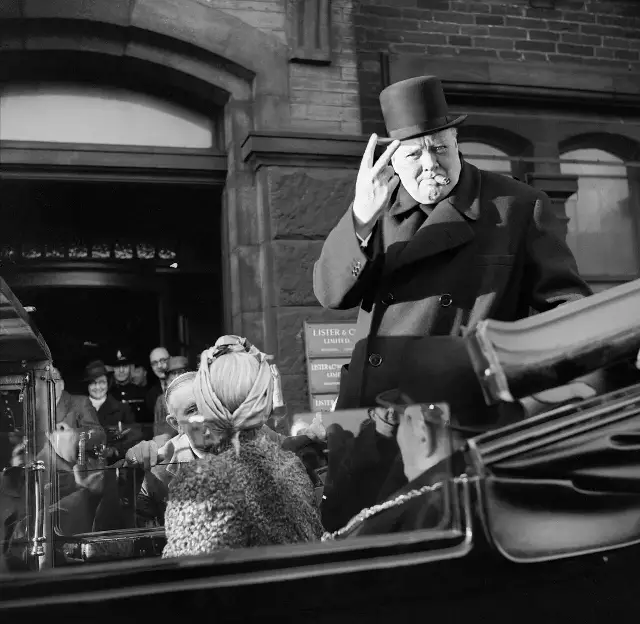
On May 10, 1940 — the same day Germany invaded the Low Countries — Winston Churchill became Britain's prime minister and began forging the defiance that would carry the nation through World War II.
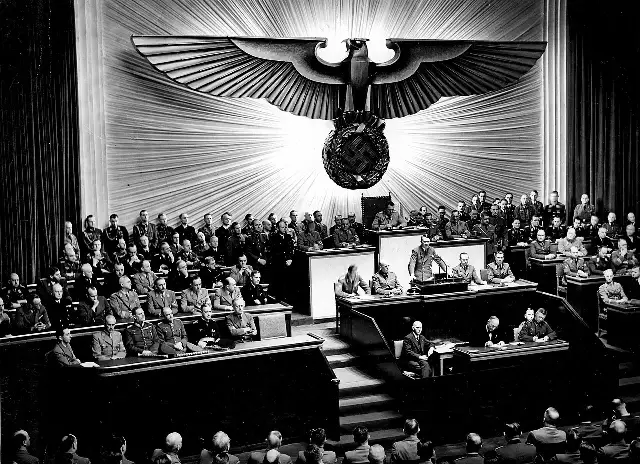
On December 11, 1941 — four days after Pearl Harbor — Germany and Italy declared war on the United States, ending America's debate over joining the European war.
On June 25, 1947, Contact Publishing in Amsterdam released Het Achterhuis — The Diary of Anne Frank — turning a murdered teenager's hidden notebooks into one of history's most-read books.
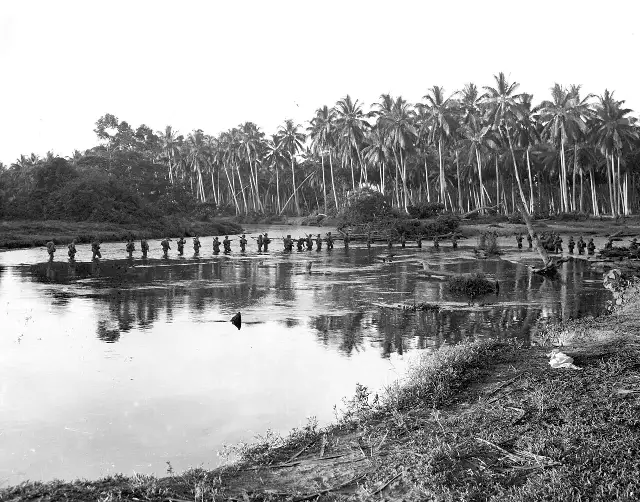
On February 9, 1943, the Guadalcanal campaign ended in Allied victory, marking the turning point of the Pacific war.
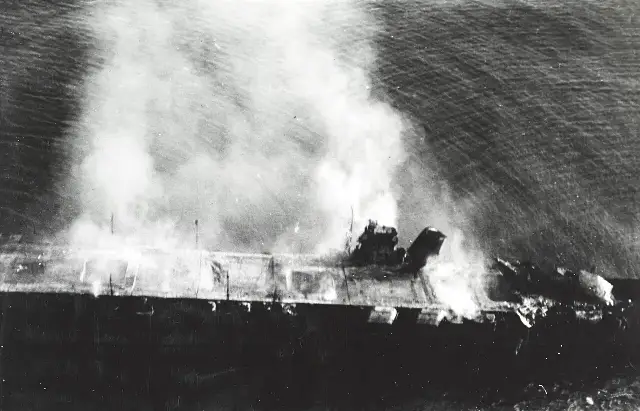
On the morning of June 4, 1942, American dive bombers destroyed three Japanese aircraft carriers in minutes at Midway, turning the tide of the Pacific War.
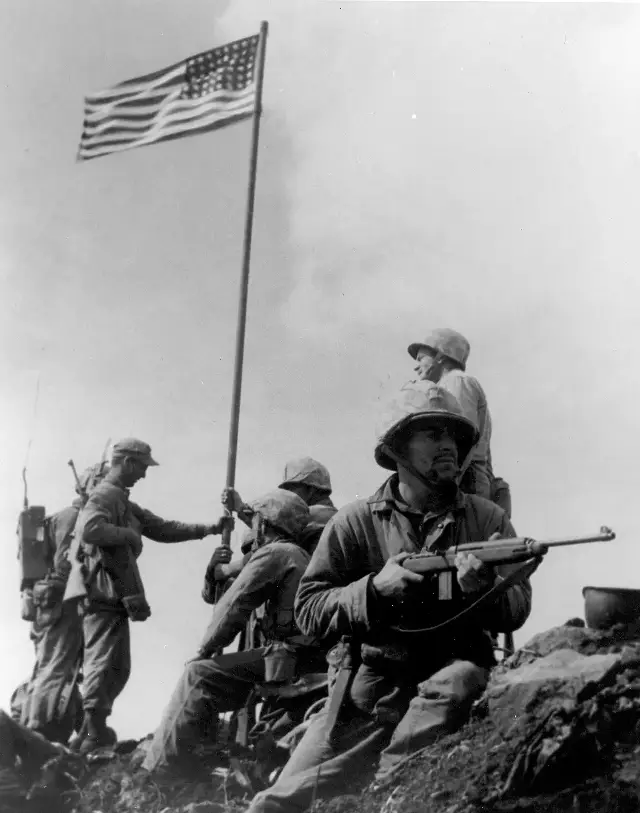
On February 23, 1945, U.S. Marines raised the American flag atop Mount Suribachi on Iwo Jima, producing one of World War II's most famous photographs.
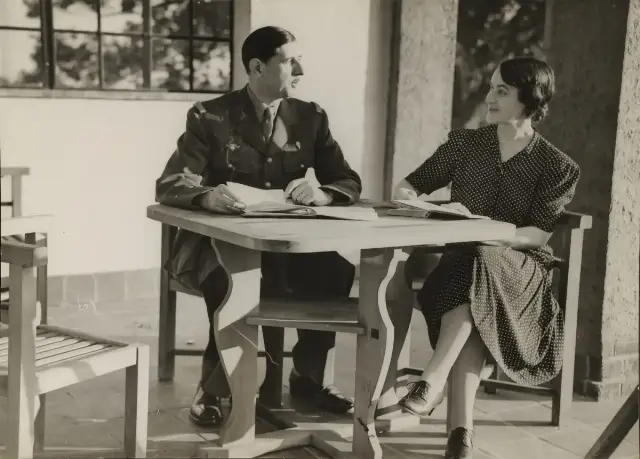
On June 18, 1940, an unknown French general spoke into a BBC microphone — and lit the flame of the French Resistance.
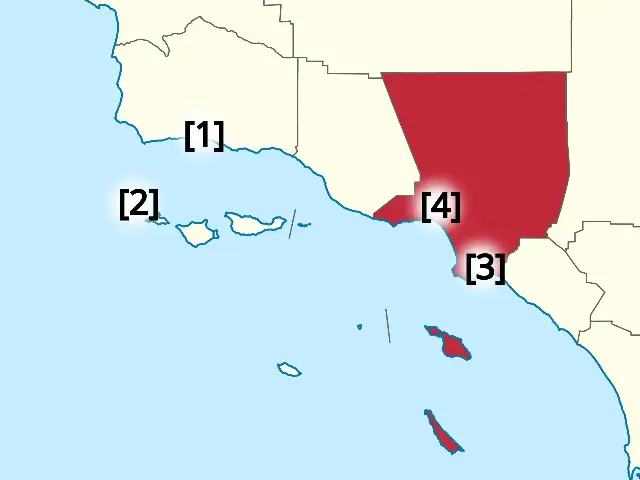
On the night of February 24, 1942, Los Angeles fired more than a thousand anti-aircraft shells at something in the sky that was never found.
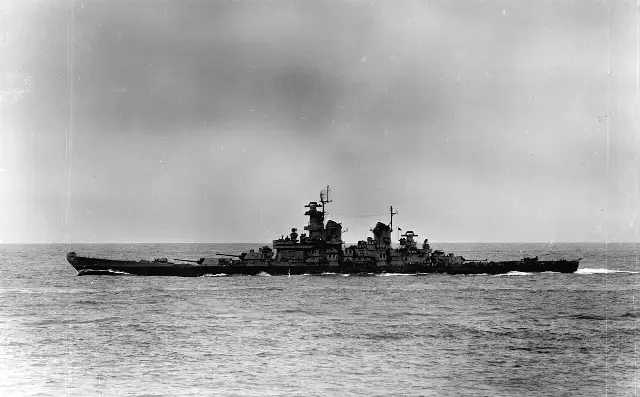
On March 31, 1992, the USS Missouri — the ship on which Japan surrendered in 1945 — was decommissioned, closing the age of the battleship forever.
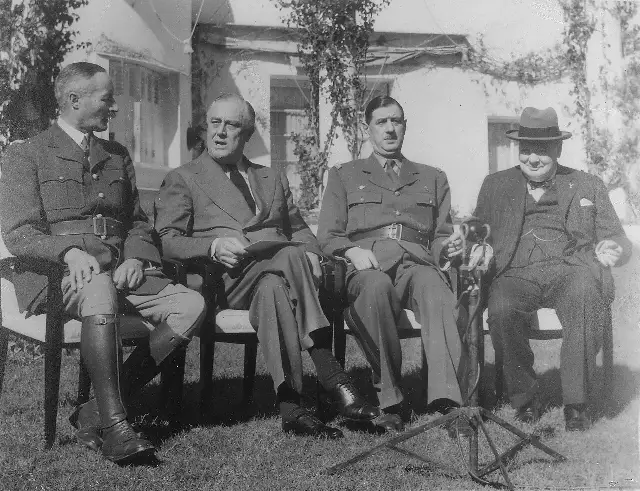
On January 14, 1943, Roosevelt and Churchill opened ten days of secret war talks in Casablanca, committing the Allies to accept nothing less than the Axis powers’ unconditional surrender.
On April 5, 1955, an 80-year-old Winston Churchill resigned as Britain's prime minister, ending one of the 20th century's defining political careers.
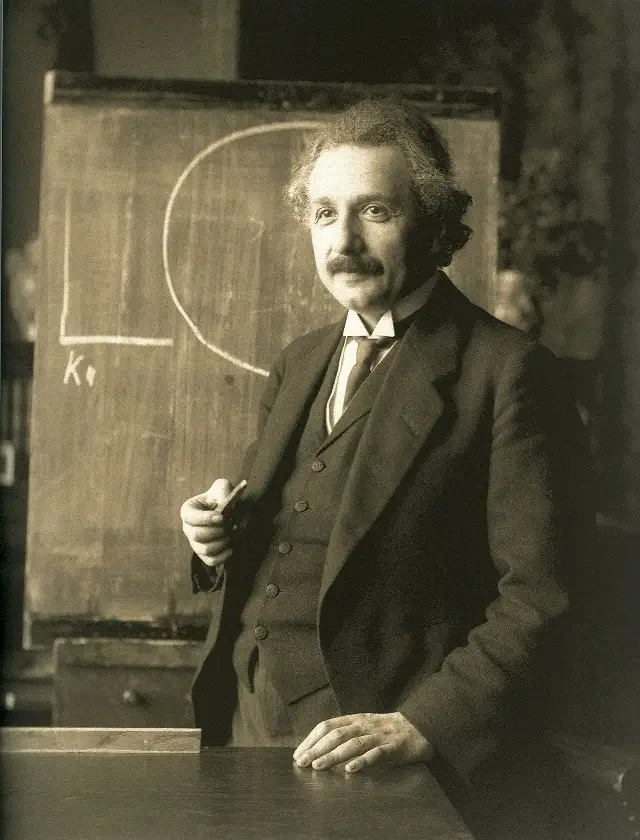
On August 2, 1939, Albert Einstein signed a letter to President Roosevelt warning that Germany might build an atomic bomb — a letter that set the Manhattan Project in motion.
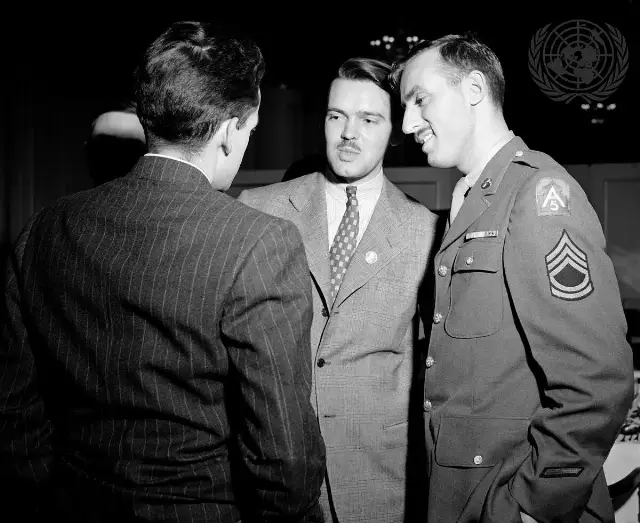
On October 24, 1945, the UN Charter took effect, creating the United Nations — the world's boldest attempt to end war itself.
On June 26, 1945, delegates from 50 nations signed the UN Charter in San Francisco, bringing the United Nations into being.
On June 22, 1941, Nazi Germany invaded the Soviet Union with more than 3.8 million troops — the largest military offensive ever launched.
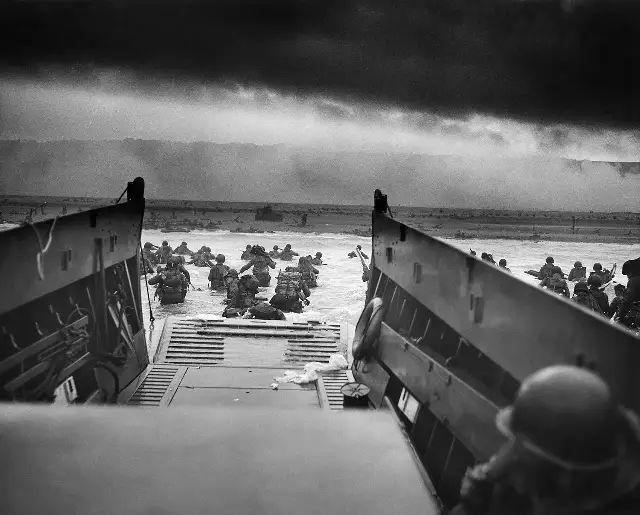
On June 6, 1944, nearly 160,000 Allied troops landed on the beaches of Normandy in the largest seaborne invasion in history, opening the liberation of Nazi-occupied Europe.
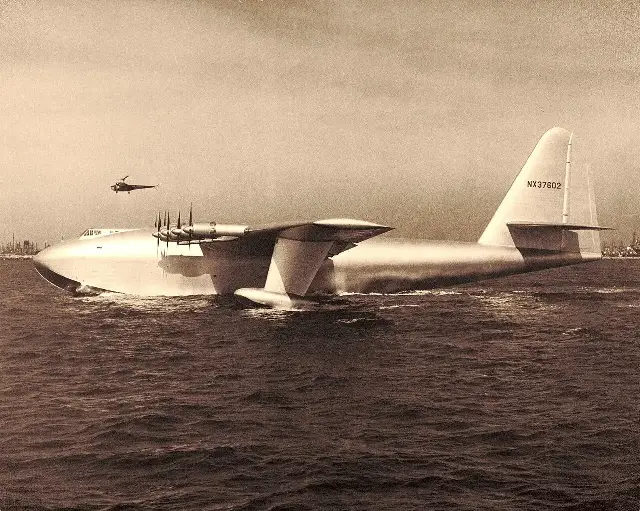
On November 2, 1947, Howard Hughes lifted the largest airplane ever built 70 feet over Long Beach Harbor for 26 seconds — its only flight, ever.
On February 26, 1935, Robert Watson-Watt's secret Daventry Experiment proved that radio waves could detect an aircraft miles away — the birth of radar.
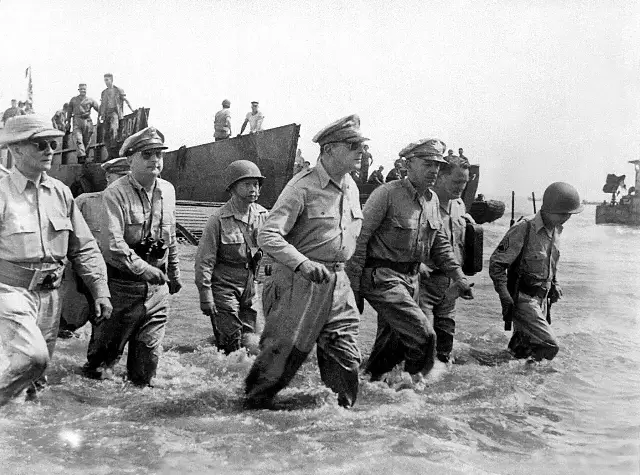
On October 20, 1944, Douglas MacArthur walked through the surf onto a Philippine beach — keeping a promise he had made two and a half years earlier.
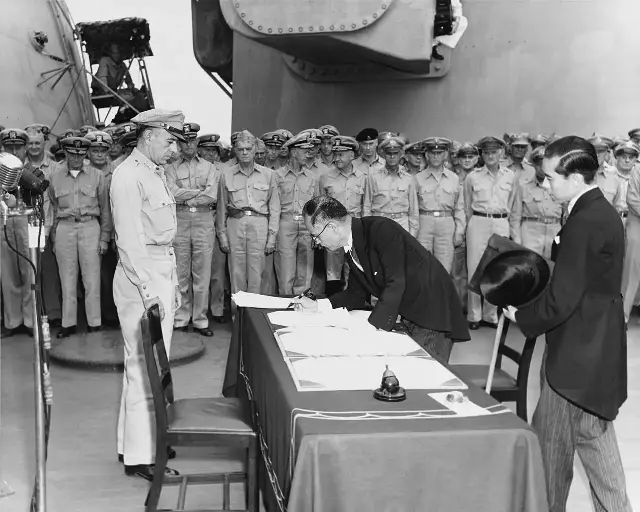
On September 2, 1945, aboard the battleship USS Missouri in Tokyo Bay, Japan's formal surrender brought World War II to an official end.
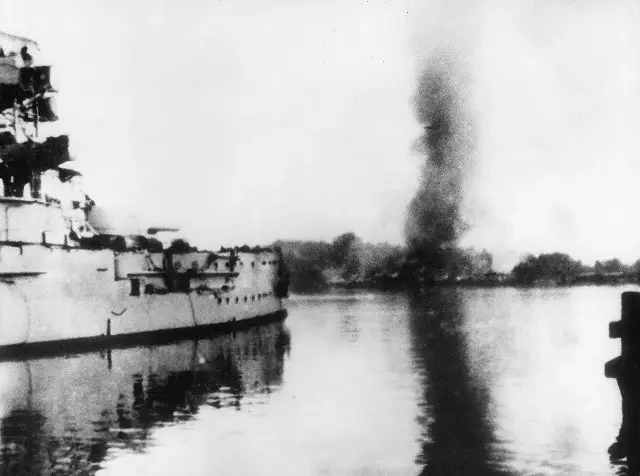
On September 1, 1939, Germany's invasion of Poland ignited World War II — and the first shots rang out before dawn in Danzig harbor.
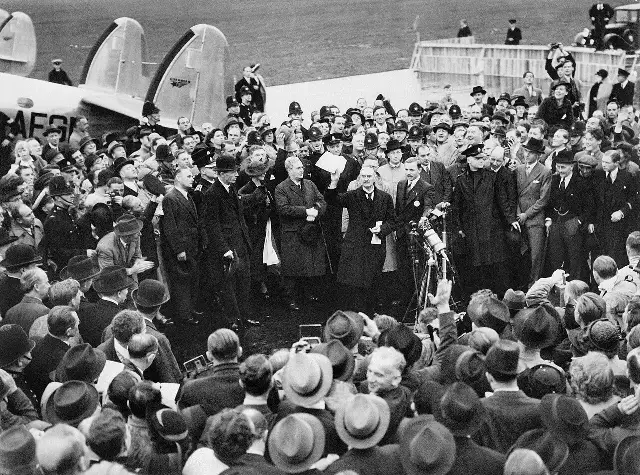
On September 30, 1938, the Munich Agreement was signed, handing part of Czechoslovakia to Hitler — and teaching the world the cost of appeasement.