Blessed Teresa: The Nun of Calcutta Is Beatified
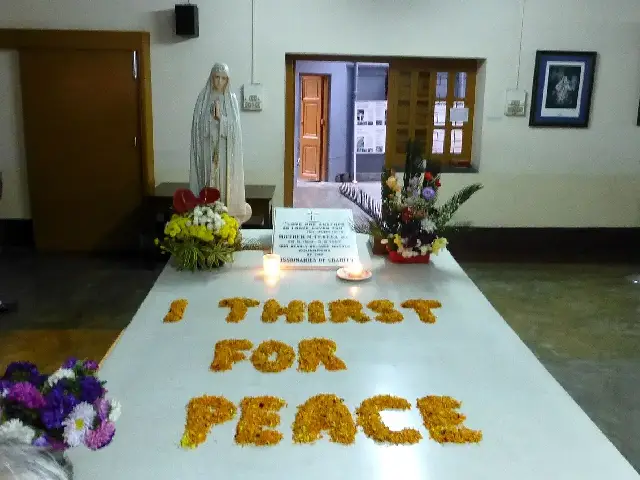
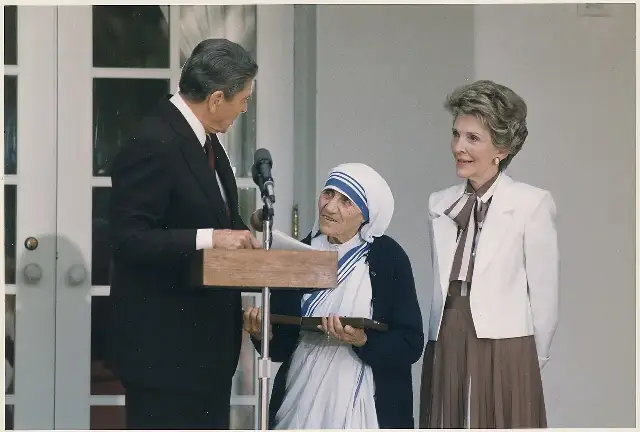
On October 19, 2003, Pope John Paul II beatified Mother Teresa in St. Peter's Square, six years after the death of the nun who served Calcutta's poorest.
On October 19, 2003, Pope John Paul II beatified Mother Teresa in St. Peter's Square, six years after the death of the nun who served Calcutta's poorest.
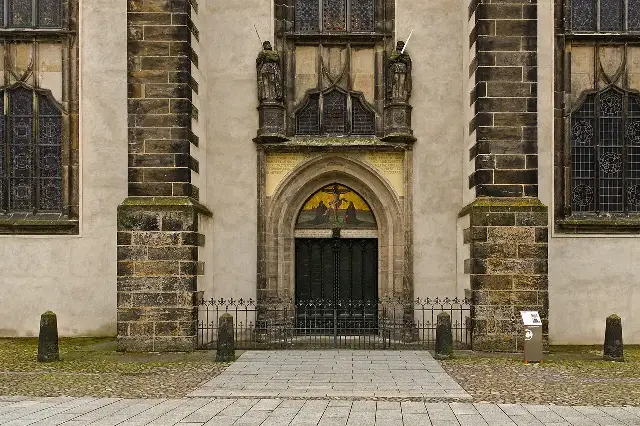
On October 31, 1517, Martin Luther set out his 95 Theses disputing the sale of indulgences — the spark traditionally dated as the start of the Reformation.
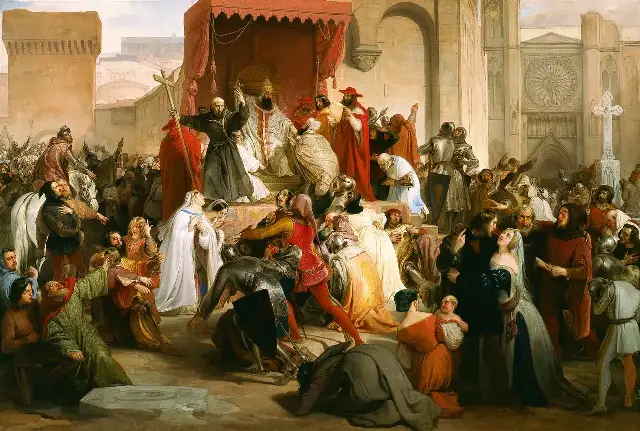
On November 27, 1095, Pope Urban II addressed a crowd at Clermont and called Christendom to march for Jerusalem — a speech that set two centuries of crusades in motion.
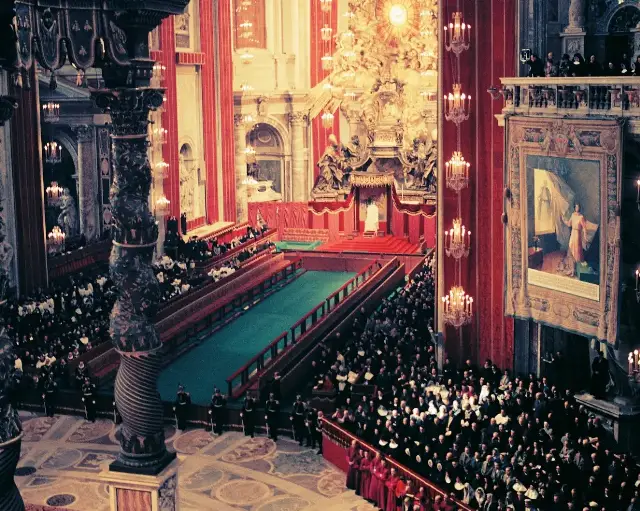
On October 11, 1962, Pope John XXIII opened the Second Vatican Council before more than 2,000 bishops, launching the most consequential religious gathering of the twentieth century.
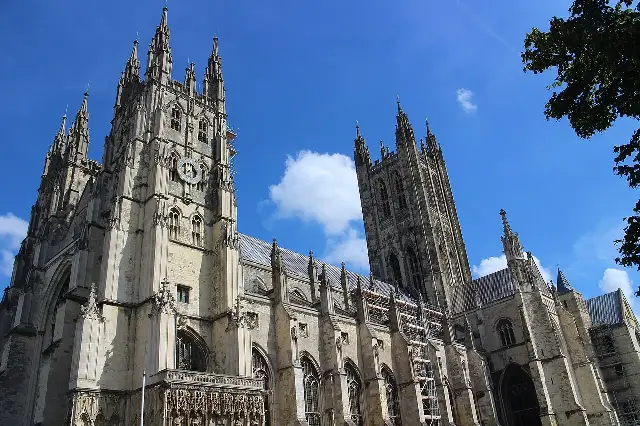
On December 29, 1170, four knights of Henry II murdered Archbishop Thomas Becket inside Canterbury Cathedral — a killing that horrified Christendom.
Tradition holds that on January 6, 1412, a peasant girl was born in Domrémy, France, who would crown a king, save a nation, and be burned at the stake before her twentieth birthday.
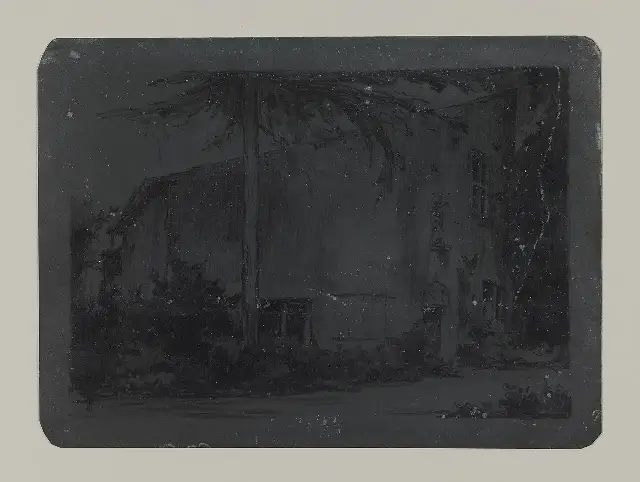
On December 28, 1065, Edward the Confessor's great new abbey at Westminster was consecrated — eight days before the king's death, planting the seed of a thousand years of English history.
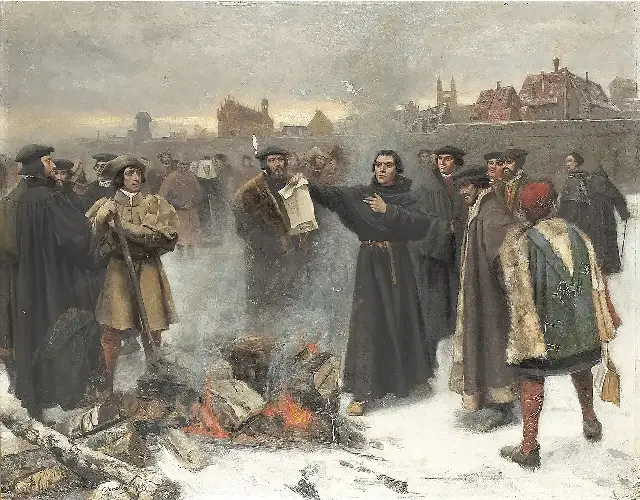
On January 3, 1521, Pope Leo X issued the bull Decet Romanum Pontificem, formally excommunicating Martin Luther and sealing the split that would become the Protestant Reformation.
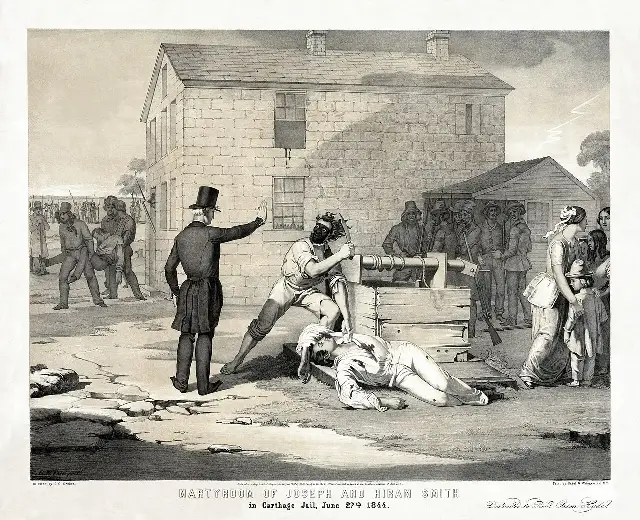
On June 27, 1844, a mob stormed the jail in Carthage, Illinois, and murdered Joseph Smith — the first American presidential candidate ever assassinated — and his brother Hyrum.
On October 7, 1950, Mother Teresa's new order, the Missionaries of Charity, was officially established in Calcutta — and grew from thirteen sisters into one of the world's largest charities.
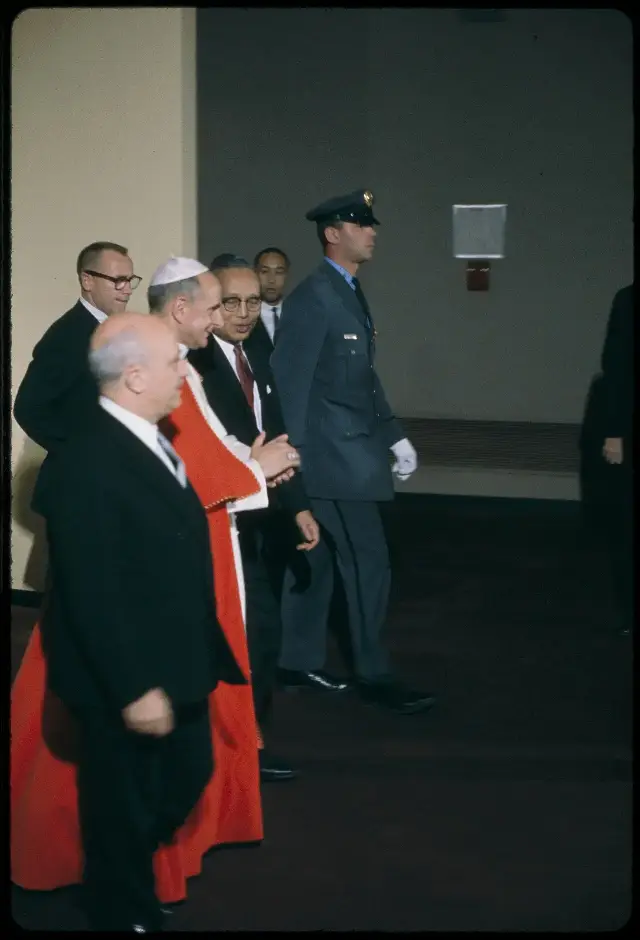
On October 4, 1965, Pope Paul VI spent one whirlwind 14-hour day in New York — the first reigning pope ever to set foot in the United States — to beg the world's leaders for peace.
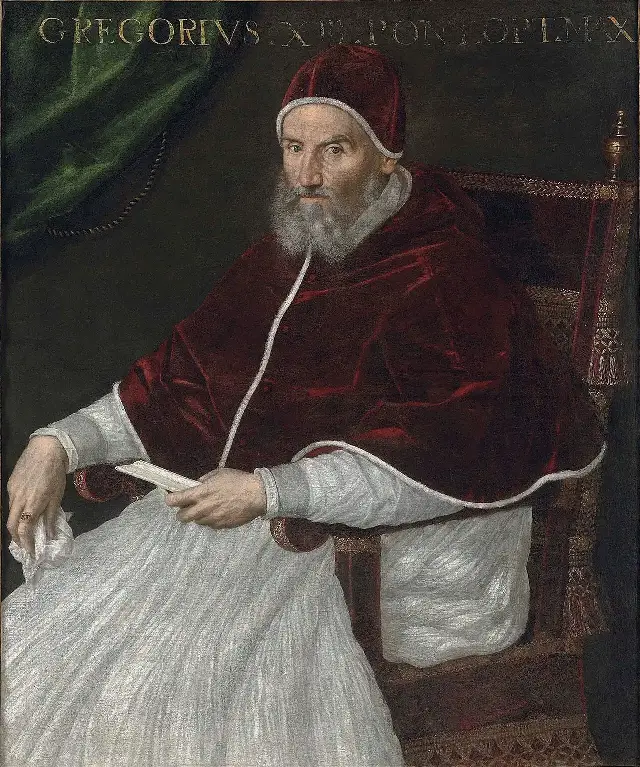
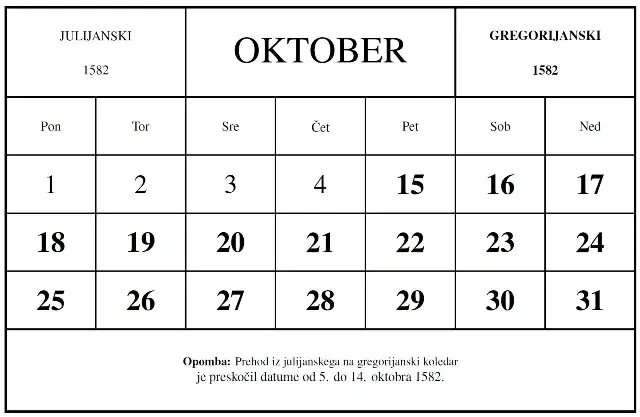
On October 4, 1582, the last day of the Julian calendar, Pope Gregory XIII's reform deleted ten days overnight — the next morning was Friday, October 15.
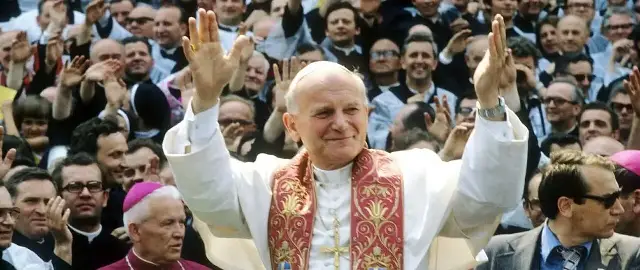
On June 2, 1979, Pope John Paul II began his first pilgrimage to his native Poland, the first papal visit ever to a communist country.
On February 24, 1582, Pope Gregory XIII signed the decree that deleted ten days from the calendar - the one the world still uses today.
On May 13, 1981, Pope John Paul II was shot in St. Peter's Square and survived; his public forgiveness of the gunman and devotion to Our Lady of Fátima defined the event's legacy.
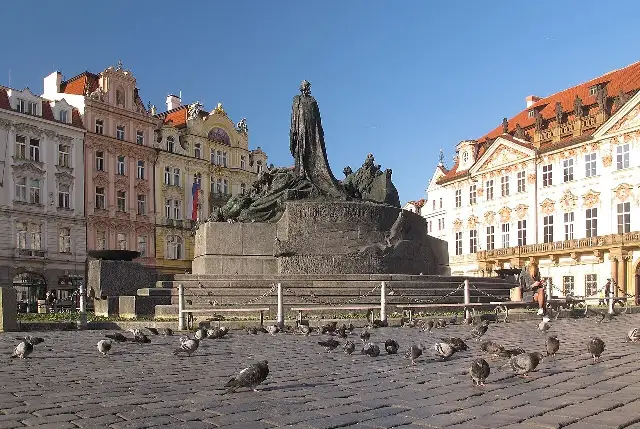
On July 6, 1415, a Czech preacher was burned at the stake for refusing to take back his words — and his ideas outlived the fire.