The Great Gatsby Hits the Shelves
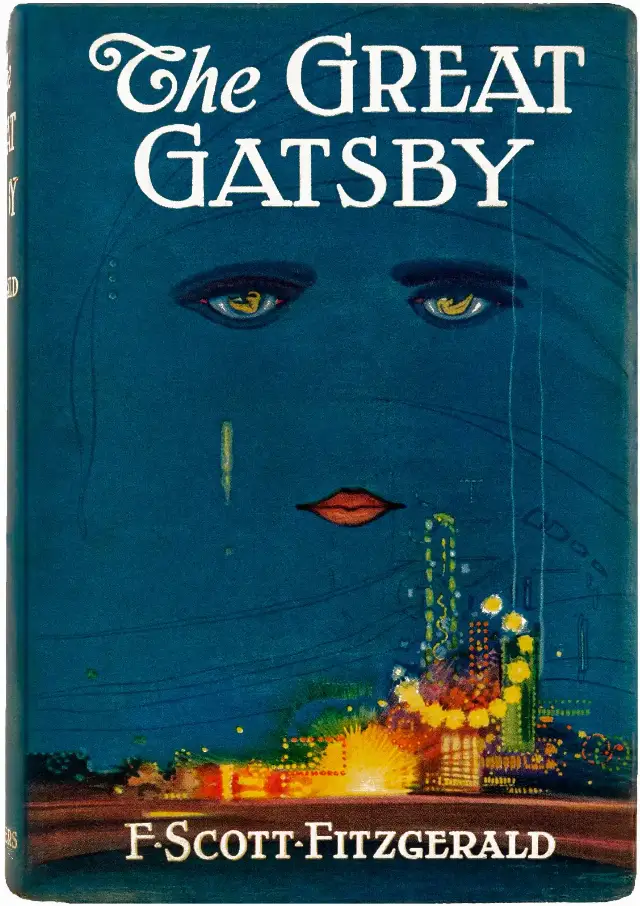
On April 10, 1925, Scribner's published F. Scott Fitzgerald's The Great Gatsby — a commercial flop that became America's most beloved novel.


On April 10, 1925, Scribner's published F. Scott Fitzgerald's The Great Gatsby — a commercial flop that became America's most beloved novel.
On August 27, 1955, the first Guinness Book of Records was published — born from a heated argument about the fastest game bird in Europe.
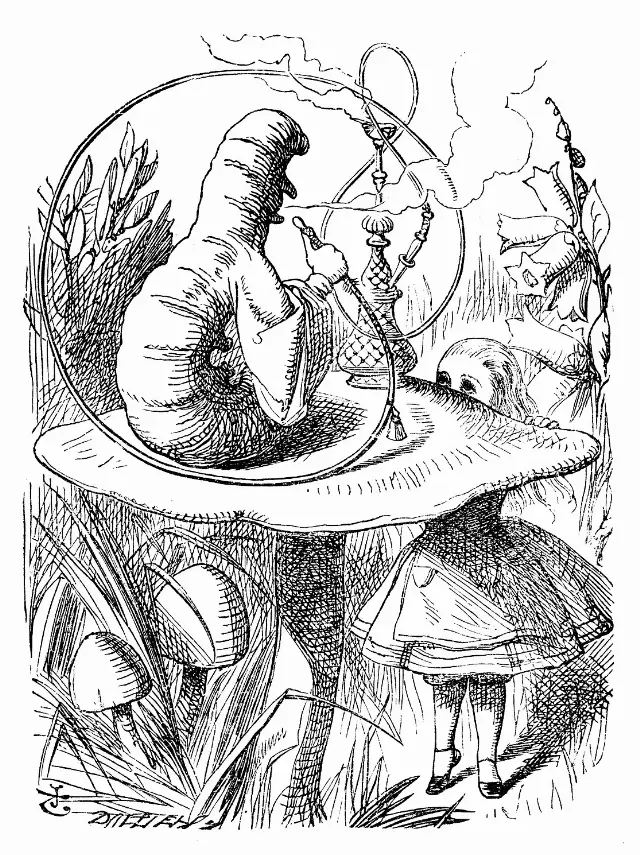
On November 26, 1865, Lewis Carroll's Alice's Adventures in Wonderland went on sale in London — after its own illustrator had the entire first printing scrapped.
On November 24, 1859, Charles Darwin's On the Origin of Species went on sale in London — 1,250 copies that sold out on the first day.
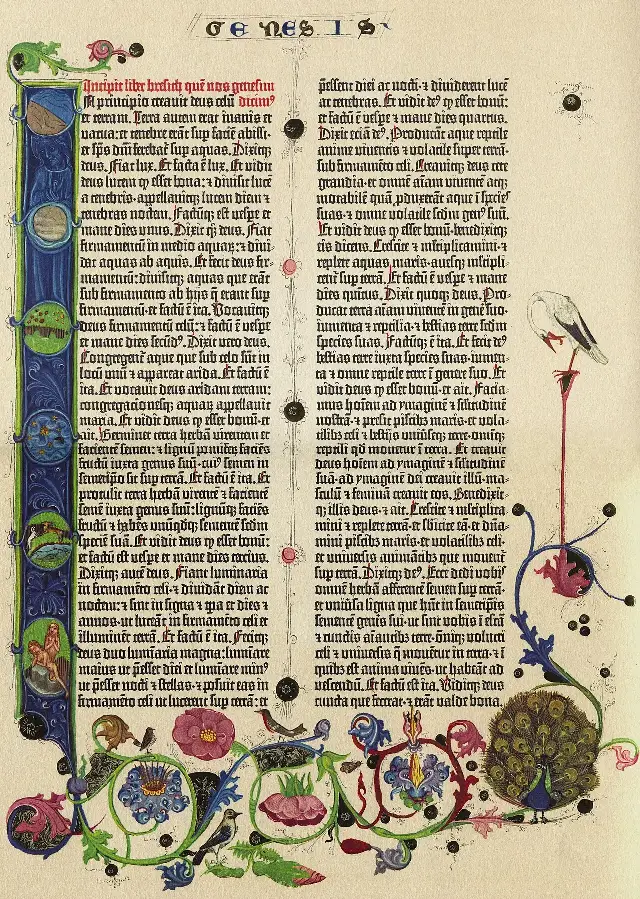
Johannes Gutenberg, who introduced movable-type printing to Europe, died in Mainz on February 3, 1468, after an invention that put books within reach of ordinary people for the first time.
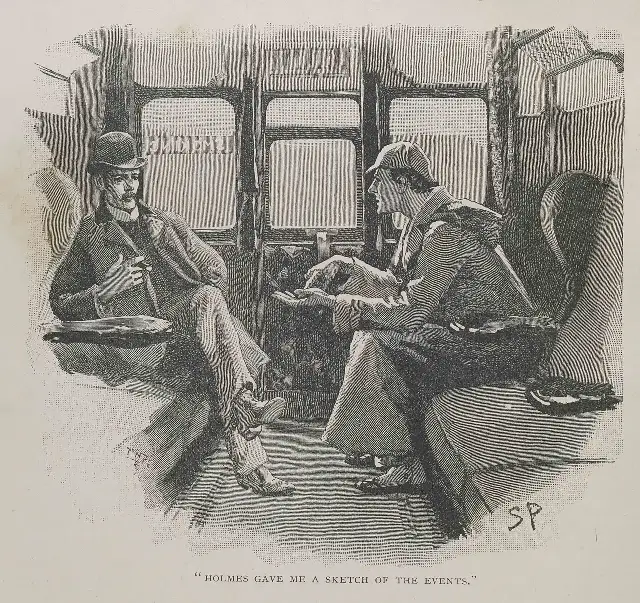
On October 14, 1892, twelve Strand Magazine stories were bound into the book that made Sherlock Holmes immortal.
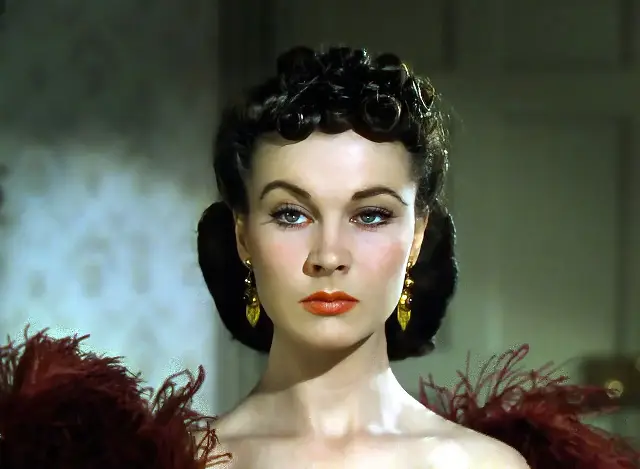
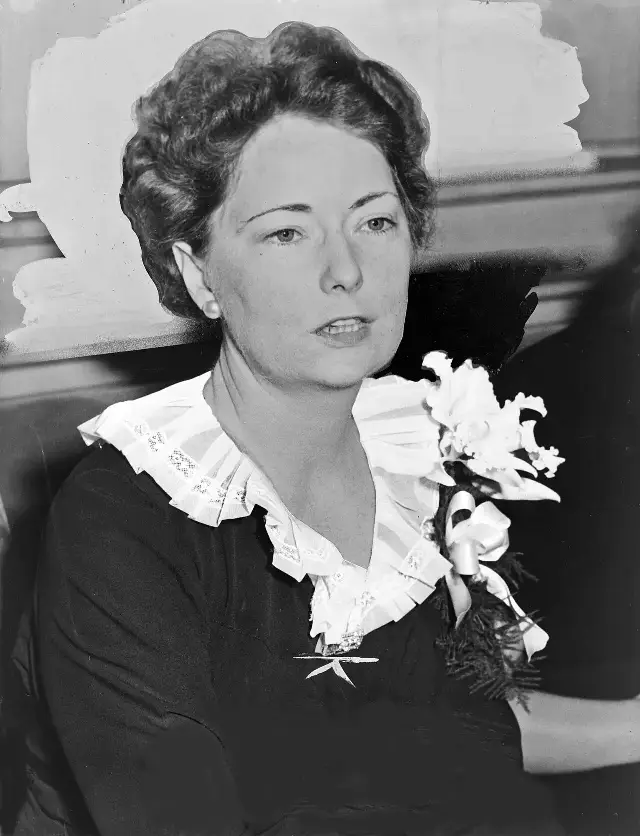
On June 30, 1936, Macmillan published an unknown Atlanta journalist's only novel — and 'Gone with the Wind' became an instant publishing phenomenon.
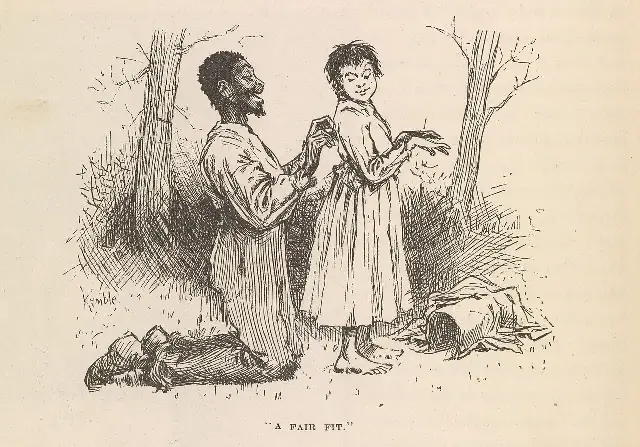
On February 18, 1885, Mark Twain's "Adventures of Huckleberry Finn" reached American bookstores — a plainspoken American voice and a searing portrait of slavery-era racism that reshaped literature.
On November 8, 1602, Thomas Bodley reopened Oxford's ruined university library with about 2,000 books — the rebirth of the Bodleian Library.
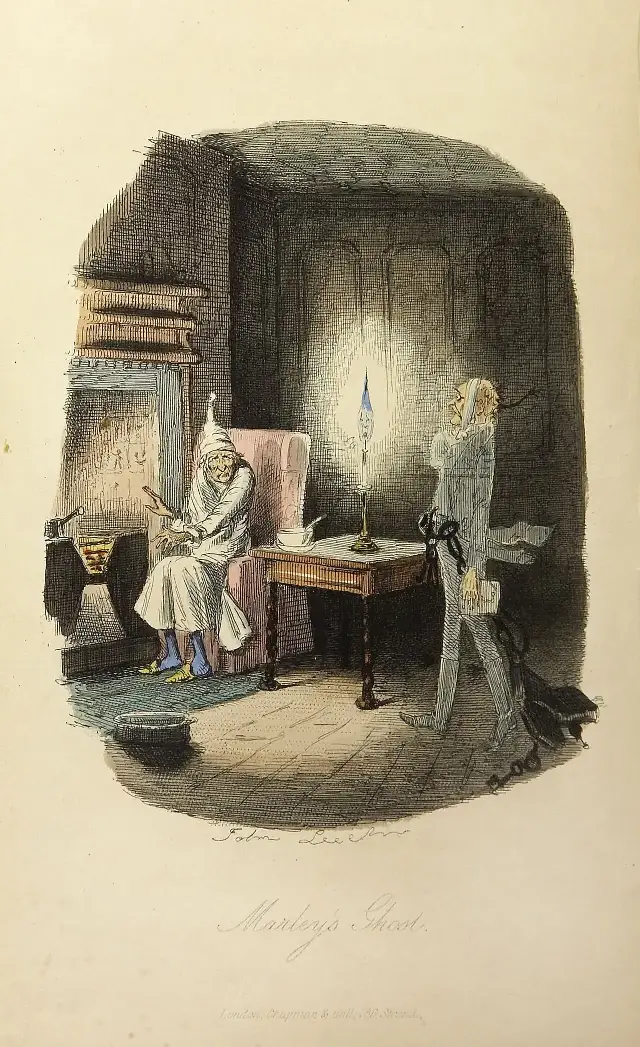
On December 19, 1843, Charles Dickens's A Christmas Carol went on sale in London — and all 6,000 copies sold out within days.
On April 20, 1841, Edgar Allan Poe published "The Murders in the Rue Morgue" in Graham's Magazine, introducing the world's first fictional detective, C. Auguste Dupin.
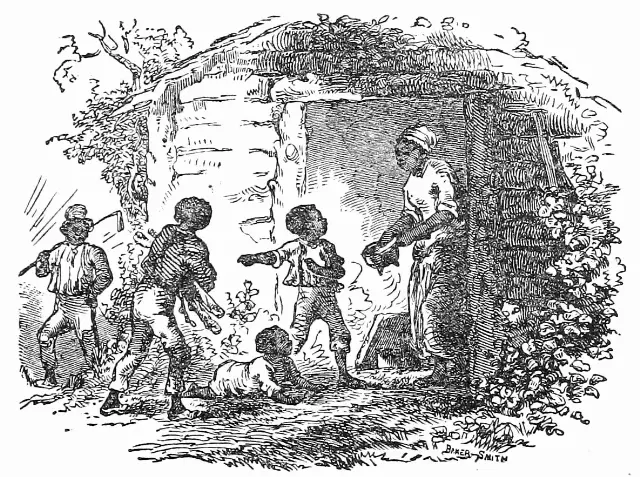
Published March 20, 1852, Harriet Beecher Stowe's anti-slavery novel Uncle Tom's Cabin sold 10,000 copies in its first week and helped push America toward civil war.
On July 14, 1946, pediatrician Benjamin Spock published a baby-care manual whose first line — "Trust yourself" — changed how a generation raised its children.
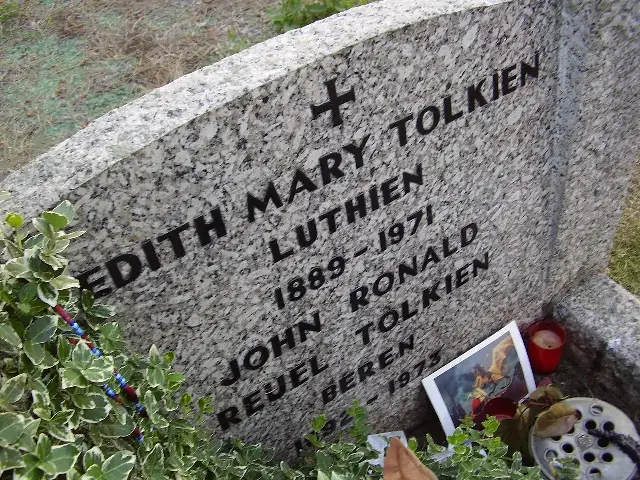
J.R.R. Tolkien died on September 2, 1973, the Oxford professor who invented Elvish languages and, to give them somewhere to be spoken, the world of Middle-earth.
On June 25, 1947, Contact Publishing in Amsterdam released Het Achterhuis — The Diary of Anne Frank — turning a murdered teenager's hidden notebooks into one of history's most-read books.
According to tradition, Johannes Gutenberg completed his great Bible on February 23, 1455, the first major Western book printed with movable type.
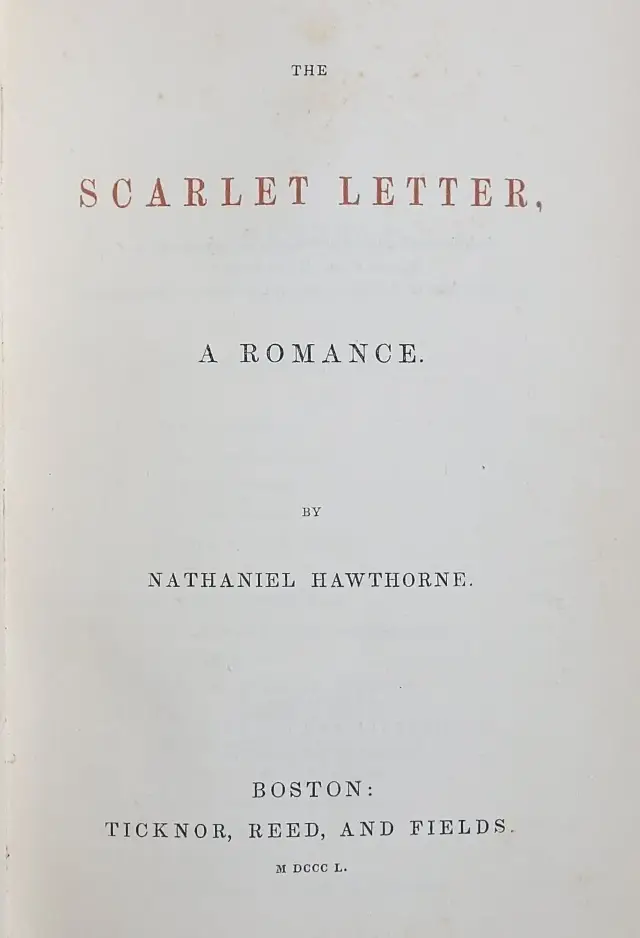
On March 16, 1850, Ticknor, Reed & Fields published Nathaniel Hawthorne's The Scarlet Letter, and the first printing of 2,500 copies sold out in ten days.
On May 26, 1897, Bram Stoker's Dracula reached London bookshops — a modest gothic novel that went on to define vampires for the next 125 years.
On June 8, 1949, George Orwell's dystopian novel 'Nineteen Eighty-Four' was published in London, giving the English language 'Big Brother,' 'doublethink,' and a lasting warning about unchecked power.
On May 3, 1937, Margaret Mitchell's Civil War epic Gone with the Wind won the Pulitzer Prize — the only novel she ever published.
On April 24, 1800, President John Adams approved $5,000 for books for Congress — the founding of what would become the Library of Congress.
On February 1, 1884, the first installment of the Oxford English Dictionary rolled off the press — 352 pages covering every word from "a" to "ant."
On September 21, 1937, an Oxford professor's bedtime story about a reluctant hobbit named Bilbo Baggins reached bookshops in a first printing of just 1,500 copies — and sold out within months.