The Backyard Experiment That Became the Drive-In
On June 6, 1933, Richard Hollingshead opened the world's first drive-in theater in Camden, New Jersey, after inventing it in his own backyard.
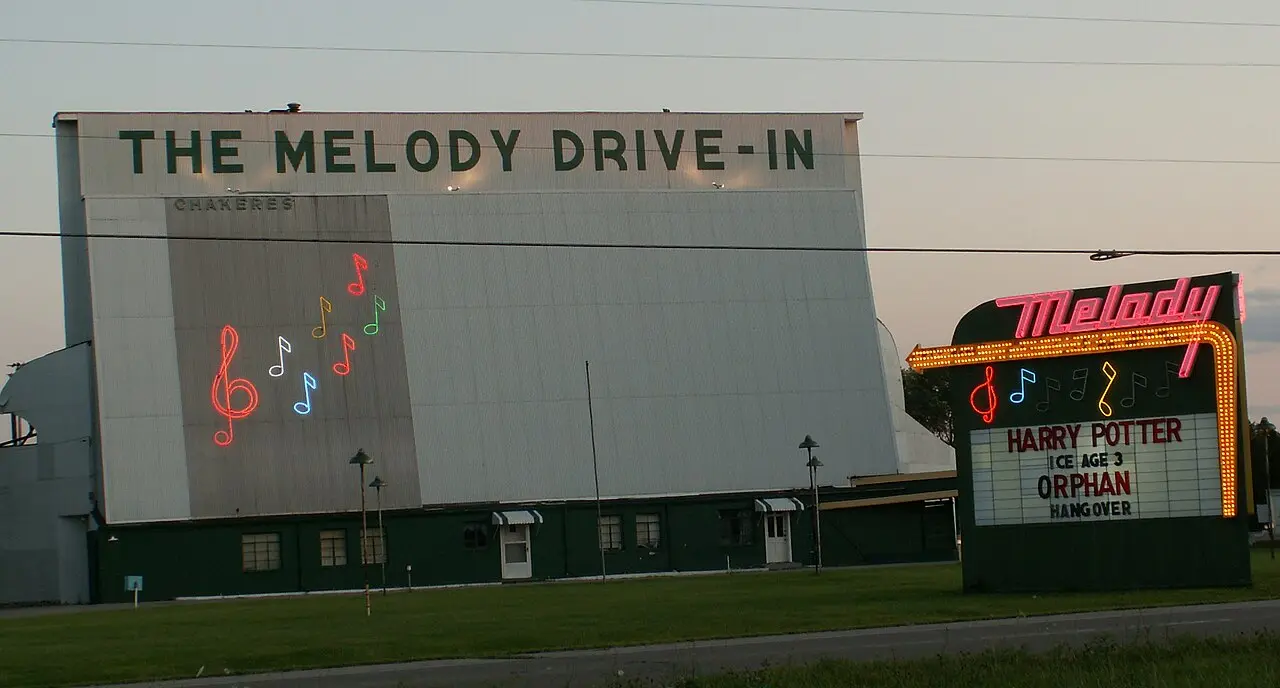
In the middle of the Great Depression, an auto-parts salesman from New Jersey looked at a problem — his mother found indoor movie theater seats uncomfortable — and invented an American icon in his own backyard.
Richard Milton Hollingshead Jr. worked as a sales manager at his father's auto products company in Camden, New Jersey. But at home, he was a tinkerer. He mounted a 1928 Kodak projector on the hood of his car, nailed a screen to the trees in his yard, and parked cars at different heights on ramps to test sightlines. He fiddled with speaker placement and parking angles until the whole thing worked. In May 1933, he applied for a patent on his invention.
On June 6, 1933, he opened it to the public: the Automobile Movie Theater — the world's first drive-in — on Crescent Boulevard in Pennsauken Township, just over the Camden city line. It could hold 400 cars facing a screen 40 feet tall and 50 feet wide, with giant RCA speakers booming from beneath the screen. Admission was 25 cents per car, plus 25 cents per person — and no carload paid more than a dollar. The first feature was Wives Beware, a British comedy. Newspaper ads invited customers to "sit in your car and enjoy talkies," calling each parking space "a private theater box." Hollingshead promised that "the whole family is welcome, regardless of how noisy the children are."
It was a hit — though a noisy one. Cars in front got blasted by the huge speakers while the back rows could barely hear, and neighbors sometimes heard the show from miles away. Hollingshead's own theater closed after just three years, worn down by a fight with Paramount Pictures. But the idea refused to die. A second drive-in opened in Pennsylvania in 1934, in-car speakers arrived in 1941, and after World War II the drive-in exploded: by 1958 there were 4,063 drive-ins across America, drawing up to 40 percent of all theater revenue. Hollingshead's patent was overturned in 1949, and by then nobody needed it anyway — the drive-in belonged to the country.
Why does a 1933 backyard experiment matter? Because the drive-in was one of the first entertainments designed around the automobile — and around families, babies, smokers, and everyone else who didn't fit the indoor-theater mold. It turned the car into a living room and the night sky into a ceiling. The next time you watch a movie under the stars from a lawn chair or a truck bed, you're living inside Richard Hollingshead's June evening.
Photo: Cindy Funk, CC BY 2.0 (via Wikimedia Commons).