'Battle Born': Nevada Becomes a State by Telegram
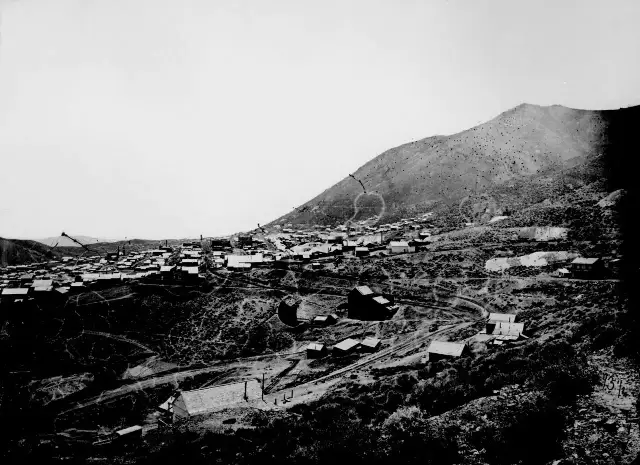
On October 31, 1864 — eight days before a presidential election — Abraham Lincoln proclaimed Nevada the 36th state after its constitution arrived by telegraph.


On October 31, 1864 — eight days before a presidential election — Abraham Lincoln proclaimed Nevada the 36th state after its constitution arrived by telegraph.
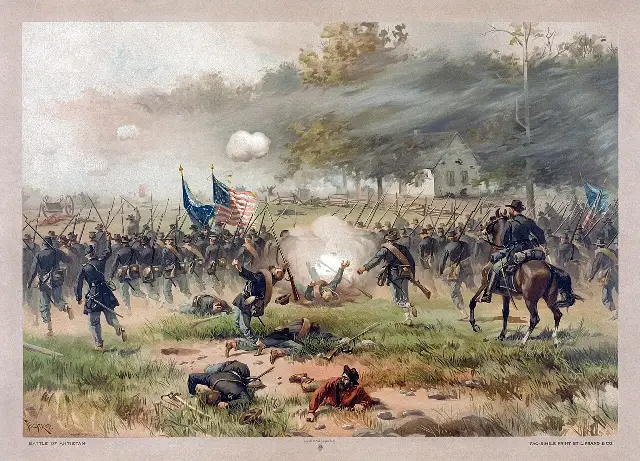
On September 17, 1862, Union and Confederate armies met near Sharpsburg, Maryland, in the bloodiest single day in American military history — giving Lincoln the opening he needed to free the slaves.
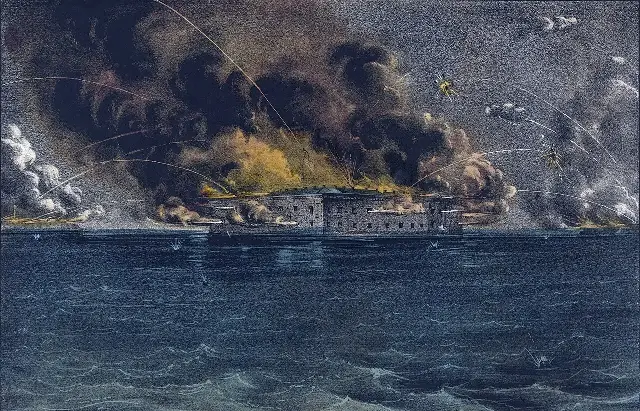
At 4:30 a.m. on April 12, 1861, Confederate batteries opened fire on Fort Sumter, beginning the American Civil War.
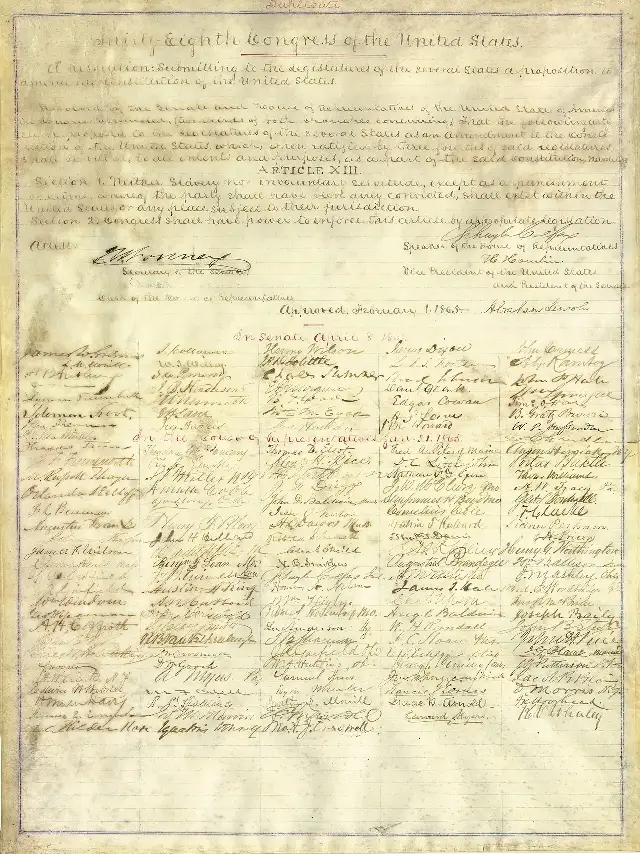
On January 31, 1865, the U.S. House of Representatives passed the Thirteenth Amendment 119–56, writing the end of slavery into the Constitution.
On July 12, 1862, Abraham Lincoln signed the bill creating the Army Medal of Honor — America's highest award for battlefield valor.
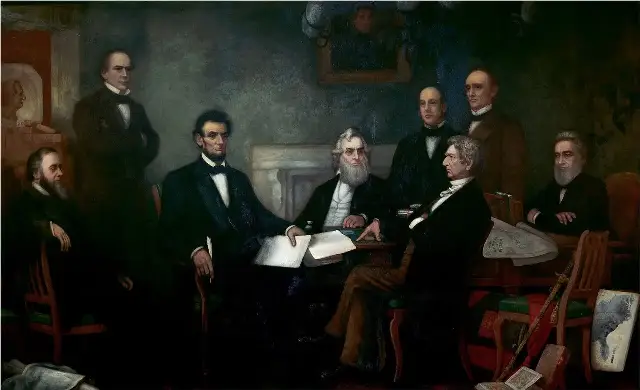
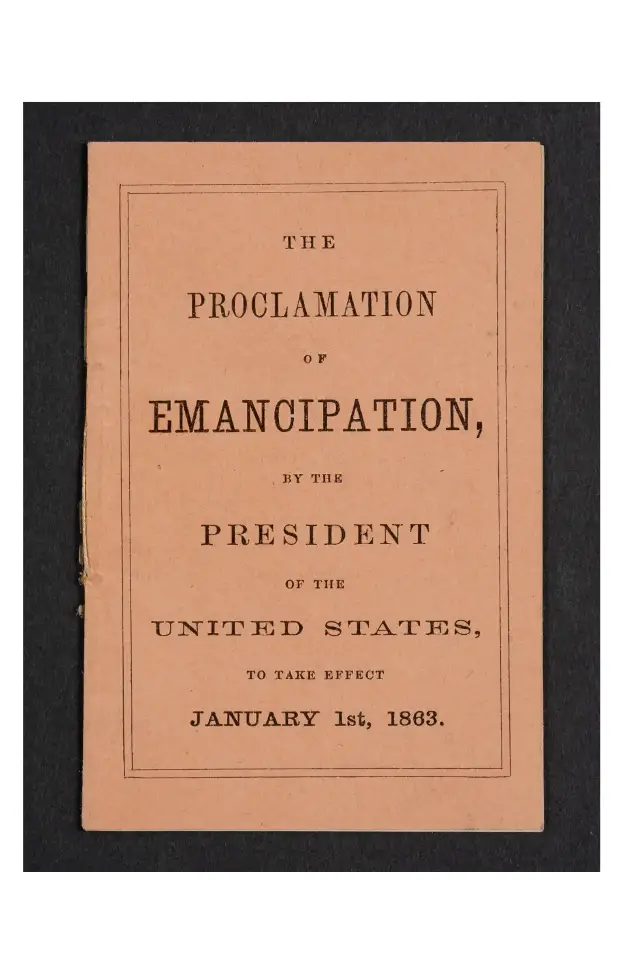
On January 1, 1863, Abraham Lincoln's Emancipation Proclamation went into effect, declaring that all enslaved people in the rebelling states "shall be then, thenceforward, and forever free."
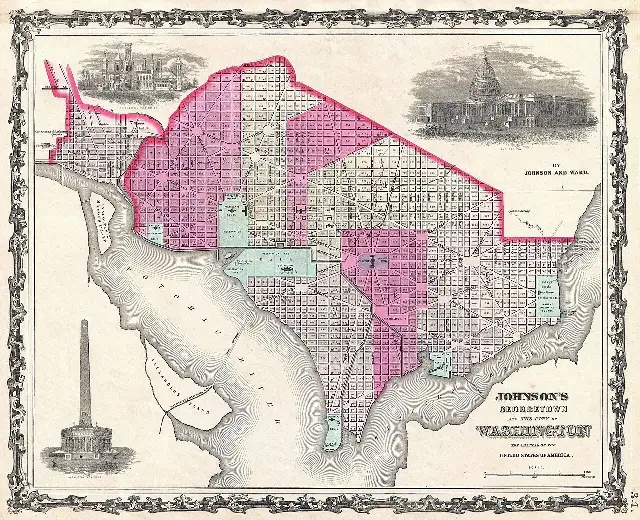
On April 16, 1862 — nine months before the Emancipation Proclamation — Lincoln signed the act that freed some 3,100 enslaved people in Washington, D.C.
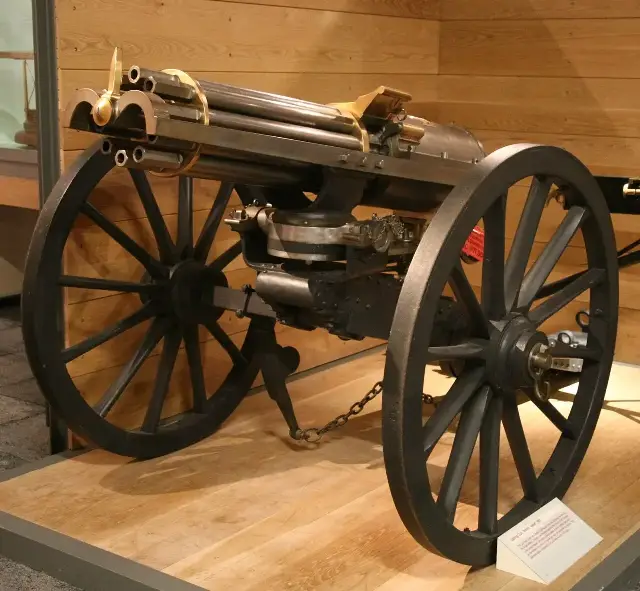
On November 4, 1862, Richard Gatling received U.S. Patent No. 36,836 for his hand-cranked 'revolving battery gun' — the ancestor of the modern machine gun.
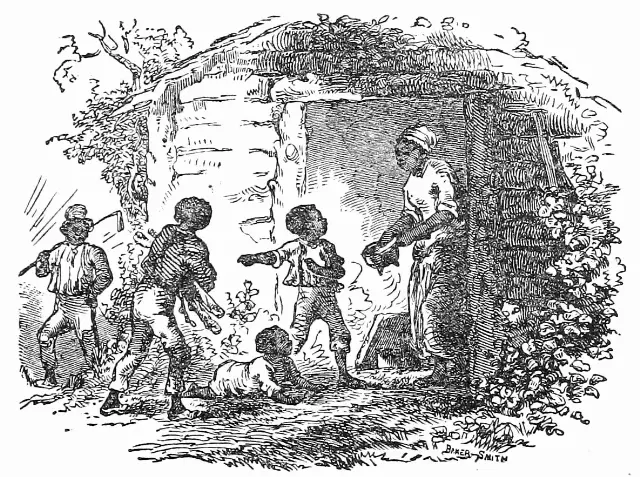
Published March 20, 1852, Harriet Beecher Stowe's anti-slavery novel Uncle Tom's Cabin sold 10,000 copies in its first week and helped push America toward civil war.
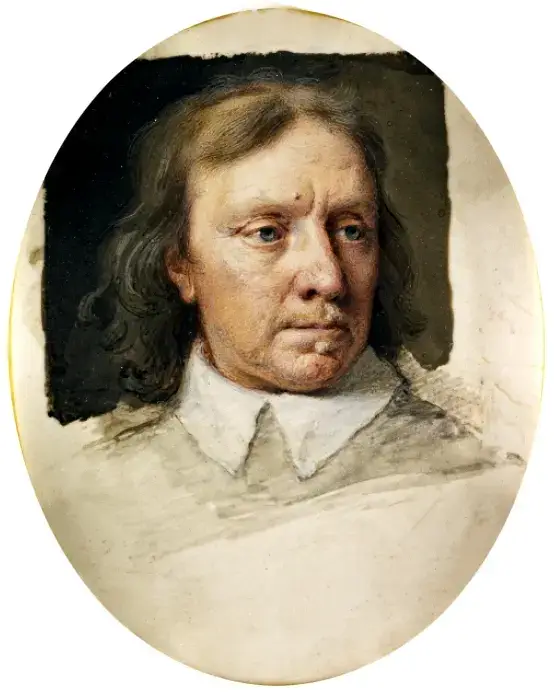
On March 19, 1649, England's House of Commons voted to abolish the House of Lords, declaring it 'useless and dangerous' — seven weeks after executing King Charles I.
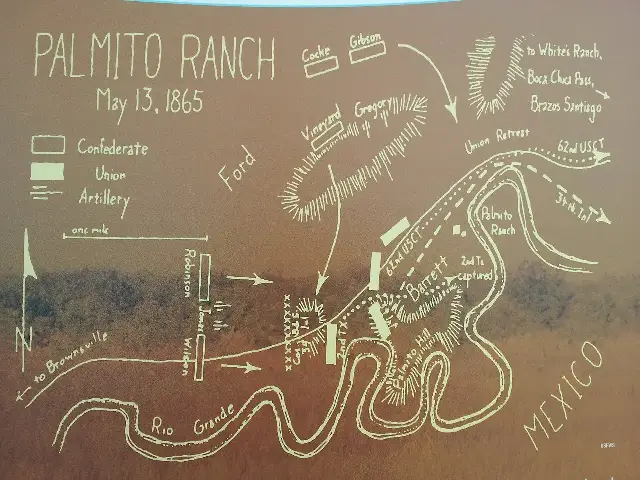
On May 13, 1865, Union and Confederate troops fought the last land battle of the Civil War in Texas — more than a month after Lee surrendered.
On June 16, 1858, Abraham Lincoln accepted the Illinois Senate nomination with a speech so bold it launched the famous debates that made him a national figure.
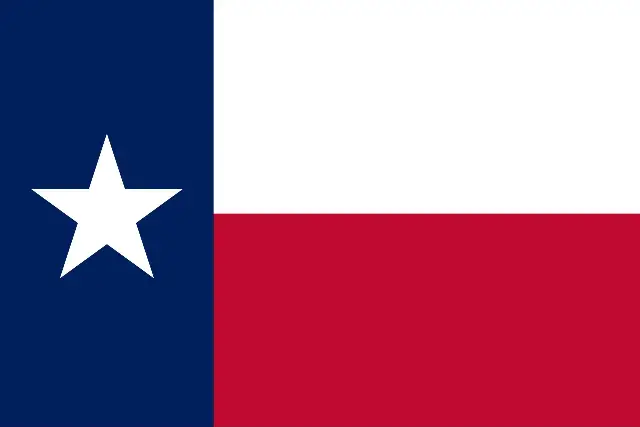
On March 30, 1870, President Ulysses S. Grant signed the act readmitting Texas to the Union, ending five years of Reconstruction rule.
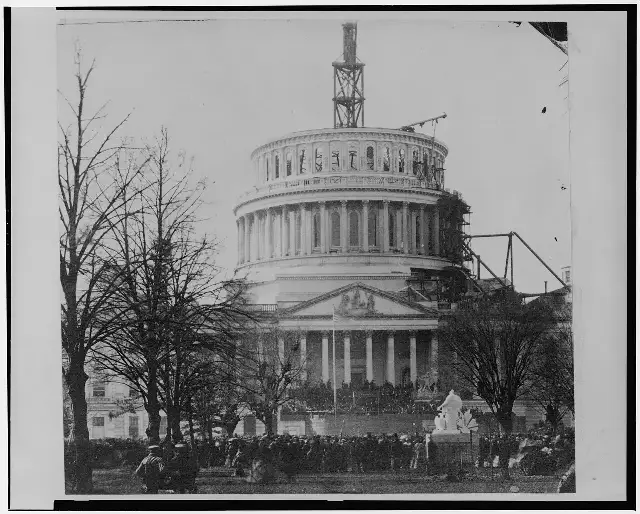
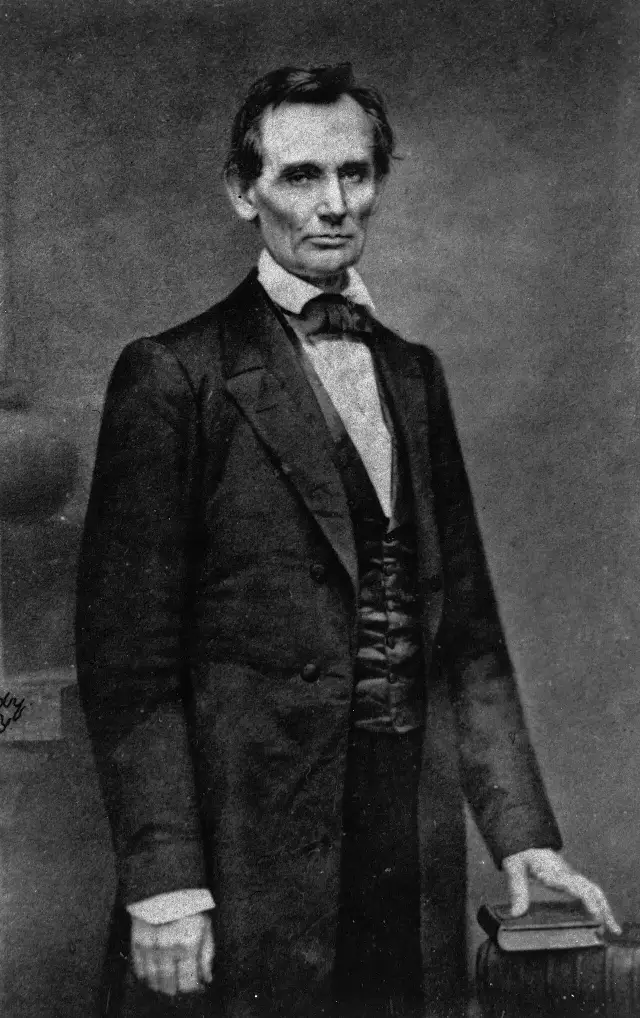
On March 4, 1861, Abraham Lincoln was sworn in as the 16th president at the unfinished U.S. Capitol, pleading for the Union weeks before the Civil War began.
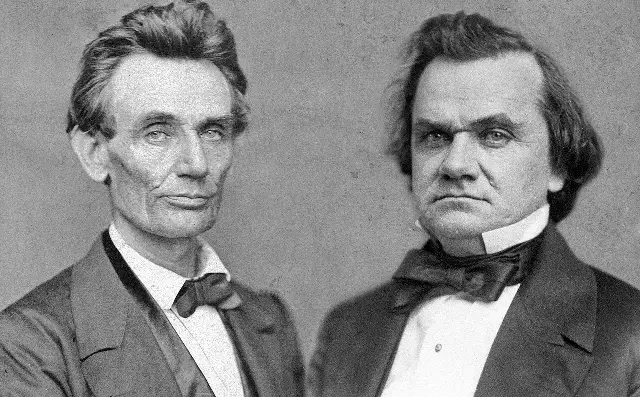
On August 21, 1858, Abraham Lincoln and Stephen Douglas faced off in Ottawa, Illinois, in the first of seven debates that made Lincoln a national figure.
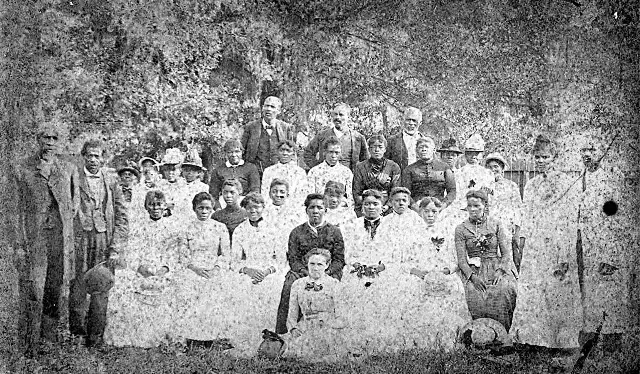
On June 19, 1865, Union troops issued General Order No. 3 in Galveston, Texas, finally enforcing emancipation there — the event now celebrated as Juneteenth.
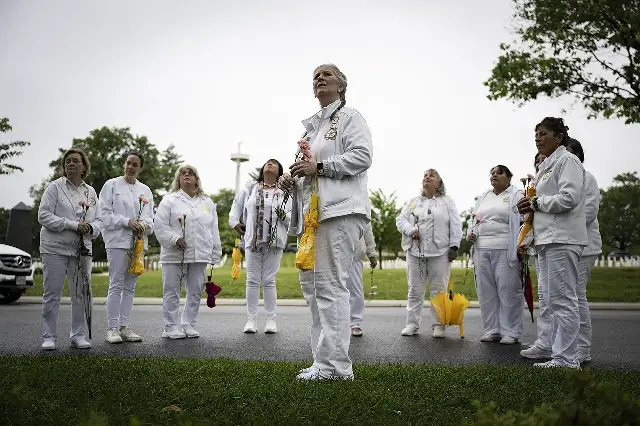
On May 30, 1868, Americans gathered at Arlington for the first national Decoration Day, strewing flowers on Civil War graves — the birth of Memorial Day.
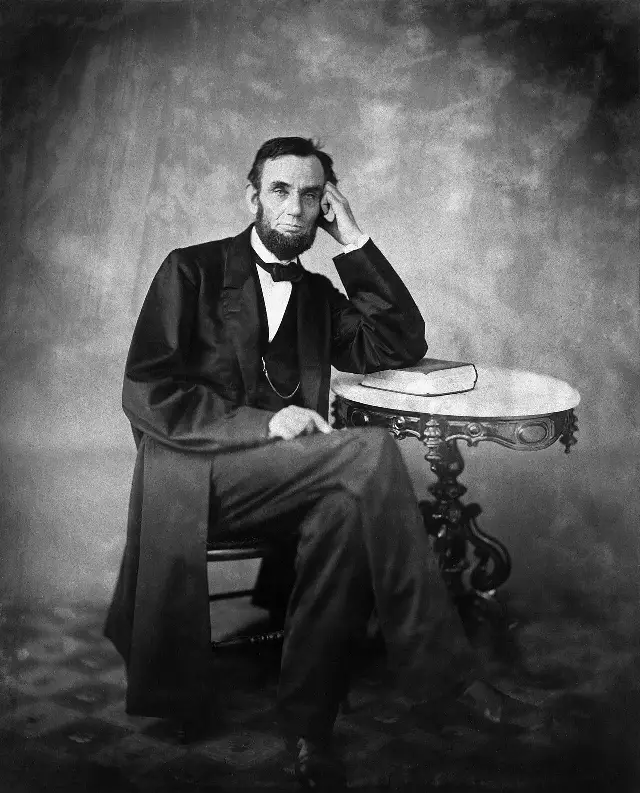
On April 14, 1865 — five days after Lee's surrender — actor John Wilkes Booth shot President Abraham Lincoln at Ford's Theatre, making Lincoln the first U.S. president assassinated.
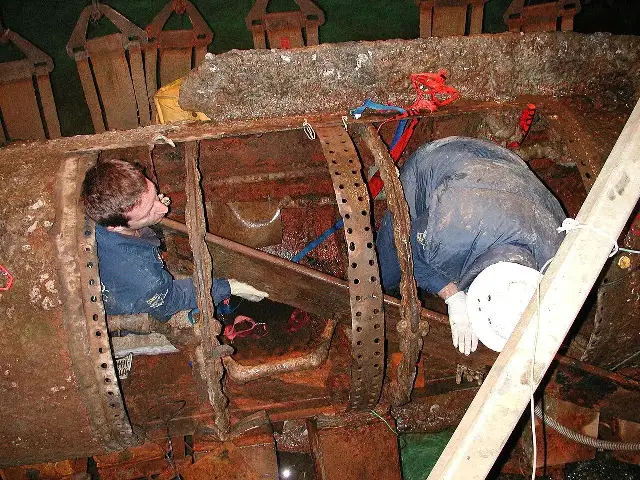
On February 17, 1864, the Confederate submarine H.L. Hunley sank the USS Housatonic off Charleston — the first time in history a submarine destroyed a warship in combat.
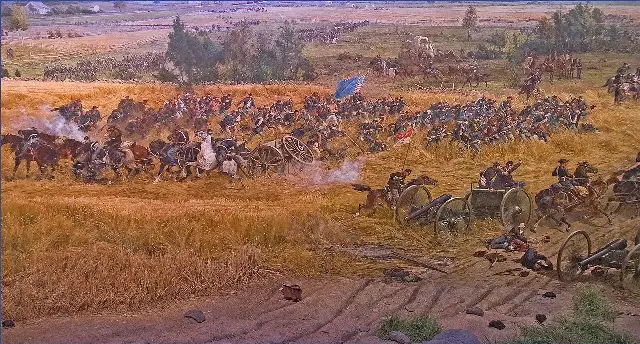
On July 3, 1863, some 12,500 Confederates marched across open ground at Gettysburg in Pickett's Charge — and the tide of the Civil War turned.
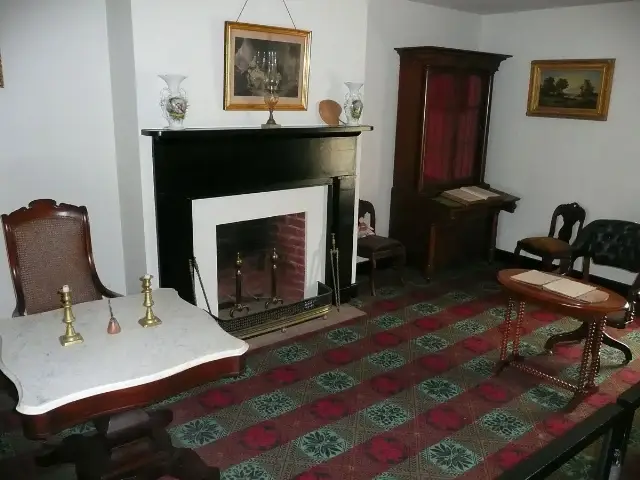
On April 9, 1865, Robert E. Lee surrendered the Army of Northern Virginia to Ulysses S. Grant in a farmhouse parlor, effectively ending the Civil War.
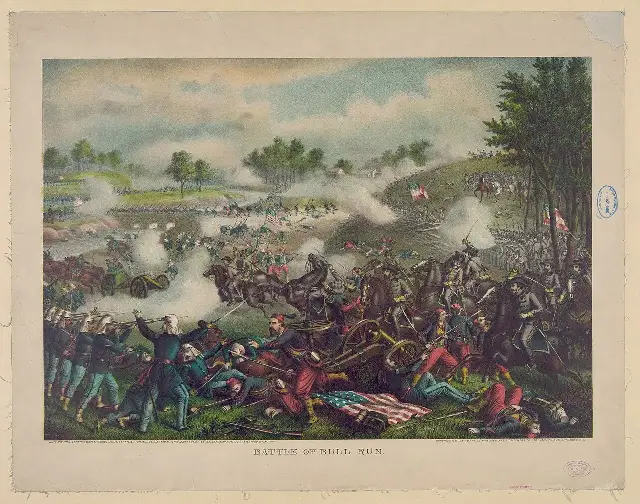
On July 21, 1861, hundreds of civilians came out to watch the Civil War's first major battle near Manassas, Virginia — and ended up fleeing for their lives as the Union army broke.
On September 22, 1862, Abraham Lincoln issued the Preliminary Emancipation Proclamation: enslaved people in rebellious states would be "then, thenceforward, and forever free" on January 1, 1863.