David Against Goliath in the Snow: The Winter War Begins
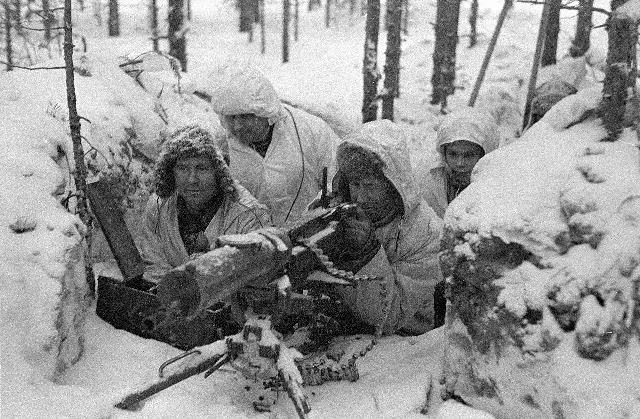
On November 30, 1939, the Soviet Union invaded Finland — and the tiny Nordic nation turned its frozen forests into a graveyard for one of the world's largest armies.


On November 30, 1939, the Soviet Union invaded Finland — and the tiny Nordic nation turned its frozen forests into a graveyard for one of the world's largest armies.
On August 25, 1939, The Wizard of Oz opened in theaters across America, ten days after its Hollywood premiere — and a Kansas farm girl stepped into immortality.
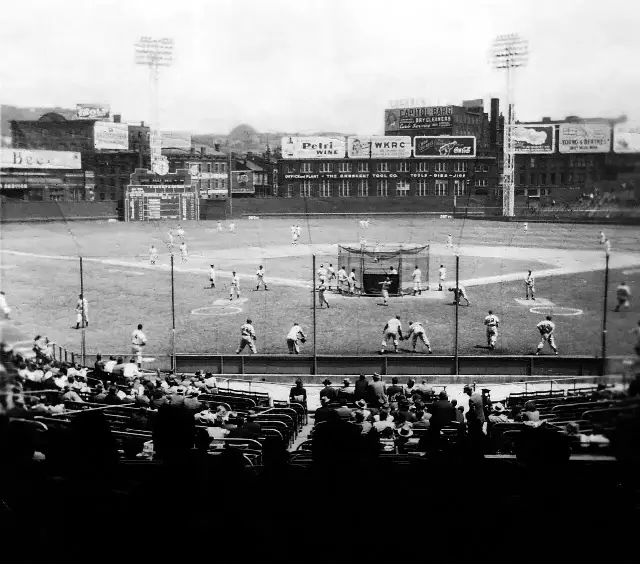
On May 24, 1935, the Cincinnati Reds beat the Philadelphia Phillies 2-1 at Crosley Field in the first major league night game, with President Roosevelt switching on the lights from the White House.
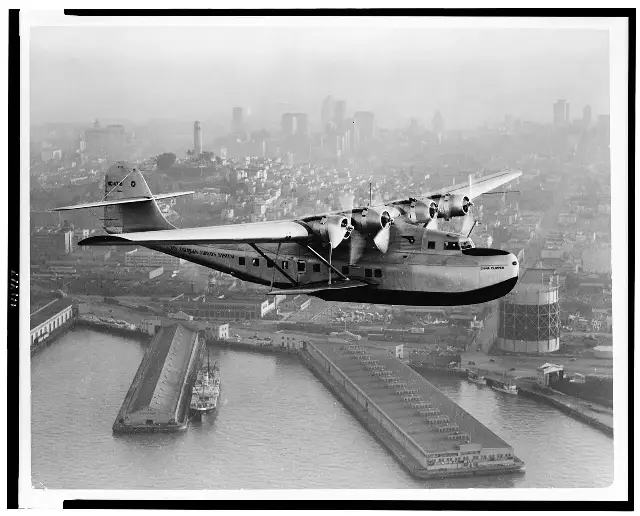
On November 22, 1935, Pan Am's flying boat China Clipper left Alameda, California, with the first transpacific airmail — an eight-day island-hopping journey to Manila.
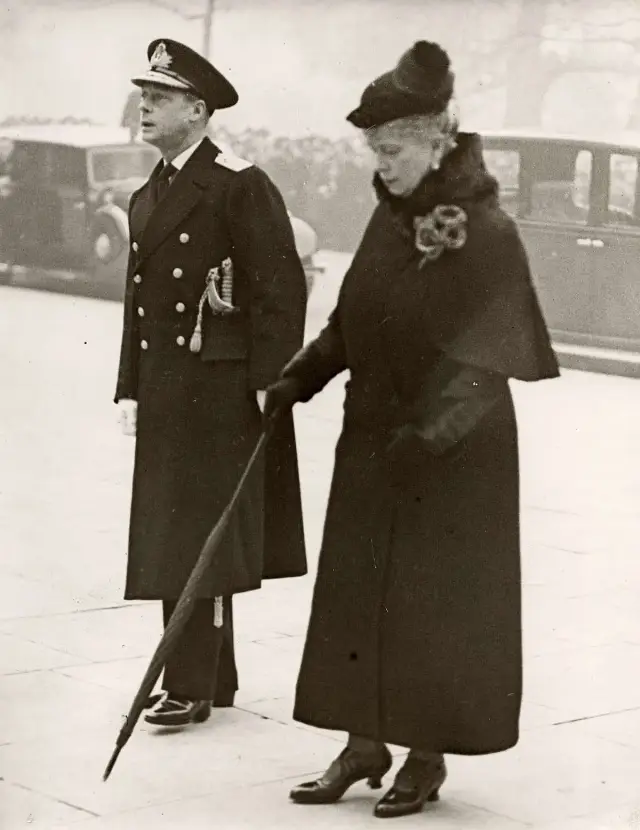
On January 20, 1936, the dashing Prince of Wales became Edward VIII — and abdicated less than a year later for the woman he loved.
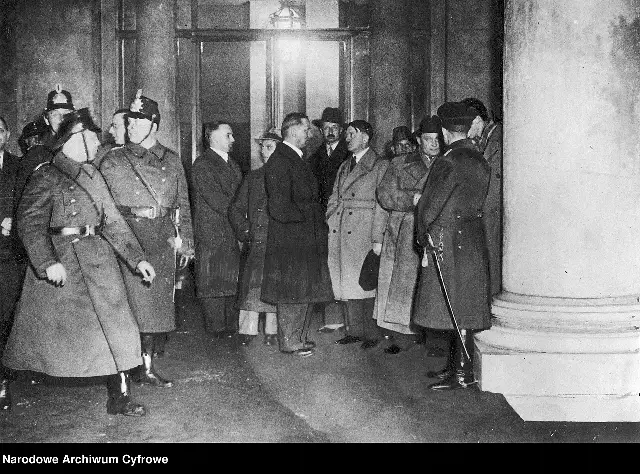
On February 27, 1933, arson gutted Germany's parliament building, and the Nazis used the Reichstag fire as the pretext to suspend civil liberties and cement their power.
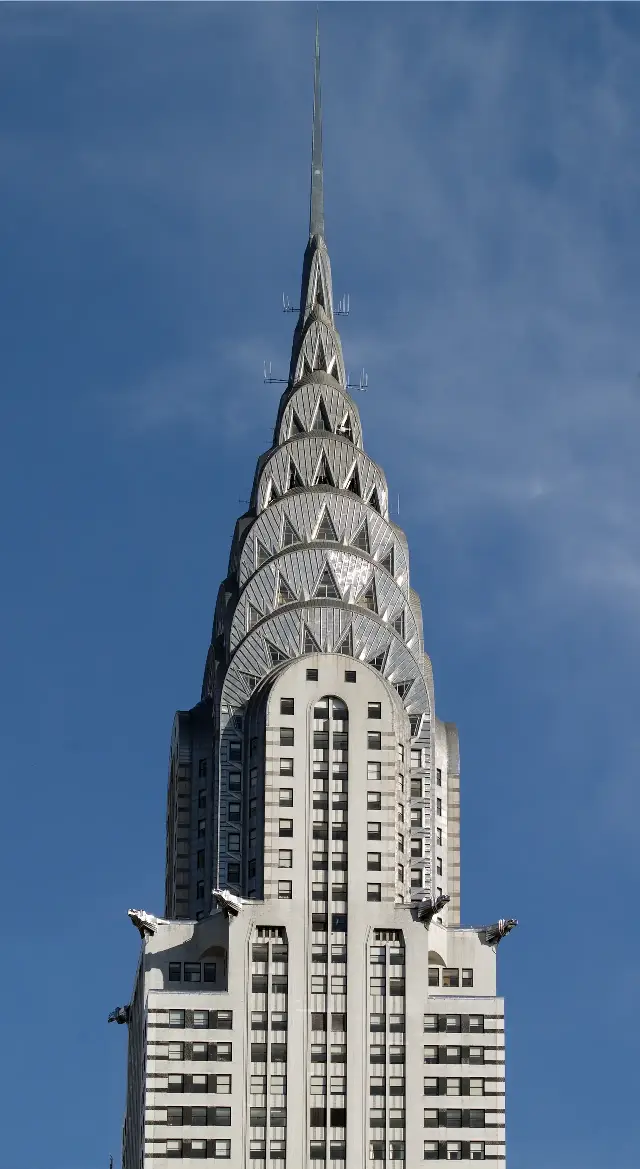
On May 27, 1930, the Chrysler Building opened to the public at 1,046 feet, winning New York's race to the sky with a secret spire hoisted in 90 minutes.
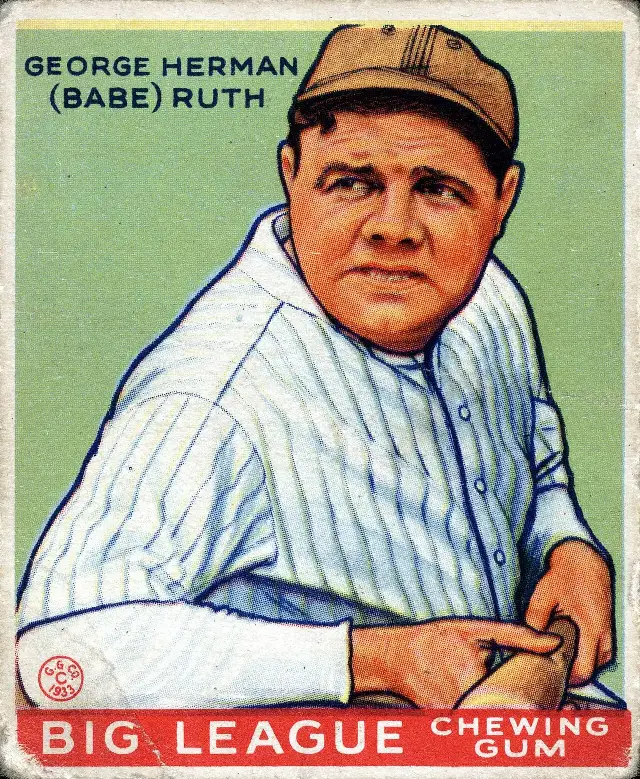
On May 25, 1935, a fading 40-year-old Babe Ruth hit three home runs at Forbes Field — including No. 714, the first ball ever to clear the park's right-field roof.
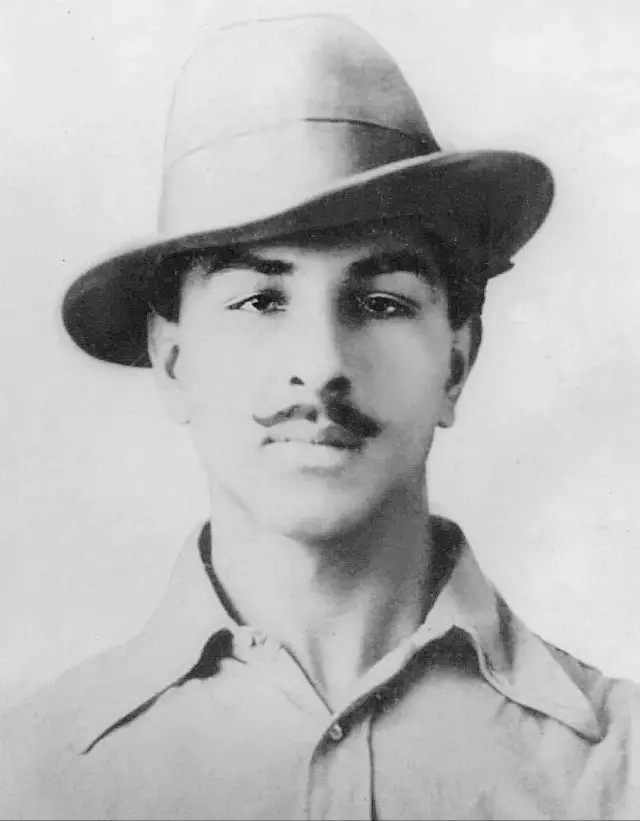
On March 23, 1931, Britain hanged 23-year-old Bhagat Singh in Lahore — and accidentally created modern India's most beloved martyr.
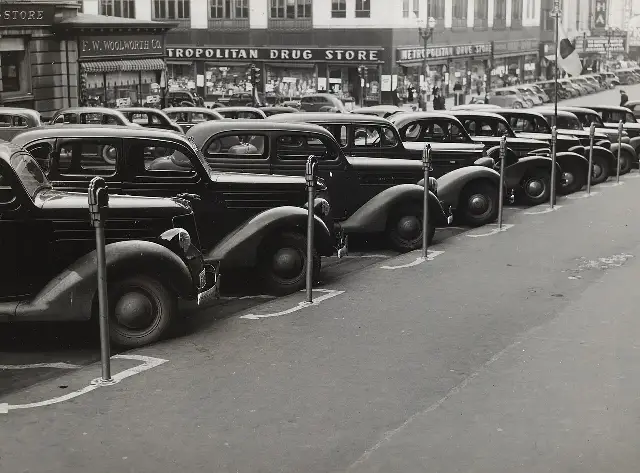
On July 16, 1935, the world's first parking meter was installed in Oklahoma City — the brainchild of a newspaperman who had once helped expose the Teapot Dome scandal.
On November 5, 1935, Parker Brothers began marketing Monopoly, turning a Depression-era parlor game about Atlantic City real estate into the best-selling board game of all time.
On November 11, 1938, radio star Kate Smith introduced Irving Berlin's 'God Bless America' on her CBS show, and the nation adopted it overnight.
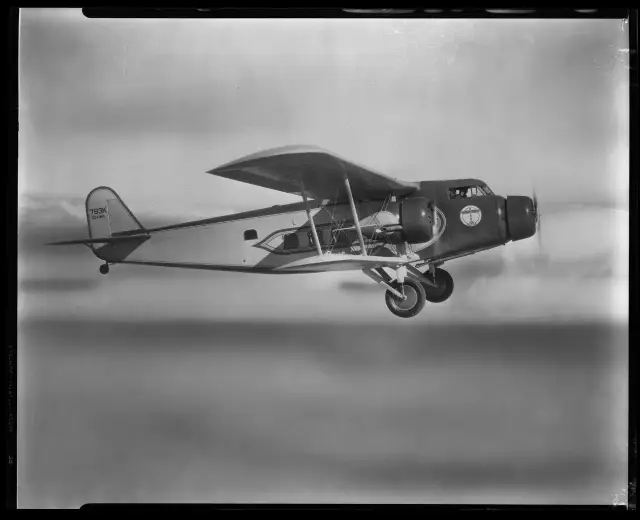
On May 15, 1930, nurse and pilot Ellen Church flew the first stewardess trip, inventing the flight-attendant profession on a 13-stop mail plane.
On May 2, 1933, the Inverness Courier printed a hotel manager's 'monster' sighting — and the Loch Ness legend went global.
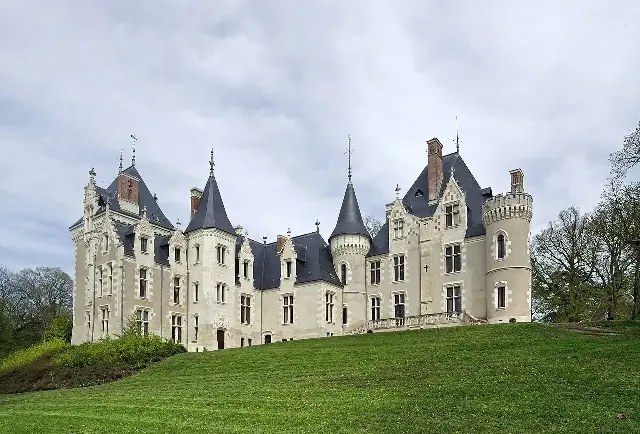
On June 3, 1937, the former King Edward VIII married Wallis Simpson in a French chateau, with none of his royal family present.
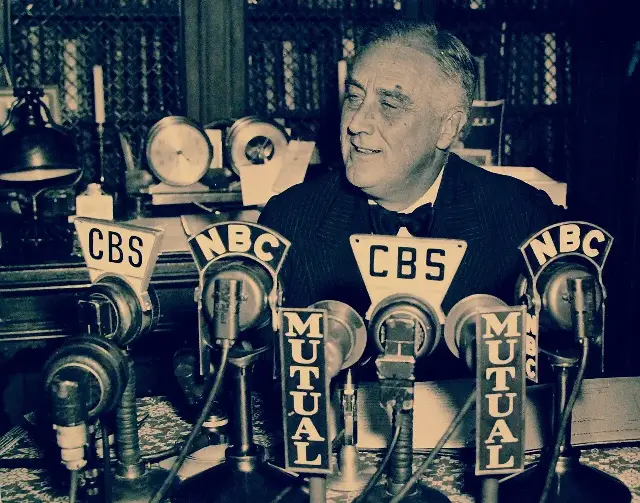
On the evening of March 12, 1933, Franklin D. Roosevelt went on the radio to explain the banking crisis in plain words — and invented a new kind of presidential leadership.
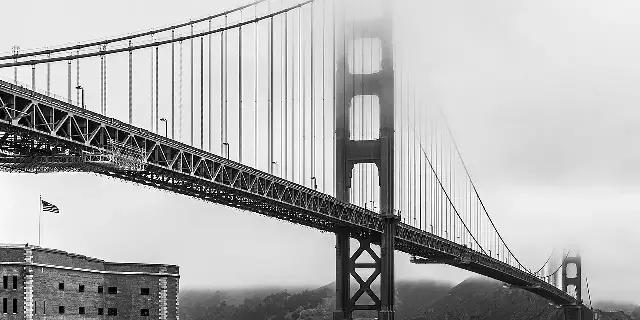
On January 5, 1933, with America deep in the Great Depression, workers broke ground on the Golden Gate Bridge — a single 4,200-foot leap across a strait engineers had called unspannable.
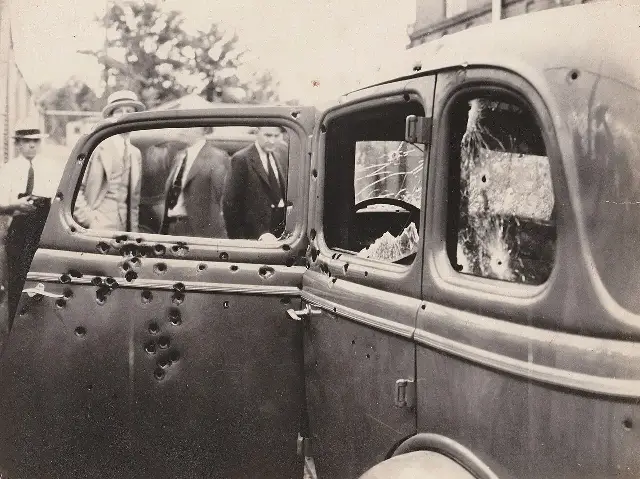
On May 23, 1934, a six-man posse led by Texas Ranger Frank Hamer ambushed and killed outlaws Bonnie Parker and Clyde Barrow on a Louisiana road.
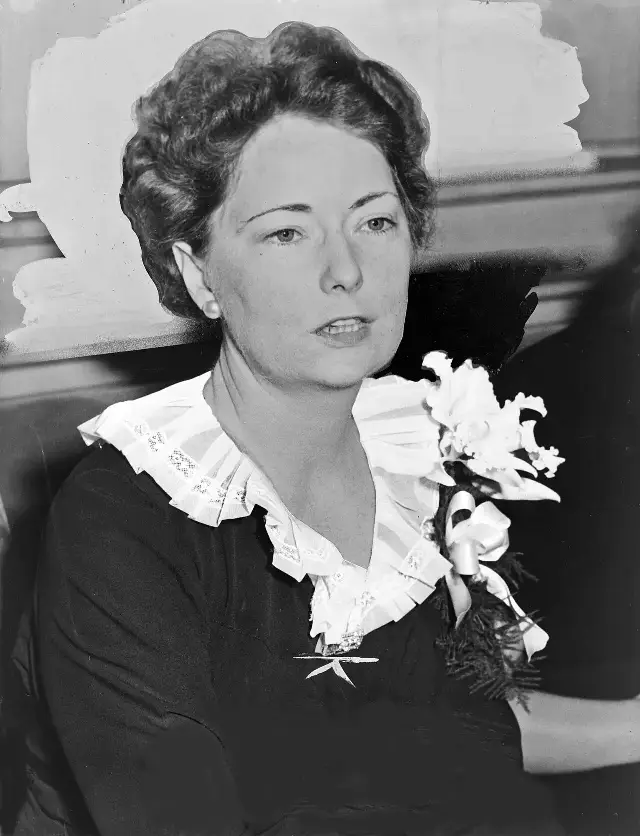
On May 3, 1937, Margaret Mitchell's Civil War epic Gone with the Wind won the Pulitzer Prize — the only novel she ever published.
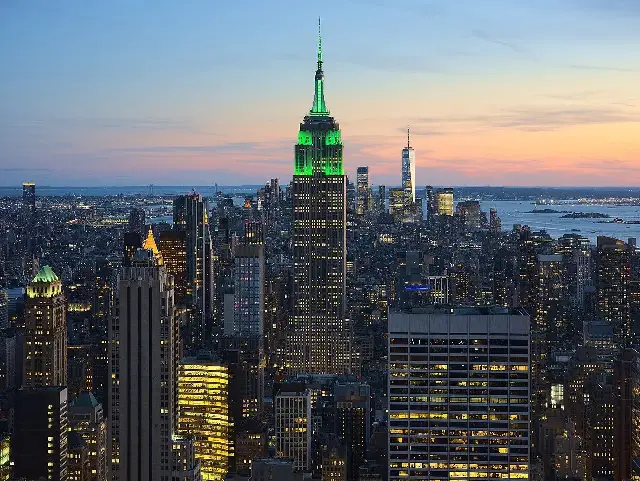
On May 1, 1931, the Empire State Building officially opened as the world's tallest building, lighting up Depression-era New York.
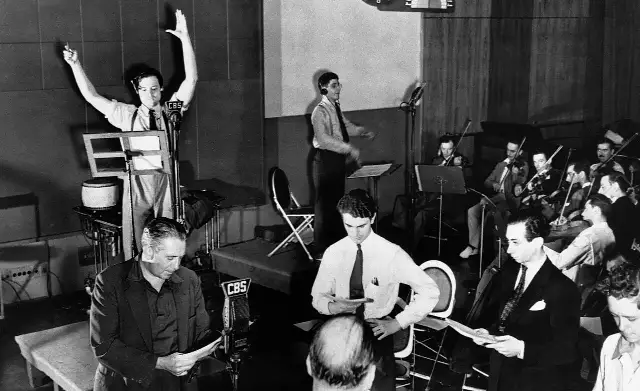
On October 30, 1938, Orson Welles's Halloween-eve radio play convinced thousands of listeners that a Martian invasion had really begun.
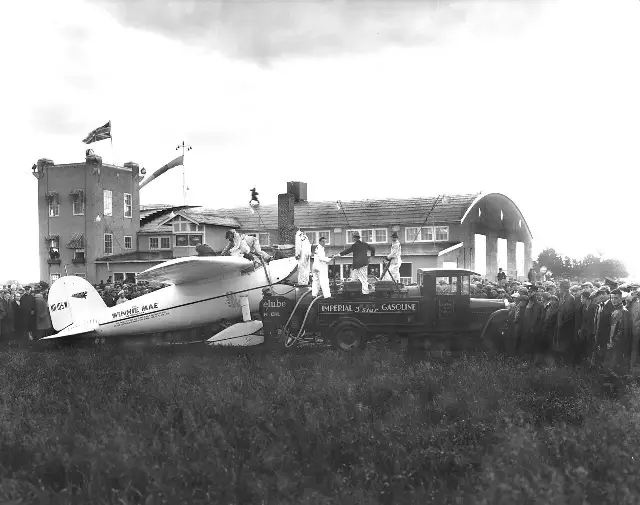
On July 22, 1933, one-eyed aviator Wiley Post landed his Lockheed Vega, the Winnie Mae, in New York — completing the first solo flight around the world in 7 days, 18 hours, 49 minutes.