The Night John Brown Tried to Start a Slave Rebellion
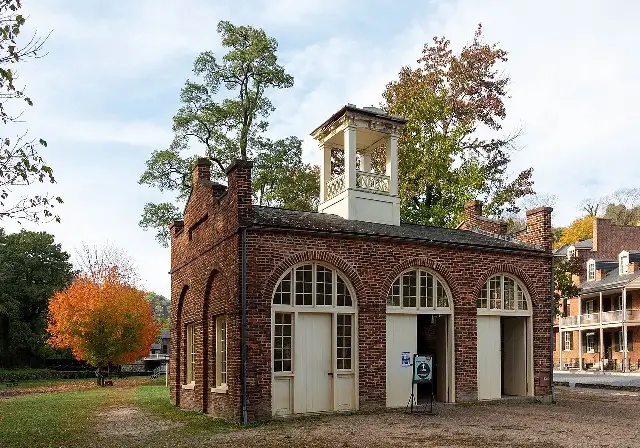
On the night of October 16, 1859, abolitionist John Brown seized the federal arsenal at Harpers Ferry, hoping to ignite a slave uprising — and set America on the road to civil war.


On the night of October 16, 1859, abolitionist John Brown seized the federal arsenal at Harpers Ferry, hoping to ignite a slave uprising — and set America on the road to civil war.
On March 25, 1807, after twenty years of campaigning, the Slave Trade Act received royal assent, making Britain's slave trade illegal from May 1.
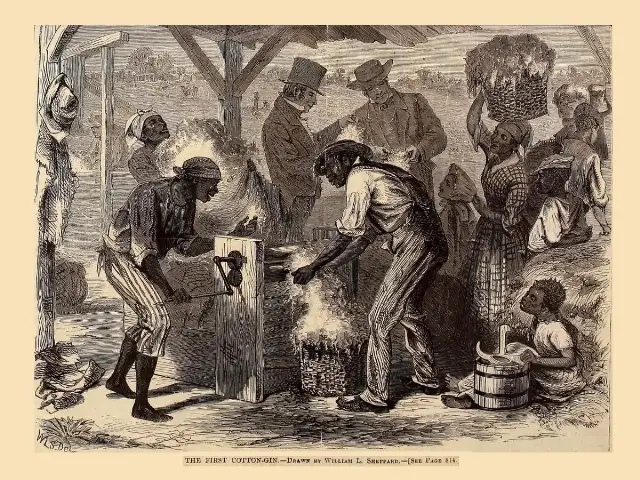
On March 14, 1794, Eli Whitney received a patent for the cotton gin, an invention meant to ease labor that instead fueled the brutal expansion of slavery.
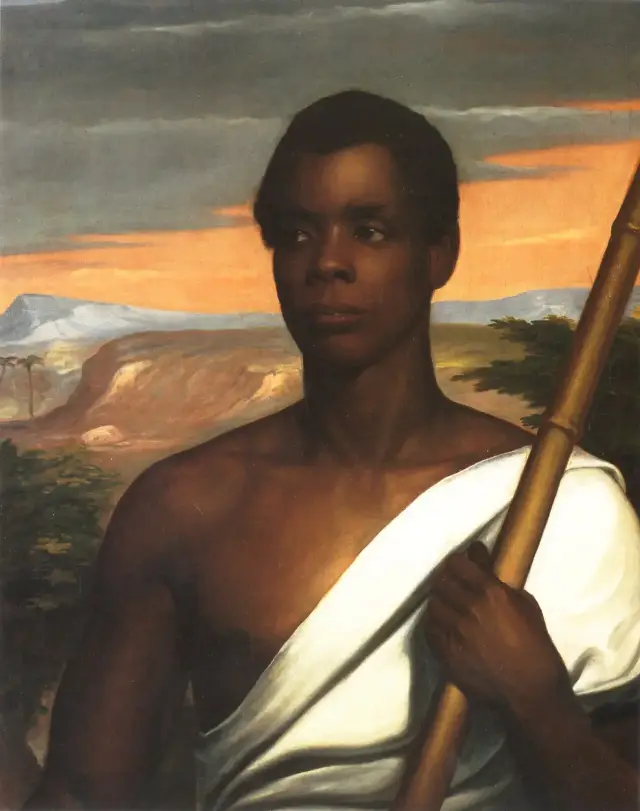
On March 9, 1841, the U.S. Supreme Court set the kidnapped Africans of the Amistad free, after a former president pleaded their case.
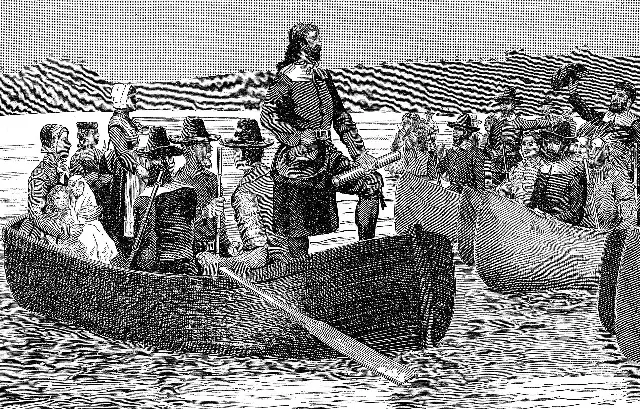
On May 18, 1652, Rhode Island passed the first anti-slavery statute in English North America, capping servitude at ten years — a landmark law that was never enforced.
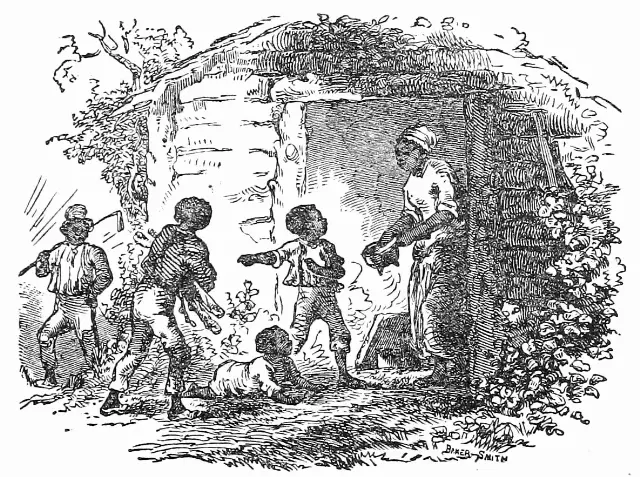
Published March 20, 1852, Harriet Beecher Stowe's anti-slavery novel Uncle Tom's Cabin sold 10,000 copies in its first week and helped push America toward civil war.
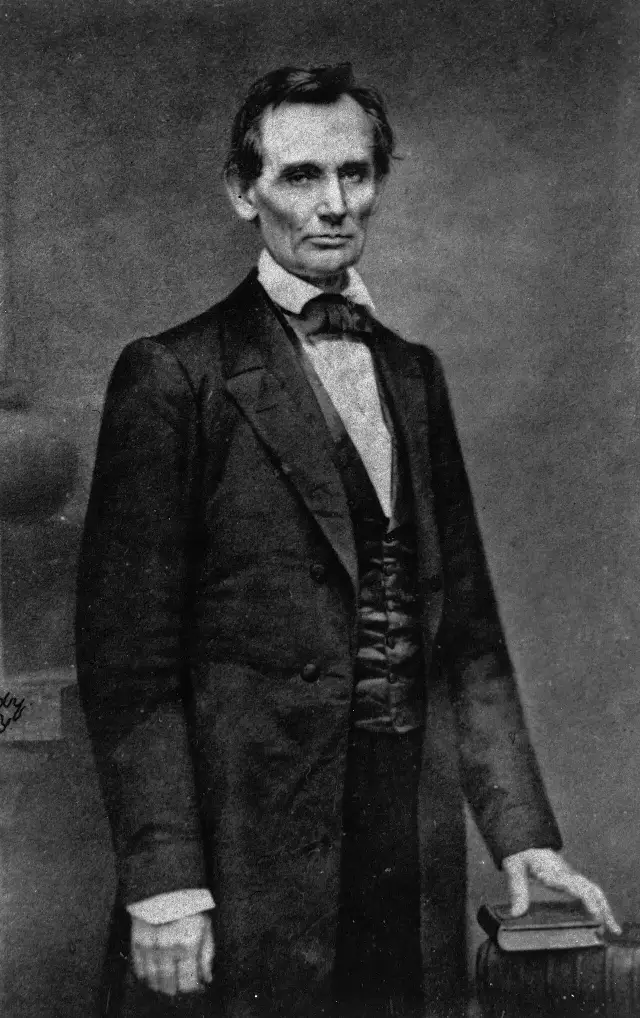
On August 21, 1858, Abraham Lincoln and Stephen Douglas faced off in Ottawa, Illinois, in the first of seven debates that made Lincoln a national figure.