The Only Unanimous Election in American History
On February 4, 1789, all 69 members of America's first Electoral College voted for George Washington — the only unanimous presidential election in the nation's history.


On February 4, 1789, all 69 members of America's first Electoral College voted for George Washington — the only unanimous presidential election in the nation's history.
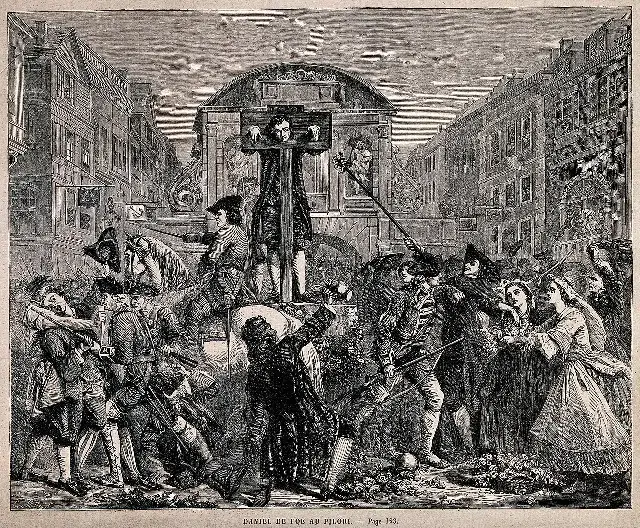
On July 31, 1703, Daniel Defoe stood in the pillory at Temple Bar for the third straight day — punished for a satire, and already turning his punishment into legend.
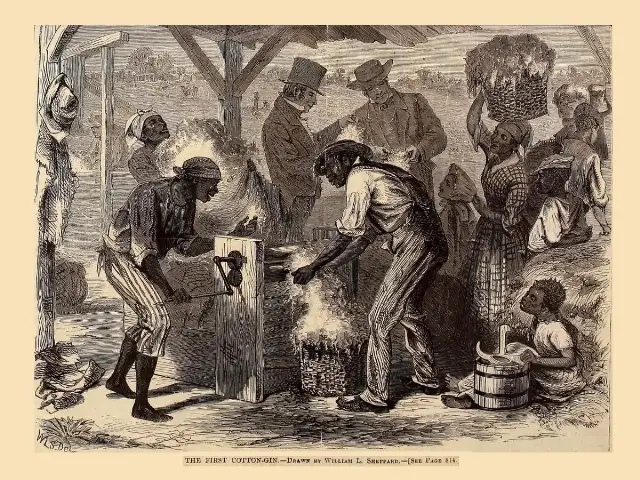
On March 14, 1794, Eli Whitney received a patent for the cotton gin, an invention meant to ease labor that instead fueled the brutal expansion of slavery.
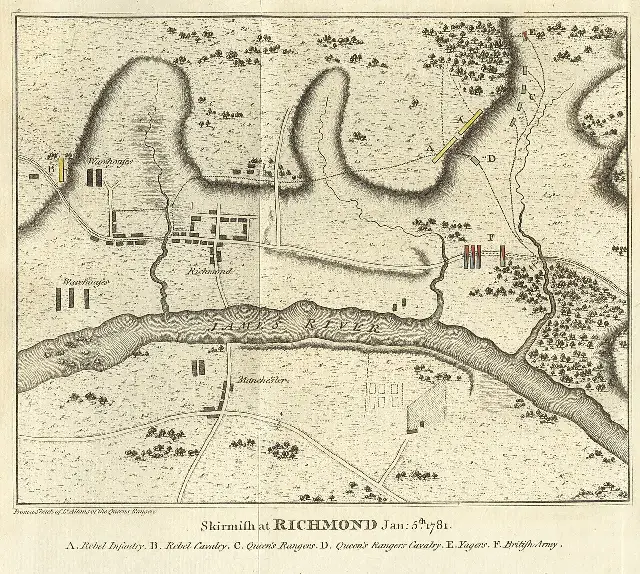
On January 5, 1781, turncoat general Benedict Arnold marched into Virginia's capital at the head of a British army and put Richmond to the torch.
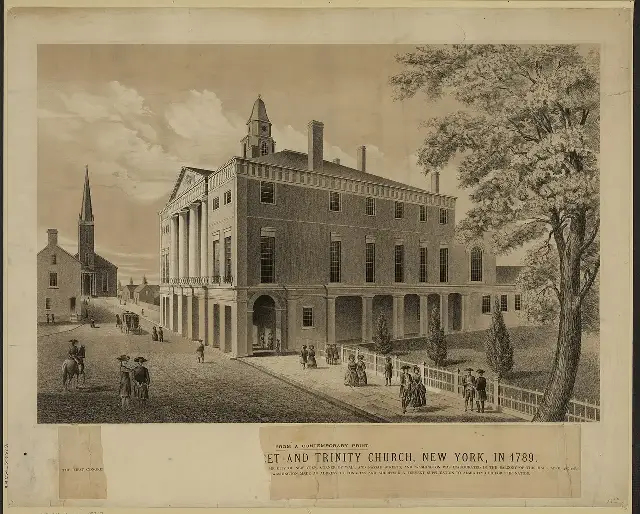
March 4, 1789 was the day America's new government was supposed to begin — but bad roads and worse weather meant almost no one made it to Federal Hall.
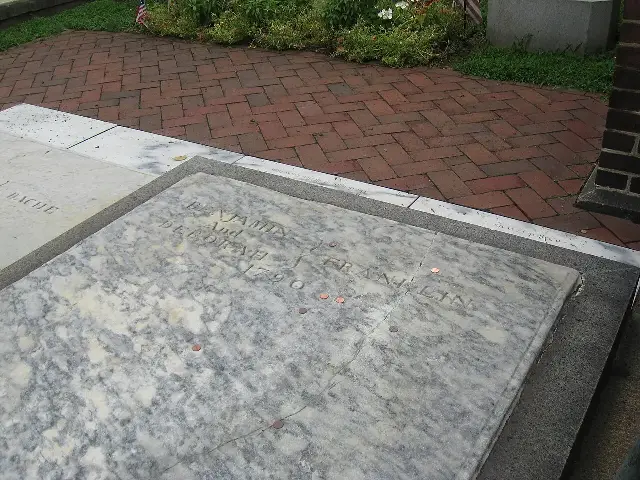
Benjamin Franklin died at home in Philadelphia on April 17, 1790, at 84 — and some 20,000 mourners turned out for the printer who had helped invent a nation.
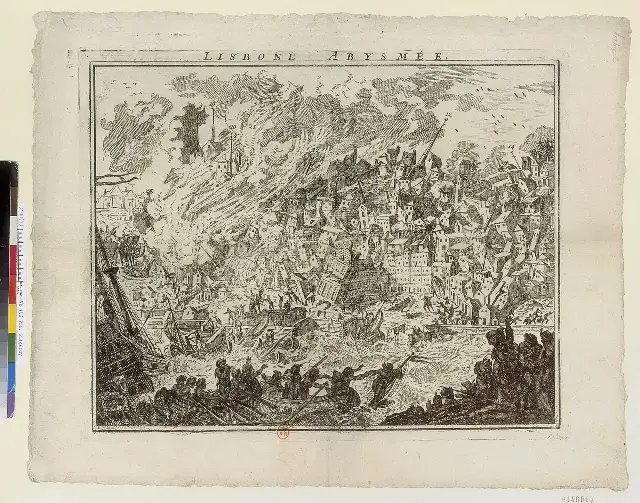
On November 1, 1755, a massive earthquake, tsunami, and fire destroyed Lisbon, killing tens of thousands and shaking Europe's faith in a rational world.
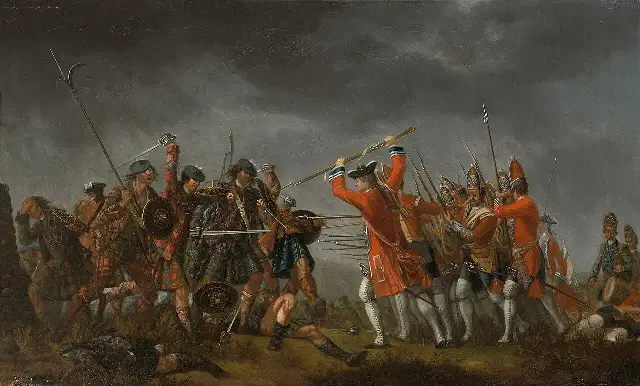
On April 16, 1746, the Jacobite army of Bonnie Prince Charlie was crushed at Culloden Moor in under an hour — the last pitched battle ever fought on British soil.
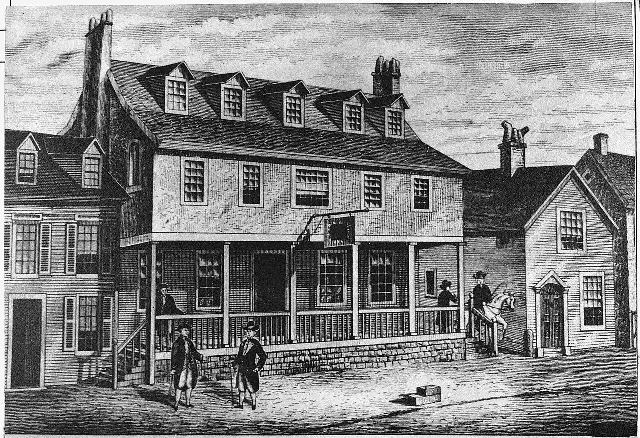
On November 10, 1775, the Continental Congress ordered two battalions of Marines raised — and recruiter Samuel Nicholas set up shop at Philadelphia's Tun Tavern.
On January 10, 1776, Thomas Paine's 47-page pamphlet Common Sense was published anonymously in Philadelphia, making the case for American independence in language ordinary colonists could not ignore.
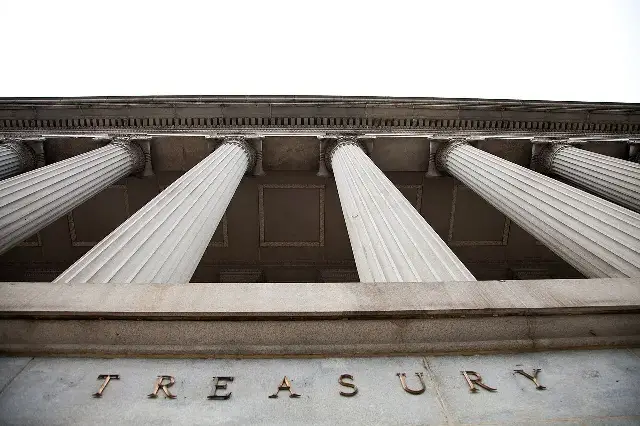
On September 11, 1789, George Washington nominated Alexander Hamilton as America's first Treasury Secretary, and the Senate confirmed him the same day.